Skip to content
Details

Electronic Accessories Boxes

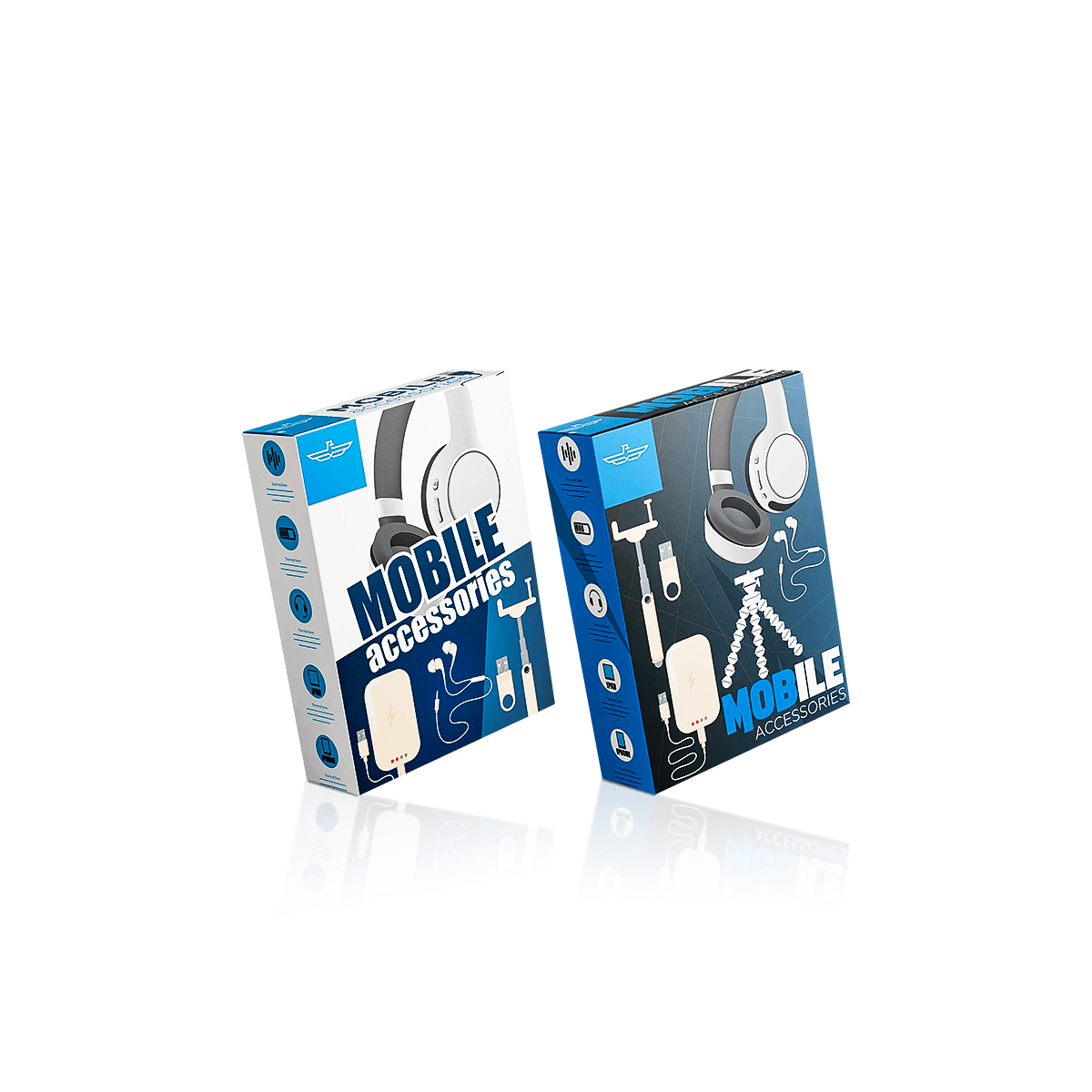
Electronic accessories boxes help varied gadget lines look organised, retail-ready and easier to fulfil. They suit adapters, hubs, styluses, remotes, card readers and bundled add-ons where product fit, clear labelling and tidy presentation all need to work together.

Free Design Support

Clear Pricing

Flexible Quantities

Unlimited Customization

Premium Materials

Offset Precision

Free Shipping

Quick Turnaround

About

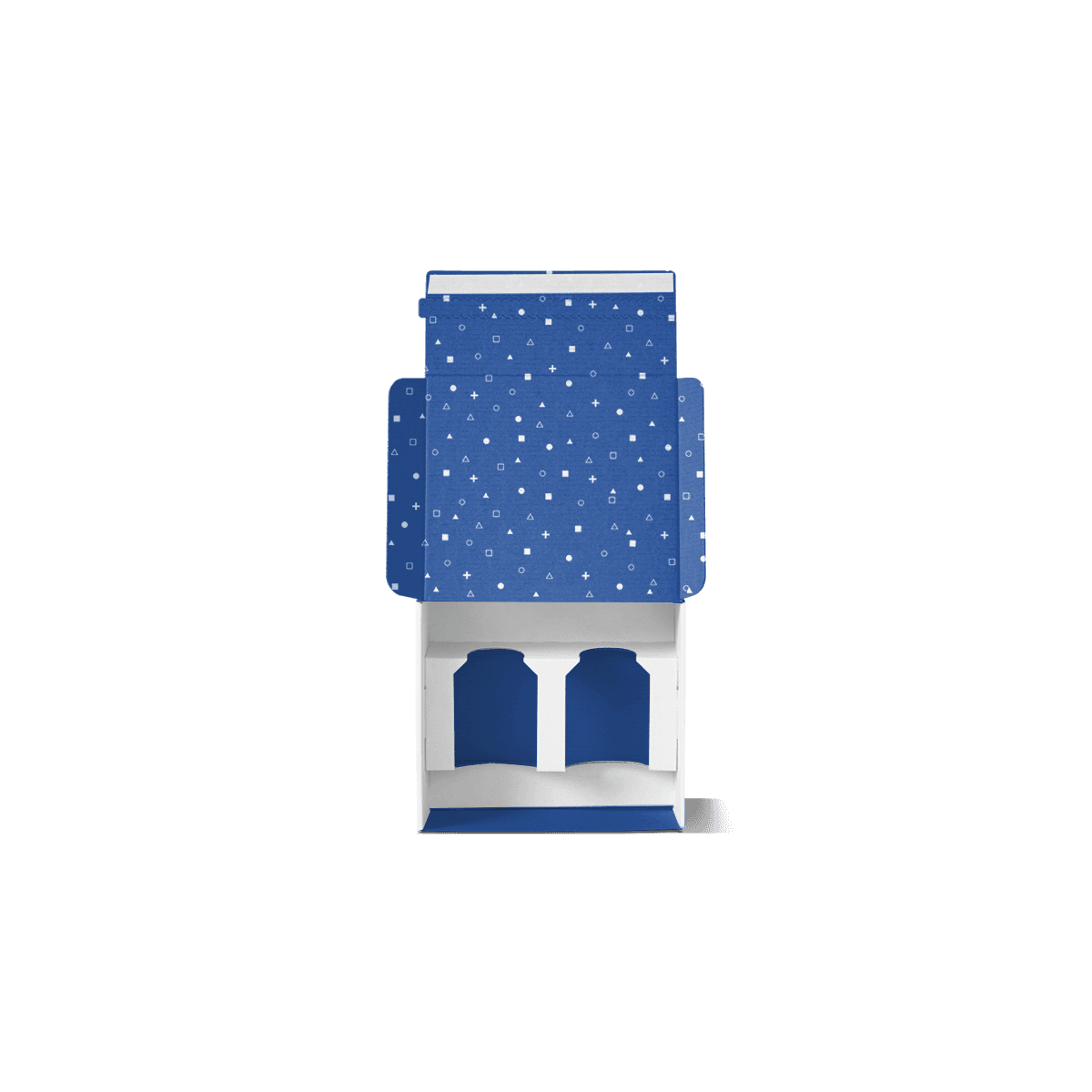
Electronic accessories boxes sit at the broad end of tech packaging, which makes structure planning more important, not less. This page is rarely about one neat product shape. It usually covers a mix of adapters, dongles, stands, styluses, card readers, remotes and small device add-ons that share a category but not a footprint. The strongest result comes from treating the carton as part of a wider product system. Dimensions need to stay disciplined across the range while still matching each item closely enough to avoid empty space, weak shelf presence or awkward movement inside the box. That matters in store, in warehouse picking and in customer unboxing because loose or badly proportioned cartons make small electronics look less considered than they are.

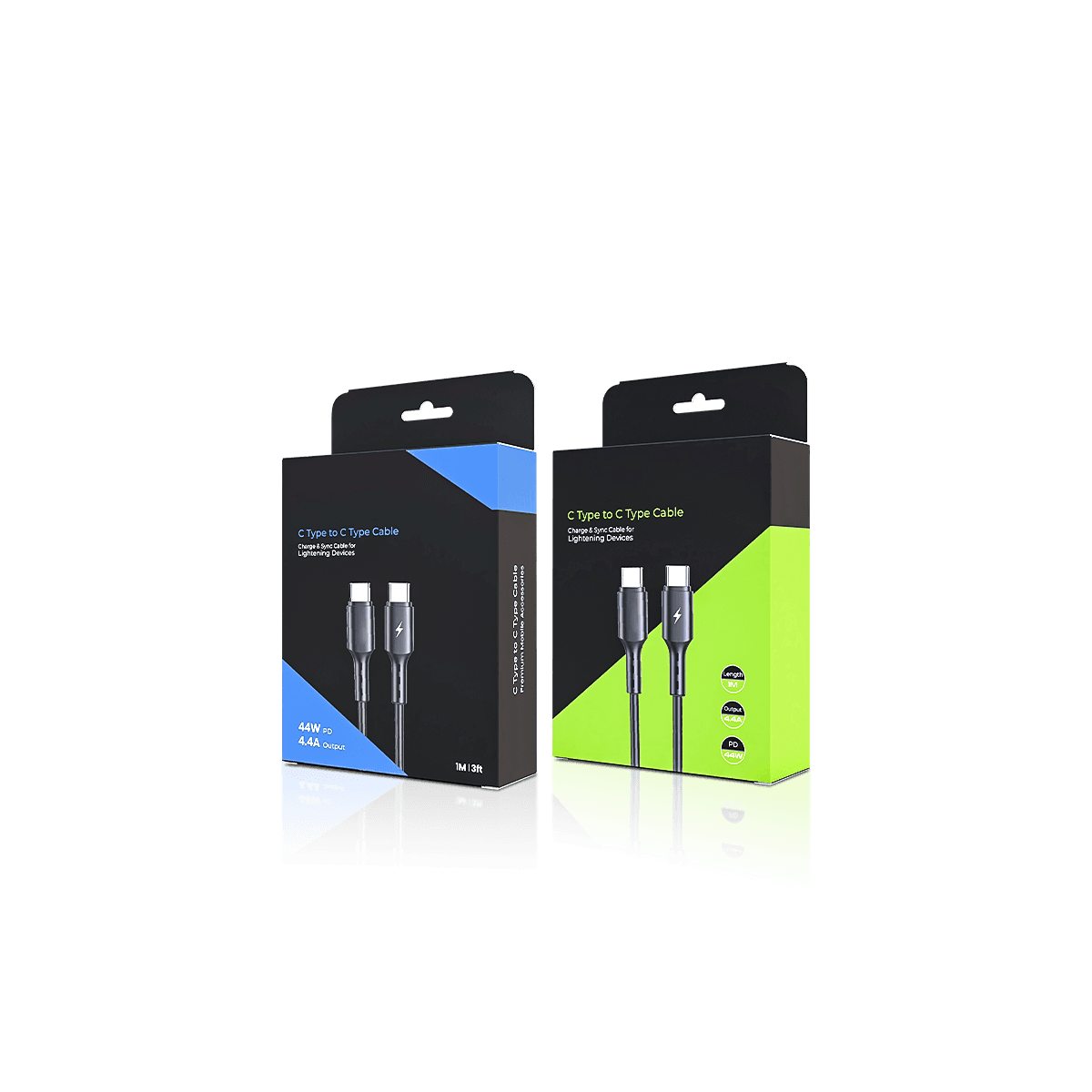
A charger box can focus on plug depth and a cable box can focus on coil control, but electronic accessories boxes often have to balance varied shapes, shorter product names, stronger range recognition and mixed display methods in one family. Some items suit slim tuck-end cartons. Others need card inserts, deeper walls or peg-ready display. The main goal is consistency without sameness. The line should look connected across different accessories while still giving each SKU enough room for compatibility notes, barcode data, imagery and practical product cues.

Commercial Packaging Advantages

  • Brings mixed accessory lines under one clearer retail and branding system

  • Keeps small gadgets from looking underfilled or loosely packed

  • Improves identification across variants, colours and technical differences

  • Supports shelf display, peg merchandising and efficient stock handling

  • Helps bundled accessories stay tidy without overcomplicating the carton

Materials, Print and Protection

Range-Led Sizing

Create a consistent size ladder across small, medium and kit-based accessory SKUs.

Board Matched to Weight

Use lighter paperboard for compact items and stronger stock for denser accessories.

Insert and Divider Control

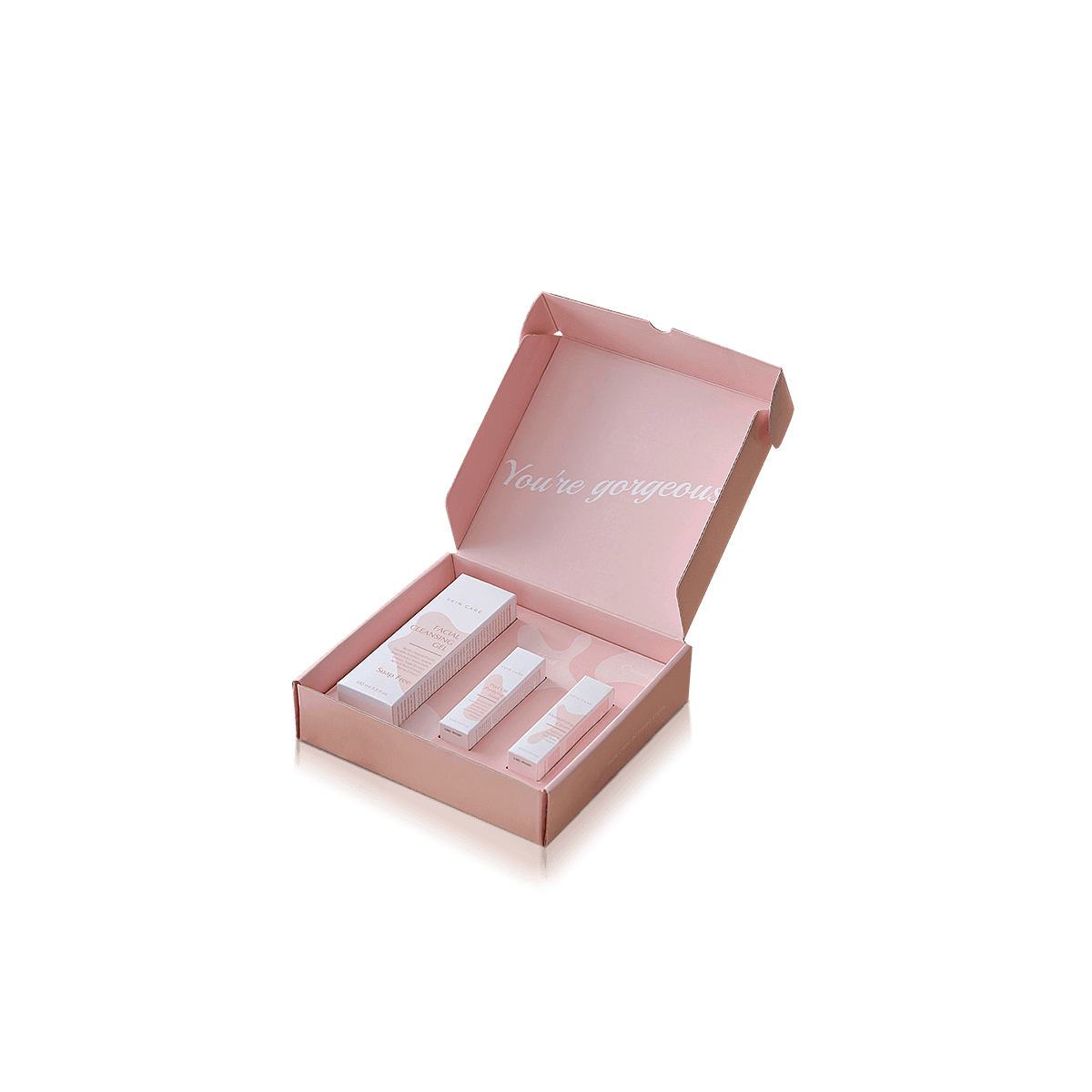
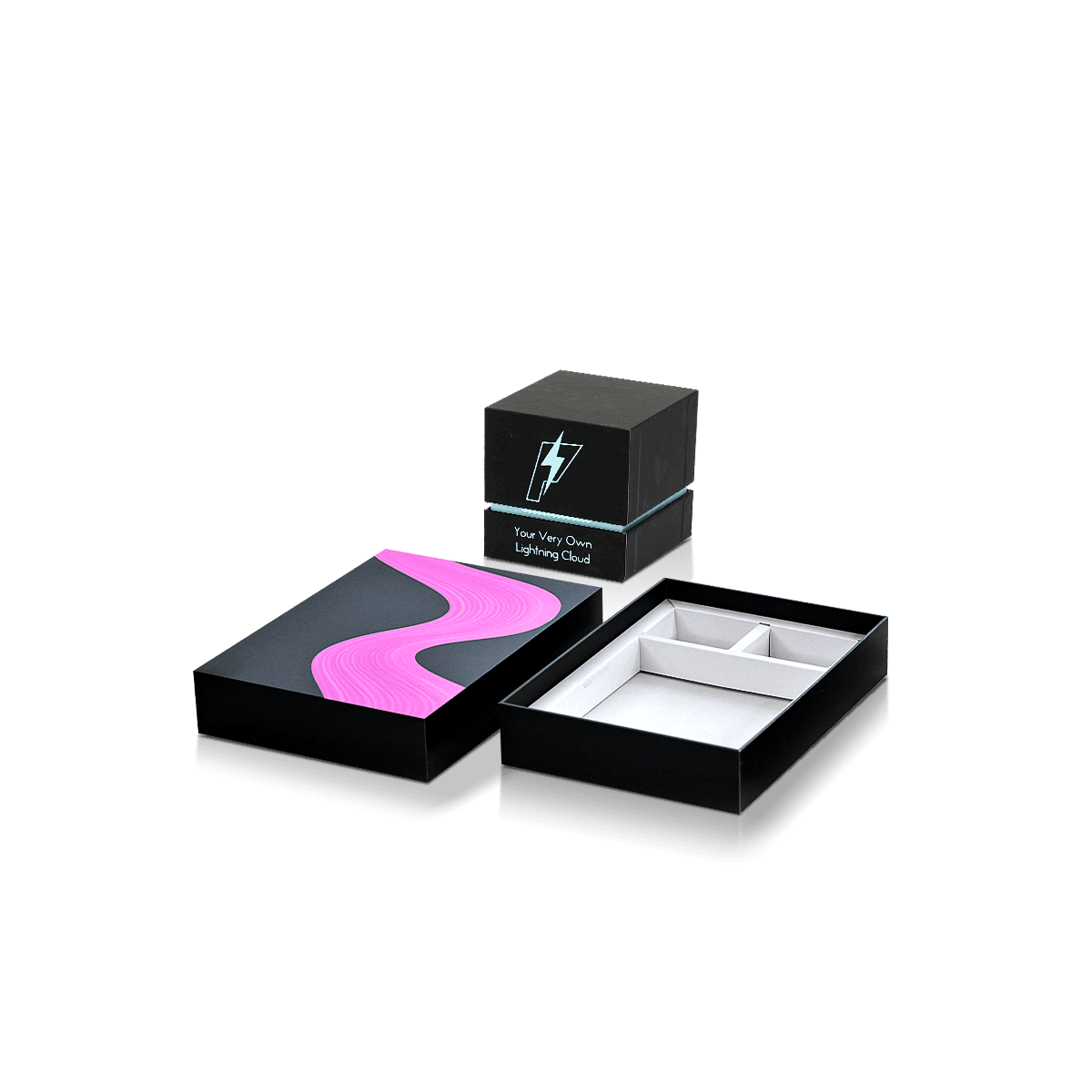
Card inserts organise mixed components and improve product stability inside the carton.

Display Flexibility

Support shelf sale, hang-tab presentation or boxed set display within one product family.

Tailored Print Options

Adjust layout, finish and panel hierarchy across branded tech accessory lines.

Packaging Insight

The accessories category has become more fragmented as brands expand beyond one or two add-ons into fuller ecosystems of supporting products. A single line may now include charging extras, travel adapters, stands, cleaning tools, smart-home add-ons and desktop gadgets, all sold under one visual identity. That puts more pressure on the carton system. The packaging has to help customers tell products apart quickly while preserving a recognisable brand block across shelf and online thumbnails. This is where many generic competitor pages stay too vague. They talk about protection and branding in general terms but skip the harder question: how a mixed accessory range stays visually coherent without forcing every item into the same proportions. Stronger electronic accessories boxes solve that with measured size architecture, cleaner side-panel labelling and better distinction between single items, bundles and higher-value boxed sets.

Where This Packaging Performs Best

  • Mixed accessory ranges sold through electronics retail and reseller channels

  • Peg-display gadget lines with multiple colour or connector variants

  • Boxed sets combining adapters, leads and small supporting items

  • Marketplace orders that need tidy branded inner cartons

  • Promotional tech accessories prepared for gifting or campaign distribution

FAQs

Yes, and that is often the smartest way to manage a broad accessories line. The key is to build a controlled size ladder rather than forcing every product into one outer dimension. Shared branding, panel hierarchy and finish can stay consistent while widths, depths or inserts change by SKU. That keeps the range connected without making small items look lost or larger items feel cramped.

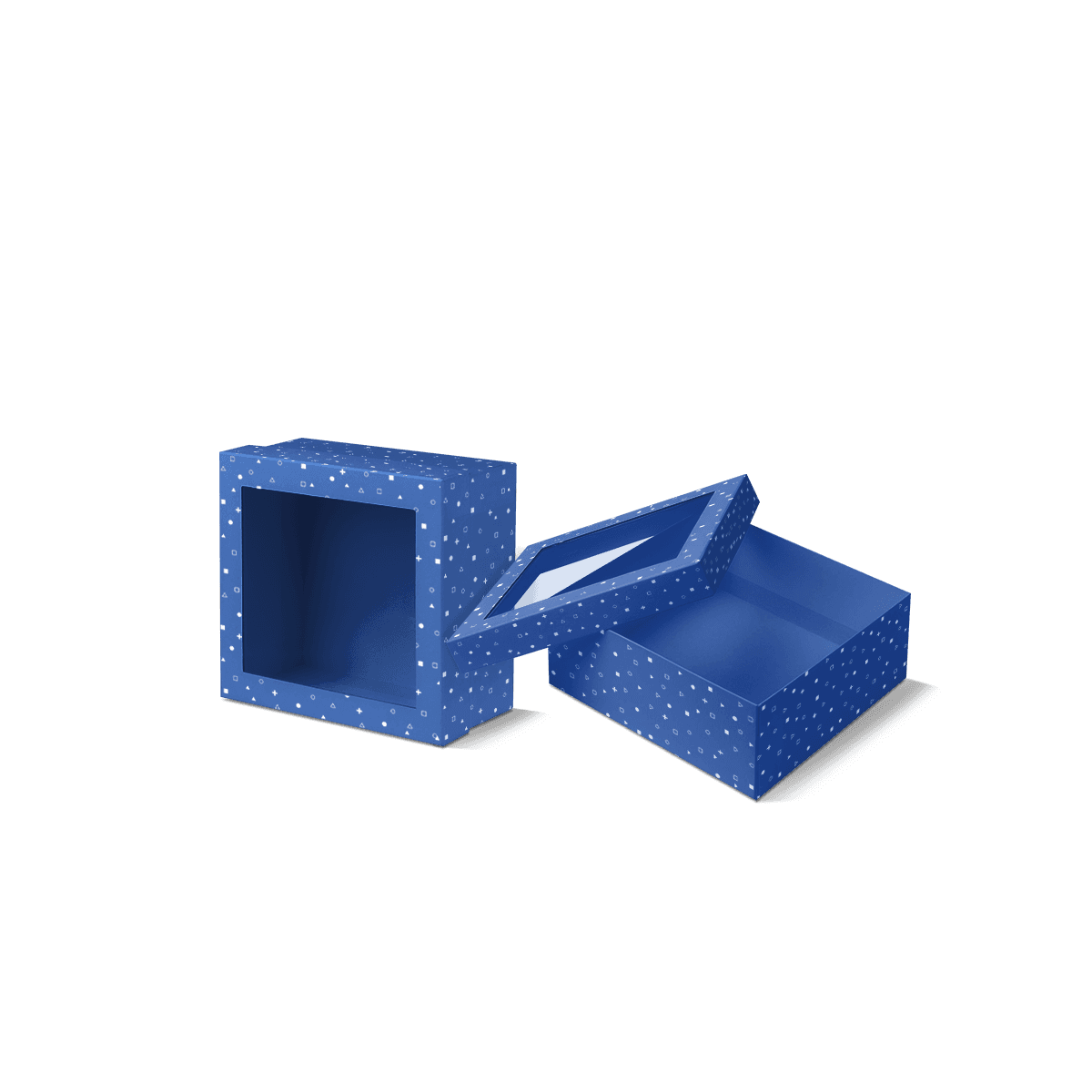
Sometimes, but it depends on the item. A window can work well when the accessory itself helps sell the product, such as a stylus, stand or colour-led gadget add-on. A fully enclosed carton is usually stronger when the product has a plain body, needs more print explanation or is better protected from dust, scuffing and light handling. The better choice is driven by visibility versus protection, not trend alone.

A hang-tab carton becomes more useful when the accessory will sell on crowded display walls, near tills or in compact retail spaces where face-forward visibility matters. Standard shelf cartons often suit boxed sets, broader packs or products that need more front-panel storytelling. The decision comes down to display method, shelf density and whether the product needs to be compared quickly at eye level.

In many cases, yes. Card inserts work well for adapters, remotes, leads and other compact components when the internal layout is planned properly. They keep parts separated, reduce rattle and improve the opening presentation without moving away from the paperboard-led direction of the site. For denser bundles, the insert design matters just as much as the board grade of the outer carton.

Retail cartons usually prioritise display, quick recognition and compact footprint. Ecommerce-focused cartons need more emphasis on transit stability, outer durability and how the product behaves inside secondary packaging. Some lines can use the same printed inner carton for both channels, but higher-risk items often perform better when the retail box sits inside a corrugated mailer rather than doing both jobs alone.

Process

How it works

Simple steps from idea to delivery

01

Tell Us Your Specs

Custom packaging boxes

Tell Us Your Specs

Provide size, quantity, printing, and finishes.

02

Get a Fast Quote

Custom packaging boxes

Get a Fast Quote

Instant transparent pricing, no hidden fees.

03

Design and Approval

Custom packaging boxes

Design and Approval

Artwork checks, revisions, and final sign-off.

04

Produce

Custom packaging boxes

Produce

Expert manufacturing to meet deadlines.

05

Ship to Your Door

Custom packaging boxes

Ship to Your Door

Hassle-free, flexible delivery options.

Ready for a quote?

Send your dimensions and we’ll respond quickly