700+ Companies Served
More than 700 companies have worked with Custom Packly across launches, repeat orders, retail packaging, ecommerce, gifting and larger supply programmes.
Custom Packly has served 700+ companies with UK-made custom packaging, MOQ from 100, a 4–6 working-day turnaround, free UK delivery, free design and dieline support, free 3D mockups and 24/7 packaging expert support.
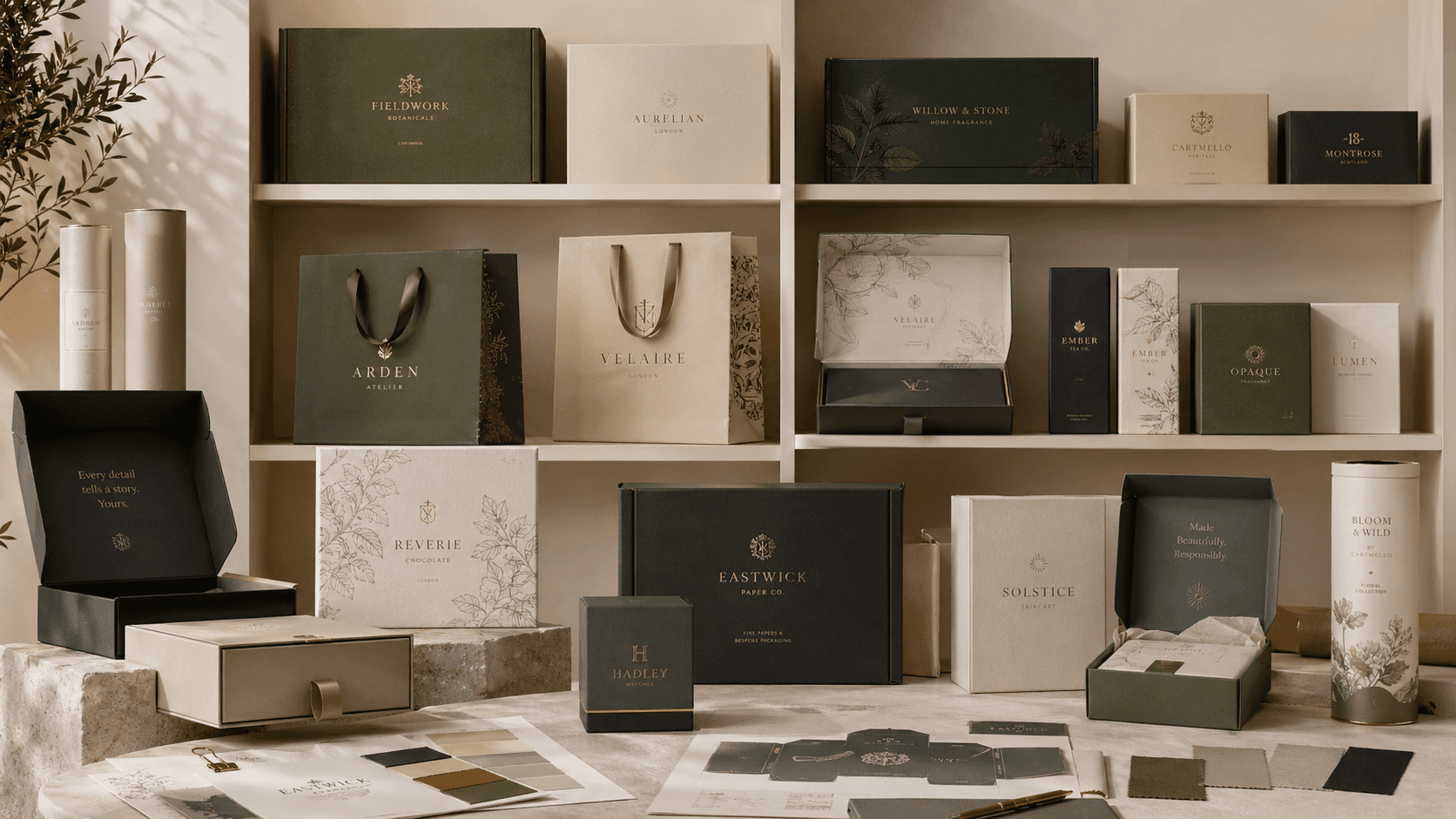
Custom Packly works with UK businesses that need packaging shaped around the product, sales channel and production requirement. The useful work starts before print: clarifying the structure, packed dimensions, board duty, artwork geometry and the practical way the pack will be filled, stored, displayed or delivered.
A project may begin with a known box style, a product sample, rough dimensions or simply a packaging problem. When the specification is still taking shape, designing packaging around the product is a better starting point than forcing artwork into the first box shape that looks suitable.
More than 700 companies have worked with Custom Packly across launches, repeat orders, retail packaging, ecommerce, gifting and larger supply programmes.
Custom packaging is produced in the UK, giving customers a local production route with direct support around specifications, artwork and repeat orders.
Our current UK turnaround is 4–6 working days, giving businesses a clear production timetable without defaulting to long lead times.
Free UK delivery is included, so the commercial comparison is based on the complete order rather than a low headline price followed by a separate delivery charge.
Free design and dieline support plus free 3D mockups help move packaging from an early idea to a production-ready layout without leaving customers to solve the technical setup alone.
Packaging expert support is available 24/7 for specification, artwork, production and repeat-order questions.
A box can look convincing in a render and still be wrong for the job. Product protrusions can change the internal size, inserts can change the outer dimensions and artwork can fail when important elements cross folds, glue areas or closure panels.
We separate those decisions. Product fit and route-to-customer determine the physical pack; artwork and colour are then built around that approved geometry. When the project is mainly about fit, product-led packaging specification is the more useful route.
Free design and dieline support when the artwork or structure is not production-ready
Free 3D mockups when visual approval matters before production
Premium offset printing when repeat colour and detailed print reproduction matter
MOQ from 100 for launches, smaller brands and controlled first runs
UK production with a 4–6 working-day turnaround
Warehousing and scheduled deliveries for suitable bulk and repeat programmes
Applicable UK and EU certification support and documentation where the packaging or material requires it
Free UK delivery on packaging orders
The right packaging supplier should be able to explain which input controls each decision. These are the checks we use to keep the specification grounded in how the pack will actually be used.
| What to Check | Why It Matters | How We Handle It |
|---|---|---|
| Product envelope | Measure the packed product, including caps, pumps, handles or other protrusions | Use those maximum dimensions to set clearance and internal fit |
| Route to customer | Retail shelf, ecommerce delivery and gifting expose packaging to different handling | Choose structure and board duty for the real route rather than appearance alone |
| Quantity | Quantity changes production economics and can change the sensible print or structure choice | Start from the required run and compare larger repeat volumes only when they are operationally useful |
| Artwork status | Artwork cannot be final until the panel geometry is known | Build artwork on the final dieline and check folds, safe areas and print coverage |
| Material | Paperboard, corrugated board and rigid board solve different weight, protection and presentation needs | Match board type and duty to the product and handling requirement |
| Colour and print | CMYK, Pantone and offset decisions affect repeat colour control and artwork setup | Choose the print route around the brand requirement and run |
| Internal support | Inserts and dividers should solve movement, separation or presentation problems | Set the insert geometry before locking the final outside size |
| Repeat supply | A larger run can create storage pressure even when unit economics improve | Use warehousing and scheduled deliveries where staged release is the better operating model |
| Approval | Visual and physical checks answer different questions | Use 3D mockups for presentation and paid custom samples when an exact physical pre-production sample is required |
The goal is not to add every available feature. It is to make the few decisions that materially affect fit, protection, print, pack-out and repeat production.
We work across paperboard, corrugated, rigid-board and flexible packaging formats, but the format should follow the product and use case. When a specific structure becomes the controlling decision, the specialist packaging route carries the detailed technical choice.
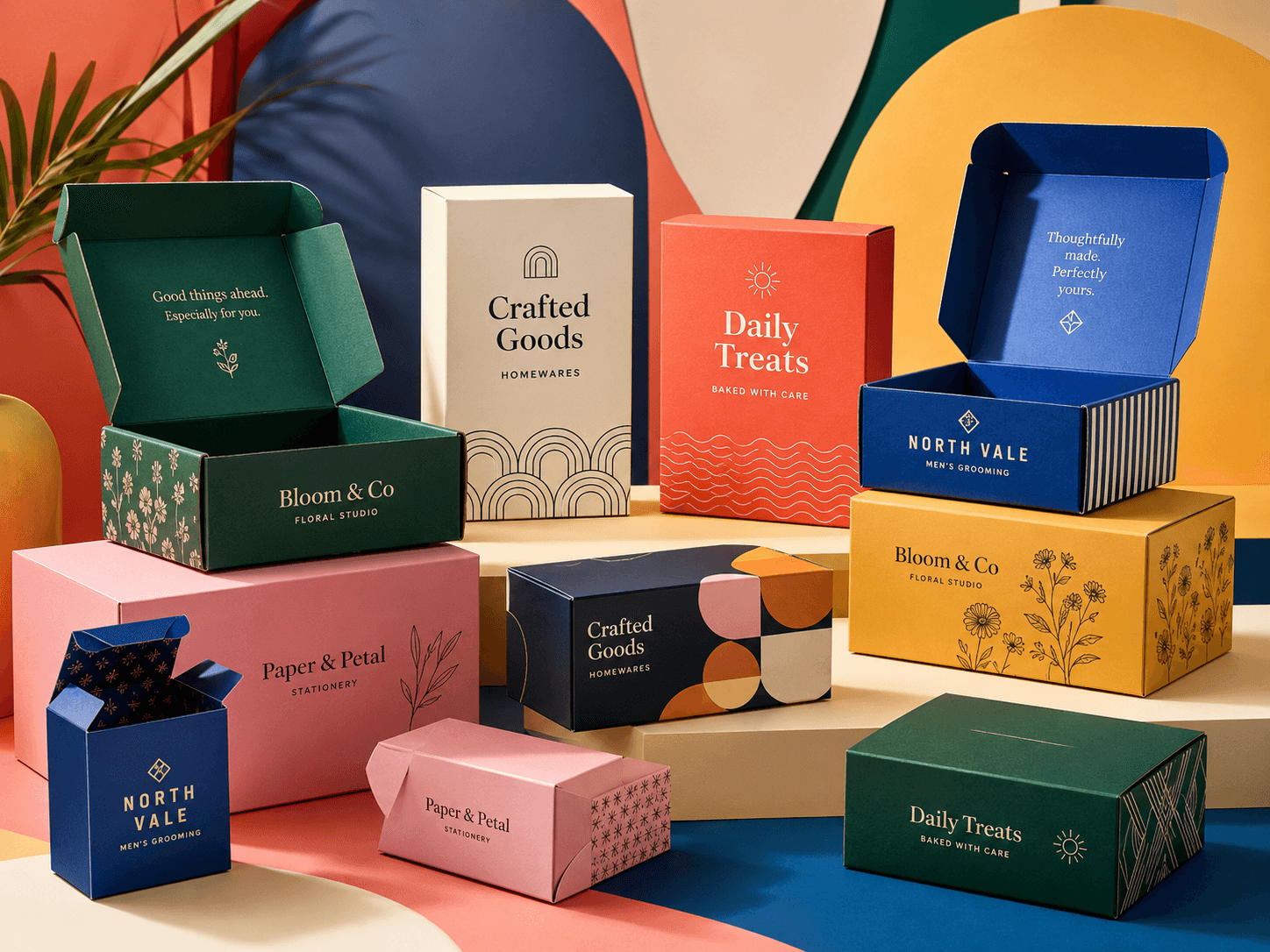
Made-to-measure boxes when a box is needed but the exact structural family is still being decided.
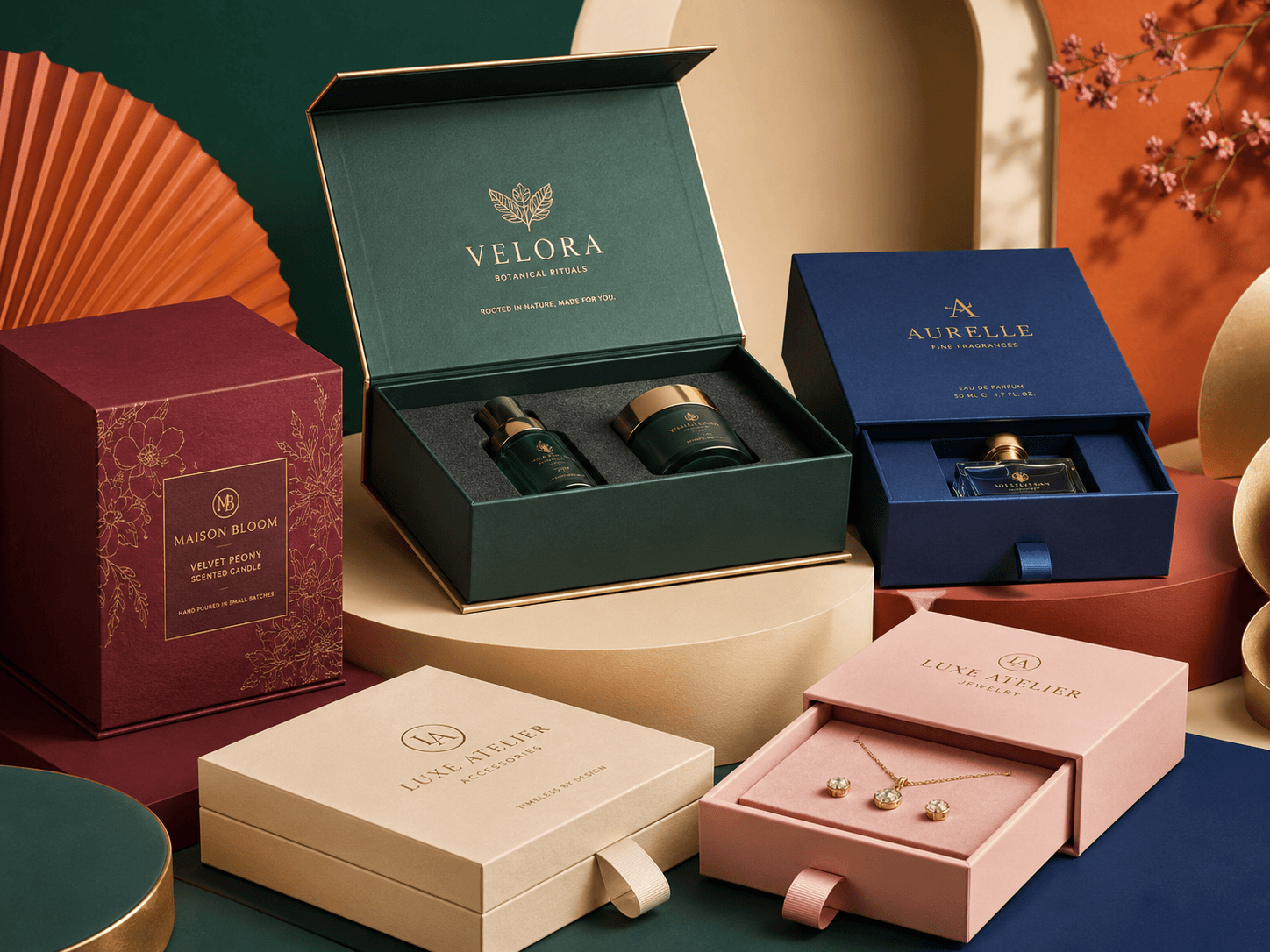
Rigid-board presentation structures for products where opening movement, proportion and surface finish matter.
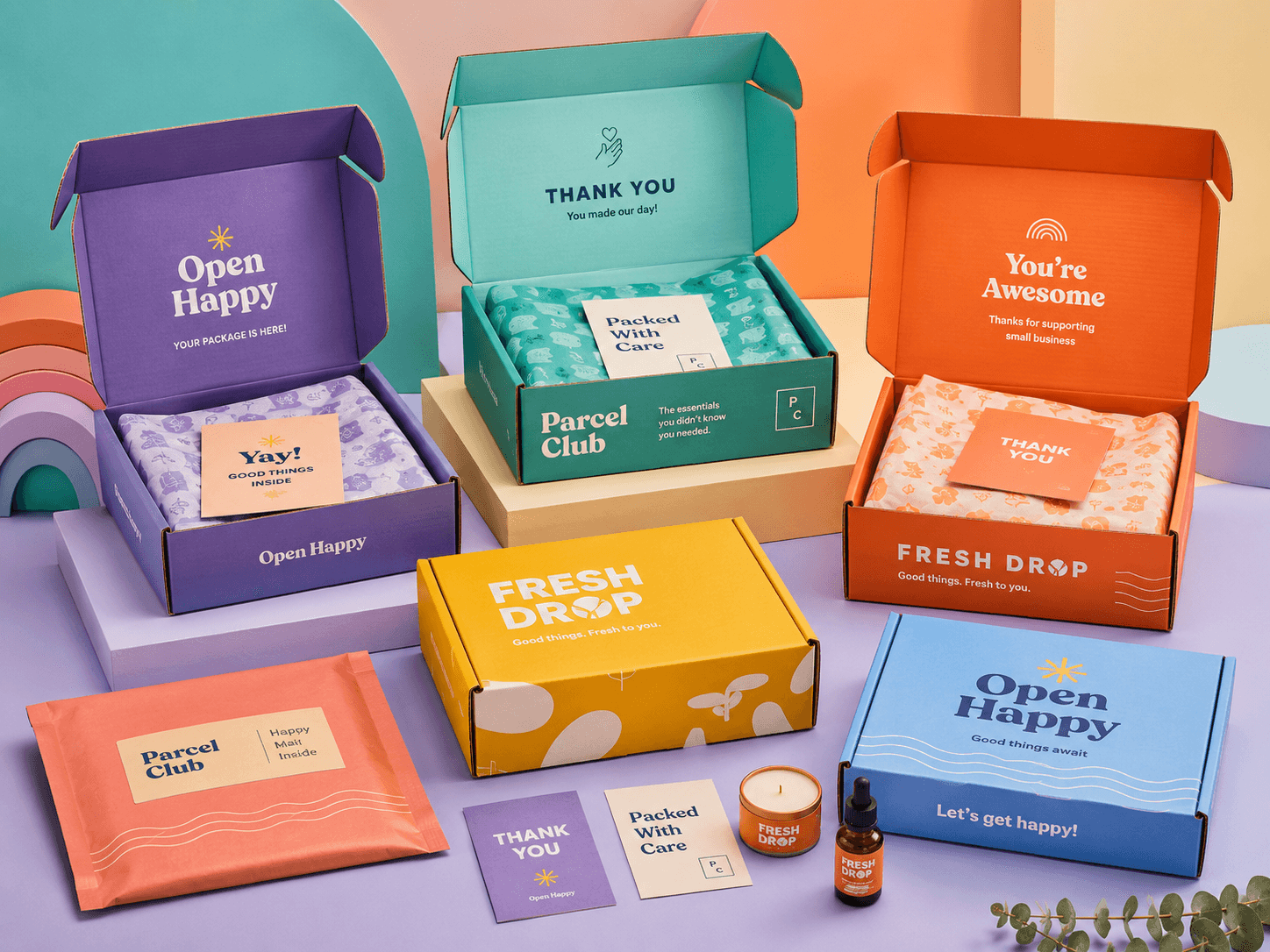
One-piece mailer structures for ecommerce, subscription and direct-to-customer fulfilment.
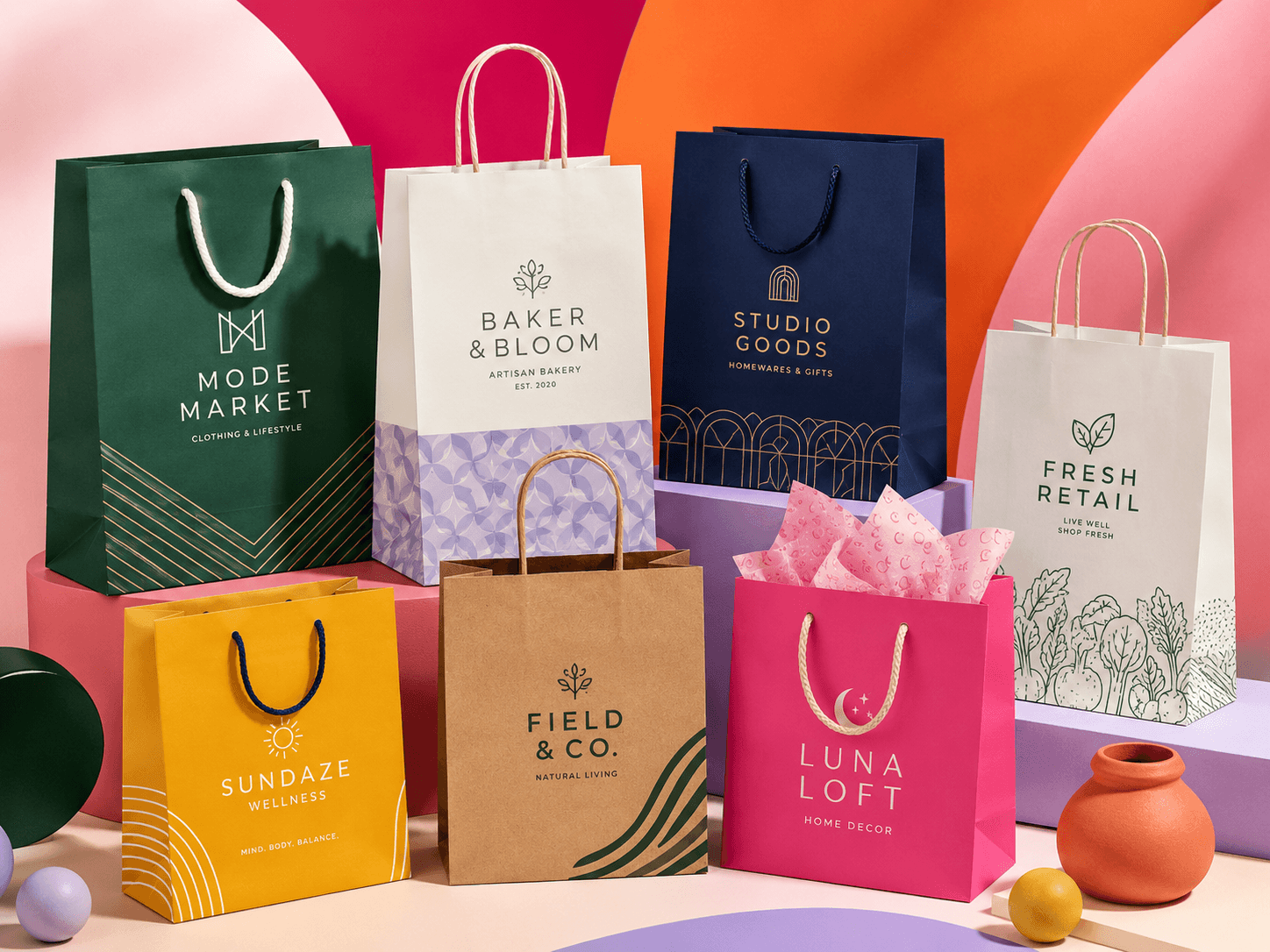
Retail, bakery, event and handoff formats where base style, handles, stock and carrying use drive the choice.
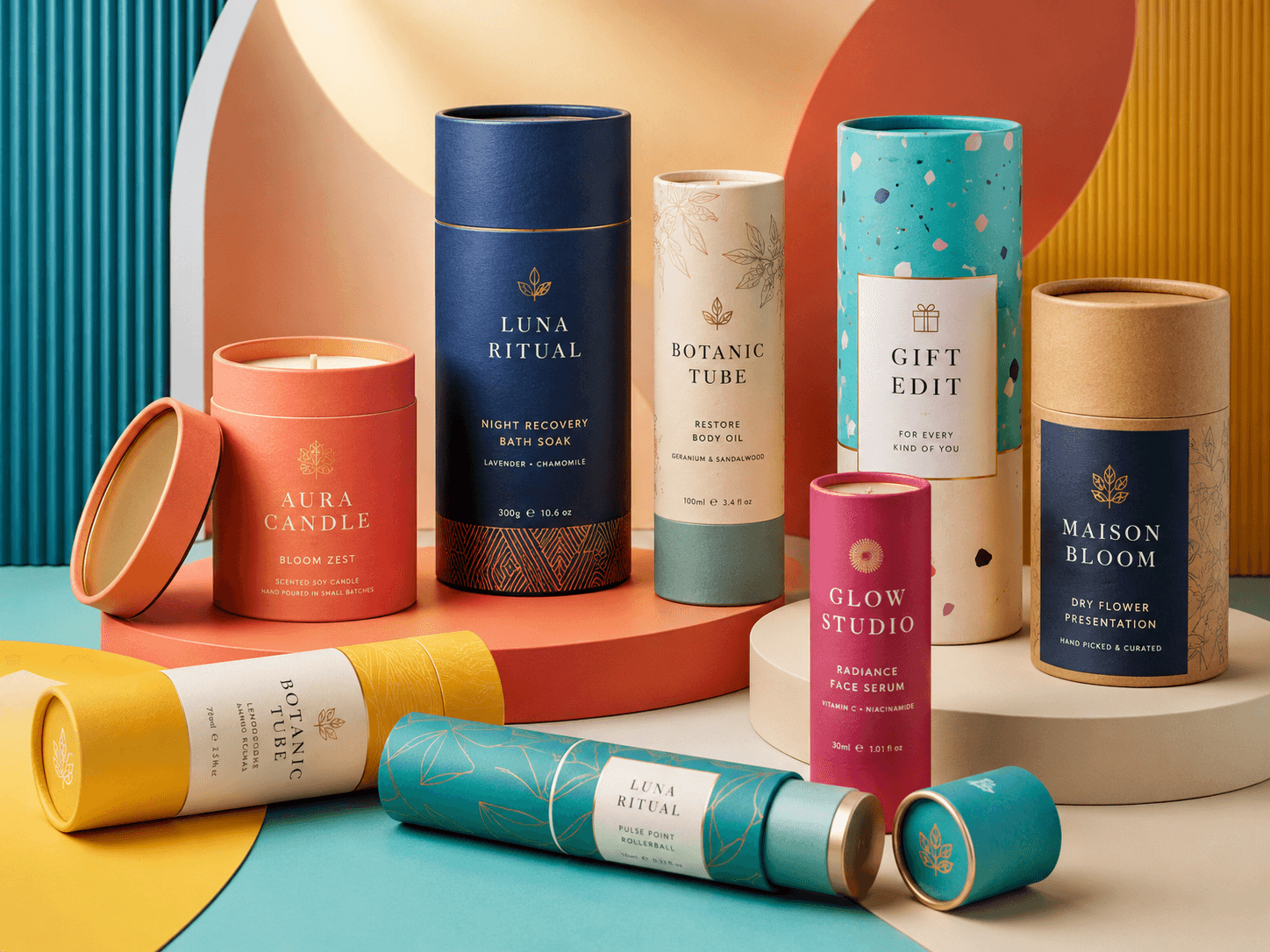
Cylindrical retail, gift and postal formats where length, wall construction and closure style matter.
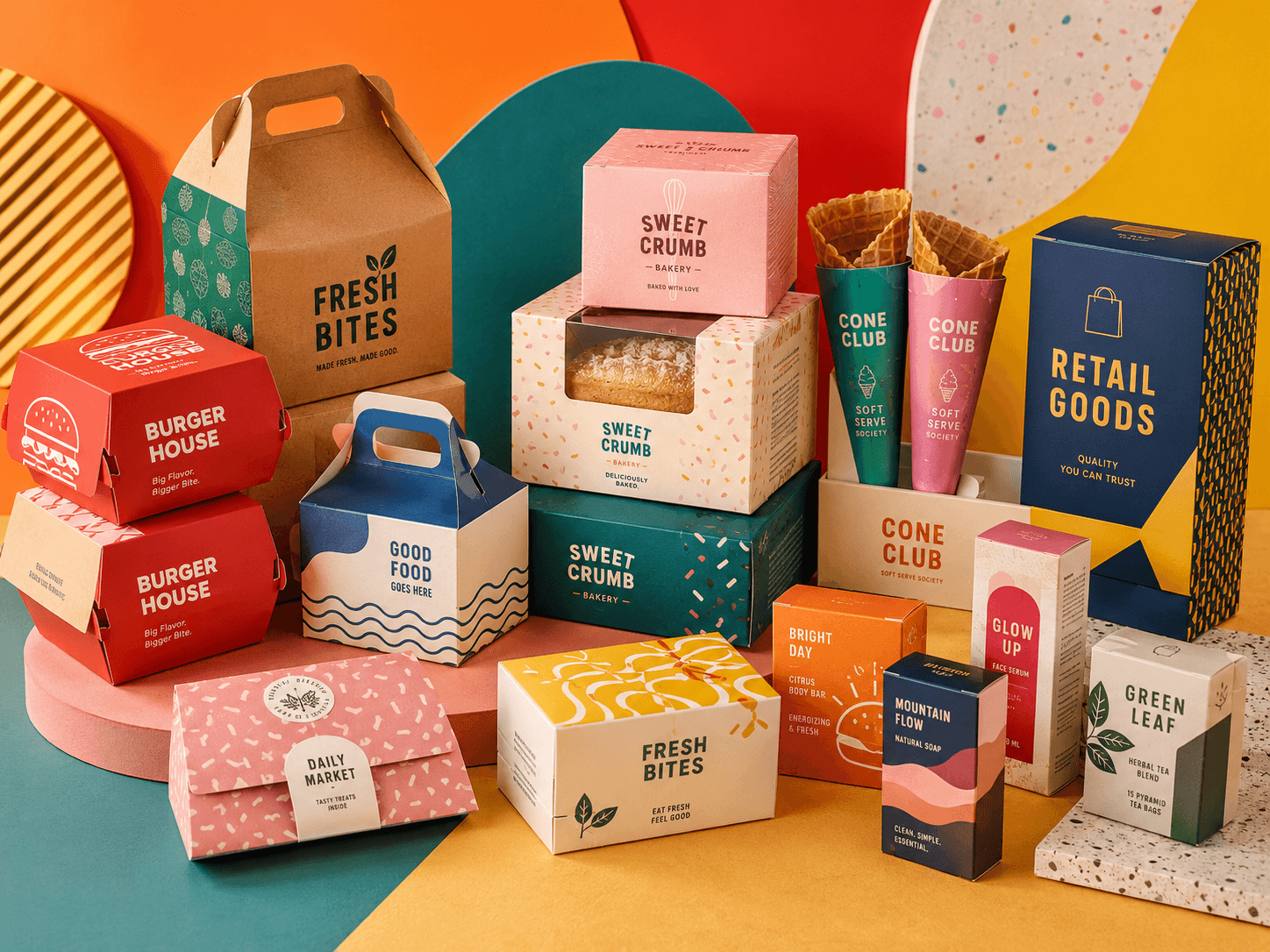
Packaging chosen around serving, grease, heat, product clearance, handoff and presentation requirements.
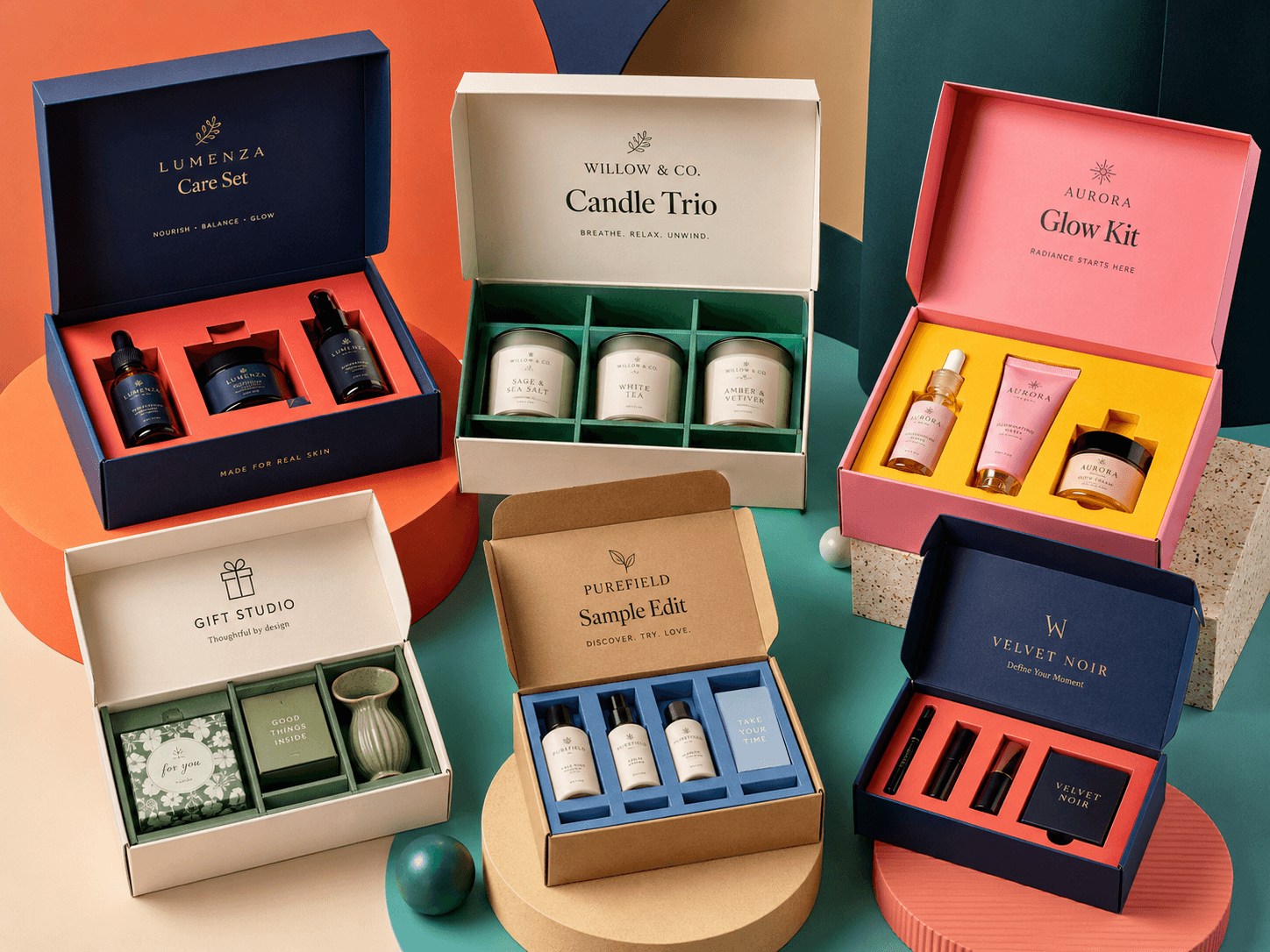
Internal components for retention, separation, pack-out consistency and presentation.
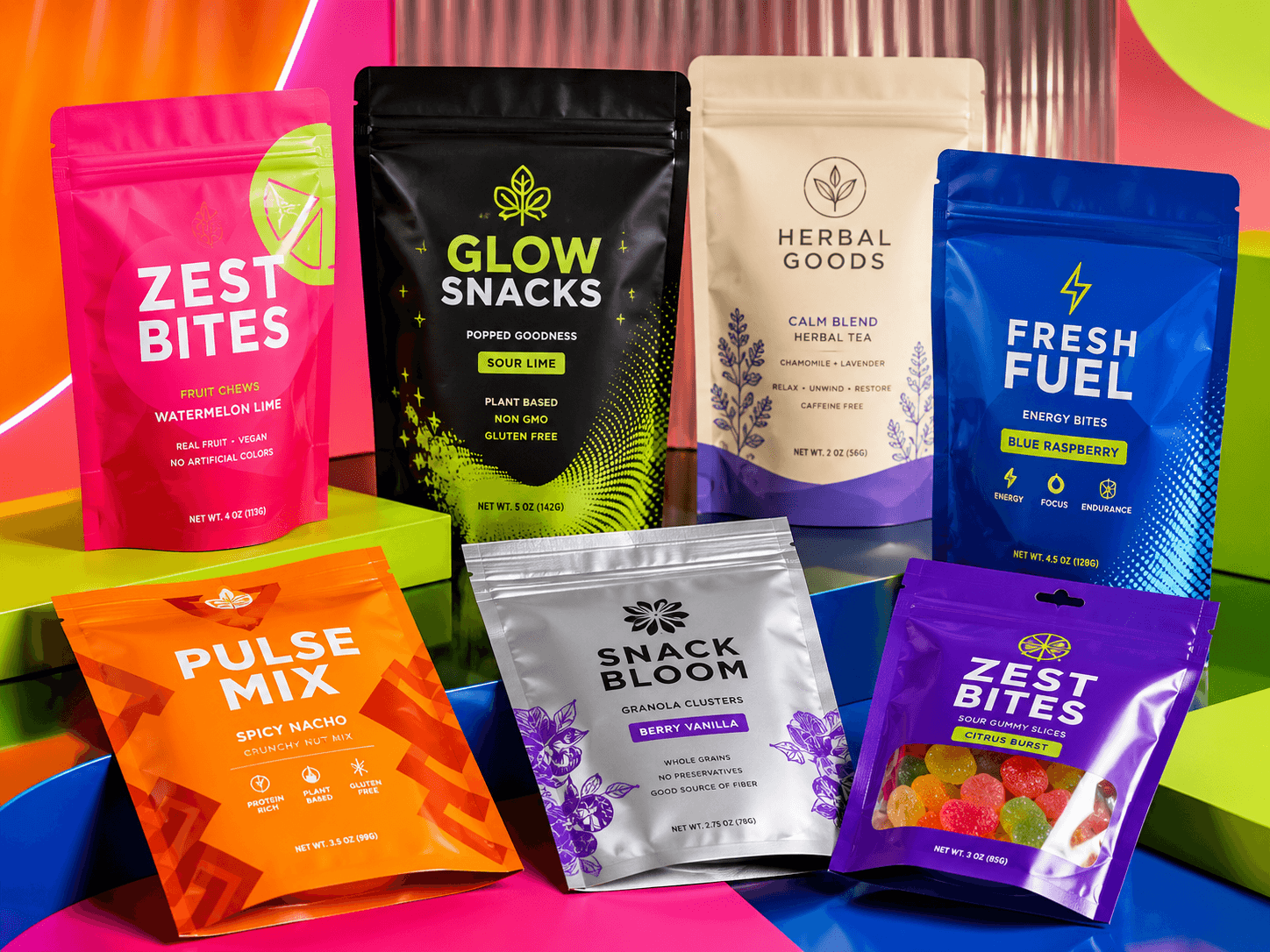
Flexible pouch formats where closure, seal, barrier format and product presentation drive the specification.
A first order and a multi-SKU repeat programme need different kinds of support. Brands starting smaller can use the small-business packaging route when MOQ and the first production-ready specification are the main decisions.
For larger organisations, the harder problem is often governance rather than box choice: approved versions, multiple SKUs, repeat colour, replenishment and release planning. That belongs in large-business packaging programmes rather than being treated as a bigger version of a first order.
When a larger run is commercially sensible but the full quantity would crowd your own site, bulk custom box planning can include warehousing and scheduled deliveries. The production quantity and release quantity do not have to be the same decision.
For repeat work, the approved specification matters as much as the first run. Dimensions, board, print references, finishes and insert geometry should stay controlled so a reorder does not quietly become a different package.
Our current UK turnaround is 4–6 working days. If timing is critical, share the required date when the project is being specified so structure, artwork and production decisions can be coordinated around it.
Speed is most useful when the specification is clear. Dimensions, quantity, artwork status and the packaging route should be resolved early enough that production is not being used to discover basic requirements.
Help with packaging artwork direction and layout when a finished production file does not yet exist.
Help aligning artwork with cut, crease, bleed, safe-area and panel geometry.
Free visual previews that help check orientation, opening experience and artwork placement.
Guidance across paperboard, corrugated board, kraft stock and rigid board based on the actual packaging job.
Help narrowing box style, closure, board duty, internal support and pack-out requirements.
Free sample examples of previous work are available; fully custom physical samples can be arranged as paid samples.
For supported box structures, the free box dieline generator can turn known dimensions into a downloadable starting layout. It is useful once the structure and size are sufficiently clear, not as a substitute for choosing the right packaging.
If artwork setup is the problem rather than box selection, how packaging dielines control artwork placement covers cut lines, folds, bleed and safe areas in more depth.
Check the packed product envelope and required clearance before final dimensions are approved.
Confirm print method, colour references, coverage and panel orientation against the final dieline.
Confirm closure, board duty, inserts or dividers and the way the pack will be filled and handled.
Place foil, embossing, debossing, spot UV or lamination where they add value without conflicting with folds or high-wear areas.
Use mockups, proofs, previous-work samples or paid custom samples for the question each can actually answer.
Caps, pumps, handles and other protrusions can change the true maximum size. We use the packed envelope when those details affect fit.
Panel widths, folds, glue areas and closures can move important artwork. The final dieline should control the artwork geometry.
Inserts, finishes and heavier board are useful when they solve a protection, presentation or handling problem. They should not be added by default.
When volume economics and storage capacity pull in different directions, warehousing and scheduled releases can separate production quantity from on-site stock.
Ecommerce and subscription orders where parcel handling, pack-out speed and unboxing matter
Food, bakery and takeaway use where serving, grease, heat, clearance or handoff changes the structure
Beauty and personal care products where container geometry, inserts, colour and retail presentation matter
Retail and apparel where garment presentation, shop handoff, ecommerce delivery and SKU consistency can require different formats
Jewellery and accessories where small-item retention, reveal and ecommerce protection matter
Candles and home fragrance where glass weight, bottle or jar geometry, inserts and gifting affect the pack
Events, hospitality and gifting where kit composition, handoff occasion and presentation lead the decision
Newer brands that need a workable first specification from an MOQ of 100
Larger and repeat programmes that need specification control, warehousing or scheduled deliveries
The most useful project brief describes the product and operating conditions before decoration.
Product dimensions: use the maximum packed size, including protrusions that affect fit.
Quantity: give the required run and any likely repeat volume.
Route to customer: retail, ecommerce, gifting, takeaway, event handoff or another real use.
Protection need: identify fragile points, movement risk, weight and any need for separation.
Artwork status: say whether you have final artwork, a logo and brand files, or need design help.
Print and finish priorities: note colour-critical work, inside print, foil, embossing or other finish requirements.
Delivery and storage: include the UK destination, timing and whether staged releases could help.
Once those inputs are sufficiently clear, the custom packaging quote is the right place to move into pricing.
A 3D mockup can show layout, panel orientation and overall presentation. A previous-work sample can show materials and finish examples. A paid fully custom sample can test the exact proposed construction. None of those is a substitute for a production specification that records the dimensions, material, print and finishing decisions.
Using the right validation method for the right uncertainty keeps approval work focused instead of treating every project as though it needs the same sequence.
For deeper packaging comparisons and technical buying decisions, the Custom Packly blog covers specific structure, material, print and cost questions.
Custom Packly combines a strong UK commercial offer with technical packaging support: MOQ from 100, 4–6 working-day turnaround, free delivery, instant pricing, premium offset printing, free design and dieline support, free 3D mockups, 24/7 packaging expert support and warehousing with scheduled deliveries for suitable repeat programmes.
Where a project requires compliance documentation, applicable UK and EU certification support can be provided for the relevant packaging or material. Certification should match the actual construction rather than being treated as a generic badge.
If you are still working out the structure, material or fit, contact the packaging team with the product and use case. If the specification is already developed enough for pricing, send the dimensions, quantity and artwork status through the quote route.
The objective is the same in either case: reach a production-ready decision without asking the customer to solve packaging engineering alone.
Start Your Bespoke Packaging Quote
Share your product details, dimensions, quantity and artwork needs. We’ll help choose the right packaging style and send a clear quote.