Dense device
Weight concentration changes insert support and the load placed on the base and corners.
Packaging for devices, cables, chargers, wearables and accessories, planned around component layout, insert control, surface protection and retail or delivery use.



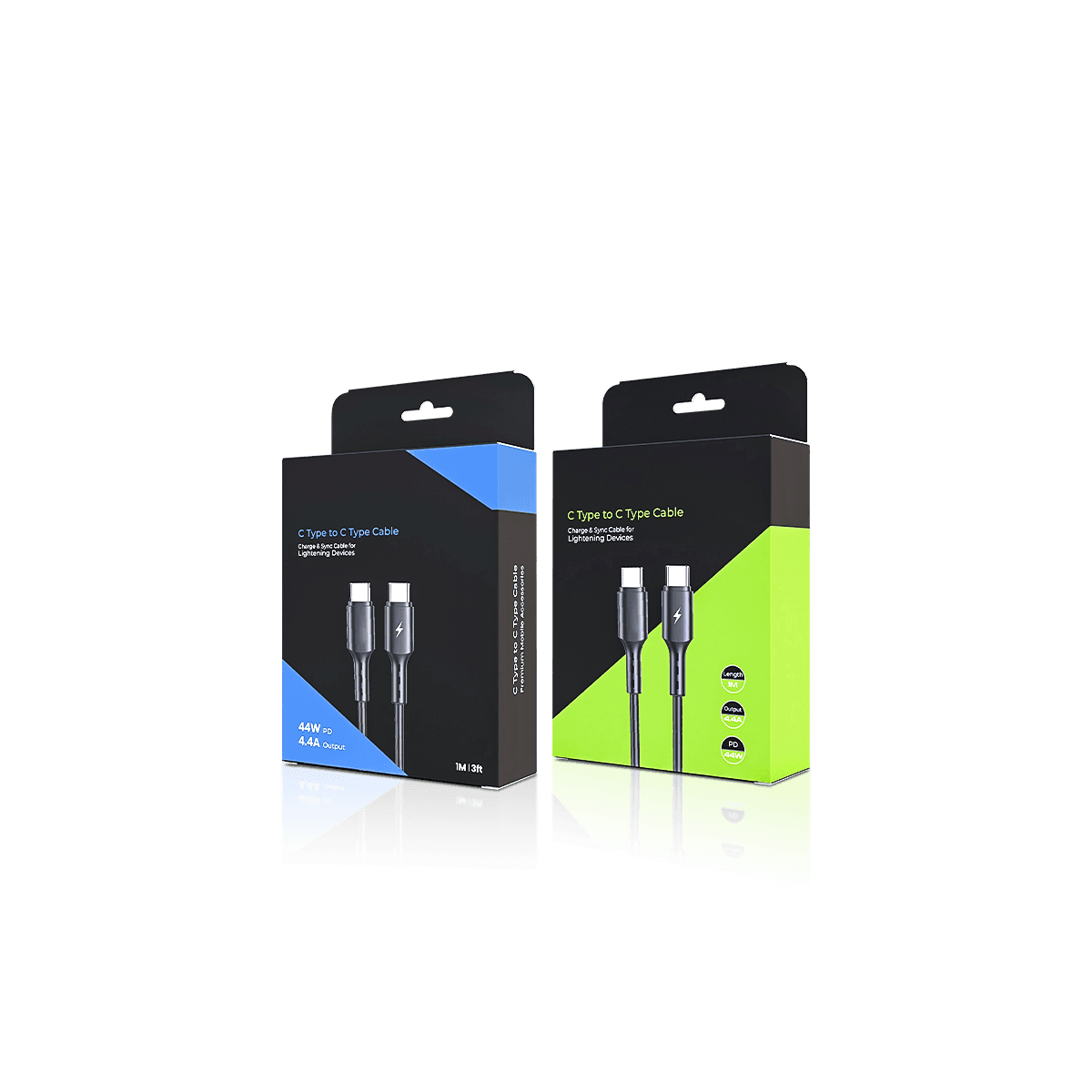
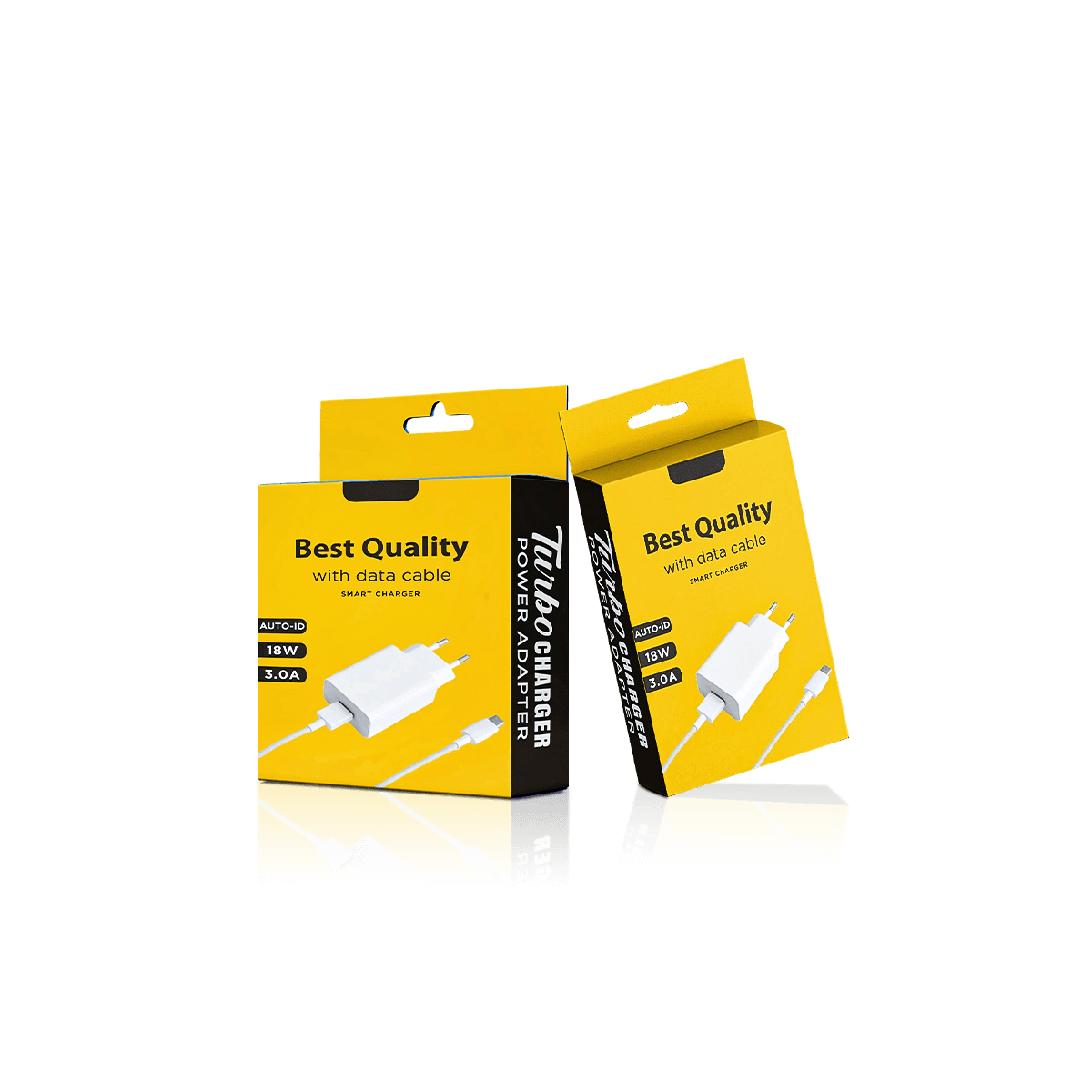
Your product shouldn’t have to fit an off-the-shelf box.
Share the shape, size, material, finish, or insert you have in mind. We’ll turn the details into a tailored packaging recommendation and a clear quote.
Custom sizes · materials · finishes · inserts
Electronics rarely arrive as one object. A device may come with a cable, charger, adapter, strap, quick-start card or other accessory, and each component creates its own movement and contact points. Map the complete packed set before choosing the outer box so the structure is sized around the real kit rather than the headline device.
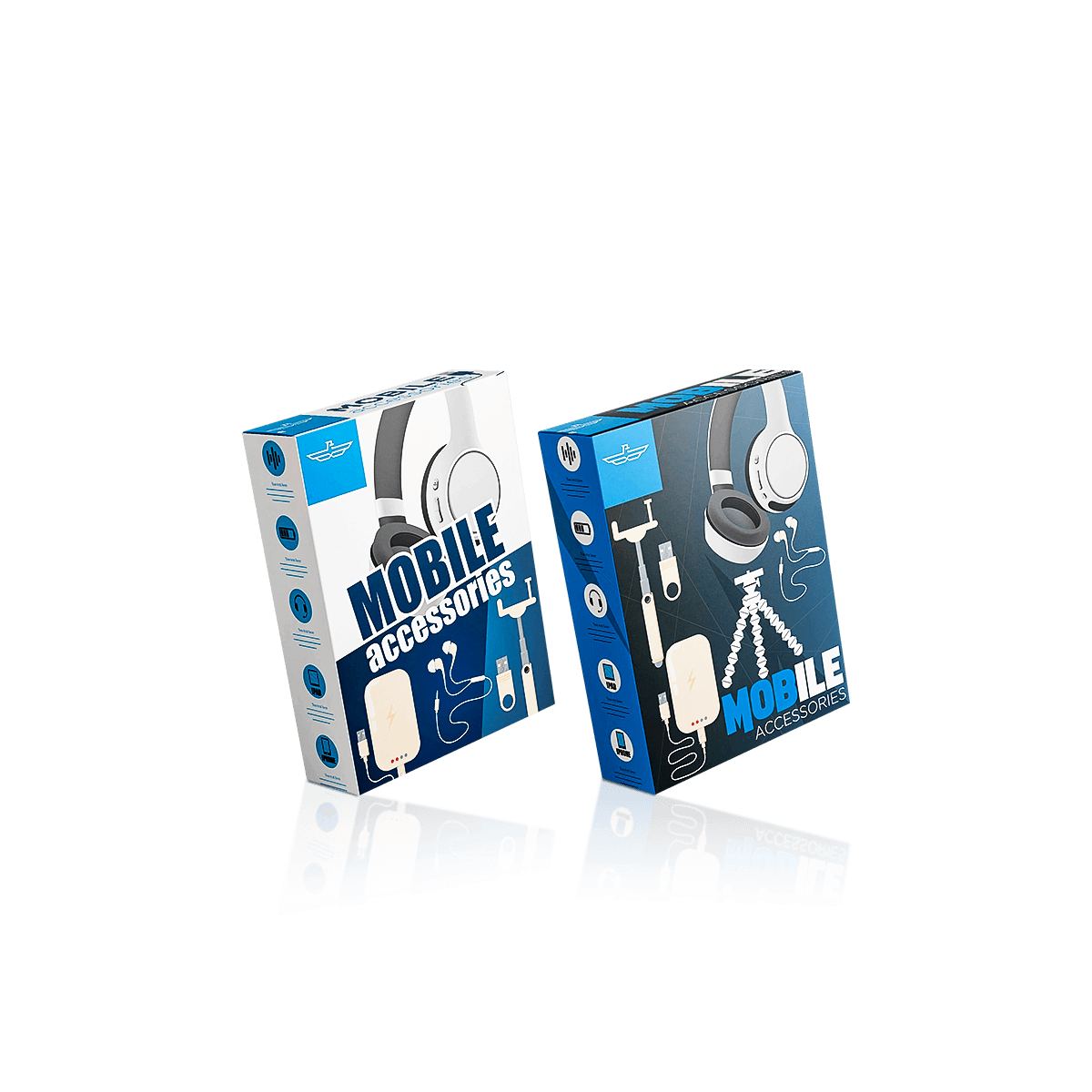
For mixed accessory programmes, Electronic Accessories Boxes are the narrower route when several small tech items share one retail pack. The parent decision stays broader: decide how components are organised, protected and presented across retail and delivery.
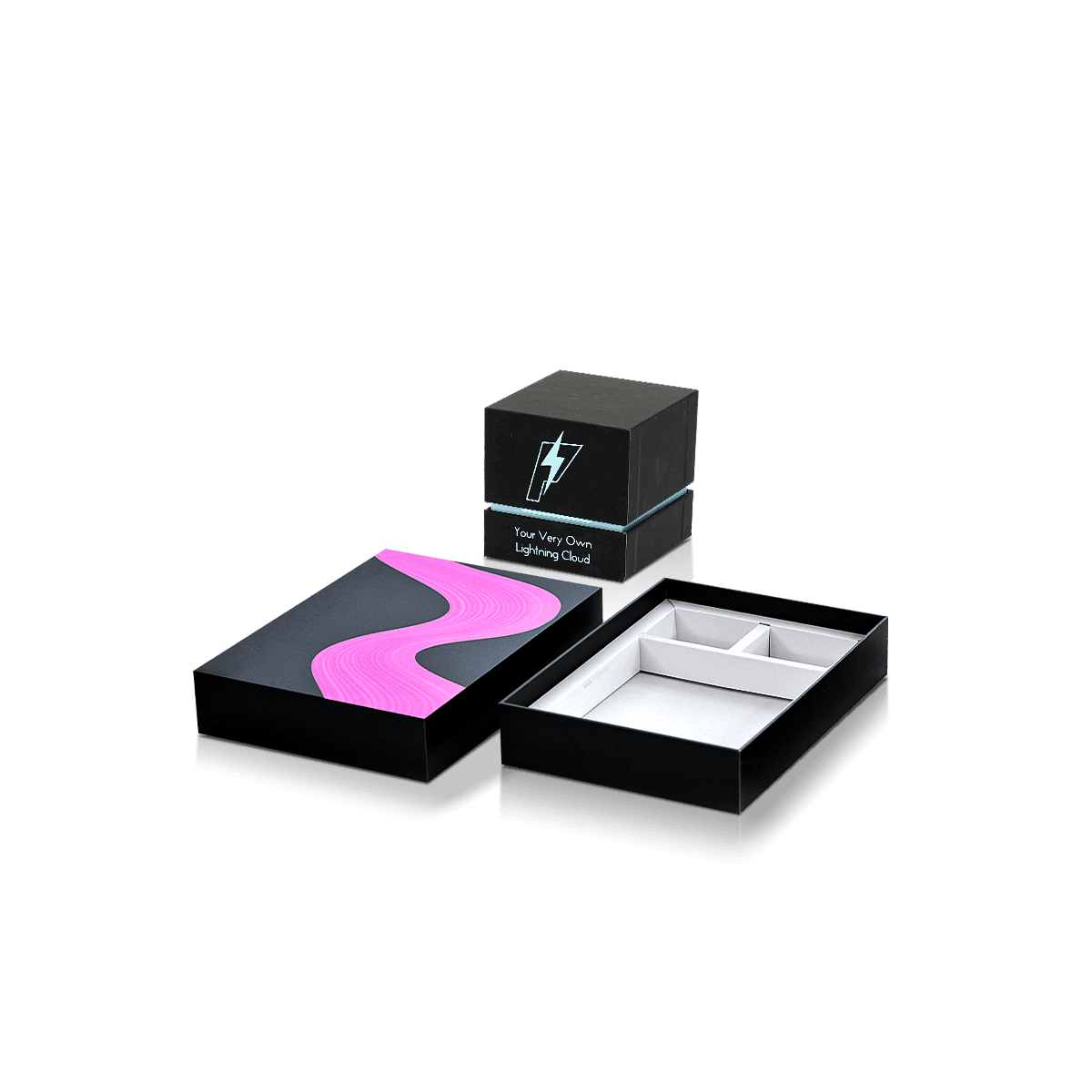
An insert can keep a device in position, but it does not automatically make the outer pack suitable for delivery. Inserts and dividers solve retention and separation, while a suitable corrugated outer manages more of the parcel-handling load.
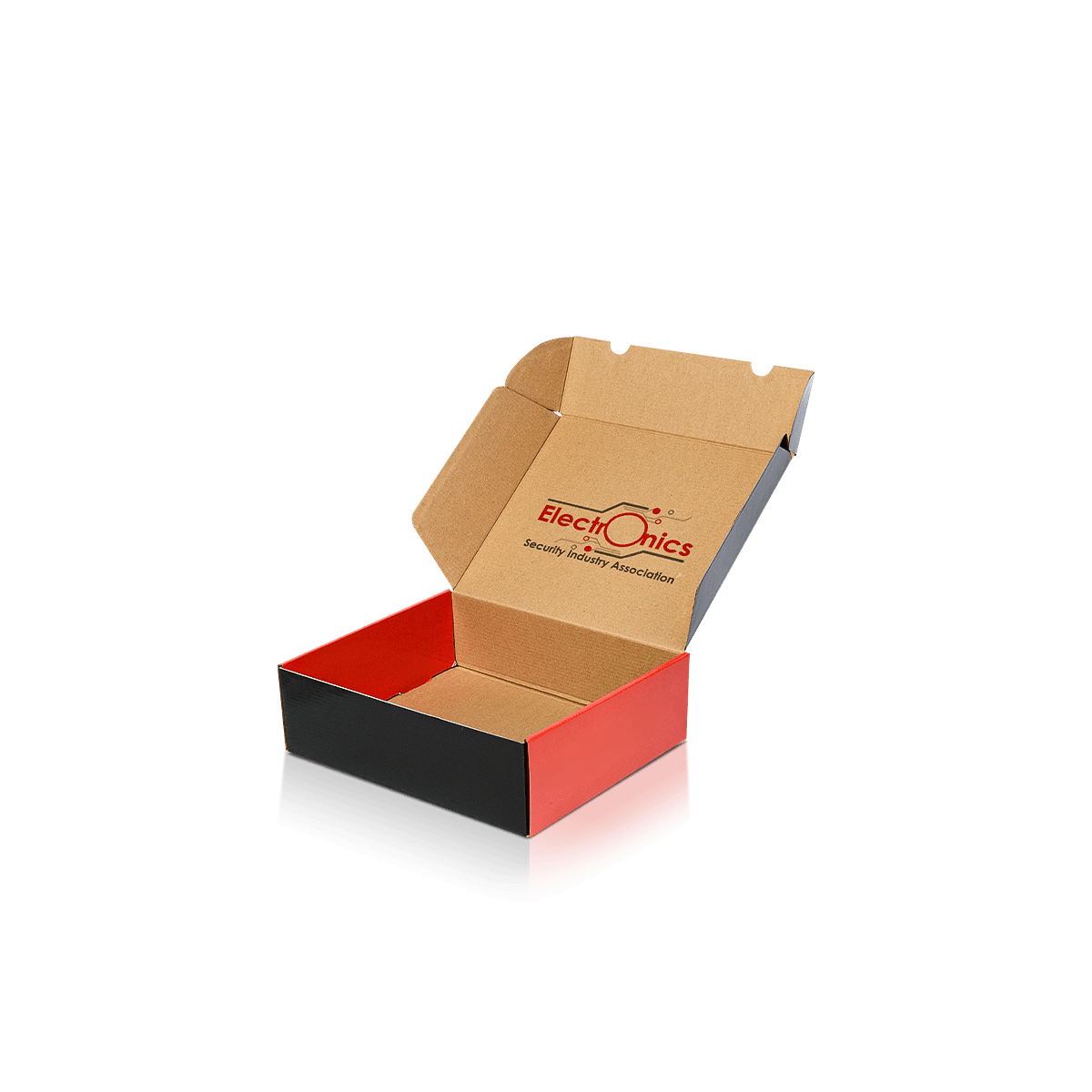
When one branded parcel is carrying a defined device or kit directly to the customer, Electronics Mailer Boxes are the specific route. The important distinction is to stop dense components from gaining enough travel to strike plugs, screens, corners or one another.
Weight concentration changes insert support and the load placed on the base and corners.
Coil diameter and connector position affect cavity shape and packing speed.
Finished surfaces need clearance from hard edges and loose accessories.
More components increase the need for defined positions, labels and packing order.
Shelf presentation and parcel protection may require different outer layers.
A coiled cable is not a flat accessory once connectors and strain relief are included. Cable Boxes should own that coil-control problem. Charger Boxes need a different cavity around plugs and dense blocks, while Smartwatch Boxes must manage the watch body, strap and any charging puck as one coordinated set.
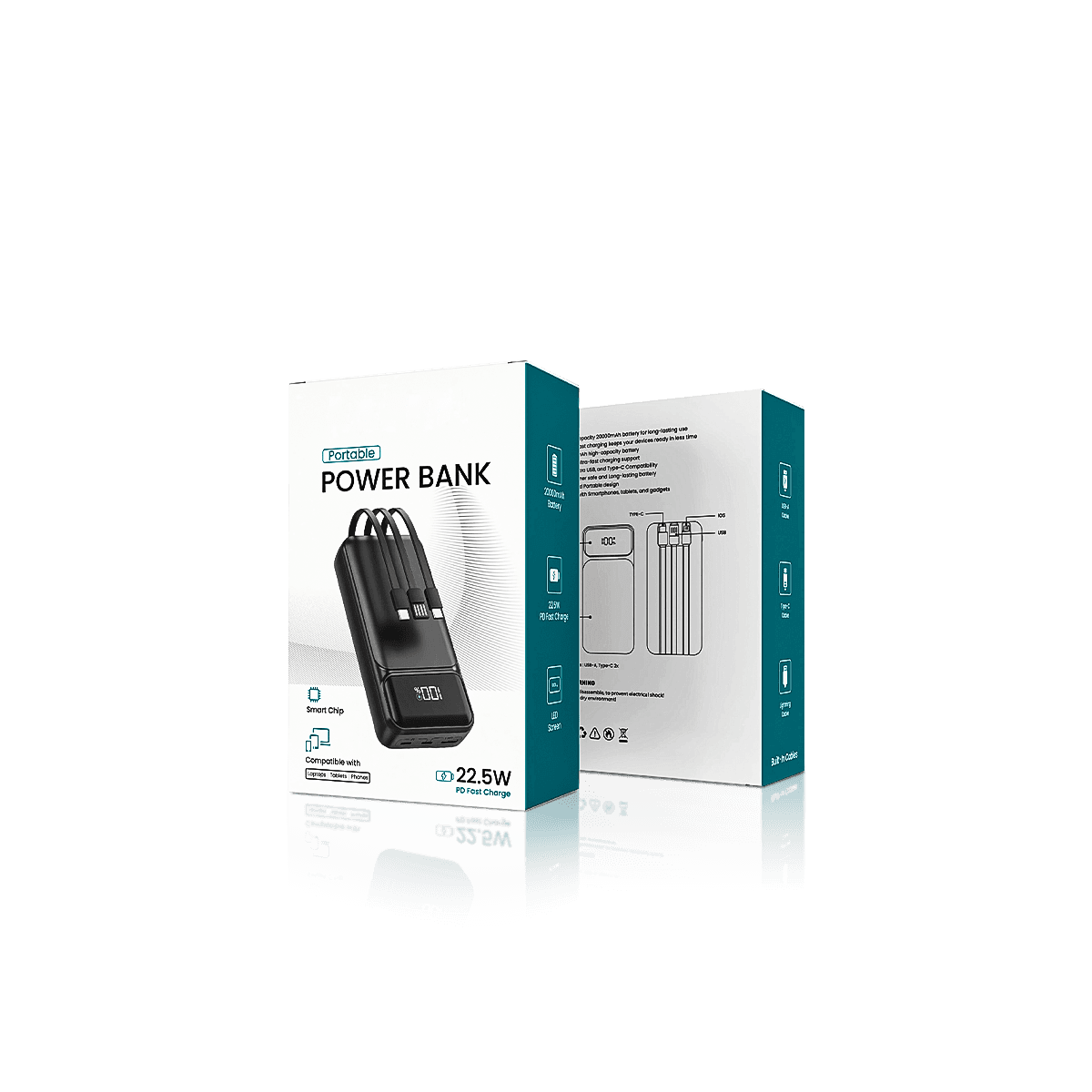
For heavier portable batteries, Power Bank Boxes should take over the product-specific load and fit decision rather than leaving that depth on the parent.
Over-ear Headphone Boxes need room for the headband, ear cups and cable or case, while Smartwatch Boxes usually need compact retention for the watch body, strap and charger without letting small accessories migrate.
Standard paperboard, rigid board or corrugated packaging should not be described as ESD protection simply because it encloses an electronic product. If a component is genuinely static-sensitive, the ESD-control method needs to be specified for that product and protective system, including any dedicated bags, foams, coatings or handling requirements.
This parent can help decide the outer packaging and component layout, but it should not make a blanket anti-static claim for ordinary printed boxes. That boundary matters because visual presentation and electrostatic protection solve different problems.
Paperboard is useful for lighter retail accessories and compact cartons. Corrugated board is stronger for delivery and heavier kits. Rigid board can support premium presentation when the product value and opening experience justify it. The practical differences between these material families are covered in paperboard, corrugated and rigid packaging.
For products that need a true transit outer rather than a branded mailer, the Shipping Boxes route should own stacking, carrier handling and heavier-load decisions.
Define the order in which the device, cable, charger and documents are loaded into the pack.
Make accessories visible enough that packers can confirm completeness without dismantling the insert.
Avoid cavities that require cables to be over-bent or connectors to be forced into place.
Use labels or printed cues only where they reduce packing errors or help the customer understand the kit.
Record component orientation and insert version so repeat orders do not drift as accessories change.
Small measurement errors become expensive when several components share one insert. Check the real device and accessories, including protective films, cable ties, adapters and documentation, before the cavity layout is approved. A 3D mockup helps with visual layout, but a physical fit check is more useful when dense parts, connectors or delicate surfaces create uncertainty.
Premium offset printing and Pantone colour control can then be applied without sacrificing the component map. Print should clarify the product and brand, not compensate for an insert that does not hold the kit.
A useful electronics brief includes the full component list, packed dimensions, individual weights, fragile surfaces, accessory positions, retail or delivery route, insert requirement, artwork status and quantity by SKU. Once those inputs are fixed, the packaging can be costed against a real structure instead of a generic technology box.
Custom Packly supports UK production, free design and dieline help, free 3D mockups, free delivery and a 4–6 working-day turnaround. Those benefits are most valuable after the component and handling requirements are clear.
Start Your Bespoke Packaging Quote
Share your product details, dimensions, quantity and artwork needs. We’ll help choose the right packaging style and send a clear quote.