Grease-Resistant Board
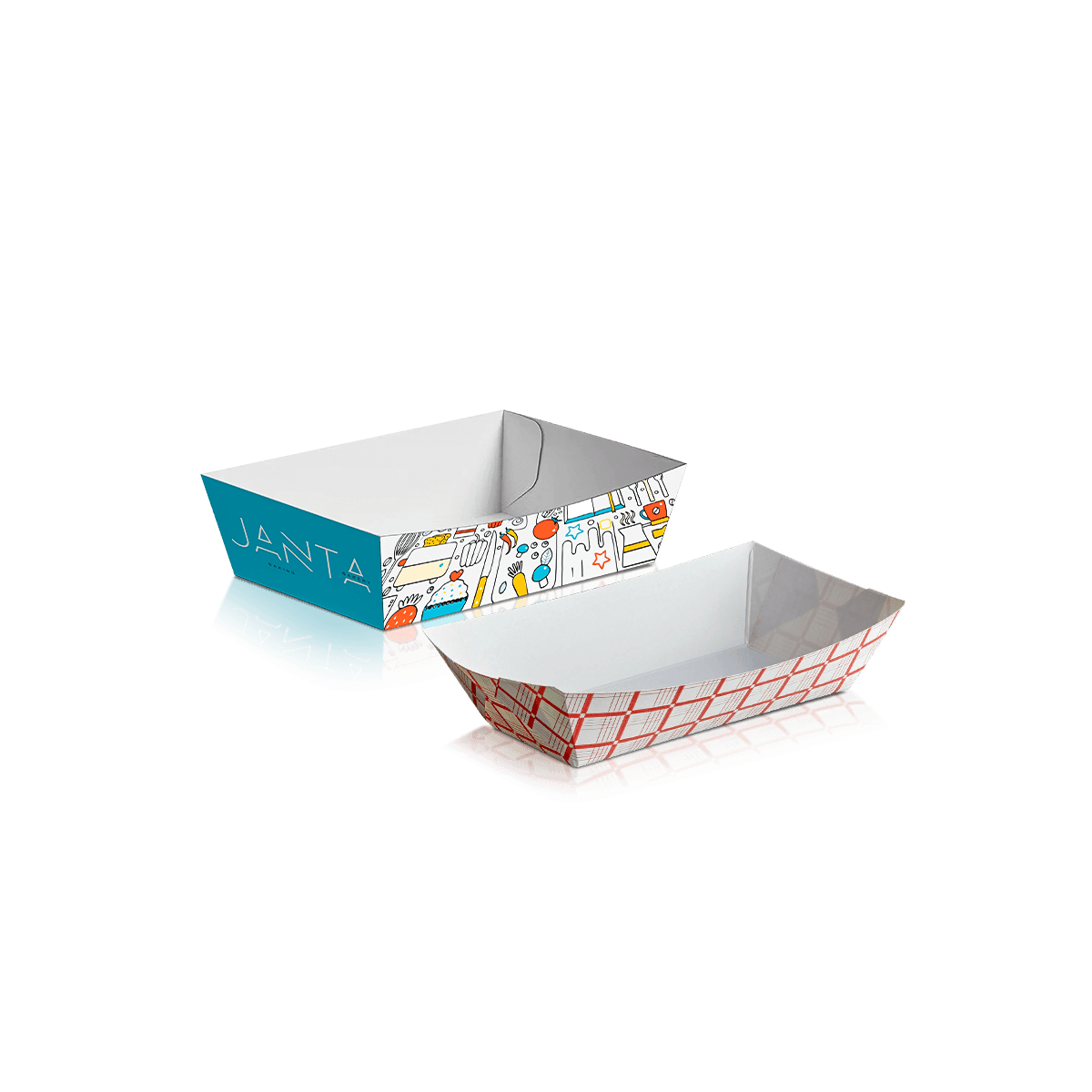
Food-safe board helps control oil soak and keeps the tray more stable.
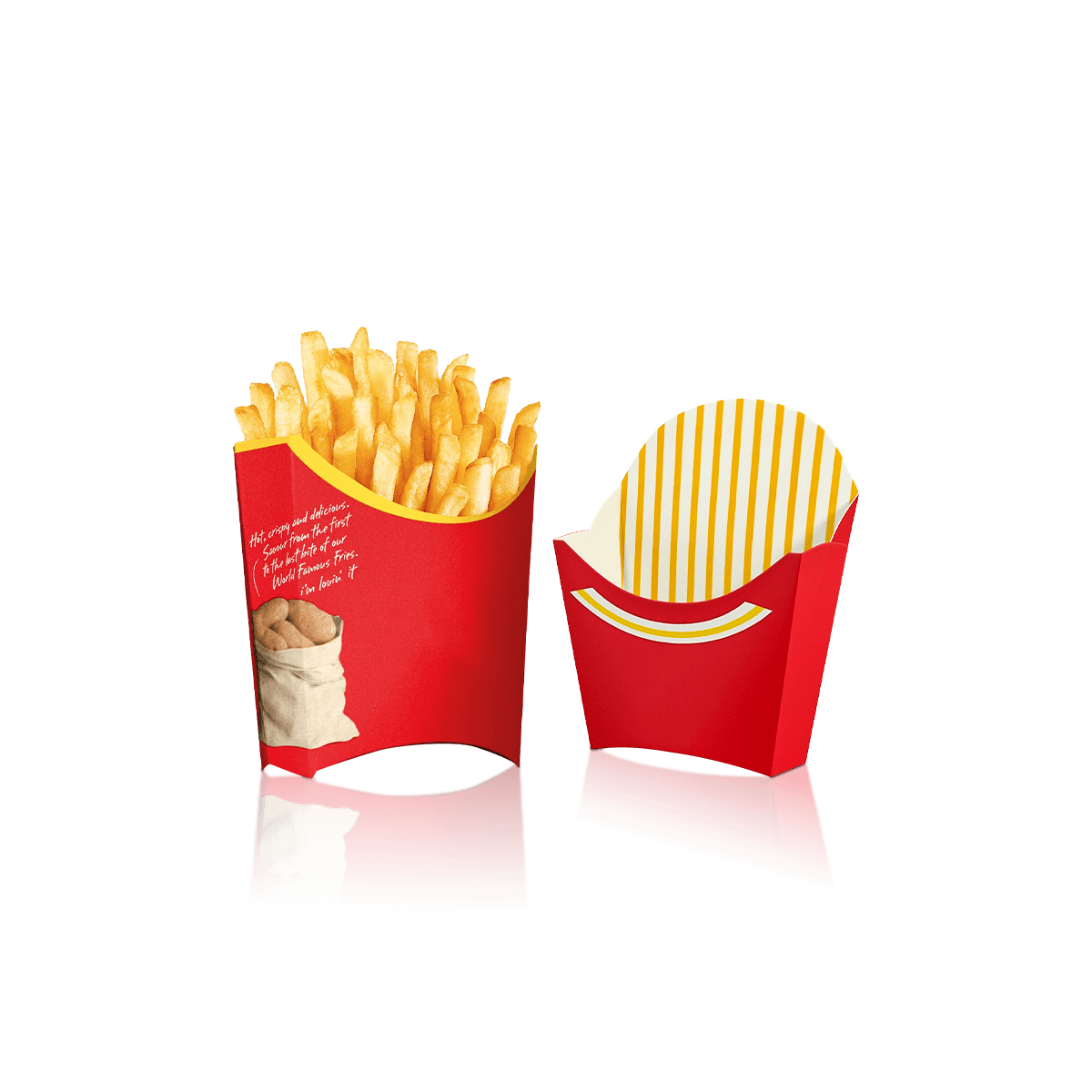
Fries trays need to keep hot chips easy to hold, quick to serve and cleaner to carry, whether the order is plain, seasoned, sauce-led or built as a loaded takeaway side.
Free Design Support
Clear Pricing
Flexible Quantities
Unlimited Customization
Premium Materials
Offset Precision
Free Shipping
Quick Turnaround
Service speed shapes this product more than almost any other takeaway carton. Fries trays have to be picked up quickly, filled without slowing the line and passed over the counter with enough rigidity to stay comfortable in hand. That makes balance and grip just as important as food contact. A tray that is too shallow can spill during movement, while one that is too narrow or too flimsy becomes awkward once hot fries, toppings or sauce are added. The right structure should feel stable from fryer station to customer hand without adding unnecessary board bulk.
Material choice then determines how well the tray holds up during use. Grease-resistant paperboard is often the practical starting point for standard fries, while heavier stocks can make more sense for loaded chips, layered toppings or longer takeaway dwell times. Exterior print can carry branding, menu language or promotional graphics, but the tray still has to open naturally, stack efficiently and hold its shape under heat and salt. In some setups, fries trays are the better route than food boxes because they support faster serving and easier eating. Before ordering, confirm portion weight, serving temperature, topping volume, hold time and whether the tray must work for dine-in, takeaway and delivery together.
Keeps hot fries easier to serve, hold and eat during busy takeaway periods
Reduces grease transfer to hands, bags and counter surfaces during service
Supports branded presentation without slowing fill speed on fast-moving lines
Helps loaded fries stay contained when toppings add weight and moisture
Gives portion sizes a clearer, more consistent look across the menu
Food-safe board helps control oil soak and keeps the tray more stable.
Dimensions should match serving weight, fry length and topping spread.
Side wall height and tray profile affect grip and eating comfort.
Branding, menu cues and promotional graphics fit cleanly on visible faces.
Board weight and tray depth can be customised for different menu lines.
Loaded fries changed the expectations around this packaging type. A plain chip portion can sit comfortably in a lighter open tray, but once cheese, sauces, pulled meats or seasoning blends are added, the serving behaves more like a plated meal than a side. That shift has made portion weight, side wall height and grease resistance much more important than many generic takeaway pages suggest. It also affects branding. Fries are often eaten on the move, in casual dining spaces or straight from a collection bag, so the tray stays visible throughout the eating experience. That makes clean print and reliable structure more commercially useful than decorative finishing. The strongest trays are usually the ones designed around the real portion profile, not the ones chosen from a generic stock size that only works for plain chips.
Standard open trays suit plain fries served quickly over counters or kiosks
Deeper trays work better for loaded fries with sauces and heavier toppings
Wider footprints help with sharing portions or side servings for groups
Printed takeaway trays strengthen brand visibility in casual dining environments
More rigid board grades suit collection orders and short delivery windows
Simple steps from idea to delivery
Tell Us Your Specs

Provide size, quantity, printing, and finishes.
Get a Fast Quote

Instant transparent pricing, no hidden fees.
Design and Approval

Artwork checks, revisions, and final sign-off.
Produce

Expert manufacturing to meet deadlines.
Ship to Your Door

Hassle-free, flexible delivery options.
Send your dimensions and we’ll respond quickly