Hot mains
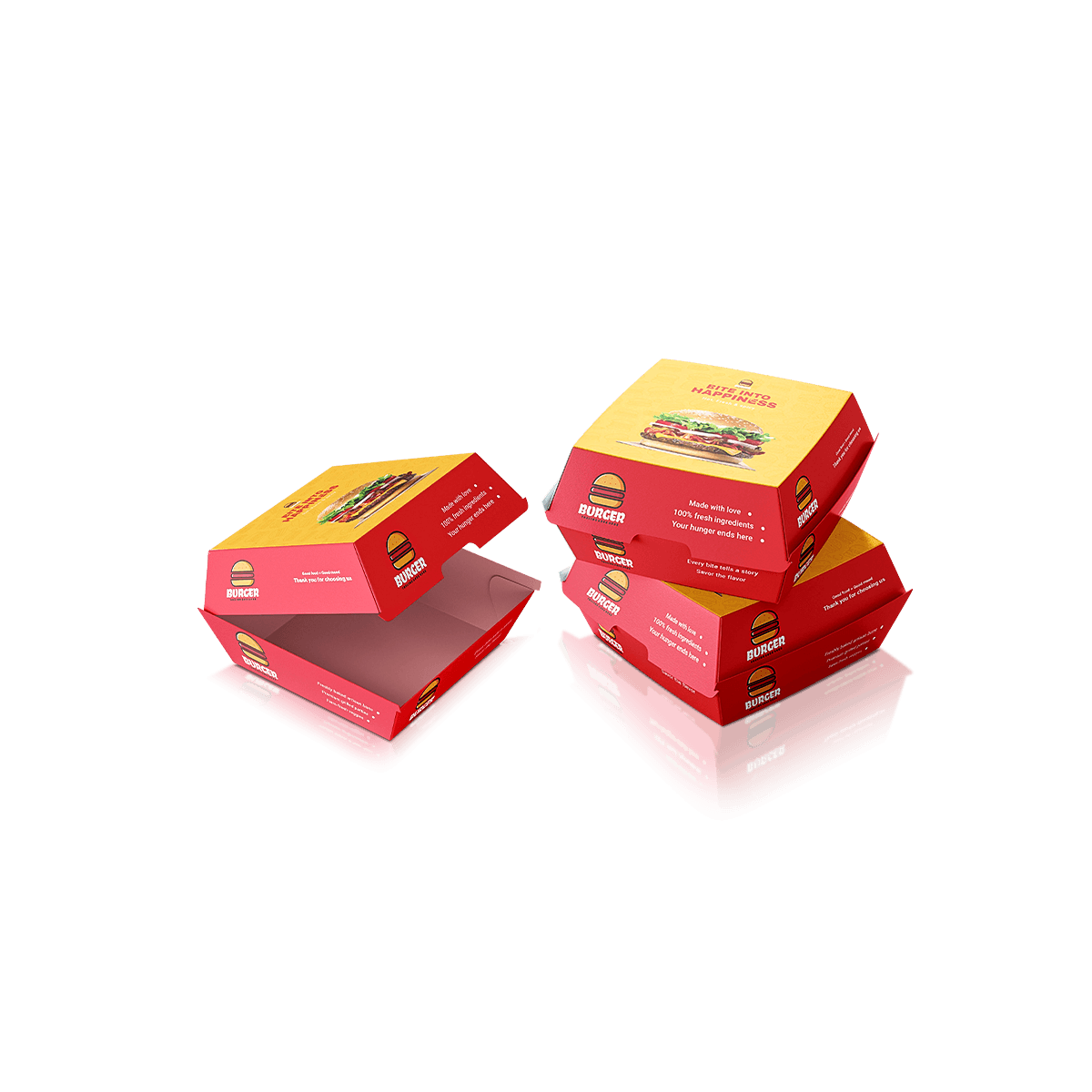
Closed cartons need enough clearance for the finished portion, quick closure and a base that stays stable during handover.
Plan restaurant and takeaway packaging around service speed, heat, hold time and delivery, then route each menu item into the structure that fits its real journey.




Your product shouldn’t have to fit an off-the-shelf box.
Share the shape, size, material, finish, or insert you have in mind. We’ll turn the details into a tailored packaging recommendation and a clear quote.
Custom sizes · materials · finishes · inserts
Restaurant packaging has to survive the way food is prepared, held, handed over and delivered. The same meal can place very different demands on its pack when it is eaten at the counter, collected ten minutes later or carried across town by a courier.
Start with the service journey, then choose the structure. A made-to-fit burger box can solve headroom and closure for an assembled burger, while an open tray is better when speed and immediate access matter. The important question is how the whole order behaves in service, not which individual carton has the most features.
That service-led approach keeps packaging practical during a rush. Staff should be able to fill, close, stack and hand over each format without slowing the kitchen or forcing food into a structure that was designed for a different use.
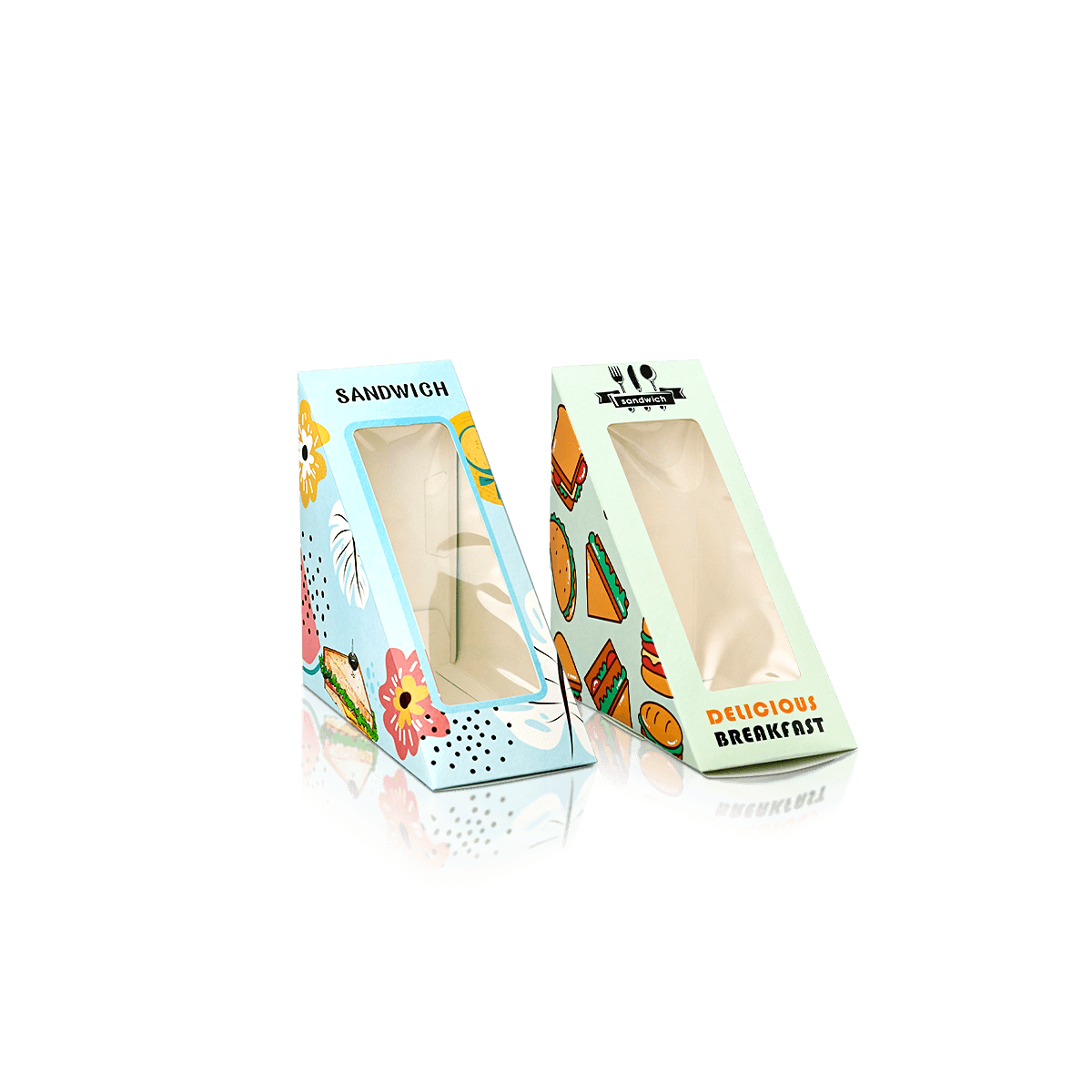
Closed cartons need enough clearance for the finished portion, quick closure and a base that stays stable during handover.
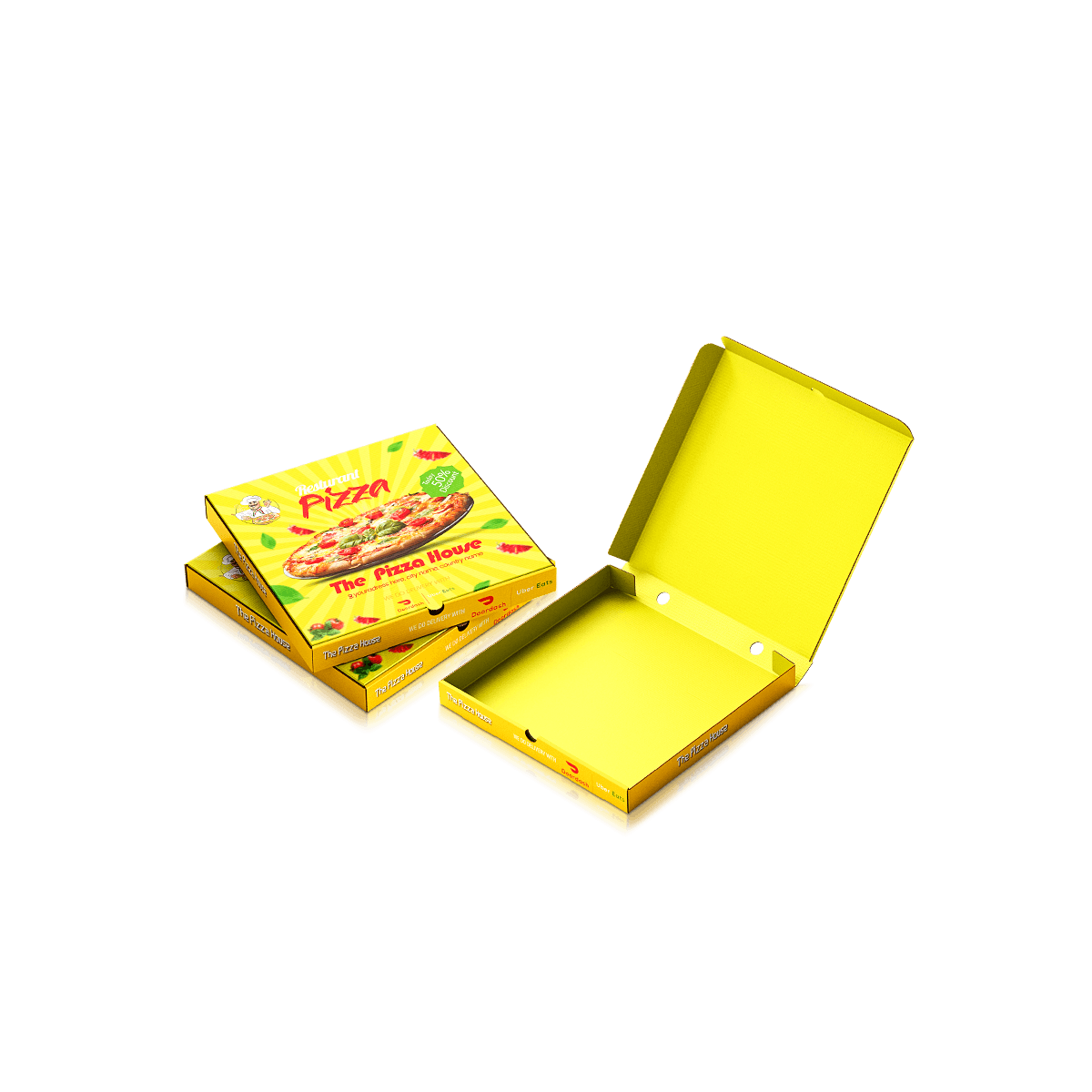
Flat formats need topping clearance, stacking stability and a specification that considers how heat and steam behave during the expected hold time.
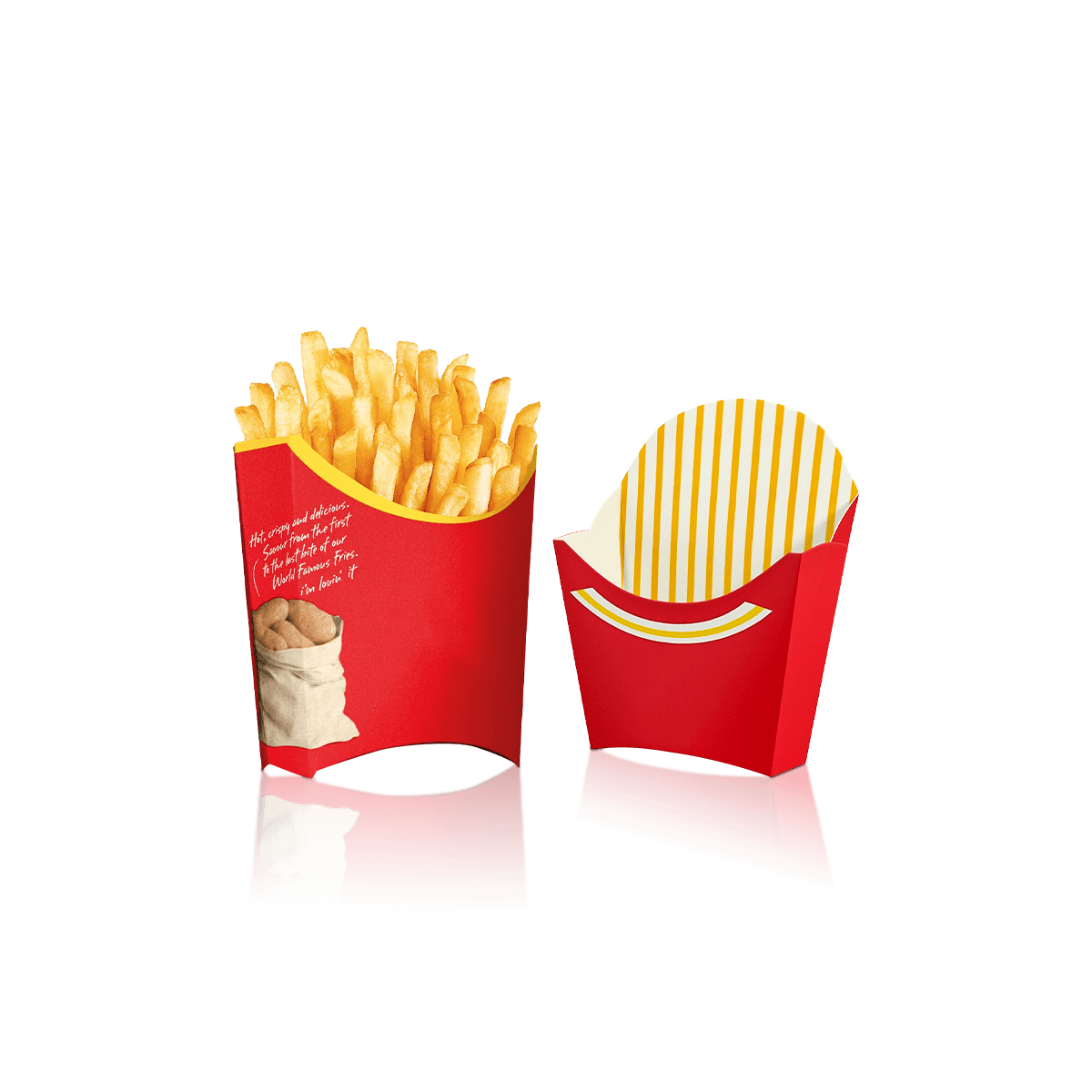
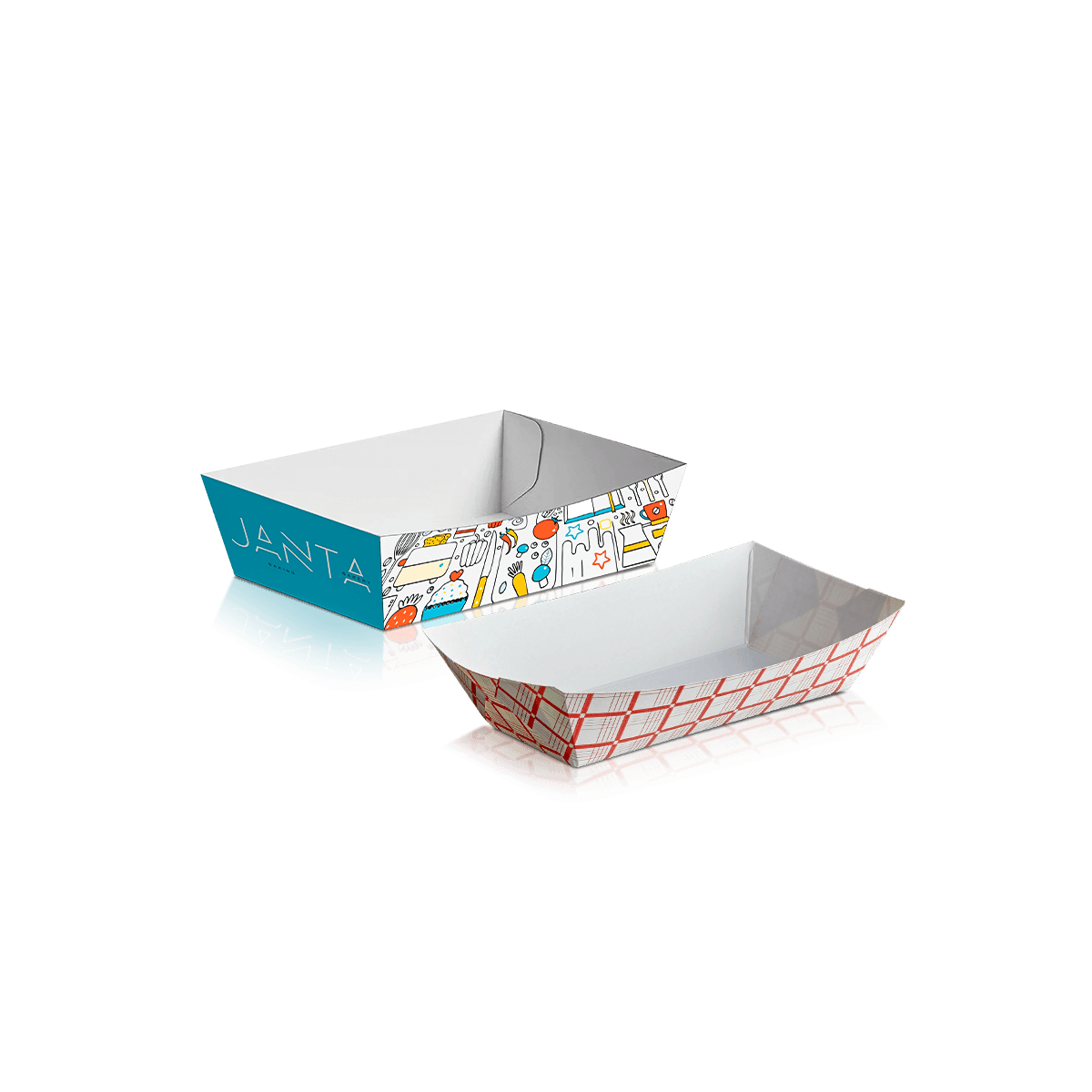
Fries, loaded sides and street-food portions often benefit from fast-fill trays when they will be eaten soon after serving.
The outer bag has to fit the normal combination of cartons, cups and sides rather than treating each item as an isolated pack.
Heat and moisture can change a food pack after it leaves the counter. Steam can soften board, grease can mark an unsuitable surface and a closed pack can behave differently after twenty minutes than it does immediately after filling.
For pizza, the useful decisions include diameter, crust and topping clearance, stacking and ventilation. Those belong on the pizza box specification rather than being generalised across every restaurant pack.
Direct-contact, grease and moisture requirements should be confirmed for the exact food, substrate, coating and use condition before production. Do not assume that a paper stock or coating is suitable simply because it looks right. Where the material decision needs deeper technical review, the packaging capabilities can be narrowed around the actual service condition.
For businesses comparing board, coatings, print and structural support, packaging capabilities are most useful after the temperature, contact and handling conditions are known.
Delivery exposes weak combinations that individual packs can hide. A tall cup beside a shallow tray, a hot carton above a cold dessert or a loose outer bag can turn a collection of acceptable packs into an unstable order.
Pack a representative meal exactly as staff will hand it over. Lift it, carry it, place it down and hold it for the realistic delivery time. Check whether cartons tilt, lids press into food, cups push against side walls or the carrier bag allows too much movement.
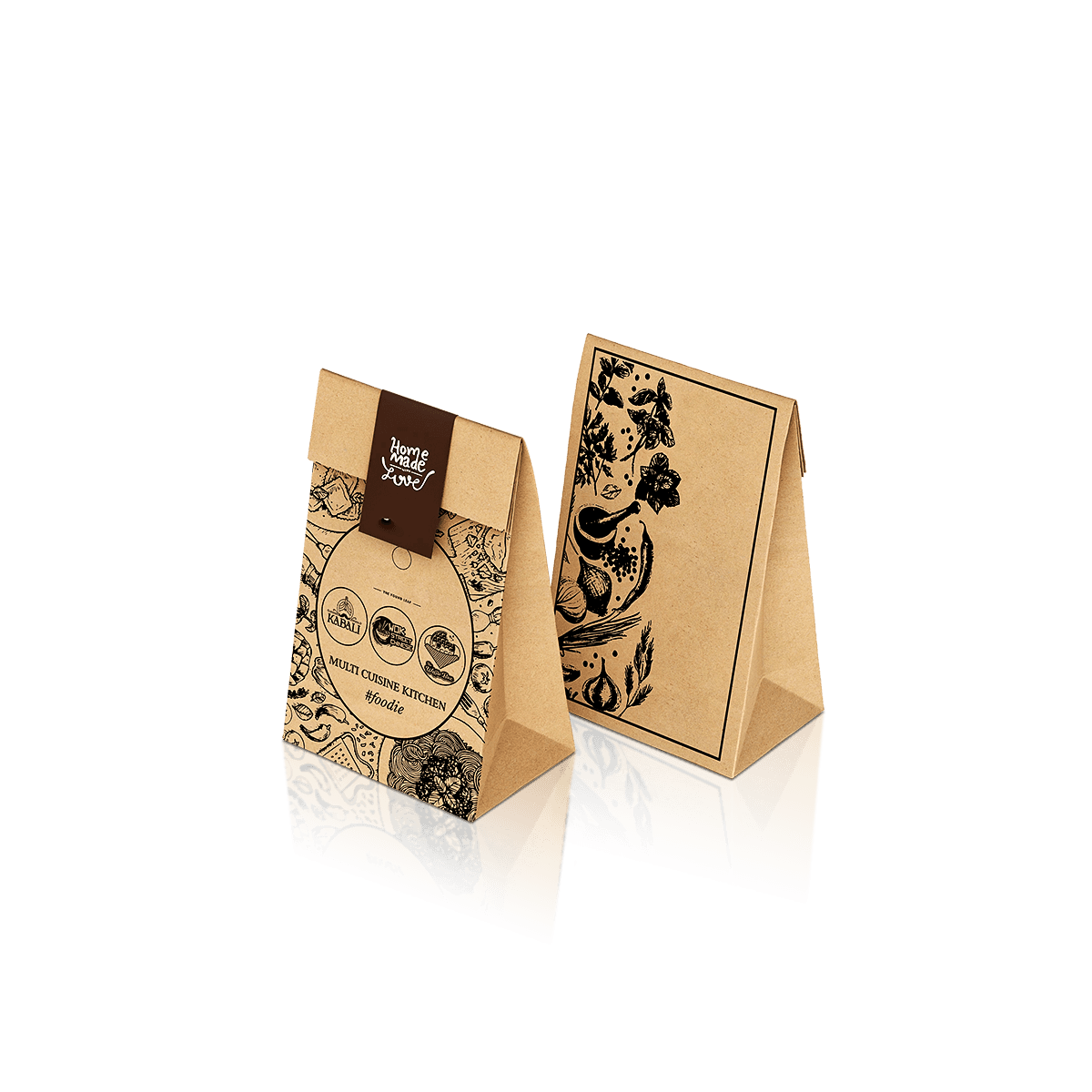
A correctly sized takeaway paper bag should be chosen around the packed meal bundle and its weight, not around the logo area. Base dimensions, gusset and handle construction all affect how the inner packs travel together.
This is also the right point to simplify. If two menu items genuinely work in one size without compromising closure or presentation, a shared format can reduce stock complexity. If one item repeatedly creates pressure, spillage or wasted space, it needs its own structure.
A restaurant may use cartons, trays, sleeves, cups and bags in one order. Consistency comes from controlled colour, typography, logo rules and information placement, not from forcing identical artwork onto every dieline.
Large panels can carry fuller brand graphics. Smaller sleeves and cups may need a simpler hierarchy. Folds, vents, handles and closure areas should stay clear of critical text, QR codes and logos.
Premium offset printing is useful where the artwork, quantity and colour requirements justify it. Free design and dieline support plus free 3D mockups can help check how the system looks across formats before production, but the structural decisions should already be based on the food and service conditions.
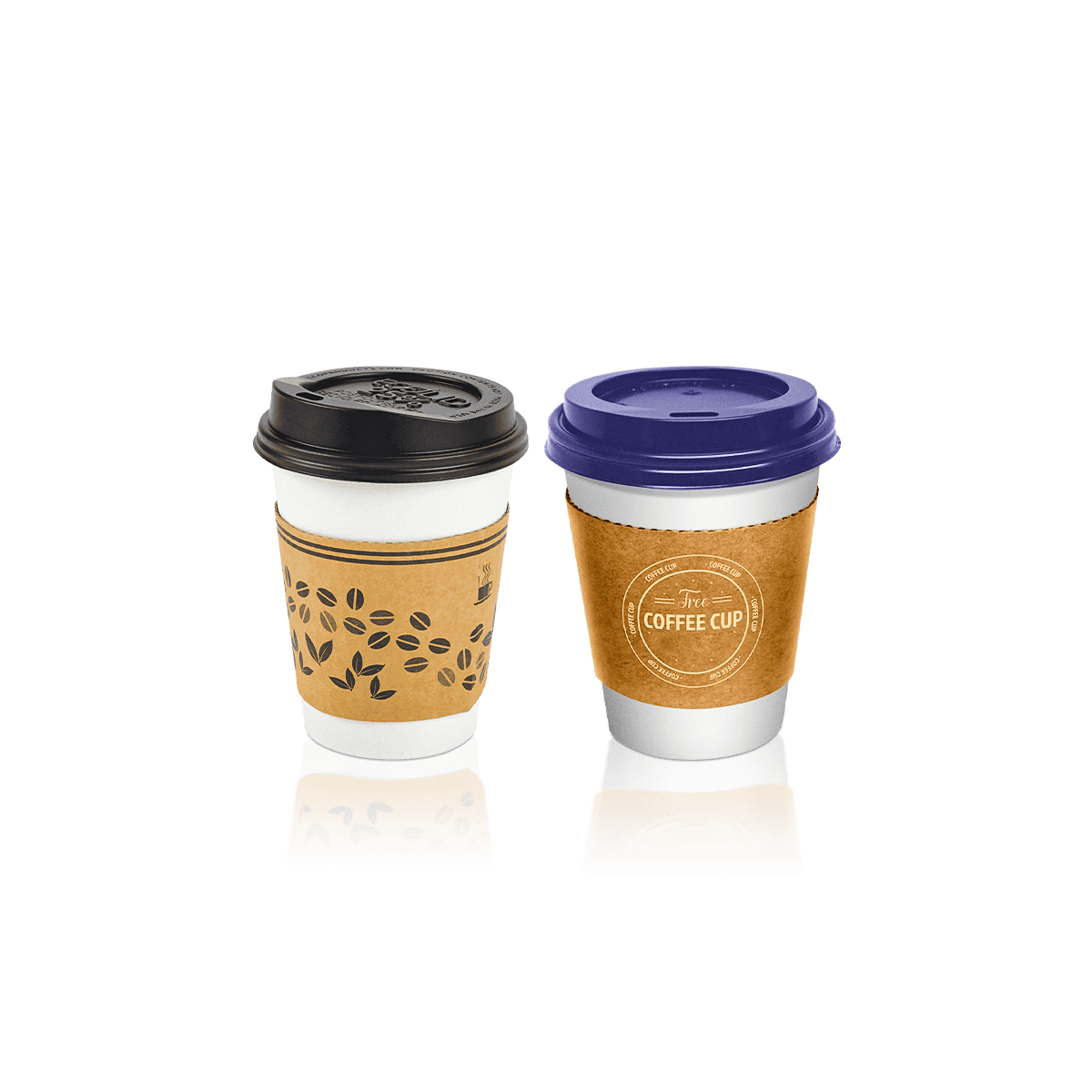
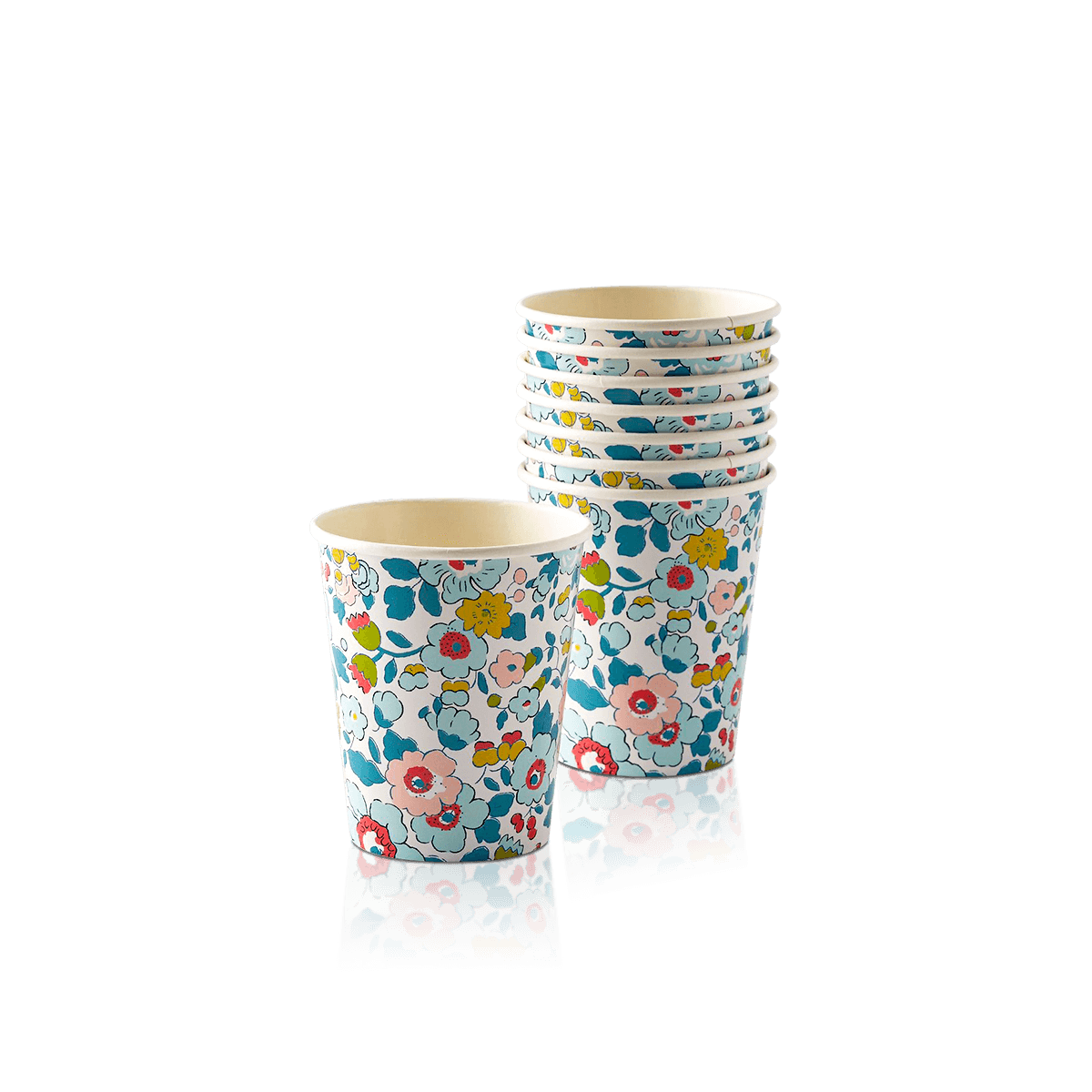
For hot and cold drinks, Coffee Cup Sleeves can carry brand and grip information without changing the cup itself, but the sleeve still has to fit the actual cup taper and service conditions.
Restaurants and cafés often sell cakes, pastries, biscuits or confectionery alongside hot food. Those products create a different packaging problem: decoration clearance, visibility, piece separation and gift presentation usually matter more than heat retention or fast hot-food handoff.
When that is the dominant decision, use bakery and confectionery packaging rather than stretching a takeaway-food specification to cover delicate display products. The visual identity can stay consistent even when the packaging logic changes.
Packaging volume should follow how each format moves through the business. A core burger carton used every day can justify a different purchasing pattern from a seasonal sleeve or limited menu launch.
Custom Packly's UK MOQ starts from 100 boxes. Standard turnaround is 4–6 working days, with free delivery. Those terms are most useful when a restaurant is testing a new format or needs replenishment close to a menu change.
Multi-site operators and high-repeat lines can also use warehousing and scheduled deliveries where appropriate, so a larger production run does not have to sit at one restaurant. Keep the approved size, artwork and structural specification stable between releases so locations are not receiving subtly different packs.
When a high-volume burger line is the specific purchasing problem, the practical decisions behind ordering custom burger boxes in bulk belong in the burger-box specification rather than being repeated across every restaurant format.
Before pricing, define the service facts that can change the pack: finished food dimensions, portion weight, serving temperature, expected hold time, collection or delivery use, stacking requirement, normal meal combinations and the quantity of each format.
Add artwork status and any known print requirements only after the physical job is clear. A useful brief should make it obvious which items need a specialist box, which can share a format and which outer bag has to carry them together.
Once those inputs are sufficiently defined, they can be sent through the custom packaging quote. If the structure is still open, the same information is enough to narrow the options before artwork is finalised.
Start Your Bespoke Packaging Quote
Share your product details, dimensions, quantity and artwork needs. We’ll help choose the right packaging style and send a clear quote.