Skip to content
Details

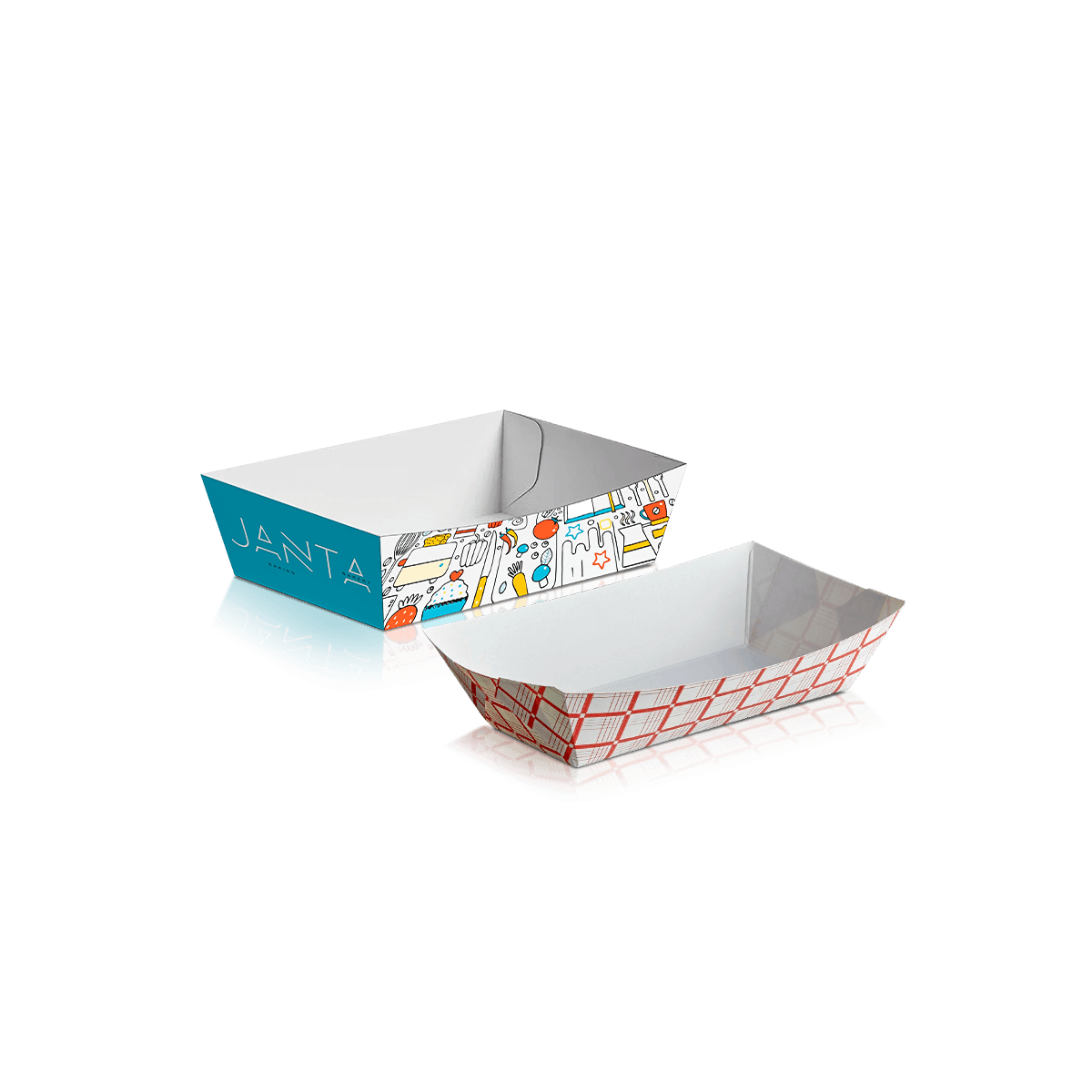
Custom Food Trays

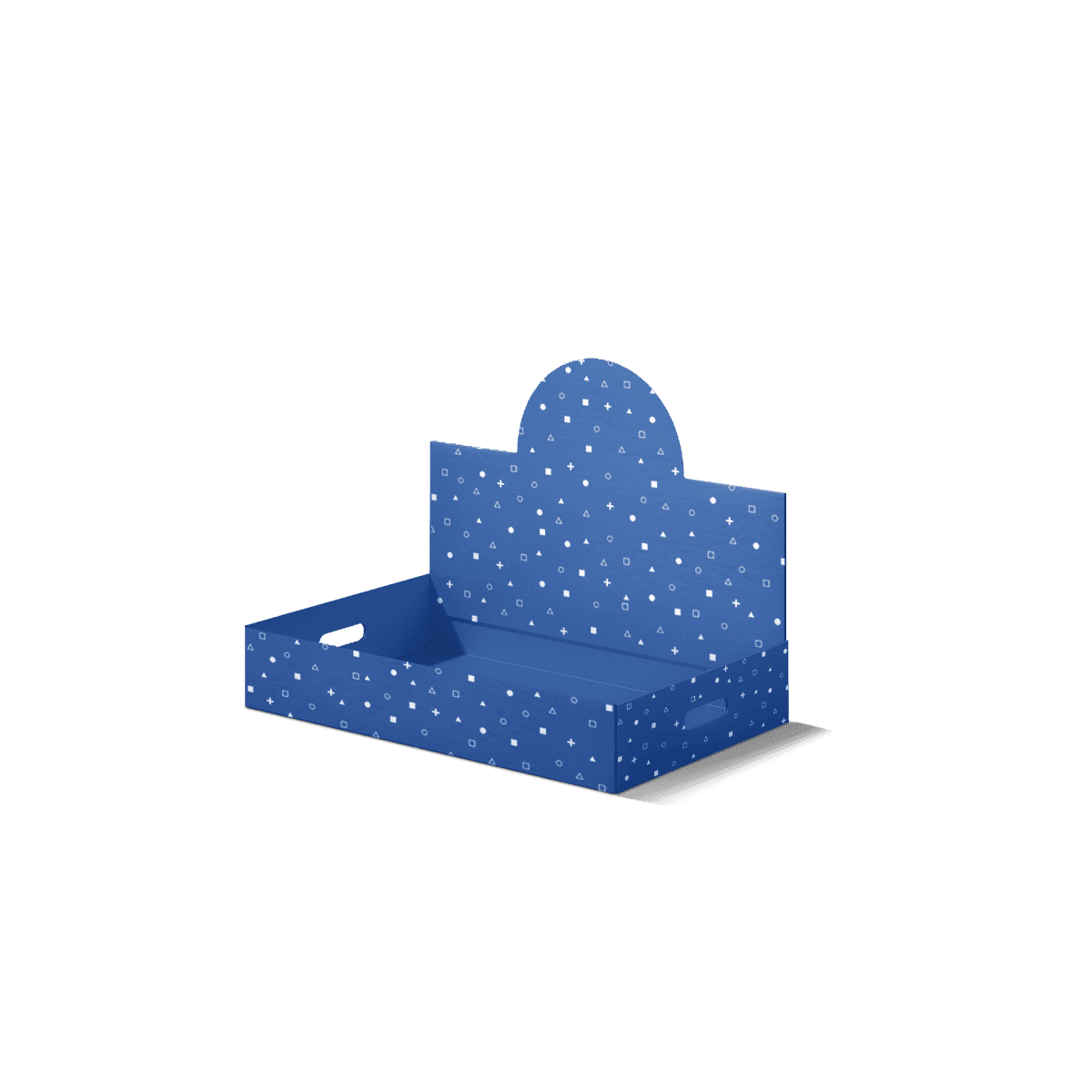
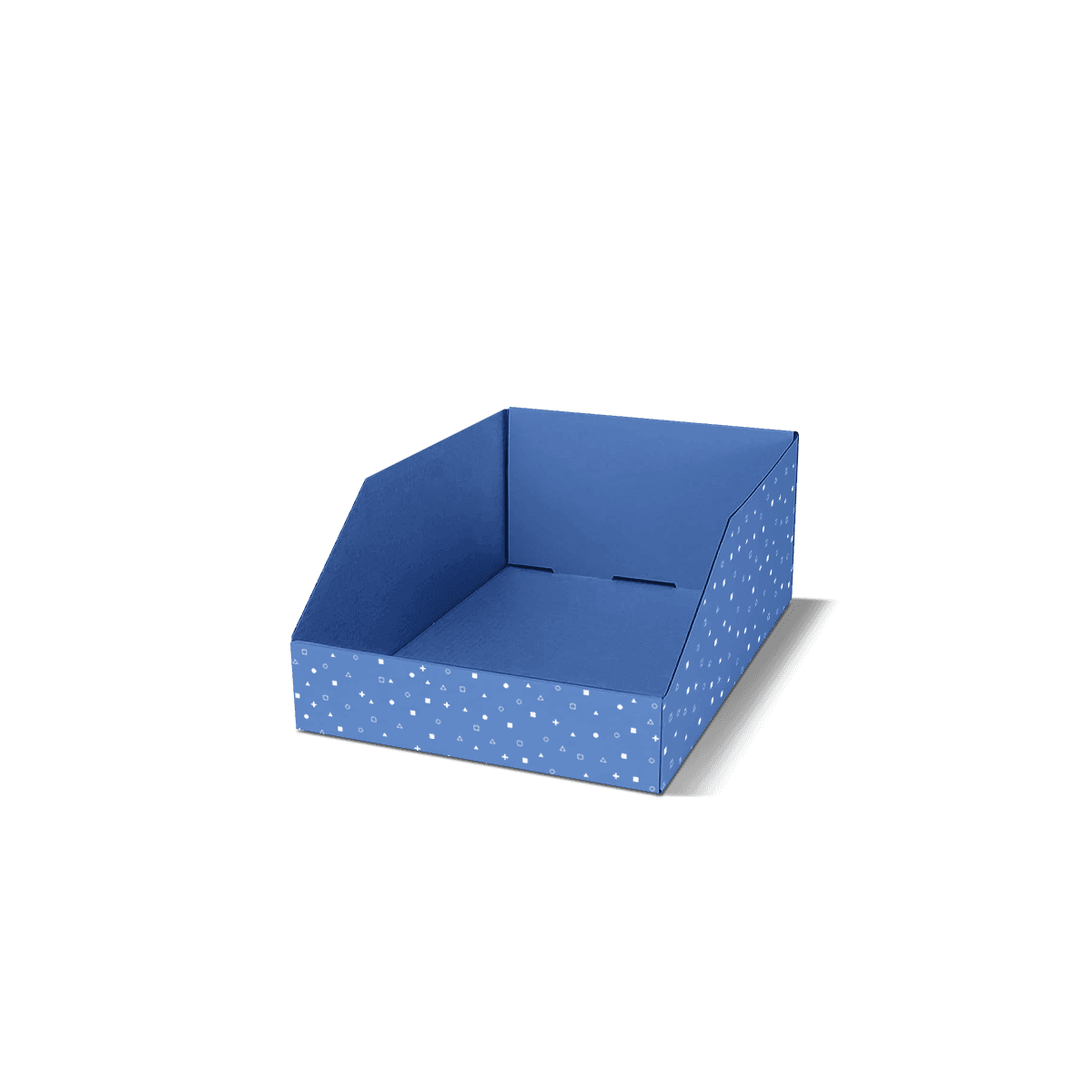
Branded open-top trays planned around meal footprint, serving weight and sauce level for street food, mixed dishes, loaded portions and fast takeaway service.

Give Mixed Meals Room

Custom food trays suit open-top servings that need more width than a chip portion but do not need the enclosure of a takeaway box. They work particularly well for mixed street food, noodles, rice dishes, wings, nachos, hot dogs, snack combinations and loaded servings where the food should stay visible and easy to eat.

Within Custom Food Packaging for Restaurants & Takeaways, this page should own the broader open-meal job. A food tray gives several ingredients room to sit naturally instead of forcing them into a narrow profile.

Let Components Sit Naturally

The useful difference is surface area. A mixed meal may need room for a main item, garnish, sauce and side without everything being piled into the centre.

That does not mean choosing the widest tray available. Extra footprint can make a normal portion look sparse and gives loose food more room to shift. The goal is enough area to present the meal clearly while keeping it gathered for carrying and eating.

Keep Fries in Their Lane

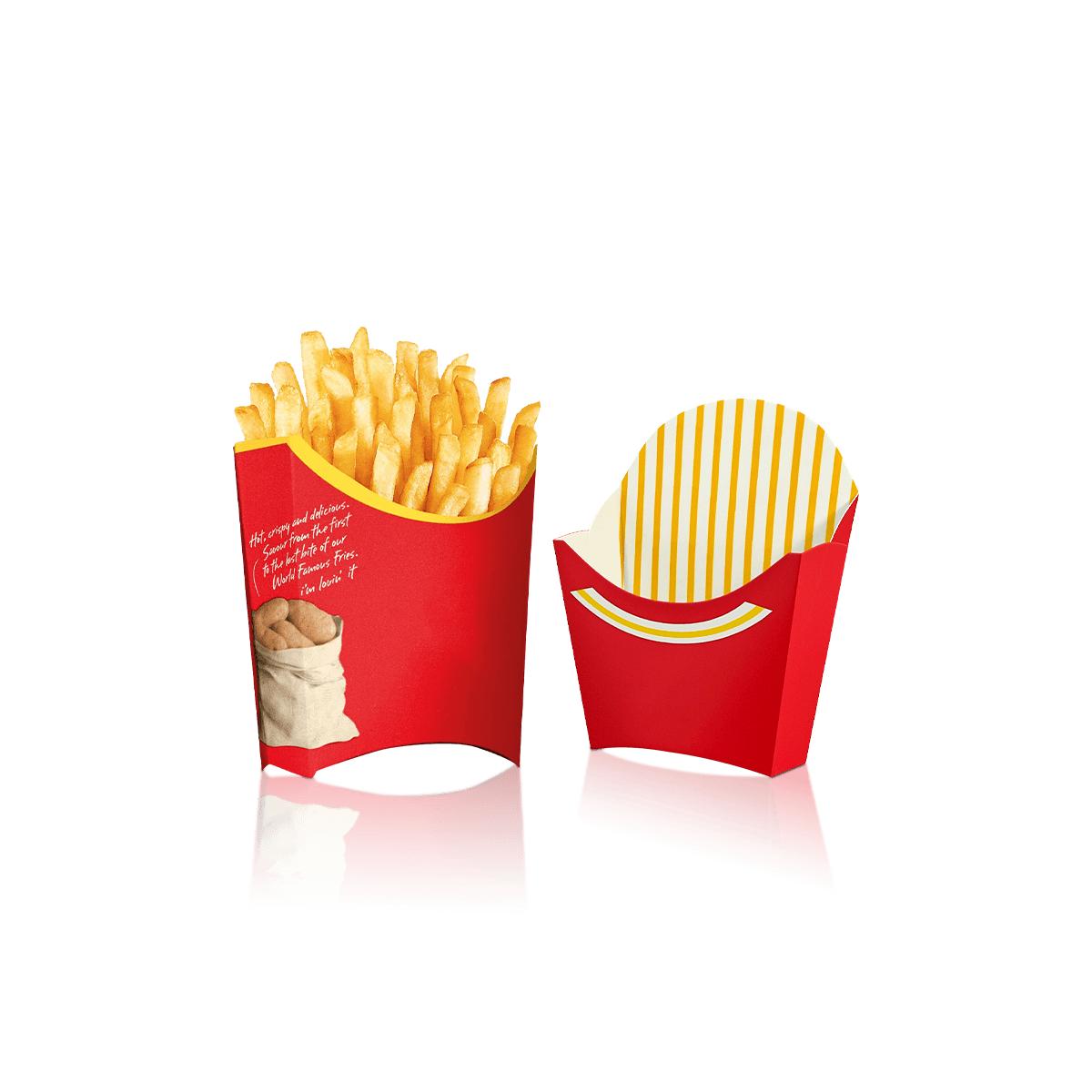
A tray used mainly for chips should usually stay within the narrower Fries Trays intent. Food trays become more useful when the serving spreads like a small open meal rather than a hand-held chip portion.

That boundary matters for the buyer as much as it does for the website. The structure should follow how the food occupies space, not the name printed on the menu.
Start With the Meal Footprint

Tray sizing should begin with the finished arrangement of the food. Length and width often matter more here than they do for a compact side because different ingredients may need their own space across the base.

Lay out the actual serving as it is sold, then measure the occupied footprint and tallest point. Include garnishes, sauce pots or paper liners if they are normally served inside the tray.

Map the Largest Components

One heavy item can determine the tray even when the rest of the meal is light. A hot dog, skewer, chicken portion or long piece of fried food may set the minimum length, while sides and toppings determine the width.

Do not size from the smallest neat example. Use the realistic maximum serving that staff need to place quickly without rearranging the food.

Do Not Size From Weight Alone

Two meals can weigh the same and need very different trays.

A dense rice portion may sit compactly. Wings, nachos or a mixed fried serving can occupy much more surface area at the same weight. Portion weight is useful for board strength, but the actual food layout should decide the footprint.

Leave a Usable Grip Zone

A wide tray can become awkward if food reaches every edge.

Where customers are expected to hold the tray rather than place it on a table, leave enough clear edge or wall area for a comfortable grip. That small detail can matter more than adding extra decorative features.

Keep the Base Stable

Open trays expose the base to direct lifting forces. There is no lid to help brace the structure, so the base and side folds need to carry the food without excessive bowing.

The wider the tray becomes, the more important weight distribution is. A board that feels firm in a small serving size can behave differently when the same stock is stretched across a larger footprint.

Watch Where Weight Sits

A meal does not load the base evenly.

A dense portion placed on one side can twist or flex a tray that looks perfectly stable when empty. Test the heaviest component in its real position and lift the tray from the point a customer or member of staff would naturally hold it.

This is especially useful for wings, grilled items, loaded snacks and combinations that put one heavy ingredient beside lighter sides.

Sauce Changes the Board

Moisture and grease can reduce board stiffness over time. A dry snack and a sauce-heavy meal may therefore need different specifications even when their dimensions are identical.

For wet foods, consider where liquid is likely to collect. Base corners, folds and low points can see more exposure than the centre. The selected paperboard and any barrier treatment should be appropriate for the intended food contact, temperature and holding time.

Choose Open Service Deliberately

Food trays are strongest when visibility and immediate access matter more than enclosure. Customers can see the meal, reach it easily and eat directly from the tray without opening flaps or transferring food to another surface.

That makes them useful for food halls, street-food counters, festivals, casual dining, stadium-style service and takeaway items that are eaten soon after handoff.

Use Trays for Immediate Eating

An open top helps when the food is part of the presentation. Colour, texture and toppings remain visible, which can be useful for nachos, loaded dishes, mixed snacks and freshly assembled street food.

The trade-off is reduced protection. An open tray is not automatically the right choice just because it is easy to fill.

Close It for Longer Travel

If the meal must be stacked, carried for longer periods or protected from contact inside a delivery bag, an enclosed structure may make more sense.

The Custom Boxes area covers folding and other box structures where closure and protection matter more than instant access. The takeaway packaging comparison also helps businesses compare different food packaging choices across a complete menu.

Plan Counter Handling

The tray still has to work before food reaches the customer. Storage method, assembly and fill speed can affect service just as much as the finished appearance.

Ask how the proposed tray will arrive and how much counter or back-of-house space it will occupy. A technically good tray can still create friction if staff have to stop and assemble it during the busiest period.

Flat Supply Saves Storage

A flat-supplied tray can reduce storage volume, which is useful where cupboards and prep areas are tight.

The trade-off is assembly. Test the fold sequence and decide whether staff will make trays in advance or form them during service. A few extra seconds can become noticeable when the same motion is repeated hundreds of times.

Nested Supply Saves Motions

A formed or nested tray can be quicker to grab and fill because the main assembly work has already been done.

It can also occupy more space. The better choice depends on service volume, storage room and how often trays need to be replenished at the counter. Do not choose purely from the appearance of one sample.

Print Around the Food

On an open tray, the meal is the visual centre. Branding should frame it rather than compete with it.

Outer walls, end panels and exposed side areas are normally the most useful places for a logo, brand colours, short menu cues or simple artwork. Keep critical details away from folds and narrow areas that become distorted after forming.

Keep Key Artwork Visible

A flat dieline can make every panel look equally important, but much of that surface may disappear once the tray is filled.

Before artwork approval, look at the formed tray from the customer's normal angle. Put the strongest brand element where it can still be seen when food covers most of the base.

Custom Packly's packaging capabilities cover artwork, colour, printing and finish choices. Premium offset printing can support detailed branded work where the specification and run suit it.

Use Size Cues for Staff

If several food tray sizes look similar when stacked, a small colour cue, printed size mark or clear artwork variation can help staff identify the correct one faster.

That does not require completely different branding. One visual system can remain consistent while giving each size a practical identifier.

A free 3D mockup can also help review how artwork wraps around the formed tray before production.

Reduce Tray Sizes Intelligently

A broad menu does not automatically need a different tray for every dish.

The better approach is to group meals that genuinely share a similar footprint, weight and service method, then separate the items that would become cramped, unstable or visually underfilled in the shared size.

This is where custom packaging can be more useful than adapting the menu to whatever stock tray happens to be available.

Share a Size When Fit Works

Two menu items can use the same tray when both sit naturally, remain easy to carry and look proportionate once filled.

Sharing a size can simplify storage, artwork control and repeat ordering. It becomes a false economy when one meal looks lost or another spills over the walls.

Split Sizes for Real Differences

Create another tray size when the food layout changes materially.

A long serving may need more length. A saucy loaded meal may need extra depth. A sharing portion may need a wider base and greater stiffness. Those are structural reasons to separate sizes, not cosmetic ones.

MOQ starts from 100 boxes, which can make it practical to prove the busiest tray size before expanding the full family.

Test the Whole Order

The food tray may be the eating surface, but it often travels with other packaging before the customer opens the bag.

A tray should fit the complete order without forcing staff to tilt it, stack weight onto the food or leave so much spare room that everything moves.

Match the Carrier to the Footprint

The base of the Takeaway Paper Bags should make sense for the tray dimensions and the other packs that usually travel beside it.

Do not approve the bag and tray separately if they are routinely used together. Pack a real order and lift it as a customer or courier would.

Keep Closed Items Separate

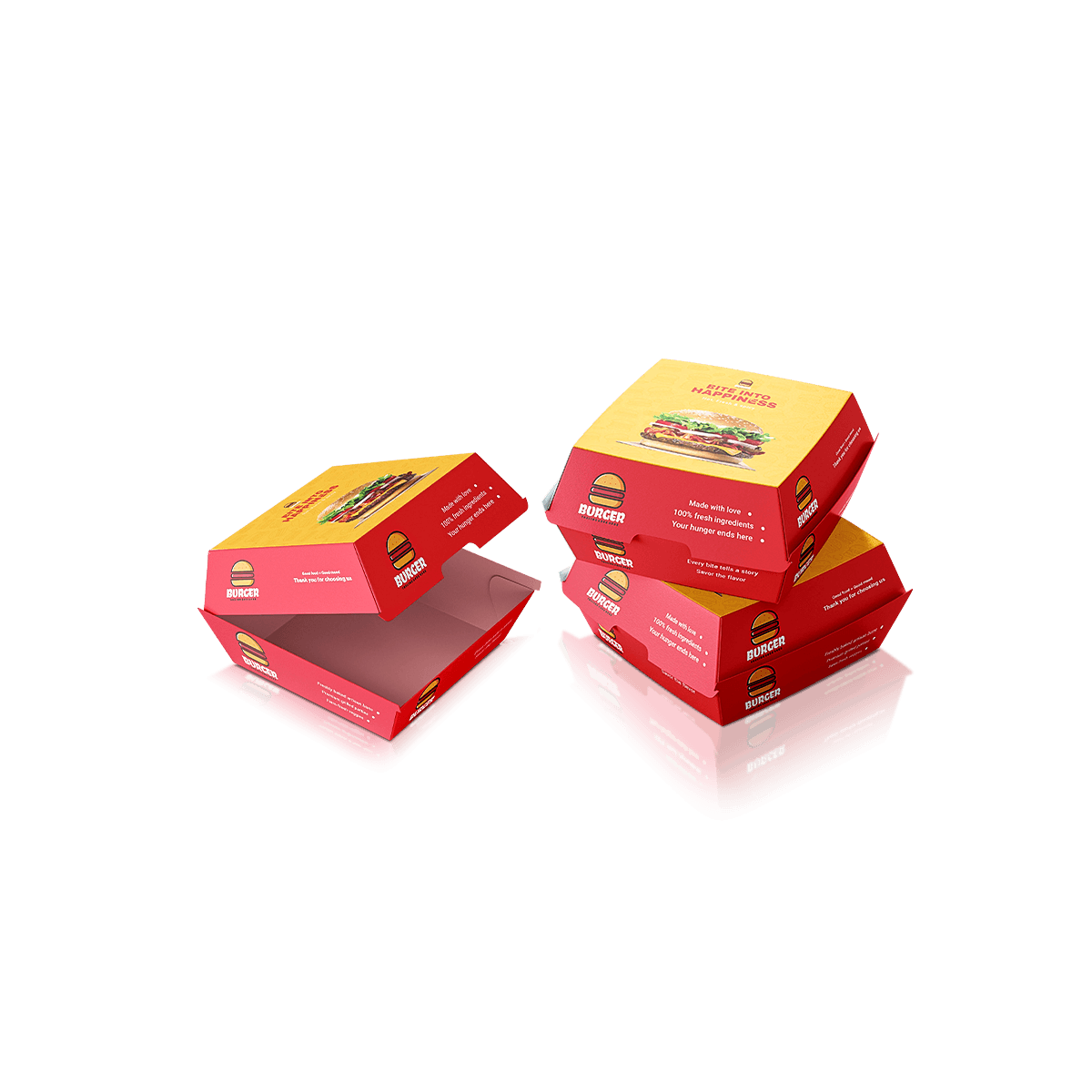
A meal deal may combine an open tray with Custom Burger Boxes, sauces and a drink.

The open tray should not become the platform for heavier cartons. If drinks are common, plan Paper Cups as a separate handling problem instead of relying on the food to hold them steady.

Protect the Approved Tray Spec

Once a food tray has worked during real service, preserve more than the artwork file.

Record the finished dimensions, board specification, barrier or coating where applicable, fold pattern, print references and approved artwork version. That makes repeat orders easier to reproduce and reduces the chance of a later run being interpreted differently.

Plan Stock Around Usage

A high-volume tray may need a different supply plan from a seasonal or occasional one.

Custom Packly supports repeat and bulk ordering, and Wholesale Custom Packaging is useful where several packaging types or larger recurring quantities need coordinated supply. Warehousing and scheduled deliveries are also available where they suit the order.

Show Us the Hardest Serving

The most useful starting point for a custom food tray is not an empty container. It is the meal that places the greatest realistic demand on it.

If one tray needs to cover several menu items, show the version that is widest, heaviest, wettest or hardest to carry as well as one typical serving. That gives a much better basis for sizing than a generic request for a medium takeaway tray.

Use the Messiest Version

If the menu includes sauces, loose toppings or mixed components, use that serving when testing the tray.

A structure approved only with the neatest dry meal can fail to reveal where walls are too low, the base flexes or moisture gathers during real use.

Send One Real Order Photo

A top-down photograph of the finished meal beside a ruler or known-size object can communicate the layout quickly. Add the approximate portion weight, quantity required and whether the food is eaten immediately, collected or delivered.

Send that through the custom packaging quote with any artwork already available. Instant pricing can start the commercial conversation, while the serving itself gives Custom Packly the information needed to narrow the tray dimensions and board specification.

FAQs

Food trays are usually the better fit for portions that need surface area and open access rather than enclosure. They work well for mixed appetisers, loaded sides, street food servings and snack combinations that are eaten directly from the tray. When the item needs stronger heat retention or more transit protection, a closed box is often the more reliable route.

Start with the real plated or packed portion, not a generic serving label. The footprint should support the food layout without making the portion look cramped or lost in the tray. Width, depth, topping spread and total weight all matter. Confirm the tray size against the assembled serving so the food sits cleanly and remains easy to carry and eat.

Often, yes, when the serving is broader or built with several components. Fries Trays are more focused on chip-led portions and hand-held side servings, while Food Trays give more room for wider layouts and mixed toppings. The better option depends on whether the item behaves like a chip portion or more like an open-top meal or snack plate.

Simple, bold print usually performs better than dense artwork. A clear logo, strong colour block or short message keeps the tray recognisable without competing with the food. Because the product remains fully visible, the tray should support the presentation rather than overpower it. Clean print tends to feel more considered in takeaway and event settings.

Confirm portion dimensions, weight, grease level, sauce volume, serving temperature and expected hold time first. It is also worth checking whether one tray size will cover several menu items or whether separate sizes are needed. At Custom Packly, those details usually decide the most suitable board grade, wall height and footprint more accurately than artwork choices alone.

Process

How it works

Your Packaging Journey, From Idea to Production and Delivery

01

Tell Us Your Specs

Custom packaging boxes

Tell Us Your Specs

Provide size, quantity, printing, and finishes.

02

Get a Fast Quote

Custom packaging boxes

Get a Fast Quote

Instant transparent pricing, no hidden fees.

03

Design and Approval

Custom packaging boxes

Design and Approval

Artwork checks, revisions, and final sign-off.

04

Produce

Custom packaging boxes

Produce

Expert manufacturing to meet deadlines.

05

Ship to Your Door

Custom packaging boxes

Ship to Your Door

Hassle-free, flexible delivery options.

Get Your Quote for Custom Food Trays

Share your product details, dimensions, quantity and artwork needs. We’ll help choose the right packaging style and send a clear quote.