Skip to content
Details

Custom Food Packaging Sleeves

Food packaging sleeves add structure, grip and branded visibility around prepared food without the bulk of a full carton. They suit takeaway counters, chilled retail and bakery ranges where handling speed, clean presentation and pack clarity all matter.

The Container Sets the Sleeve

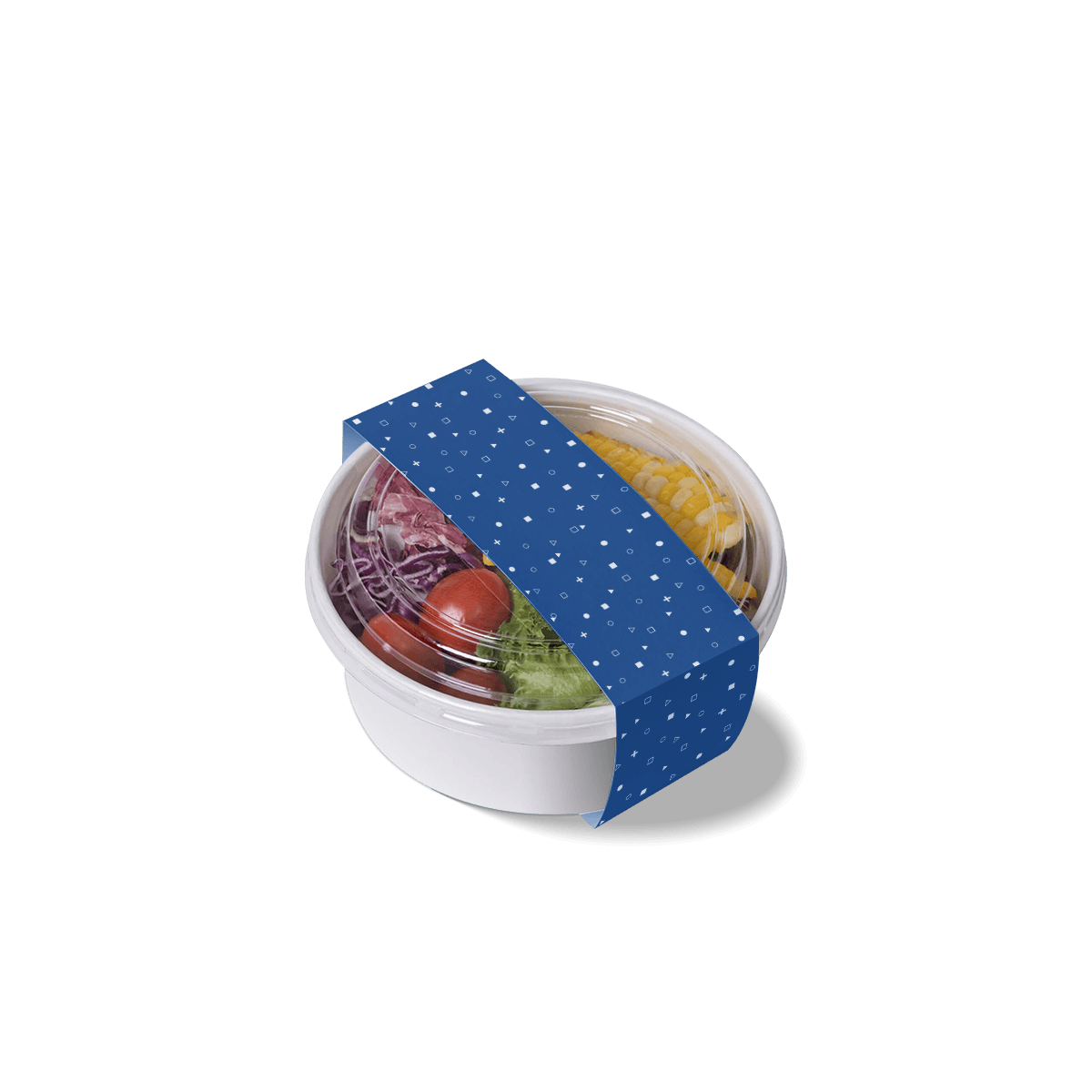
Empty trays are the wrong reference for this sleeve. Custom Food Packaging Sleeves need to clear the container after filling, sealing and lidding because those final details determine where the paper grips and whether the printed face stays centred.

A ready-meal tray may have a raised rim, lidding film, snap-on lid or small dimensional variation after filling. A dessert tub can taper towards its base. A bakery tray may flex more than a rigid plastic container. Those details change where the sleeve grips, how easily it slides on and whether the printed front panel stays centred.

This is the main role this packaging should own: adding a printed paperboard outer around an existing food container without pretending the sleeve is the primary structure.

For restaurants and food producers still deciding whether they need a tray, carton, cup or sleeve, custom food packaging for restaurants and takeaways starts with the food, heat, grease and handling journey rather than artwork.
Allow for the Filled Pack

The most useful measurement is the largest normal finished pack, not the smallest empty container.

Include Lids and Seals

Measure over anything the sleeve has to pass across. That can include a plastic lid lip, folded film edge, paper seal, overwrap or another primary layer.

Ignoring a raised rim by only a few millimetres can turn an otherwise simple sleeve into something staff have to force over every container.

The opposite problem is just as common. Too much clearance can let the sleeve rotate, expose uneven edges or move away from the main display face.

Check Tapered Containers

Many tubs and food trays are wider at the top than the bottom. A straight sleeve around a strongly tapered container can feel tight in one area and loose in another.

The shape should be assessed from the actual contact points rather than assuming every container behaves like a rectangular carton. Where the final dimensions are known, the Dieline Generator can help establish the flat artwork geometry before print is placed.

For custom sleeve artwork, packaging dielines explained also covers creases, safe areas, bleed and glue zones that can otherwise disrupt small product information.

Plan for Grease and Condensation

Food conditions should decide the stock before decorative finish does. Oil, chilled condensation, steam and dwell time affect paper differently, and a sleeve used around a refrigerated tray faces a different problem from one placed around a dry bakery carton.

Indirect Contact Is Different

A sleeve around a sealed CPET tray, tub or inner carton is normally doing an outer-packaging job. The primary container separates it from the food.

That is different from a sleeve that directly touches an exposed sandwich, pastry or other food item. If direct contact is intended, state that before material, ink or coating is specified. Do not assume that stock suitable around the outside of a sealed tray is automatically suitable for direct food contact.

Custom Packly can help coordinate the substrate, printing and applicable compliance requirements through one packaging workflow instead of treating artwork and material as separate decisions.

Chilled Packs Need Real Testing

A chilled container can develop condensation after filling, refrigeration or movement between temperatures. That moisture can soften unsuitable paper, mark print or change how easily the sleeve slides.

Test the sleeve after the container has experienced the conditions it will actually face. A dry empty tray on a desk tells you very little about how a chilled ready meal will behave after time in a refrigerator.

The same principle applies to oil and moisture. The packaging selection process explains why food packaging should be chosen around the product's real physical conditions before branding or finish.

Grip the Container, Not Dinner

A sleeve should give the customer and staff a useful handling area without pressing into the food, catching a lid or obstructing how the container opens.

Position the Hand Zone

Think about where somebody naturally picks up the container. For a broad ready-meal tray, that may be around the centre. For a taller tub, the grip may sit lower.

The sleeve depth can then be planned around that behaviour. There is little value in spending material on a deep wrap if customers only use a narrow central area to hold the product.

A good sleeve also keeps hands away from surfaces that may be cold, damp or marked during service while giving the brand a clean printed face.

Leave Opening Features Exposed

Do not cover a pull tab, lid edge, tear feature or opening instruction that customers need immediately.

The printed outer should support the primary container, not make it harder to use. That sounds obvious, yet it is easy to miss when the artwork team sees only a flat blank rather than the assembled food pack.

A free 3D mockup helps check where branding, product visibility and opening features meet before production begins.

Design Around Pack-Out Speed

The sleeve has to work for the people loading it as well as the people buying it.

A slow sleeve multiplied across hundreds or thousands of meals becomes an operational problem. Creases that need excessive pre-folding, an opening that catches the lid or a fit requiring both hands can all add avoidable handling time.

Hand Loading Needs Tolerance

For hand-packed products, the opening should be easy to find and the sleeve should move onto the container without staff having to reshape it every time.

It still needs enough hold to stay aligned once fitted. The goal is controlled movement, not maximum tightness.

Machine Application Changes the Brief

If sleeves will pass through automated or semi-automated equipment, say so before the dieline is finalised. Crease behaviour, glue position, supplied state and dimensional consistency become part of the production specification.

Do not approve a sleeve purely because it works when one person carefully assembles a sample by hand if the real production process is different.

For launch schedules or food ranges that need replenishment quickly, Custom Packly provides guaranteed 4–6 working day production and delivery. Timing still works best when the actual loading method is known before artwork is locked.

Give Information a Stable Panel

Food sleeves often carry more working information than ordinary decorative wraps. Brand identity may need to share limited space with product names, flavour identification, barcodes, ingredients, date labels or other required product information.

The important question is not how much text can physically fit. It is which information must remain readable after folding, handling and labelling.

Protect Variable Label Space

If production staff apply date, batch, price or product labels after printing, reserve a clean area for them.

Do not place foil, heavy texture or a critical illustration where a working label will routinely cover it. The finished result should still look intentional after the real production process has taken place.

Move Small Copy off Creases

Fine text and barcodes are less forgiving than large branding. Keep them away from major folds, joins and trim-sensitive edges wherever possible.

Premium offset printing can give excellent control for fine typography, large colour fields and repeated artwork, but print method should follow the real quantity and SKU split.

The digital versus offset printing breakdown is especially relevant to food ranges because ten thousand sleeves split across ten recipes is a very different production problem from ten thousand identical sleeves.

One Tray Can Carry Many Recipes

A food business can often use one physical tray size across several meals while changing the sleeve artwork for each recipe. That can simplify the container inventory without forcing every product to look identical.

The saving only works if the meals genuinely fit the same tray. Do not standardise the physical container purely to reduce packaging variants if one portion ends up cramped and another looks half empty.

Where the tray dimensions are stable, the printed sleeve becomes a practical place to manage flavour, recipe or seasonal changes.

Where tray dimensions stay stable, one physical sleeve specification can support several recipes while artwork changes by SKU. For larger recurring programmes, warehousing and scheduled deliveries can separate production quantities from what individual sites need to keep on hand.

Before assuming a larger order is cheaper overall, custom packaging cost factors are worth considering alongside SKU count and the risk of obsolete printed stock.

Use Another Style When Needed

A printed food sleeve is not a universal solution for takeaway food. Its strength is combining an existing container with a printed outer layer. If the underlying container cannot safely hold, carry or present the food, the sleeve does not repair that weakness.

Sandwiches Need Their Own Geometry

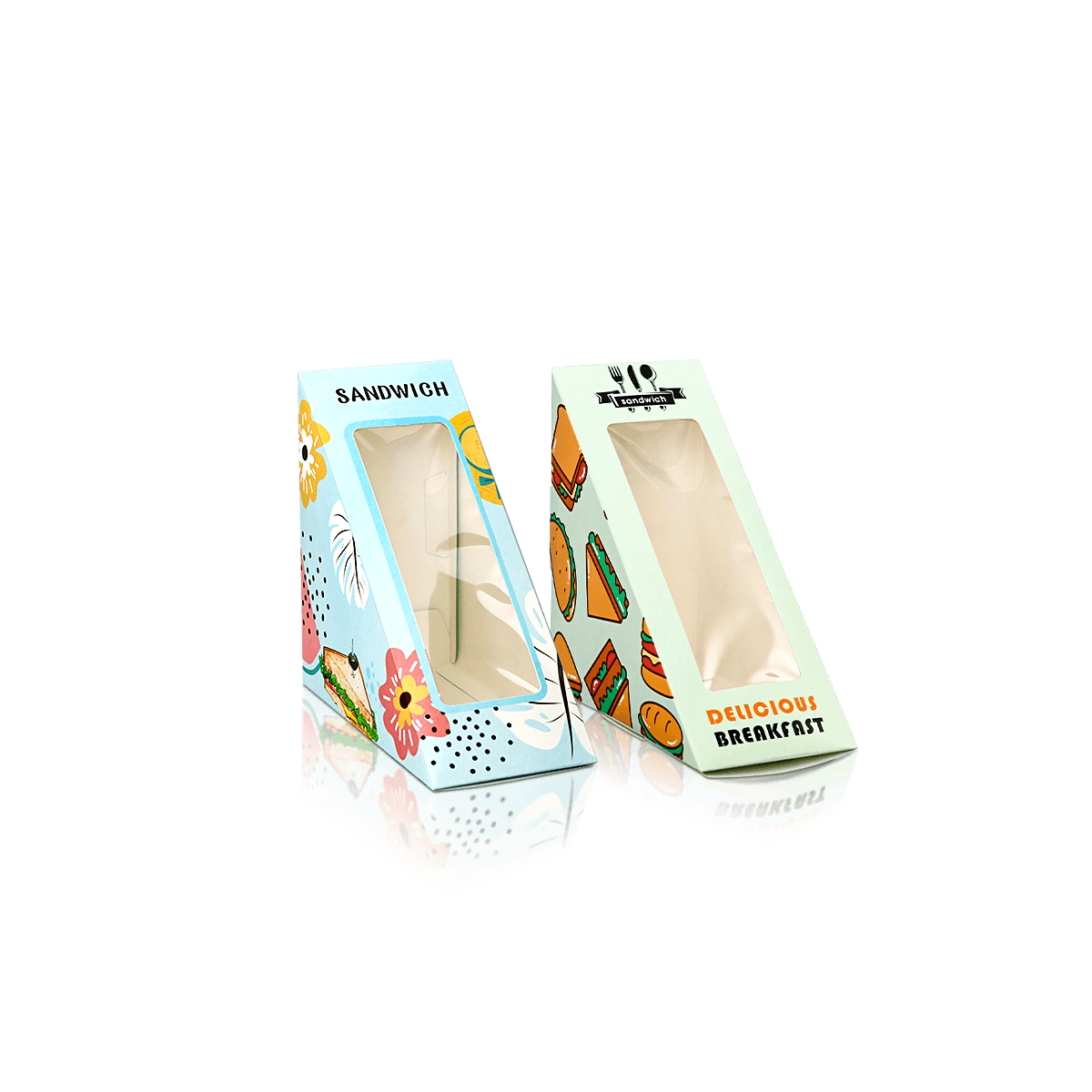
For triangular wedges, rolls and filled sandwiches where the paper structure itself supports the food and controls visibility, Custom Sandwich Sleeves are the more precise option.

Those structures need to account for bread shape, filling depth, open faces and grab-and-go display. A sleeve around a sealed ready-meal tray solves a different problem.

Open Servings Need a Tray

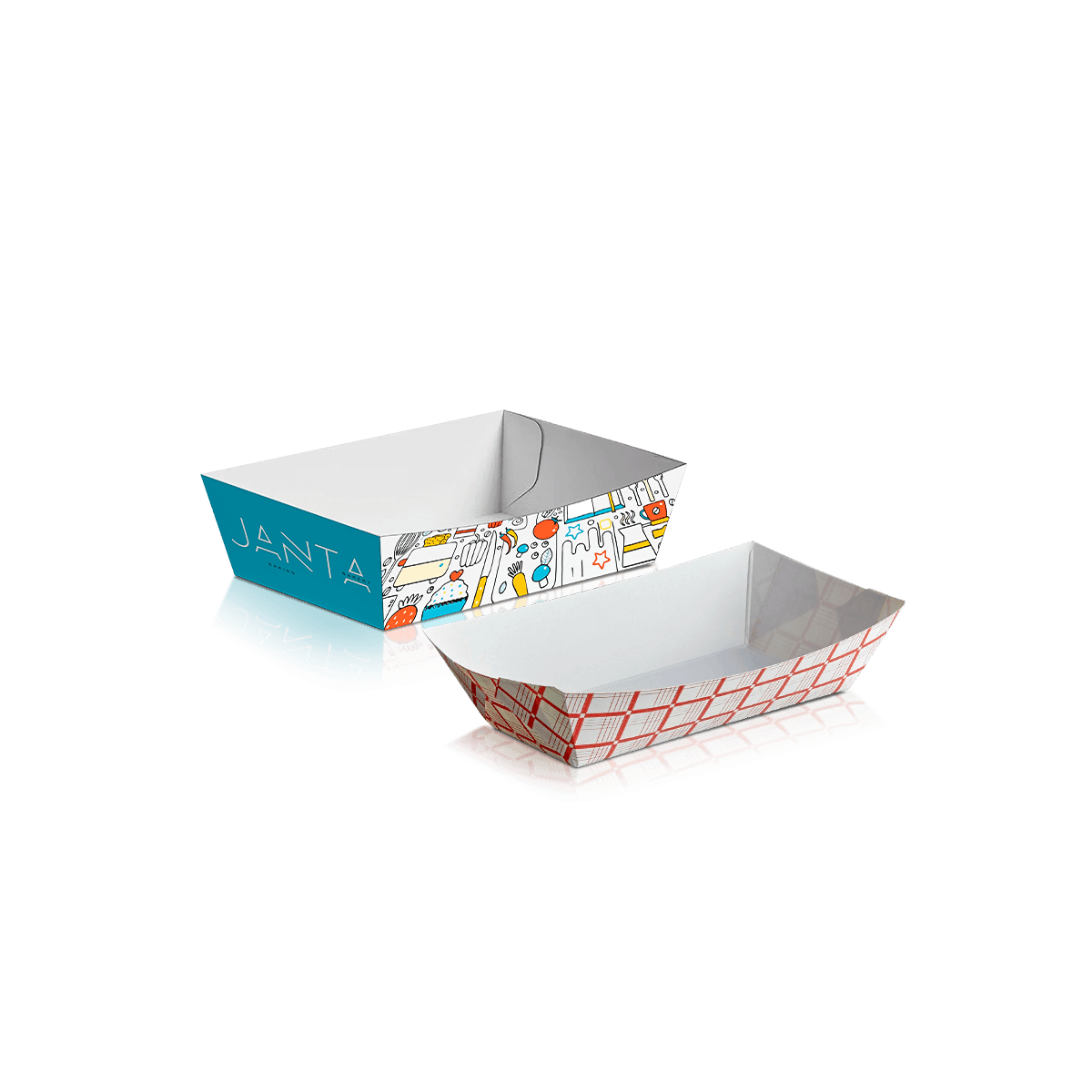
For loaded fries, mixed snacks and portions intended to be eaten directly from an open container, Food Trays should provide the physical serving structure.

A sleeve may sometimes complement another container, but it should not replace the tray when width, wall height and serving access are the actual requirements.

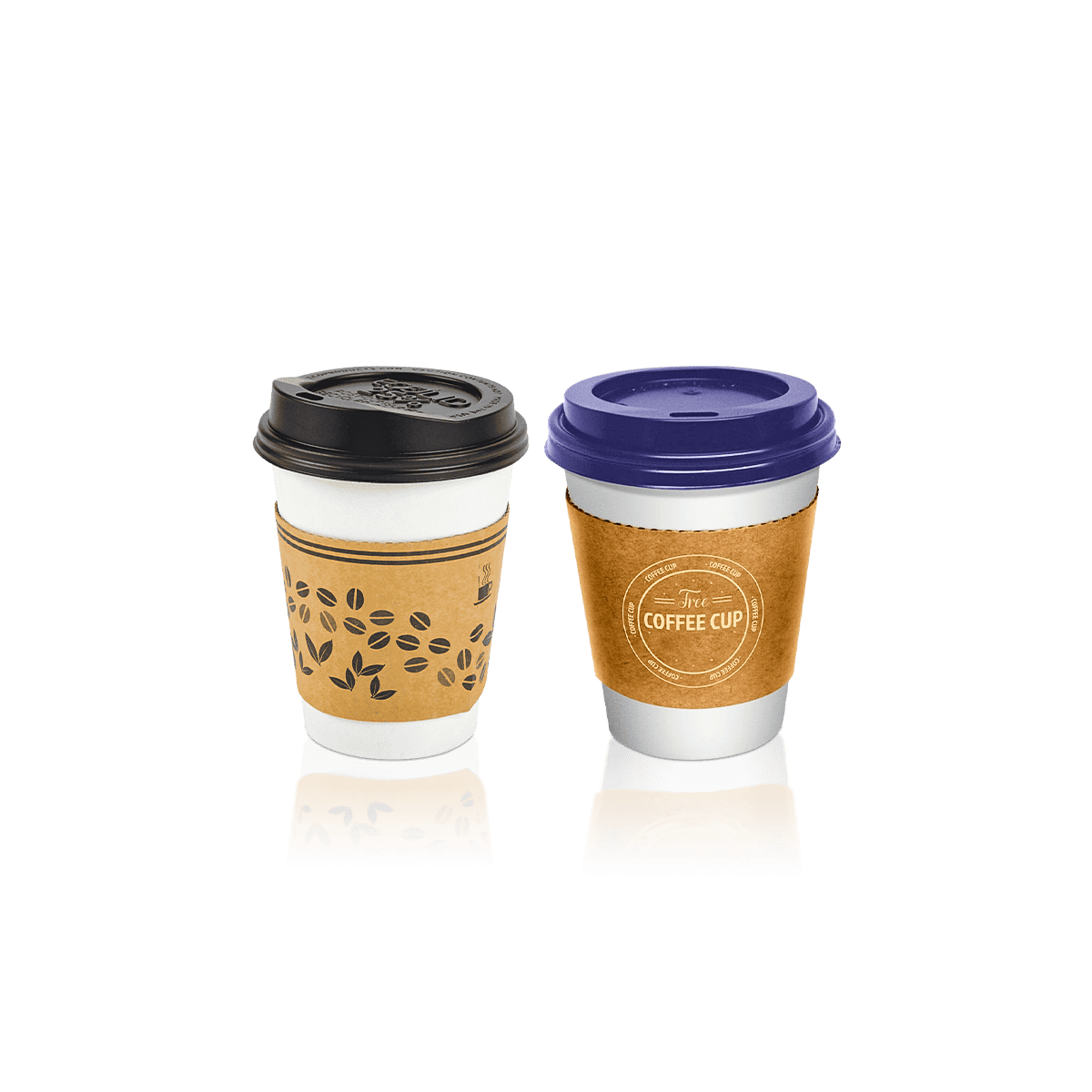
Sleeve Packaging also covers cup, cone, retail and box applications where the physical job is different.

For a broader view across burgers, trays, cups, sandwiches, pizza and takeaway handover, the takeaway packaging options help separate presentation-led sleeves from structures that must carry the food themselves.

Finish for Real Food Handling

Food sleeves can still look refined, but finishing should respect refrigeration, frequent handling and the expected life of the pack.

Matte, gloss, foil and other effects can work well when they support the branding. The important part is choosing them after the handling environment is known.

An expensive finish on a sleeve that becomes damp, scuffed or immediately covered by a production label is poor allocation of budget.

Stock, print, colour, coatings and finishes can be resolved together through packaging customisation rather than added after the sleeve has already been specified..

Free sample examples can help compare material feel and print quality. Where exact fit, unusual coatings or chilled performance are commercially important, test the relevant specification under realistic conditions before committing a larger run.

Quote the Filled Container

The most useful reference for pricing is not simply “a food sleeve”. It is the actual tray or tub after the product has been packed.

Identify the container, its finished outside dimensions, whether it carries a lid or sealing film, the normal filled condition and where the printed sleeve must sit. State whether the product is chilled, ambient, frozen or warm and whether the sleeve touches the food directly or sits around another primary layer.

Also show how the sleeve will be loaded. A hand-applied ready-meal wrap and a sleeve intended for production equipment may look similar to a customer but need different decisions before manufacture.

Send that information through the food sleeve quote. Custom Packly can then work from the real container through sizing, dieline, artwork and production instead of trying to correct the fit after the graphics are complete.

FAQs

A food sleeve is the better choice when the product needs light structure, easier handling and a branded print area without full enclosure. It suits items that already look presentable and do not require heavy transit cover. A full carton is usually stronger when the food is fragile, messy, stacked for delivery or needs more space for protection and compliance details.

They suit prepared foods that benefit from grip and presentation rather than complete containment. Sandwiches, wraps, bakery items, snack trays and lighter takeaway products are common examples. The key is that the food or inner pack already holds its shape reasonably well. If the product is unstable, heavily filled or leak-prone, another structure is normally safer.

Start with the finished packed dimensions, not the unfilled product size. Measure after the food has been assembled and wrapped or placed in its inner pack, then check filled height, corner shape and board clearance. You should also confirm whether the sleeve must slide on quickly by hand or sit more tightly for display, because that changes the final fit.

Yes, in many cases, but the board choice matters. A sleeve can work well for warm or lightly greasy foods when the stock and coating are selected properly and the hold time is realistic. If the product runs very hot, oily or damp for extended periods, confirm that early, because a more enclosed or more resistant structure may perform better.

Yes, and that is one of their strongest advantages. Sleeves give you a defined print area for flavour names, campaigns, meal deals and seasonal artwork without changing the whole pack. They are useful when the base food pack stays similar across the range but the front-facing message needs to change quickly and remain easy to read.

Related Industry Packaging

Process

How it works

Your Packaging Journey, From Idea to Production and Delivery

01

Tell Us Your Specs

Custom packaging boxes

Tell Us Your Specs

Provide size, quantity, printing, and finishes.

02

Get a Fast Quote

Custom packaging boxes

Get a Fast Quote

Instant transparent pricing, no hidden fees.

03

Design and Approval

Custom packaging boxes

Design and Approval

Artwork checks, revisions, and final sign-off.

04

Produce

Custom packaging boxes

Produce

Expert manufacturing to meet deadlines.

05

Ship to Your Door

Custom packaging boxes

Ship to Your Door

Hassle-free, flexible delivery options.

Get Your Quote for Custom Food Packaging Sleeves

Share your product details, dimensions, quantity and artwork needs. We’ll help choose the right packaging style and send a clear quote.