Skip to content
Details

Custom Promotional Boxes

Promotional boxes help campaigns look more deliberate from the first touchpoint, giving samples, launch items, branded merchandise and giveaway pieces a cleaner presentation that is easier to distribute, easier to recognise and better matched to the campaign message.

Lead With the Campaign Message

A promotional box has one job before anything else: make the campaign proposition obvious quickly. The hero product, message and next action should be visible without the recipient sorting through filler or competing inserts.

Launch kits, samples, giveaways and retail activations can share branding, but their packaging should follow how the campaign is distributed and what response it is meant to trigger.

Do not start by asking how luxurious the box should feel. Start with the campaign objective: introduce a product, encourage trial, support an event activation, deliver promotional merchandise or move a recipient towards a clear next action.

Build Around the Response

A promotional box works better when the physical layout supports the action attached to the campaign.

Lead With the Hero Item

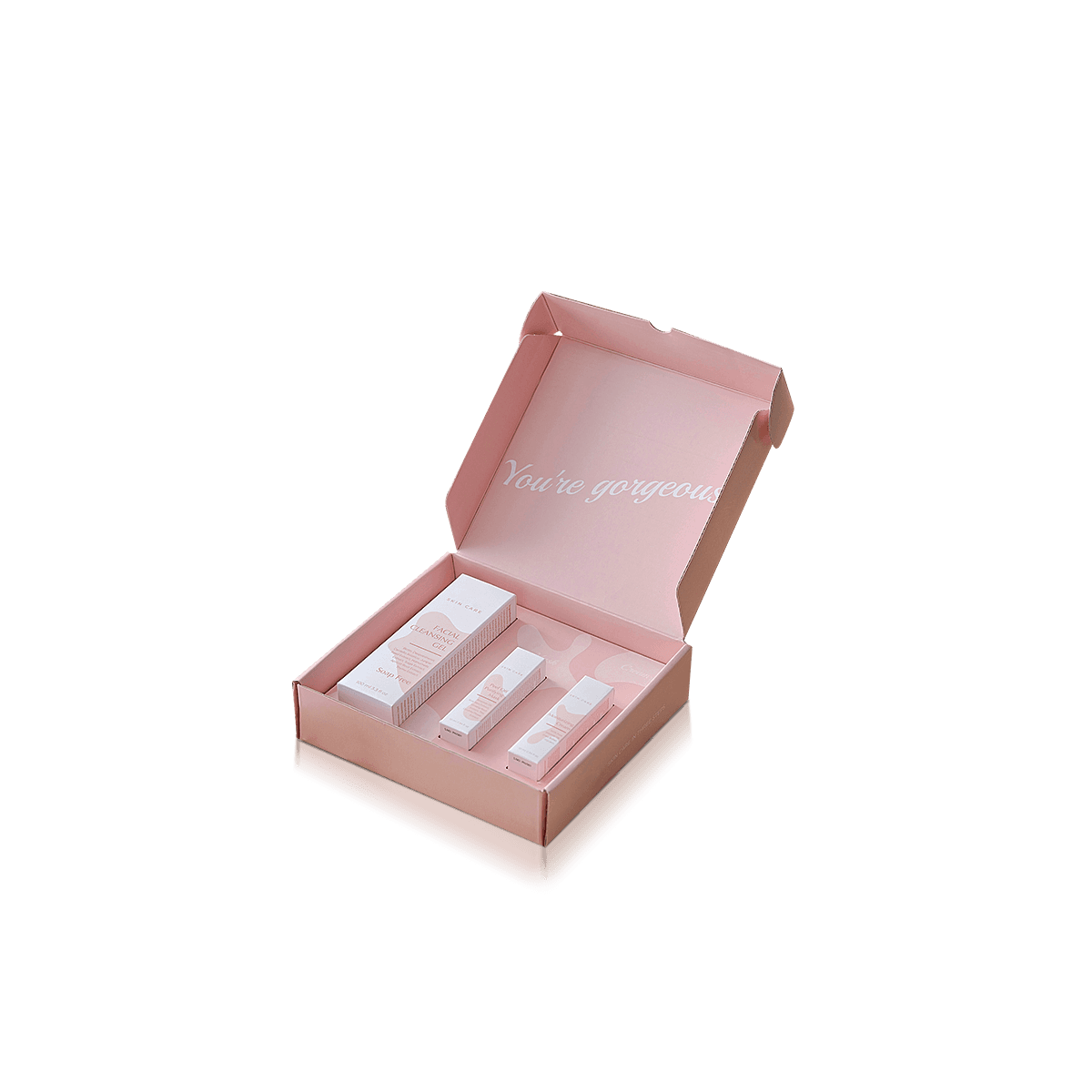
If one product is being launched, sampled or promoted, it should be the easiest item to identify when the box opens. Turn the main label towards the recipient and avoid letting leaflets, tissue or smaller merchandise cover it.

Supporting items should explain or reinforce the hero product rather than compete with it. When several products all demand equal attention, the campaign message can become harder to understand.

Keep the Next Step Visible

A code, event instruction, trial note or short call to action should sit where it can be seen without emptying the box. The inner lid, top card or a dedicated slot can work better than placing an important printed piece under the products.

QR codes need a flat, readable area with enough clear space around them. Test the final printed code at the actual size rather than assuming a screen proof is enough.

Choose the Distribution Route Early

Promotional packaging can move through very different environments. A box handed out at a trade event should not be specified in the same way as a campaign kit sent through a courier network.

Event Handouts

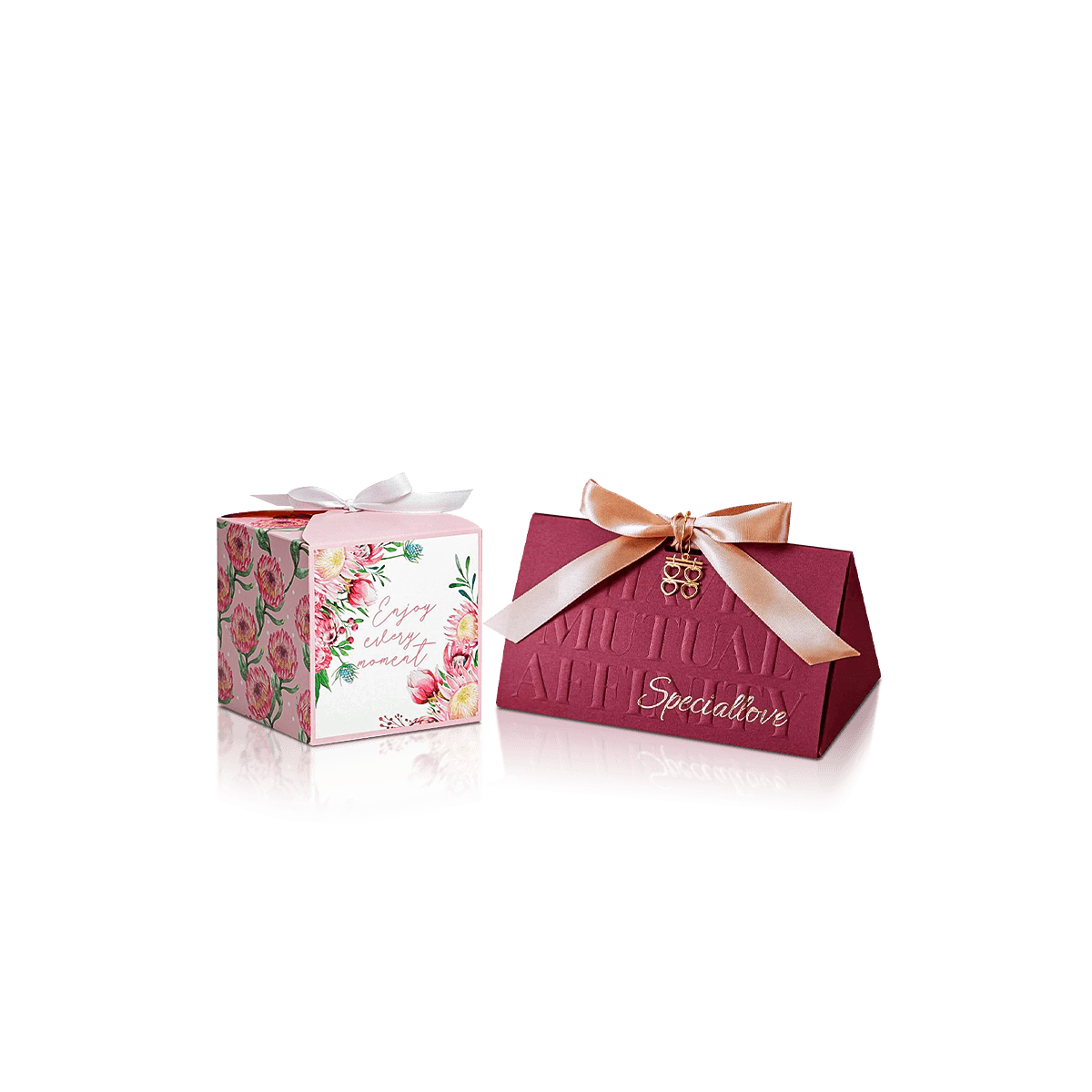
Boxes distributed at exhibitions, launches or pop-ups need to be easy to stack, carry and pass between staff and visitors. Folding cartons, compact mailers and lighter paperboard structures can work well when hundreds of units must be moved around a venue.

If the item is a small guest keepsake rather than a product-led promotion, event favour boxes are the cleaner fit.

Direct Campaign Delivery

For individually posted kits, custom mailer boxes can combine print space, opening impact and corrugated protection. The box depth should follow the packed contents rather than leaving a large cavity simply to make the send look substantial.

When the objective is primarily product trial with lightweight samples and literature, product sample mailer boxes keep that job more focused and compact.

Retail Promotion

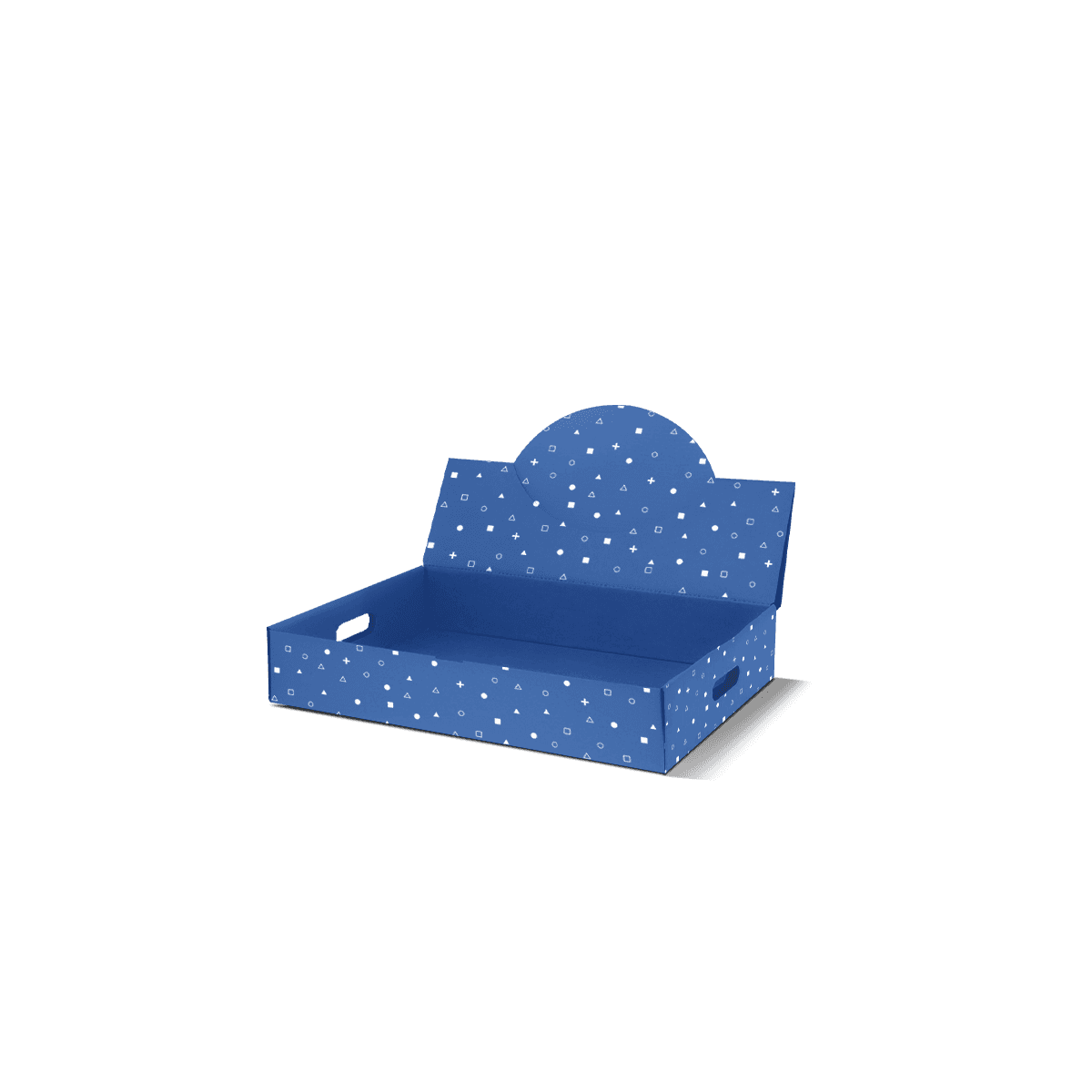
In-store campaigns can need a different route again. A promotion intended to sit on a counter or hold multiple sale units may be better served by display boxes than by an individual presentation box.

The correct structure follows where the promotion happens, who handles it and what should happen after the first interaction.

Know When It Is Really PR

Promotional Boxes and PR Boxes can overlap, but they should not be treated as the same thing.

PR boxes are stronger when a selected group of media contacts, creators or partners will receive a more controlled launch experience. Those sends often place more value on presentation sequence, photography and a carefully staged reveal.

Promotional boxes have a broader commercial role. They can support event handouts, product samples, retail campaigns, customer outreach, branded merchandise and offer-led activity where efficient distribution matters as much as presentation.

The decision rule is simple: if the packaging is mainly being judged as a selective media or creator send, start with PR. If it needs to work across a broader promotional campaign, this specification is usually more appropriate.

Control Campaign Versions

Promotions often create more artwork variation than the physical box requires. Dates, discount codes, audience names, partner logos and product messages can change while the outer dimensions stay identical.

Separate Fixed and Variable Print

Keep stable branding on the main box where practical. Put changing codes, dates, partner details or audience-specific messaging on cards, labels or sleeves if that keeps unused stock relevant for longer.

This also reduces the number of outer-box artwork files that need to be approved and managed.

Identify Every Version Quietly

When several versions look similar, use a small internal reference or packing code so fulfilment staff can identify the correct contents without adding visible clutter to the campaign design.

The system should distinguish the version before the box reaches the packing table. Relying on memory becomes risky once multiple samples, cards or offers are being assembled at the same time.

Make the Pack-Out Repeatable

A promotional box may be opened once, but it can be packed hundreds or thousands of times. The internal design should therefore work for the team filling it as well as for the person receiving it.

Reduce Handling Steps

Every loose card, separate wrap and complicated fold adds another packing action. If the campaign does not benefit from that step, remove it.

A simple insert that locates the hero item and holds one printed piece can sometimes outperform a highly layered presentation that takes much longer to assemble.

Use Support Where Movement Matters

Inserts and dividers make sense when bottles, jars, electronics, drinkware or mixed merchandise could move into each other during handling. Paperboard inserts can suit lighter items, while corrugated support can be more appropriate where weight increases.

Do not create a separate cavity for every small object automatically. The internal support should solve movement, visibility or packing consistency, not merely make the layout look complicated.

Print for the Campaign Lifespan

The useful life of promotional artwork can be short. That should affect how print and finishing decisions are made.

A one-off seasonal campaign with several artwork versions creates a different production problem from a recurring promotion using one stable design. The choice between digital and offset printing should therefore consider quantity per artwork, colour control, expected revisions and the risk of holding obsolete printed stock.

Premium offset printing is especially useful when the design is stable and colour consistency matters across a suitable run. Digital production can make more sense for changing versions or shorter campaign artwork where flexibility carries more value than the lowest possible unit cost.

The same restraint applies to finishes. Foil, embossing, debossing, spot UV or soft-touch should support the campaign idea rather than consume time and budget without changing how the recipient understands the promotion. Packaging customisation covers the print and finish choices available for the final specification.

Protect the Deadline Before Decoration

Promotional packaging is often tied to a fixed launch, event or retail date. Missing that date can make otherwise excellent packaging commercially useless.

Confirm the product dimensions, structure and artwork early enough for the dieline to be settled before final design approval. The free dieline generator can help with supported box styles once the dimensions are known.

The practical lesson from fast-turnaround mailer production is that urgent work usually moves fastest when uncertainty is removed before manufacturing begins. Late size changes, extra finishes and fragmented approvals create more risk than a straightforward structure approved quickly.

Custom Packly's typical turnaround is 4–6 working days after final approval for suitable requirements, but a campaign should still allow time for filling, internal distribution and the actual event or launch.

Spend on What Gets Noticed

Promotional packaging does not need to become luxury gifting to make an impact.

A strong printed interior, accurate brand colour, one well-positioned finish or an insert that brings the hero product into view may do more for the campaign than upgrading every component. This is especially important for short-lived promotions where the packaging may be opened once and discarded soon afterwards.

The cost mistakes discussed in custom packaging cost decisions apply directly here: extra material, slow assembly and unnecessary finishes can increase the real campaign cost even when the box itself still looks impressive.

For first launches or smaller businesses testing a promotional idea, custom packaging for small business can help keep the first run practical without treating the specification as disposable. MOQ starts from 100 boxes, so a focused test campaign can establish what works before the same concept is scaled.

Quote the Campaign Matrix

For promotional boxes, one total quantity is rarely enough information. The useful quoting unit is the campaign matrix: what is being sent, to whom, in which version and through which distribution route.

Share the campaign date, quantity by artwork or audience version, hero product, supporting samples or merchandise, total packed weight, any insert requirement and whether each version will be handed out, placed in retail or sent individually. Also identify any changing cards, codes or partner artwork that should remain separate from the permanent box print.

That makes it easier to decide whether one outer structure can support several campaign versions or whether the distribution routes genuinely need different specifications.

Use the custom packaging quote once the campaign matrix is ready. List the shared structure once, then show the quantity for each artwork or audience version so common components and version-specific print or inserts can be priced clearly.

FAQs

The best structure depends on how the campaign will be distributed. Lightweight handouts often suit folding cartons because they are efficient and easy to produce in volume. Posted promotions usually need a stronger mailer-style box. If the campaign centres on a more premium reveal or several grouped items, a rigid option may be worth considering. Start with the delivery route before choosing the box style.

Enough to make the campaign recognisable immediately, but not so much that the message becomes crowded. The strongest promotional boxes usually lead with one clear campaign idea, supported by brand colour, product naming or offer-led text. If every panel competes for attention, the impact can weaken. Good hierarchy matters more than covering the whole box with artwork.

They are better when the campaign needs stronger branding, a defined opening sequence or cleaner arrangement of the contents. A plain mailer may still work for cost-led bulk distribution, especially when presentation matters less than speed. Promotional boxes become the stronger route when the packaging itself needs to support recall, launch timing or a more curated first impression.

Not every campaign needs them, but inserts are useful when the promotion contains more than one item or when the contents vary in size. They stop products shifting, keep printed pieces visible and make the handover feel more organised. For single flat items, an insert may be unnecessary. For grouped samples or mixed merchandise, it usually improves the result.

Lock the campaign contents first, then confirm how the boxes will be packed, stored and distributed. It is also important to check whether the box must survive courier handling, sit on a retail surface or be handed out directly at an event. Print hierarchy, quantity split, insert needs and any fixed campaign date should all be confirmed early because promotional timing is often tight.

Process

How it works

Your Packaging Journey, From Idea to Production and Delivery

01

Tell Us Your Specs

Custom packaging boxes

Tell Us Your Specs

Provide size, quantity, printing, and finishes.

02

Get a Fast Quote

Custom packaging boxes

Get a Fast Quote

Instant transparent pricing, no hidden fees.

03

Design and Approval

Custom packaging boxes

Design and Approval

Artwork checks, revisions, and final sign-off.

04

Produce

Custom packaging boxes

Produce

Expert manufacturing to meet deadlines.

05

Ship to Your Door

Custom packaging boxes

Ship to Your Door

Hassle-free, flexible delivery options.

Get Your Quote for Custom Promotional Boxes

Share your product details, dimensions, quantity and artwork needs. We’ll help choose the right packaging style and send a clear quote.