Skip to content
Details

Custom Roll End Tuck Front Mailer Boxes

Roll end tuck front mailer boxes are sturdy one-piece corrugated mailers built for ecommerce delivery, branded presentation and quick assembly. They suit products that need better protection than folding cartons while still giving a clean unboxing experience.

Why Rolled Ends Matter

The value of Custom Roll End Tuck Front Mailer Boxes comes from how the side panels roll inward, lock into the base and support the front closure. The one-piece corrugated blank is commonly associated with FEFCO 0427, but the practical reason to choose it is the combined behaviour of those folds.

The important feature is not simply the front tuck. It is the way the rolled ends, trapped side flaps and front closure work together. That gives the box more side-wall stiffness and a cleaner internal edge than a simpler straight-sided mailer.

Within custom mailer boxes, choose this style when those reinforced sides solve a real handling or presentation problem. If the product only needs a straightforward top closure, a tuck top mailer box can use fewer folds and may be quicker to erect.

Double the Side Wall

Each end panel folds over itself, so the side wall gains a second layer and a rounded top edge. That extra material helps the box hold its shape around the sides and gives the opening a more finished internal appearance.

The trade-off is simple: rolled ends use more blank area and more folding than a basic mailer. On larger boxes, that difference becomes commercially relevant. Reinforcement should earn its place through better side support, cleaner presentation or a more stable opening.

Lock the Ends Before Loading

The end tabs normally engage with slots in the base as the side panels roll over. Erect the box fully before loading the product so the contents do not obstruct that locking action.

If the tabs need excessive force, spring back out or distort the base, do not treat that as normal assembly. The crease positions, slot relationship or material specification should be checked before a repeat run is approved.

The Fold Sequence Sets Speed

RETF mailers arrive flat and are normally formed by hand. The sequence is predictable: raise the main walls, fold the smaller end flaps inward, roll each side panel over, engage the locking tabs, load the contents and then close the lid into the front.

That sounds minor until hundreds or thousands of boxes move through the same packing bench. A few unnecessary corrections on every unit can outweigh a small saving in box price.

Test the Actual Packing Motion

Have the people who will use the box erect several samples without coaching. Watch where they hesitate, reverse a fold or need two hands to force a panel into position.

The right structure should become repeatable quickly. If assembly remains awkward after the first few boxes, check whether the rolled ends are too tight, the tabs are difficult to locate or the chosen depth makes the blank cumbersome.

For launches with a fixed date, a proven RETF layout can also reduce avoidable structural experimentation. The fast-turnaround mailer workflow explains why structure and approval decisions need to be settled before production time becomes the problem.

Prove the Locks Under Load

A 3D mockup can confirm artwork, but it cannot show whether the end tabs still engage cleanly once the real product is inside.

Where the locks, depth or insert are unusual, use a paid custom sample to erect, load, close and reopen the mailer several times at normal packing speed.

Control the Front Tuck

The lid should close with a positive front tuck without bowing the front wall or lifting back out. That closing feel depends on the tuck depth, crease positions, material thickness and how high the packed contents sit.

A tight tuck is not automatically a secure tuck. If it needs excessive pressure every time, the front panel can deform and repeated opening can damage the edge.

Leave the Closure Unloaded

Keep products, tissue and inserts below the working path of the lid and front tuck. Overfilling can transfer pressure directly into the closure, making an otherwise correct structure appear weak.

The same rule applies to inserts. Custom inserts and dividers should stabilise the contents without pushing the rolled sides outward or lifting the lid.

Add Security Separately

A front tuck is a mechanical closure, not automatic evidence that the parcel has remained unopened. If the delivery requires visible opening evidence or a stronger shipping seal, plan an adhesive strip, tear-strip system, label or another suitable sealing method separately.

Do not compensate by making the tuck unreasonably tight. Security and everyday opening are different requirements.

Depth Changes the Structure

Roll end tuck front mailers are especially efficient when the footprint is larger than the depth. As the box becomes very deep, the lid and long folded panels become more substantial and hand assembly can feel less efficient.

That does not create one universal depth limit. Product weight, footprint, flute, wall length and closure geometry all interact. It does mean that a very deep RETF should be reviewed rather than assumed to behave like a shallow ecommerce mailer.

If material strength is the main question, custom corrugated mailer boxes cover flute, liner and transit-performance decisions in more depth. RETF should be chosen because the rolled-wall structure is useful, not simply because corrugated board is required.

Watch Long Front Edges

A wider front panel gives the tuck a longer closing line. If the box is overfilled or the front wall lacks control, the centre can bow even when both corners look correct.

Check the finished box from the front after it is loaded. The lid should sit level and the front edge should stay visually straight without needing tape to disguise poor fit.

Put Inserts Inside the Walls

The double side walls already occupy part of the structural layout, so internal fitments should be developed around the erected box rather than a rough outer dimension.

For a multi-product kit, set the insert footprint after the rolled ends are formed. Leave enough clearance for easy placement, but not so much that the insert can shift and push against a locking wall during delivery.

Use the Reinforcement Where It Helps

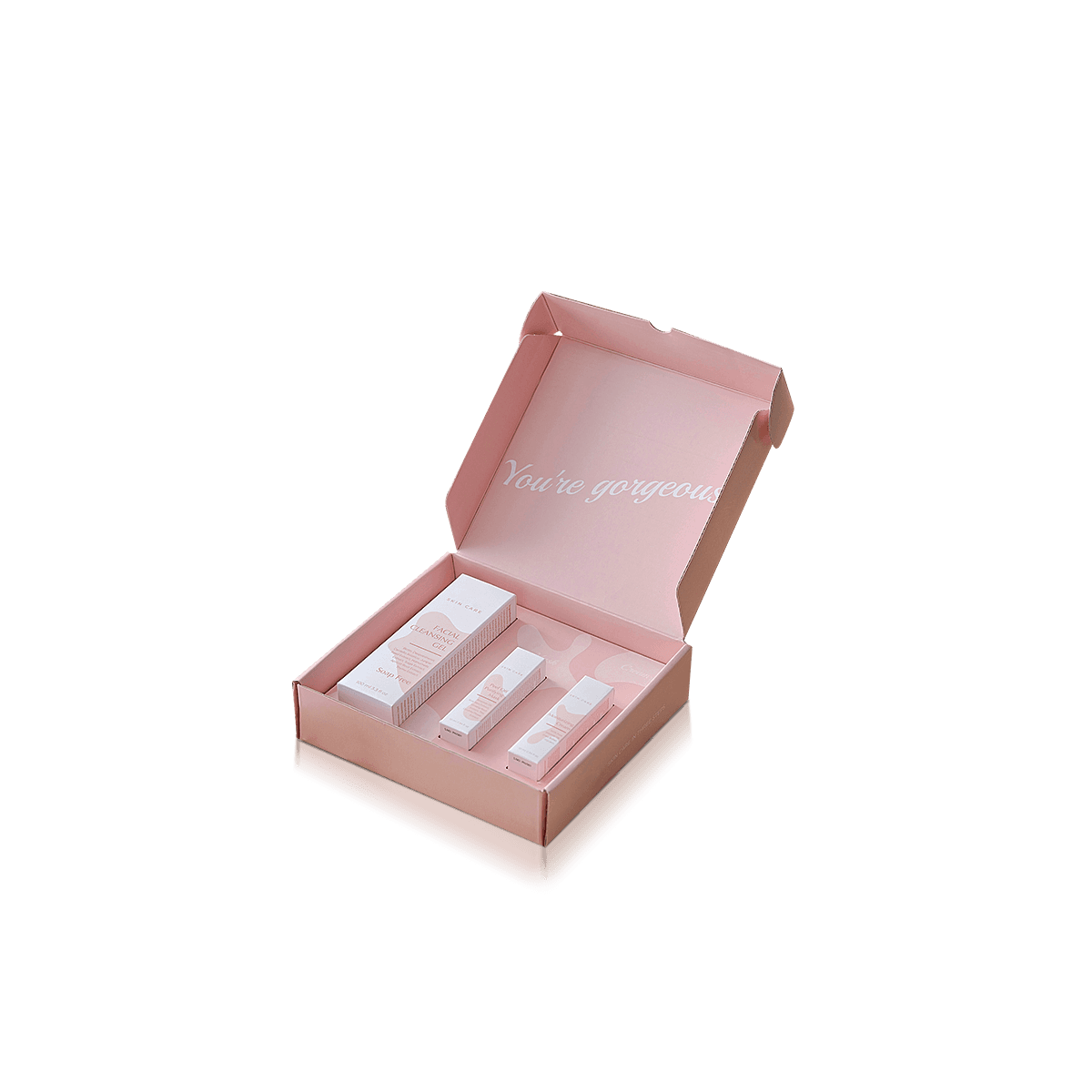
Rolled sides are useful for products that need better edge stability, organised presentation or a more substantial mailer without moving to rigid packaging. Folded apparel, beauty sets, subscription assortments and compact accessories can all suit the style when their packed dimensions match the structure.

The e-commerce and subscription packaging route becomes especially relevant when the same box is assembled repeatedly and the internal layout needs to stay consistent across runs.

Print Around the Rolled Panels

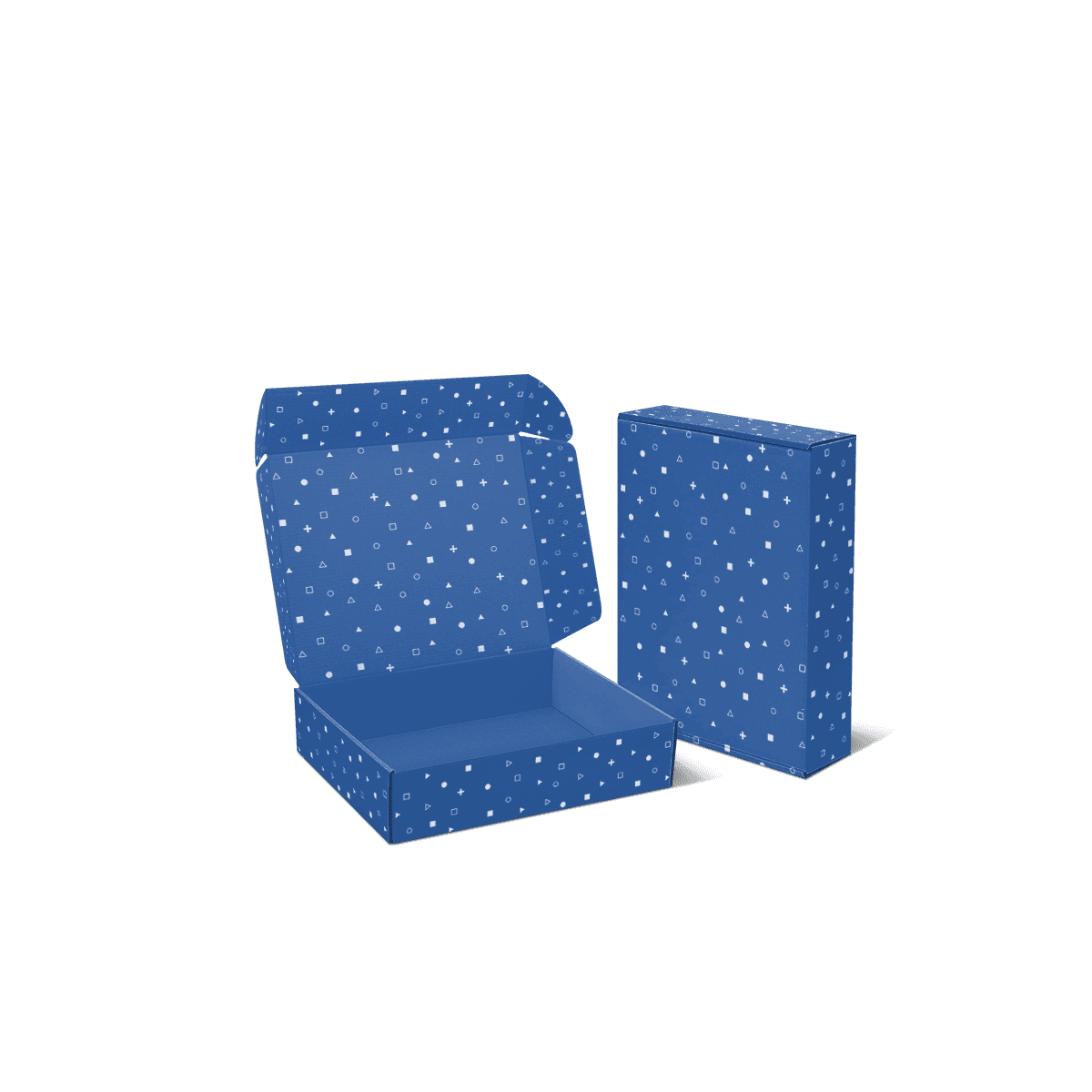
A RETF blank contains more folds and panel reversals than the finished box suggests. The inner half of each rolled side panel becomes visible inside the erected mailer, while the lid swings into a different viewing direction when opened.

Artwork should follow that physical movement. A graphic that reads correctly on the flat file can rotate, disappear into the side wall or land across a locking area after folding.

Treat the Inside as Erected

If the inside is printed, check which surfaces remain visible after the sides roll over. Do not place important copy where the inner side panel overlaps, where a locking tab sits or where an insert covers the base.

The packaging dieline explanation is useful for separating cut lines, creases, safe areas and artwork panels before graphics are approved. The free dieline generator can provide a starting layout for supported mailer structures, but the final RETF dieline still needs to match the actual specification.

Use Finish Away From Stress

Premium offset printing can give a more controlled branded surface where the selected corrugated specification supports it. Matte, gloss, foil or spot UV can also be considered where appropriate.

Keep high-pressure decorative details away from folds, locking tabs and working tuck edges. A finish should improve the visible surfaces without making an active crease or lock less dependable.

Rolled Sides Need a Reason

RETF is not automatically the best mailer. It is the better choice when the rolled ends and familiar front-opening action justify the extra folds.

Choose the simpler Tuck Top style when quick erection and a less layered side structure matter more. Consider roll end tuck top mailer boxes when the preferred lid and closing arrangement points to that variant instead.

For heavy, bulky or strongly stacked loads, move the decision away from presentation-led mailers and towards shipping boxes. Trying to make an RETF solve a heavy transit problem through thicker material alone can add cost without choosing the most efficient structure.

The main packaging box types can help when the project is still between mailer, folding carton, rigid and shipping-box territory.

Specify the Rolled-End Layout

For useful pricing, define what the structure has to achieve. Share the required internal footprint and depth after inserts or wrapping are included, the packed weight, product arrangement and whether the rolled side walls are being used mainly for reinforcement, presentation or both.

Also state whether you need inside print, a particular front-opening feature, an additional shipping seal or repeated opening after delivery. Those details affect the dieline more directly than a generic request for a “strong mailer”.

Keep the approved RETF dieline with the quote so every supplier is pricing the same rolled-wall and front-tuck arrangement. If a change to dimensions or material moves a slot, lock or crease, treat it as a structural revision rather than an artwork-only change.

If you are comparing suppliers, keep the RETF structure, internal size, material, print coverage and closure additions consistent. The mailer quote checks help expose differences that a headline unit price can hide.

With the internal size, rolled-end behaviour and quantity fixed, request pricing for that exact layout.

FAQs

The main difference is structure and presentation. Roll end tuck front mailer boxes use rolled side panels and a front-locking tuck that creates a stronger lid area and a more polished opening experience. Standard postal boxes can still work well for shipping, but this style is often the better choice when branding, unboxing and pack stability matter alongside transit protection.

Yes, they are widely used for shipping because corrugated board and the rolled-edge construction give better durability than lighter carton styles. They are especially useful for ecommerce, subscription and sample packs. Confirm product weight, board grade, internal movement and courier handling conditions before finalising the specification.

Yes, inside and outside printing is a strong option for this style. Exterior print supports shelf appeal and brand recognition at delivery, while inside print can add instructions, campaign graphics or a premium reveal when the lid opens. If the box will be packed at speed, keep critical internal artwork clear of fold lines and insert areas.

Start with the packed product size, not just the item size. Confirm internal dimensions, total packed weight, whether tissue or inserts will be used, the correct corrugated grade, print coverage, finish choice and whether the box must meet postal or fulfilment limits. These checks prevent loose fit, board failure and avoidable packing delays.

Yes, this structure works very well with cardboard inserts, die cut fittings and layered presentation details. It also takes branding upgrades such as matte lamination, gloss finish, foil and spot UV when the board choice and artwork are planned properly. For heavier contents, the insert design and board strength should be developed together rather than treated separately.

Process

How it works

Your Packaging Journey, From Idea to Production and Delivery

01

Tell Us Your Specs

Custom packaging boxes

Tell Us Your Specs

Provide size, quantity, printing, and finishes.

02

Get a Fast Quote

Custom packaging boxes

Get a Fast Quote

Instant transparent pricing, no hidden fees.

03

Design and Approval

Custom packaging boxes

Design and Approval

Artwork checks, revisions, and final sign-off.

04

Produce

Custom packaging boxes

Produce

Expert manufacturing to meet deadlines.

05

Ship to Your Door

Custom packaging boxes

Ship to Your Door

Hassle-free, flexible delivery options.

Get Your Quote for Custom Roll End Tuck Front Mailer Boxes

Share your product details, dimensions, quantity and artwork needs. We’ll help choose the right packaging style and send a clear quote.