Skip to content
Details

Custom Event Favour Boxes

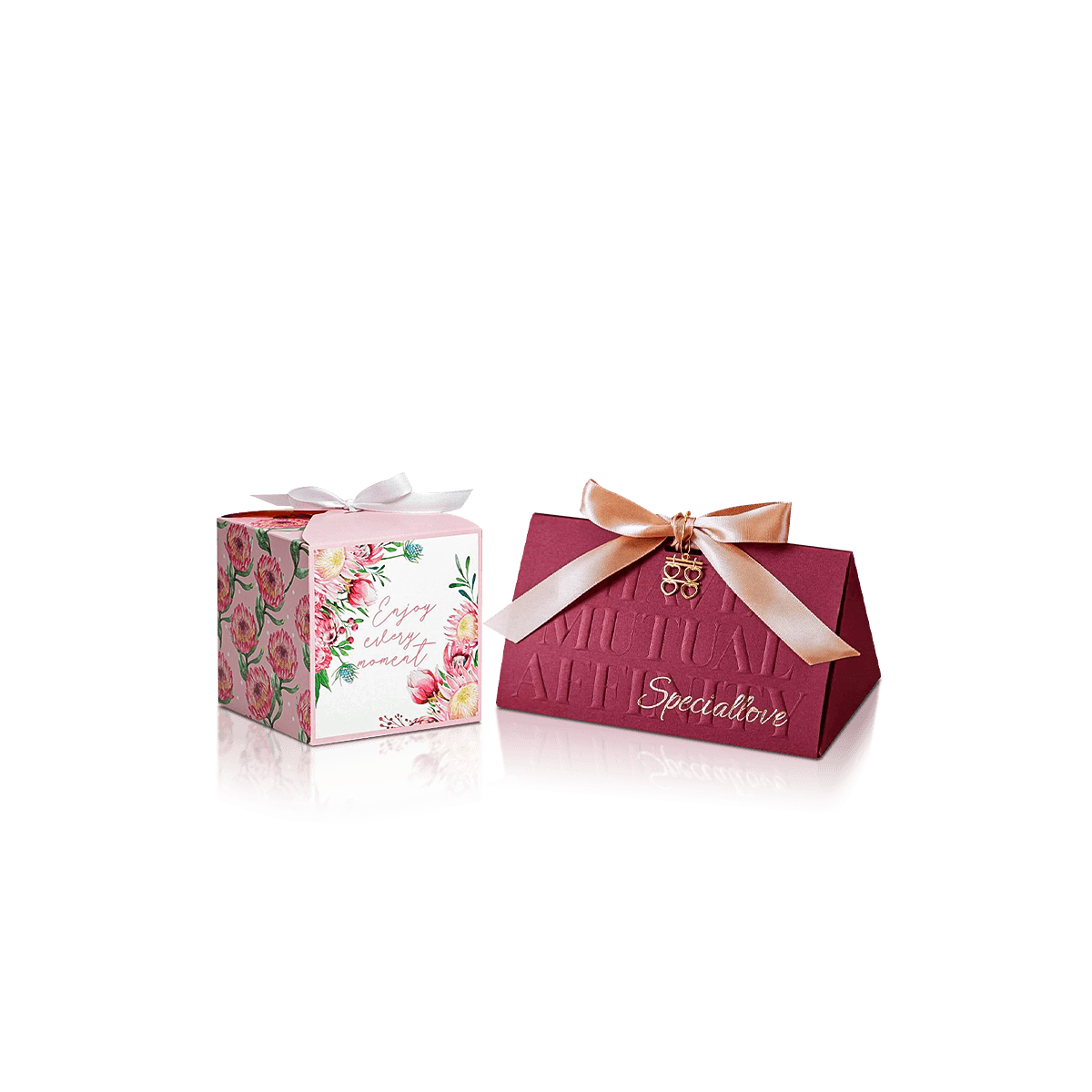
Event favour boxes give small gifts, treats and keepsakes a cleaner presentation for weddings, launches, conferences and hospitality events, helping each item feel deliberate, easier to hand out and better aligned with the overall event identity.

Plan the Guest Hand-Off

An event favour has to work in a crowded physical setting. It may sit beside glassware, move through a collection point or disappear into a guest bag, so footprint and handling matter before decorative detail.

Wedding favours, dinner gifts and launch keepsakes can use very different shapes, but the same rule applies: the guest should be able to notice, pick up and carry the gift without disturbing the event setup.

If the main objective is product trial or campaign response rather than a guest takeaway, a promotional box is the better starting point.

Start With Where It Sits

A favour box can be the right size for the gift and still be wrong for the event if it dominates a table setting or becomes difficult to distribute.

At a Place Setting

For weddings, dinners and seated events, measure the space around plates, glassware, menus and place cards before increasing the box footprint. A favour that takes over the table can disrupt the styling even when the contents are small.

Low, compact cartons usually integrate more easily into formal settings. If the box also carries a guest name or table detail, make sure that information can be read from the natural seated or standing angle rather than only from directly above.

At a Collection Point

Favours picked up near an exit, registration desk or event display need to stack or group cleanly. A flat-sided carton is easier to arrange in quantity than a curved or highly decorative shape.

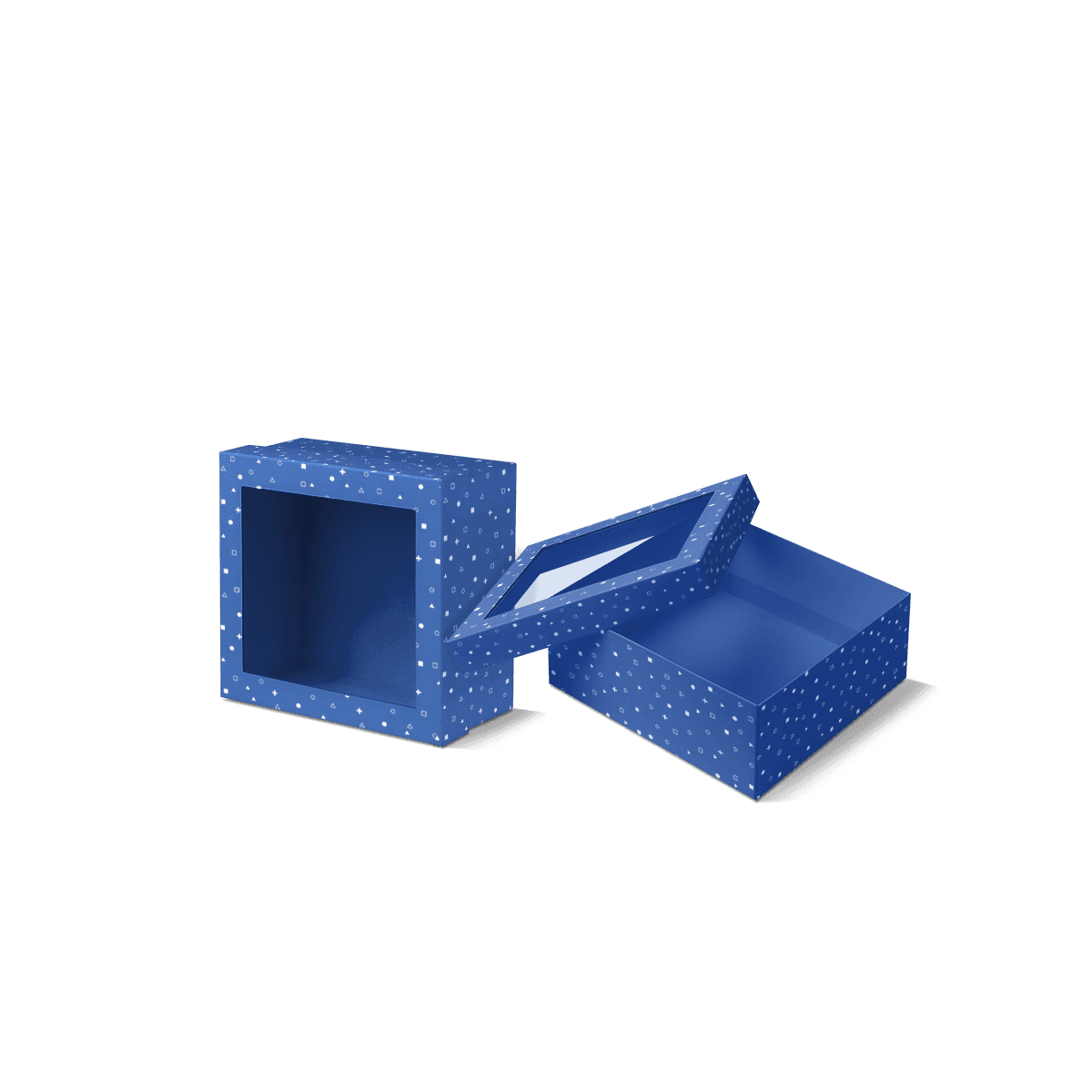
If guests will pick up the favour themselves, make the opening and front face easy to understand. Windowed packaging can help when the gift itself is part of the visual appeal. Custom window boxes can work well for visible keepsakes, wrapped confectionery or colour-led small gifts where the cut-out does not weaken the carton.

Inside a Guest Bag

If the favour is going into a tote, gift bag or conference bag, compactness matters more than display footprint. Avoid projecting handles, oversized bows or closures that can catch against other contents.

A conventional rectangular carton often works better here because it travels efficiently and protects the item without demanding extra space.
Match the Box to the Favour

Small gifts rarely benefit from large boxes. Oversizing can make an event favour feel empty and also increases material, table footprint and transport volume.

Measure the favour in the state in which it will actually be packed. Include any wrapper, tissue, card, sleeve or protective layer before final dimensions are set.

Allow Closure Clearance

A tight box can distort as soon as a folded note, ribbon or wrapped sweet is added. Leave enough room for the closing flaps to move without pressing into the contents.

For regular rectangular items, a straight tuck end box can give a clean printable shape with efficient flat storage. It is usually a stronger starting point than choosing an unusual silhouette simply because the event is special.

Avoid Decorative Empty Space

Empty space should serve a purpose. It may protect a delicate item, create a deliberate reveal or accommodate a small insert. If it does none of those things, reduce the box rather than filling the gap with more tissue.

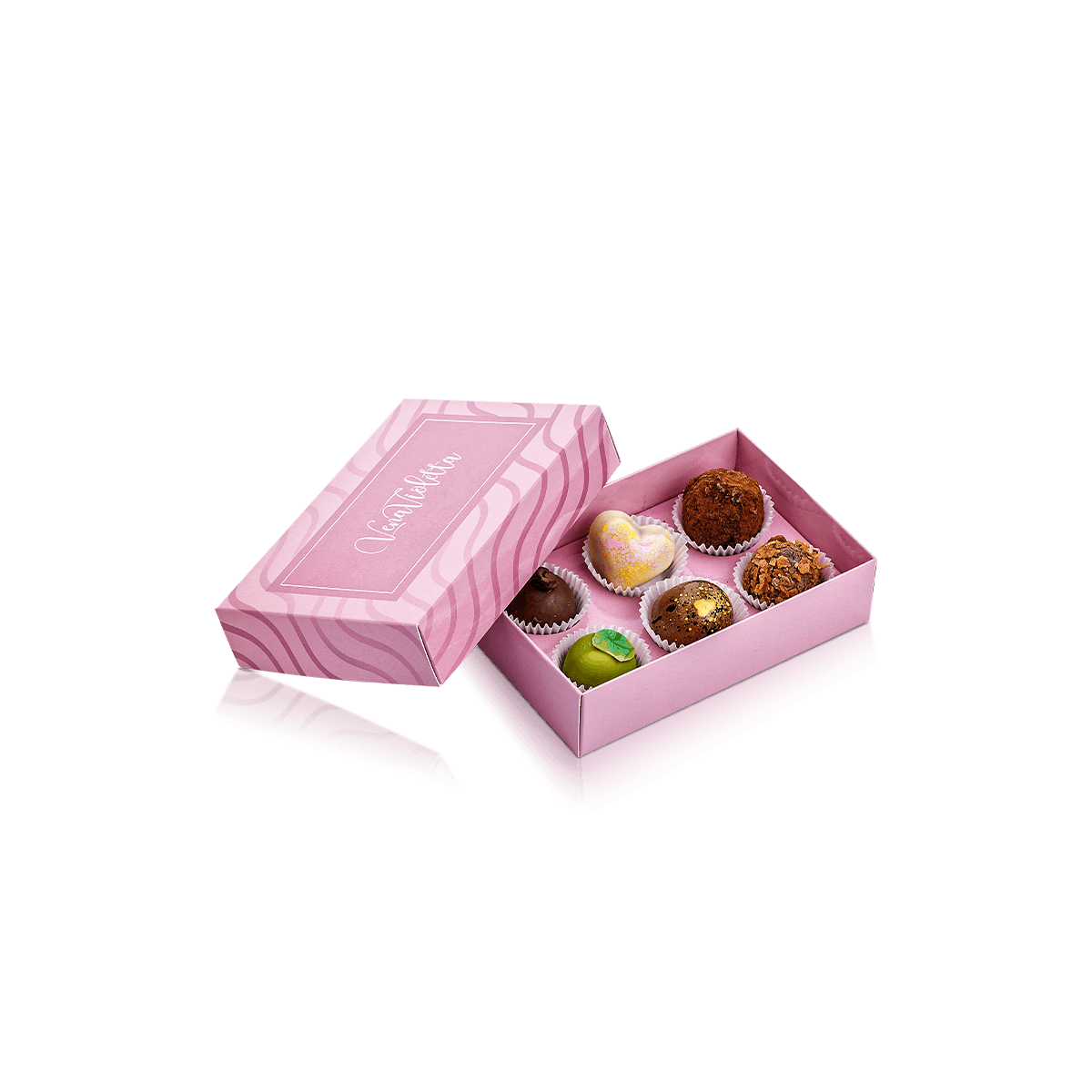
For event confectionery, chocolate boxes are more appropriate when cavity count, piece spacing and confectionery presentation are the main technical problem.

Choose a Shape Guests Can Use

The shape should support the handover rather than become an obstacle during setup.

Pillow for Slim Favours

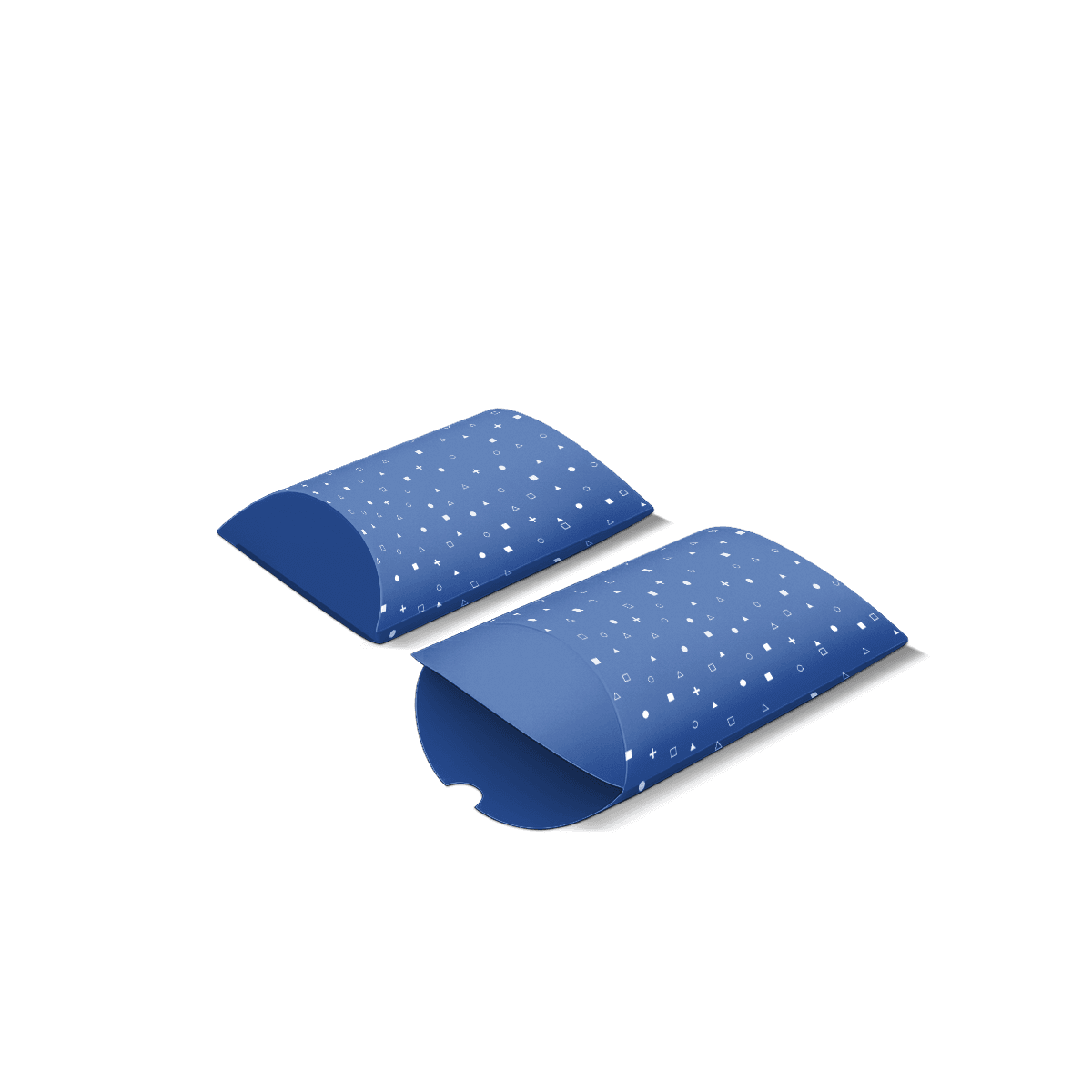
Pillow boxes work well for lightweight, relatively slim items such as gift cards, small accessories, wrapped sweets and soft keepsakes. Their curved profile gives a distinctive silhouette while keeping material use fairly light.

They are less suitable when neat vertical stacking is important or when a rigid object presses into the tapered ends. The real product thickness should be checked after any wrapping is added.

Gable for Carry-Away Gifts

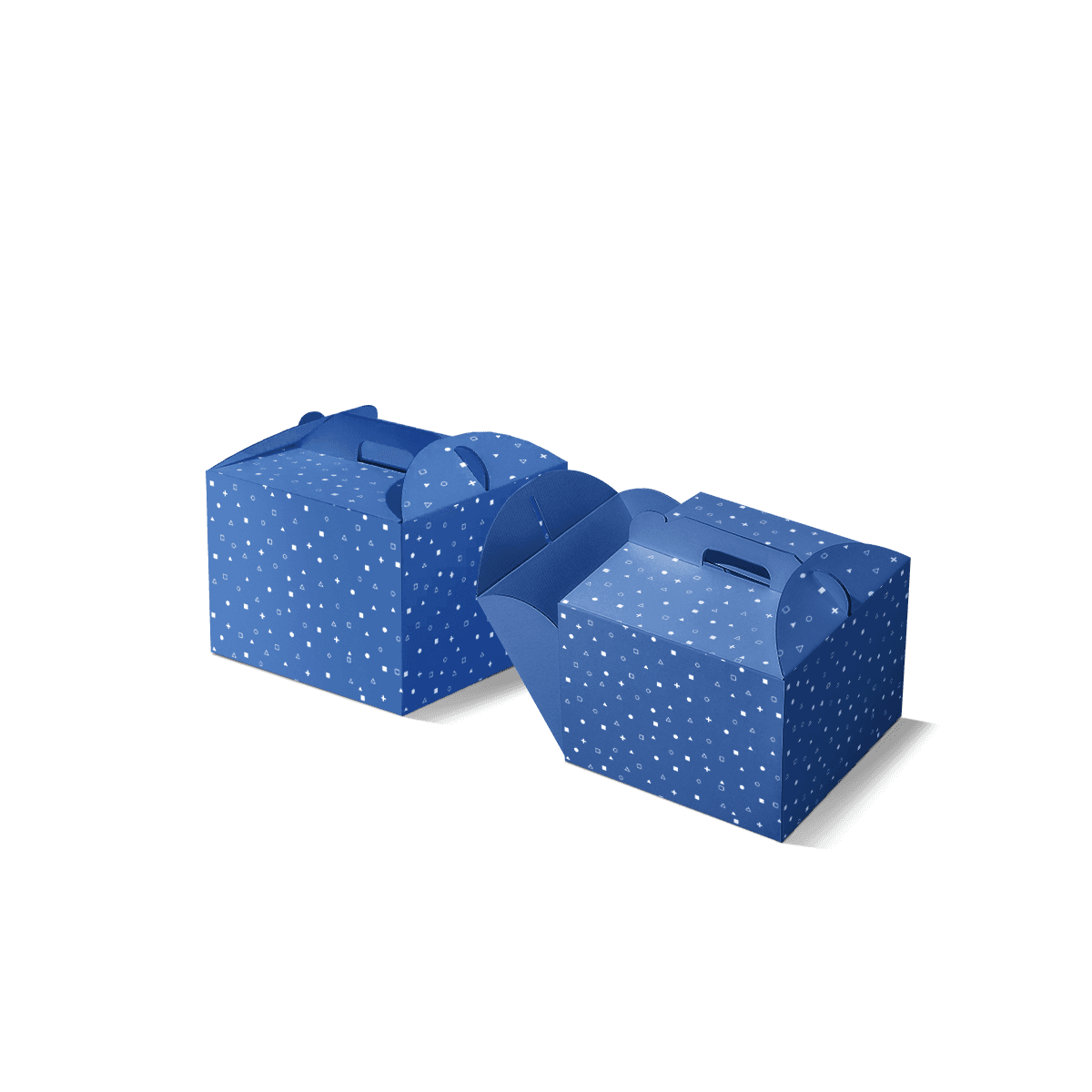
Gable boxes make sense when the built-in handle genuinely helps the guest carry the favour. That can suit small treat sets, lightweight gift bundles or family events where the favour is collected on departure.

The handle should not be treated as decoration alone. Packed weight and top-fold clearance need to work together so the box remains comfortable to lift.

Rectangular for Fast Setup

Simple folding cartons often win at high-volume events because they arrive flat, stack efficiently before filling and create predictable rows on tables or trays.

Distinctive does not have to mean structurally complicated. Artwork, colour and one well-chosen finish can give a straightforward carton enough character for a formal event.

Personalise Without Slowing Setup

Names, dates, monograms and event artwork can make a small favour feel specific, but personalisation creates production and sorting decisions that should be settled before printing.

Keep Shared Artwork Shared

If every guest receives the same favour, keep the main box artwork common where possible. Event name, date, monogram or host branding can sit on the outer carton without creating unnecessary versions.

Premium offset printing is useful when the artwork is stable and consistent colour matters across the run. The packaging customisation options can then be used selectively for foil, embossing, debossing or other details that genuinely support the event style.

Handle Unique Names Separately

Printing a different guest name on every outer box can create sorting risk at the venue. A removable name card, label, belly band or tag may be easier to match to a seating plan while keeping the base carton identical.

If artwork versions differ substantially, the choice between digital and offset printing should be made from the quantity per version rather than from the total guest count alone.

The design system should help the event team identify each version quickly without making the guest-facing packaging look operational.

Treat Edible Favours Carefully

Sweets, chocolates and other edible favours need an extra decision: is the food already wrapped, or will it touch the packaging directly?

If each item has its own suitable wrapper or primary pack, the favour box mainly provides presentation and handling. If food is intended to contact an internal surface directly, the material and any liner need to be confirmed for that exact use before production. Do not assume that decorative paperboard, ink or coating is suitable for direct food contact.

This also affects sizing. Wrapped chocolates, confectionery pieces or small jars may need more clearance than their bare dimensions suggest.

When several chocolates need individual positions rather than simply sitting inside one small carton, use a confectionery-specific insert plan instead of forcing a generic favour box to do the same job.

Prepare for Event-Day Handling

The favour will usually be packed, transported and arranged before the guest sees it. That handling sequence can expose weak closures and easily marked surfaces.

Test the Filled Box in Batches

Assemble a small batch using the real contents. Check whether the closure stays shut, whether filled boxes stack safely and whether the finished shape still looks consistent after being moved in trays or outer cartons.

Build and fill a small batch at the same pace the event team will use. This reveals whether tuck flaps catch, pillow ends spring open or decorative additions slow assembly before hundreds of units reach the table.

For supported carton styles, the free dieline generator can provide a useful starting layout from actual dimensions before the artwork is finalised.

Protect the Finish Before the Venue

Dark matte surfaces, foil areas and soft-touch finishes can show rubbing if hundreds of favours are packed tightly together. Plan the transport carton and stacking method so the decorative surface reaches the table in the condition in which it was approved.

That is usually more useful than adding another finish to compensate for handling marks later.

Use Detail Where Guests Notice It

Small favour boxes have limited surface area, which makes hierarchy more important.

A full event identity does not need to be reproduced on every panel. One clear monogram, a short thank-you message, a controlled colour field or a single foil element can be enough. The principles behind packaging design that works in practice matter especially at this scale because crowded artwork becomes harder to read quickly.

If the favour doubles as a place marker, reserve a clean area for the name rather than trying to fit it into an already busy pattern. If the gift itself is visually attractive, a window may do more than extra print.

The most useful finish is the one that survives filling, table setup and carry-home use while still supporting the event tone.

Separate Guest Count From Print Versions

The number of attendees does not always equal one simple production quantity.

A seated dinner may use different artwork for hosts, sponsors or VIP tables. A multi-day event may repeat the same favour with different dates. A wedding may need one shared carton but several name-card groups.

Count the physical boxes first, then identify how many artwork or personalisation versions sit inside that total. Add any sensible event contingency before artwork files are locked so last-minute seating changes do not require a separate emergency print run.

MOQ starts from 100 boxes for suitable specifications, but personalised groups still need to be counted by artwork version as well as total units. Custom printed box minimums explains why setup costs still matter when one event run is divided into several smaller versions.

Build the Favour Run Sheet

A strong Event Favour Boxes brief should read more like an event run sheet than a generic packaging enquiry.

Share the actual favour, its packed dimensions and weight, where guests will receive it, how many units will sit on tables versus collection points, the total quantity and any artwork groups or personalised elements. Also note how early the boxes will be assembled and whether they must stack inside trays, transport cartons or guest bags before handover.

Those details make it possible to recommend the structure around the event flow rather than starting from a decorative box style.

Use the custom packaging quote with each artwork group listed separately. That keeps the total favour quantity clear while names, table groups or event-day versions can be priced without being mistaken for separate structural orders.

FAQs

That depends on what is being given and how it will be presented. Pillow boxes suit lightweight keepsakes and soft goods, while drawer or lid-and-base styles work better for candles, jewellery, mini bottles or layered items. If the favour sits on a formal table setting, the outer shape matters just as much as the contents. Start with item weight, footprint and event tone.

Often yes, especially when the favour forms part of the visual styling of the event. Foil accents, embossing or textured stock can lift a small box quickly without needing heavy print coverage. They are most effective when the event already uses a defined palette or premium stationery. For fast-moving promotional events, a cleaner printed finish may be the more practical choice.

Boxes are usually stronger when the gift needs shape, protection or a more polished reveal. They also sit better on tables and hold printed detailing more cleanly. Bags can work for softer or bulkier items and for quicker guest collection points. If presentation, stacking and item stability matter most, a box is usually the better option.

Use inserts when the item could shift, tip or mark the inside during handling. This is especially useful for candles, bottles, jewellery and fragile sweets. For edible items, confirm whether the food will be wrapped separately or whether an added liner is needed, because bare board is not always the right direct-contact surface. Internal fit should be tested early.

Lock the exact product size, finished quantity and the way the favour will be filled and distributed. It also helps to confirm whether the box needs to sit on place settings, go into guest bags or be stacked for venue setup. If there is ribbon, foil, an insert or personalised names, check timelines early because decorative details often affect production planning.

Related Packaging Styles

Process

How it works

Your Packaging Journey, From Idea to Production and Delivery

01

Tell Us Your Specs

Custom packaging boxes

Tell Us Your Specs

Provide size, quantity, printing, and finishes.

02

Get a Fast Quote

Custom packaging boxes

Get a Fast Quote

Instant transparent pricing, no hidden fees.

03

Design and Approval

Custom packaging boxes

Design and Approval

Artwork checks, revisions, and final sign-off.

04

Produce

Custom packaging boxes

Produce

Expert manufacturing to meet deadlines.

05

Ship to Your Door

Custom packaging boxes

Ship to Your Door

Hassle-free, flexible delivery options.

Get Your Quote for Custom Event Favour Boxes

Share your product details, dimensions, quantity and artwork needs. We’ll help choose the right packaging style and send a clear quote.