Make the Trial Easy to Understand Before It Is Easy to Admire
Custom Product Sample Mailer Boxes should help the recipient answer three questions quickly: what is this sample, how should I use it and what should I do if I want the full product?
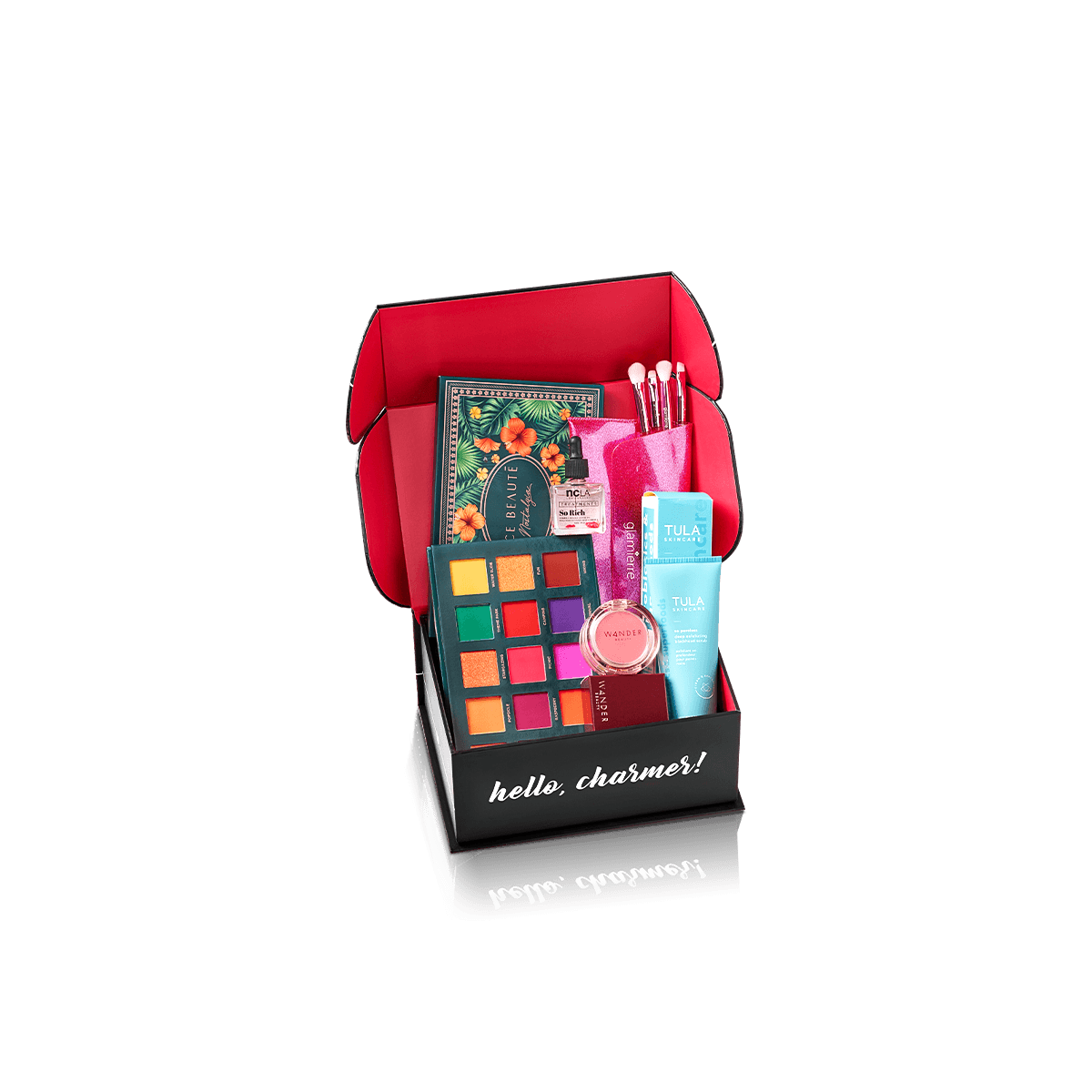
That makes sample packaging different from a PR send. A PR box can spend more space on theatre, launch storytelling and hero-product staging. A sample mailer usually has a more practical task. It has to keep smaller items organised, protect them in delivery and remove friction between opening the parcel and actually trying the product.
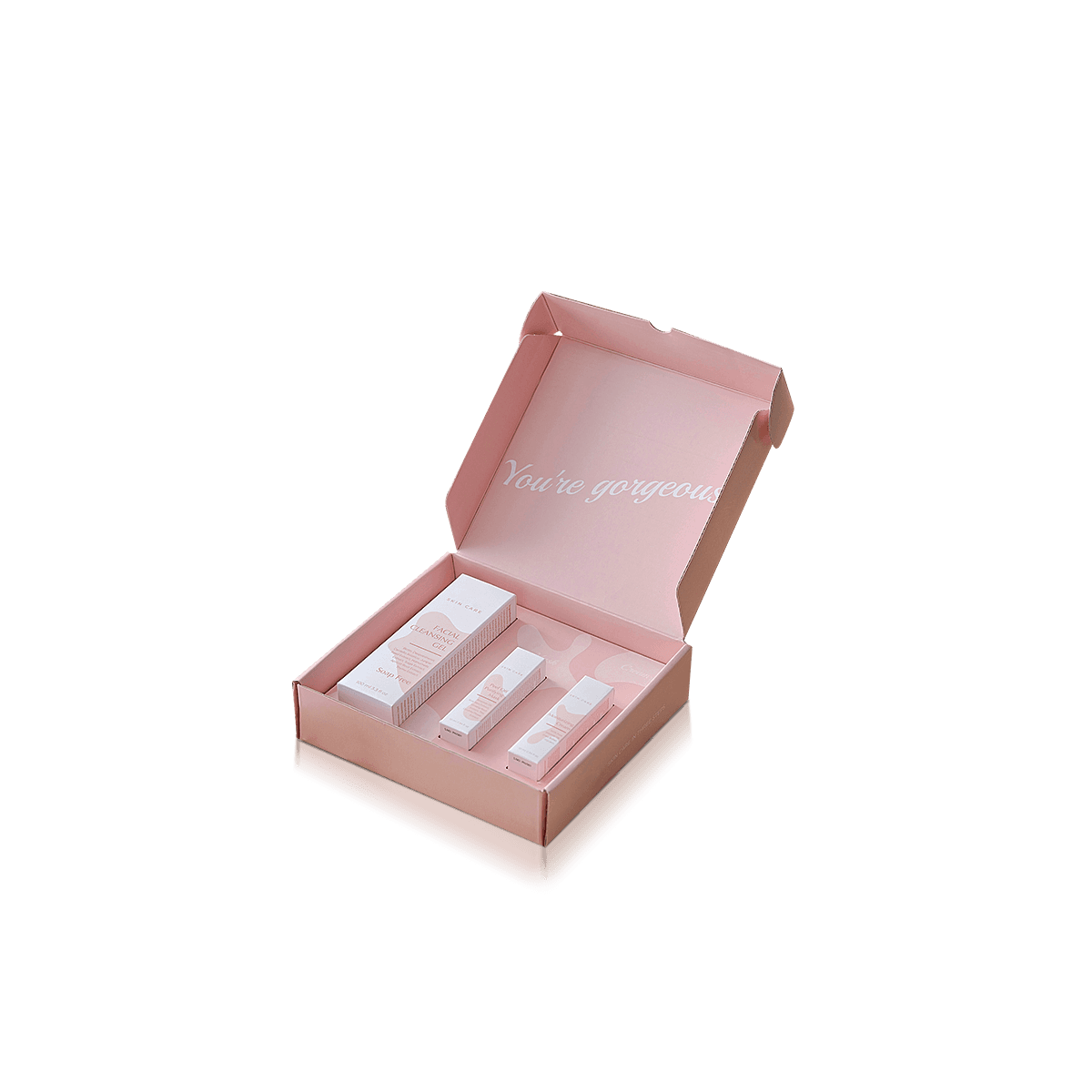
The strongest sample mailers therefore use the box as part of the trial instructions. Product positions, labels, printed panels and insert cards should make the set self-explanatory without turning a compact mailing into a large presentation kit.
Make Product Identity Immediate
Small samples can become confusing when several shades, scents, flavours or formulations look similar. Do not rely on the recipient remembering which loose vial, sachet or card matches which product description.
Use printed slot names, numbered positions, colour coding or a compact reference card where the trial set needs it. Keep the system simple enough that the recipient can match each sample to its instructions without unpacking everything onto a table.
If one product is the main trial and the rest are supporting variations, show that hierarchy clearly. Sample packaging does not need every item to receive equal visual weight.
Build the Next Step Into the Opening
A sample campaign normally exists to move someone towards another action. That may be ordering a full-size product, choosing a shade, requesting a trade quote, scanning for technical information or comparing variants before purchase.
Place the next step where it becomes useful. A QR code, voucher or reorder message is more effective after the recipient understands the sample than when it competes with the product name on the first panel.
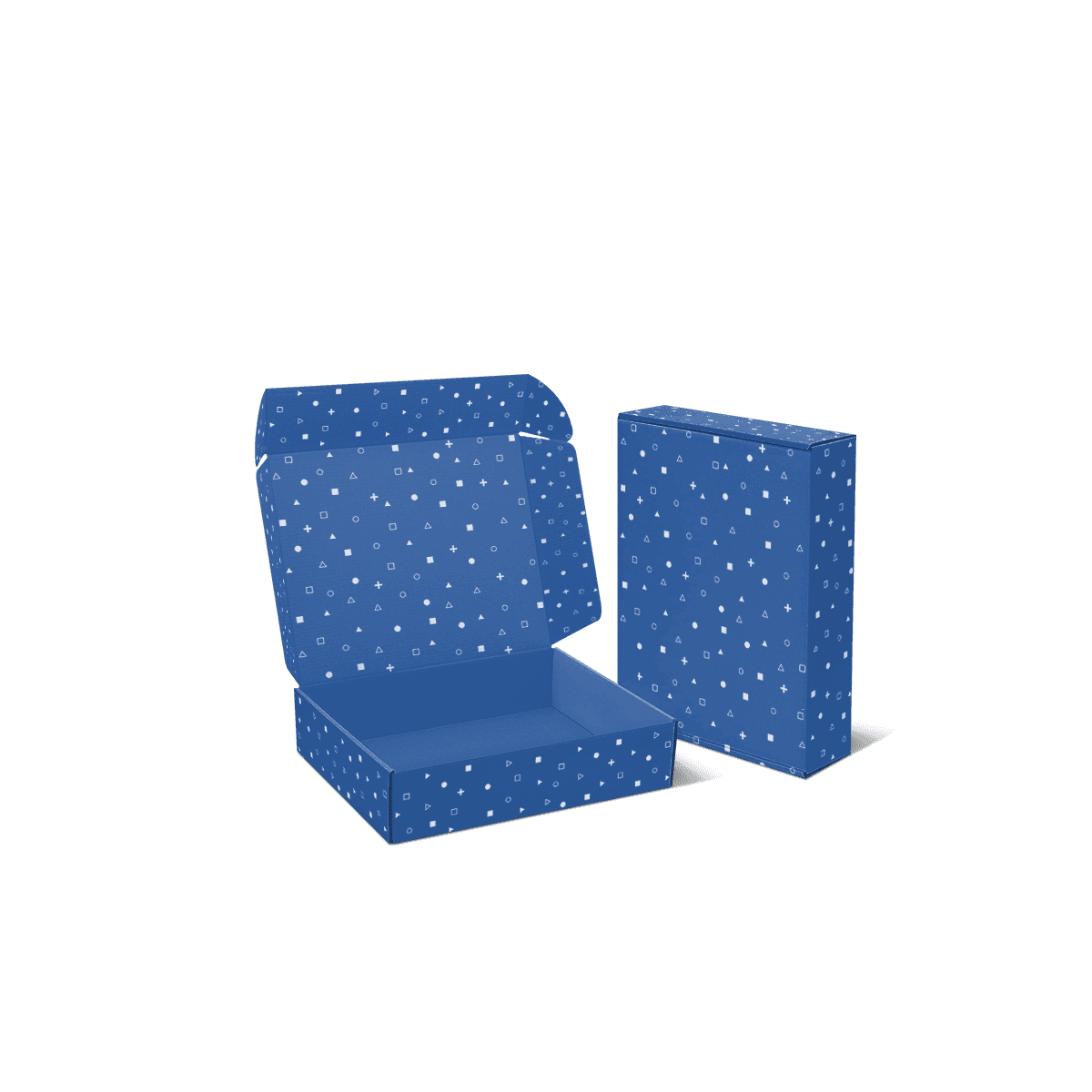
The packaging dieline and artwork setup process helps position instructions, QR codes and small text away from folds, cut lines and closure areas before the artwork is approved.