Skip to content
Details

Custom Necklace Boxes

Necklace boxes need more than a polished exterior. The right case keeps chains straight, supports pendants, protects delicate finishes and delivers a clean branded presentation for retail counters, gifting occasions and ecommerce orders.

Route the Chain Deliberately

A necklace rarely fits a presentation box by simply laying the full chain flat. The visible span may be much shorter than the total chain length, which means the packaging has to decide where the chain is anchored, where the excess length goes and where the clasp rests when the lid closes.

That is the job Custom Necklace Boxes should solve first. The chain should arrive at the pendant in a clean line, the pendant should face forward and the hidden length should stay controlled behind or beneath the presentation surface. If that route is improvised after the outer box has already been chosen, loose loops and crossed chain sections are far more likely.

The chain should be held gently rather than pulled taut. The aim is enough control to preserve the intended display position without placing unnecessary tension on fine links, jump rings or the clasp.

Set the Visible Length

The necklace length printed on a product specification is not automatically the length that should be visible inside the box. A 45 cm chain may need only a carefully framed upper section and pendant on show, with the remaining length routed out of sight.

Anchor the Shoulders

Two upper anchor points can establish the width and drop of the visible chain. Their spacing affects how steeply the chain approaches the pendant and how much open space surrounds it.

Move those points too close together and a broad pendant can look crowded. Spread them too far apart and a fine chain may sit unnaturally wide. The anchor spacing should follow the necklace as it naturally hangs, then adapt that shape to the proportions of the case.

For jewellery interiors that need precise slots, cut-outs or multiple holding points, Jewellery Box Inserts can handle the internal geometry while the necklace specification determines where each feature belongs.

Hide Excess Chain Cleanly

The unused chain length needs a controlled path. It can pass through slots or tabs into a concealed space behind the presentation layer, depending on the insert and case depth.

Do not leave a loose bundle directly behind the pendant. That can create a raised area, push the insert forward or allow the clasp to migrate into the visible opening. A deliberate rear path makes packing more repeatable and keeps the front surface flat.

Centre the Pendant Properly

A centred chain does not guarantee a centred pendant. The pendant itself may be heavy, wide, asymmetric or deeper than the chain support was planned for.

Allow for Pendant Depth

Flat charms can sit close to the presentation surface. Lockets, stone settings and sculptural pendants may project further forward, so the closed lid needs clearance at the thickest point.

The support should also stop a heavier pendant tipping or rotating without gripping a delicate decorative face. The fragile product packaging approach is useful here because it separates restraint from simple outer strength. A stronger case does not correct a pendant that is free to move inside it.

Respect Asymmetric Pieces

An off-centre pendant may need unequal chain paths to look visually centred when the box opens. The technically equal position is not always the visually correct one.

This is a good reason to approve the necklace in its finished display position rather than relying only on the centreline of a dieline or insert drawing.

Keep the Clasp Out of Sight

The clasp is usually one of the least attractive parts of the presentation, yet it can become the source of the biggest packing problem. If it is left loose behind the insert, it can cross the chain, create a lump or work its way back towards the visible area.

Plan a defined resting point for the clasp and extension chain. That may be a rear pocket, a controlled slot or a separate hidden area depending on the insert.

Layered Necklaces Need Separation

Two or more chains should not share one uncontrolled hidden cavity. Even if the pendants look perfectly spaced at the front, the concealed lengths can cross behind the insert and tangle during handling.

Layered necklace sets work better when each chain has its own route or when the insert positively separates the hidden lengths. The same principle applies when a pendant and matching earrings share a presentation box: each component needs its own hold rather than relying on empty space between them.

Custom Packly's team can review unusual layered layouts 24/7, which is useful when the visible arrangement looks simple but the chain routing behind it is not.

Match the Case to the Reveal

The case should support the necklace display rather than dictate it. A long pendant arrangement usually benefits from more internal surface area than a ring or cufflink case, but extra space should still have a purpose.

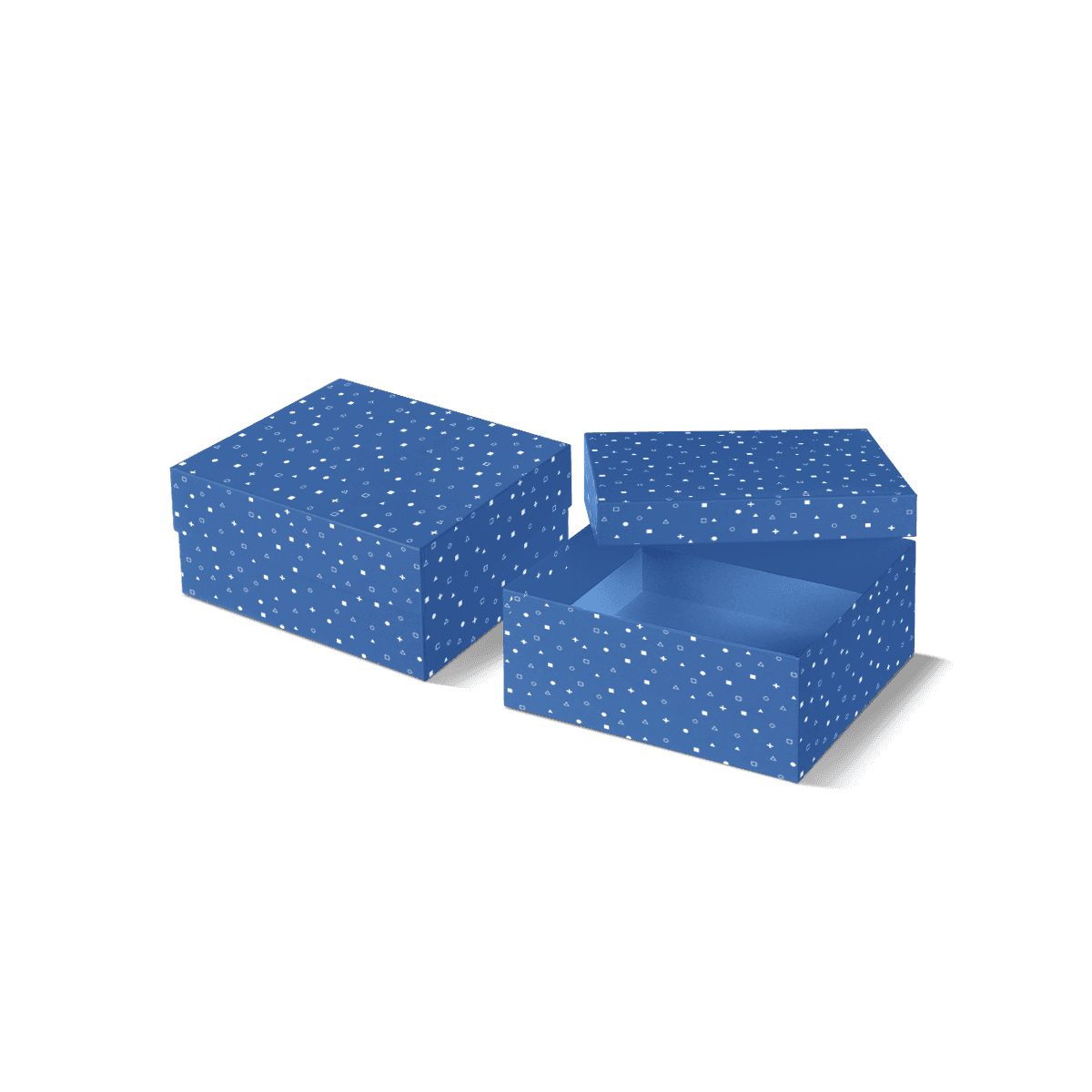
Rigid Boxes work well when gift presentation, firm edges and a fitted insert matter. A classic Rigid Lid and Base Box gives direct access to the whole display surface, while Book Style Rigid Boxes can keep the necklace facing the customer as the cover opens.

If the order also includes rings, bracelets or watches, Jewellery and Accessories helps keep each item on a structure suited to its own geometry rather than forcing one long necklace layout to serve everything.

The opening style should also match how the necklace is sold. A boutique counter may value quick repeated access. Bridal, anniversary or limited-edition pieces can justify a slower reveal. A lower-priced fashion necklace may not need a substantial rigid case at all if a printed card or lighter carton gives the right presentation and handling.

The paperboard, corrugated and rigid material breakdown helps separate presentation weight from actual transit strength before a material is chosen for appearance alone.

For earring sets, use Earring Boxes rather than adapting a necklace insert; posts, hooks and pairs need a different retention layout.

Make Removal Part of Fit

A necklace can look immaculate in the box and still frustrate the customer if removal requires pulling the chain sharply through a slot or lifting the pendant before the upper anchors release.

Release in a Natural Order

The customer should be able to free the chain without dragging it across metal tabs, rough edges or other jewellery. For many layouts, releasing the upper anchors first and then lifting the pendant gives a cleaner action than pulling the pendant immediately.

That removal path should be considered when deciding slot width, tab shape and how much of the chain remains exposed.

Leave Space for Fingers

A pendant seated tightly into a recess may need a small access point beside or below it. The access should help the customer lift the piece without making the front layout look mechanically cut away.

Free sample examples can help assess physical presentation ideas, while free 3D mockups help check pendant scale, exposed insert area and branding before production. Those two checks solve different questions: one is physical reference, the other is visual proportion.

Let the Necklace Lead Branding

Necklace boxes naturally contain more open surface than compact ring cases, but that does not mean every area needs artwork. The jewellery should remain the strongest visual element when the lid opens.

Premium offset printing can carry accurate brand colour across the outer wrap, sleeve or printed internal elements. Foil, embossing or debossing can create a focal detail without competing with the pendant. The current packaging customisation options cover print, finish and paper choices that can be coordinated with the case and insert.

For gift-led lines, Custom Luxury Packaging is useful when deciding how much perceived value should come from structure, paper texture and insert fit before extra finishing is added.

The packaging design process is useful when artwork depends on a finished insert position. Lock the structural layout first, then place logos, inner messages and decorative details around the real necklace footprint.

Custom Packly can coordinate sizing, insert planning, artwork, printing and finishing as one job. That matters with necklace packaging because a late change to anchor height or pendant position can alter the amount of visible branding space.

Protect the Presentation in Transit

A necklace box can control the chain beautifully and still arrive scuffed if the presentation case is used as the courier pack. Internal restraint and external delivery protection are separate jobs.

For ecommerce, Jewellery Mailer Boxes can protect the finished presentation case while the necklace insert keeps the chain and pendant in position. Size the outer mailer around the packed case, care card and any gift elements rather than around the loose necklace.

The necklace should also be checked after realistic movement. Open the case after it has been carried in different orientations and look for chain migration, clasp movement and pendant rotation. If the exterior is intact but the necklace no longer presents correctly, the internal path needs attention.

Standardise by Display Span

One case size can sometimes serve several necklace lengths without making every SKU look identical. The useful common measurement is often the visible display span rather than total chain length.

A 40 cm and 45 cm necklace may share an outer case if both present at the same pendant height and the additional chain can be routed safely behind the insert. A very long chain, large pendant or layered set may need a different internal layout even if the brand wants consistent exterior packaging.

This approach can simplify repeat ordering without forcing incompatible products into one interior. MOQ starts from 100 boxes, so a brand can separate genuinely different necklace groups instead of creating one oversized case solely to avoid another specification.

For established designs, guaranteed 4–6 working day production and delivery supports replenishment when the exterior and internal chain path are already settled.

Test the Necklace Closed

Approve the box with the real necklace fitted, not only with the insert empty. Close it, turn it, carry it, reopen it and inspect what changed.

The chain should still approach the pendant cleanly. Hidden excess length should remain behind the presentation layer. The clasp should not have moved into view. The pendant should not have rotated, marked the insert or touched the lid.

Also repeat the packing action several times. If staff need to untangle the hidden chain, fish for a slot or adjust the pendant by eye on every pack, the design is relying on skill rather than a repeatable layout.

Years of custom packaging work matter most at this point: the job is to spot where an elegant drawing becomes awkward during real packing. The case, insert and chain path should work as one system before decorative details are treated as final.

Price the Display Position

For an initial necklace-box brief, a photograph of the necklace laid out exactly as you want the customer to see it can be more useful than naming a standard box size. Include the full chain in the photograph even if part of it will ultimately sit behind the insert.

Mark the desired pendant position and show any extension chain, unusual clasp, layered strand or matching piece that must share the case. From that visual position, the outer dimensions and internal route can be developed around the product rather than guessed first.

Use the instant packaging quote once that display position is clear. Pricing can then reflect the case and insert needed to hold the necklace in that arrangement instead of treating chain control as an add-on after the exterior has been chosen.

FAQs

A necklace should sit in a controlled line with the chain anchored and the pendant positioned clearly. The goal is to stop twisting, knotting and surface contact while keeping the piece attractive when opened. For most styles, the insert should secure the chain at two points and allow the pendant to sit flat or in a shallow recess.

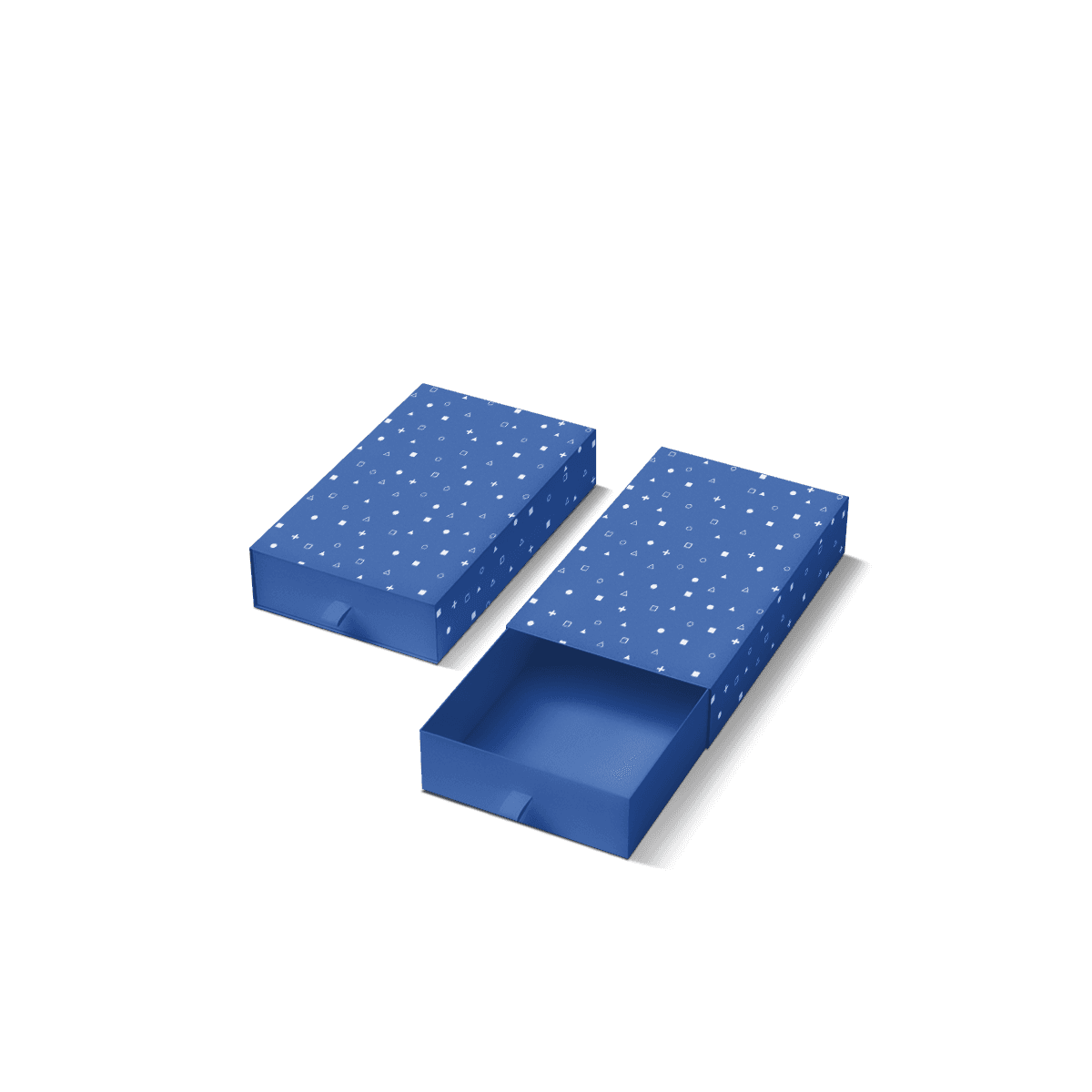
Drawer-style cases work well when you want a slower reveal and a more gift-led feel. Lid and base boxes are often better for quicker packing, easier counter display and a more classic jewellery presentation. The better option depends on the collection, the packing process and how much internal depth or insert shaping the necklace needs.

Yes, but the necklace box should act as the presentation case, not the only shipping layer. A rigid jewellery case protects the piece well inside the pack, yet outer transit protection still matters. For postal use, place the box inside a well-sized mailer or shipping carton so the corners, lid and finish are not damaged during delivery.

Start with chain length, pendant width, pendant thickness and where the clasp needs to sit. Then confirm the insert material, anchor-point placement, internal depth and whether the necklace must be packed flat or lightly tensioned. It also helps to lock the sales channel early because retail display and ecommerce delivery can require different board strength and outer protection.

The cleanest necklace boxes usually rely on one lead finish and one supporting detail. Foil on the lid, a soft-touch wrap or a subtle emboss can add value without making the case feel busy. This works especially well because the jewellery itself should remain the focal point, not a heavily decorated outer shell.

Process

How it works

Your Packaging Journey, From Idea to Production and Delivery

01

Tell Us Your Specs

Custom packaging boxes

Tell Us Your Specs

Provide size, quantity, printing, and finishes.

02

Get a Fast Quote

Custom packaging boxes

Get a Fast Quote

Instant transparent pricing, no hidden fees.

03

Design and Approval

Custom packaging boxes

Design and Approval

Artwork checks, revisions, and final sign-off.

04

Produce

Custom packaging boxes

Produce

Expert manufacturing to meet deadlines.

05

Ship to Your Door

Custom packaging boxes

Ship to Your Door

Hassle-free, flexible delivery options.

Get Your Quote for Custom Necklace Boxes

Share your product details, dimensions, quantity and artwork needs. We’ll help choose the right packaging style and send a clear quote.