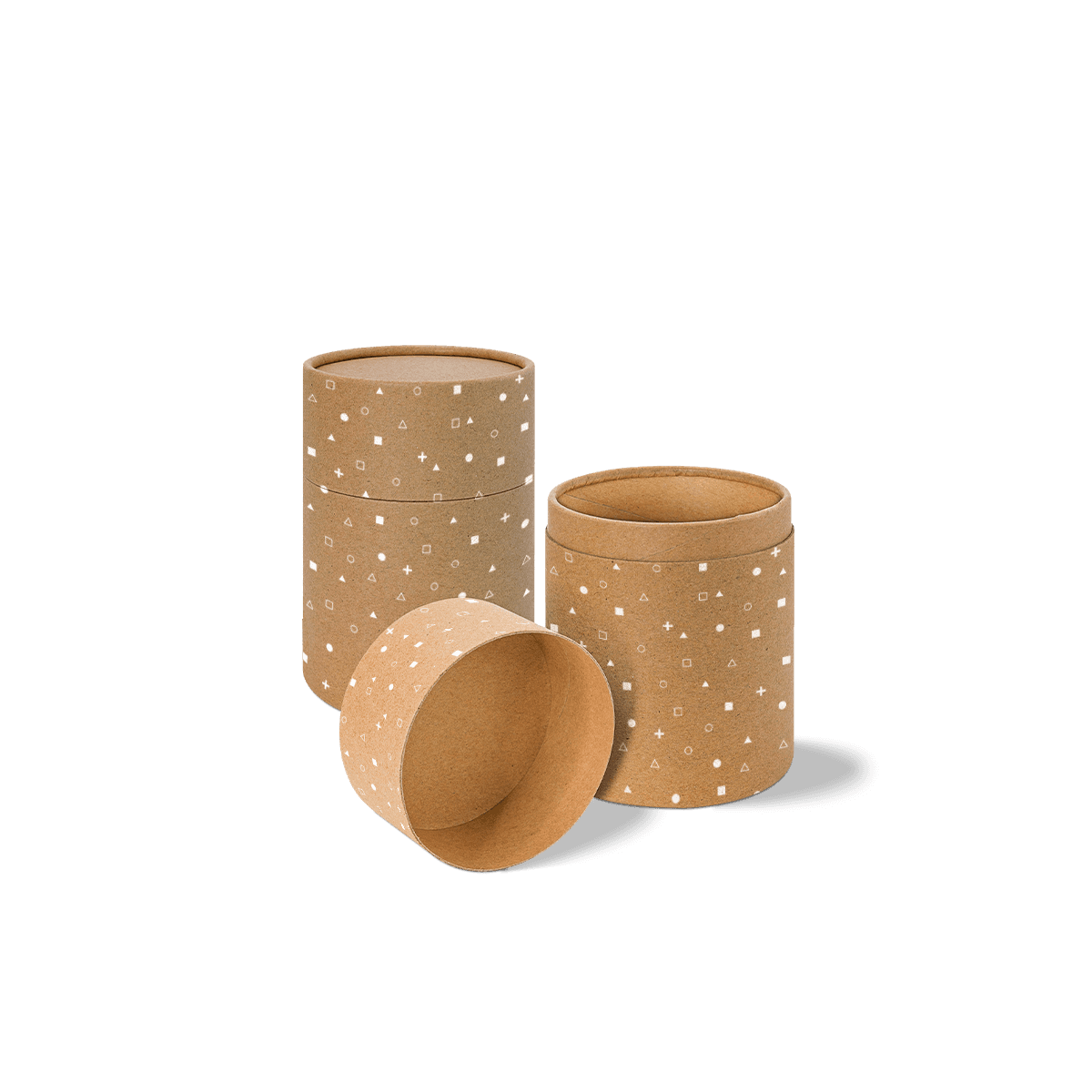
Define the Claim First
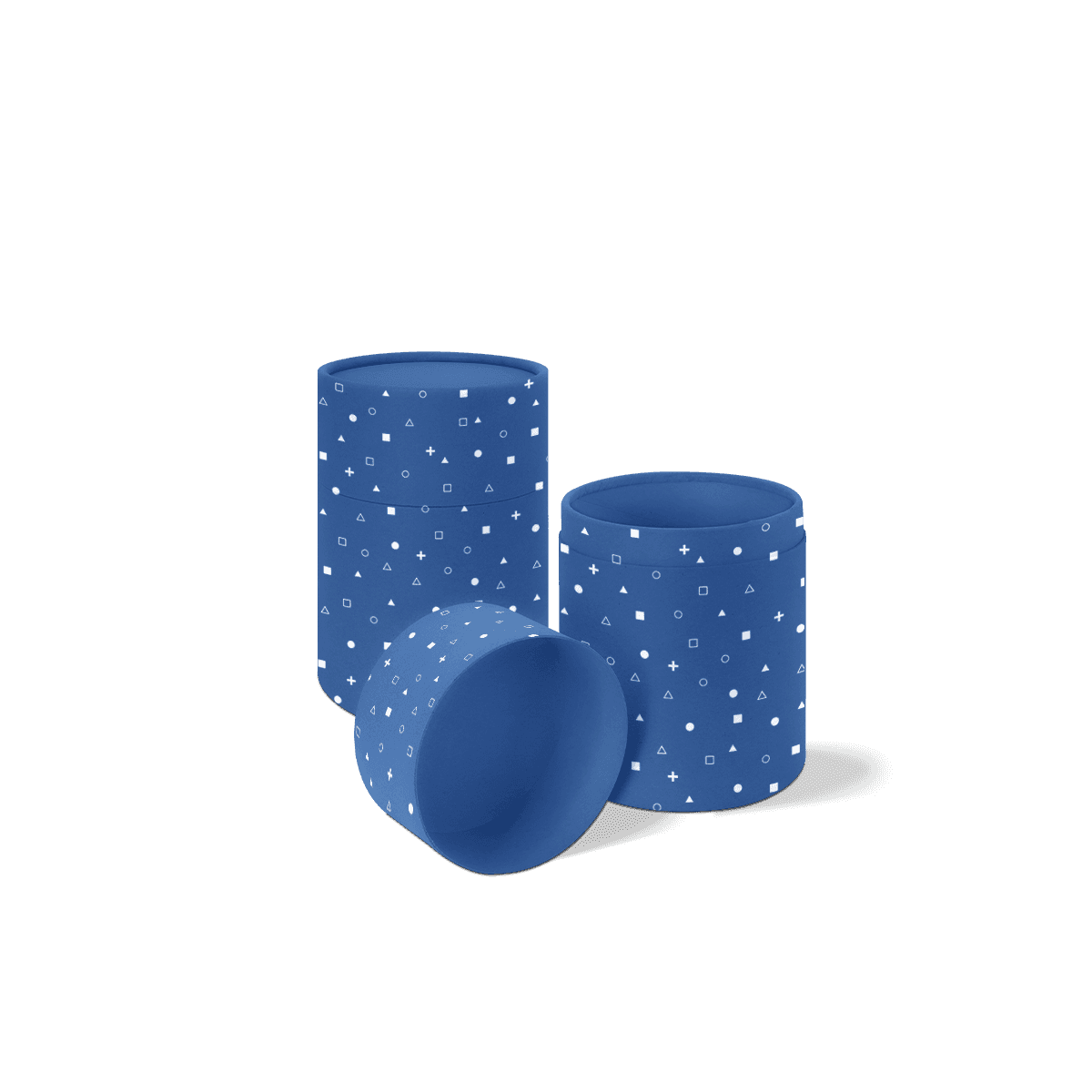
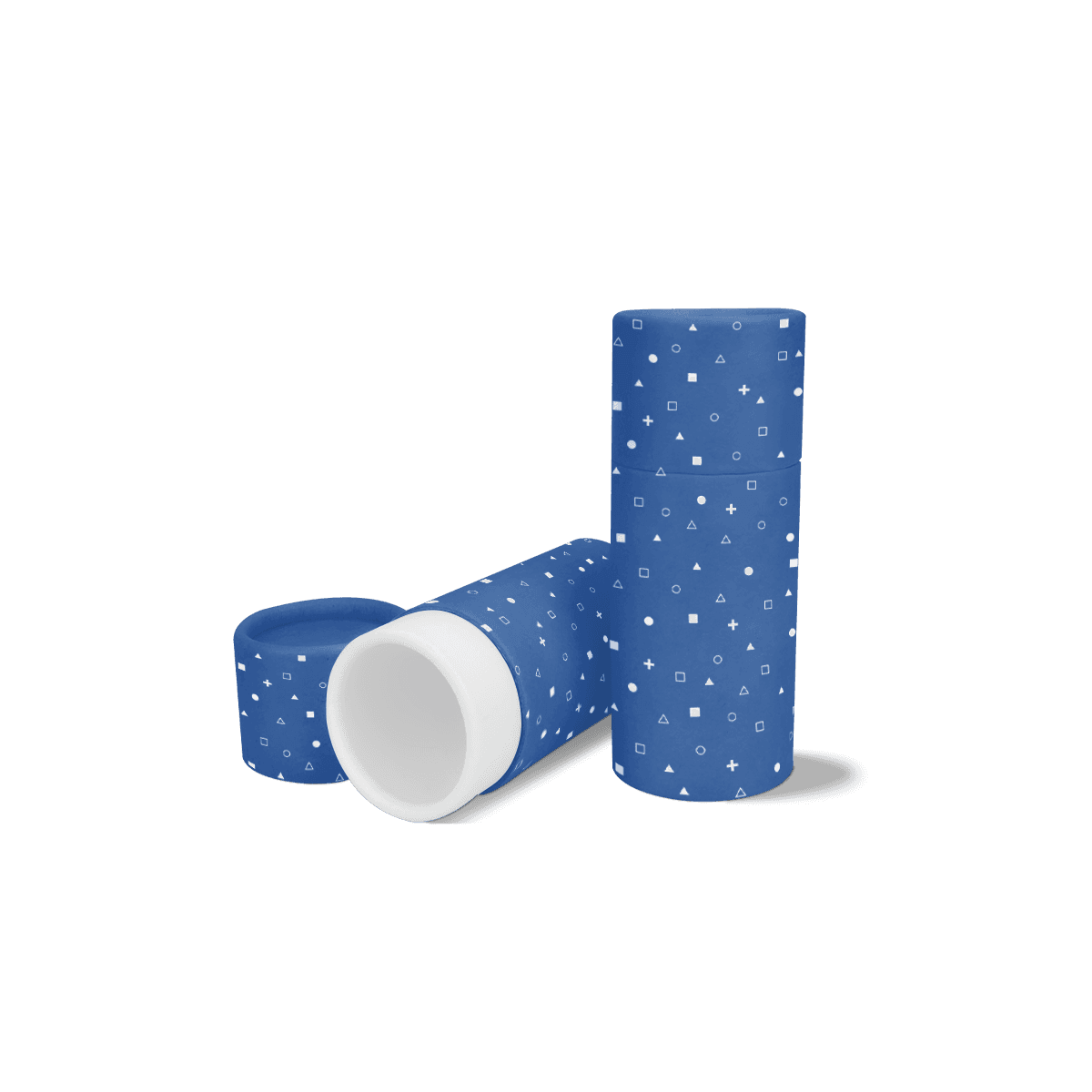
An environmental claim should be decided before the artwork, because the claim determines what the tube has to prove. Custom Eco Tube Packaging should then be specified against a defined objective such as reducing material, simplifying components or improving separability, rather than against a colour palette that merely looks “eco”.
That goal might be reducing unnecessary material, replacing a mixed-material component, using a paper-led structure where suitable, making parts easier to separate or simplifying decoration so the finished pack is easier to explain honestly.
The cylinder still has to protect, present and fit the product. If the environmental brief weakens those basic jobs, the specification needs another pass.
Eco-Friendly Custom Packaging follows the same principle across boxes, mailers and other paper-based formats: better environmental decisions usually come from clearer specifications rather than vague labels.
Name the Real Goal
“More sustainable” is too broad to engineer around.
Write down the priority in practical terms. Is the business trying to reduce plastic components? Use less packaging material? Improve recyclability where local collection allows? Reduce empty space? Avoid an unnecessary laminate? Standardise one tube across several products?
Those decisions lead to different specifications. A project focused on material reduction may need tighter dimensions. A project focused on easier separation may need different closures. A project focused on fibre content may need a different outer wrap or liner.
Keep Appearance Separate
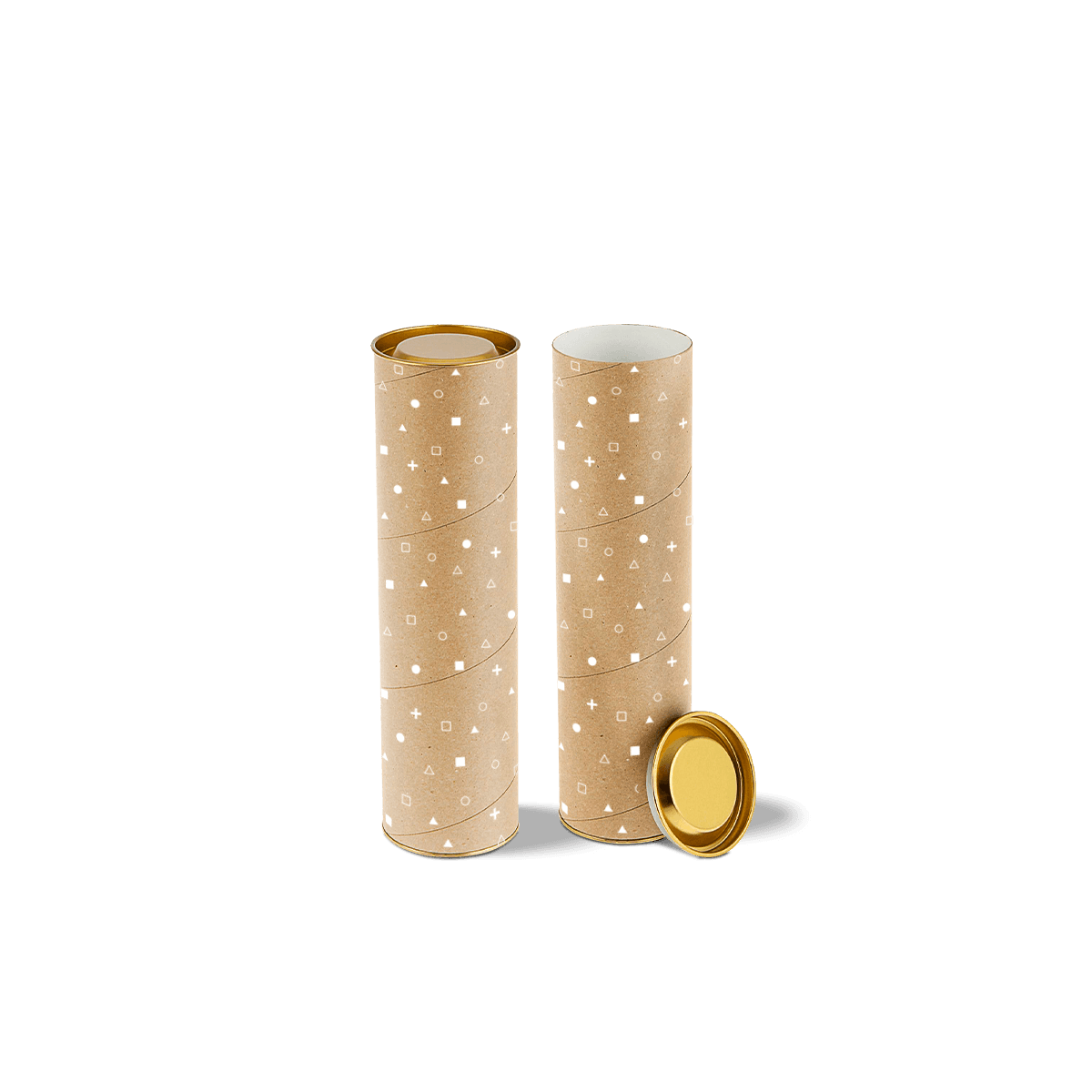
Kraft paper, muted ink and natural textures can communicate a material-led brand style, but appearance is not proof of environmental performance.
If the main goal is specifically the natural brown surface, Kraft Mailing Tubes are the clearer choice. Eco Tube Packaging should exist because environmental criteria affect the specification itself.