Skip to content
Details

Custom Pet Supplement Boxes

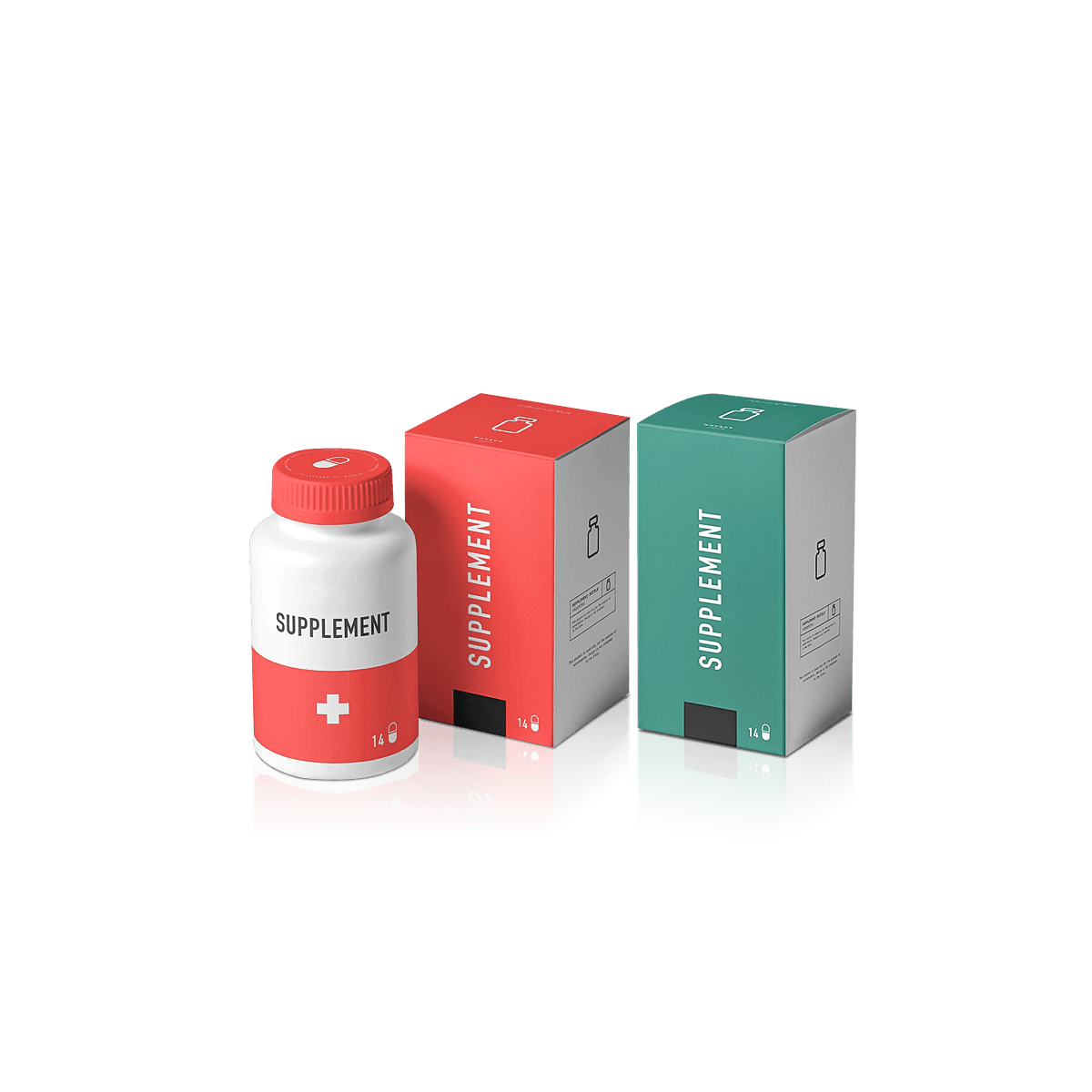
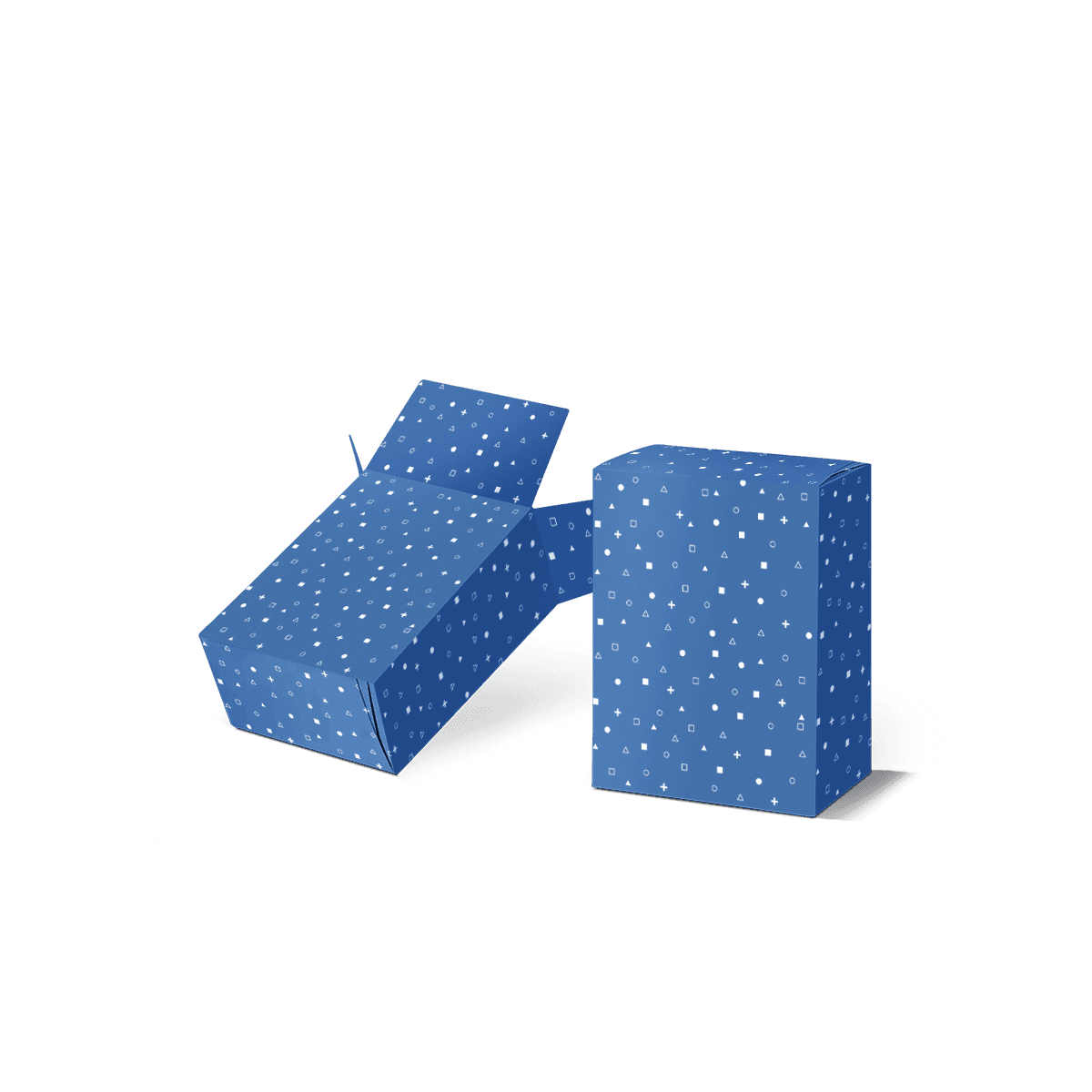
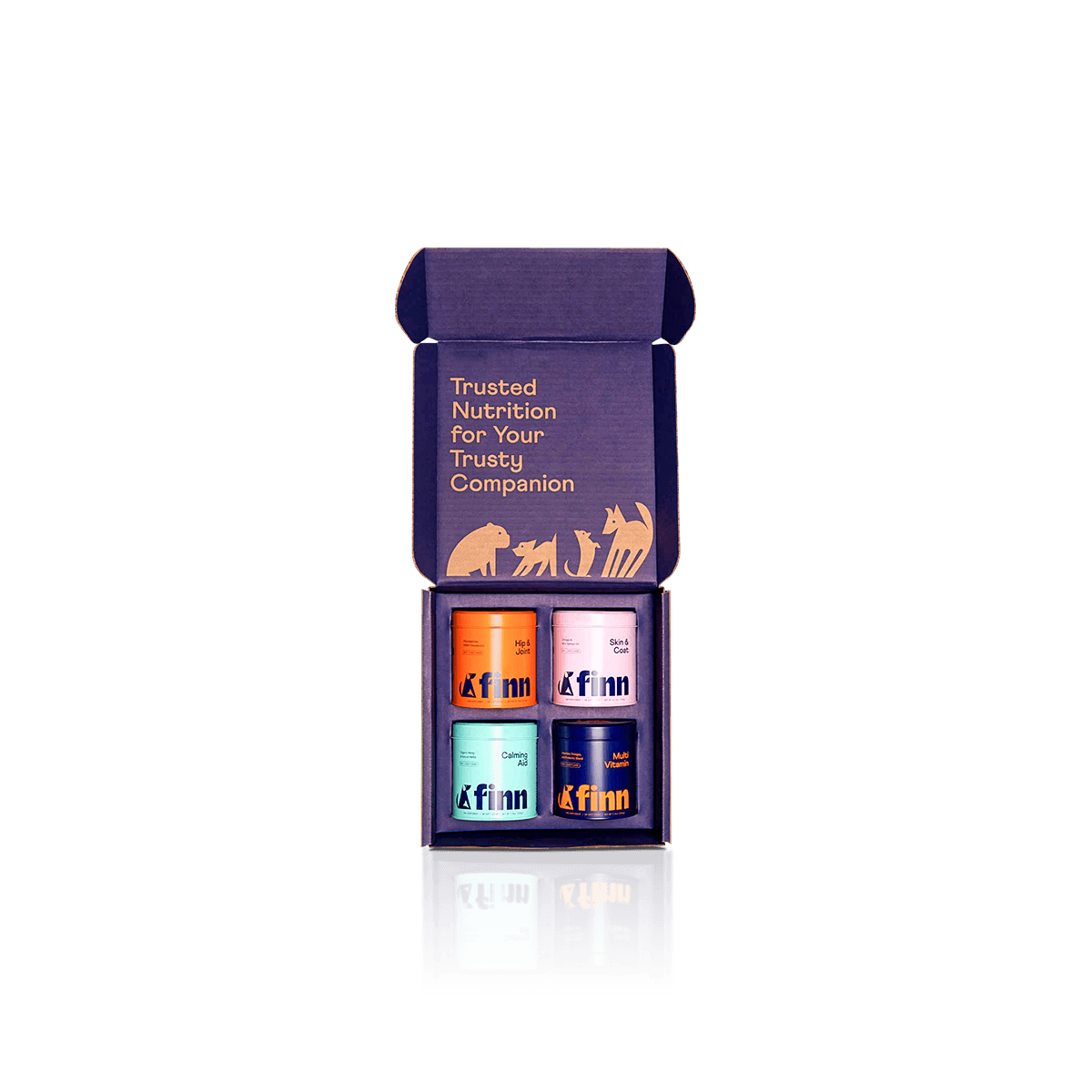
Pet Supplement Boxes help wellness products look clearer, more credible and easier to organise across retail, clinic-led ranges and subscription orders. Custom Packly creates printed cartons for chews, tablets, powders, oils and daily pet-care supplement sets.

Make the Routine Obvious

Pet supplements are often bought to become part of a repeated routine, so the carton has to help the owner identify the right formula, understand the approved usage information and find the same product again without searching through crowded copy. Custom Pet Supplement Boxes should therefore be planned around the routine as well as the container.

A joint-support chew, digestive powder, calming liquid and skin-and-coat capsule may all sit within one brand, but they can differ in primary container, pet-size positioning, serving information and daily-use pattern. If those differences are not organised deliberately, the cartons can look consistent as a brand while becoming difficult to distinguish in practice.

Separate Formula From Pet Size

Do not make one visual cue carry too much information. If colour identifies the formula, use another stable device for pet size, life stage or product form where those distinctions matter.

For example, a joint-support line may include one chew formula for smaller dogs and another for larger dogs. If both cartons use the same photography, colour and product name with only a small weight reference changing, the two SKUs can be easy to confuse during picking or purchase. Giving pet size a fixed, prominent position and retaining formula colour as a separate cue makes the cartons easier to distinguish without breaking the brand system.

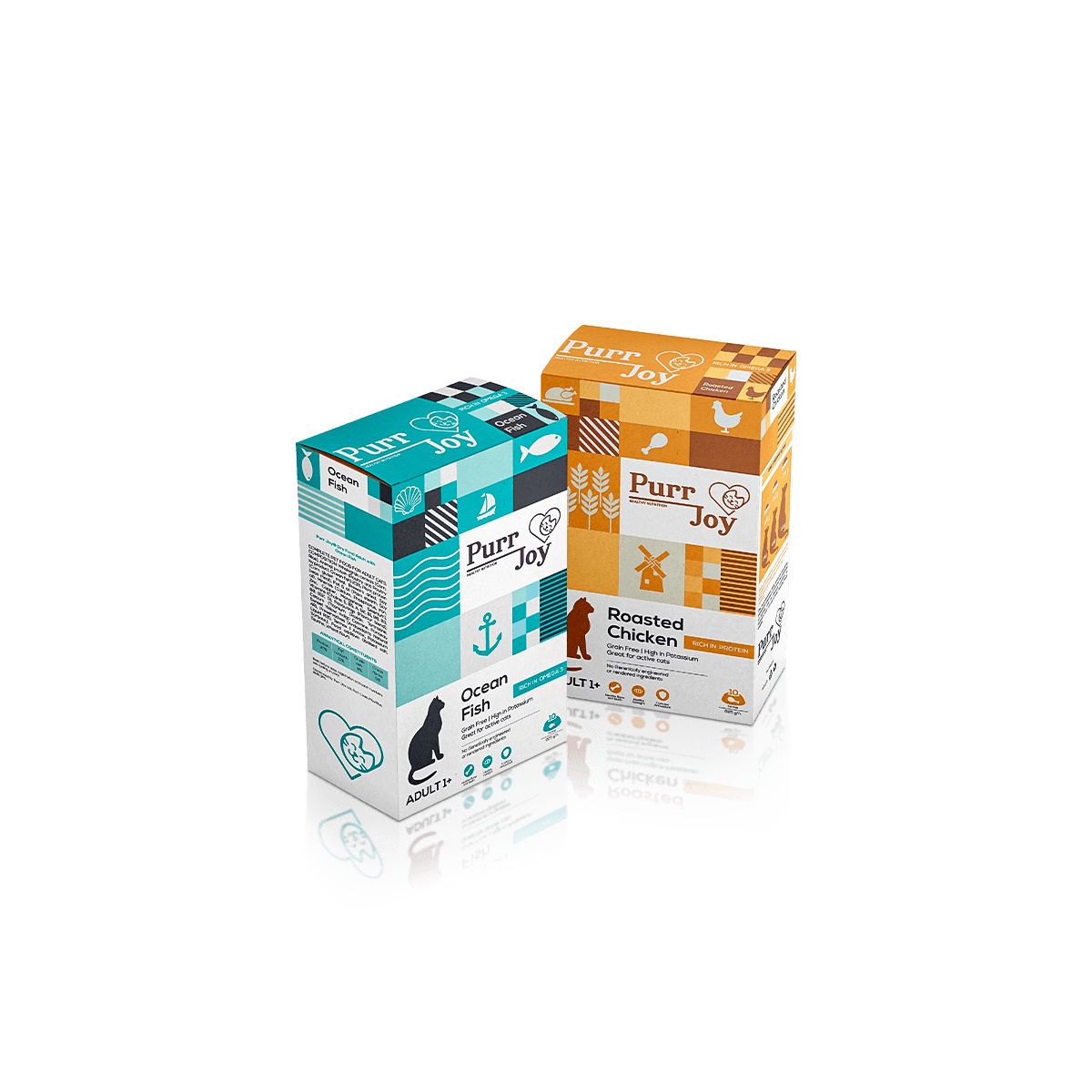
That same rule helps when cat and dog supplements share a visual identity. Species, formula and pack count should not all compete within one small badge.

Give the Daily Use Information a Home

Usage directions, ingredients, storage details, batch areas, barcodes and other approved product information need defined panel space before decorative artwork is finalised. A carton gives more room than a bottle or jar label, but only if those panels are planned deliberately.

The aim is not to fill every side with copy. It is to create a predictable reading order so the information the owner needs most often is easy to locate each time the supplement is used.
Size Around the Primary Container

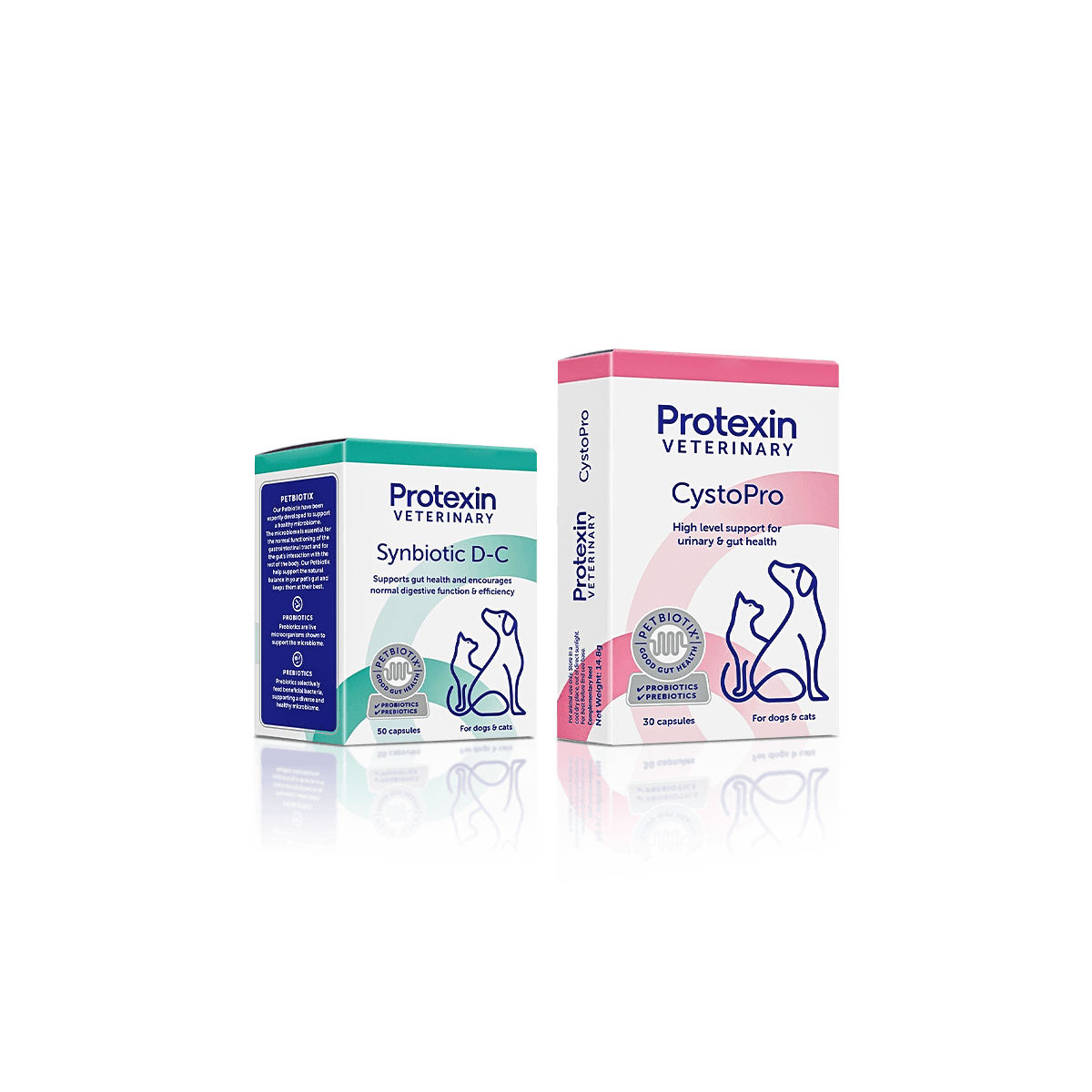
The nominal supplement volume rarely tells you enough to size the carton. Bottles have shoulders, caps and seals. Chew tubs can be wider at the lid than at the body. Droppers create fragile projections. Powder jars may include scoops or instruction leaflets that alter the packed dimensions.

Measure the complete primary pack at its widest and highest points before the dieline is approved. The advice on sizing a tuck box around the real product is especially relevant for supplement cartons because a small cap or lid overhang can decide whether the top closes cleanly.

Bottle Cartons Need Cap Clearance

A bottle that fits tightly through the body of the carton can still fail at the top if the cap is wider or taller than expected. Allow enough room for insertion and removal without leaving the product free to rattle.

For lightweight plastic bottles, a simple tuck carton may be sufficient. Straight tuck end boxes give clean front and rear panels for formula identification and supporting information when the product weight and packing method suit the structure.

Chew Tubs Load the Base Differently

A squat chew tub can put more weight over a small footprint than a tall lightweight bottle. If the carton carries a denser jar or tub, check the bottom closure rather than assuming every supplement unit belongs in the same tuck-end structure.

An auto bottom box can make sense when a stronger pre-glued base and faster erection help repeated packing. The choice should follow the actual filled weight and daily packing process.

Droppers Need Movement Control

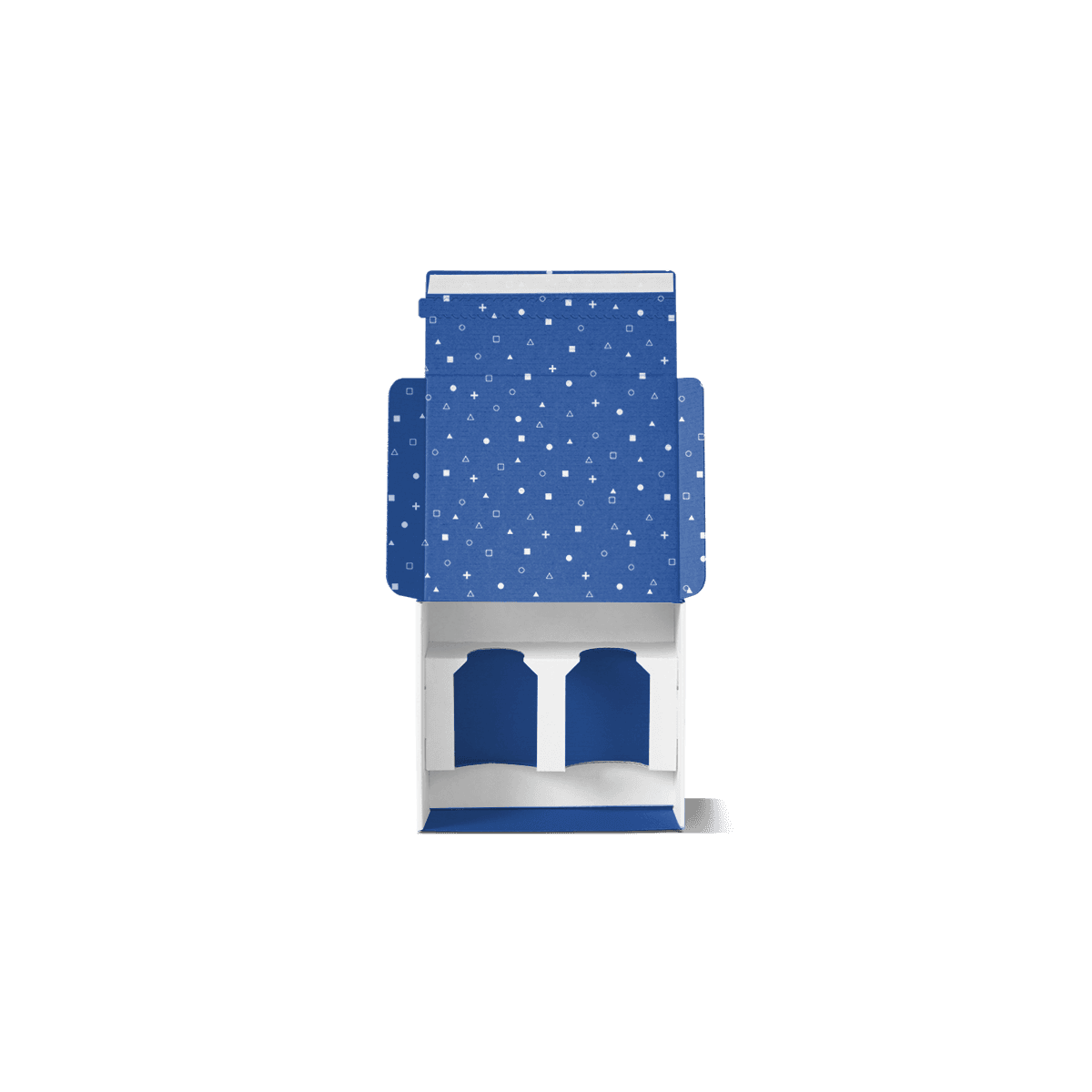
Glass bottles and narrow droppers can look neatly fitted while still moving enough to strike the side panels during handling. A simple card cradle or shaped insert can support the container without turning the carton into a gift box.

Cardboard box inserts are useful where the bottle needs a defined position, especially when a leaflet, scoop or second component shares the box.

Build the Dose Panel Before the Artwork

Pet supplement cartons often carry information that changes by animal weight, species, life stage or serving routine. That makes the information architecture more demanding than a standard pet retail carton.

The exact wording and claims remain the brand's responsibility, but the packaging can make approved information easier to read by reserving enough uninterrupted space before branding and finishes consume the panels.

Weight Bands Need Visual Separation

If serving guidance is presented by pet weight, each band should be visually distinct enough to scan without turning the carton into a dense spreadsheet. Use clear row spacing, strong contrast and a consistent location across the product line.

Avoid placing a frequently referenced table across a crease or close to a glue flap. The packaging dieline and artwork setup explains why artwork zones that look generous on screen can become less usable after folding.

Routine Cues Should Stay Consistent

If the approved copy distinguishes morning use, evening use, serving frequency or course length, keep that information in a predictable place across the line. Owners should not have to relearn the carton whenever they move from one supplement to another.

This is also useful for repeat orders. A familiar panel system helps a returning customer recognise where to look even when the formula colour or container size changes.

Do Not Let Finishes Reduce Readability

Premium offset printing can reproduce detailed typography and controlled brand colours well, but special finishes should support hierarchy rather than interrupt it. Foil, embossing, debossing or spot UV can highlight a brand mark or formula name while leaving dense directions on a clean, readable surface.

Free 3D mockups help check where the main information lands once the carton is folded. That is more useful than approving only a flat design where all panels appear equally visible.

Organise the Supplement Line in Layers

A strong pet supplement system separates what stays fixed from what changes. The brand architecture can remain stable while formula, species, pet size, strength, count or product form move through controlled positions.

This becomes important as a small wellness line grows into several closely related SKUs.

Brand First, Formula Second

Keep the main brand identifier and core grid stable. Formula names such as joint, digestive, calming or skin-and-coat support can then occupy one repeated position rather than moving around the front panel from SKU to SKU.

Colour is useful, but it should not be the only differentiator. Text, iconography or another repeated cue can preserve recognition in poor lighting, small ecommerce thumbnails or monochrome paperwork.

Species Needs Its Own Signal

When a brand serves both dogs and cats, species should be obvious without forcing an entirely separate design language. A stable species cue can sit alongside the formula system so a digestive cat product remains clearly connected to a digestive dog product without appearing interchangeable.

This pet-specific layer is what separates the page from general Supplement Boxes, which cover broader human wellness, vitamin and nutrition packaging. Pet Supplement Boxes need to account for animal type and pet-specific routine information as part of the SKU system.

Count Changes Should Not Break the System

Thirty-, sixty- or ninety-count products can sometimes share the same visual hierarchy even when the carton dimensions change. Keep the count in a predictable position and scale the artwork intelligently rather than stretching one dieline onto another size.

If several carton sizes will be printed repeatedly, Pantone colour control can help maintain consistent brand and formula colours across runs. The print method should still be chosen from quantity per artwork, colour requirements and repeat plans rather than from the total order alone.

Let the Inner Pack Protect the Formula

The carton is normally secondary packaging around a sealed bottle, tub, sachet, pouch or dropper. It can improve organisation, presentation and printed information space, but it should not be credited with barrier performance that belongs to the primary container.

That distinction is especially important for powders, oils and chews where moisture, oxygen or direct-contact requirements can be product-specific.

Powder Refills May Not Need a Carton

If a pet supplement is primarily a refill powder and barrier performance, resealability or lower storage volume matters more than a rigid retail face, Supplement Mylar Bags may be the more efficient primary route.

A carton becomes more useful when the product needs extra information space, stronger shelf organisation, a starter-kit presentation or several sealed portions grouped together.

Direct Contact Must Be Verified Separately

If any paper-based component will touch the supplement directly, the exact material, coating, ink system and contact condition need to be considered for that use. Do not assume a standard printed outer carton is suitable simply because it is used around a supplement.

Custom Packly holds major applicable UK and EU certifications. Relevant compliance can be addressed during specification, with specific documentation confirmed for the project rather than replaced by a broad unsupported claim.

Decide How the Product Is Bought Again

Many pet supplements are repeat-purchase products. The first retail sale, an online reorder and a multi-month supply can therefore place different demands on the packaging even when the primary supplement stays unchanged.

The retail carton should remain focused on the individual product. Delivery protection can be added separately when the order route needs it.

Retail Cartons Should Stay Efficient

Paperboard is often appropriate for lightweight bottles, sachets and compact tubs because it stores flat, prints cleanly and gives useful panel space. The deeper paperboard versus corrugated packaging decision becomes important when container weight or delivery duty increases.

Do not increase board thickness endlessly just because the carton will sometimes be sold online. The individual retail unit and the delivery outer solve different problems.

Ecommerce Needs Its Own Outer Protection

A bottle carton that looks good on a pet-shop shelf may still need a corrugated mailer when sent individually. The outer mailer handles courier impacts and stacking while the supplement carton remains compact and recognisable.

If several supplements are sold together as a recurring wellness set, the internal layout can be developed as a separate fulfilment problem rather than forcing every single carton to become shipping-ready.

Warehousing and scheduled deliveries can support repeat product lines where several SKUs are printed together but released to the brand in planned stages. Guaranteed 4–6 working day production and delivery provides a defined replenishment window when more cartons are needed.

When the Product Becomes Treatment-Led

Routine wellness cartons stop being the right reference when the product moves into treatment-led veterinary use, especially where clinic or dispensary handling and rapid identification become central to the brief.

Veterinary Product Boxes are the stronger destination when the packaging is treatment-led, clinic or dispensary handling matters and quick identification of targeted animal-care products becomes a primary requirement.

This boundary prevents one broad pet-health destination from absorbing two different search intents. The structures may overlap, but the information hierarchy and handling environment can be very different.

Within Pet Products, supplement cartons also remain separate from treat packaging. A supplement chew may resemble a treat physically, but its outer carton has to support a recurring wellness routine and denser product information rather than simply snack presentation.

Prove the Hardest SKU First

Do not approve a whole supplement line from the easiest carton. Start with the product that creates the greatest pressure on fit, information space or variant clarity.

That may be the widest chew tub, the tallest dropper bottle, the SKU with the longest approved usage panel or the formula that needs the clearest pet-size distinction. If the system works for that product, the easier variants can then be adapted without weakening the hierarchy.

Free samples are useful for checking stock, print and physical handling before a larger commitment. Load the actual container, leaflet and any insert into the sample and make sure the carton closes cleanly, stands square and leaves the main information readable.

Custom Packly works as a one-stop custom packaging partner across sizing, dielines, artwork, printing, finishes, samples, production and repeat supply. That is particularly useful when one supplement line contains several container types rather than one carton repeated with different graphics.

Quote From a SKU Matrix

The cleanest way to price a pet supplement line is to describe it as a system rather than sending one carton at a time.

Create one row for each SKU with the formula name, species or pet-size distinction, primary container, exact container dimensions, filled weight, carton quantity and number of artwork versions. Add whether the product needs a leaflet, scoop, insert or unusually large information area. If several SKUs may share one carton size, flag them rather than assuming they can.

This immediately shows which products can use a common structure and which need their own dieline. It also prevents the total order quantity from hiding a large number of small artwork runs.

Use the custom packaging quote with that SKU matrix. Pricing can then separate shared structures from artwork-only changes instead of treating every supplement variant as a completely new carton.

FAQs

Cartons work especially well for bottles, tubs, jars, droppers and grouped sachets because those formats benefit from stronger outer branding and extra copy space. They are also useful when the product line includes several close formulas that need cleaner distinction on shelf. If the supplement is sold as a refill or single flexible pouch, the carton may be better reserved for kits, premium presentation or multipack use.

In many cases, yes. Supplement ranges often need room for dosage guidance, ingredient listings, usage timing, routine notes and container-specific details that quickly outgrow a simple front label. A well-planned carton solves that by spreading the information across front, side and rear panels without making the primary message harder to read. This is one category where layout discipline matters as much as decoration.

They can be valuable well beyond gifting. Inserts help when the primary container is small, top-heavy, glass-based or easily knocked out of position inside the carton. They are also useful for wellness bundles that combine, for example, a bottle with a scoop, leaflet or second product. If the supplement container already fits tightly and travels lightly, a simple carton may be enough without internal support.

A Supplement Mylar Bag is often the better primary route when the product is powder-based, refill-led or needs efficient barrier-focused packing with less dead space. A box becomes stronger when the product needs more shelf presence, clearer routine guidance, better variant separation or a more giftable finish. Many brands use both approaches well, with the pouch protecting the refill and the carton carrying the stronger outer brand story.

Sometimes, but only when the structure is specified carefully. A retail-first carton may look excellent on shelf yet need a secondary mailer for repeat-order delivery, especially if the container is heavy or fragile. A more fulfilment-aware carton can bridge both roles, but it still needs the right board strength, internal fit and outer dimensions. The safest route is to decide early whether the pack is display-led, shipping-led or expected to do both.

Process

How it works

Your Packaging Journey, From Idea to Production and Delivery

01

Tell Us Your Specs

Custom packaging boxes

Tell Us Your Specs

Provide size, quantity, printing, and finishes.

02

Get a Fast Quote

Custom packaging boxes

Get a Fast Quote

Instant transparent pricing, no hidden fees.

03

Design and Approval

Custom packaging boxes

Design and Approval

Artwork checks, revisions, and final sign-off.

04

Produce

Custom packaging boxes

Produce

Expert manufacturing to meet deadlines.

05

Ship to Your Door

Custom packaging boxes

Ship to Your Door

Hassle-free, flexible delivery options.

Get Your Quote for Custom Pet Supplement Boxes

Share your product details, dimensions, quantity and artwork needs. We’ll help choose the right packaging style and send a clear quote.