Skip to content
Details

Custom Cardboard Tube Packaging

Cardboard tube packaging gives brands a sturdy, premium-looking way to protect and present candles, cosmetics, gifts and retail sets while keeping sizing, print, finishes and inserts flexible for both ecommerce and shelf display.

Make the Round Shape Work

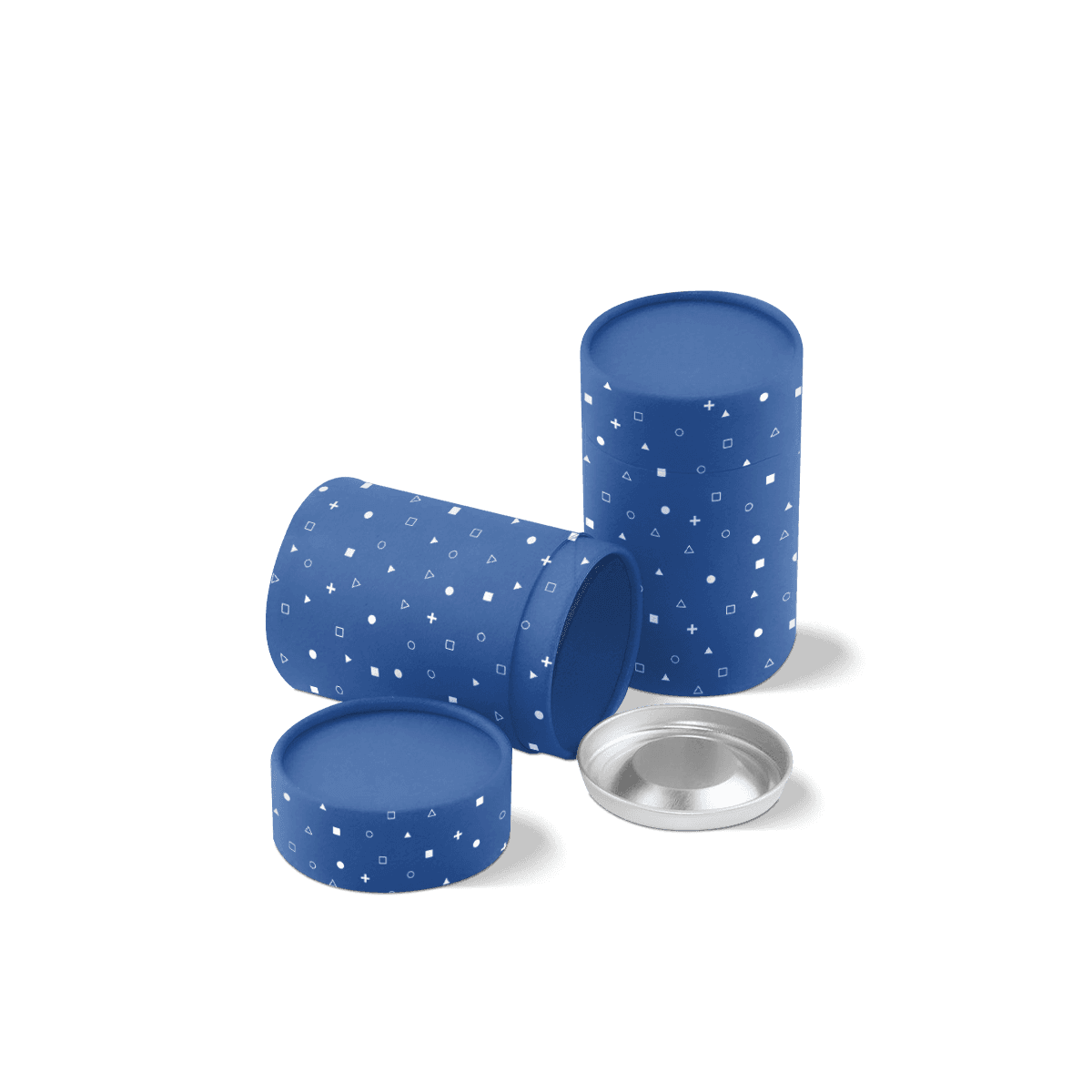
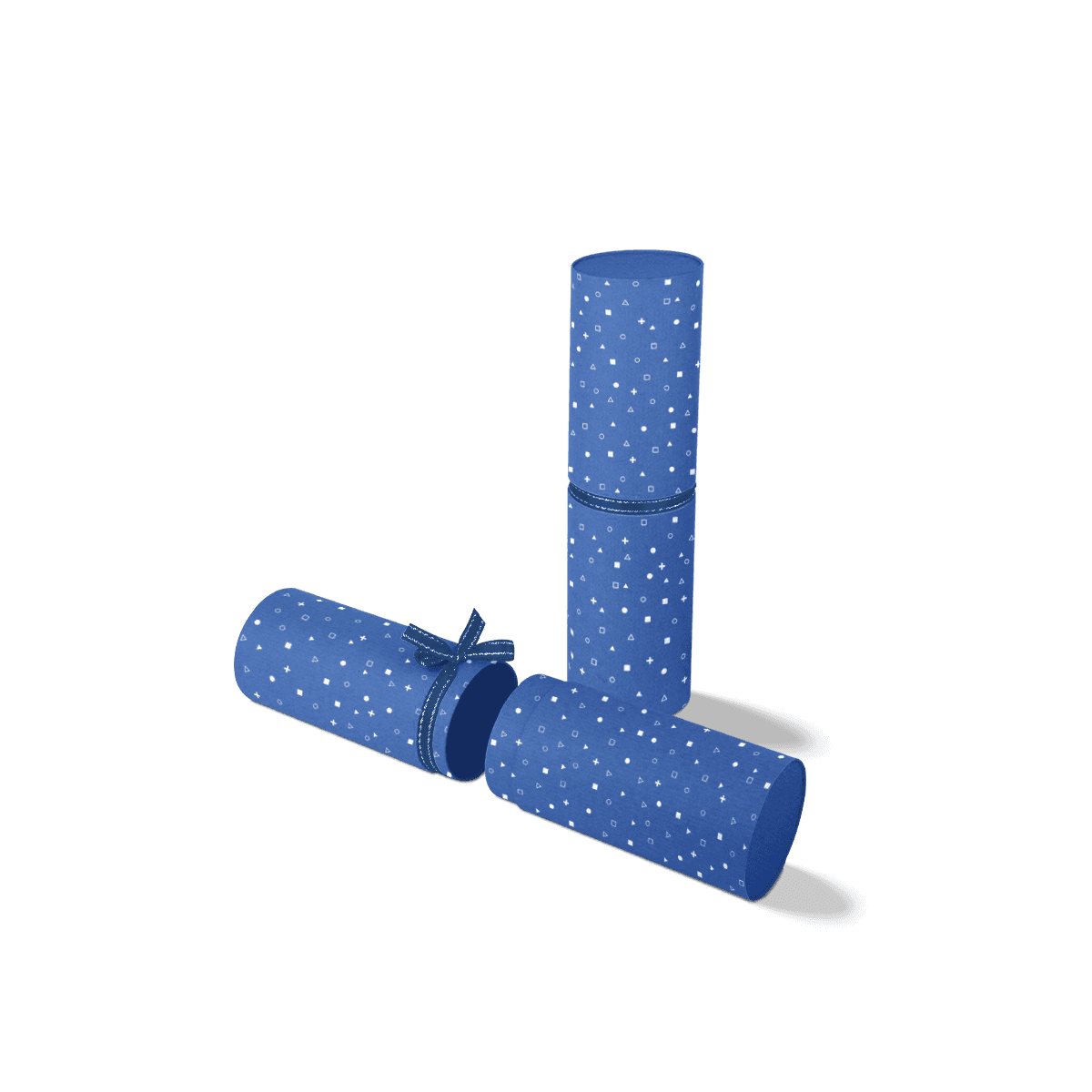
Custom Cardboard Tube Packaging makes sense when the cylindrical shape improves product fit, shelf presence or the way the item is handled. The round profile should solve a real problem. If a square carton would stack better, use less space and present the product just as well, there is little reason to force a tube.

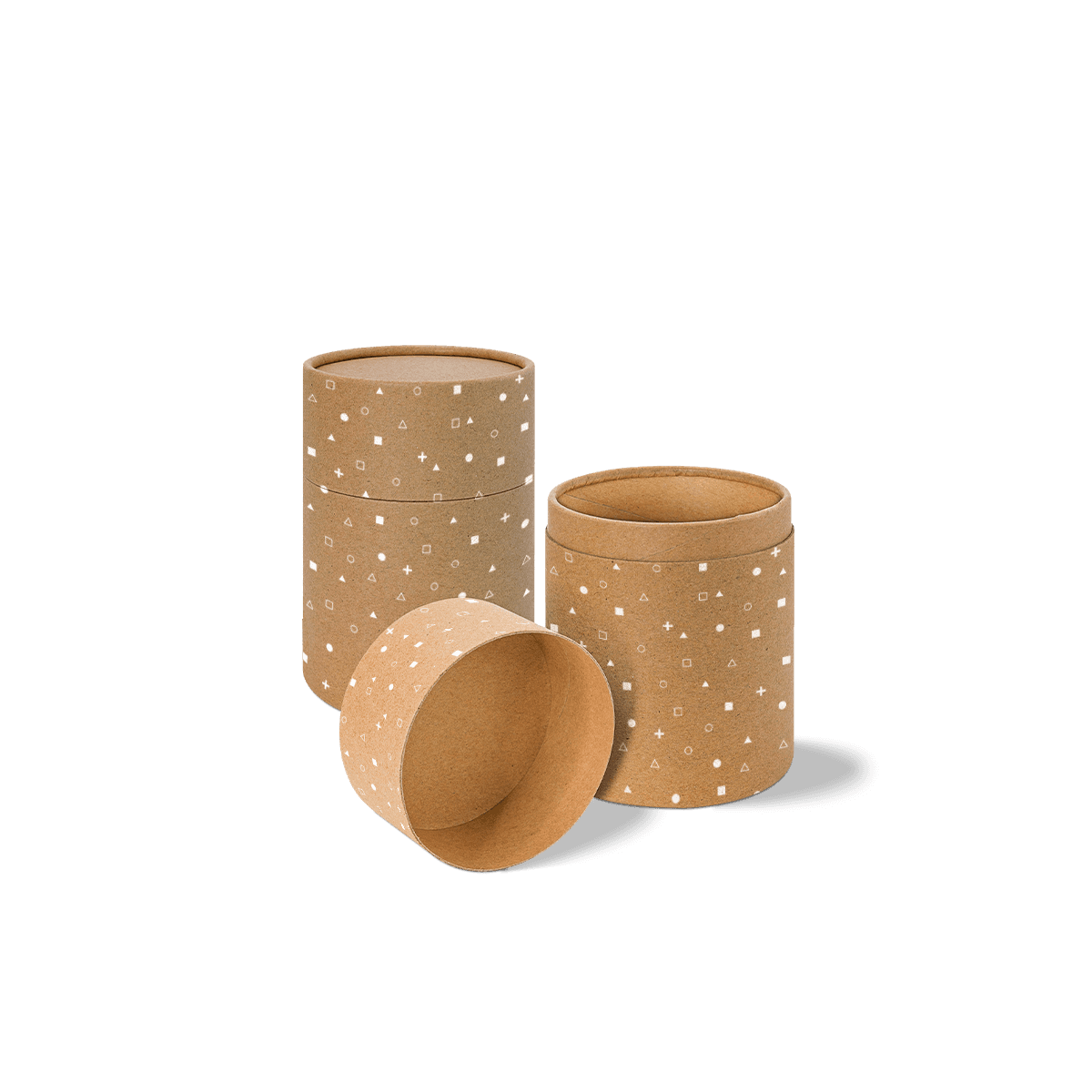
That distinction matters because Custom Tube Packaging covers several very different jobs. Cardboard product tubes sit on the retail and presentation side of that spectrum. They suit cosmetics, bottles, wellness products, accessories, confectionery, promotional items and other goods where a firm cylindrical wall gives the product a deliberate shape and a stronger physical presence.

The best candidates are products whose own proportions already suit a circle or where the tube creates useful contrast against rows of rectangular cartons. If you are still deciding which products genuinely benefit from the shape, what products work best in tube packaging is a useful decision check before committing to the structure.
Size the Usable Interior

A cardboard tube should be specified from the space the product can actually use, not from the outside dimensions alone. Diameter, internal height, closure depth and any insert all reduce or control the working space inside.

Measure the Finished Product

Measure the item exactly as it will be packed. Include caps, shoulders, labels, seals, sleeves or any part that creates the widest point. For a jar or bottle, the widest point may not be the base. For a multi-piece item, measure the complete arrangement rather than one component in isolation.

Internal diameter should leave enough clearance for loading without allowing the product to drift around the tube. Too tight and packing becomes slow. Too loose and the product can rattle, tilt or look undersized when the customer opens it.

Leave Removal Clearance

Usable height is often missed. A lid, shoulder, base support or top pad can take up space that is invisible when only the outside height is quoted.

Plan how the customer will remove the product as well. A jar that sits flush with the top edge can be difficult to grip. A small amount of planned lift-out clearance or a simple collar can make the opening feel much better without adding unnecessary empty space.

For unfamiliar products or close-tolerance fits, a physical sample is more useful than judging the dimensions only from a screen. A free 3D mockup helps check proportion and artwork before production, while a sample can confirm the real fit and opening behaviour.

Stop Movement Without Overfilling

A firm outer wall does not automatically mean the product is secure inside. The tube and the item still need to work together.

Keep Weight Centred

Heavier jars, bottles and dense products should sit centrally rather than leaning against one side. A base pad, collar or shaped support can stabilise the product and spread load more evenly.

This is especially important when the tube will be handled in retail, packed into an ecommerce parcel or stored on its side before sale. The aim is control, not compression. Glass and finished surfaces should not be forced against hard edges simply to create a tight fit.

Use Inserts With Purpose

Use an insert when it stops movement, controls presentation or makes removal easier. Do not add one simply because the tube feels premium.

Paperboard collars, die-cut supports and simple base pieces can work well for lighter products. More involved internal layouts should be planned with the outer diameter from the beginning because the insert itself needs space. Inserts and Dividers are useful when the product needs a defined position rather than loose tissue or filler.

Design Around the Curve

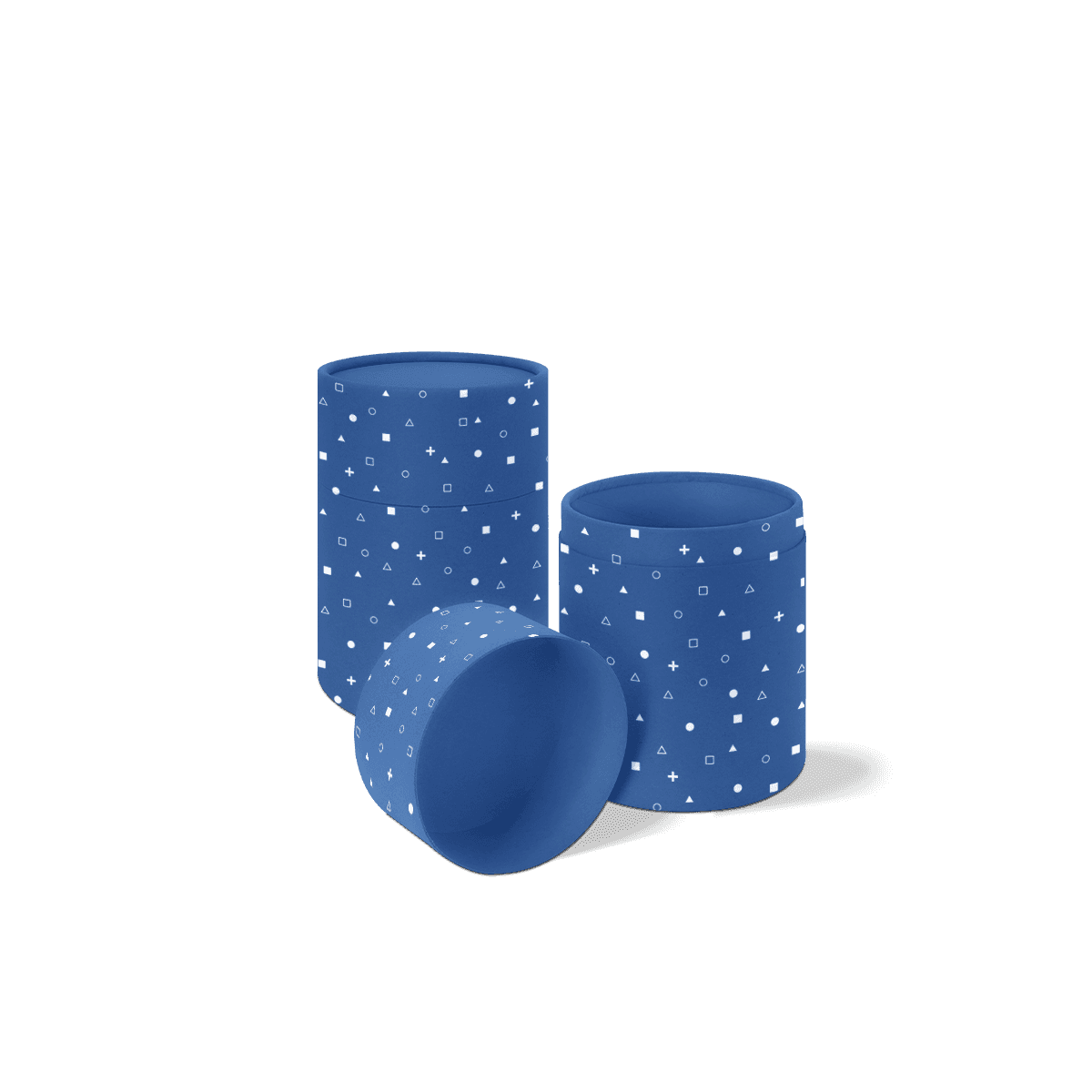
A cylindrical surface changes how artwork is seen. There is no permanent flat front panel, so the design needs a clear viewing priority as the customer turns the tube.

Create a Primary View

Choose one main viewing zone for the logo, product name and strongest visual cue. That gives retail staff, photographers and customers a predictable face to work with even though the artwork continues around the circumference.

Secondary copy, patterns and colour can wrap further around the tube. The result usually reads better than trying to give every angle equal visual weight.

Keep the Join Quiet

Do not place small type, barcodes or precision artwork directly over a visible wrap join or close to a lid line. The join is part of the manufacturing reality and should be planned around, not treated as though the surface were perfectly seamless.

Curved artwork also changes apparent spacing. A wide block of text can disappear around the side faster than expected. How to design packaging from structure through print-ready artwork explains why dimensions and the production layout should be fixed before final artwork is approved.

Match Surface to the Brand

The outer wrap controls much of the tube's appearance because it is the surface the customer sees and touches. Choose it for print behaviour and brand character, not simply because one material sounds more premium.

White Wrap for Colour Control

A clean white printable surface is the safer direction when the artwork relies on bright colour, fine detail, photography or close colour matching. It gives CMYK and Pantone work a more predictable base than natural brown paper.

Premium offset printing is especially useful when detail, solid colour and repeat consistency matter across a larger production run. The economics still depend on quantity, artwork versions and setup, so digital and offset printing should be compared against the actual run, not chosen from a fixed rule.

Kraft for a Paper-Led Look

Kraft can work well when the natural paper tone is part of the visual direction. It is less forgiving for very bright colours because the substrate influences the result. Simpler artwork, darker inks and restrained branding often suit it better.

If material choice is being driven mainly by environmental positioning, keep claims specific to the exact specification. Cardboard alone does not prove how every wrap, coating, adhesive or liner will behave at end of life.

Finishes Need a Job

Matte, gloss, soft-touch, foil, embossing, debossing and spot UV can all be used on premium tube work, but they should support a focal point.

A foil logo may be enough. Embossing can add tactile detail without another colour. A matte outer wrap may already create the feel the product needs. The printing and finish options are most useful after the product fit, outer paper and artwork hierarchy are settled.

Know When Another Tube Wins

Cardboard product tubes should not absorb the jobs of every cylindrical structure on the site. The clearest way to protect search intent and help the customer is to be explicit about the boundary.

Mailing for Rolled Goods

Choose Mailing Tubes when posters, prints, plans or other long goods need transit protection more than retail presentation. Internal diameter, usable length, wall strength and end-cap security matter more there than premium shelf finish.

Lidded for Repeat Access

Choose Cardboard Tubes with Lids when reopening, lid fit and continued storage are central to the product experience. That is a more specific closure decision than the broader retail-product role of this tube.

Gift Tubes for Occasion Value

Choose Gift Tubes when the main reason for the cylinder is occasion-led presentation, gifting impact or a more ceremonial reveal.

Candle Tubes for Vessel Fit

For glass candle jars and fragrance lines, Custom Candle Tubes are the better starting point because vessel diameter, glass weight, lift-out and scent-led presentation need more specialised treatment.

Separate Retail From Delivery

A polished cardboard tube can be strong enough for normal handling without being the right parcel shipper on its own. Retail presentation and courier protection are different jobs.

If the product is fragile, heavy or finish-sensitive, test how the tube will travel. Foil, soft-touch surfaces and exposed edges can mark during parcel handling. A suitable outer carton may still be needed so the retail tube reaches the customer looking like retail packaging rather than transit packaging.

This is particularly relevant for cosmetics and glass containers. Custom Cosmetic Packaging treats the retail presentation and the delivery layer as separate decisions because the same product may need both.

Control Cost Through Specification

Tube cost is affected by more than height. Diameter changes circumference, which changes the amount of wound material and outer wrap required. Wall strength, closure style, insert complexity, print coverage and finishing add their own production steps.

That means two tubes of the same height can price very differently. A wider diameter with a deep fitted lid, full-colour wrap and foil detail is a different manufacturing job from a slim tube with a simple paper finish.

Do not reduce the specification by removing useful protection while keeping decorative extras. If cost needs to come down, first review excess diameter, unnecessary insert complexity, finish count and the number of separate artwork versions. The same principle applies across custom packaging: remove waste before removing the features that make the packaging function properly.

Specify the Tube Before Pricing

The fastest route to useful pricing is to define the few details that materially change this product: finished product diameter, packed height, weight, preferred closure, insert requirement, outer paper direction, print coverage and the quantity needed.

For a retail tube, also say how the product will be sold. A shelf-led cosmetic item, a promotional launch piece and a product that will travel inside an ecommerce parcel may share a similar cylinder but need different wall strength, finish durability and internal support.

For unusual diameters, insert-led fits or finish combinations, Custom Packly can help resolve the specification before production. Use the free 3D mockup to check proportion and artwork, while a physical sample is more useful when lift-out clearance, insert pressure or the finished product fit needs to be judged in the hand.

If the measurements are ready, send them through the custom packaging quote with the product type, quantity and artwork stage. If they are not, start with the physical product and the way you want it to sit, open and appear on shelf. That gives the specification something real to solve.

FAQs

Start with the product’s widest point and its true packed height, not just the item on its own. A tube that looks neat on screen can feel loose or awkward if you ignore tissue, liners, inserts or cap depth. As a practical check, confirm internal diameter, usable internal height, product weight and how easily the item should load on the packing line.

Yes, when the board grade and closure style match the journey. Cardboard tube packaging handles light to medium retail and ecommerce use well, especially for products that benefit from a rigid cylindrical wall. If the item is heavy, fragile or going through rough parcel handling, add a fitted insert, wrap or stronger outer shipper rather than relying on presentation packaging alone.

The best finish depends on whether the tube is meant to feel natural, premium or highly graphic. Kraft wraps and uncoated papers suit eco-led or artisan ranges, while matte lamination, soft-touch coatings, foil stamping and embossing work well for cosmetics, gifting and premium retail. The safest route is to match finish choice to handling conditions, brand position and expected shelf environment.

Not always, but they often perform better with them. Inserts are useful when the product is small for the tube diameter, when breakage risk is high or when the opening experience needs to feel controlled. Cardboard inserts, collars, sleeves and wrapped nests can all improve fit, stop movement and make the pack feel more precise without changing the outer design.

It is better for branded presentation, but not always better for pure transit. Cardboard tube packaging is usually the stronger choice when you want shelf presence, premium finishes and a more refined unboxing feel. Mailing Tubes are the better fit when shipping efficiency, document storage or poster dispatch matters more than presentation, decoration or retail impact.

Process

How it works

Your Packaging Journey, From Idea to Production and Delivery

01

Tell Us Your Specs

Custom packaging boxes

Tell Us Your Specs

Provide size, quantity, printing, and finishes.

02

Get a Fast Quote

Custom packaging boxes

Get a Fast Quote

Instant transparent pricing, no hidden fees.

03

Design and Approval

Custom packaging boxes

Design and Approval

Artwork checks, revisions, and final sign-off.

04

Produce

Custom packaging boxes

Produce

Expert manufacturing to meet deadlines.

05

Ship to Your Door

Custom packaging boxes

Ship to Your Door

Hassle-free, flexible delivery options.

Get Your Quote for Custom Cardboard Tube Packaging

Share your product details, dimensions, quantity and artwork needs. We’ll help choose the right packaging style and send a clear quote.