Custom Tube Packaging
Choose tube packaging by the job the cylinder must perform: protect a rolled item in delivery, present a retail product, create a telescopic reveal or dispense a solid product.

Tube Packaging options
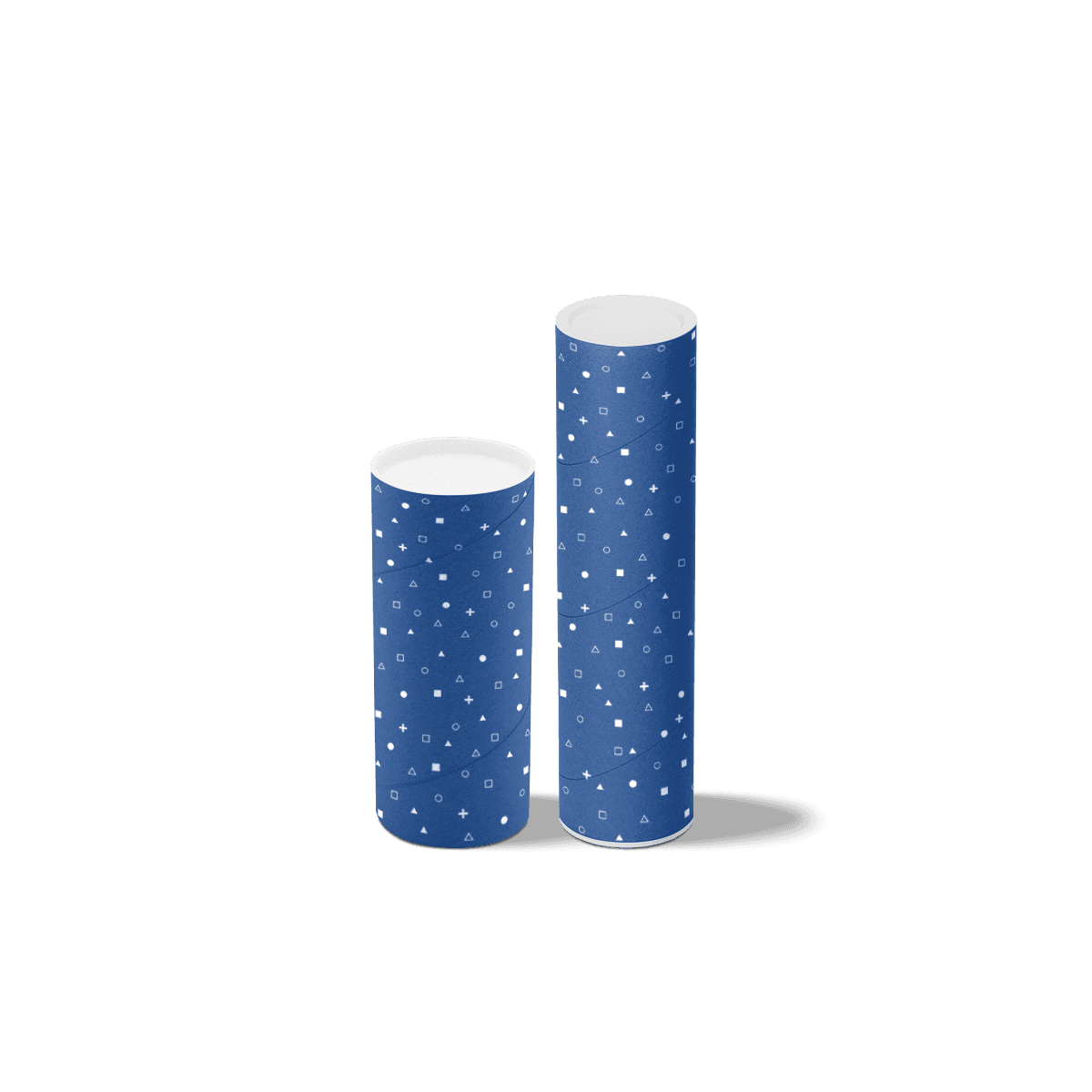
Mailing Tubes
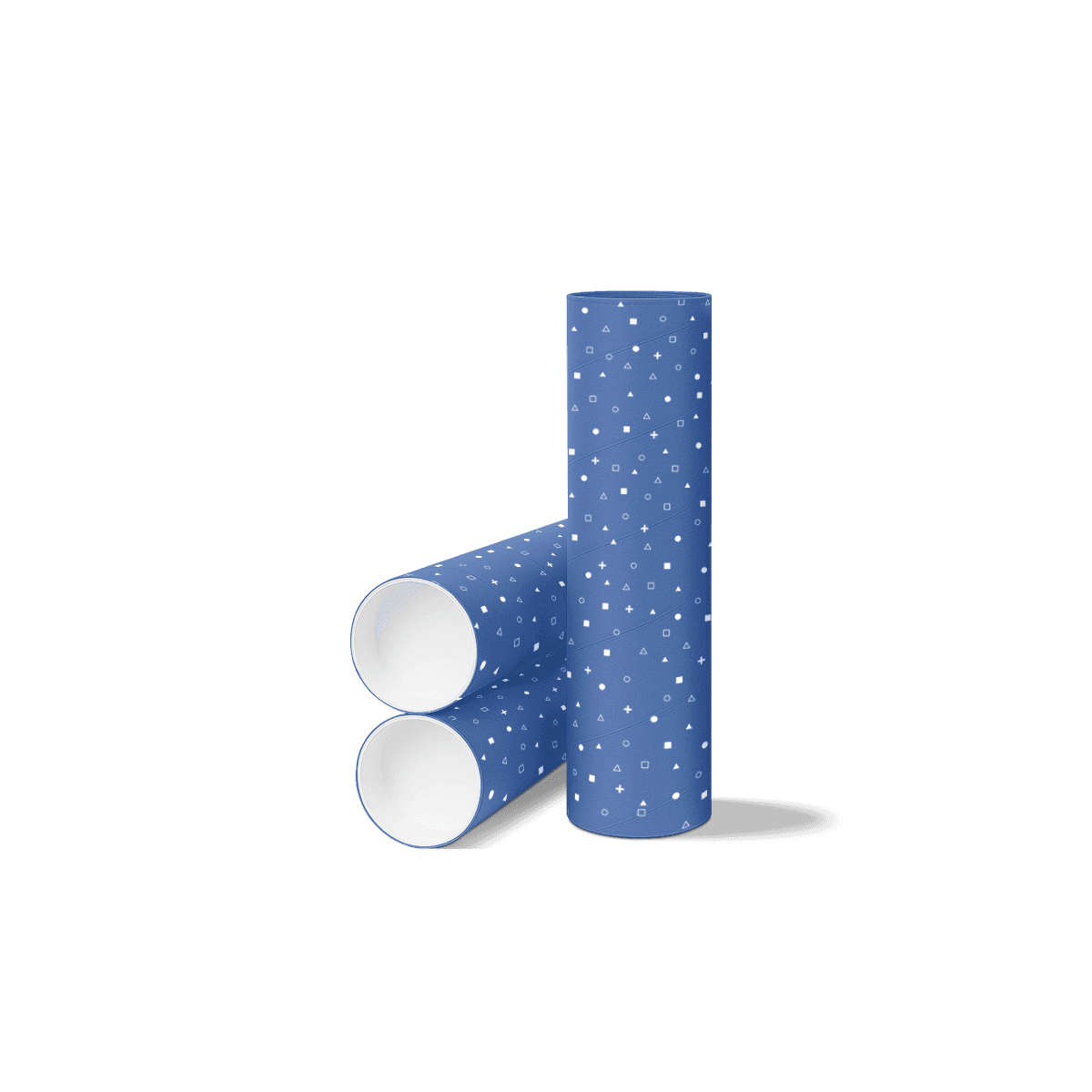
Postal Tubes
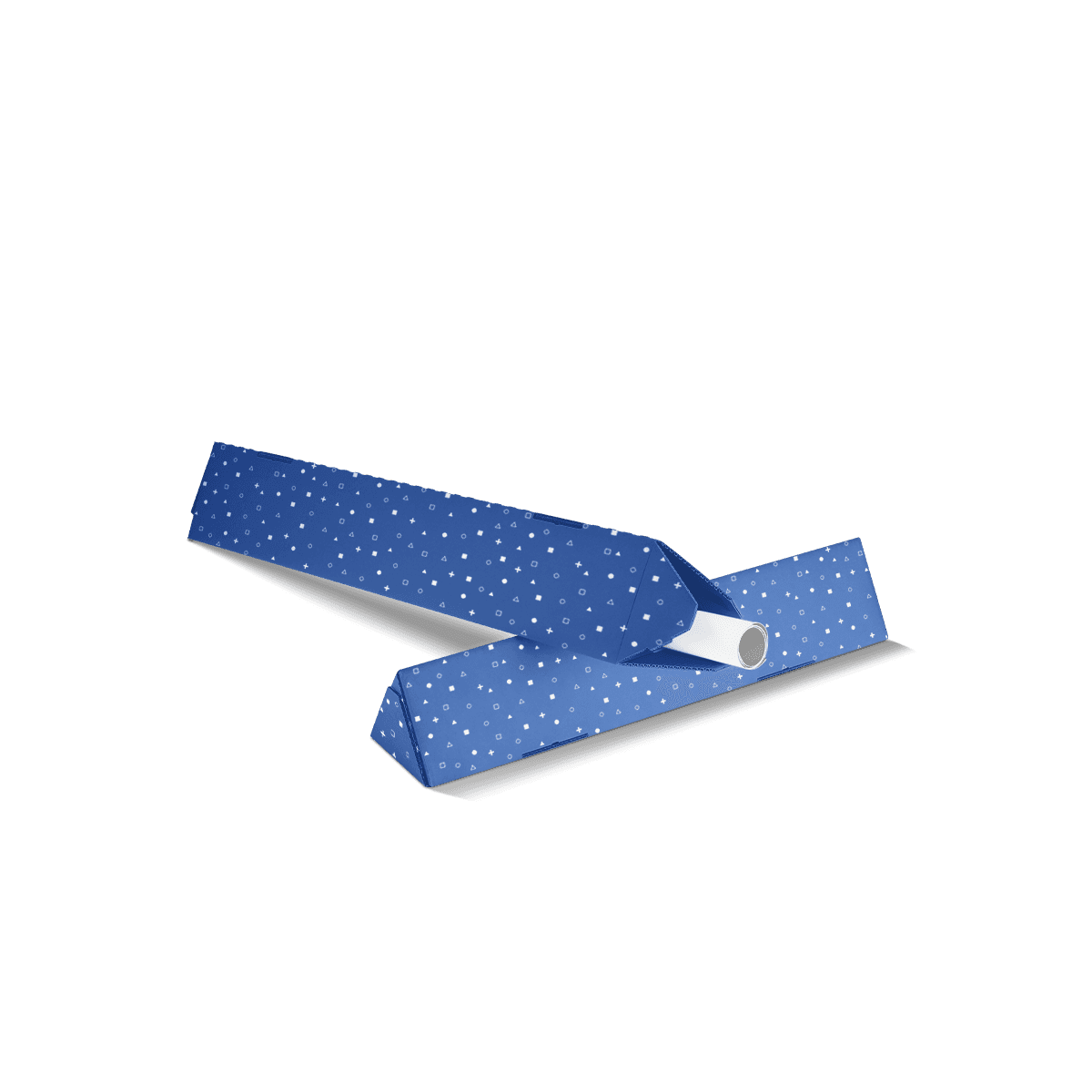
Triangular Postal Tubes
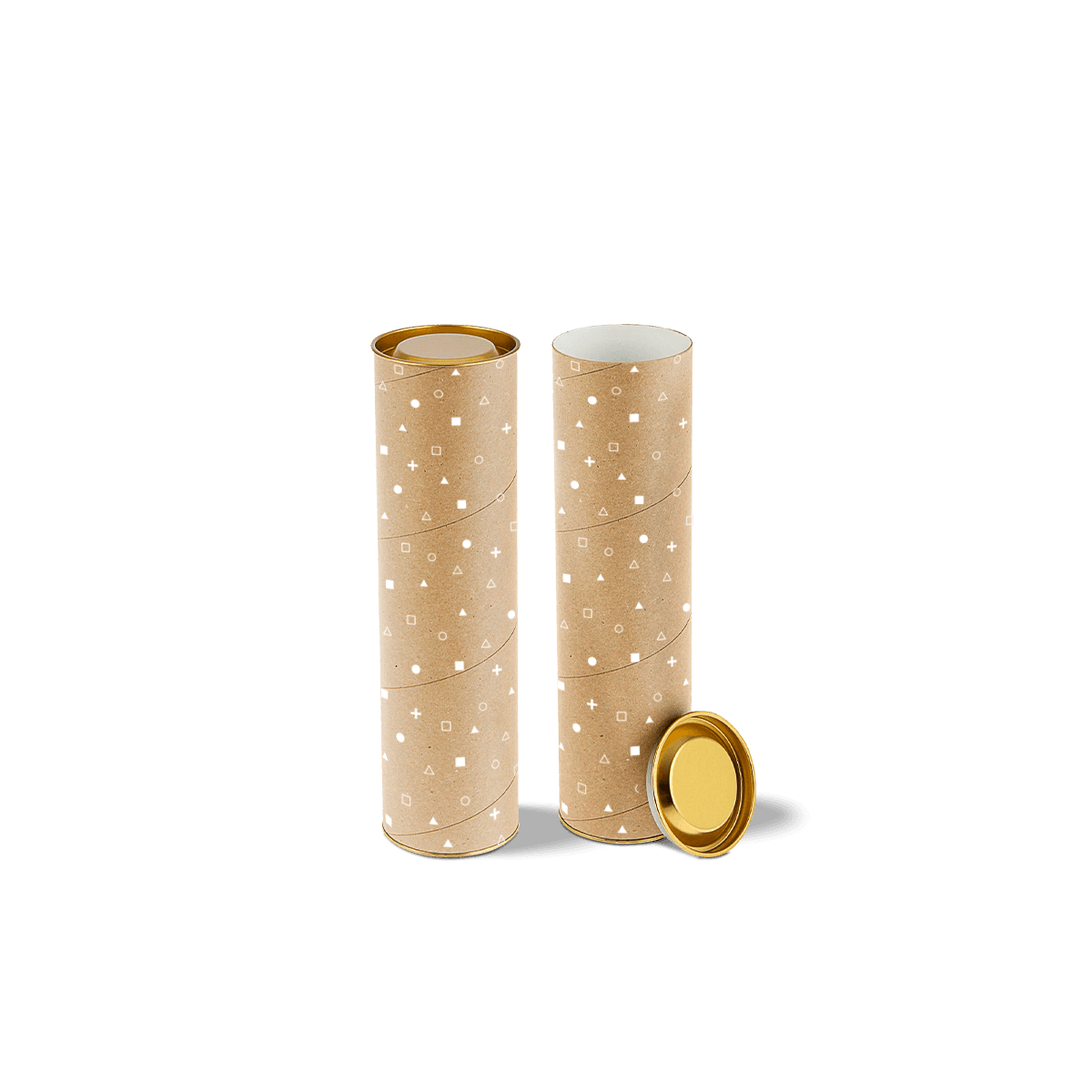
Kraft Mailing Tubes
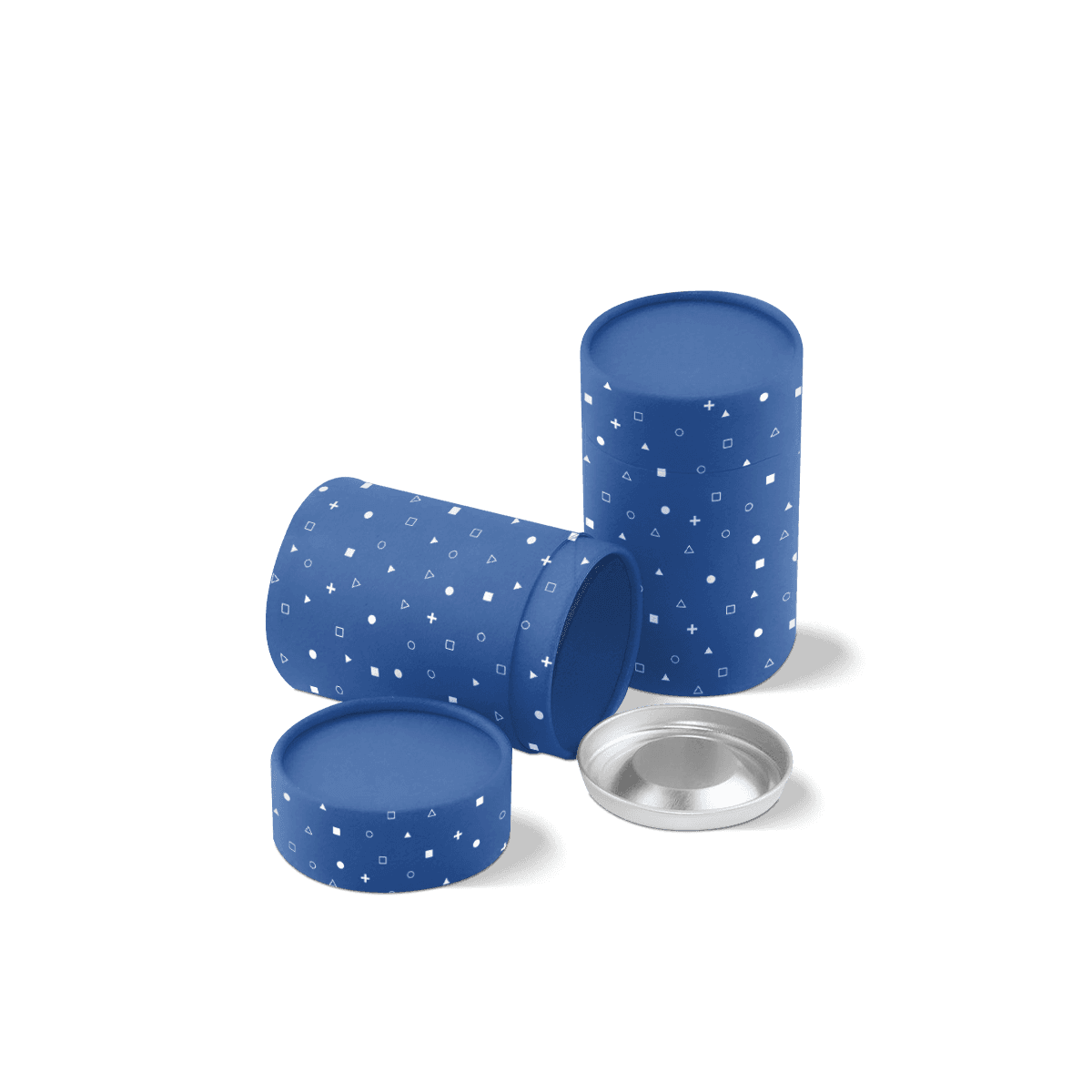
Cardboard Tubes with Lids
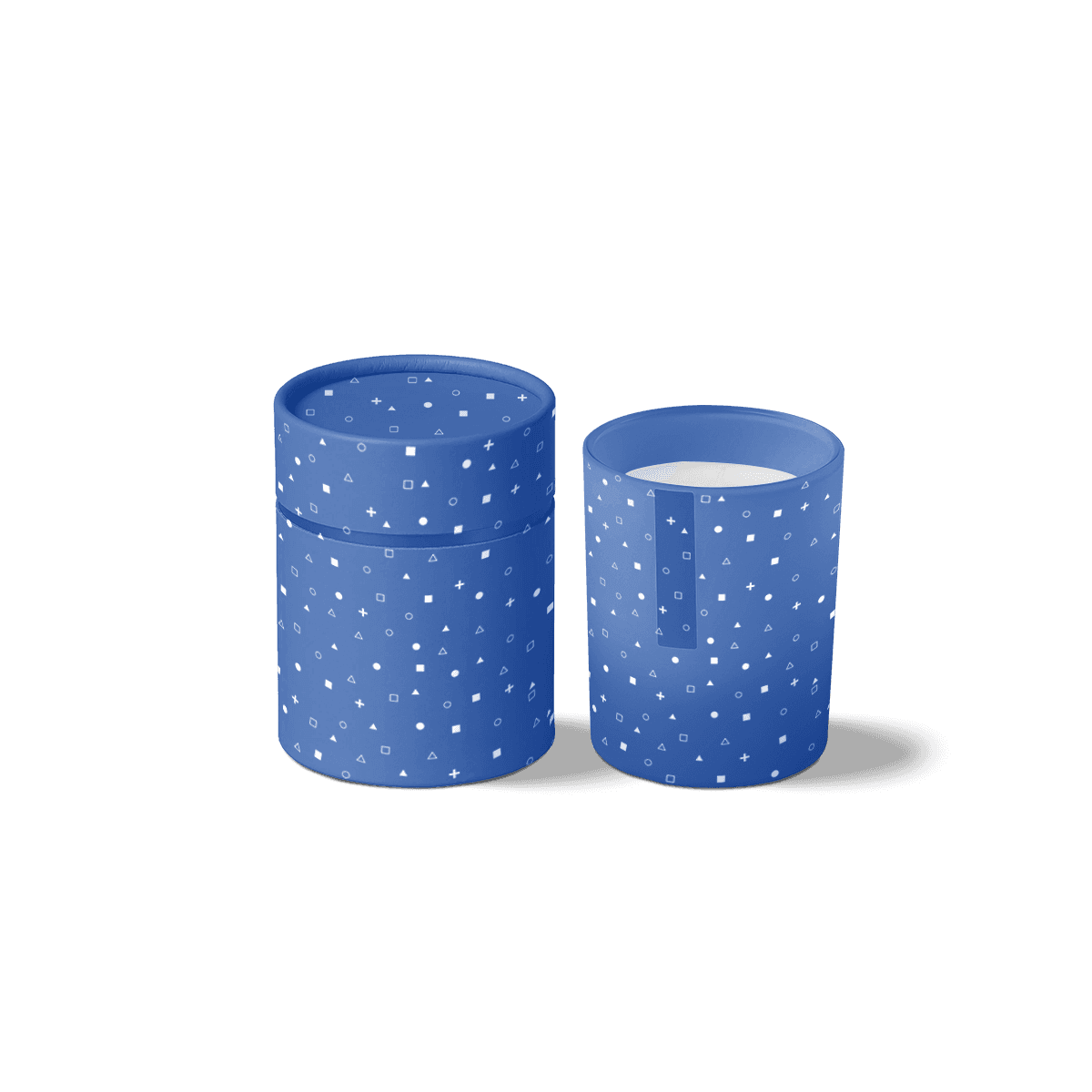
Candle Tubes
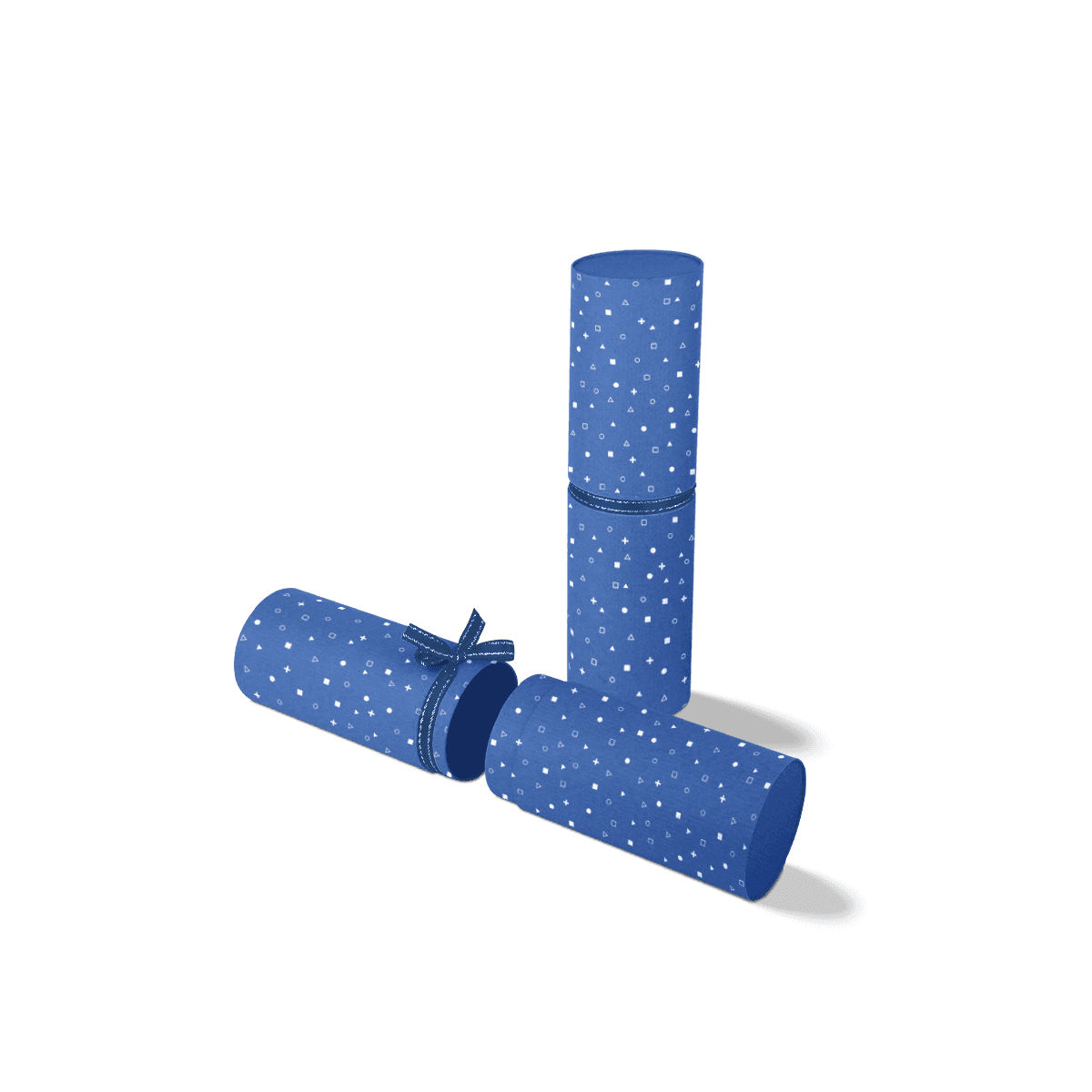
Gift Tubes
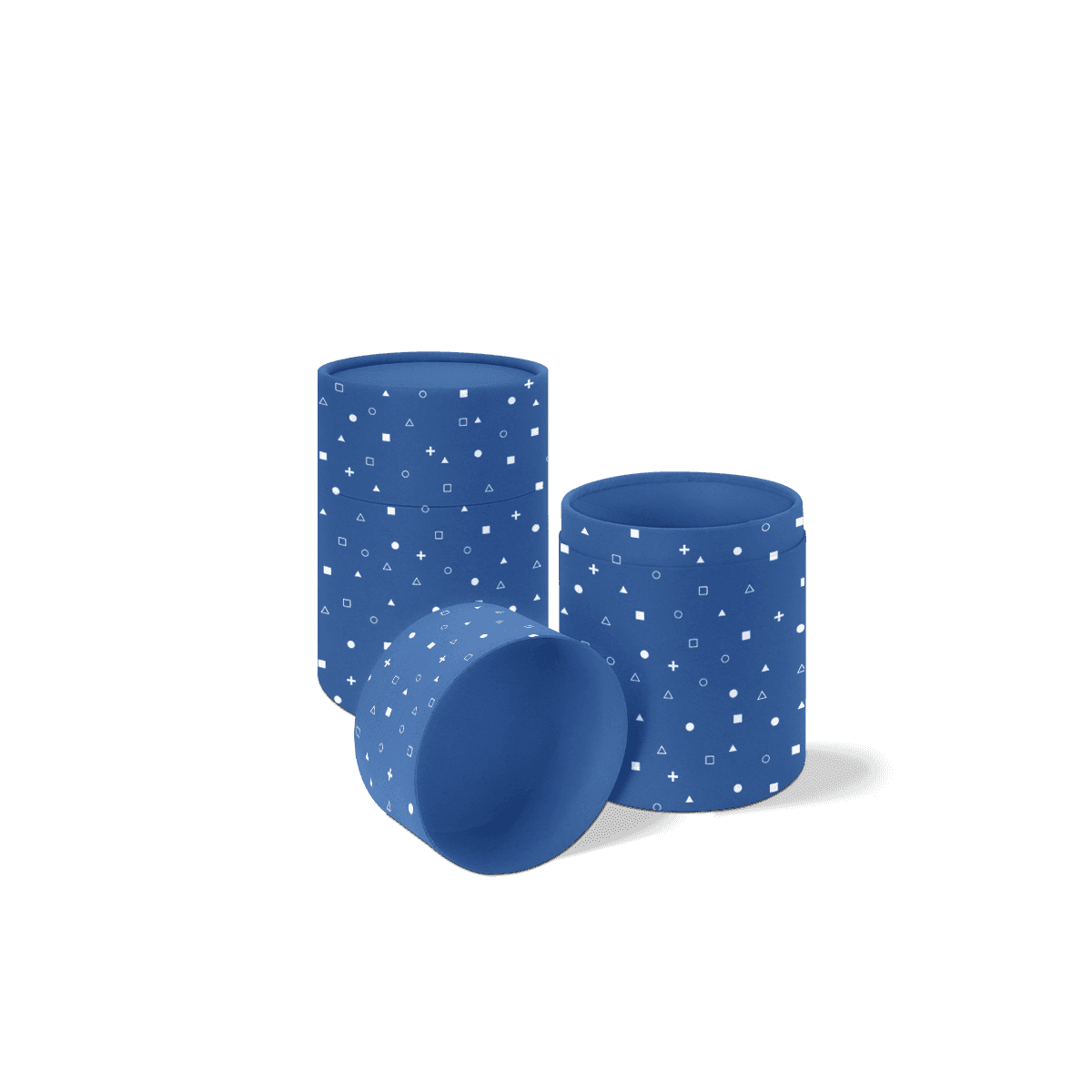
Cardboard Tube Packaging
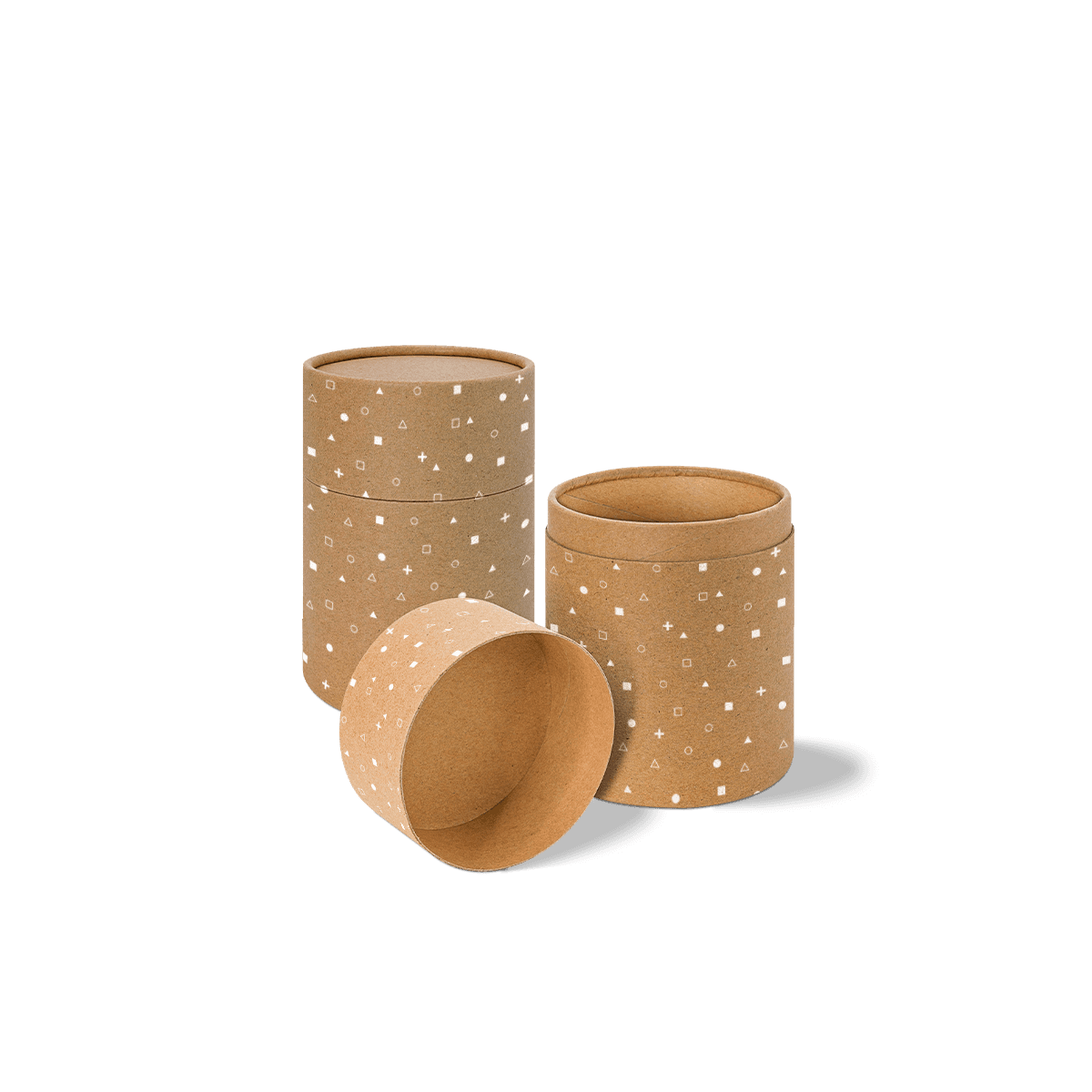
Eco Tube Packaging
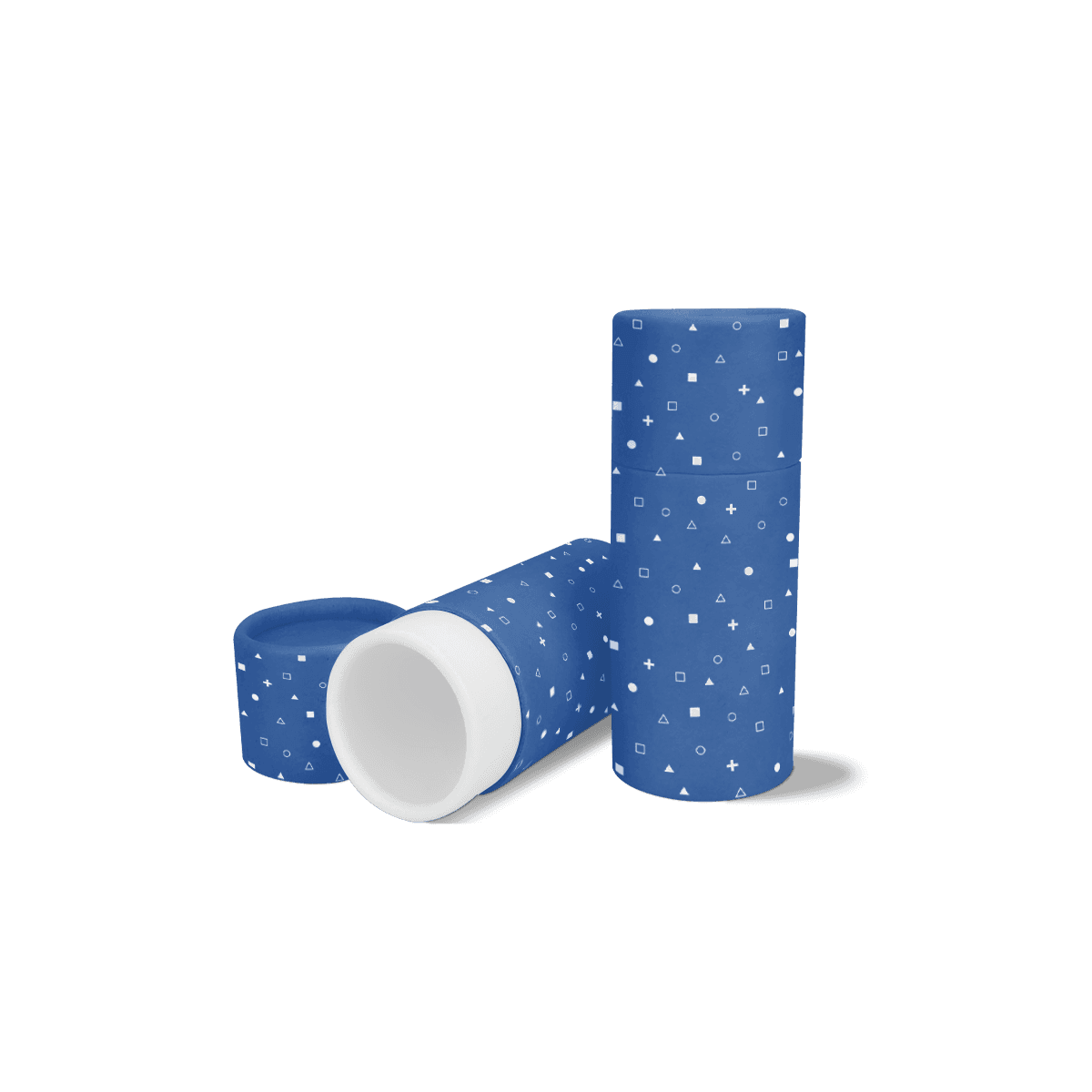
Push Up Tubes
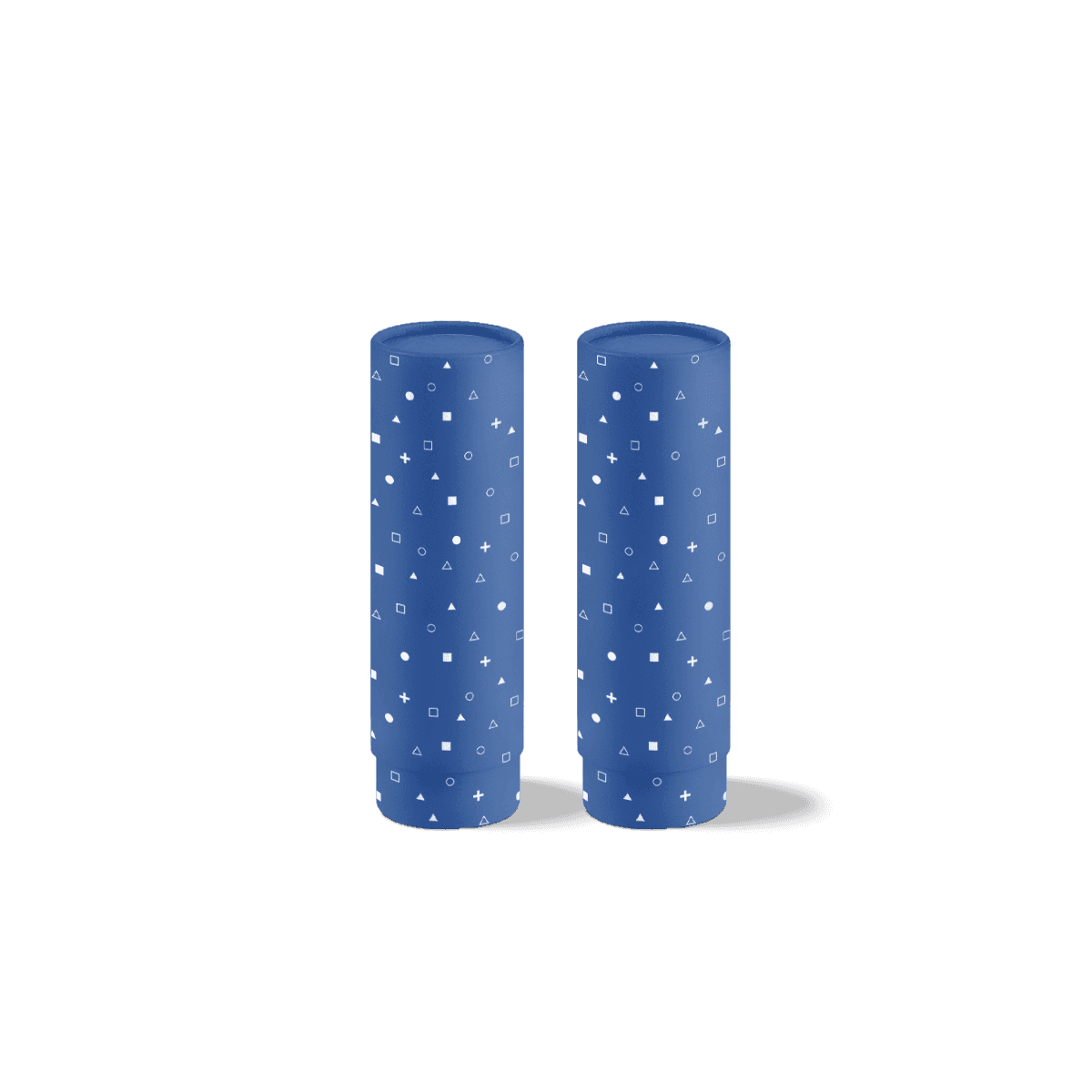
Telescopic Cardboard Tubes
Your product shouldn’t have to fit an off-the-shelf box.
Share the shape, size, material, finish, or insert you have in mind. We’ll turn the details into a tailored packaging recommendation and a clear quote.
Custom sizes · materials · finishes · inserts
Choose the Tube Job Before the Tube Material
Tube packaging covers several different jobs that should not be forced into one generic cardboard-tube specification. A rolled print needs long-format transit protection. A candle, bottle or gift may need a rigid presentation tube. A telescopic format is chosen for a two-part opening or adjustable length. A push-up tube is a dispensing mechanism as well as a pack.
Start by deciding what the cylindrical shape must do. That single decision is more useful than beginning with kraft, white board or a finish because it directs the project to the correct structure before decoration begins.
This route is therefore about format selection. The exact construction, fit and artwork detail belongs with the specialist tube once the job is known.
Treat Eco Tube Packaging as a material-and-component decision within a real tube structure, with environmental claims tied to the exact paper, ends, liners and finishes used.
Separate Postal Tubes From Retail Presentation Tubes
Rolled posters, plans, certificates and prints should move into mailing tubes or postal tubes because the core decision is length, end protection and dispatch handling.
For a cylindrical retail or gift pack, cardboard tube packaging owns the specific paperboard/cardboard presentation construction. That distinction matters because a retail tube is judged by opening feel, wrapped surface, lid fit and product presentation rather than postal handling alone.
Keeping these jobs separate also reduces false comparisons. A premium lidded presentation tube should not be specified from the same checklist as a long shipping tube just because both are round.
Use the Opening Mechanism to Narrow the Format
A fixed lidded tube gives straightforward access and a clean close. Cardboard tubes with lids are useful when the close and reopening behaviour matter to the presentation.
A telescopic cardboard tube changes the decision because two sections overlap. That can create a slower reveal or accommodate long-format variation, but overlap depth and friction have to be controlled.
A push-up tube is different again. The base movement and internal friction affect how the product is dispensed, so it should be treated as a functional mechanism rather than a decorative cylinder.
If those motions are not relevant, do not add them for novelty. The simplest closure that protects the product and suits the opening sequence is usually the easier specification to repeat.
Diameter and Usable Height Are the Tube's Real Fit Controls
Tube sizing needs the internal diameter and usable internal height, not just the outside dimensions. Wall thickness, end caps, lid depth and telescopic overlap can reduce the space the product actually occupies.
For rigid retail products, allow for labels, shoulders, caps or inserts that extend beyond the nominal body. For rolled products, confirm the rolled diameter under realistic packing tension rather than measuring the sheet flat.
Where an insert is needed, establish its depth and removal access before final tube height. A product that sits too low can be difficult to remove; one that sits too high can interfere with the lid.
Curved Artwork Needs a Different Review
A tube has no single front face until the artwork and display orientation define one. Important text should not disappear around the curve, and a wrap seam should not cut through logos, barcodes or fine detail.
Free design and dieline support can be used to position artwork around the final diameter and closure. Pantone references can help where a precise brand colour matters, while premium offset printing is available when the construction and artwork call for it.
A 3D mockup is useful for reviewing the visual rotation of a cylindrical pack. For a premium presentation tube, the lid line, seam and opening reveal should also be checked as part of the physical specification.
Check the Tube Through Packing, Storage and Opening
The tube should be checked in the state in which it will actually be packed. A rolled item can expand against the wall. A bottle may need centring. A fitted gift can create suction or friction if clearance is too tight.
Check how staff load the product, how the ends close, whether the tube rolls or stacks acceptably in storage and how the customer removes the contents. These steps expose problems that a flat artwork proof cannot show.
Free sample examples of previous work are available for reference. Fully custom pre-production samples can be arranged as paid samples when the exact diameter, opening motion or insert fit needs validation.
Use Product Type to Confirm the Route, Not to Rewrite the Structure
Candles, cosmetics, bottles and gifts can all use tubes, but the product name does not define the engineering by itself. The practical question is whether the item needs a presentation cylinder, a lidded close, a telescopic reveal or another specialist format. The overview of which products work best in tube packaging is useful when the format is still being compared against a box.
For long products, the dispatch route remains the stronger signal. For solid push-up products, dispensing behaviour is the stronger signal. For gift packaging, opening feel and internal support are more important than simply calling the pack a luxury tube.
This keeps the format choice useful without duplicating the exact technical problem a specialist tube is meant to solve.
Route to the Right Tube Format
Use a mailing or postal tube when the product travels rolled. Use the cardboard presentation route when the cylinder is primarily a retail or gift pack. Use a telescopic tube when overlap and two-part movement are part of the function. Use a push-up tube only when the package itself needs to dispense a solid product.
Then provide the product's maximum packed dimensions, weight, desired opening, quantity, print direction and whether an insert is required. Those inputs are enough to move into the correct specialist specification.
MOQ starts from 100. The current turnaround is 4–6 working days with free delivery, but the format decision should be settled before artwork is adapted around a final diameter.
Questions About Tube Packaging
Start Your Bespoke Packaging Quote
Share your product details, dimensions, quantity and artwork needs. We’ll help choose the right packaging style and send a clear quote.