Skip to content
Details

Custom Wax Melt Boxes

Wax Melt Boxes keep smaller fragrance products organised, protected and retail-ready, with enough print space for scent naming, wax details and gifting presentation while maintaining a tidy fit for bars, clamshell alternatives and multi-piece melt collections.

Decide What Actually Contains the Wax

The inner wax format decides what the printed outer needs to do. A clamshell, wrapped snap bar, sealed pouch or tray already provides some containment, so Custom Wax Melt Boxes should add only the functions still missing: branding, grouping, shelf presentation and secondary protection.

That distinction prevents the paperboard carton from being asked to act as a fragrance barrier, heat-control layer or direct wax-contact material by default. Those jobs depend on the actual inner packaging and material specification.

Clamshells Already Do Part of the Job

A clamshell gives the melt its cavities, closure and much of its physical containment. The outer packaging therefore does not need to recreate those functions. It needs to fit closely enough to stop the clamshell sliding around while giving the brand useful print space.

If the clamshell dimensions are already fixed, Sleeve Packaging can be a more efficient choice than enclosing it inside a deeper carton. The sleeve adds scent identification and branding while leaving the existing inner component to manage the wax itself.

Wrapped Bars Need Different Clearance

Snap bars in a sealed wrap behave differently. Their thickness, break lines and corners become part of the sizing decision, and the outer carton must allow for the complete wrapped dimensions rather than the bare wax mould.

If the product is actually a filled candle jar rather than a bar, cube or tray, Candle Boxes solve a different problem based on vessel weight, lid clearance and base strength.

Build Around Piece Count

Wax melts are small enough that a few millimetres of unused depth can make the contents feel loose. Piece count therefore matters as much as the overall product dimensions. A six-cube set, one snap bar and a mixed sampler may use similar amounts of wax but need completely different internal layouts.

Snap Bars Need Edge Space

A snap bar should not be forced against the carton walls just to achieve a tight-looking fit. Corners and segmented break lines can become vulnerable when the outer box is squeezed during handling.

Allow enough clearance for the wrapped bar to load without scraping or bending. If a bar is consistently arriving chipped while the outer carton stays intact, the first question should be whether the inner wrap and fit are controlling movement around the edges rather than whether the paperboard simply needs to be thicker.

Cubes and Samplers Need a Layout

Loose-looking assortments usually come from a layout problem. Decide the number of pieces, rows and scent positions before finalising the box depth.

A tray, divider or shaped insert can help when several pieces or separately wrapped melts need to remain in a deliberate presentation. The support should organise the set without adding more components than the product needs.

Free samples are useful when the proposed piece count, tray depth or removal access needs a physical check. The customer should be able to take out one melt without disturbing the entire arrangement.

Match the Carton to the Inner Pack

The best outer structure depends on what is already holding the wax. Do not automatically put every wax melt into a full folding carton because "box" is the target keyword. A sleeve, window carton or drawer can each be right for different selling jobs.

Sleeves for Ready-Made Clamshells

When a moulded clamshell already gives the product shape and closure, a printed sleeve can add brand control without hiding the entire inner pack. It is also practical when several scents share the same clamshell dimensions but need different artwork.

Sleeve fit needs enough friction to stay in place without being so tight that staff have to force each unit through during packing. The clamshell should therefore be measured at its widest finished point, including hinge and closure features.

Windows Only When the View Helps

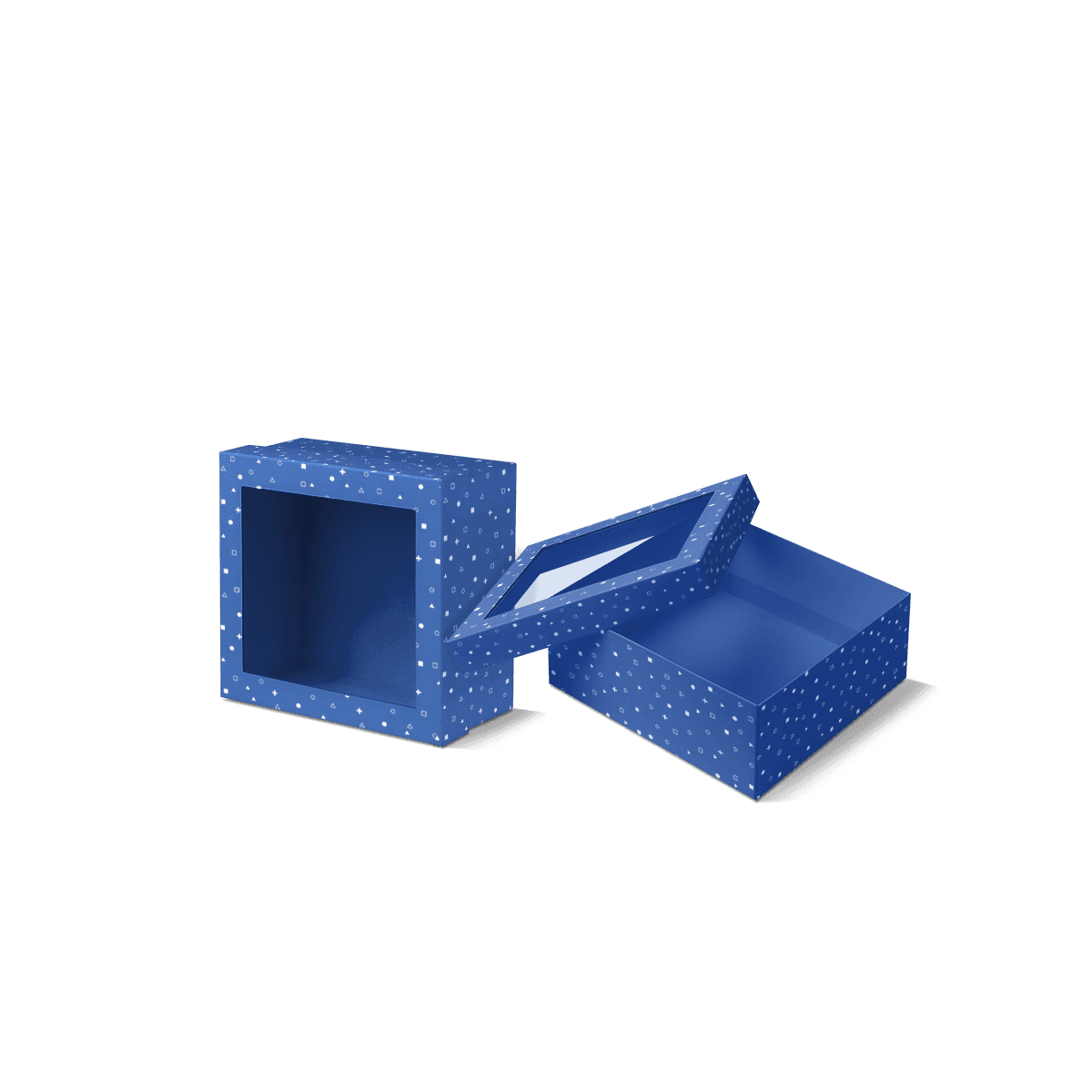
Custom Window Boxes can work when colour, botanical decoration or the arrangement of the melts genuinely helps the customer choose. The visible area should be planned around the product position, not cut as large as possible.

A window removes printable board and exposes whatever sits behind it. If the melts shift enough to reveal empty space or an insert edge, the window makes the pack look less controlled rather than more premium.

Drawers for Gift-Led Sets

Custom Drawer Boxes make more sense for curated samplers or gifting where the sliding reveal is part of the experience. They are harder to justify for an everyday single bar where flat storage, fast packing and cost control matter more.

That decision rule keeps structure connected to the selling job instead of treating a more elaborate opening as an automatic upgrade.

Separate Heat Risk from Box Strength

Wax can soften or deform if it is exposed to unsuitable temperatures. A thicker printed carton does not solve that problem by itself. Heat exposure belongs to storage, transport and handling conditions, while the box handles presentation, light physical protection and organisation.

This is an important distinction because adding heavier paperboard can increase cost without addressing the actual failure.

If breakage is happening at normal handling temperatures, inspect the melt shape, inner containment and empty space. If the product is softening because it has been left in excessive heat, changing from one folding carton grade to another is unlikely to be the decisive fix.

The decision framework in how to choose the right packaging for your product is useful here: separate the product's real handling risk from the visual packaging decision before adding materials or features.

Make Scent Choice Fast

Wax melt businesses can carry far more scent variants than the number of physical pack sizes they need. The packaging system should exploit that. Keep the physical specification stable where the melt format is the same, then make fragrance changes obvious through controlled artwork.

Use One Master Structure Across Scents

If twenty scents use the same clamshell or snap bar dimensions, twenty different dielines create unnecessary production complexity. Use one approved structural file wherever the physical product allows it.

The packaging dieline should establish panel positions, folds, glue areas and any window or sleeve geometry before scent artwork is duplicated across multiple versions.

Custom Packly can coordinate the structure, dieline, print and finish as one production specification. That is useful for scent-heavy businesses because a structural change made for one SKU can otherwise create avoidable variation across the rest.

Reserve the Variant Zone

Decide where the fragrance name, scent colour and any short descriptor always appear. Customers scanning several melts should not have to relearn the front panel for each scent.

Premium offset printing can keep repeat artwork and brand colours controlled once quantities justify that route. Free 3D mockups can help review the placement of scent names, colour blocks and windows before several artwork versions move into production.

Within Candles and Home Fragrance, the same visual system can connect wax melts with candles, diffusers and room sprays while each product keeps the structure that suits it.

Plan Retail and Ecommerce Separately

A compact wax melt carton can be excellent on a shelf and still be the wrong exposed shipping container. Retail packaging and courier packaging should be given separate jobs.

Retail Units Need Compact Discipline

For shops, market stalls and gifting displays, footprint matters. Oversized cartons use more shelf space, make small melts look lost and create extra material without improving the product.

When several units are merchandised together, Display Boxes can organise stock at the counter or on shelf rather than making every individual retail carton oversized for visibility.

Clear scent naming is especially valuable here because wax melts are often browsed by fragrance first. A strong front panel should make the variant obvious before decorative finishing is considered.

Courier Orders Need an Outer Layer

For online orders, place the retail unit inside packaging that is intended to handle delivery. Custom Mailer Boxes can group several melt cartons, cards or small home-fragrance products while giving the order a stronger corrugated outer.

This avoids asking a lightweight retail carton to handle compression, abrasion and courier impacts that belong to the shipping layer.

If several scents travel together, keep them tightly organised enough that the retail boxes do not become loose objects inside the parcel. The outer mailer should fit the actual order mix, not one isolated wax melt pack.

Order Seasonal Scents by Sell-Through Window

Wax melt sales often rotate through seasonal scents, limited editions and small launches. That makes structural consistency commercially useful.

MOQ starts from 100 boxes, allowing a new scent or small release to use proper printed packaging without committing to a very large first run. The minimum order for custom printed boxes also explains why quantity should be considered alongside setup, material and repeat demand rather than treated as a standalone number.

Once a melt format is proven, keep the approved size, material and dieline stable. Change the artwork version only where the scent changes. That reduces avoidable setup differences and makes subsequent orders easier to compare.

Guaranteed 4–6 working day production and delivery provides a fixed timing window when seasonal packaging needs replenishment. For larger repeat quantities, cost should still be reviewed as a complete specification because box size, print coverage and finishes all affect unit economics. Custom packaging cost is more useful when those variables are considered together.

Custom Packly's 24/7 packaging support can help when a new seasonal SKU needs to stay on an existing structure but the artwork, window position or piece count changes.

Choose the Selling Unit Before Pricing

Pricing should follow the way the wax melt is actually sold: one clamshell, one wrapped snap bar, a multi-piece sampler or several scents in a gift set. Each creates a different carton footprint and assembly requirement, even when the wax weight is similar.

Use a top-down piece map to show how that selling unit sits inside the pack. Attach it to the custom packaging quote with quantity per scent and artwork status so pricing reflects the real unit rather than a generic small box.

If several scents share one physical layout, identify them as artwork variants on the same structure. That keeps the quote centred on one manufacturable pack rather than treating every fragrance as a new box.

Use the custom packaging quote with that layout, quantity per scent and artwork status. Pricing can then be based on the real packing system rather than a generic request for a small wax melt box.

FAQs

Straight tuck and similar folding carton styles usually suit wax melts best because they are compact, printable and easy to size around smaller products. They work especially well for bars, grouped cubes and fragrance sets where storage efficiency matters. The key is to match the box depth and internal layout to the melt format so the contents stay neat instead of shifting inside the pack.

Not every time. If the product already holds its shape well and the fit is close, a simple carton may be enough. Inserts become more useful when the pack contains multiple scents, delicate pieces or a presentation layout that needs products kept apart. They can also help when the box is meant to feel more gift-ready rather than purely functional.

Yes, in most cases. Candle Boxes are usually planned around a single jar or vessel, so they are less efficient for smaller melt formats that need grouping, counting or clearer scent variation. Wax Melt Boxes make more sense when the product is lighter, sold in sets or built around multiple fragrance options. They give better layout control and use space more efficiently for this category.

The main essentials are scent name, wax quantity, usage information and any required product details your range needs to show clearly. Beyond that, the box should help the fragrance family feel easy to navigate, especially when several variants sit together on shelf. Colour coding, collection names and short scent descriptors often work better than overcrowding the pack with too much decorative copy.

Start with the exact melt format, piece count and overall packed dimensions. Then confirm whether the product is sold singly, in mixed sets or as part of a seasonal bundle, because that affects box depth and internal layout. It also helps to decide early whether the pack is retail-first, gift-led or dispatch-led, since that changes the best board weight and finishing route.

Related Industry Packaging

Process

How it works

Your Packaging Journey, From Idea to Production and Delivery

01

Tell Us Your Specs

Custom packaging boxes

Tell Us Your Specs

Provide size, quantity, printing, and finishes.

02

Get a Fast Quote

Custom packaging boxes

Get a Fast Quote

Instant transparent pricing, no hidden fees.

03

Design and Approval

Custom packaging boxes

Design and Approval

Artwork checks, revisions, and final sign-off.

04

Produce

Custom packaging boxes

Produce

Expert manufacturing to meet deadlines.

05

Ship to Your Door

Custom packaging boxes

Ship to Your Door

Hassle-free, flexible delivery options.

Get Your Quote for Custom Wax Melt Boxes

Share your product details, dimensions, quantity and artwork needs. We’ll help choose the right packaging style and send a clear quote.