Skip to content
Details

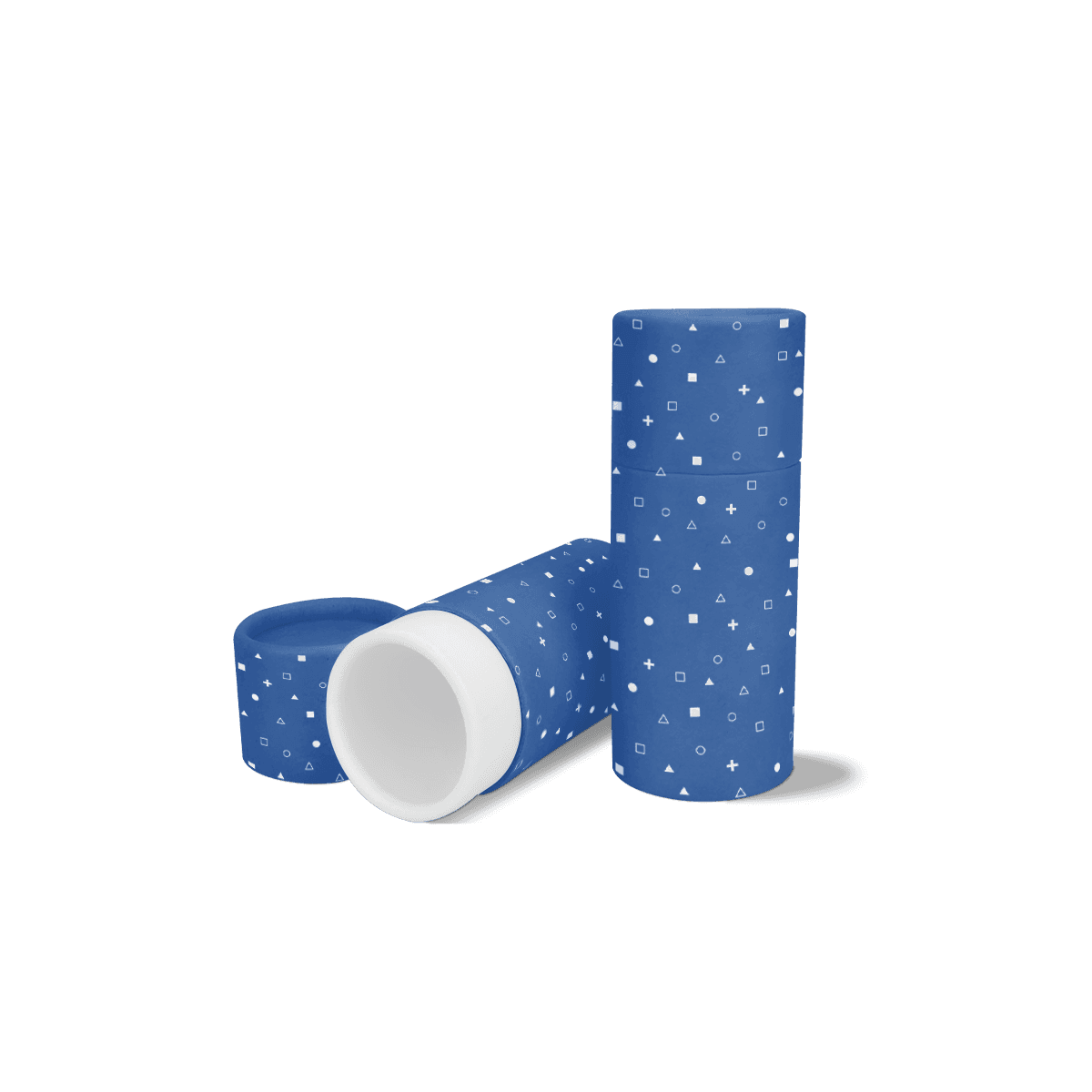
Custom Push Up Tubes

Paper dispensing tubes where base movement, product travel and internal friction determine how the solid performs in use.

The Base Is the Mechanism

A push-up tube can look correct and still fail as a dispenser if the base disc binds, slips or drives too much product forward. Movement is the structure here.

Custom Push Up Tubes use pressure from below to advance a solid product through the open top, so internal friction, disc fit and product firmness have to work together before print matters.

The format suits solid deodorants, selected skincare sticks, solid perfumes, balms and wax-based products that can retain their shape during dispensing.

Test the Whole Movement

Do not judge the structure only by whether the product fits at the start. Push it from the first-use position towards the end of its travel and check whether resistance stays manageable.

A tube that works for the first few millimetres can still become difficult later if the solid drags against the side wall or the base disc begins to bind.
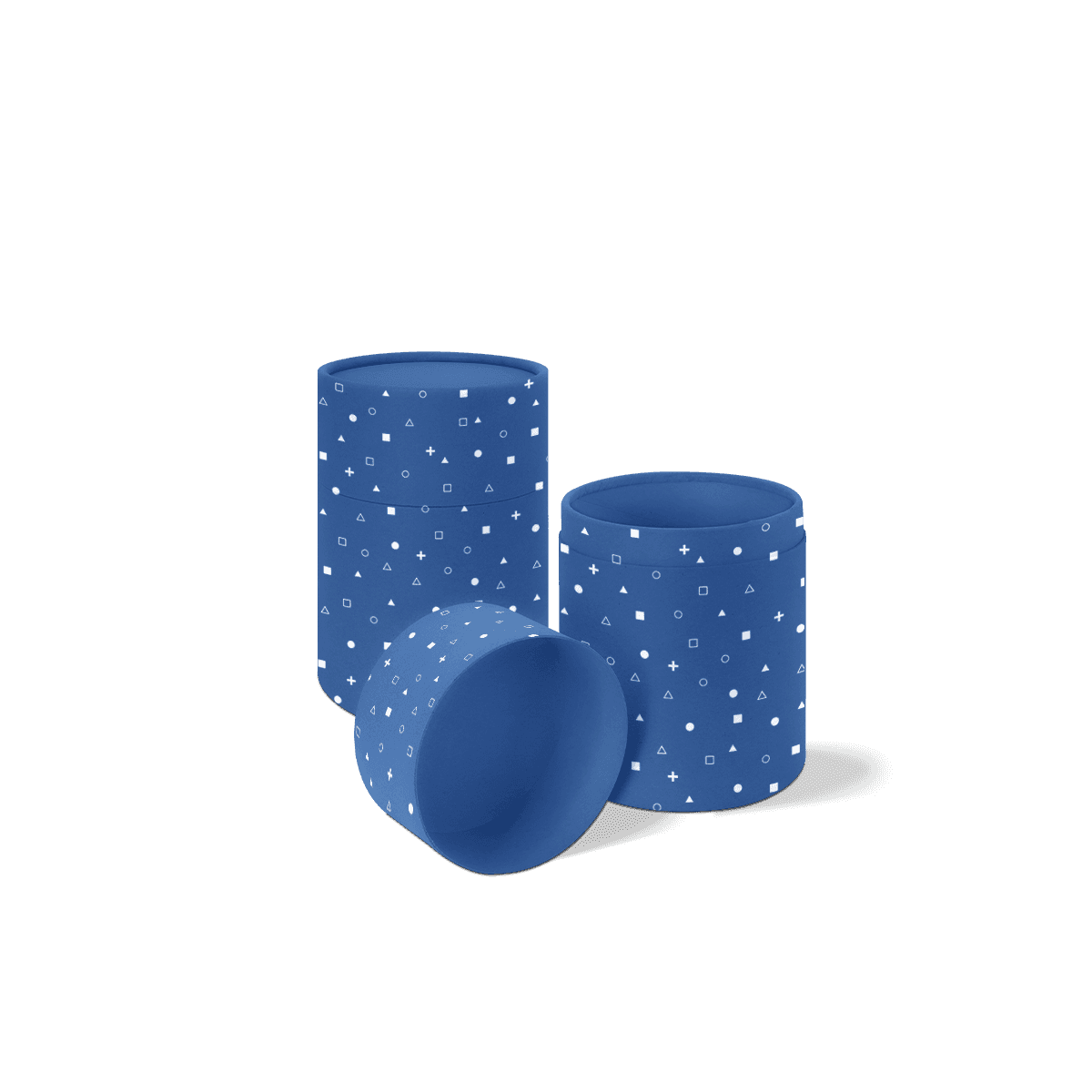
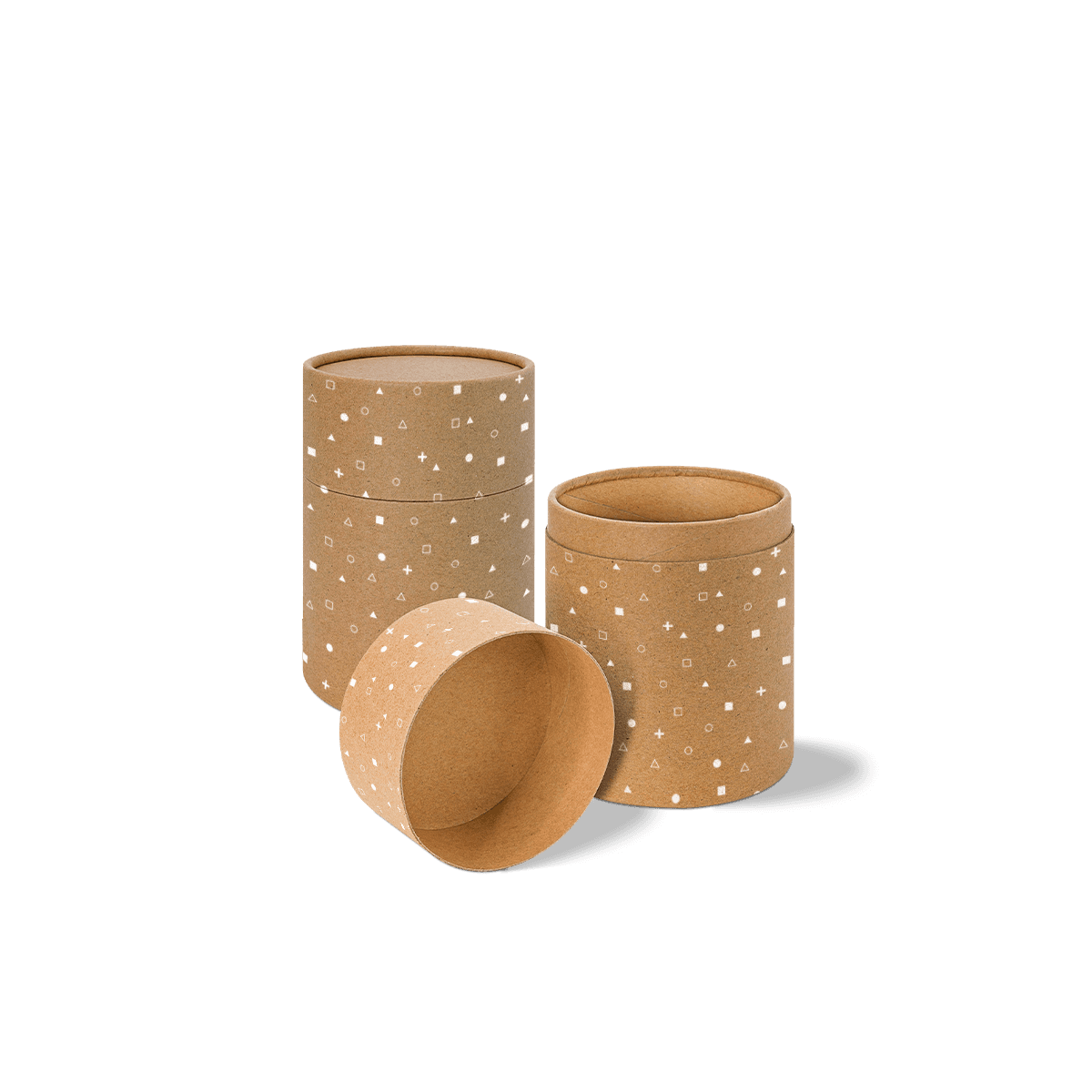
Control Push Resistance

The product should move when the customer applies deliberate pressure to the base, then stay where it has been positioned during normal use. Too much friction makes the pack feel stuck. Too little control can allow the product to move farther than intended.

That balance depends on the relationship between internal diameter, the moving disc, the product surface and any liner or barrier inside the tube.

Too Tight Feels Stuck

A close fit can sound desirable, but excessive side contact creates drag. Customers may respond by pushing harder, which can deform a softer stick, stress the base or suddenly advance too much product.

The aim is not the smallest possible clearance. It is consistent movement without obvious looseness.

Too Loose Loses Control

Too much internal clearance can make the product feel poorly supported and can reduce the precision of application. A smaller solid may also lean or move independently of the disc.

This is why a push-up diameter should follow both the product and the required application width, not simply an available tube size.

Set the Travel Before Filling

Fill height decides how much product the customer receives, but it also decides how the push mechanism behaves from first use to near empty.

A practical specification needs enough protected headroom at the top, enough travel beneath the product and no large unused section that adds material without improving use.

Leave First-Use Headroom

The exposed product should initially sit low enough to remain protected by the cap or upper closure. If the stick begins too close to the rim, it can mark the cap, deform during handling or make the first opening messy.

Headroom should be checked with the finished formula and final closure rather than estimated from an empty tube.

Use the Stroke Efficiently

An unnecessarily tall tube can create a long push distance, wasted internal volume and an awkward proportion in the hand. Conversely, too little travel can leave usable product trapped below the rim.

Work backwards from the intended fill, usable application height and final product volume. That gives the moving base a clear start and end position instead of treating tube height as a visual choice.

For a lip-care product specifically, Lip Balm Tubes should carry the deeper decisions around balm diameter, fill level, portability and variant coding. Push Up Tubes need to remain the cross-product dispensing structure.

Build Around the Filling Method

How the product enters the tube matters almost as much as how it leaves.

Some solid formulations are poured or filled warm before setting. Others are formed separately and inserted as finished sticks. Those methods place different demands on the paperboard, barrier, clearance and production sequence.

Warm Fill Needs Validation

Where a formulation is filled warm, confirm that the selected inner surface, adhesive system and paperboard specification are appropriate for the actual filling temperature and formula.

Heat, oils and waxes can affect paper-based components differently. Do not assume that a structure proven for one solid product can accept another formulation unchanged.

Preformed Sticks Need Clean Loading

A preformed stick has to enter the tube without scraping, chipping or being forced against the wall. The loading clearance should be controlled enough to support the product while still allowing efficient filling.

This is a production decision as much as a consumer-use decision. A tube that feels precise after assembly is not successful if staff have to force every unit into place.

Protect the Paper From Formula

Paper-led dispensing packaging may need an internal barrier or liner when oils, waxes or other ingredients could migrate into the tube wall.

The correct treatment depends on the actual formulation and intended use. It should be confirmed rather than inferred from another product that looks similar.

Watch for Oil Migration

Visible staining is not the only concern. Formula migration can change surface friction, affect adhesives or make the tube feel different after storage.

Testing should therefore consider time as well as the first day after filling. A clean sample immediately after production does not prove that the interaction will remain unchanged.

Do Not Overclaim the Material

Paperboard on the outside does not automatically make the complete dispensing system recyclable, compostable or suitable for direct product contact. Liners, coatings, adhesives and product residue can change the answer.

Material claims should follow the final specification. The decision process in choosing packaging around the real product is more useful than selecting a material from appearance alone.

Size for the Hand

Push-up packaging is used while held, so diameter affects grip as well as capacity.

A narrow stick can suit precise application and compact carrying. A wider deodorant or lotion bar may need a larger contact area and a tube that sits comfortably in the palm. Making every product use one diameter simply for purchasing simplicity can undermine the application experience.

Match Width to Use

Start with the surface area the product needs to present during application, then confirm how that diameter feels in the hand.

The same fill volume can be arranged as a taller narrow tube or a shorter wider one, but those proportions do not behave the same during use.

Keep the Cap Proportional

The upper closure should protect the product without making the tube top-heavy or difficult to remove. Cap depth also changes the visible proportions and the amount of vertical artwork available.

A free 3D mockup can help assess those proportions before print, but physical movement still needs real testing. The two checks solve different problems.

Use the Cylinder as a Label

Push-up tubes have limited flat-looking space even though the printable surface can wrap around the full circumference. The artwork therefore needs a strong information hierarchy.

Brand and product identification should remain easy to find without rotating the tube several times. Small mandatory or instructional copy needs enough size and contrast to stay readable on a narrow cylinder.

Keep the Grip Zone Practical

The lower half of the tube will be handled repeatedly. Avoid depending on delicate decorative effects in areas that receive constant finger contact.

Artwork near the moving base also needs to respect the physical edge and any production tolerances around that component.

Design Around the Seam

Keep small type, barcodes and precision graphics away from a visible wrap join. The production layout should establish the seam, cap line and primary viewing zone before final artwork is approved.

The workflow in how to design packaging for production is relevant here because the structure must be fixed before artwork can be positioned safely.

For stable repeat runs, premium offset printing can support controlled colour and detailed wrapped artwork. Digital and offset printing should still be chosen around quantity, artwork changes and the commercial job rather than status.

One Mechanism, Different Products

Push-up tubes can serve several solid-product types, but the mechanism should not erase the differences between them.

Deodorant sticks may need a wider application face and a comfortable daily-use grip. Solid perfume can prioritise portability and controlled exposure. Lotion or skincare bars may be more sensitive to drag or warm storage. Balm sticks can need much smaller diameters and tighter information hierarchy.

The Custom Cosmetic Packaging system is useful when push-up tubes form part of a beauty line that also includes jars, bottles, cartons or mailers. Custom Skincare Boxes become more relevant when the product sits in a separate component and needs an outer carton rather than acting as its own dispenser.

The decision rule is simple: choose push-up packaging when the paper tube must participate directly in dispensing. Choose another tube or carton when it only needs to contain, present or protect the product.

Keep Delivery Outside the Mechanism

A push-up tube is a primary product pack. It should not be overbuilt simply because the finished item will later travel through ecommerce delivery.

The dispenser needs to survive normal handling, storage and customer use. Courier impacts are a separate problem. Where necessary, protect several push-up units inside suitable outer packaging rather than expecting the moving disc, cap and printed wrap to absorb the full delivery journey.

This separation also helps preserve the finish. A tube can use cleaner retail print while the delivery outer handles abrasion, labels and stacking.

Across custom packaging, the same principle holds: the component closest to the product and the outer packaging do not always need to solve the same job.

Prove the Push Before Scaling

Push Up Tubes should be approved by movement, not appearance alone.

Use the intended product or the closest representative formulation and run the tube through repeated use. Check the first push, mid-travel resistance, near-empty position, cap clearance and whether the product remains supported after being advanced and returned to storage.

For unfamiliar formulas or filling methods, Custom Packly brings the support of a well-established packaging company with unlimited customisation and 24/7 expert help. Free sample examples can help assess general material and mechanism feel, while the free 3D mockup is better suited to artwork and proportion.

Mechanism approval should happen before commercial scaling. If the formulation or filling method is unfamiliar, use a physical test to confirm movement; keep the free 3D mockup focused on artwork and proportion. Once the push action is stable, MOQ from 100 can support a controlled first run before the specification is carried into larger repeat production.

When the push action, fill method and finished dimensions are settled, the custom packaging quote can be based on a specification that has already answered the most expensive question: whether the tube actually dispenses the product the way it should.

FAQs

No. Push up tubes work best with formulas that hold their shape, move upward predictably and do not soften too easily in normal storage conditions. Very soft, oily or heat-sensitive products can create drag, leakage or messy use if the specification is wrong. The safest approach is to check formula behaviour, barrier needs and filling performance before committing to a final tube build.

Start with the intended fill weight and the width of the product area that touches the skin or surface during application. Then check how the tube feels in the hand, how far the product needs to rise for comfortable use and how much headroom is needed before first opening. Diameter, fill depth and user grip all matter together.

Yes. Push up tubes can carry wrapped print, branded colour, matte finishes, foil details and other presentation elements that make them feel product-led rather than purely functional. The key is to design around the seam, base movement and handling areas so the graphics still look clean once the tube is filled, opened and used repeatedly.

Check the product’s firmness, melt sensitivity, oil content, target fill weight and how it will be filled on the production line. It also helps to confirm whether an inner barrier is needed, how much upward travel the user should have and whether the structure is mainly for daily-use retail, promotional sampling or travel-size presentation. Those details shape performance more than appearance alone.

Cardboard Tubes with Lids are the better choice when the item should be lifted out fully rather than dispensed from the base. That makes them stronger for loose products, wrapped items, gift pieces or anything that benefits from a removable top and more open access. Push up tubes are the better option when the structure needs to function as part of application.

Process

How it works

Your Packaging Journey, From Idea to Production and Delivery

01

Tell Us Your Specs

Custom packaging boxes

Tell Us Your Specs

Provide size, quantity, printing, and finishes.

02

Get a Fast Quote

Custom packaging boxes

Get a Fast Quote

Instant transparent pricing, no hidden fees.

03

Design and Approval

Custom packaging boxes

Design and Approval

Artwork checks, revisions, and final sign-off.

04

Produce

Custom packaging boxes

Produce

Expert manufacturing to meet deadlines.

05

Ship to Your Door

Custom packaging boxes

Ship to Your Door

Hassle-free, flexible delivery options.

Get Your Quote for Custom Push Up Tubes

Share your product details, dimensions, quantity and artwork needs. We’ll help choose the right packaging style and send a clear quote.