Skip to content
Details

Chocolate Boxes

Chocolates are often judged as a full set before the first piece is tasted, so the carton has to manage arrangement, protection and gift presentation together. The right format depends on cavity layout, assortment depth, retail use and whether the range is sold for gifting, counters or event handover.

Free Design Support

Clear Pricing

Flexible Quantities

Unlimited Customization

Premium Materials

Offset Precision

Free Shipping

Quick Turnaround

About

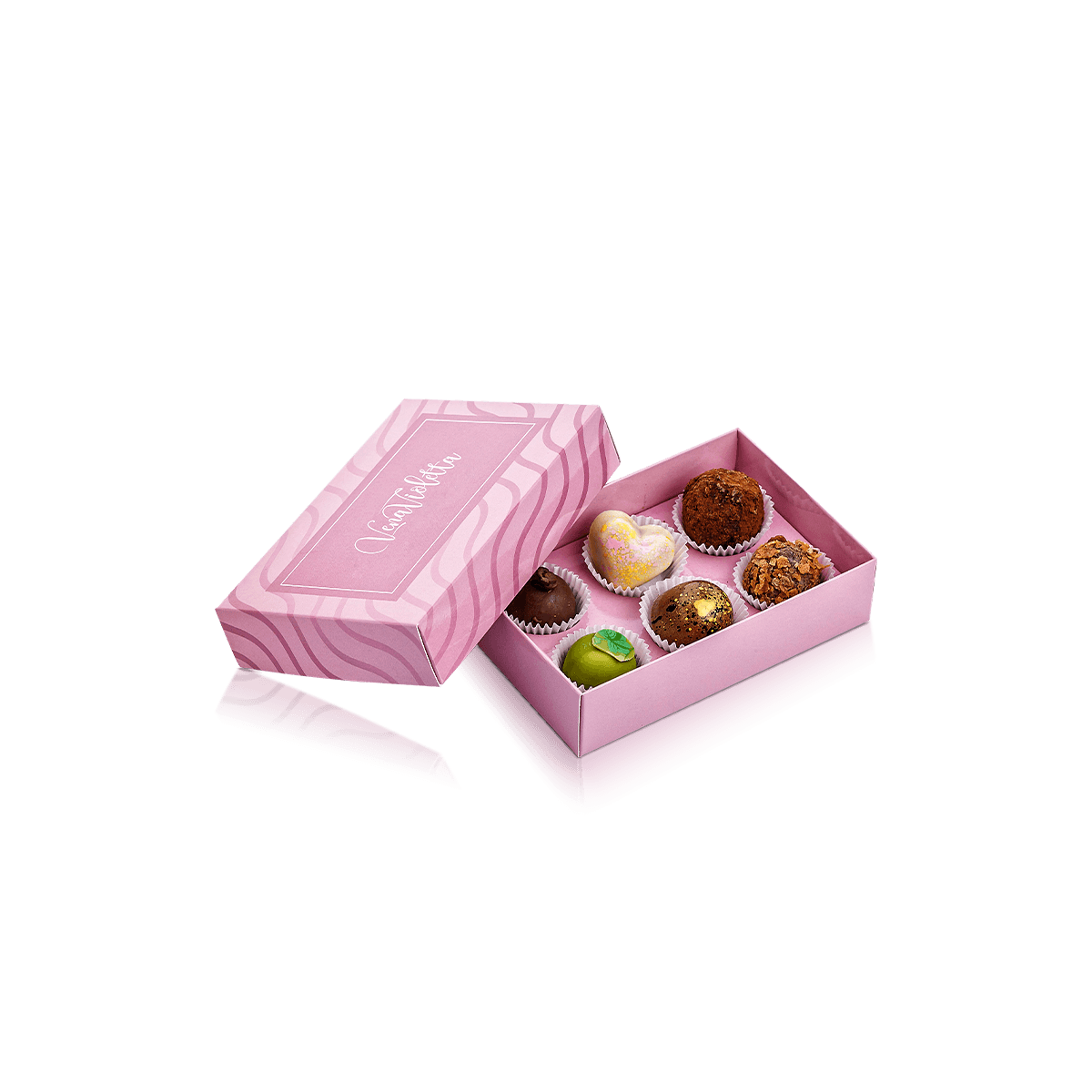
A chocolate assortment can lose value before it is opened if the contents shift, tilt or look uneven through the lid. That is why chocolate boxes work best when the internal layout is treated as part of the product rather than an afterthought. Truffles, pralines, filled chocolates and slim bar-style pieces all behave differently once packed. Some need neat single cavities, some work better in grouped rows and some need paper cups or dividers to stop the finish marking neighbouring pieces. The carton has to hold that order from packing bench to counter display, gift handover or local delivery.

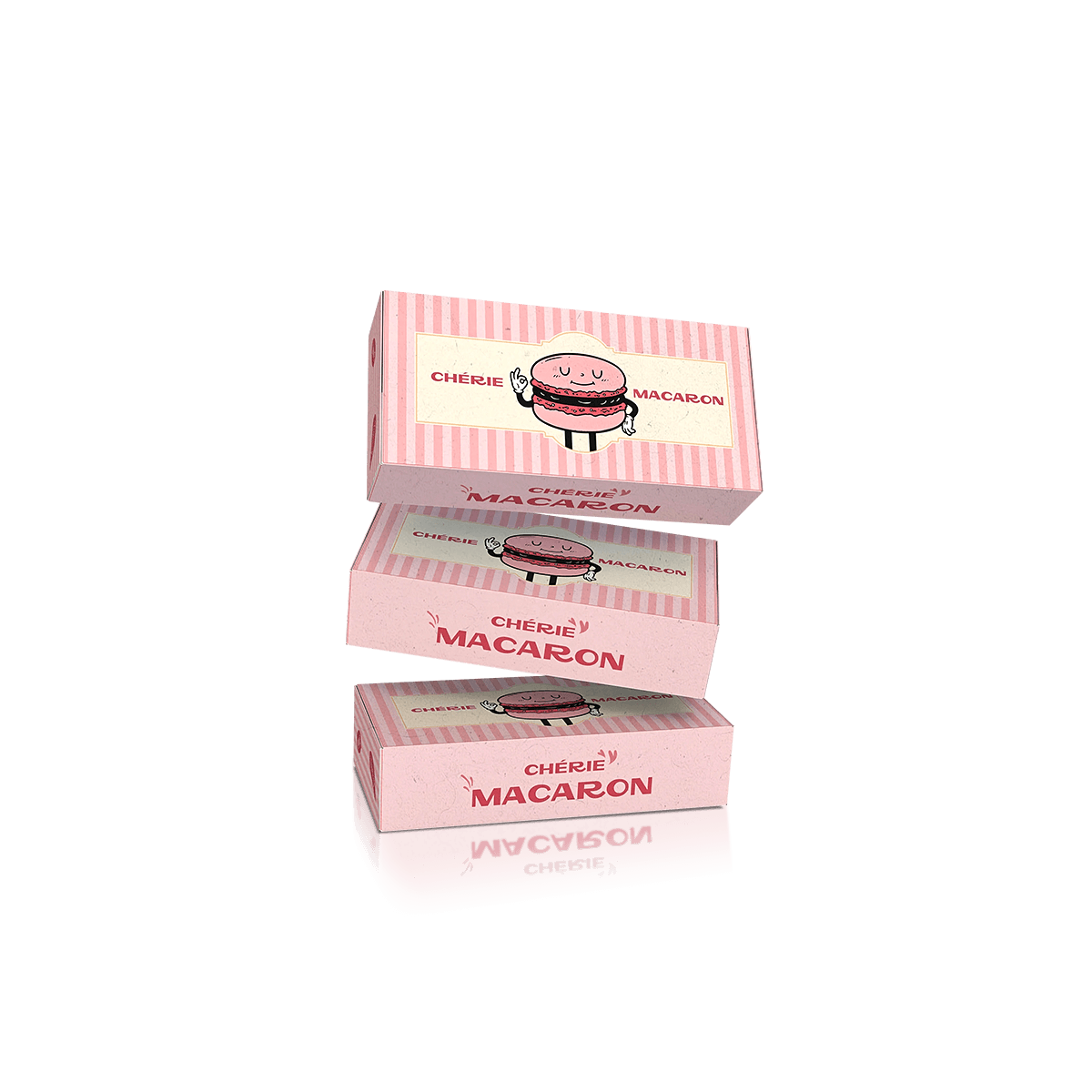
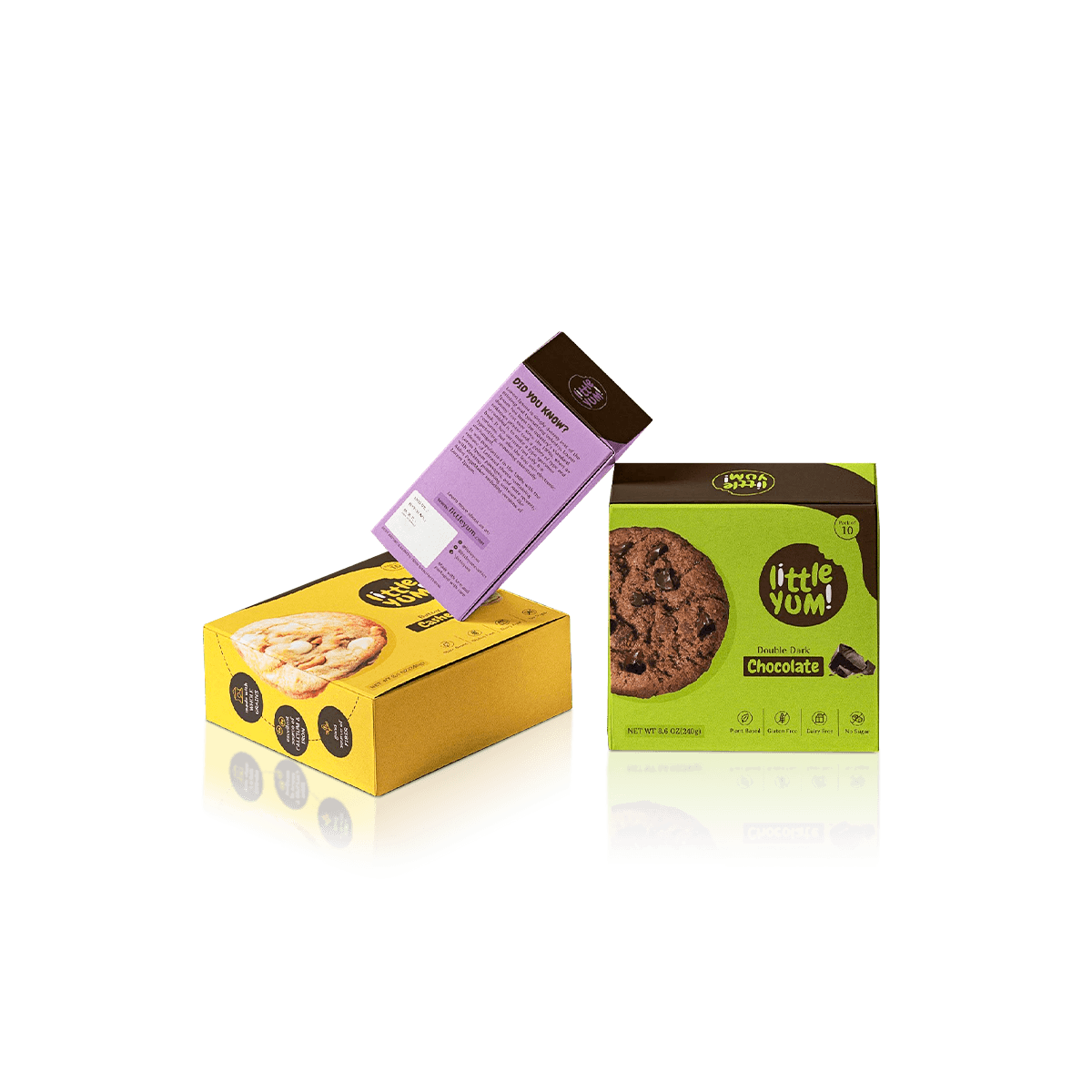
For most confectionery ranges, the strongest route is a paperboard or rigid-board box paired with a tray, insert or divided base that suits the piece count properly. Window panels can help retail display when colour and decoration are part of the appeal, while closed lids, sleeves and more structured presentation formats often feel stronger for gifting and branded sets. Compared with cookie cartons, chocolate boxes usually need more positional control and a more deliberate opening experience. Compared with macaron boxes, they often allow tighter vertical clearance but place more emphasis on count precision and tidy compartment spacing. Before ordering, confirm chocolate dimensions, whether pieces sit in cups or cavities, the exact assortment count, how the set is loaded during packing and whether the range is aimed at everyday retail, seasonal gifting or event distribution.

Packaging Priorities

  • Keeps each chocolate aligned so the set opens looking clean and intentional

  • Reduces rubbing, tipping and surface marking during packing and handover

  • Supports gift-ready presentation for launches, events and seasonal collections

  • Makes mixed assortments easier to organise by flavour, shape or colour

  • Gives printed branding a stronger impact on a more ordered presentation base

Structure, Branding and Fit

Compartment Layouts

Fitted trays and divided interiors keep chocolates neat and separated.

Count-Based Formats

Four, six, twelve and larger assortments need different proportions and loading patterns.

Window Presentation

Clear lid panels suit retail counters and colour-led confectionery ranges.

Gift-Ready Finishes

Foil accents, matte print and refined detailing lift special-occasion presentation.

Tailored Sizing

Custom dimensions match piece height, tray depth and assortment arrangement.

Packaging Insight

In chocolate packaging, perceived value often comes from order and restraint rather than from a larger carton alone. Gift collections, hotel amenities, seasonal boxes and branded event sets are increasingly sold on how curated the assortment looks the moment the lid lifts. That makes internal planning more commercially important than many confectionery pages explain. A box that technically holds twelve pieces may still weaken the offer if the cavities feel loose, the rows look uneven or different piece sizes sit awkwardly together. This matters even more in limited editions and premium ranges where flavour rotation changes the mix through the year. In this category, cleaner count architecture and calmer presentation usually do more for the product than adding heavier decoration to the outside.

Where This Packaging Performs Best

  • Retail assortments displayed through windows on counters and confectionery shelves

  • Gift-ready boxes for launches, seasonal collections and premium handover moments

  • Event favours packed in counted sets with consistent internal presentation

  • Corporate and hospitality gifting where branding needs a polished outer finish

  • Local delivery assortments that need tidier holding than loose confectionery cartons

FAQs

The right insert depends on piece shape and how consistent the assortment is. Uniform truffles often suit repeated cavities, while mixed pralines and varied shapes usually perform better with a tray or divided layout built around the largest and tallest pieces first. If chocolates sit in paper cups, confirm the cup diameter as well as the chocolate size before finalising the insert.

A chocolate box should control movement without squeezing delicate finishes or making loading awkward at pack-out. Too much spare room lets pieces tip and lose their clean arrangement, while an overly tight fit slows packing and can mark the product edges. The useful balance is a secure hold with just enough working tolerance for consistent loading.

A rigid lid and base box is usually stronger for premium gifting, higher price-point assortments and presentation-led collections where the reveal matters as much as transport. A folding carton can work very well for lighter retail packs, simpler counted sets and faster throughput. The better route depends on whether the range is built around gifting value, counter speed or cost efficiency.

Not always. A window can help when colour, decoration or hand-finished detail supports the sale at first glance, especially on counters or shelves. A closed lid may be stronger when the range relies more on brand presentation, stacked storage or a more formal gifting feel. The useful decision is whether visibility or outer finish carries more weight in the setting.

Confirm piece size, tallest item height, exact count, whether chocolates sit in cups or cavities and how the assortment is packed in production. It also helps to check if a window is needed, whether the range is for retail or gifting and how far the boxes will travel after packing. Those points affect tray depth, board choice, closure type and print layout.

Related Industry Packaging

Process

How it works

Simple steps from idea to delivery

01

Tell Us Your Specs

Custom packaging boxes

Tell Us Your Specs

Provide size, quantity, printing, and finishes.

02

Get a Fast Quote

Custom packaging boxes

Get a Fast Quote

Instant transparent pricing, no hidden fees.

03

Design and Approval

Custom packaging boxes

Design and Approval

Artwork checks, revisions, and final sign-off.

04

Produce

Custom packaging boxes

Produce

Expert manufacturing to meet deadlines.

05

Ship to Your Door

Custom packaging boxes

Ship to Your Door

Hassle-free, flexible delivery options.

Start Your Bespoke Packaging Quote

Share your product details, dimensions, quantity and artwork needs. We’ll help choose the right packaging style and send a clear quote.