

Cakes and tall bakes
Prioritise base support, decoration clearance, carrying stability and a lid that can be opened without brushing the finished surface.
Package cakes, pastries, biscuits, chocolates and other confectionery around finished-product clearance, piece separation and presentation rather than treating every bakery item as the same carton.

Your product shouldn’t have to fit an off-the-shelf box.
Share the shape, size, material, finish, or insert you have in mind. We’ll turn the details into a tailored packaging recommendation and a clear quote.
Custom sizes · materials · finishes · inserts
Bakery and confectionery packaging should be sized around the product after icing, glazing, toppings, liners, decoration and portion arrangement are complete. Those final millimetres decide whether a lid clears the product, a window frames it properly and delicate pieces arrive in the position intended.
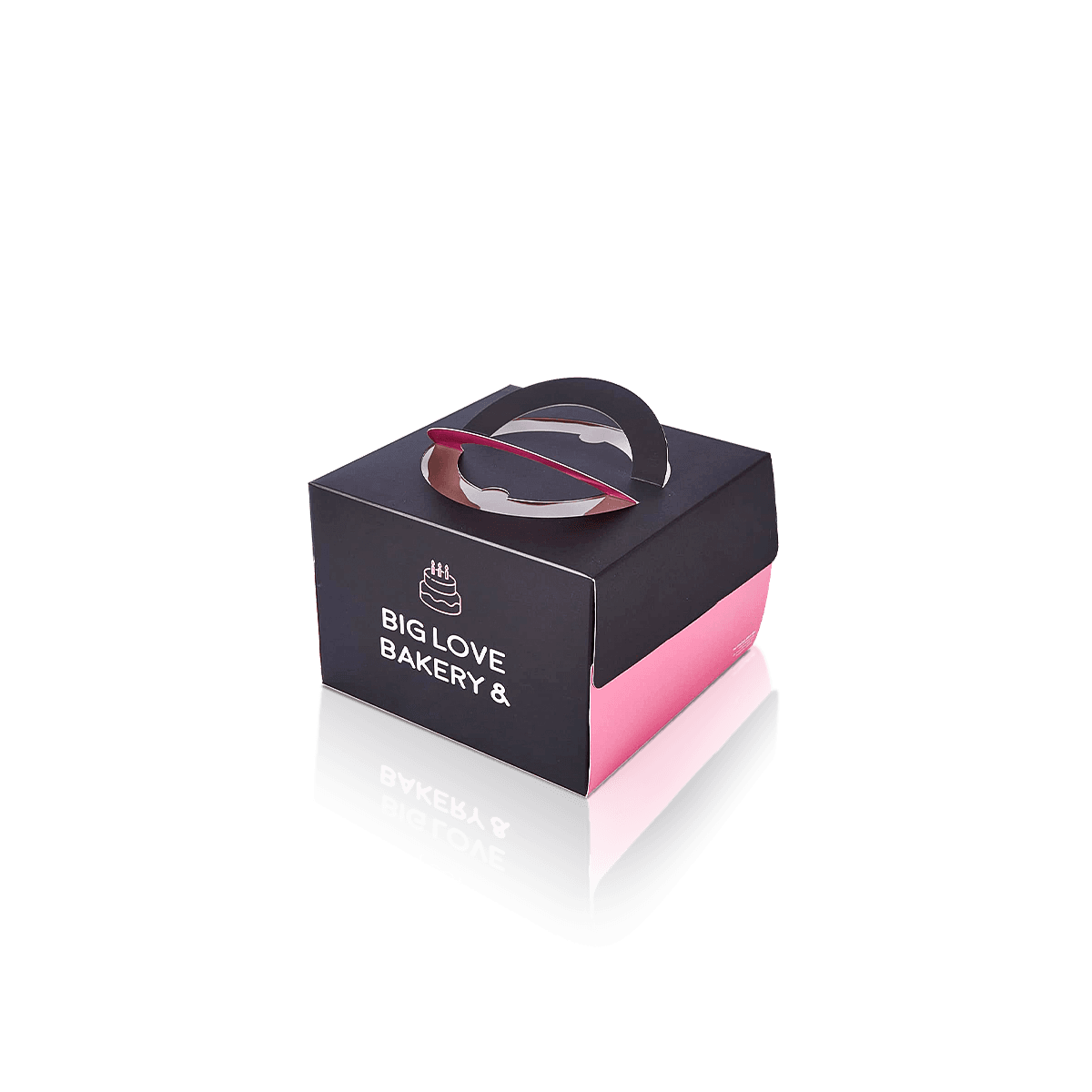
A celebration cake needs a different clearance and base-support decision from a box of biscuits. A custom cake box should therefore start with the finished cake diameter, total height and how it will be lifted and carried, not a generic bakery-box dimension.
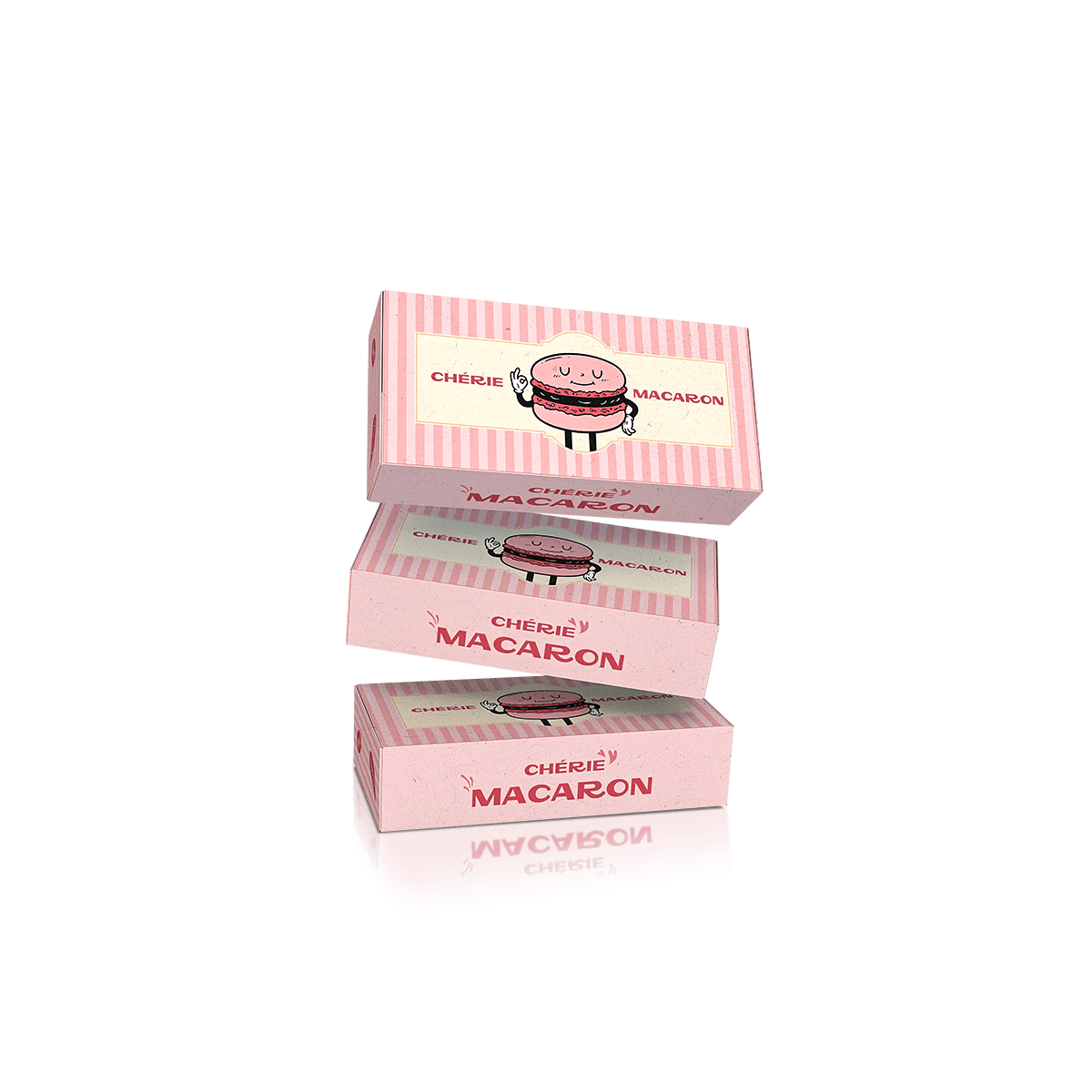
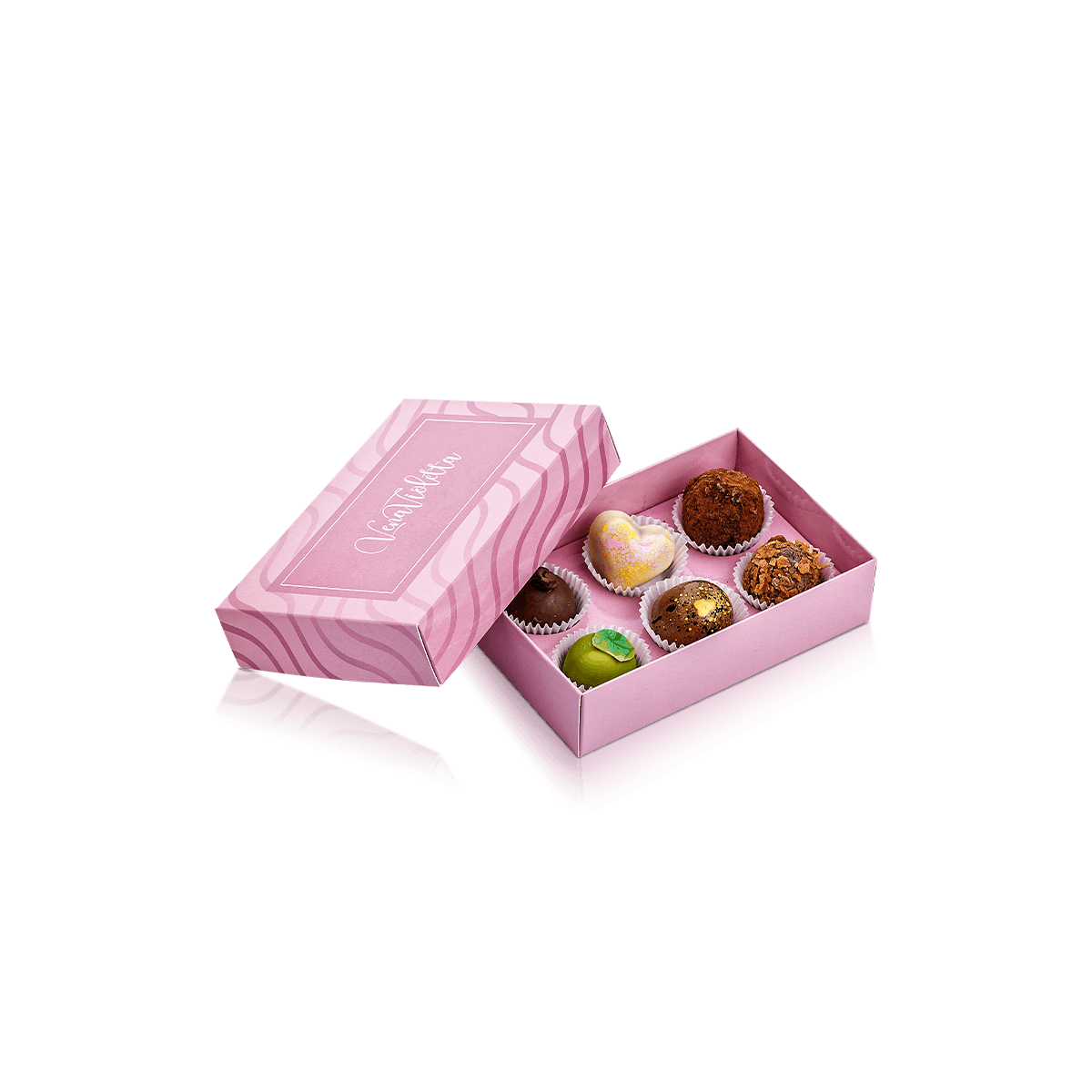
Confectionery creates a different geometry problem. Chocolates and macarons often need repeated cavities or dividers so each piece is presented deliberately. Decide how the product should be seen, separated and protected, then move into the exact format that fits that job.
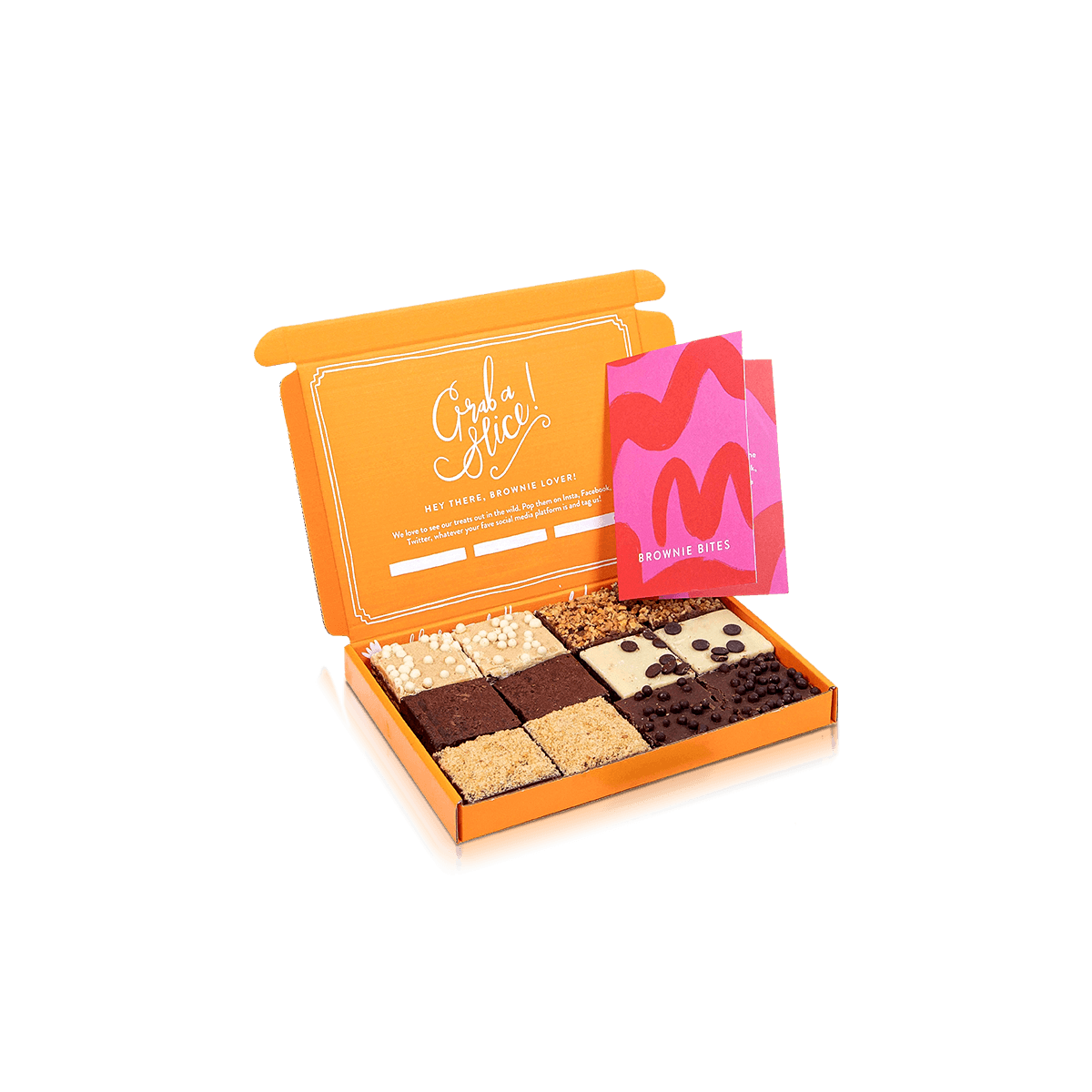
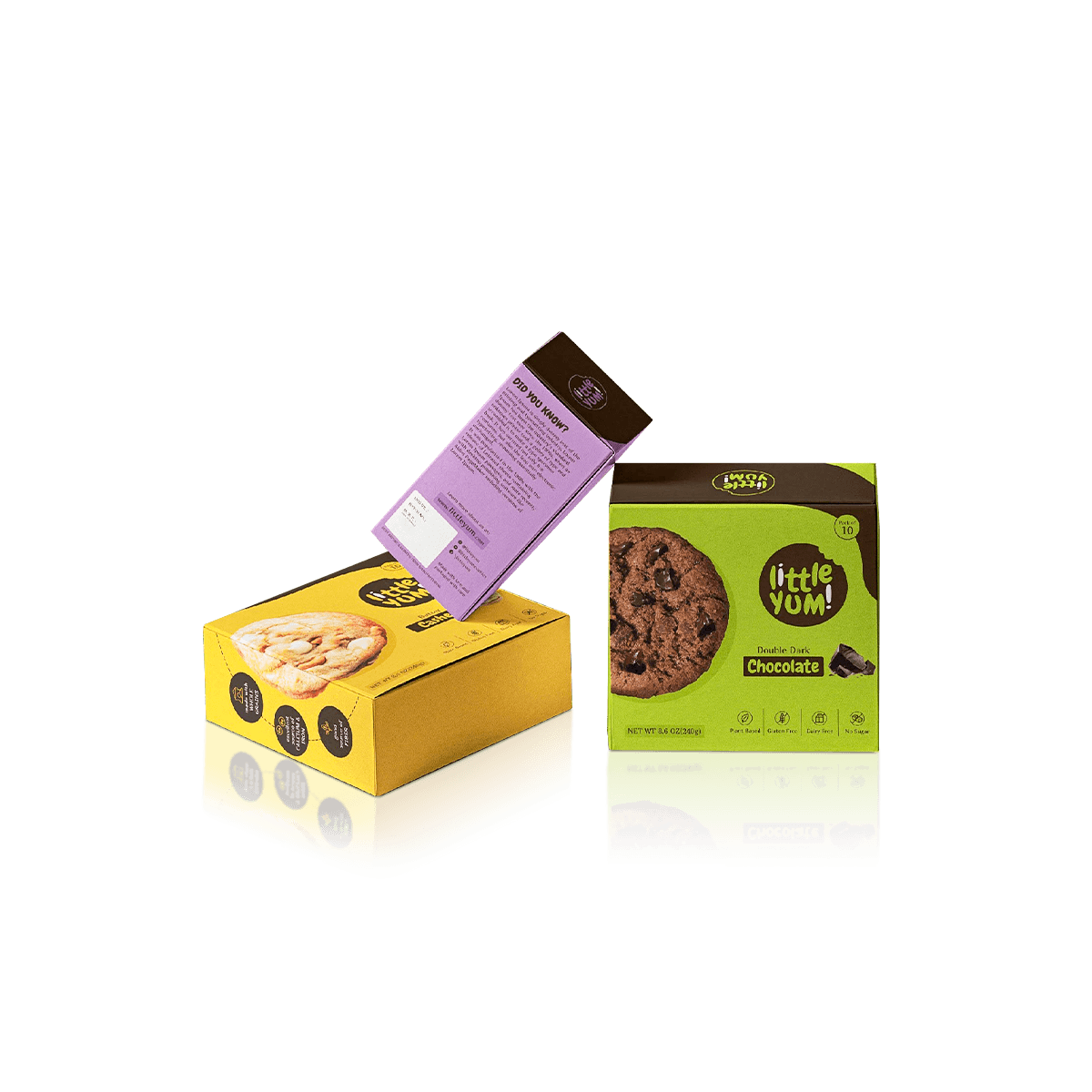
Finished size matters especially for decorated or fragile baked goods. Cookie Boxes and Brownie Boxes should be sized around the baked product, coatings or toppings, liners and expected movement rather than the unbaked base.
Height is not spare space in bakery packaging. It protects frosting, toppers, piped decoration and stacked portions from contact with the lid. Width and depth also need enough tolerance for loading without allowing the product to slide.
For cupcakes, the box and insert have to work together. A cupcake box that is correctly sized outside can still fail if the cavities are too loose, too tight or too close to the lid.
Measure a representative finished product from the largest realistic points. If seasonal decoration changes the height materially, treat that as a packaging variant rather than assuming the everyday specification will absorb it.
Prioritise base support, decoration clearance, carrying stability and a lid that can be opened without brushing the finished surface.
Plan stack height, portion count and whether the product is sold loose, in rows or as a gift selection.
Use controlled spacing when movement would spoil the reveal, mark surfaces or mix products that should stay separate.
Reserve front-facing branding and clear information panels while keeping the carton efficient to fill, close and stack.
A window can make colour, decoration and freshness visible before opening, but it removes printable board and can change panel stiffness. Use it when seeing the product is part of the sale rather than as a default bakery feature.
A mixed chocolate assortment may benefit more from precise internal placement than a large window. Chocolate boxes and macaron boxes should be specified around piece count, cavity layout and presentation rather than around a generic 'premium' finish.
Where dividers or die-cut retention are needed, define the arrangement before locking the outside dimensions. The outer box should grow from the product layout, not force a finished assortment into whatever cavity space remains.
Paperboard, kraft and corrugated structures can all be useful in bakery packaging, but material choice depends on weight, handling, print, direct-contact conditions and whether grease or moisture reaches the board.
Do not treat 'bakery board' as a blanket compliance claim. Confirm the exact substrate, coating, liner or treatment required for the product and use condition before production. A cake carried on a separate board creates a different contact situation from biscuits placed directly against the carton.
When the main need is internal separation rather than outer-box selection, inserts and dividers should be specified from cavity geometry and product movement rather than added after the pack size is fixed.
Group products only when their finished dimensions and protection needs are genuinely close.
Keep a dedicated size for outliers such as tall celebration cakes or unusually deep gift assortments.
Record piece count and arrangement for confectionery so repeat runs do not rely on staff memory.
Reserve information space for flavour, ingredients, allergens, barcodes or labels without placing variable details over structural folds.
Test the size family with the products staff pack most often, not only with an empty sample.
A bakery counter can also sell coffee, sandwiches or hot takeaway food, but those products should not pull the bakery packaging system into a service problem it does not own. Heat, steam, short hold times and multi-item takeaway handoff require different structural decisions.
If the dominant problem is hot-food service or delivery behaviour, use restaurant and takeaway packaging. Keep bakery and confectionery packaging focused on product clearance, presentation, piece control and protection.
This distinction matters commercially because the same business may need both systems. Branding can remain coherent across them without pretending a pastry box and a hot-food carton solve the same physical job.
Before repeating a bakery format at volume, pack the actual product. Check lid clearance, base stiffness, window position, insert fit, carrying behaviour and how the product looks when the box is first opened.
Free 3D mockups can help review artwork and proportions, but they cannot prove whether icing touches a lid or whether a macaron cavity grips too tightly. A physical fit check is more valuable when those tolerances are uncertain.
For celebration-cake programmes where price is the next decision, cake box cost drivers are mainly shaped by dimensions, structure, board, print and quantity. Keep that pricing question separate from choosing a workable bakery packaging system.
MOQ starts from 100 boxes in the UK, which can suit a seasonal first run or a new size before a specification is repeated. Free delivery and design/dieline support are available once the structural direction is clear.
An efficient bakery brief lists the products that need packaging, their finished dimensions, portion or piece count, how they are arranged, whether the product is carried or displayed, and which formats need a window, insert or divider.
Add the expected quantity for each format and identify which products are permanent, seasonal or gift-led. That makes it easier to decide where one box size can serve several products and where a specialist format is justified.
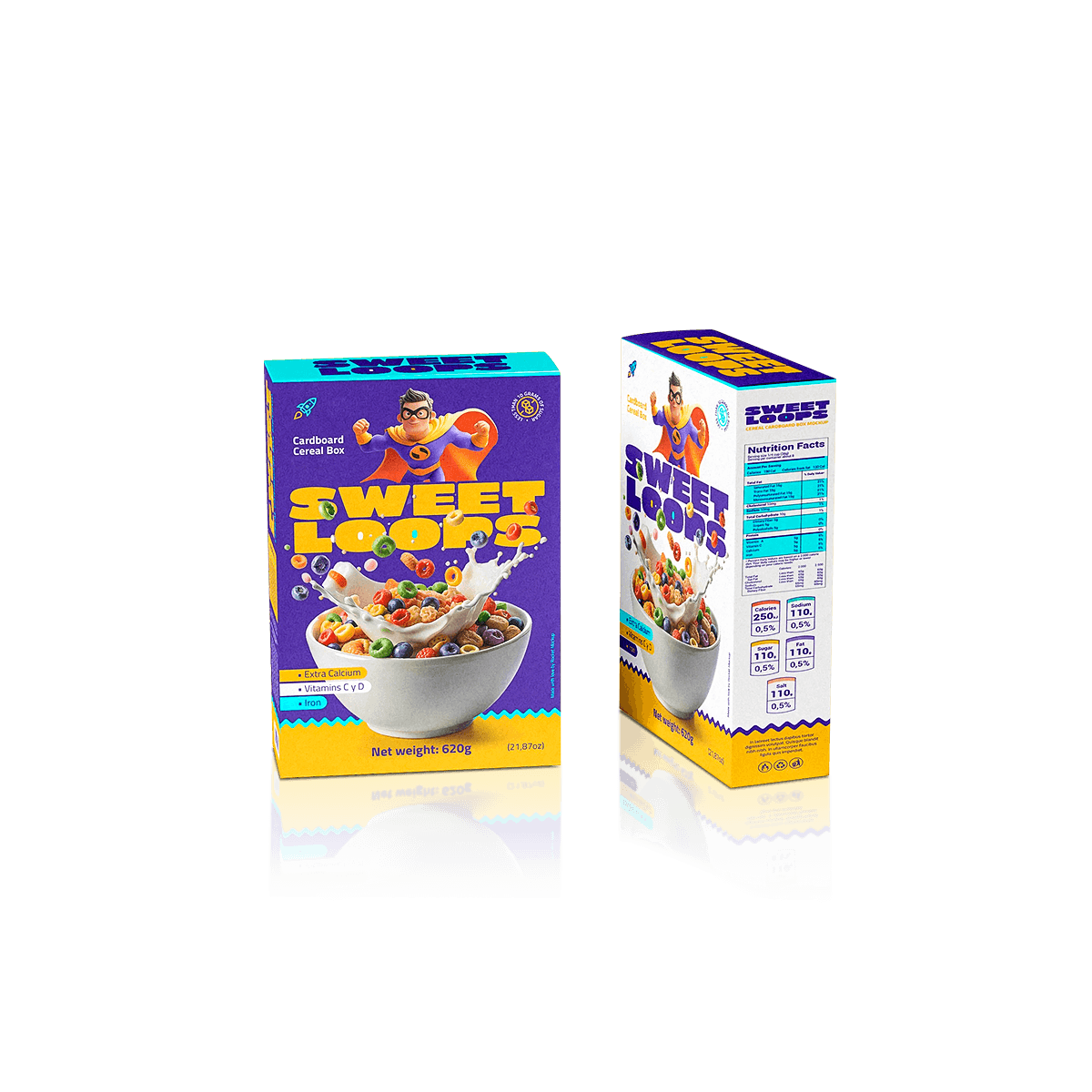
A retail cereal line has different information and shelf needs from fresh counter bakes, so a cereal box specification has separate shelf-information and packing requirements, so it should keep its own specification instead of being treated like fresh counter bakery packaging.
The product map should also separate Donut Boxes where clearance above toppings matters from Cereal Boxes where fill volume, closing method and information space shape a very different carton.
Start Your Bespoke Packaging Quote
Share your product details, dimensions, quantity and artwork needs. We’ll help choose the right packaging style and send a clear quote.