Skip to content
Details

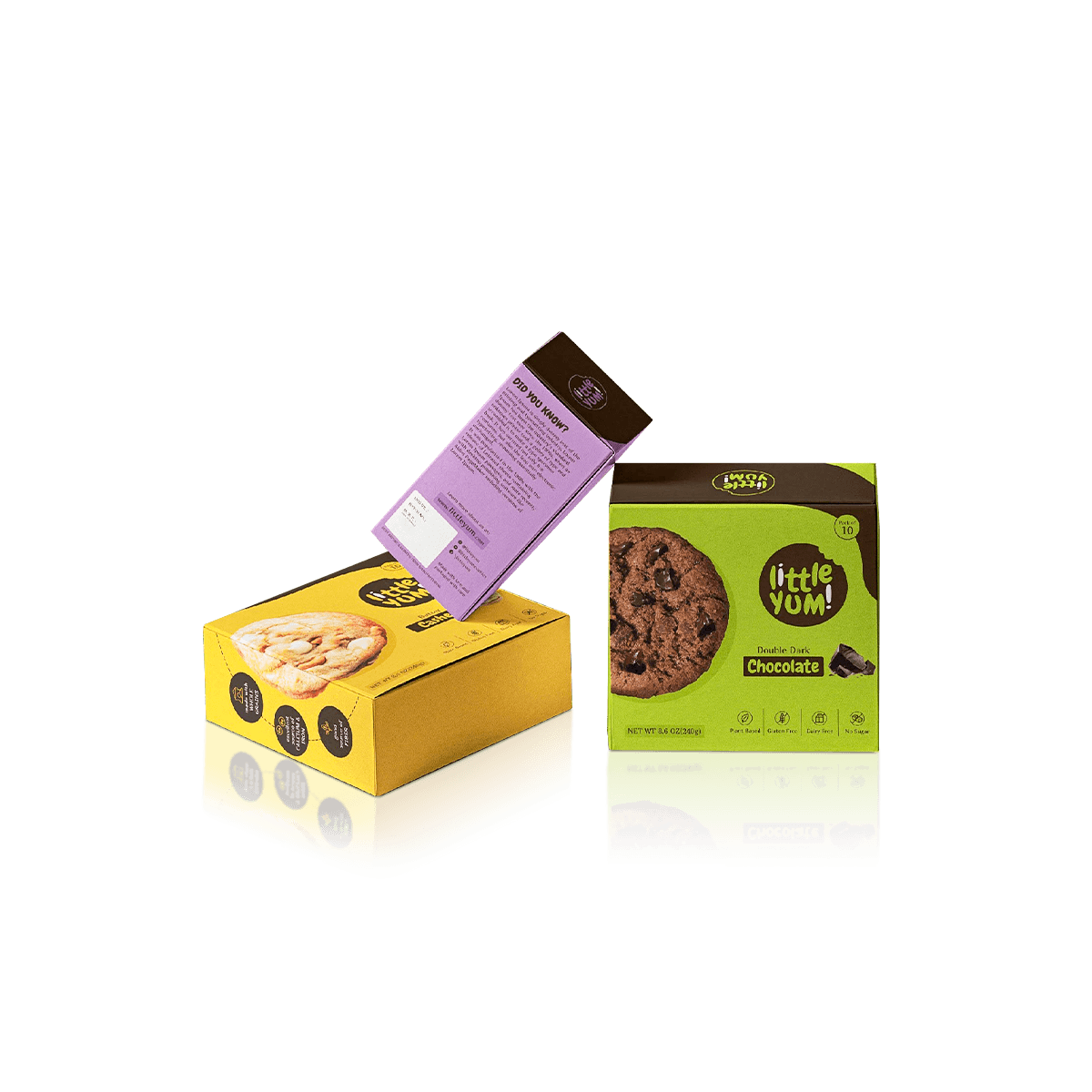
Custom Cookie Boxes

Cookie boxes need to balance neat presentation with practical protection, especially when the range includes iced biscuits, mixed flavours or gift-ready assortments. The right carton depends on count, cookie size, stacking method and whether the order is for display, takeaway or short-distance delivery.

Decide Stack or Single Layer

A cookie box has to answer one question before almost anything else: are the cookies meant to sit on top of one another or be seen individually when the lid opens? That choice changes the footprint, depth, internal support and even the way customers judge the assortment.

Custom Cookie Boxes for everyday bakery sales can often use a compact stack when the biscuits are plain, consistent and strong enough to tolerate light contact. Decorated cookies, sandwich cookies and premium mixed sets usually need more horizontal space because icing, fillings and fragile edges make rubbing far more visible.

Stack Only Stable Cookies

Stacking saves footprint and can make a higher-count box more efficient, but only when the cookies can carry the weight above them without cracking, marking or deforming.

Crisp shortbread, plain biscuits and consistently sized cookies are easier to stack than iced sugar cookies, soft filled cookies or pieces with raised decorations. If separators or liners are needed between every layer, include their thickness when setting the finished depth rather than sizing the carton from the cookies alone.

Spread Out the Visual Set

A single-layer arrangement uses more surface area but gives every cookie its own visible position. That can be worth the extra footprint for decorated sets, seasonal gifting and assortments where colour or individual artwork drives the presentation.

The custom product packaging approach is useful here because the box dimensions can follow the actual finished arrangement instead of a generic small, medium or large bakery size.
Protect the Outer Edge

Cookie damage often starts at the perimeter. A crisp biscuit can look intact in the centre while one chipped edge makes the whole set feel roughly handled.

The box therefore needs enough control to stop the cookies repeatedly striking the side walls, but not such a tight fit that staff scrape edges while loading. For a stack, check the cookie diameter against the usable internal width. For a laid-flat set, check the spacing between neighbouring pieces as well as the clearance around the outer row.

Allow for Batch Variation

Use the largest cookie that appears regularly in the assortment, not an unusually small sample. Handmade cookies can vary slightly from batch to batch, so zero-clearance sizing is rarely sensible.

The tuck box sizing process explains why practical clearance has to account for the packed product, inserts and the way staff load the carton.

Do Not Use Empty Space as Protection

Making the box noticeably larger is not a substitute for internal control. Excess room allows a stack to lean and gives loose cookies more distance to build momentum before they hit an edge.

If movement cannot be controlled through the footprint alone, a simple divider, tray or paperboard support can do more than adding centimetres around the product.

Protect Raised Decoration

Iced and hand-decorated cookies create a different problem from plain biscuits. The top face may be the most valuable part of the product, so the box needs to stop that surface touching the lid, another cookie or a divider during normal handling.

Do not assume a shallow carton is always right just because cookies are flat. Royal icing, piped details, chocolate pieces and sandwich fillings can all increase finished height.

Account for Raised Icing

Measure the cookie after decoration has set and include any raised elements that remain proud of the surface. If the range includes several designs, check the tallest recurring version before approving depth.

A free 3D mockup can help review the overall proportion and artwork before production, but physical clearance should still be checked against the real decorated product where the fit is sensitive.

Separate Only Where Needed

Individual compartments can make a gift set look ordered, but every divider adds material and reduces usable space. Use separation where mixed shapes, fragile edges or decorated faces genuinely need it.

The wider inserts and dividers options are useful when repeat positions matter. For simpler stacks, liners or a well-sized carton may achieve the job with less complexity.

Match Texture to the Journey

A crisp biscuit and a soft bakery cookie do not fail in the same way. Crisp products are more vulnerable to chips and snaps. Soft cookies can compress, stick or mark when stacked too tightly. Filled sandwich cookies add another layer because side pressure can squeeze the filling or distort alignment.

That means the same count can justify different packaging depending on texture.

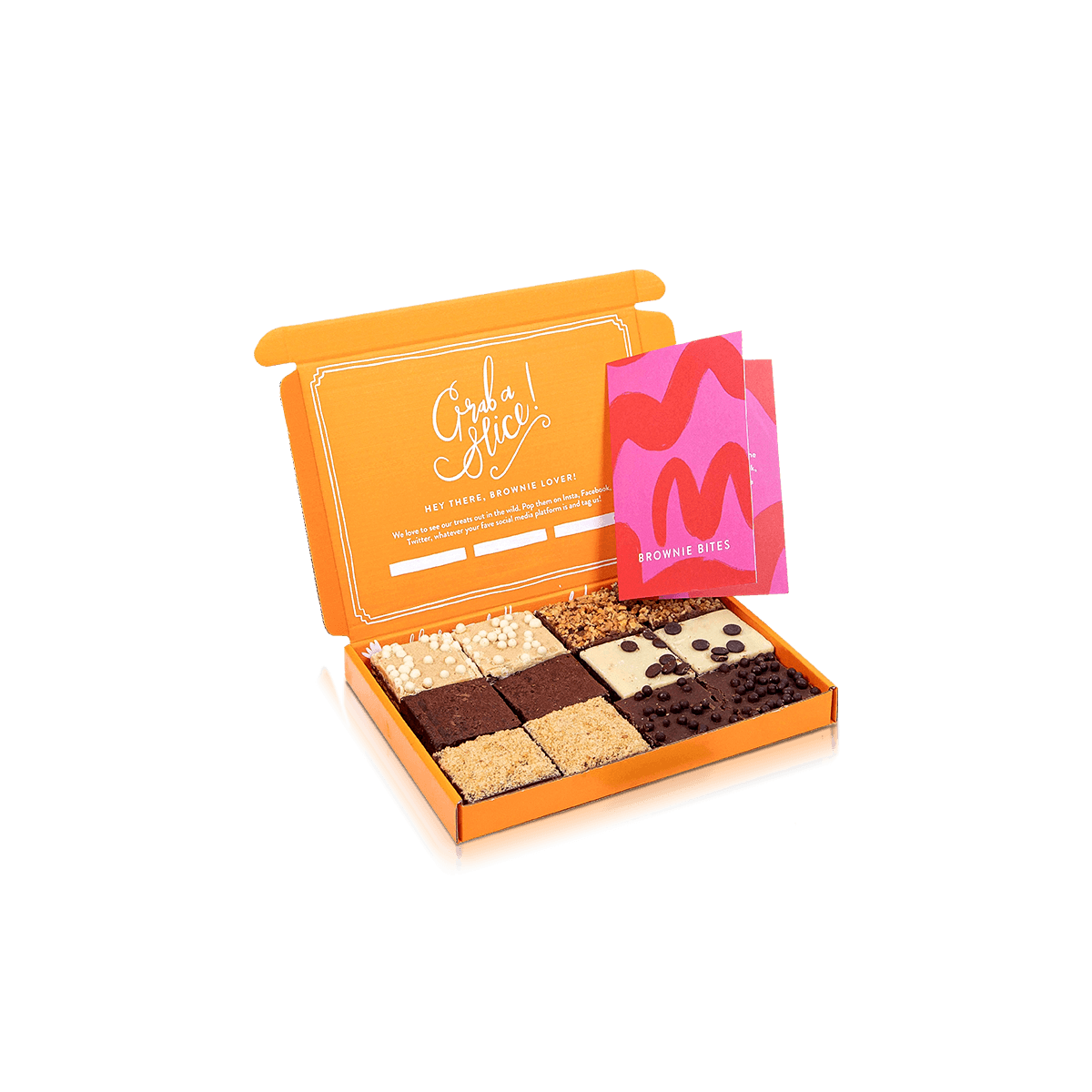
This is also where Cookie Boxes stay separate from Brownie Boxes. Brownies are denser cut portions with more emphasis on soft centres, topping transfer, liners and grease management. Cookies more often need attention around perimeter damage, stack pressure and surface scuffing.

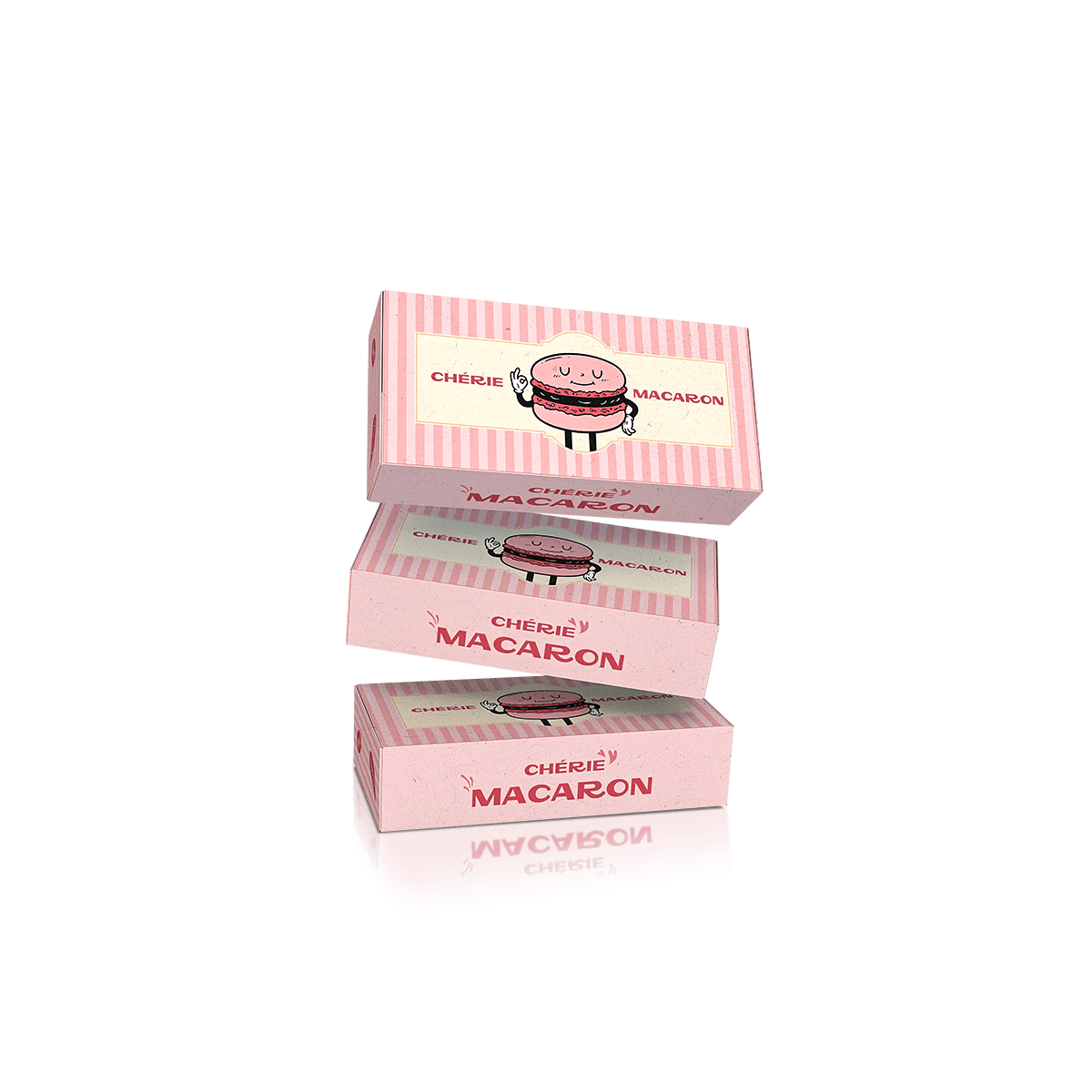
Across Bakery and Confectionery, that product-specific approach matters because cookies, brownies, cupcakes and macarons fail in different ways even when their outer boxes look superficially similar.

If one bakery sells both, reusing one shallow carton may look efficient on a stock list but can force two very different products into the same handling logic.

Do Not Promise Freshness With Card

A paperboard cookie box can protect presentation and reduce physical damage, but the outer carton alone should not be treated as an airtight freshness system.

If the recipe needs a stronger moisture, aroma or shelf-life barrier, solve that through suitable inner wrapping, bags or another food-contact layer and then size the printed carton around the complete packed product. This is particularly important for retail or postal cookies held longer than a quick counter-to-customer handoff.

Any material that directly contacts unwrapped food should be specified for the intended contact conditions. The decorative outer box and the food-contact layer do not have to perform the same job.

This distinction is commercially useful because it prevents money being spent on a heavier presentation carton in the hope that thickness alone will control product freshness.

Use Windows With Restraint

A window can make decorated cookies immediately visible on a counter or gift table, but the opening should follow the product position rather than simply occupy as much lid area as possible.

If the cookies sit in a single layer, the window can reveal the arrangement cleanly. With a stacked format, a large aperture may show only the top cookie while removing useful print area and stiffness from the lid.

For projects where visibility is central, custom box styles and shapes includes window-led carton options that can be assessed around aperture size, closure and panel strength.

The decision rule is straightforward: use a window when seeing the cookies before opening helps the sale. Use a solid printed lid when stacking, gifting or brand presentation matters more than immediate visibility.

Use a Separate Postal Outer

A gift carton that looks excellent on a bakery counter is not automatically a courier-ready shipping box. Postal cookie orders face drops, vibration, stacking and repeated changes of orientation that a lightweight presentation carton may not be intended to handle.

For fragile shipped assortments, first stabilise the cookies inside their presentation box. Then decide whether that box needs a stronger corrugated outer layer for dispatch.

Custom mailer boxes provide a more appropriate starting point when the parcel itself must handle courier movement. The inner cookie box can then focus on product layout and reveal rather than being over-engineered to perform two unrelated jobs.

This separation also helps brands avoid the opposite mistake: putting every local collection order into heavy corrugated packaging simply because some orders travel by post.

Make Seasonal Sets Flexible

Cookie businesses often change shapes, icing artwork and flavour mixes more frequently than they change the basic selling count. Packaging becomes easier to manage when stable dimensions are separated from seasonal graphics.

If Christmas, wedding or corporate sets use cookies with similar maximum dimensions, one proven carton size may support several artwork versions. A printed box sleeve can also change campaign presentation while leaving the main box specification intact.

MOQ starts from 100 boxes, which can make focused seasonal runs practical without forcing a bakery to redesign every structural detail for each campaign.

For smaller bakeries establishing their first repeat sizes, custom packaging for small business can help keep the first structure manageable while artwork evolves.

The cost mistakes that increase packaging spend are relevant here because unnecessary size proliferation, overcomplicated inserts and too many low-volume variants can raise cost long after the first quote.

Make Variants Easy to Identify

Cookie ranges often change by flavour, event or decoration while the physical carton stays the same. Give flavour names, seasonal identifiers or product labels a consistent position so staff and customers can distinguish variants without relearning the box each time.
If the lid includes a window, keep that identification away from the aperture and folds. On a solid lid, use the larger print area without filling every surface simply because space is available.

Premium offset printing can support detailed graphics and controlled repeat colour where the quantity and artwork justify it. CMYK suits full-colour illustration, while Pantone references can help with tighter brand-colour control.

Custom Packly has an established packaging team that can keep the physical cookie layout stable while flavour identification or seasonal artwork changes around it. Dimensions, dividers and print are not restricted to a fixed stock system, and packaging specialists are available 24/7 when a variant or production question needs resolving.

The packaging customisation options can then be narrowed to treatments that improve this particular set instead of adding foil, embossing or lamination simply because they are available.

Approve the Actual Arrangement

Do not approve a cookie box from an empty sample alone. Load the real count in the real orientation and handle it the way staff, customers or couriers will.

For stacked cookies, check whether the column leans after carrying. For single-layer sets, look for edge contact and see whether pieces migrate into unused space. For decorated cookies, close and reopen the lid to confirm nothing has touched the top surface.

Free sample examples can help compare materials and print quality. When a precise cookie layout, insert or unusual decorated height needs physical checking, a paid fully custom sample can be arranged before the main run.

The packaging dieline and artwork setup becomes useful once the dimensions and structure are stable. For supported box styles, the free dieline generator can provide a starting layout before final artwork is placed.

Reduce the Core Size Count

Before pricing another cookie carton, look at the layouts already doing most of the sales. If several seasonal sets share the same maximum cookie diameter and depth, they may not need separate structures.

Use one or two recurring layouts as the physical standard, then change sleeves, labels or print where the product dimensions stay the same. Request an instant packaging quote once those core sizes are clear rather than pricing every flavour or occasion as a different box.

Keep local and postal systems separate where their handling demands differ. One compromise box should not dictate both.

FAQs

That depends on the cookie type and how you want the order to look when opened. Stacked biscuits often suit compact cartons with stable side walls and controlled headspace, while decorated or premium assorted cookies usually perform better in flatter single-layer boxes. If the finish matters as much as the quantity, a spread layout often gives a cleaner result than stacking.

Not always, but they help when the order includes mixed flavours, fragile edges or decorated biscuits that should not rub together. Simpler everyday bakery packs may work well without them, especially for quick takeaway. Inserts become more valuable when presentation needs to stay tidy through transport or when the set contains premium biscuits sold as gifts.

Paperboard suits many cookie cartons because the product is generally flatter and lighter than cakes or cupcakes. For larger counts, heavier biscuits or orders that travel further, corrugated constructions can provide better base support and shape retention. The useful check is whether the carton stays square once filled and whether the contents remain stable during normal carrying and stacking.

Window lids are often stronger for retail counters, decorated biscuits and gift presentation because the product helps sell itself visually. Fully printed lids can be better when cartons are stacked, shipped in larger batches or used for more brand-led presentation. The right route depends on whether visibility at first glance matters more than uninterrupted print space.

Confirm cookie size, thickness, count per box, whether the cookies are stacked or laid flat and how delicate the edges or toppings are. It also helps to check if liners, dividers or trays are needed and whether the order is for display, takeaway or short delivery. Those details affect box depth, footprint, closure style and board strength before print is finalised.

Process

How it works

Your Packaging Journey, From Idea to Production and Delivery

01

Tell Us Your Specs

Custom packaging boxes

Tell Us Your Specs

Provide size, quantity, printing, and finishes.

02

Get a Fast Quote

Custom packaging boxes

Get a Fast Quote

Instant transparent pricing, no hidden fees.

03

Design and Approval

Custom packaging boxes

Design and Approval

Artwork checks, revisions, and final sign-off.

04

Produce

Custom packaging boxes

Produce

Expert manufacturing to meet deadlines.

05

Ship to Your Door

Custom packaging boxes

Ship to Your Door

Hassle-free, flexible delivery options.

Get Your Quote for Custom Cookie Boxes

Share your product details, dimensions, quantity and artwork needs. We’ll help choose the right packaging style and send a clear quote.