Skip to content
Details

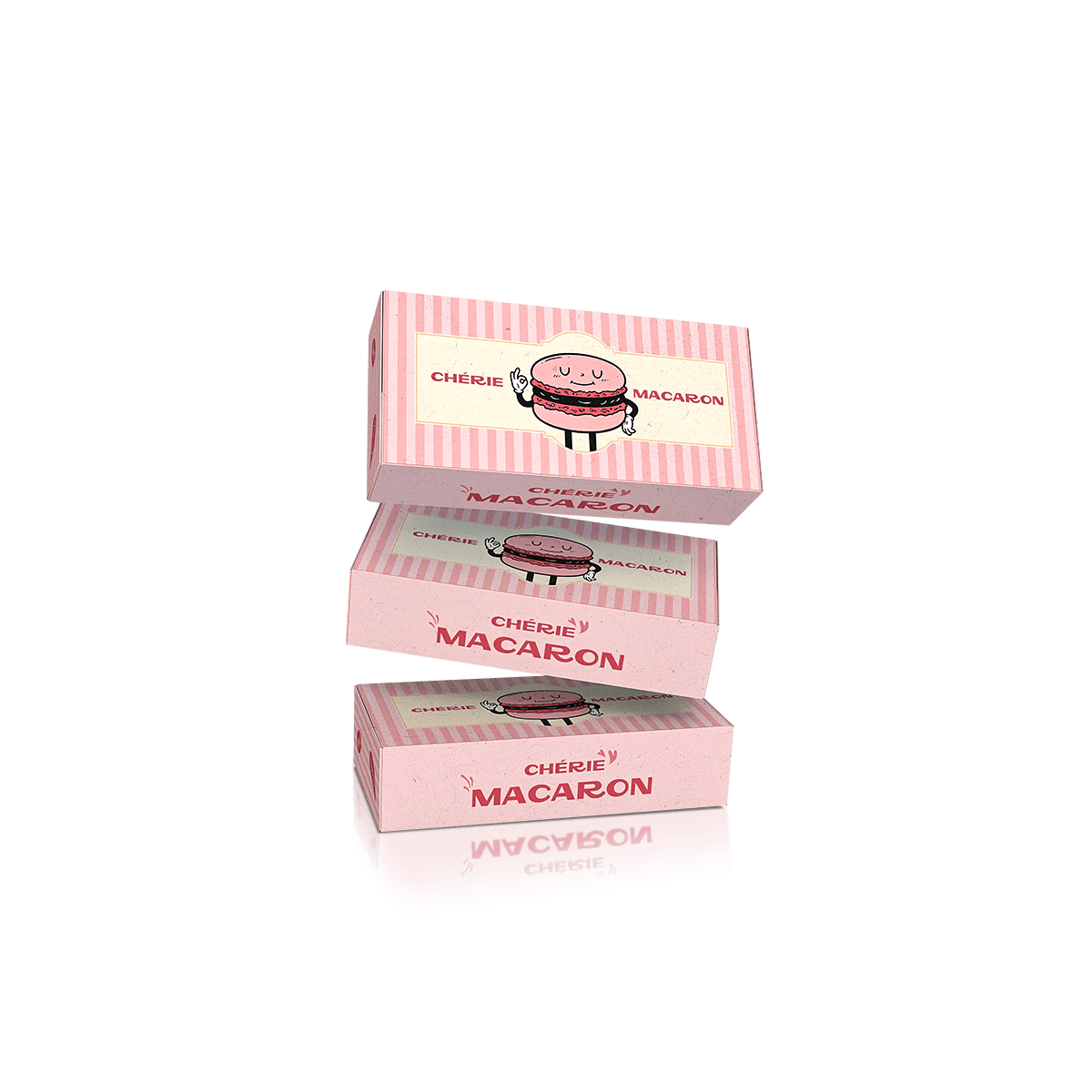
Custom Macaron Boxes

Macaron boxes have to protect fragile shells, preserve neat rows and support a premium handover. The best carton depends on cavity fit, count, travel distance and whether the macarons are sold for retail display, gifting or event service.

Protect the Macaron Feet

The ruffled foot around a macaron can chip before the centre of the shell shows any obvious damage. That makes contact pressure more important than simply choosing a box that looks snug.

Custom Macaron Boxes need to stop rolling and sideways movement without squeezing the shell edges. A cavity that is too loose lets each piece gather speed when the carton tilts. One that is too tight can put pressure on the very part the insert is supposed to protect.

Use the Filled Thickness

Measure the finished diameter and total thickness after filling, not the empty shells before assembly. Ganache, buttercream and other fillings can change the final thickness enough to affect row length, cavity width and lid clearance.

If several flavours use the same box, measure a realistic sample from each recurring flavour. The aim is to find the working size band rather than build the insert around one unusually small macaron.

The custom product packaging approach follows the same principle: size the packaging around the finished product as it is actually packed.

Support Without Pinching

The insert should restrain the macaron through stable contact points while leaving the fragile shell surface free from hard compression. Do not solve movement by making every cut-out aggressively tight.

A small amount of controlled tolerance helps staff load the set without twisting the macarons into position. The exact allowance depends on product variation, insert material and whether the macarons sit flat or on edge.
Decide How They Travel

A macaron lying face-up behaves differently from one standing on edge in a row. Orientation changes which direction movement happens, which surfaces are exposed and how the box should open.

Face-Up Sets

Face-up presentation works well when each macaron has a defined position and the top surface needs to remain visible. The insert controls lateral movement around each piece while the lid needs enough clearance to avoid contact.

This layout uses more footprint per macaron, so it is usually more justified when presentation matters strongly or the count is modest.

Edge-On Rows

An edge-on row uses space efficiently and can create a clean line of colour, but spare length becomes important. If the row can slide from end to end, the first and last macarons absorb most of the impact when the box changes direction.

That is why row length should be calculated from the real finished thickness of the macarons together with controlled end clearance, not from a generic count such as six or twelve.

Control the Row Ends

The most overlooked part of an edge-on macaron box is often the space at each end. Even when every macaron fits neatly side by side, a few extra millimetres across the full row can allow the group to shift as one unit.

An insert or end stop should limit that travel without compressing the row. The goal is restraint, not clamping.

Die cut inserts are useful when repeat positioning and tighter control matter because the cut pattern can be planned around the actual product dimensions and removal method.

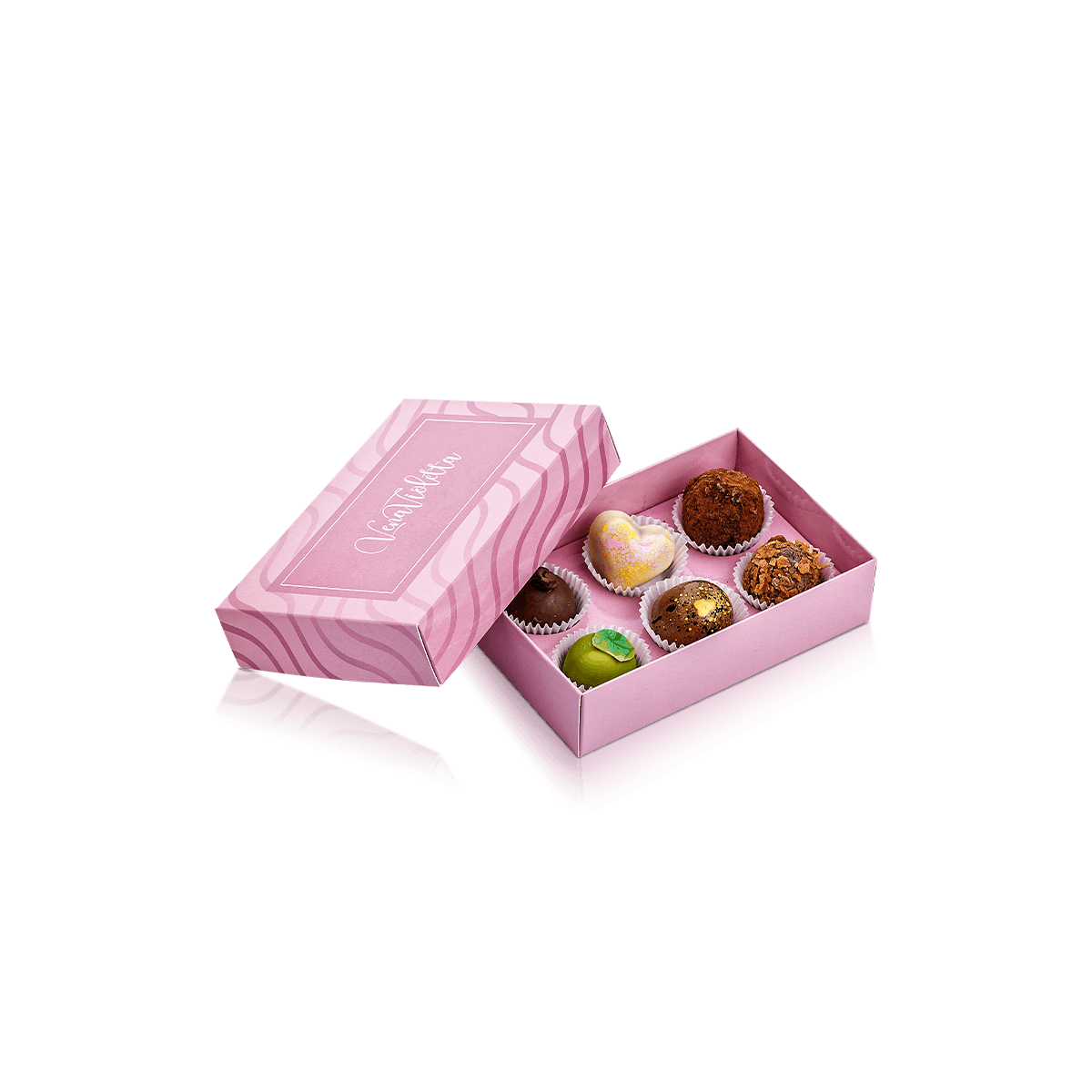
This is also where Macaron Boxes separate from Chocolate Boxes. Chocolate assortments may contain mixed shapes, cups and several cavity sizes. Macarons usually create a repeated geometry problem, so consistency of spacing and pressure becomes more important than accommodating many different shapes.

Check the End Pieces After Movement

Fill the box with the real macarons, close it and move it through the normal collection or delivery routine. After gentle tilting, reopen it and inspect the first and last macarons in each row for shell dust, chipped feet, rotation or pressure marks.

The test should include removal as well. A set can survive movement perfectly and still fail if the first macaron has to be squeezed out of its position.

Free sample examples can help compare materials and finishes. When exact insert geometry needs checking against the real product, a paid fully custom sample can be arranged before production.

Allow for Batch Variation

Macarons are handmade or semi-handmade products in many patisserie settings. Even with a controlled recipe, shell diameter and filling thickness can vary slightly across batches.

A good insert should tolerate normal production variation without becoming loose enough to let the product rattle. That is a different target from making one sample fit perfectly.

Check the Largest Repeat Size

Take measurements from several finished macarons and identify the upper end of the normal range. An occasional outlier does not necessarily need to dictate every box, but the specification should comfortably accept the largest size you regularly expect to sell.

Give Fingers a Release Point

An insert that holds the macaron securely but makes it difficult to lift out is too aggressive. Customers should not need to squeeze the shell or dig a finger underneath a fragile edge.

Finger access, insert depth and the amount of exposed side wall should be considered together. As an established packaging company, Custom Packly can develop the insert and outer carton as one specification rather than treating the cavity as an afterthought. Unusual spacing and count requirements can be customised rather than forced into stock insert patterns.

Packaging support is available 24/7 when product variation or insert tolerance needs to be resolved before production.

Choose a Calm Opening

The opening action should not create a second transport event inside the box. A structure can hold macarons securely while closed and still disturb them if the tray jerks, drags or changes direction sharply during opening.

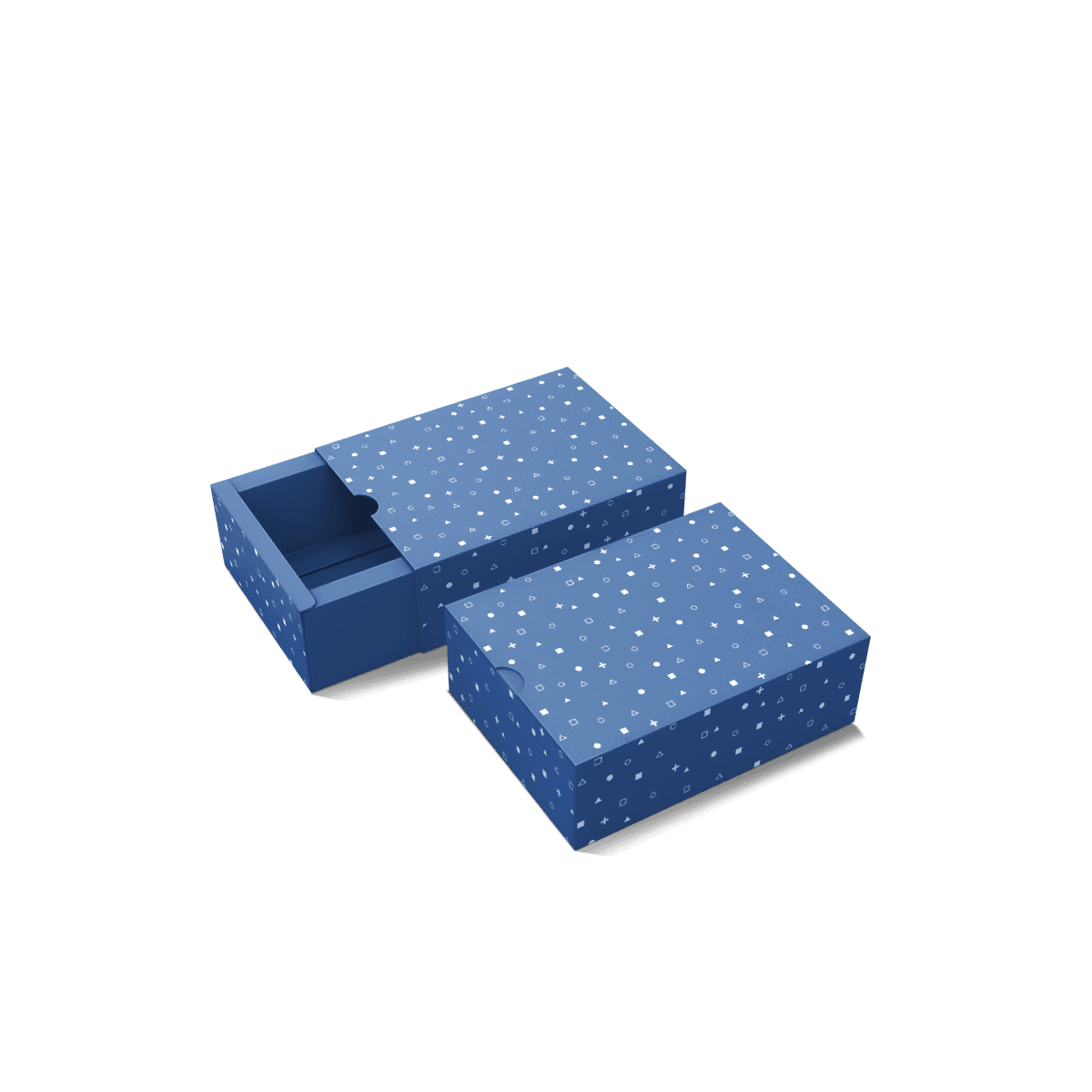
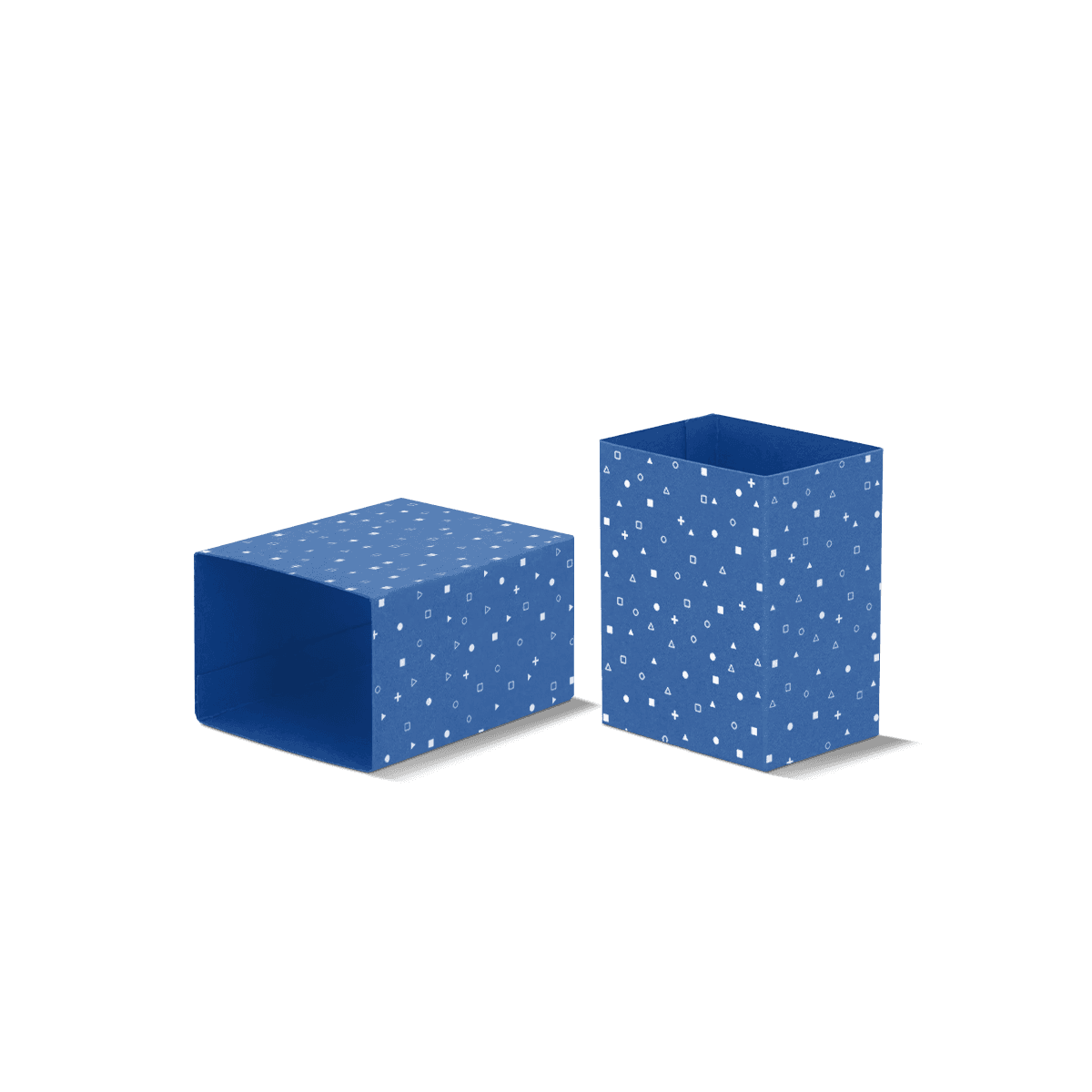
A conventional top-opening carton gives direct access without moving the full row. A tray and sleeve box can create a more deliberate reveal, but the inner tray and insert need to keep the macarons stable while the tray slides out.

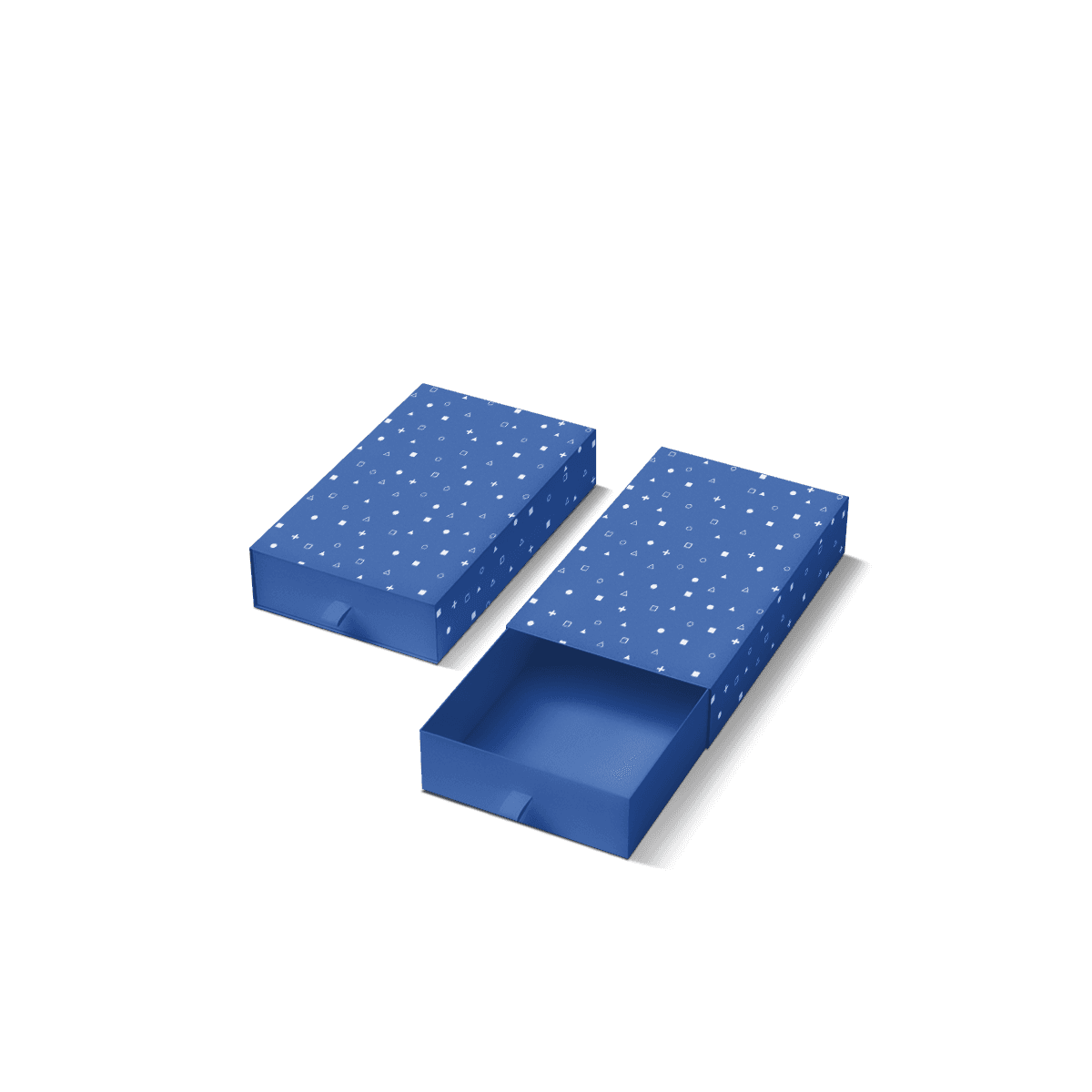
Drawer-style presentation can work for the same reason, provided the product is restrained independently of the sliding motion. The opening style should earn its place through presentation and usability, not merely because it looks more premium in a photograph.

Treat Chilled Handling Separately

Macaron presentation packaging is not temperature-control packaging. If the product is chilled before sale or delivery, the carton still needs to be assessed under the conditions it will actually encounter.

Changes in temperature can lead to condensation around chilled products or surfaces. Paperboard, windows, print and insert fit should therefore be checked through the normal packing and handoff sequence rather than only in a dry room-temperature sample.

If the macaron touches an insert, liner or carton surface directly, confirm that the material specification suits the intended food-contact conditions.

The useful rule is to keep the jobs separate: let the box control position and presentation, then manage temperature and storage through the appropriate food-handling process.

Small Counts Expose Errors

A one-, two- or three-macaron favour leaves less room for error than a larger set. There are fewer neighbouring pieces to limit movement and the box itself becomes a larger part of the presentation.

That makes proportion especially important. An oversized two-piece box can make the contents look accidental, while an over-tight insert can make a small favour awkward to open.

Macarons used as wedding, launch or hospitality gifts can also sit inside Event Favour Boxes when the project includes a wider event presentation rather than confectionery packaging alone.

MOQ starts from 100 boxes, which can suit focused favour runs and limited flavour launches. Where a fixed event date matters, typical UK production is 4–6 working days after approval, subject to the final specification.

Use the Small Print Area Well

Macaron boxes are often compact, so artwork has less room to breathe than on cake boxes, mailers or large gift cartons. Trying to place a logo, long flavour copy, event message and several finishes on every visible panel can make a small box feel crowded.

Prioritise the information that must be seen while closed. Flavour identification can sit on a sleeve, label or controlled panel if the main box is intended to stay visually quiet.

Custom printed boxes can use CMYK or Pantone colour with inside or outside print, while premium offset printing becomes useful where fine typography, stable colour and repeat consistency matter.

If the artwork changes across flavours or event versions, digital versus offset printing helps decide whether one large total quantity is really several smaller artwork runs.

A free 3D mockup can also show whether the branding still reads once the window, sleeve edge, opening direction and compact panel sizes are visible together.

Scale Counts by Repetition

Macaron ranges often use several counts while keeping one core product size. That creates an opportunity to scale the packaging through repeated spacing rather than redesign the internal logic for every box.

If a six-piece row works well, the cavity spacing or row pitch can become the reference for larger counts. The outer dimensions change, but the relationship between each macaron and its support can stay consistent.

That makes packing easier for staff and reduces the risk that a twelve-piece box suddenly grips more tightly than the six-piece version simply because it was developed separately.

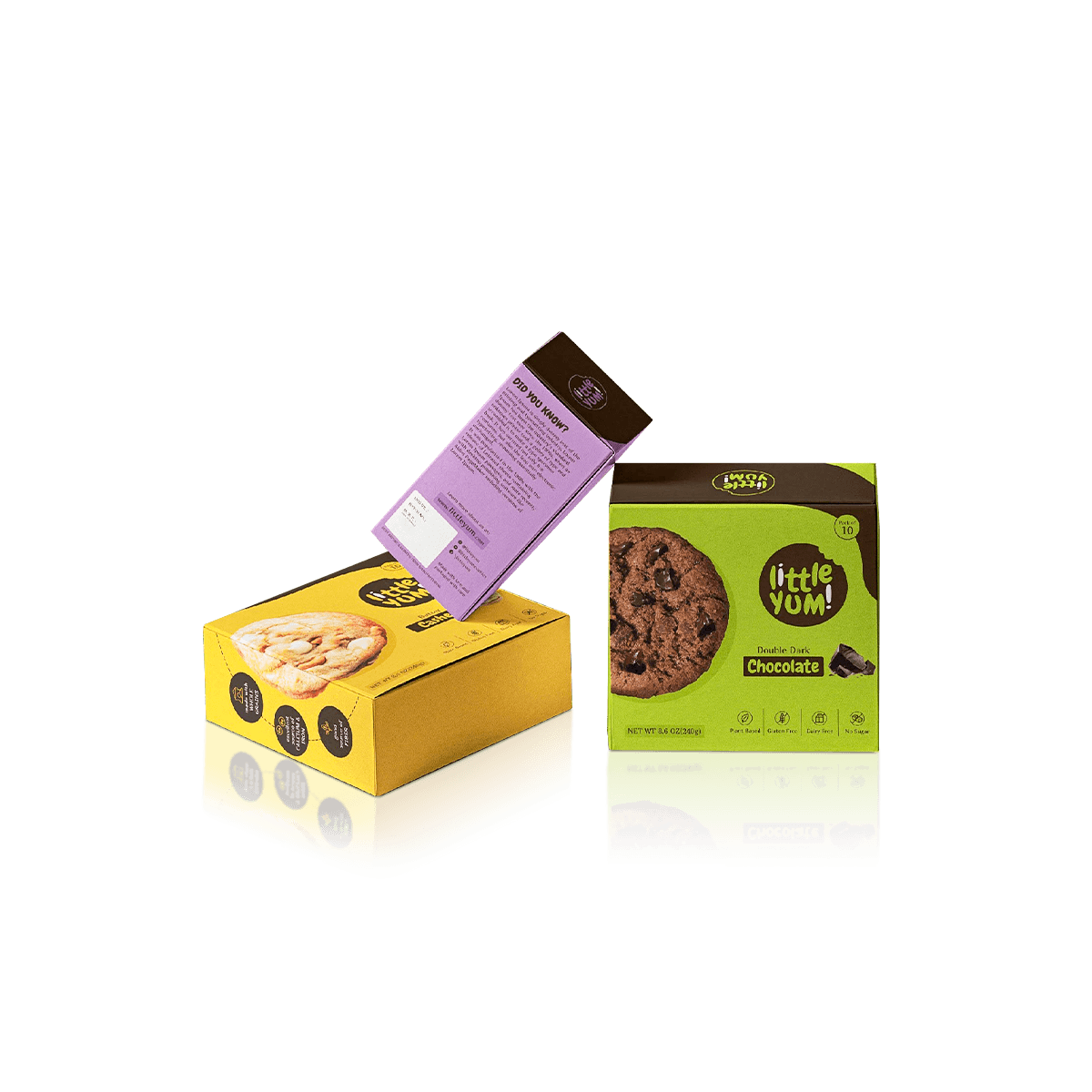
For patisseries selling chocolates, cookies, cakes and other products alongside macarons, bakery and confectionery packaging should still follow each product's physical behaviour rather than forcing every item into one shared internal system.

Resolve the Insert Before Artwork

The insert determines more than product protection. It affects the usable internal dimensions, the outer carton size and, in some structures, the position of windows or opening features. Final artwork should therefore wait until that geometry is stable.

The packaging dieline process explains how cut lines, creases, bleed and panel direction depend on the approved structure. For supported carton styles, the free dieline generator can provide a starting template once the box dimensions are known.

With the internal layout resolved, request an instant packaging quote for the outer carton, insert and print as one coordinated specification.

Final artwork should then follow that proven geometry. The macaron should determine the insert and box first, rather than being forced to fit a structure created around artwork.

FAQs

Because macarons are light but fragile, they move more easily than many other bakery items once the carton is lifted or tilted. A flat base may work for a very short handoff, but fitted cavities usually give a much cleaner result. They keep each piece aligned, reduce shell contact and help the full set look deliberate when the lid opens.

The box should hold the macarons securely without letting them rattle around or press against the sides. Too much spare room increases movement and too little can mark the shells or filling. The most useful check is the finished diameter and height of the actual product, especially if the range includes thicker fillings or oversized seasonal flavours.

Often yes for presentation-led collections. Tray and sleeve boxes create a slower reveal and usually feel more refined for gifting, favours and curated flavour ranges. Tuck-top cartons can still work well for retail and takeaway where packing speed matters more. The stronger option depends on whether the priority is premium presentation, quick service or transport practicality.

Yes, provided the structure, board and internal fit suit the product and route. Printed cartons can perform well for chilled macarons if the layout limits movement and the board holds its shape during normal handling. It helps to confirm how long the products remain boxed, whether condensation is a concern and how the sets are carried during delivery.

Confirm macaron diameter, height, count per box, flavour mix pattern and whether the sets are packed in rows or fitted cavities. It also helps to check if the products are chilled, whether the box needs a window and how the order is sold, displayed or delivered. Those details affect cavity size, board choice, closure style and finish direction.

Process

How it works

Your Packaging Journey, From Idea to Production and Delivery

01

Tell Us Your Specs

Custom packaging boxes

Tell Us Your Specs

Provide size, quantity, printing, and finishes.

02

Get a Fast Quote

Custom packaging boxes

Get a Fast Quote

Instant transparent pricing, no hidden fees.

03

Design and Approval

Custom packaging boxes

Design and Approval

Artwork checks, revisions, and final sign-off.

04

Produce

Custom packaging boxes

Produce

Expert manufacturing to meet deadlines.

05

Ship to Your Door

Custom packaging boxes

Ship to Your Door

Hassle-free, flexible delivery options.

Get Your Quote for Custom Macaron Boxes

Share your product details, dimensions, quantity and artwork needs. We’ll help choose the right packaging style and send a clear quote.