Shop and boutique handoff
Paper bags work when the product is already protected and the main job is carrying, brand presentation and a clean customer handover.
Choose fashion packaging by how the customer receives the product, then route shop handoff, garment presentation, footwear and ecommerce orders into the format that fits each channel.

Your product shouldn’t have to fit an off-the-shelf box.
Share the shape, size, material, finish, or insert you have in mind. We’ll turn the details into a tailored packaging recommendation and a clear quote.
Custom sizes · materials · finishes · inserts
The same fashion product can leave a boutique in a paper bag, sit in a presentation box, travel to an online customer in a mailer or arrive as a gift in a more substantial pack. That makes the sales and handoff channel the first packaging decision, not the material or finish.
Retail and apparel packaging should therefore work as a system across formats. First decide whether the job is shop handoff, structured garment presentation, footwear storage, ecommerce delivery or gifting. Then choose the specialist packaging that fits that use.
If the requirement is specifically a coordinated box programme across garment types and channels, Apparel Boxes are appropriate when the requirement is specifically a coordinated box programme. Other products may be better served by a bag, mailer or another format.
Paper bags work when the product is already protected and the main job is carrying, brand presentation and a clean customer handover.
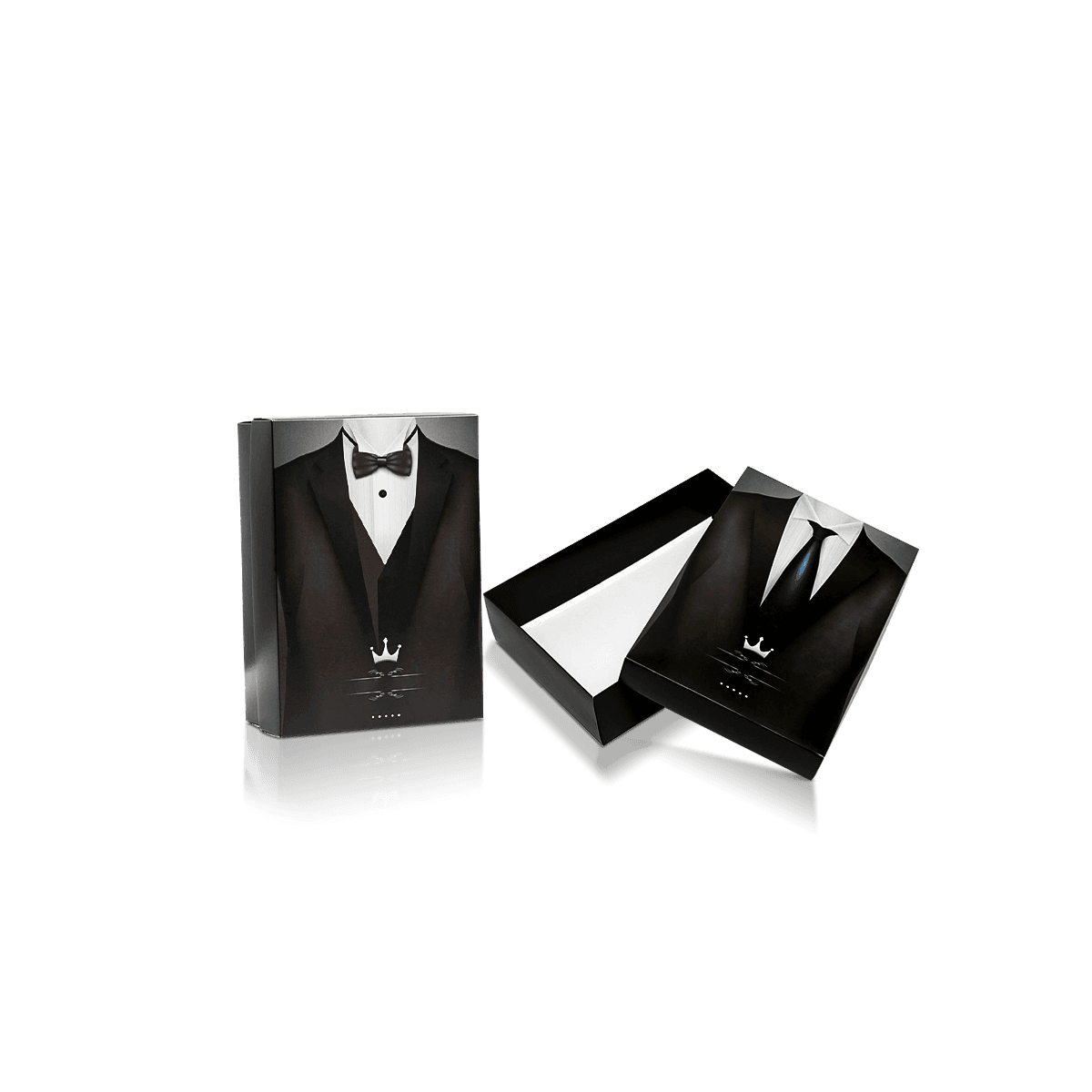
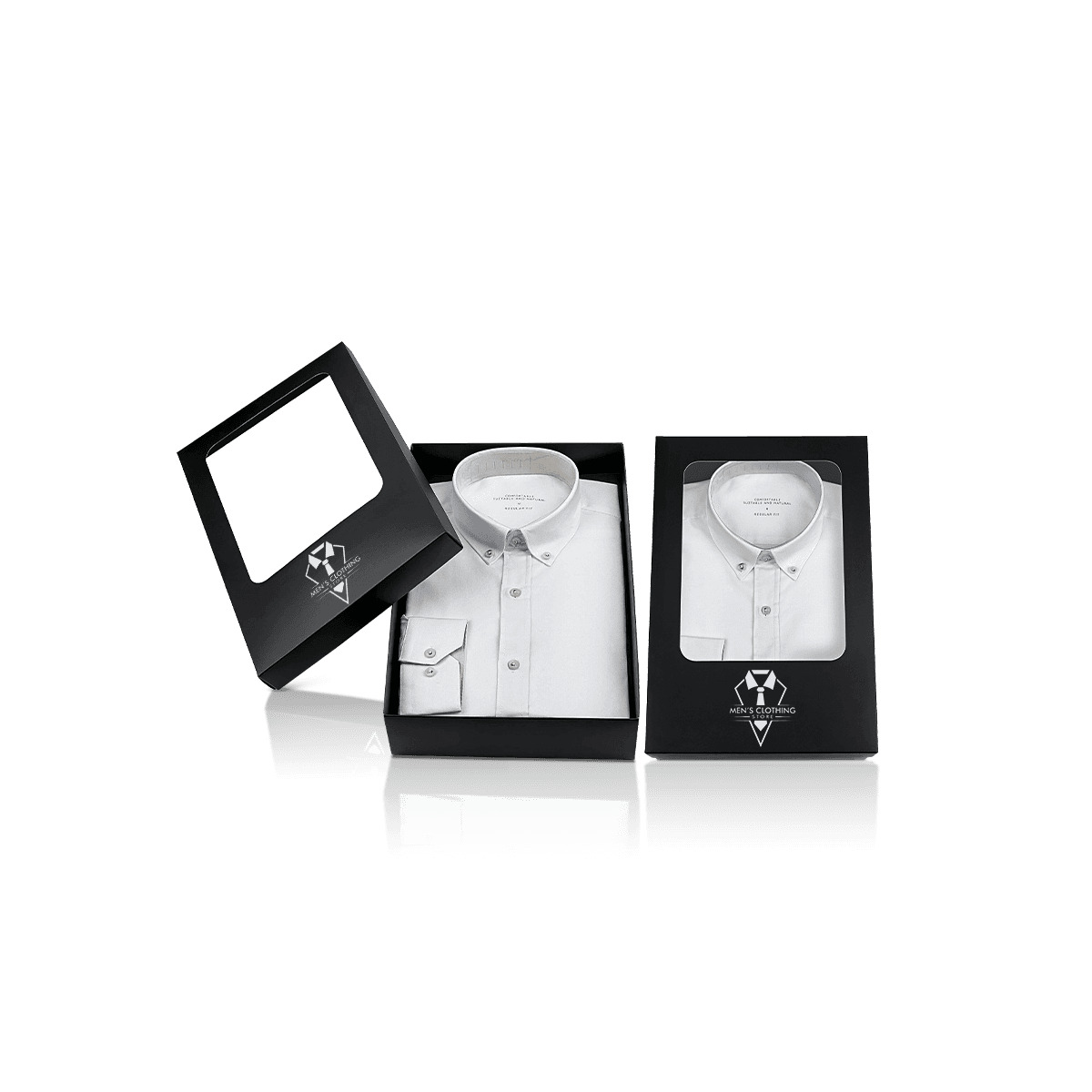
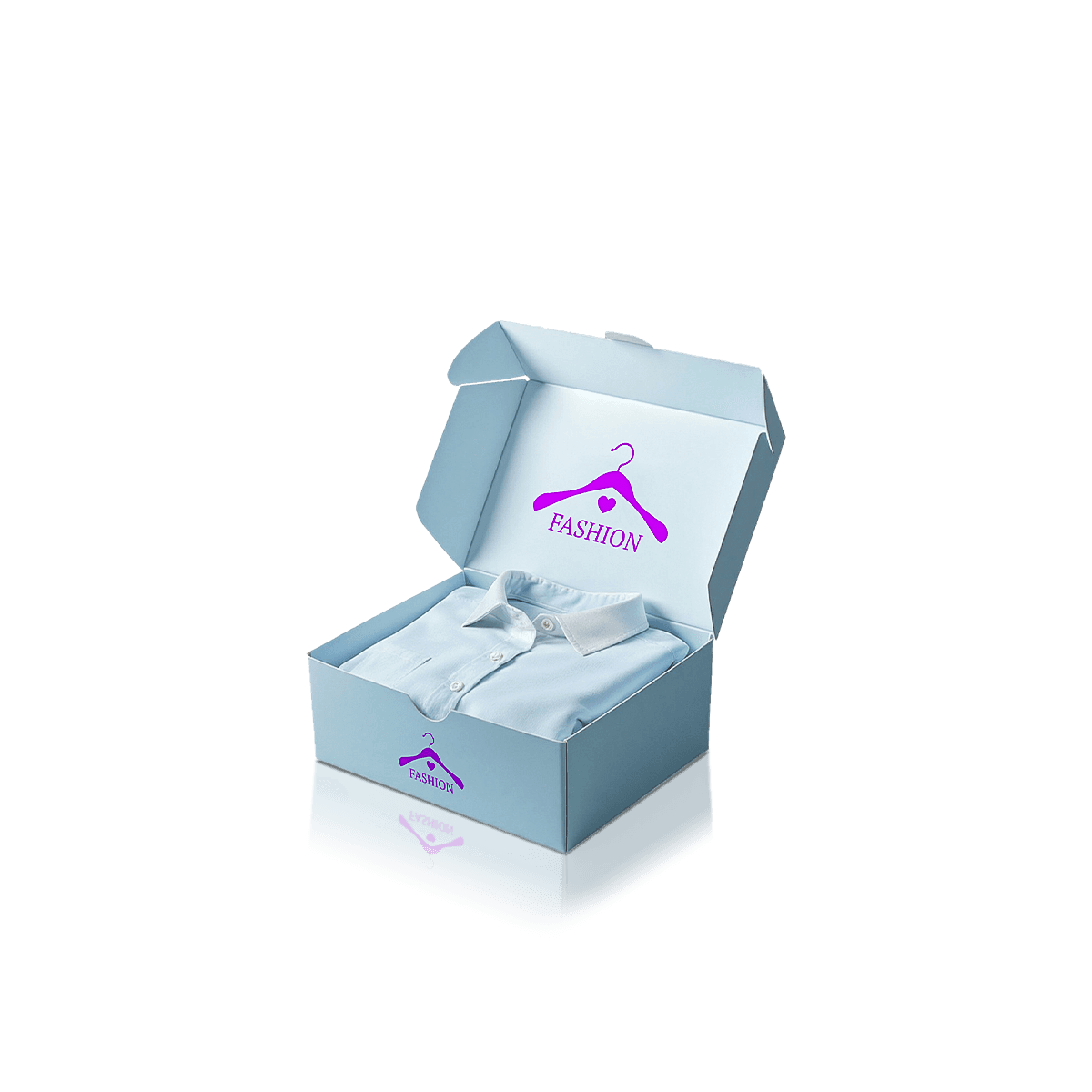
Structured cartons or boxes suit shirts, knitwear and giftable clothing when fold control and opening presentation matter.
Corrugated mailers or shipping formats make sense when the pack itself has to face courier handling and stacking.
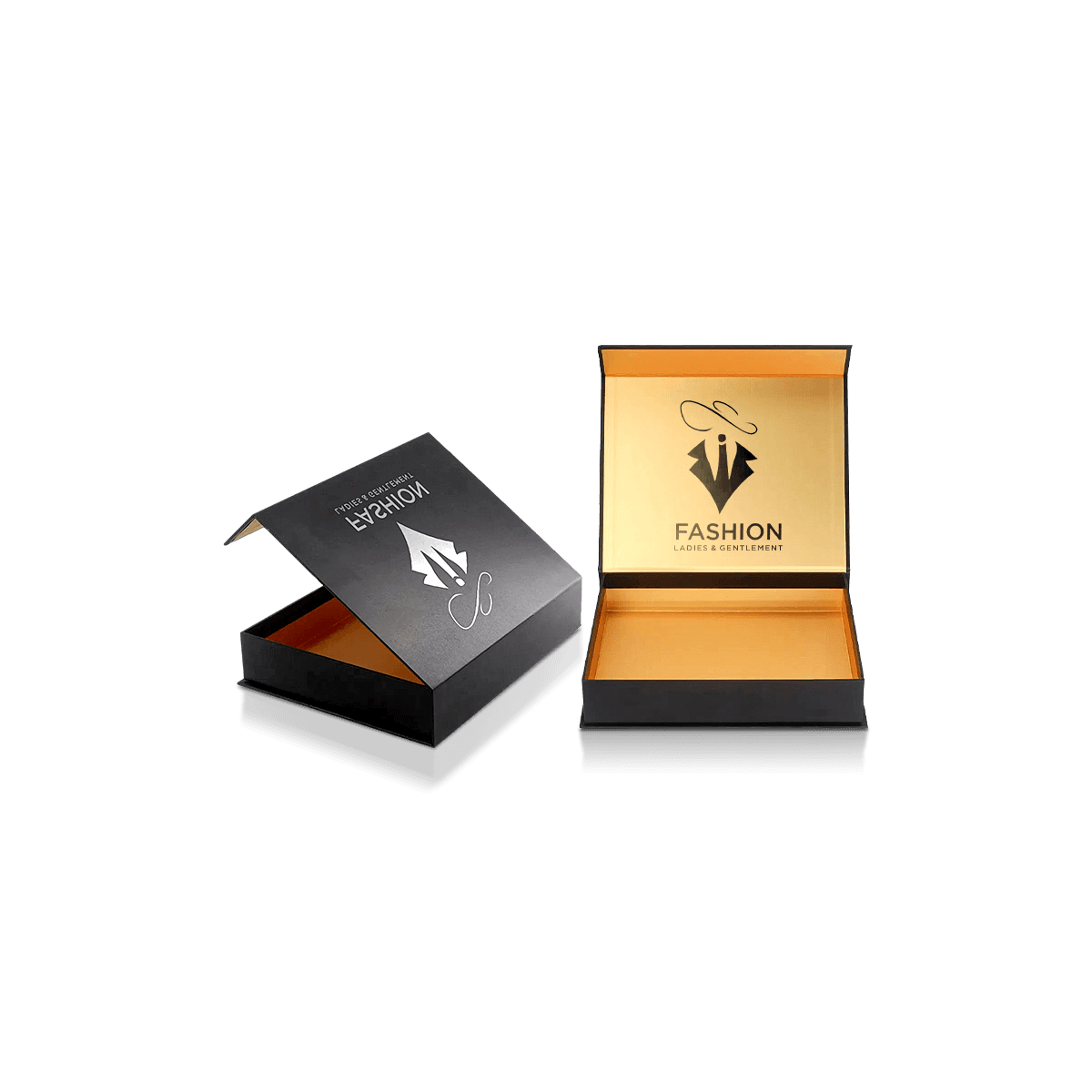
Rigid or more substantial presentation formats earn their place when the packaging is part of the gift or launch experience.
Soft garments compress and spring back. Shoes hold a fixed three-dimensional shape. Accessories can be small, dense or easily lost inside an oversized apparel pack. One 'fashion box' specification should not be stretched across all three.
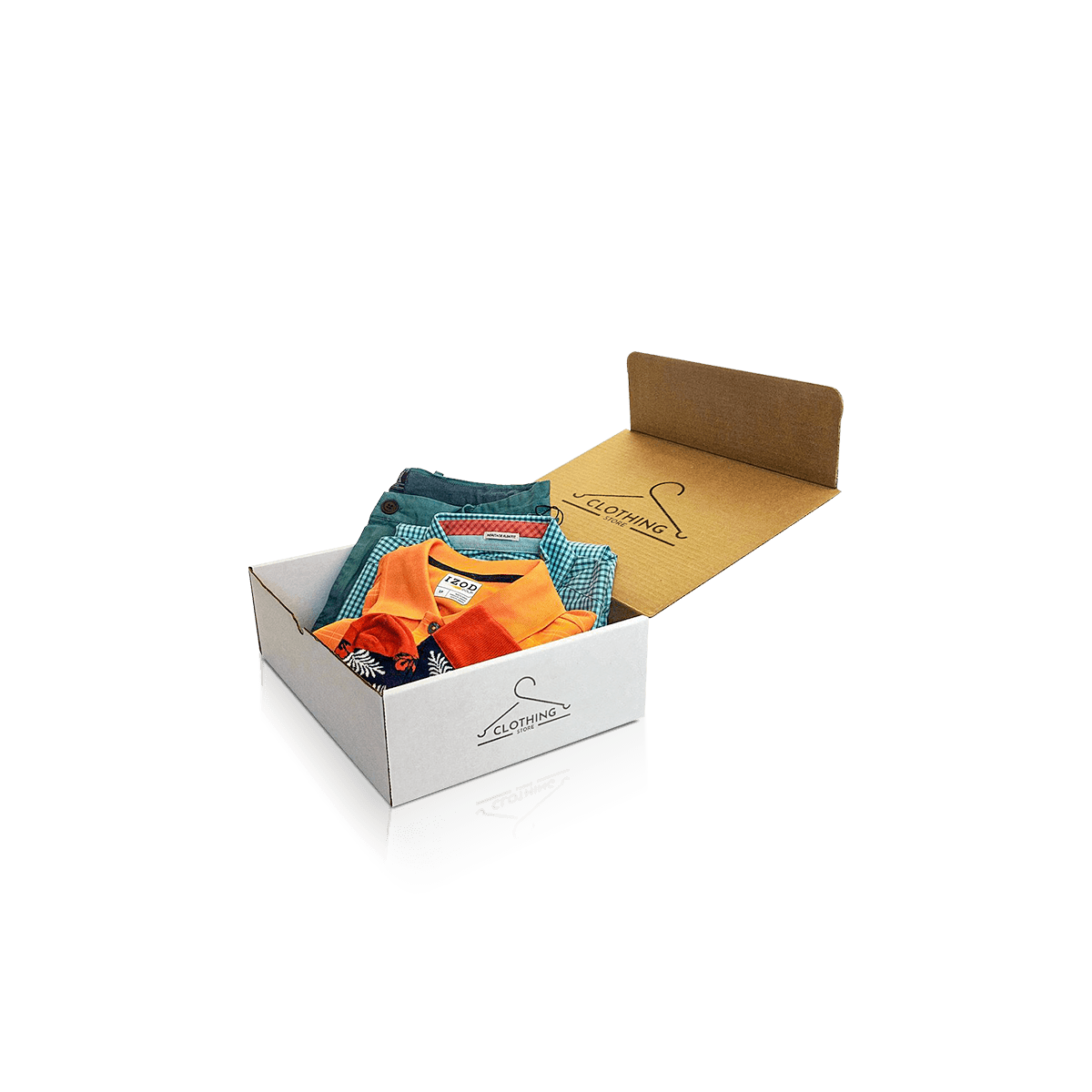
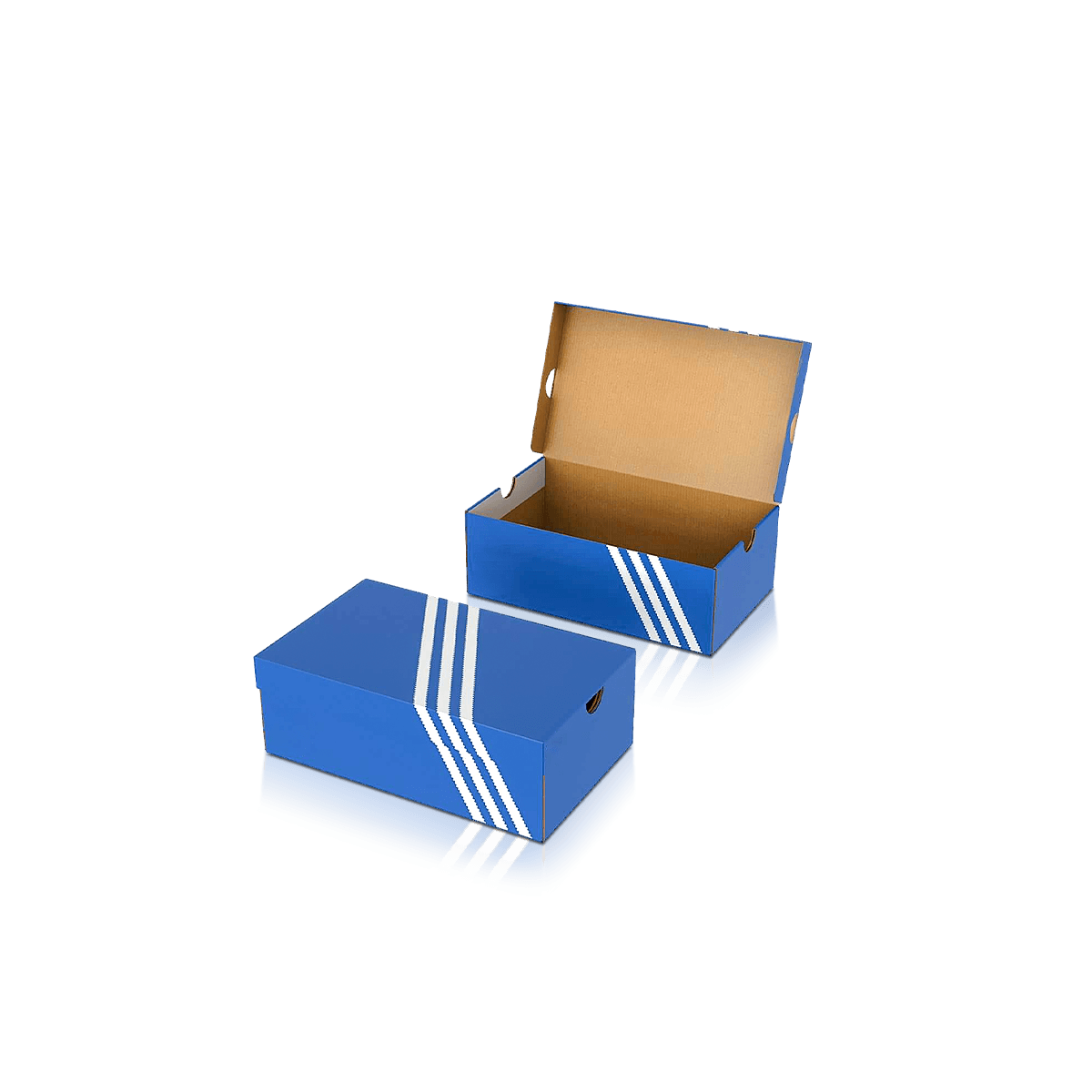
For folded clothing where presentation, tissue, tags and the first reveal are the main concern, Clothing Boxes should own that specific packing logic. For footwear, Shoe Boxes need to handle pair dimensions, stacking and clear size identification.
Accessories should be judged by their own geometry and retail handling. Group products only when their packed behaviour is genuinely similar, not simply because they sit under the same fashion label.
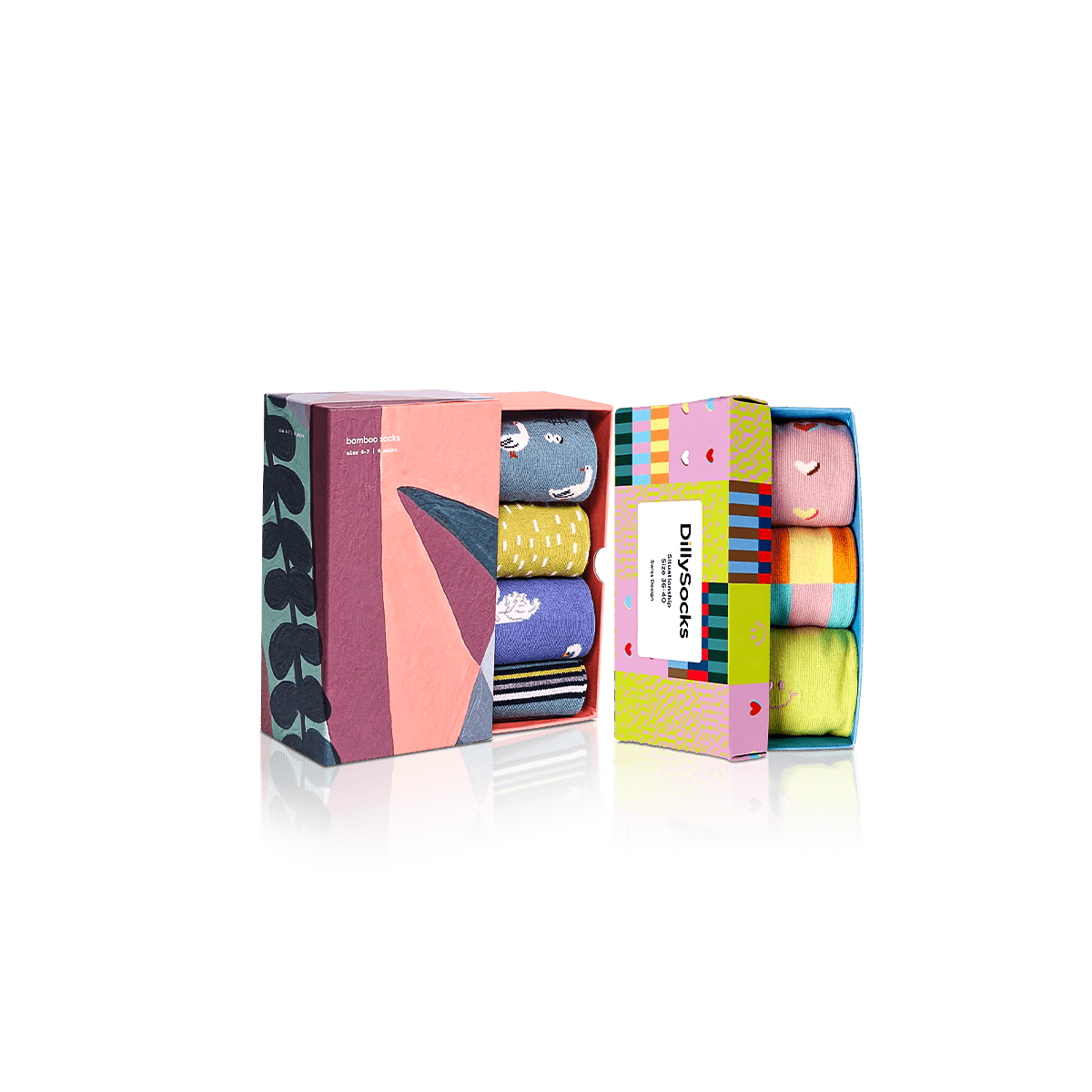
Footwear, folded garments and small accessories should not share one sizing rule. Shoe Boxes need enough internal volume for the pair, Garment Boxes should preserve the folded presentation and Sock Boxes can usually use a shallower format when compression and merchandising allow it.
A box is not automatically the premium or correct answer. Lightweight garments handed over in-store may already have enough product protection and need a strong carry format instead.
Custom paper bags can be chosen by load, base, gusset and handle when boutique or retail handoff is the main task. For direct delivery, mailer boxes are better judged by closure, corrugated strength, packed dimensions and fulfilment workflow.
When the requirement is specifically a branded apparel parcel, Clothing Mailer Boxes handle the garment-specific ecommerce details without turning every apparel order into the same mailer specification.
This separation also avoids double packaging. If a well-designed mailer can protect and present a garment on its own, placing a decorative carton inside it should have a clear reason rather than being an automatic luxury step.
Fashion packaging often needs to carry size, colour, style code, barcode, care or stock information alongside brand artwork. Those variable details should have predictable positions so store and fulfilment teams are not covering key graphics with labels.
Plan permanent brand elements separately from SKU information. That lets one structural family support several colours or sizes without requiring every panel to be redesigned.
For shelf, counter or store-merchandising decisions where product visibility, information hierarchy and replenishment lead, custom retail packaging is more useful when shelf visibility, information hierarchy and replenishment are the main merchandising concerns.
Decide which products leave the shop in a bag, which require a presentation box and which ship directly in a mailer.
Keep label and barcode zones stable across seasonal artwork so fulfilment does not have to improvise placement.
Use tissue, cards or inserts only where they improve fold control, product separation or presentation.
Protect delicate finishes from courier handling by separating retail presentation from transit packaging where needed.
Record the approved format and print rules for repeat lines so seasonal graphics do not change the structural specification by accident.
Paperboard, corrugated and rigid board solve different fashion packaging jobs. They are not simply low, medium and high levels of quality.
Paperboard is efficient for lightweight retail cartons and stores flat before assembly. Corrugated structures add useful protection when the package itself enters parcel handling. Rigid board creates a more substantial formed presentation but normally uses more storage space and may still need an outer shipper.
The practical differences between custom boxes and stock boxes become relevant when fit, storage, print area and repeat ordering are weighed together. A stock size can be adequate for some handoff uses, while a made-to-fit structure is stronger when product presentation or delivery efficiency depends on dimensions.
Finishes should follow the handling conditions. Foil, embossing, debossing or soft-touch surfaces can work well on presentation packaging, but a courier-facing outer pack may benefit more from durable print and clean inside branding.
Retail and apparel packaging should be checked in the moment it will actually be used. Fold the garment using the real tissue and tags. Place shoes in the box as staff will. Load the paper bag with the normal purchase. Pack the ecommerce order and close the mailer.
That exposes different problems: a carton may bulge after tissue is added, a bag handle may feel wrong under the true load, a label may cover artwork or a mailer may be larger than the packed order needs.
Free 3D mockups are useful for visual approval, and free design and dieline support can help place artwork around folds and panels. Use physical checks when depth, closure, garment compression or presentation fit is still uncertain.
Seasonal fashion ranges change faster than a good packaging system should. New colours, size runs and collection graphics can sit on a stable set of channel rules if the underlying packaging roles remain clear.
Custom Packly's UK MOQ starts from 100 boxes, with standard 4–6 working-day turnaround and free delivery. For recurring requirements, warehousing and scheduled deliveries are available where appropriate, but they should support a defined format system rather than encourage unnecessary stock across too many packaging variants.
Use a new format when the sales channel, packed product or presentation job changes. If only the artwork changes, keep the proven structure. This keeps the retail and apparel system easier to order, store and hand over without turning every collection into a new packaging-engineering project.
Start Your Bespoke Packaging Quote
Share your product details, dimensions, quantity and artwork needs. We’ll help choose the right packaging style and send a clear quote.