Filled volume
Loose treats and powders can settle, so nominal container dimensions are not always the same as the space the finished pack needs.
Packaging for pet food, treats, grooming, supplements, toys and subscription orders, planned around storage, SKU clarity and how each product is sold or delivered.

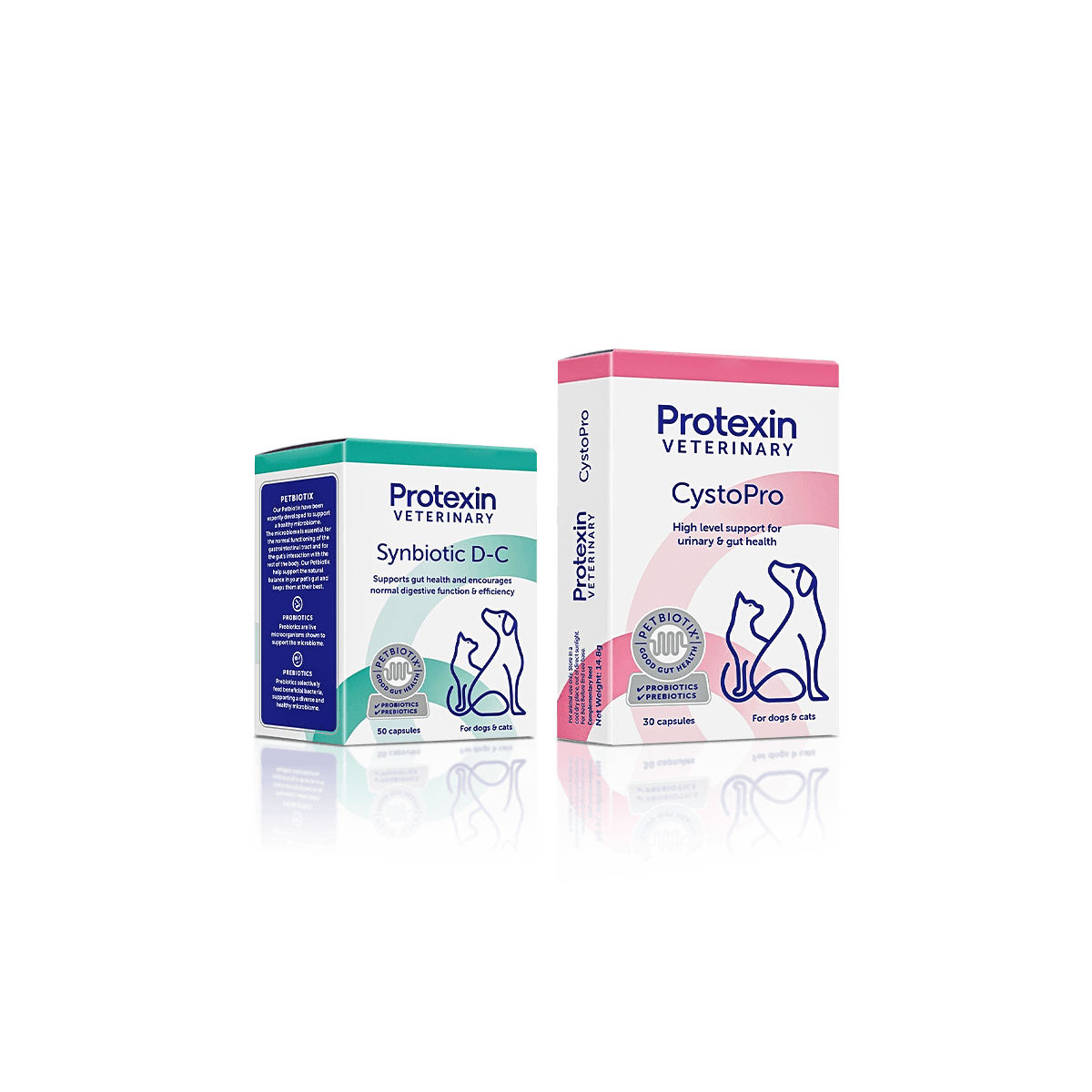
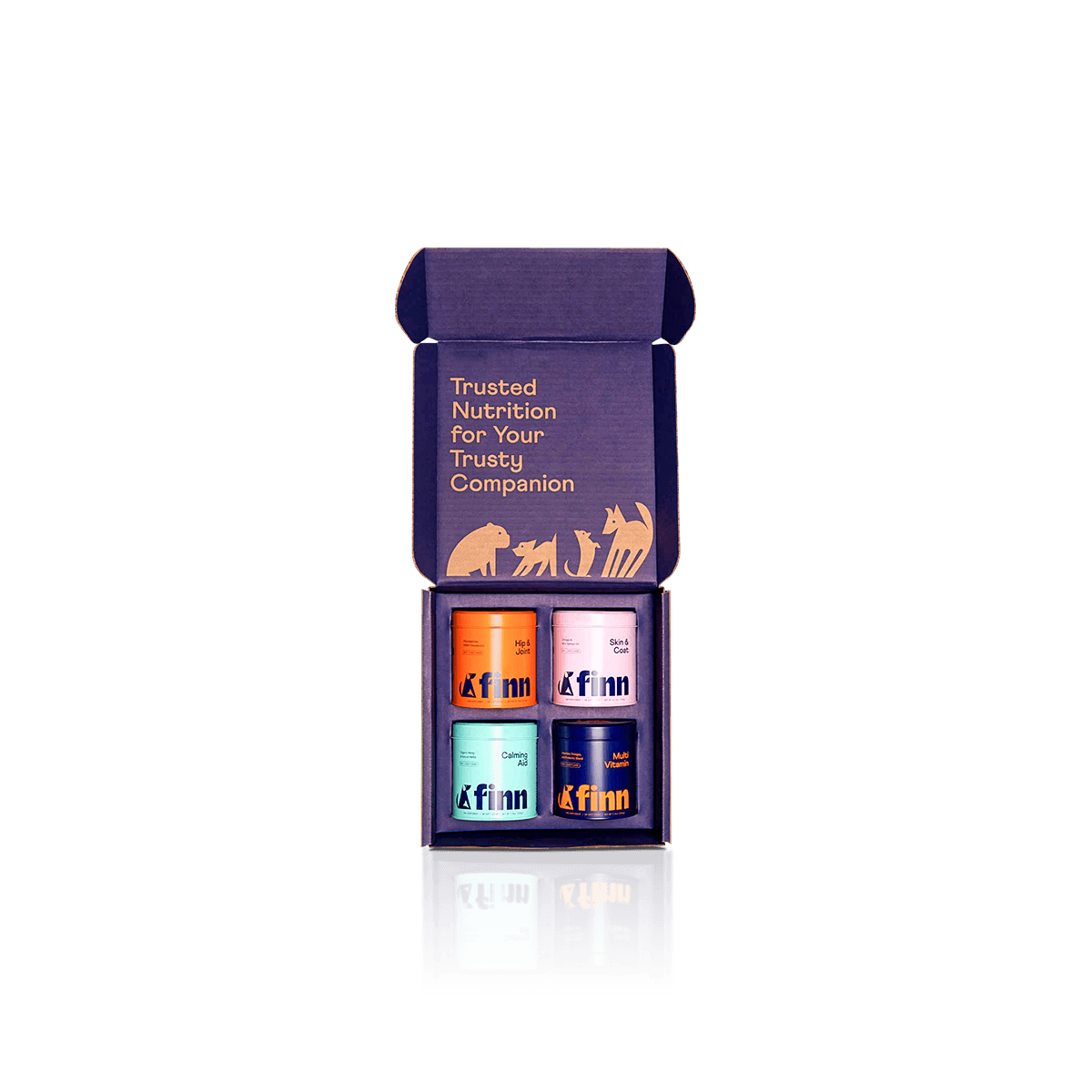


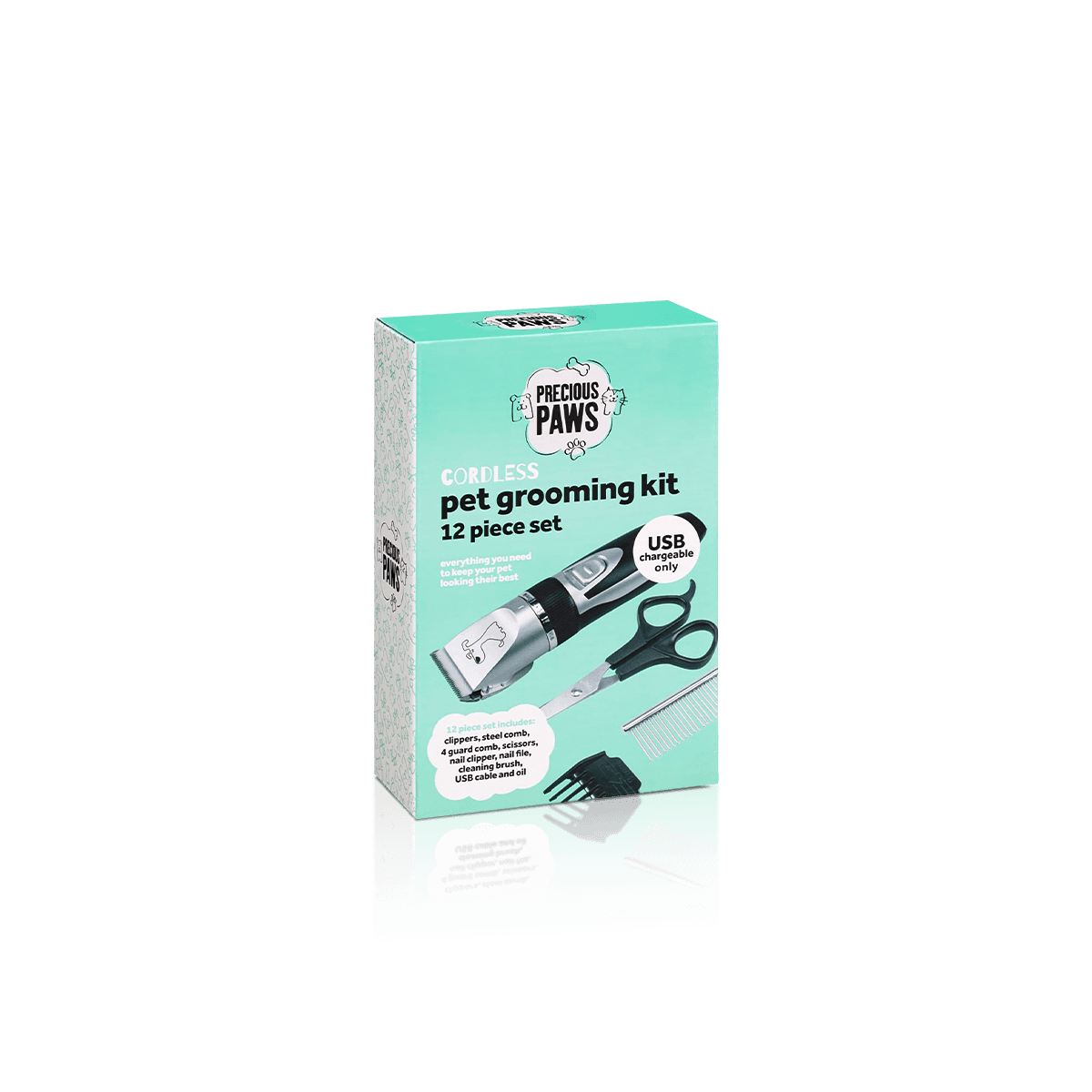


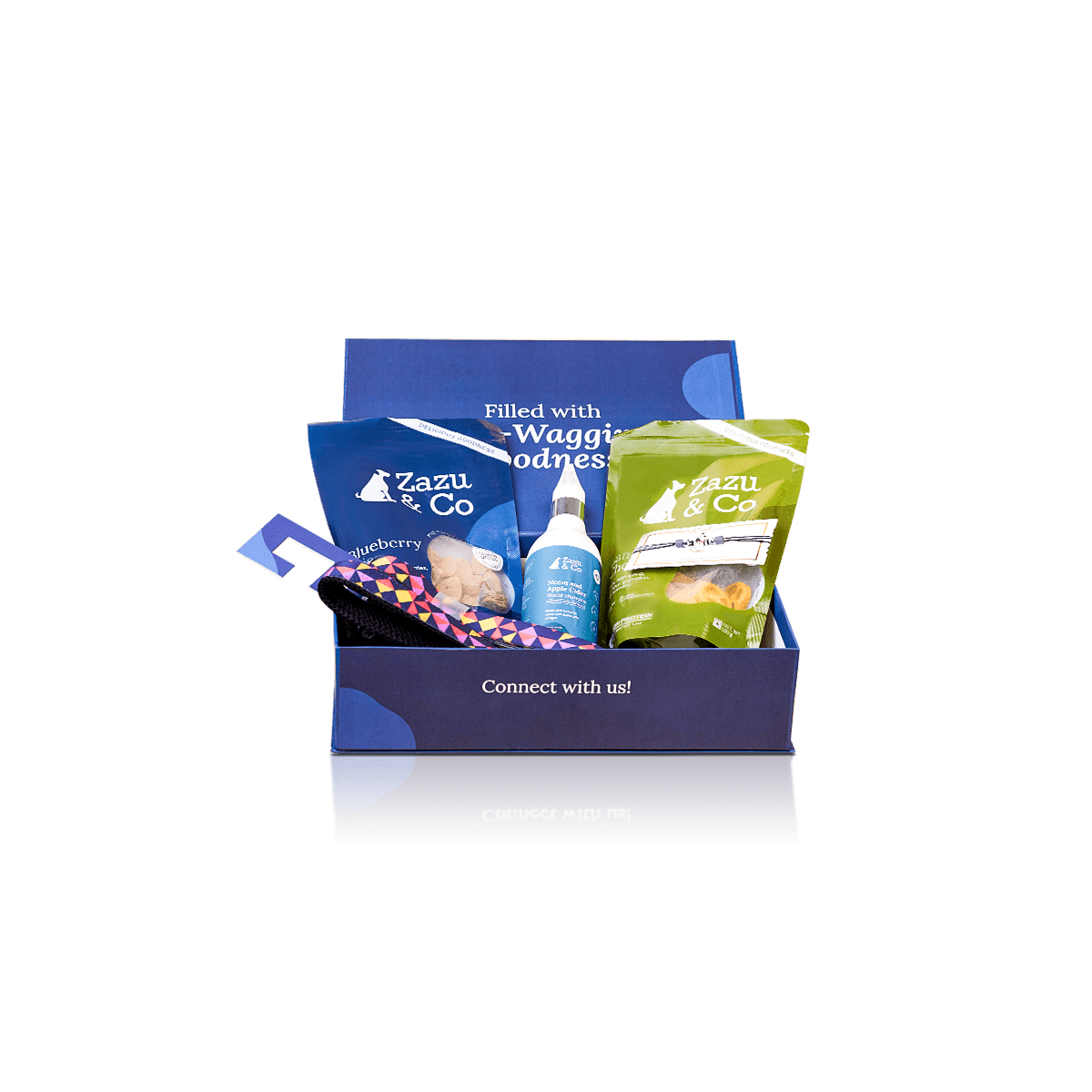

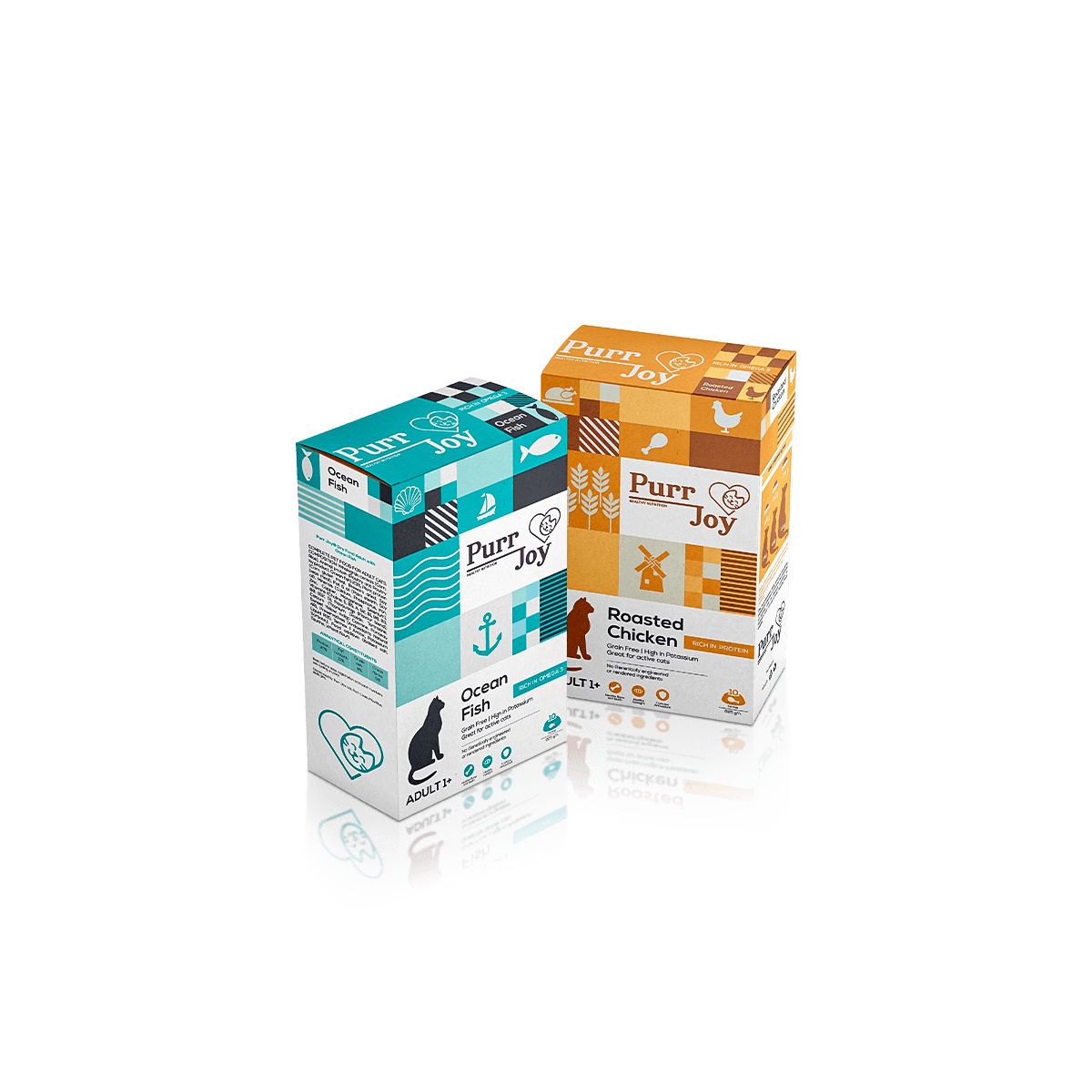

Your product shouldn’t have to fit an off-the-shelf box.
Share the shape, size, material, finish, or insert you have in mind. We’ll turn the details into a tailored packaging recommendation and a clear quote.
Custom sizes · materials · finishes · inserts
Pet product packaging has to work after the sale, not just at the moment it is picked from a shelf. A bag of treats may be opened and closed for days, a grooming bottle may be stored upright beside water, a toy may need to stay visible without falling loose and a subscription pack may carry several unrelated items through a courier network. Those after-sale conditions should decide the packaging job before colour or finish is chosen.
For a mixed pet portfolio, separate three questions early: what contains the product, what presents it for sale and what protects it during delivery. One pack can sometimes do more than one job, but forcing every SKU into the same format usually creates wasted space, weak presentation or unnecessary material.
For food and treats, the outer carton should not be treated as a substitute for the primary pack unless the exact construction has been specified for that purpose. A sealed pouch, sachet, tray or other primary pack may carry the freshness or barrier requirement while Pet Food Boxes provide grouping, information space and retail presentation around it.
Dry snacks that need repeated opening may be better served by a flexible format such as Dog Treat Mylar Bags when the closure and barrier specification support the product. The useful decision is not “box or pouch” in isolation. It is which layer controls the product, which layer communicates the offer and whether a separate delivery pack is still required.
This separation also prevents unsupported assumptions about direct food contact. Material suitability has to be confirmed for the exact product and construction rather than inferred from the word carton, kraft or Mylar.
Pet products split naturally by what makes them difficult to pack. Pumps, caps and tall bottles push Pet Grooming Product Boxes towards upright fit and clearance around closures. Irregular chew, plush and teaser shapes make Pet Toy Boxes more dependent on pose, window position or internal hold. Metal clips, buckles and coiled leads make Pet Accessory Boxes a different job again because hardware can mark the pack or shift into empty space.
Pet Supplement Boxes need enough usable panel area for the brand's product information while keeping bottles, chews, powders or oils stable. Veterinary Product Boxes should stay disciplined about fit and information hierarchy rather than implying medical performance through packaging copy. Each specialist route can go deeper once the product form is known; this parent keeps the decision at portfolio level.
For dry treats sold in resealable flexible packs, Cat Treat Mylar Bags should be specified around real fill volume, closure use and barrier needs rather than treated like a generic pet pouch.
Loose treats and powders can settle, so nominal container dimensions are not always the same as the space the finished pack needs.
A pump head, trigger, dropper or cap can set the maximum height or create a weak point that needs clearance.
Ropes, plush toys, chews, brushes and leads can occupy space unevenly and may need orientation control rather than a larger box.
Flavour, pet type, size, life stage and pack weight can create many near-identical SKUs that must stay easy to distinguish.
Courier handling can require a corrugated outer pack even when the retail unit is a light paperboard carton or pouch.
Variant control is one of the biggest practical differences between a one-product brief and a pet portfolio. Flavour, species, breed size, life stage, pack weight or use can change while the core structure stays the same. Keep the structural template stable where the product geometry allows it, then build a controlled artwork system for the elements that genuinely change.
For pet food and treats, reserve working space for the declarations and feeding information that apply to the product. UK pet-food guidance requires statutory information and says labelling must not mislead, so decoration should not consume every useful panel. The packaging supplier can protect the print area and dieline; the brand remains responsible for supplying accurate product copy and confirming the requirements that apply to its product.
Where several SKUs share one box size, define a fixed position for the product name, variant cue, net quantity or other brand-supplied information, then keep barcodes and production identifiers out of high-risk folds or glue areas. A free 3D mockup can help review visual hierarchy before artwork is approved.
Print planning should follow the number of versions, the quantity per version and how often artwork changes. A single large run with stable artwork creates a different production decision from six flavours split across smaller quantities. The practical differences between digital and offset printing are useful when deciding whether setup, colour control or version flexibility matters most.
Premium offset printing is available when the specification and run suit it. For repeat work, keep approved colour references, dielines and version names controlled so a reorder does not depend on someone remembering which PDF or shade was used last time.
A pack that works on a shelf is not automatically ready for parcel handling. Lightweight cartons around grooming products, supplements or accessories may still need a corrugated outer. Heavier mixed orders may need Shipping Boxes sized around the combined load rather than the dimensions of one retail SKU.
Pet Subscription Boxes are a specialist case because the contents can change from one dispatch to the next. The outer size should be based on the repeatable envelope of the assortment, with enough control to stop the heaviest or hardest item damaging lighter contents. Do not use empty space as a substitute for a planned mixed-item layout.
MOQ starts from 100, which can suit a first custom run or a smaller version split when the specification is still being established. Once a pet line settles into repeat production, the more important questions become which SKUs can share dimensions, which artwork versions need separate control and how much stock the business can hold without creating avoidable storage pressure.
For larger repeat programmes, warehousing and scheduled deliveries can support staged release instead of taking the full production quantity at once. Keep one approved specification per SKU, including size, material, print version and any insert or outer-pack requirement, so replenishment follows a controlled reference rather than a fresh interpretation.
List every SKU and state whether it is food, treat, supplement, grooming, toy, accessory or subscription content.
Record the filled dimensions, packed weight and any cap, pump, hardware or irregular shape that sets the real envelope.
State what the primary pack already does, including any closure or barrier function that should not be duplicated by the outer carton.
Separate retail display, ecommerce delivery and subscription requirements instead of assuming one layer must handle all three.
Provide the quantity by SKU, artwork status and the parts of the design that change between flavours, sizes or pet types.
Identify which specifications are expected to repeat so dimensions, artwork and production references can be controlled from the first approved run.
Start Your Bespoke Packaging Quote
Share your product details, dimensions, quantity and artwork needs. We’ll help choose the right packaging style and send a clear quote.