Subscription orders
Recurring packs need a stable outer specification while allowing controlled changes to inserts, printed messages or monthly product combinations.
Build ecommerce packaging around packing speed, real order profiles and parcel protection, then make the unboxing experience repeatable across changing SKUs and subscription cycles.

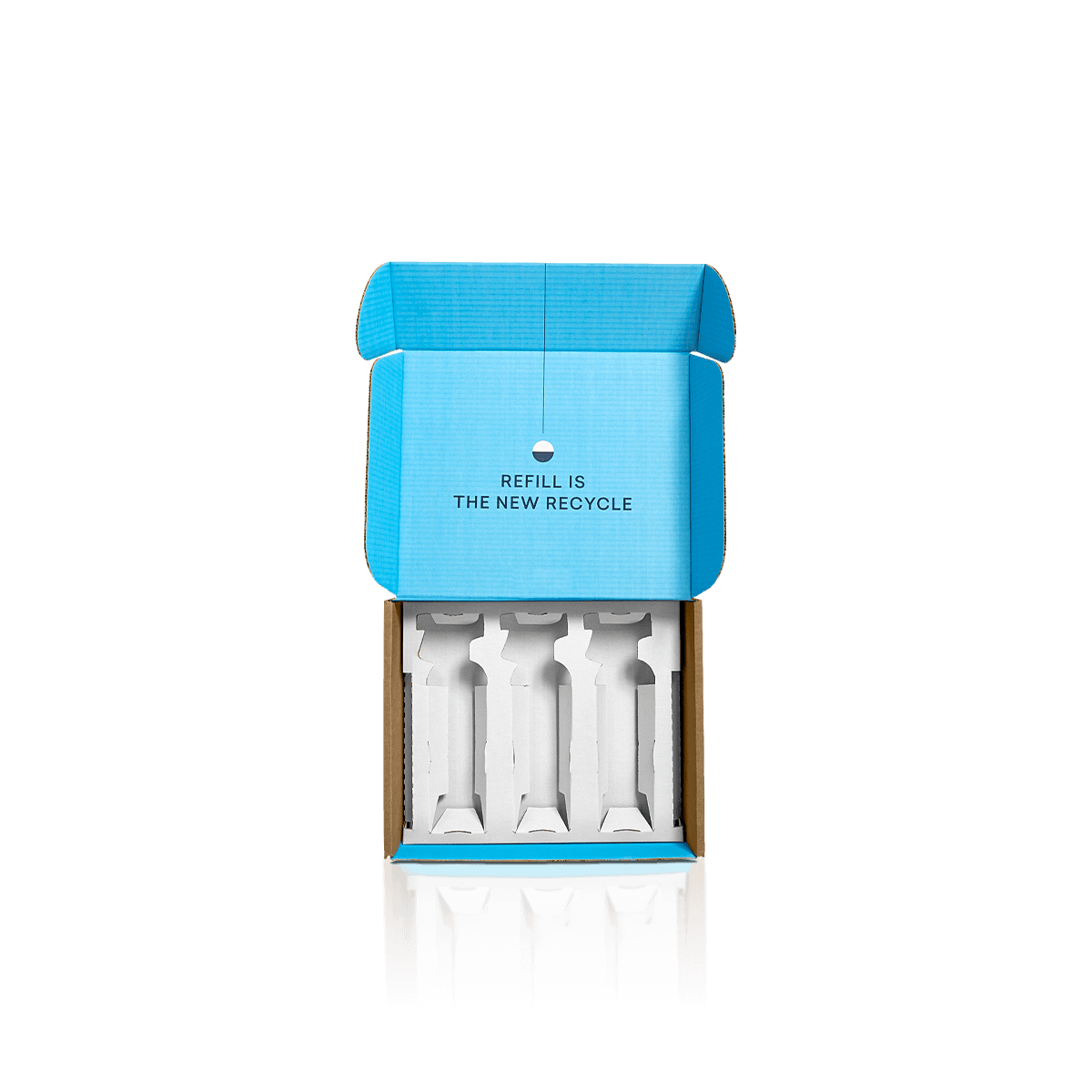


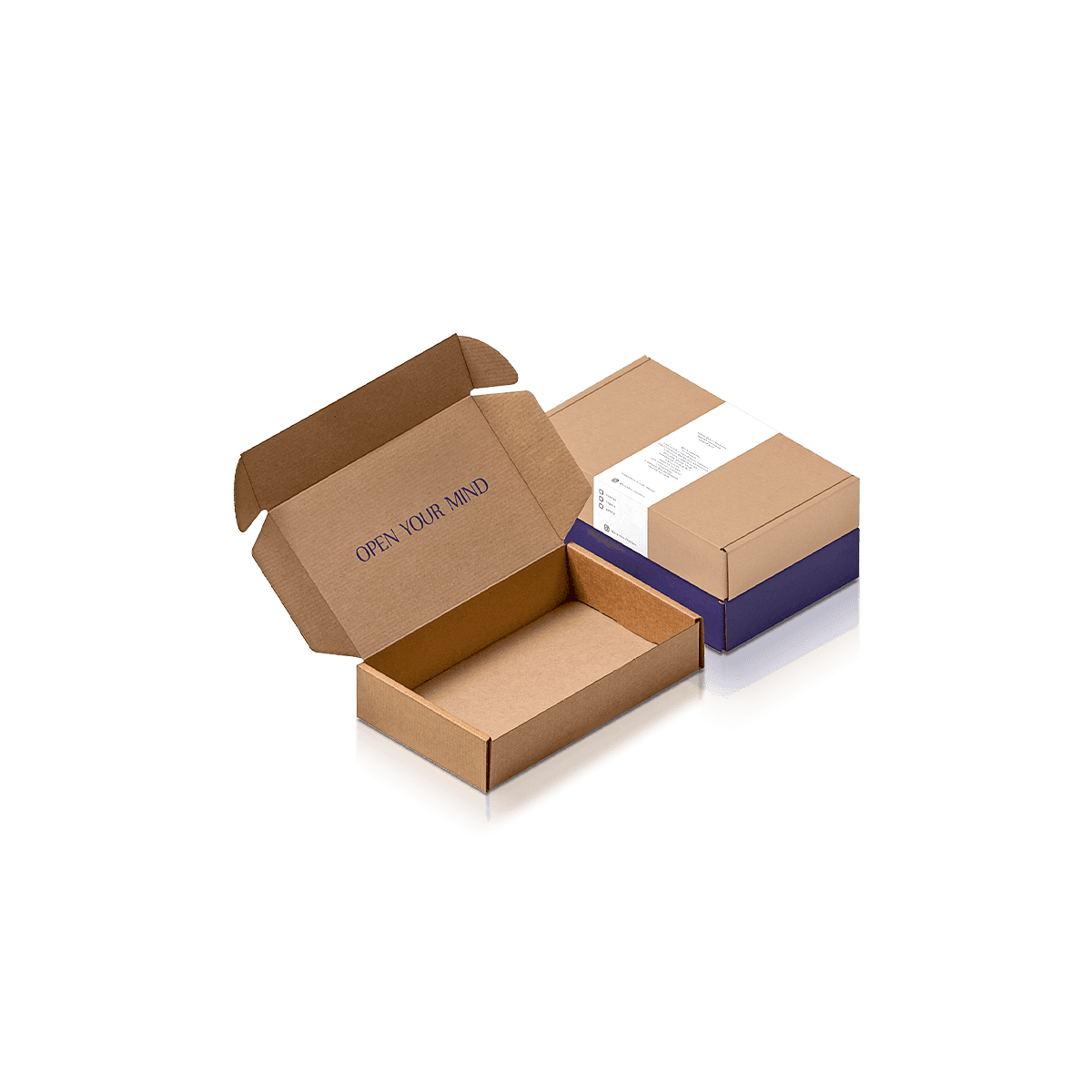
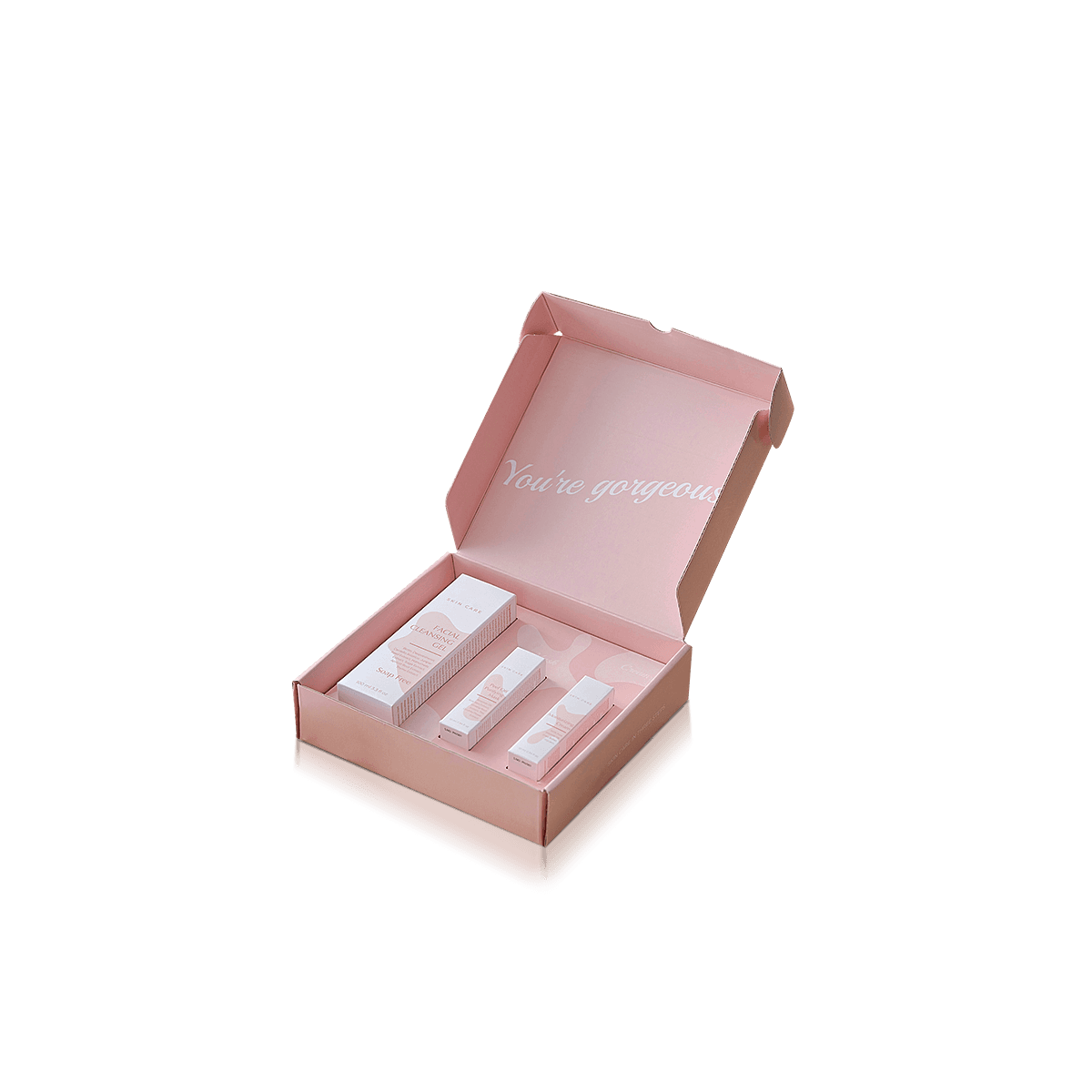
Your product shouldn’t have to fit an off-the-shelf box.
Share the shape, size, material, finish, or insert you have in mind. We’ll turn the details into a tailored packaging recommendation and a clear quote.
Custom sizes · materials · finishes · inserts
Ecommerce packaging starts at the packing bench. The outer pack has to load quickly, close consistently, protect the order through parcel handling and still arrive in a condition that supports the brand. A dramatic opening means little if staff have to fight the box or the product moves in transit.
Map the order flow first: how many items are normally packed together, how variable the SKU mix is, what protective material is added, how the parcel is sealed and which carrier or postal constraints affect the finished size.
A standard branded order may use e-commerce mailer boxes, while postal constraints can make e-commerce postal boxes the more specific decision. The overall fulfilment system should organise these choices without duplicating the exact structure of either.
Record the smallest, typical and largest packed orders rather than designing around one ideal basket.
Separate single-item orders from multi-item orders when their depth or protection needs differ materially.
Include void fill, tissue, inserts, cards and samples in the packed dimensions.
Note whether staff pack manually, at a fulfilment centre or across several locations.
Treat subscription orders separately when contents, dispatch dates or artwork change on a recurring cycle.
An ecommerce range can contain dozens of product dimensions, but that does not mean it needs dozens of outer boxes. The useful goal is a small set of parcel sizes that cover real order combinations without creating excessive empty space.
Measure the packed order after tissue, dividers, inserts or protective material are added. A box that is too large increases movement and can make presentation feel careless. A box that is too tight slows packing and may transfer pressure directly to the product.
When the delivery load is heavier or the parcel needs greater stacking strength than a mailer should provide, use shipping boxes. When opening style, packing speed and branded parcel presentation are the dominant decisions, mailer box options offer the more relevant structural choices.
Recurring packs need a stable outer specification while allowing controlled changes to inserts, printed messages or monthly product combinations.
Breakable items need the product restrained inside the parcel before extra board strength is assumed to be the complete answer.
Presentation can be more elaborate when the recipient experience is part of the campaign, but transit protection still has to sit underneath it.
Small samples need enough retention and identification to arrive organised without forcing a full-size ecommerce pack around them.
Shipping damage often comes from movement, unsupported weak points or a parcel that is too large for the contents. Increasing board strength can help with compression, but it does not automatically stop a bottle, device or sample from striking the inside of the box.
For breakable products, the decision between a stronger box, an insert or both should follow the failure mode. A fitted insert can control orientation while the outer corrugated structure handles stacking and courier pressure.
When that protection problem is the defining feature of the order, fragile product mailer boxes should own the detailed retention and mailer specification.
Validate the packed parcel, not an empty box. Close it with the intended contents, carry it, stack it with realistic loads and check whether products can shift into vulnerable positions.
Subscription packaging adds a calendar to the fulfilment problem. The outer dimensions may stay stable while the contents, printed insert, campaign message or product mix changes each cycle.
A subscription mailer box should own the exact mailer construction. For the recurring programme, the more important question is which parts stay fixed and which parts can change without breaking packing efficiency.
Keep the outer structure, approved dimensions and permanent artwork stable where possible. Put changing campaign information on controlled print zones, cards, sleeves or inserts when that reduces the number of full box versions.
Before committing to a recurring cycle, run the packing sequence with a representative assortment. A subscription box that only works with one month's contents is not yet a repeatable system.
Inside print, tissue, cards and product arrangement can add value because ecommerce customers often experience the packaging away from a shop environment. Put the design effort on surfaces that remain clean and visible when the parcel is opened.
Exterior finishes should also match the journey. A courier-facing surface is handled repeatedly, so delicate embellishment may not be the best place to spend the specification. Clear branding, reliable print and a strong interior reveal can create a better balance.
Free design and dieline support and free 3D mockups can help review panel layout and the opening sequence. Premium offset printing is available where quantity and artwork requirements suit it.
Recurring ecommerce programmes create storage pressure when the economical production quantity is larger than the amount a fulfilment area can hold. Flat-packed mailers and cartons reduce storage volume, but finished stock can still become significant across several sizes.
For larger repeat box runs where quantity, stored stock and staged releases are the main commercial problem, bulk custom boxes fits that purchasing problem. Warehousing and scheduled deliveries are available for suitable repeat orders.
Custom Packly's UK MOQ starts from 100 boxes and standard turnaround is 4–6 working days, with free delivery. Use those terms around launch and replenishment planning, while keeping the approved structural and artwork specification stable between repeat runs.
A repeatable ecommerce system needs a small set of controls that survive day-to-day variation: approved parcel sizes, which order profiles use each size, insert or void-fill rules, closure method, label position, packing sequence and the artwork version assigned to each format.
Record those controls once the packed parcel has been validated. Staff and fulfilment partners can then work from the same specification instead of deciding fit, protection and presentation again for every dispatch cycle.
Revisit the structure when the order profile changes materially, such as a heavier product, a new fragile item, a different subscription assortment or a carrier constraint that alters the useful packed dimensions. Artwork changes alone should not automatically trigger a new box.
Start Your Bespoke Packaging Quote
Share your product details, dimensions, quantity and artwork needs. We’ll help choose the right packaging style and send a clear quote.