Stop the Fold Fighting Back
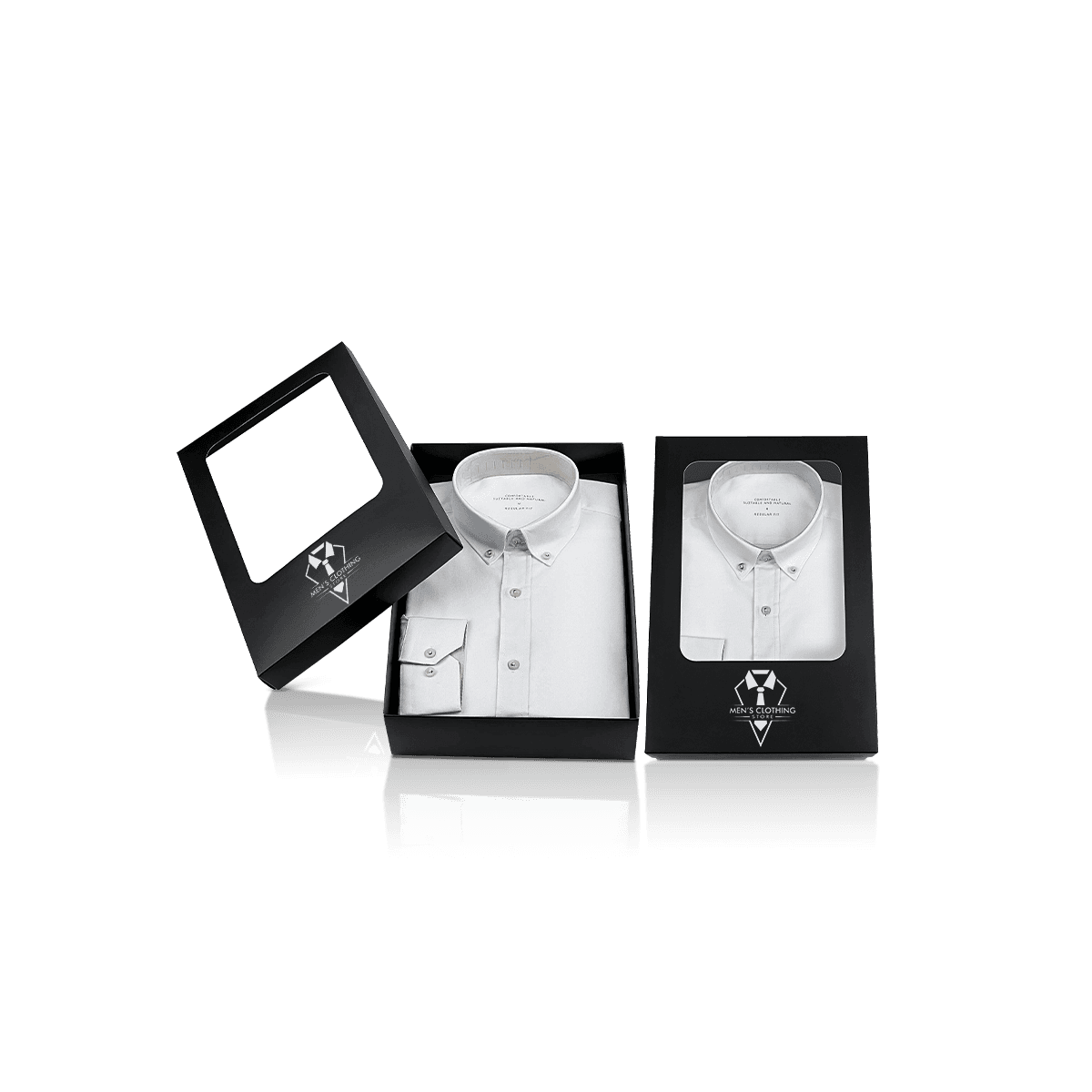
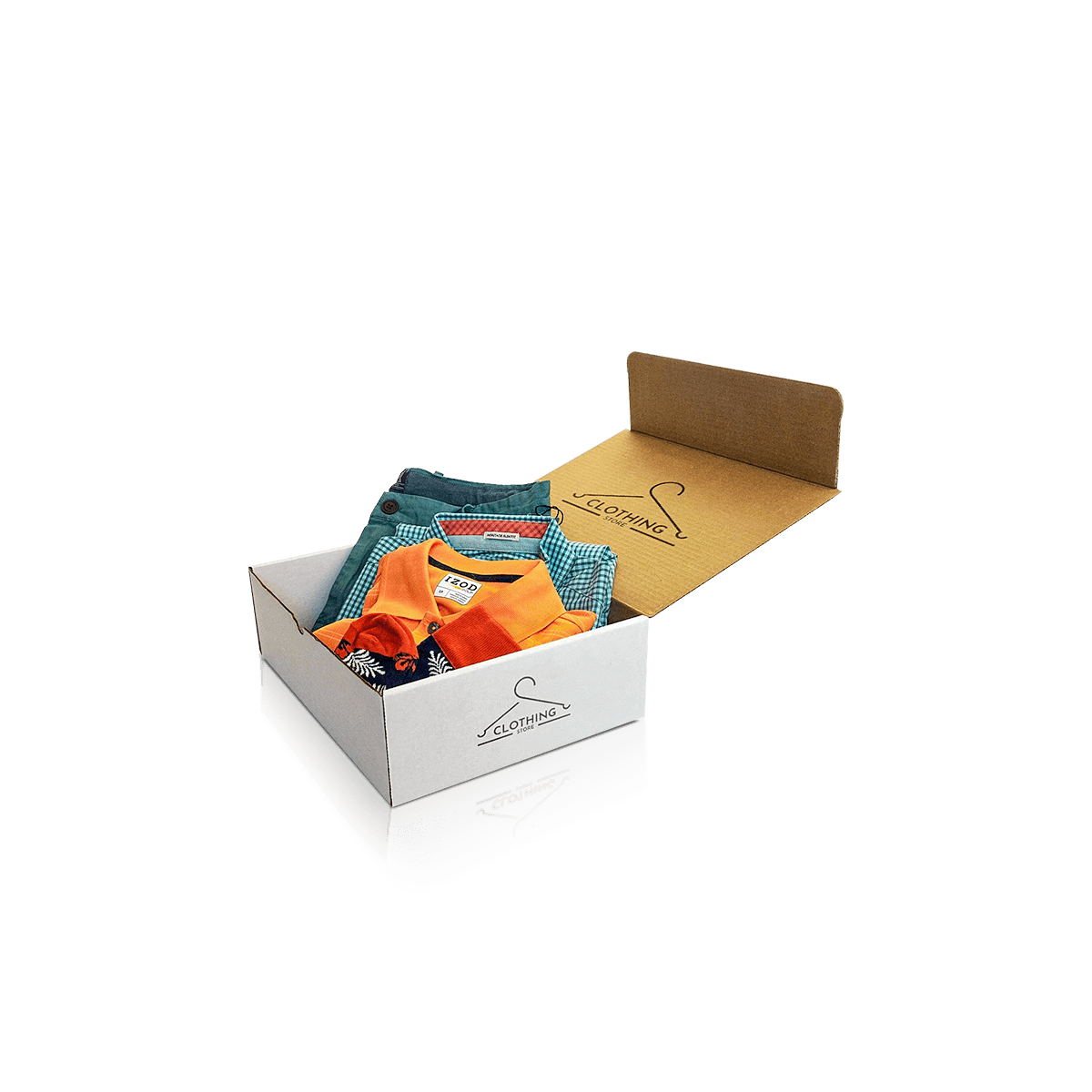
A clothing box can look correctly sized while empty and still fail as soon as the garment goes inside. Knitwear can spring back after folding, tissue adds height and soft fabrics can push against a lid even when the length and width seem right. Custom Clothing Boxes should therefore be sized around the finished presentation, not the garment laid flat on a table.
That makes this a presentation problem first. The box has to hold the fold neatly, open without dragging the fabric and give the customer a controlled first view. If the main requirement is courier protection rather than retail presentation, Clothing Mailer Boxes are usually the better starting point.
Let the Garment Settle
Fold the garment exactly as staff will pack it, add the intended tissue, cards and tags, then let the stack rest before measuring the depth. Thick cotton, fleece and knitwear can recover some volume after compression. A box based on a tightly pressed sample may bow at the lid once the product relaxes.
The aim is not zero clearance. Leave enough room for the garment to sit naturally without looking loose. This matters most with loungewear, knitwear and multi-piece clothing sets where soft layers can create uneven height.
Leave Room to Lift
A close fit should not make the garment awkward to remove. If the customer has to pinch fabric against the sidewall or pull tissue hard enough to crease it, the internal dimensions are too aggressive.
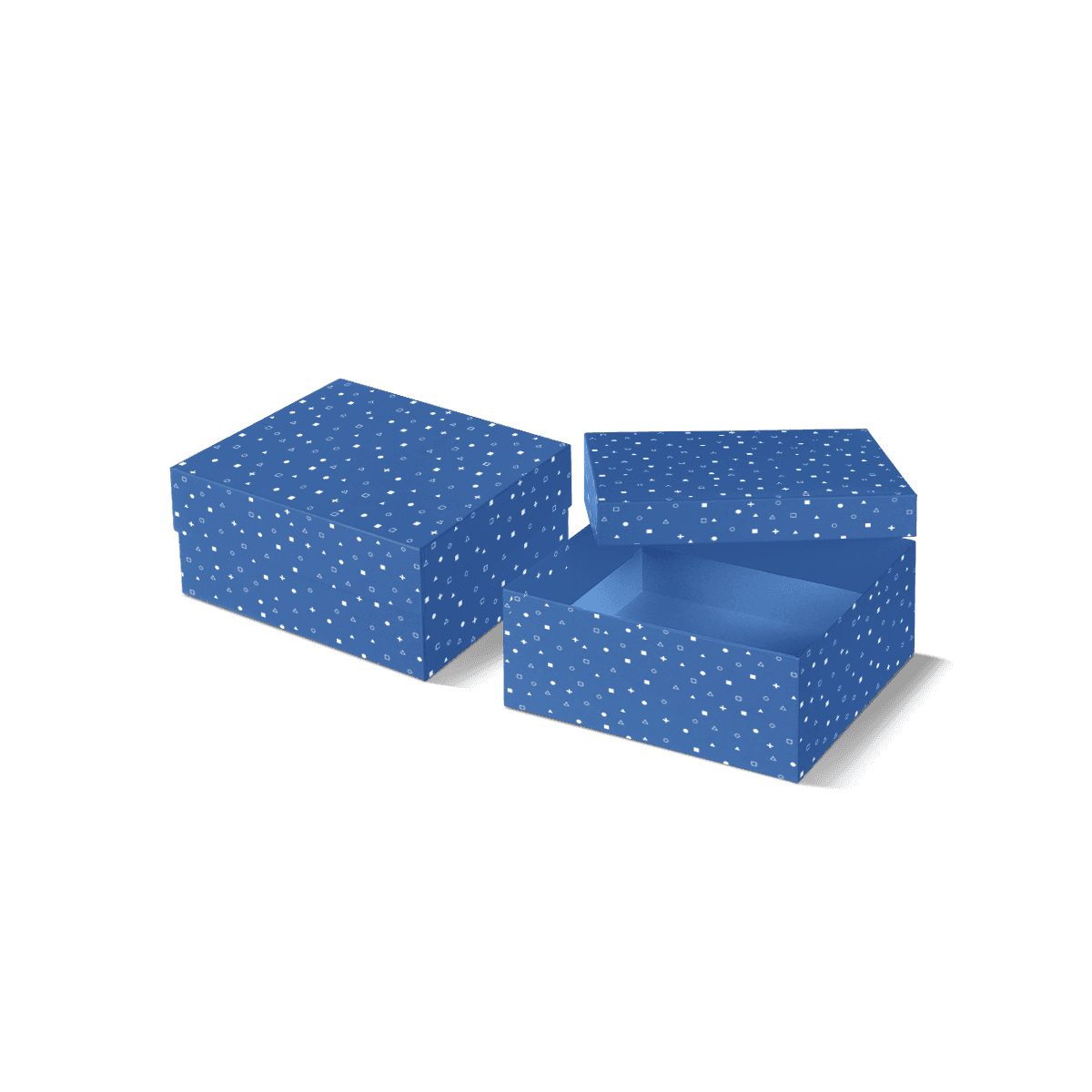
For lid-and-base styles, a small amount of side clearance can make the reveal feel much cleaner. For folding cartons, check that the garment does not interfere with tuck flaps or closing panels.