
Bottle or jar
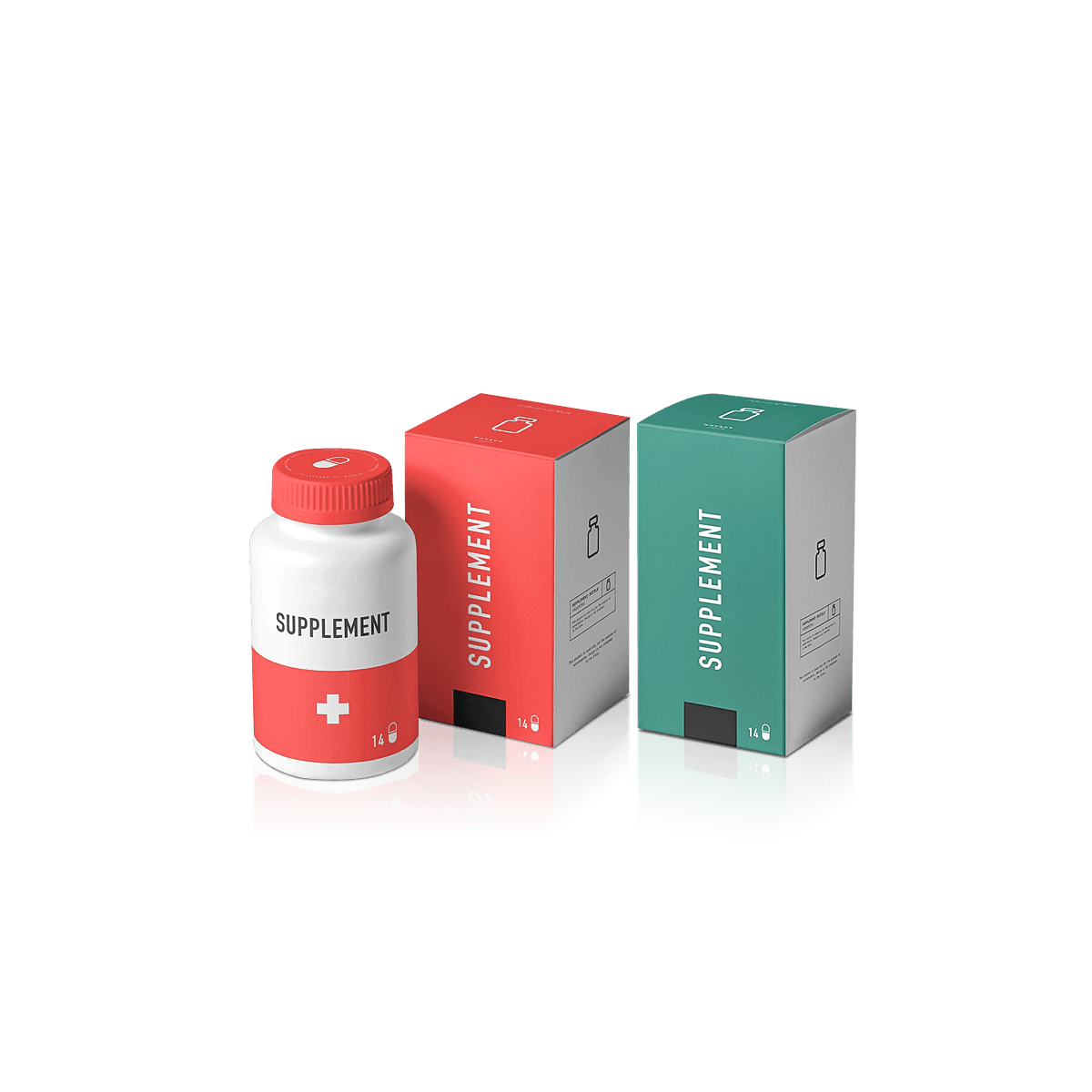
Cap profile, label area and filled weight drive the carton fit.
Packaging for supplements, vitamins, blister products and wellness ranges, planned around information space, primary-pack fit, variant control and retail or ecommerce use.

Your product shouldn’t have to fit an off-the-shelf box.
Share the shape, size, material, finish, or insert you have in mind. We’ll turn the details into a tailored packaging recommendation and a clear quote.
Custom sizes · materials · finishes · inserts
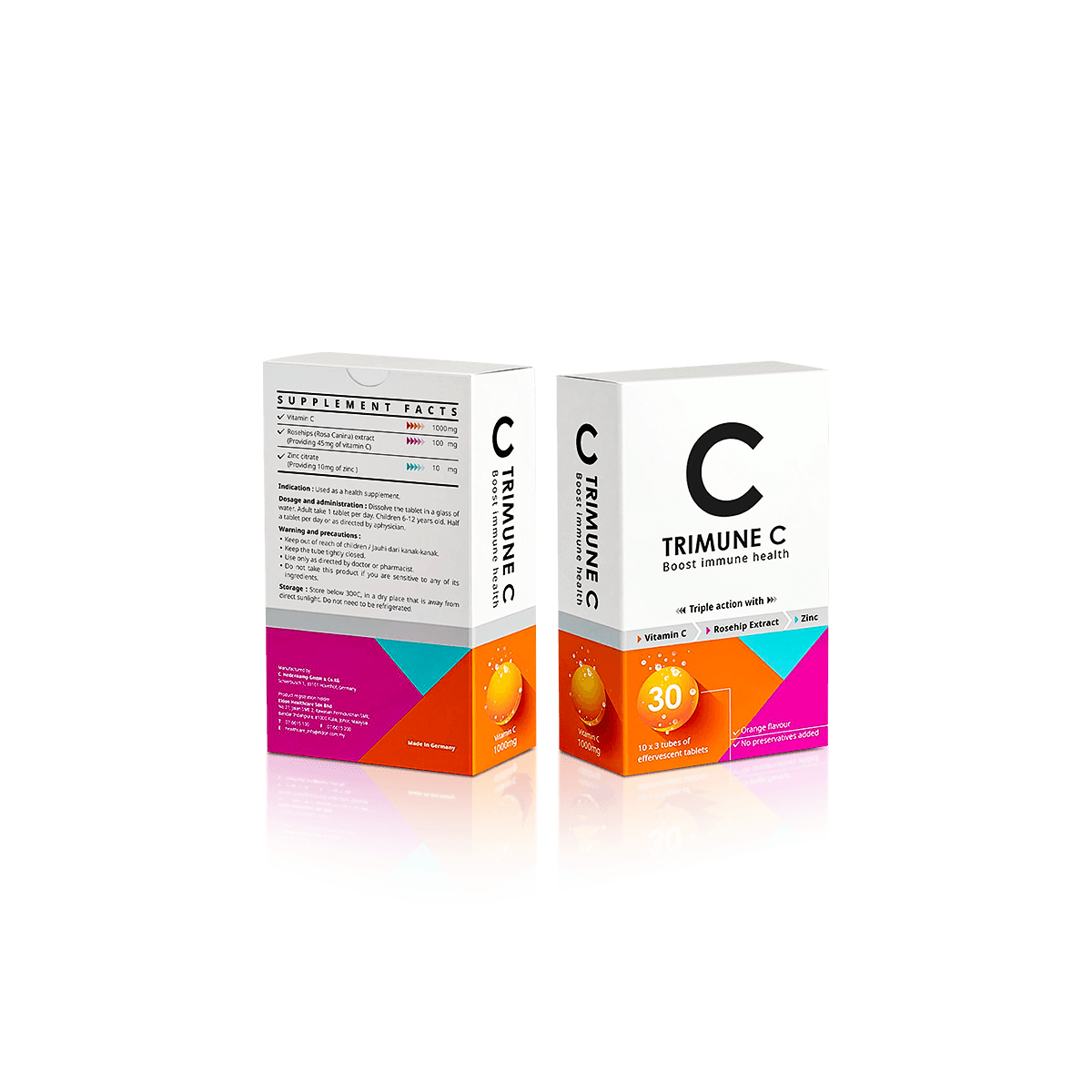
Wellness packaging often has more mandatory or product-critical information competing for space than visually led retail packaging. The useful starting point is the information hierarchy: product name, variant or strength, quantity, directions, ingredients, barcode, batch or other required details supplied by the brand. Decoration should be fitted around that content, not the other way round.
A clean packaging dieline makes that planning easier because front, side, back, flap and safe-area decisions can be checked before copy is compressed into the final artwork.
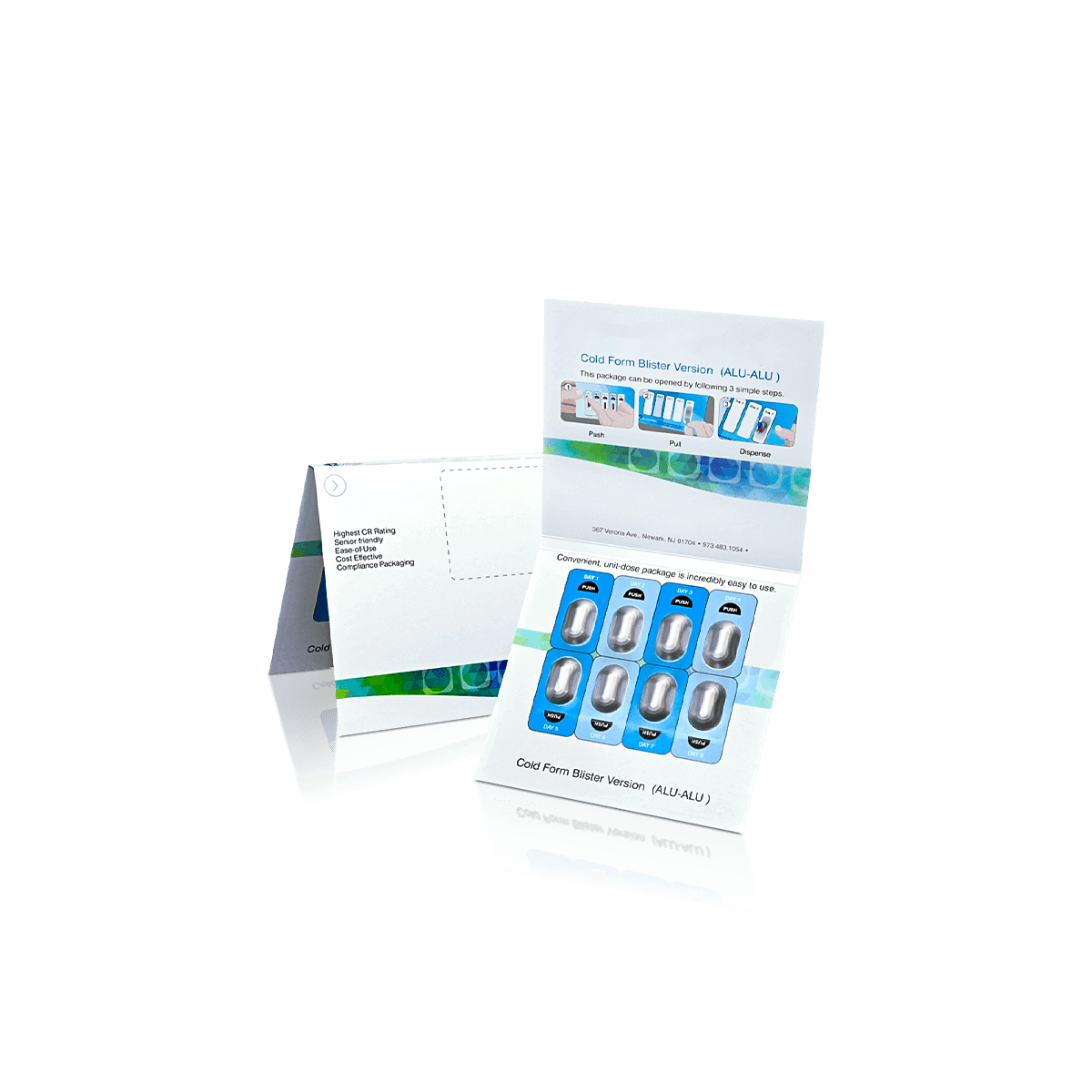
A bottle or jar usually needs a carton sized around the cap, shoulder and label. Supplement Boxes and Vitamin Boxes should own those narrower carton decisions. A Blister Card Pack has different cavity and backing-card needs, while Supplement Mylar Bags are the better route when the product is genuinely being supplied in a pouch format.
The parent should help select between those paths. It should not flatten bottles, blisters, pouches and kits into one generic wellness box specification.
What does the primary pack need to contain or protect before any outer carton is added?
What does the outer packaging need to do for information, retail presentation, grouping or delivery?
Does the exact product require a tamper-evident or child-resistant feature, and if so, what validated system provides it?
Which artwork elements change by strength, flavour, quantity or variant across the range?
Which parts of the specification must remain fixed for repeat production?
Cap profile, label area and filled weight drive the carton fit.
Cavity position and backing-card information space become the main geometry.
Seal format, fill profile and outer presentation decide whether a secondary carton is useful.
Component layout and separation matter more than a single-product carton footprint.
The retail pack may need a separate mailer or shipping layer for parcel handling.
Do not add a tamper-evident or child-resistant claim simply because a product sits in the wellness market. Those features should be used only where the exact product, route to market or applicable requirements call for them, and the performance of the actual packaging system needs to be confirmed.
An outer carton can carry information and provide presentation, but it should not be described as providing a regulated safety function unless that function has been designed and verified for the specific construction. This keeps the packaging brief accurate and avoids turning marketing language into a technical promise.
Supplement and vitamin ranges often change by strength, flavour, count or formula while keeping the same container family. Use consistent typography, panel positions and brand colour references, then reserve a controlled area for the variable cue. This is faster to check at packing and easier for customers to scan than redesigning the information hierarchy for every SKU.
When bottle sizes genuinely change, let the carton dimensions change as well. A shared artwork system is valuable; a shared cavity that leaves one product loose is not.
Small text, fine rules and dense information panels need a print plan that preserves readability. The Custom Printed Boxes area is the better route when colour control, print method, inside or outside artwork and repeat print consistency become the main commercial decision.
Premium offset printing can support controlled repeat artwork and detailed brand systems, but finishes should not reduce contrast over directions or other important text. Foil, embossing or spot UV belong where they improve hierarchy without competing with information panels.
A 3D mockup is useful for checking visual balance, but wellness artwork also benefits from a disciplined flat proof review. Confirm panel order, copy completeness, barcode placement, variant names, fold interruptions and safe areas before approval. Free design and dieline support can help resolve layout geometry, but the brand remains responsible for supplying and approving the correct product information.
Where the structure itself is uncertain, a paid fully custom sample can be arranged; free sample examples of previous work should not be confused with an exact custom pre-production sample.
For each SKU, record the primary pack type, filled dimensions and weight, closure shape, required information, variant rules, retail or ecommerce route, insert need, safety feature requirements supplied by the brand and quantity. That input sheet gives production a clear packaging brief without implying that the outer pack replaces product-specific regulatory review.
If the product is sold online, use a suitable mailer-box structure or other delivery layer only when the retail pack needs extra parcel protection. MOQ starts from 100, and repeat programmes can use warehousing and scheduled deliveries where holding the entire quantity on site is inefficient.
Start Your Bespoke Packaging Quote
Share your product details, dimensions, quantity and artwork needs. We’ll help choose the right packaging style and send a clear quote.