Skip to content
Details

Shoe Boxes

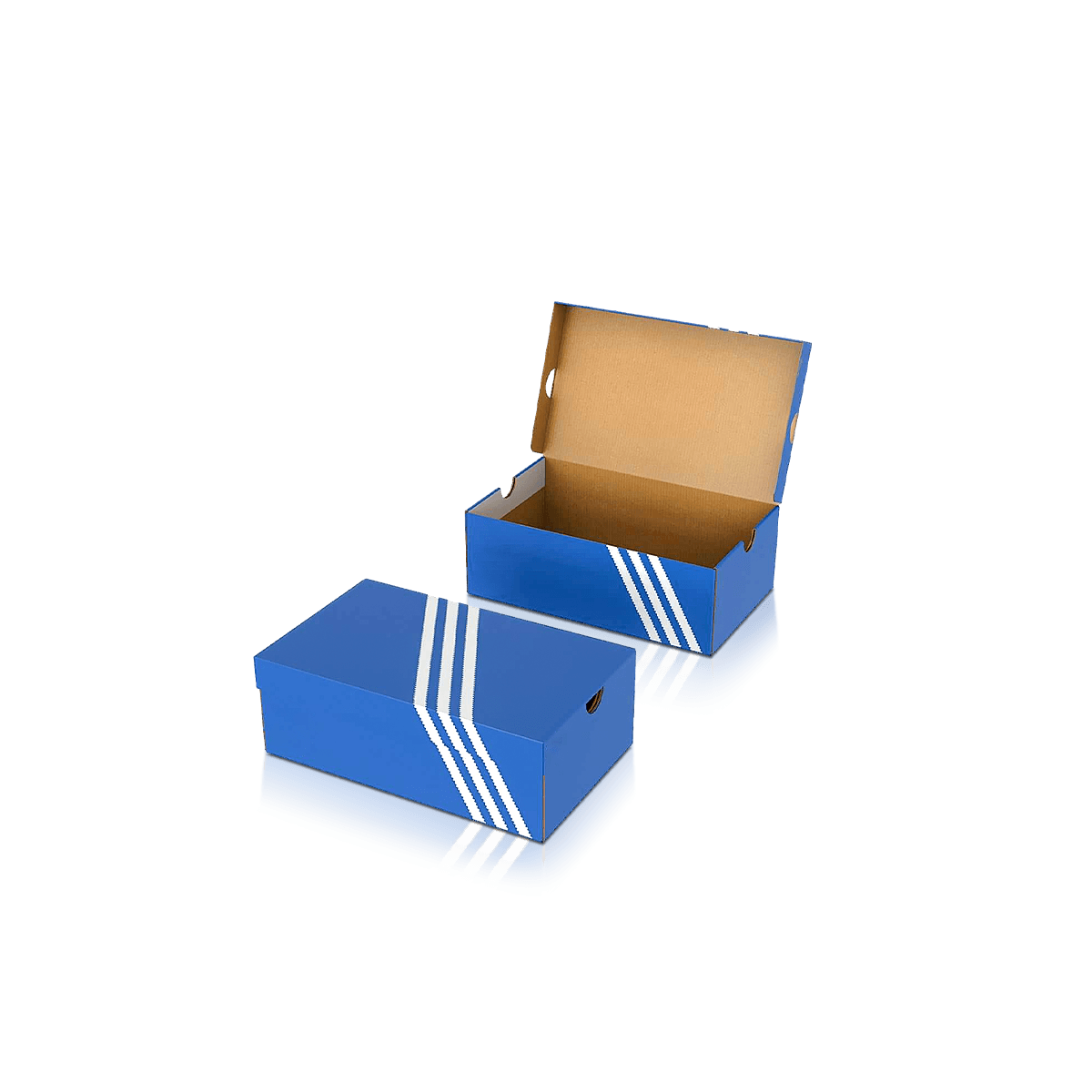
Shoe boxes give footwear a stronger outer structure, clearer brand presentation and more reliable storage shape than soft wrapping or generic delivery cartons. They suit retail display, premium handover and online fulfilment where fit, protection and first impression all matter.

Free Design Support

Clear Pricing

Flexible Quantities

Unlimited Customization

Premium Materials

Offset Precision

Free Shipping

Quick Turnaround

About

Footwear puts more strain on its carton than most apparel because the product is heavier, bulkier and shaped by hard edges, raised heels and deeper toe space. Shoe boxes help manage that pressure while keeping the pair aligned, protected and presentable from shelf to handover. They are widely used for trainers, formal shoes, loafers, sandals, slippers and limited-edition releases where the outer carton needs to do more than simply contain the product. A well-sized shoe box supports tissue, stuffing, branded cards and internal dividers without crushing the upper or letting the pair shift around during handling. It also creates cleaner space for colour naming, size labels and product details, which matters in retail and stockroom settings where quick identification is important.

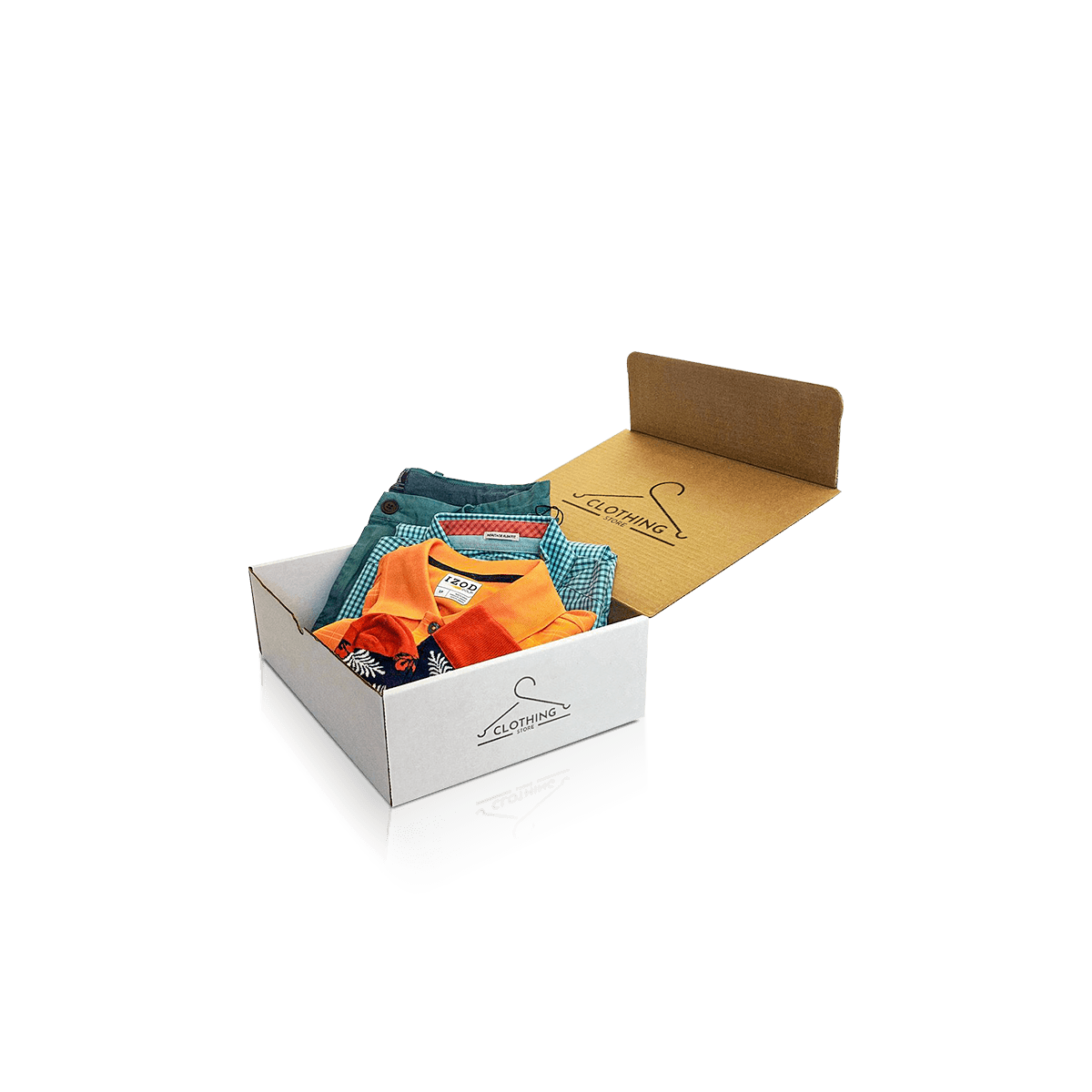
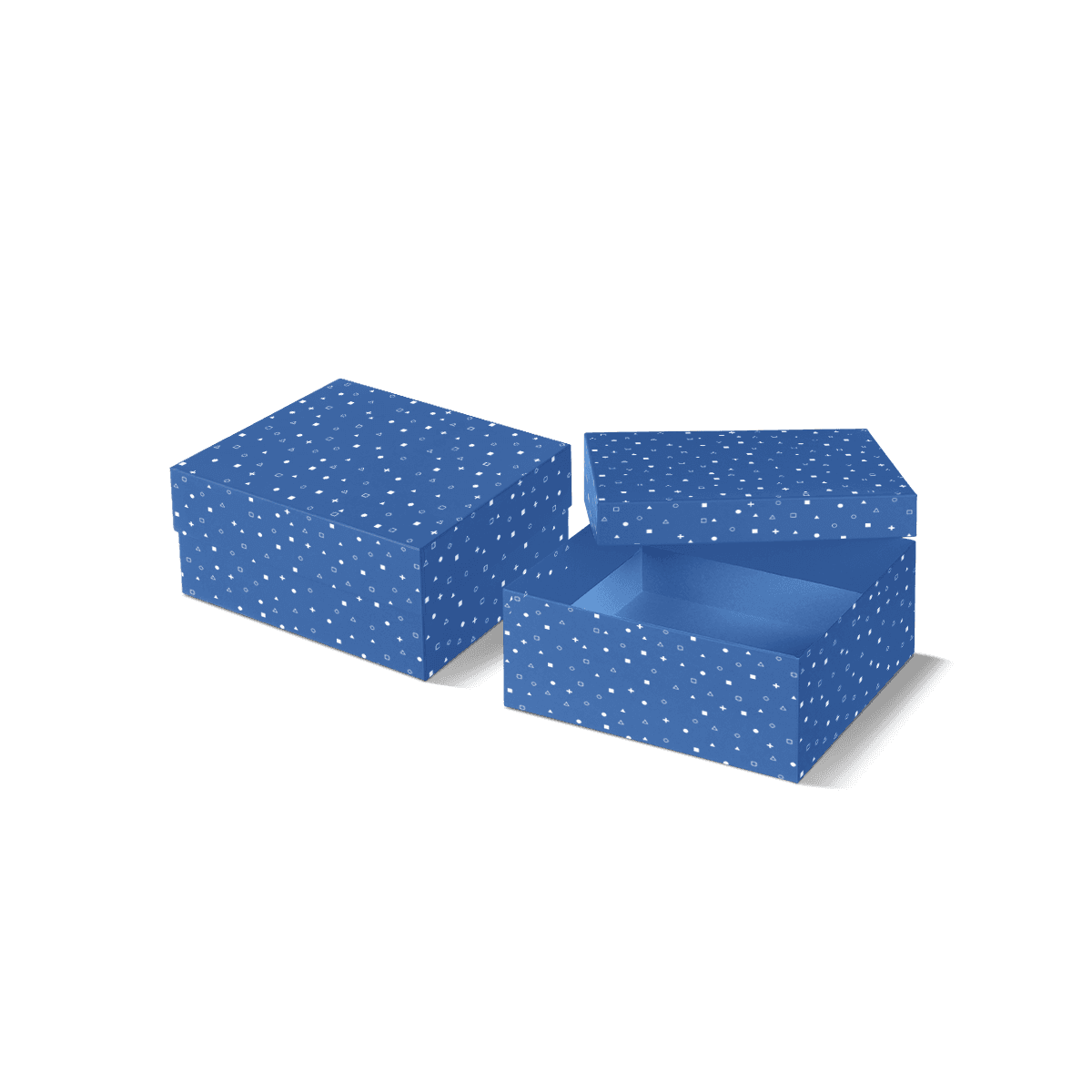
The best structure depends on footwear type, sales channel and how the brand wants the pair to be received. Standard paperboard or corrugated shoe cartons work well for everyday retail and online orders, while more presentation-led constructions suit premium collections and gifting. Compared with broader clothing boxes, shoe boxes need tighter attention to internal clearance, stacking strength and lid fit because the contents place more stress on corners and sidewalls. Confirm pair dimensions, toe height, heel height, inserts, tissue volume and whether the carton will travel inside a shipping outer before ordering. Custom Packly UK can tailor shoe boxes around retail footwear, campaign drops and boxed presentation without making stock handling awkward.

Commercial Packaging Advantages

  • Keeps footwear paired, aligned and easier to present across retail shelves and stockrooms

  • Protects uppers, laces and branded tissue from unnecessary rubbing during handling

  • Gives clearer front, side and lid space for sizing and product identification

  • Supports premium handover for launches, gifting and higher-value footwear lines

  • Improves stacking consistency for storage, replenishment and back-of-house organisation

Materials, Print and Protection

Footwear-specific sizing

Sized around pair length, toe depth, heel height and internal movement control.

Board strength selection

Choose sturdier board where heavier shoes need better corner and wall support.

Interior presentation details

Tissue, inserts and stuffing keep pairs tidy and reduce product shifting.

Branded print surfaces

Lids, side panels and labels carry range cues and stronger shelf presence.

Tailored carton options

Adjust dimensions, closures and insert layouts for each footwear category.

Packaging Insight

Footwear cartons now have to balance presentation with post-purchase practicality. Many customers keep shoe boxes for storage, gifting, travel organisation or returns, so the carton is no longer only a point-of-sale wrapper. That changes what matters. A box that looks sharp on shelf but collapses in the wardrobe or marks too easily during delivery can weaken the overall impression of the brand. For footwear lines sold online, the carton also influences how cleanly the pair arrives for social content, gifting moments and resale-conscious customers who care about condition. Brands that plan shoe boxes well usually think beyond shelf appearance and consider stacking, reopening, returns handling and how the carton will live with the product after purchase.

Where This Packaging Performs Best

  • Retail footwear ranges needing neat stacking, fast size identification and tidier shelf presentation

  • Premium trainers, loafers and formal shoes sold with tissue and branded inserts

  • Gift-ready slippers or occasion footwear handed over in-store or at events

  • Online footwear orders placed inside a separate shipping carton for safer transit

  • Limited-edition releases where the carton supports the product story and reveal

FAQs

The right board depends on footwear weight and how the carton will be handled. Lighter shoes can often use standard paperboard or lighter corrugated specifications, while trainers, boots and heavier pairs usually need stronger walls and corners. If the shoe box will sit inside a mailing outer, the presentation carton can stay more refined. If it will take heavier handling, strength becomes the priority.

Use the actual pair in its final presented state, including tissue, stuffing, inserts and any dust bags or cards. Trainers, heels and ankle boots can vary sharply in toe depth and height even when the listed shoe size is similar. Internal clearance should be tight enough to stop excess movement but not so tight that the footwear rubs against the lid or side panels.

Sometimes, but not always. A shoe box can handle short, controlled movement in retail or local handover, yet courier networks place more pressure on edges, corners and lids than many presentation cartons are designed to absorb. For most online orders, the better choice is to use the shoe box as the branded inner carton and add a corrugated shipping outer for transit protection.

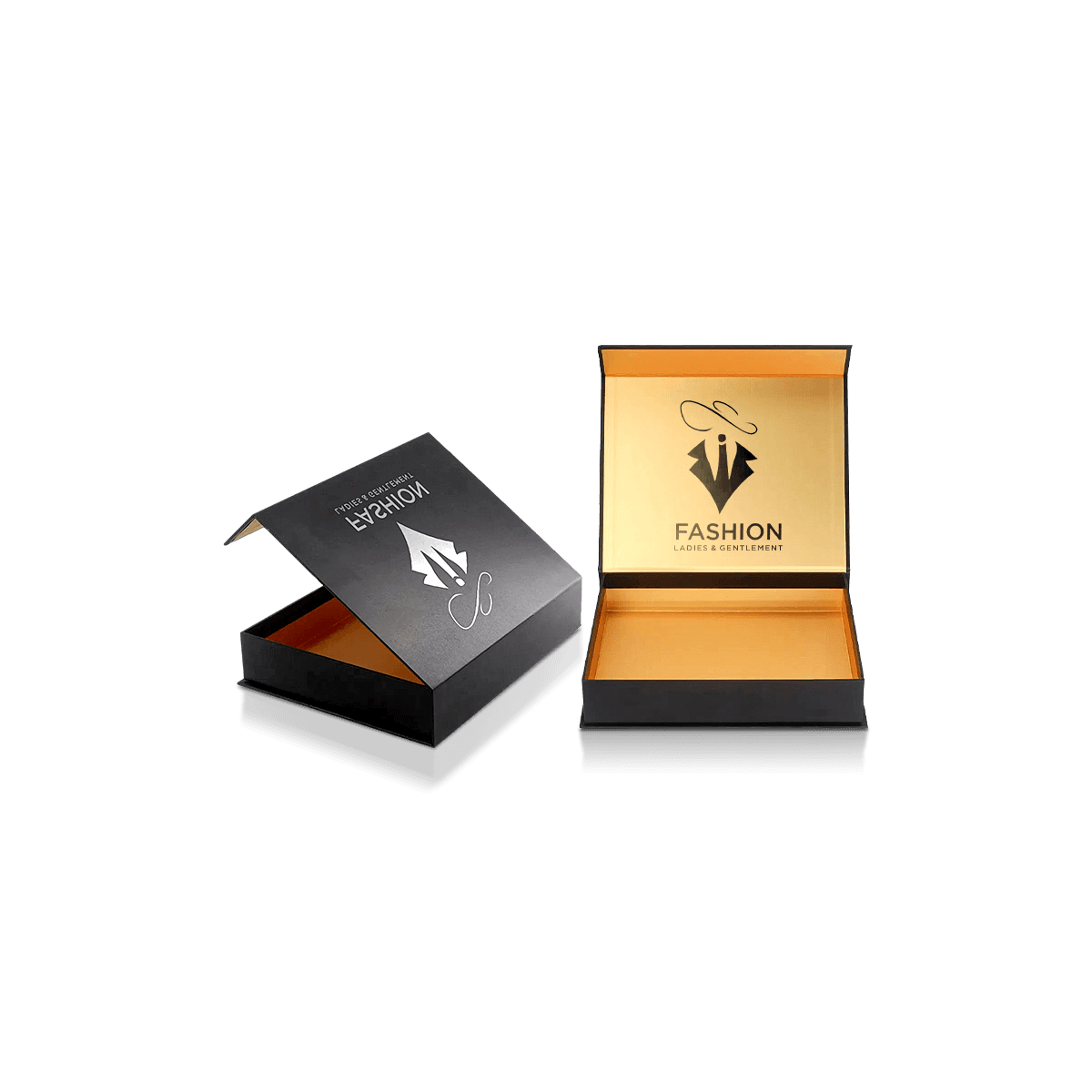
A drawer-style box suits premium footwear when the opening experience matters as much as storage. It can feel more controlled and gift-led, especially for limited releases or boutique handover. A standard shoe carton is usually more efficient for everyday retail, stockroom stacking and larger runs. The decision comes down to whether presentation theatre or operational simplicity carries more weight.

Confirm pair dimensions, footwear type, heel or boot height, stuffing method, tissue volume and whether inserts are needed to separate or secure the shoes. It is also worth confirming barcode placement, stacking method, storage conditions and whether the carton will be used only for retail presentation or also placed inside a shipping outer. Those details shape material choice and dimension accuracy.

Process

How it works

Simple steps from idea to delivery

01

Tell Us Your Specs

Custom packaging boxes

Tell Us Your Specs

Provide size, quantity, printing, and finishes.

02

Get a Fast Quote

Custom packaging boxes

Get a Fast Quote

Instant transparent pricing, no hidden fees.

03

Design and Approval

Custom packaging boxes

Design and Approval

Artwork checks, revisions, and final sign-off.

04

Produce

Custom packaging boxes

Produce

Expert manufacturing to meet deadlines.

05

Ship to Your Door

Custom packaging boxes

Ship to Your Door

Hassle-free, flexible delivery options.

Start Your Bespoke Packaging Quote

Share your product details, dimensions, quantity and artwork needs. We’ll help choose the right packaging style and send a clear quote.