Skip to content
Details

Custom Shirt Boxes

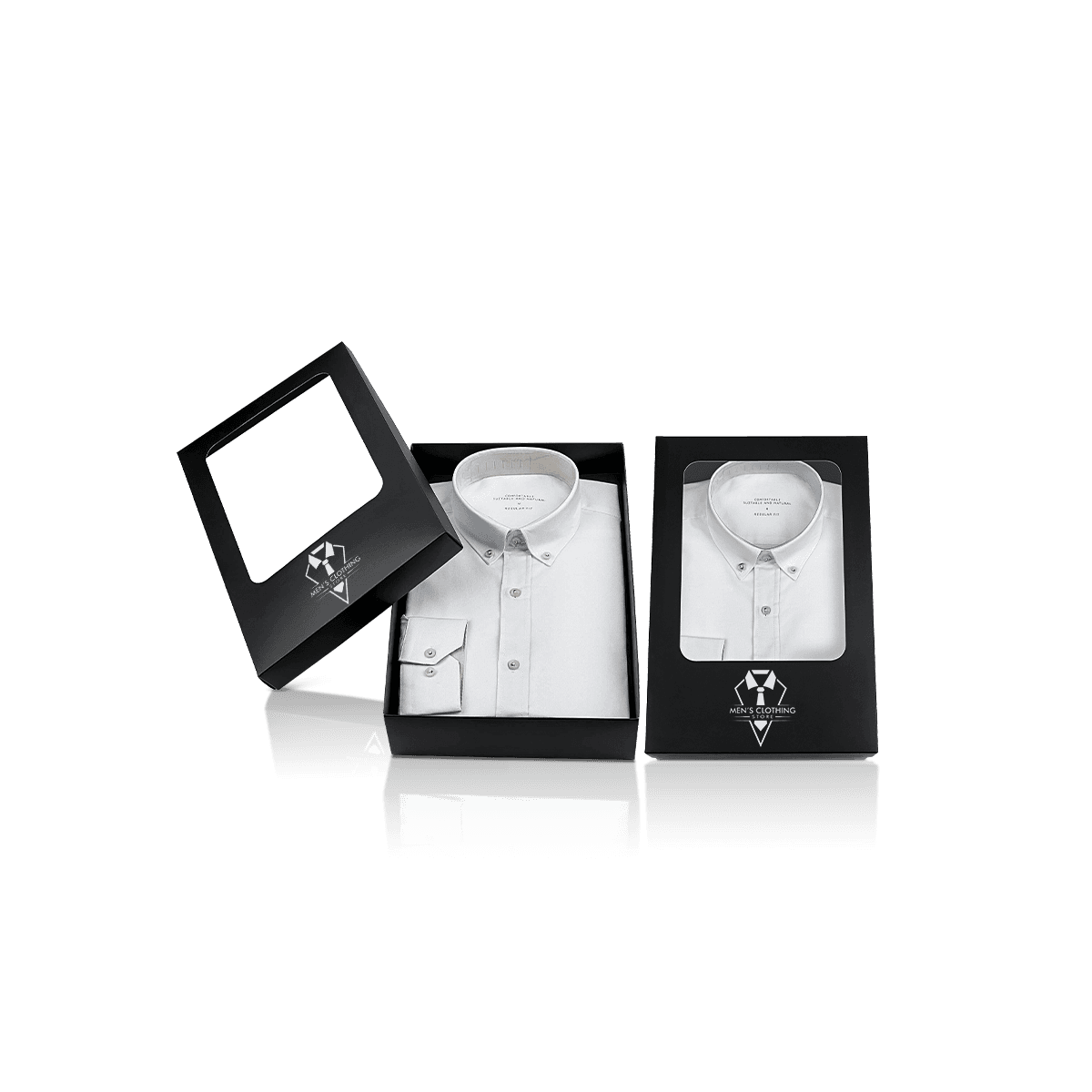
Shirt boxes give folded shirts a cleaner shape, steadier presentation and more gift-ready finish than soft packing or simple wraparound methods. They work well for retail display, formalwear, gifting and boxed brand presentation where the garment needs to look deliberate from the first touch.

The Collar Sets the Box

A shirt box can have the right length and width and still be too shallow. The collar often creates the highest point in the finished fold, especially with dress shirts, formalwear and structured uniform shirts.

Custom Shirt Boxes should therefore be sized around the exact folded shirt, with the collar sitting naturally rather than being pressed flat to make the lid close. Excess pressure can disturb the presentation before the customer even lifts the shirt out.

That is what separates this requirement from broader Clothing Boxes. General folded apparel can vary widely in shape. A shirt box works best when one deliberate fold, collar position and front-facing presentation are repeated consistently.

Set the Collar Height

Fold the real shirt and let the collar sit as it will during packing. Measure the total resting height instead of pushing the garment down.

Spread collars, button-down collars and heavier formal collars can create different profiles. Collar stays and internal supports can add more height again. These details should be included before the box depth is fixed.

A few millimetres of sensible headroom are more useful than a lid that visibly presses onto the collar. Too much depth creates the opposite problem, leaving the shirt looking lost inside the carton.

Allow a Clean Lift-Out

The shirt should lift without cuffs or fabric scraping tightly against the walls. This matters particularly with rigid or closely fitted two-piece boxes where the internal dimensions do not flex much.

The goal is controlled clearance, not loose space. Customers should be able to remove the shirt without disturbing the collar or pulling hard on the tissue beneath it.
Fix the Fold Before Sizing

The fold is part of the packaging specification. If different staff fold the same shirt to different widths or place the sleeves differently, even a well-made box will give inconsistent results.

Choose the finished fold first, then size the carton around it.

Standardise the Front View

Decide what should be visible when the box opens. Formal shirts often benefit from a centred collar and clean front placket. A patterned casual shirt may need more of the fabric visible. A uniform shirt may need an embroidered logo facing upward.

The chosen first view determines how the sleeves, cuffs and lower body fold behind the visible front panel.

Once that fold works, document it. A simple folding reference can do more for consistency than adding another internal component.

Control Cuff Bulk

Cuffs can create localised thickness when they overlap beneath the shirt. If both cuffs sit in one place, the carton may need unnecessary depth just to accommodate that small area.

Adjust the fold so bulk is distributed more evenly where possible. French cuffs, thicker fabrics and cufflink presentation need particular attention because they occupy more space than lightweight casual-shirt cuffs.

This is also why a shirt box designed around one thin cotton sample may not automatically suit heavier overshirts or flannel shirts.

Support Without Overpacking

Most shirts do not need an elaborate insert. The internal components should preserve the fold or organise an accessory, not make a soft product unnecessarily difficult to pack.

Use Fold Cards Selectively

A shirt board or supporting card can help create a flatter, more repeatable presentation, particularly for formal retail shirts. It can also make the packing method easier to standardise.

The support should sit within the garment cleanly and should not create a visible ridge through the fabric. If the shirt already holds its fold well, extra internal material may add more work than value.

Treat Collars Separately

Structured collars may benefit from a simple collar support where crushing is a genuine concern. Casual shirts, polos and softer collars often do not require one.

Avoid turning every shirt into an engineered insert project. The Inserts and Dividers options make more sense when cufflinks, ties, collar stays or other accessories need a defined position beside the shirt.

Free sample examples can help compare papers and finishes. If the exact collar clearance or accessory arrangement needs physical verification, a fully custom sample can be arranged before the production run.

Match Structure to the Sale

A shirt sold as an everyday retail item does not need the same outer structure as an occasionwear gift. The presentation level should follow the product and how the customer receives it.

Paperboard for Core Lines

A folding paperboard carton can work well for everyday shirts, uniforms and retail lines where clean print and efficient flat storage matter.

It gives enough structure to preserve the folded presentation without creating the storage footprint of an assembled rigid box. For retailers carrying several sizes or seasonal designs, that difference becomes important behind the counter or in the stockroom.

The broader Custom Boxes options are useful when a folding carton, mailer or rigid structure is still being considered.

Rigid for Gift-Led Shirts

A more substantial Rigid Box can suit formalwear gifting, premium shirts, limited collections and shirt-plus-accessory sets where the outer presentation has lasting value.

That extra structure should earn its cost and storage space. A rigid box is not automatically better for an everyday shirt simply because the garment is expensive.

If the shirt is going directly through a courier network, protect the presentation box rather than expecting decorative retail packaging to act as the shipping carton.

If a shirt is sold as part of a formal gift set, keep the small metal accessories separate: dedicated Cufflink Boxes can hold the pair securely instead of letting cufflinks move around the garment carton.

Make Product Data Easy to Read

Shirts create a lot of variable information: neck size, chest size, fit, sleeve length, colour, SKU and sometimes collar style. That data needs a permanent home on the packaging.

Reserve an End Panel

An end panel works well for information staff need while boxes are stacked. The shirt size, fit, colour and barcode can remain readable without lifting every carton off the shelf.

Keep this variable information separate from the main branding where possible. One printed carton can then serve several shirt variants while labels carry the details that change.

That approach can reduce obsolete packaging when a colour or size mix changes.

Avoid Artwork Collisions

Do not let the barcode label cover a foil logo, campaign message or essential print because no operational space was reserved.

The position should be established on the dieline before production. The packaging dieline process explains cut lines, crease lines, bleed and safe areas, while the Dieline Generator gives artwork teams a structural starting point once the dimensions are settled.

Print Around the Shirt

The garment already creates a disciplined visual presentation. The box does not need to compete with it.

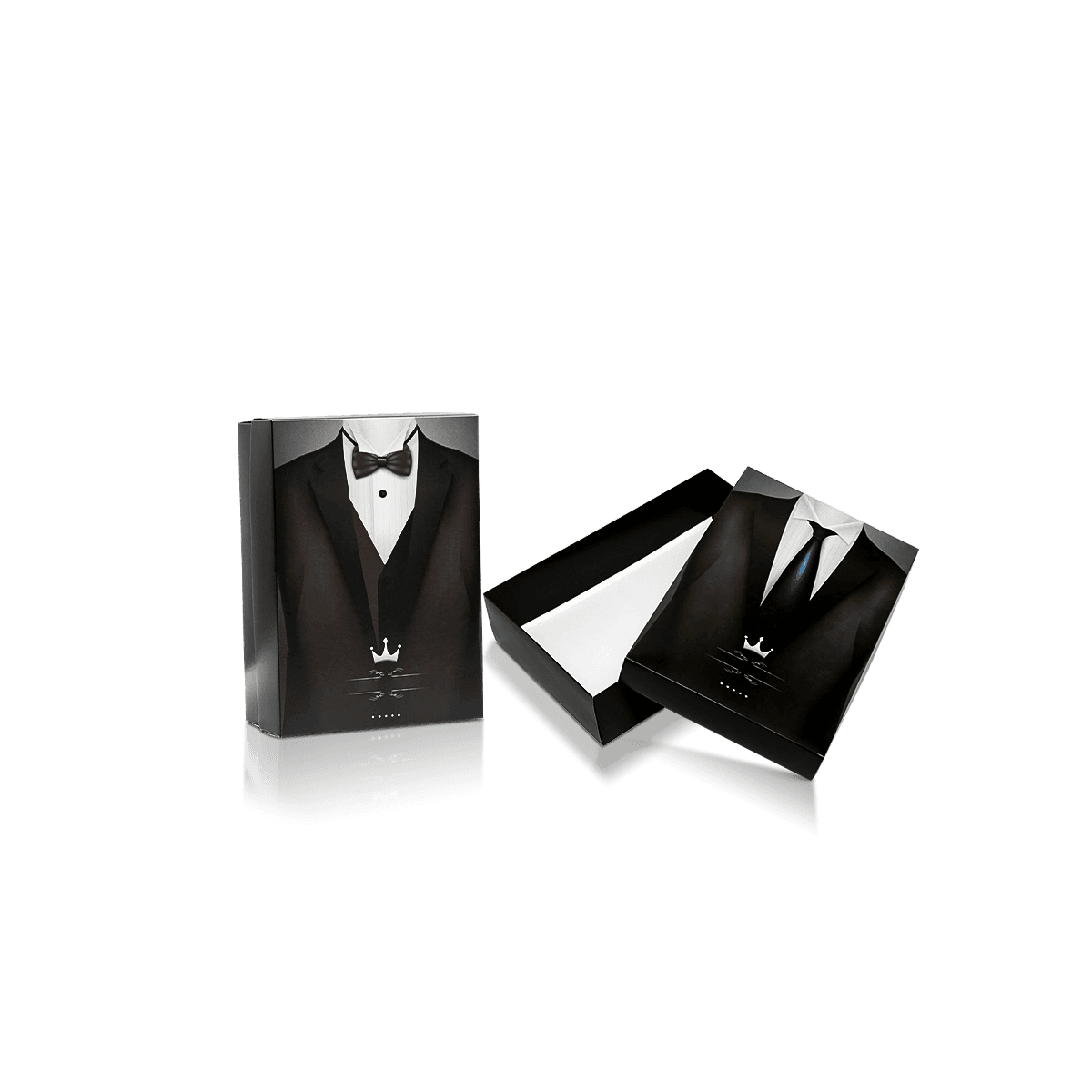
The strongest artwork usually establishes the brand clearly, leaves operational information room to work and uses finishing selectively on surfaces customers actually touch.

Choose Print by Version Count

A retailer ordering several shirt colours or seasonal designs should count the artwork versions before choosing the print method.

Five thousand cartons split across several designs create a different production decision from five thousand identical cartons. The digital versus offset printing choice should therefore consider quantity per artwork, colour requirements and repeat plans.

Premium offset printing is particularly useful for stable artwork, large repeated quantities, fine typography and controlled brand colour. Changing seasonal graphics may alter the economics.

Proof the Visible Panels

A free 3D mockup can check whether the logo sits correctly on the lid, whether end-panel information remains readable and whether any inside message appears in the intended orientation.

For more complex design work, the packaging design workflow is useful before final artwork is locked.

The shirt-box design should also be checked across every planned size. A logo that feels balanced on a compact carton can look lost when the same artwork is placed unchanged on a larger box.

Presentation Still Needs Protection

Shirt boxes are strongest as product-facing packaging. That does not mean every one should be expected to survive parcel networks on its own.

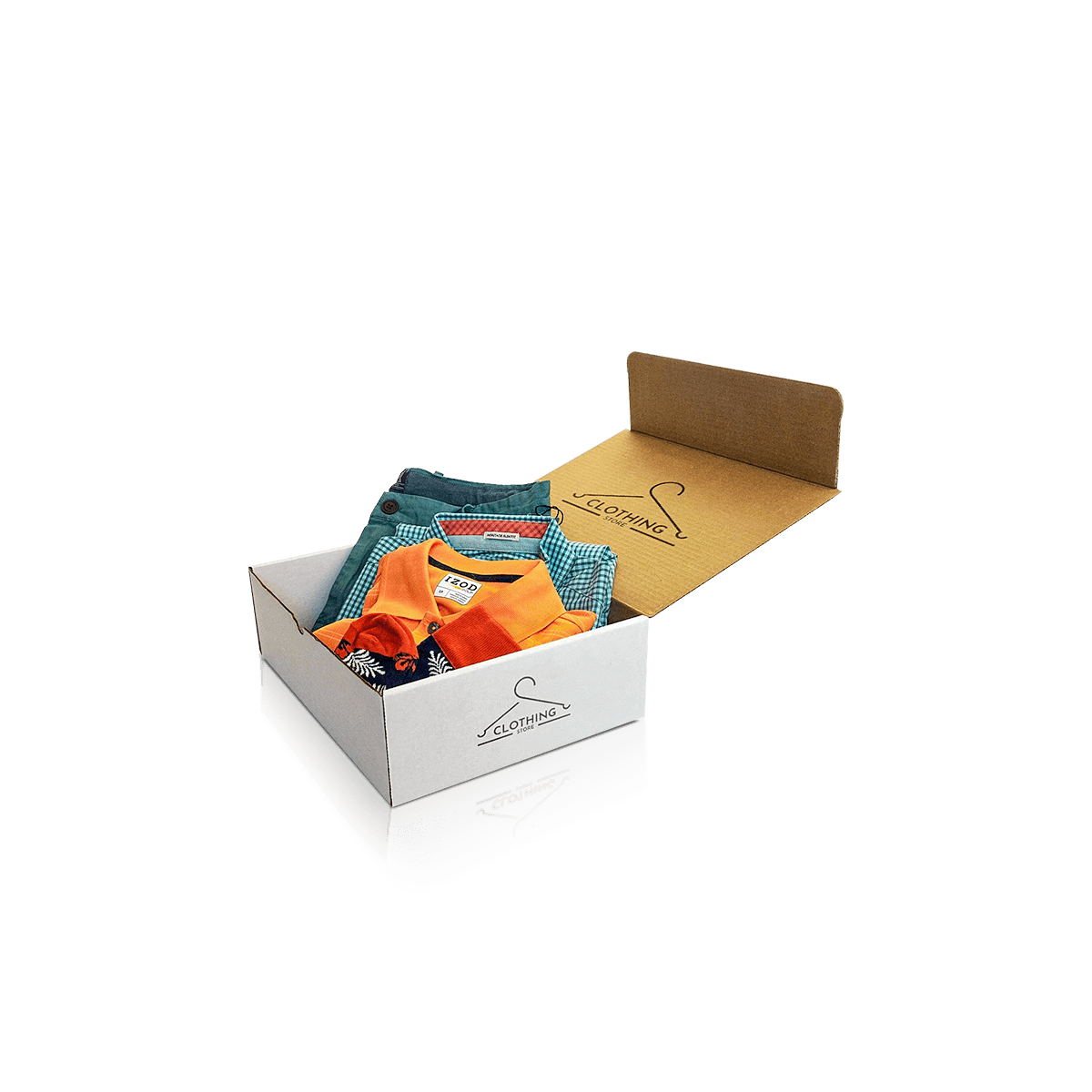
For ecommerce orders, a correctly sized outer carton or Clothing Mailer Box can protect the edges, print and opening surfaces of the shirt box.

This separation is particularly useful when the inner carton uses foil, dark colours or another finish that would show abrasion after courier handling.

Do not oversize the outer package. The shirt box should not slide freely from side to side during delivery. At the same time, avoid an outer carton so tight that the retail box becomes difficult to remove.

If the business sells shirts alongside footwear, sets or direct-delivery apparel, the Retail and Apparel options keep those different packaging problems separate instead of forcing one structure across them all.

Repeat the Same Presentation

A good shirt box specification becomes more valuable on the second and third order. Once the fold, collar clearance, dimensions, label position and artwork work together, record them as one approved system.

Freeze the Packing Standard

Store the final folded dimensions with the packaging specification. If the fold changes but the carton does not, the fit can appear to have failed even though the box itself has not changed.

This matters for uniforms, formalwear and continuing shirt lines where new production batches should look consistent beside earlier stock.

Custom Packly can support ongoing shirt packaging from an MOQ of 100 boxes. Once an approved specification is established, typical UK production is 4–6 working days.

Control Repeat Artwork

Core shirt lines often benefit from stable permanent artwork with variable labels carrying size and colour information. That makes repeat production easier than recreating the printed carton for every minor SKU difference.

For larger established quantities, Custom Printed Boxes can also coordinate stable print specifications and repeat artwork requirements.

Custom Packly is an established packaging company with extensive practical experience, unlimited customisation and 24/7 support when a collar depth, box size or artwork version needs adjustment without disturbing the rest of an approved shirt programme.

A Birmingham Example

A Birmingham apparel brand selling shirts moved from plain boxes to custom branded packaging. After the change, the business reported more customer social sharing and increased repeat orders.

The useful point is not that decorative packaging automatically creates repeat sales. The box worked as part of a clearer finished presentation: customers received the shirt as a deliberately branded product rather than an item placed inside a plain container.

Approve One Reference Shirt

Choose one representative shirt for each carton size and pack it exactly as it will be sold, including tissue, fold card, collar support and accessories. Confirm that collar height, cuff bulk and lift-out clearance remain correct after the shirt has rested in the box.

Use that approved reference when requesting a custom packaging quote. Send the finished folded dimensions, shirt type, carton quantity and artwork status. A proven reference shirt gives production a clearer target than a loose list of outside box measurements.

FAQs

Paperboard is often the best starting point because it keeps shirt boxes crisp, printable and easy to store flat before packing. Heavier board grades make more sense when the shirt is part of a formalwear set, a gift presentation or a more substantial retail pack. Confirm shirt weight, fold depth and whether accessories will sit inside before choosing the board specification.

Yes, but usually as the branded inner layer rather than the only shipping pack. Shirt boxes are excellent for presentation, fold control and gifting, but courier handling can mark decorative finishes or crush lighter builds if no outer protection is used. For direct delivery, many brands place the shirt box inside a corrugated mailer to protect edges and printed surfaces.

Start with the exact folded shirt dimensions, not the garment’s flat measurements. Then confirm collar height, tissue thickness, accessory count, closure style and whether the box needs to hold inserts such as bands, care cards or ties. It also helps to confirm whether the pack is for shelf display, gifting or onward shipment, because that changes both board strength and finish choice.

They can, and those details are often what separate an ordinary apparel carton from a stronger presentation pack. A window can show fabric or colour, inserts can secure accessories and inner printing can reinforce the branded experience on opening. Use those additions carefully though, because every extra feature affects packing speed, structural depth and overall cost.

Shirt boxes are better when presentation, gifting and a controlled folded reveal matter most. Clothing Mailer Boxes are stronger for direct shipping, quicker to pack in volume and usually more practical when the parcel needs to survive courier handling with less risk to the outer finish. If the shirt is sold as a gift or formalwear piece, the boxed route usually feels more appropriate.

Process

How it works

Your Packaging Journey, From Idea to Production and Delivery

01

Tell Us Your Specs

Custom packaging boxes

Tell Us Your Specs

Provide size, quantity, printing, and finishes.

02

Get a Fast Quote

Custom packaging boxes

Get a Fast Quote

Instant transparent pricing, no hidden fees.

03

Design and Approval

Custom packaging boxes

Design and Approval

Artwork checks, revisions, and final sign-off.

04

Produce

Custom packaging boxes

Produce

Expert manufacturing to meet deadlines.

05

Ship to Your Door

Custom packaging boxes

Ship to Your Door

Hassle-free, flexible delivery options.

Get Your Quote for Custom Shirt Boxes

Share your product details, dimensions, quantity and artwork needs. We’ll help choose the right packaging style and send a clear quote.