Skip to content
Details

Custom Clothing Mailer Boxes

Clothing mailer boxes give folded apparel stronger shipping support, cleaner doorstep presentation and better brand visibility than plain transit cartons. They suit ecommerce fashion, subscription orders and promotional sends where garments need to arrive tidy, protected and ready to open.

Plan for the Second Journey

A clothing parcel may make the same journey twice. The first trip ends with the customer opening the order. The second starts if the garment is tried on, refolded and returned. Custom Clothing Mailer Boxes should be planned for both moments when returns are a normal part of the sales model.

That changes the brief. The mailer has to protect a soft product through courier handling, open without unnecessary damage and still make sense after the customer has disturbed the original fold. A decorative presentation box can look excellent at dispatch yet become awkward if it was never expected to travel again.

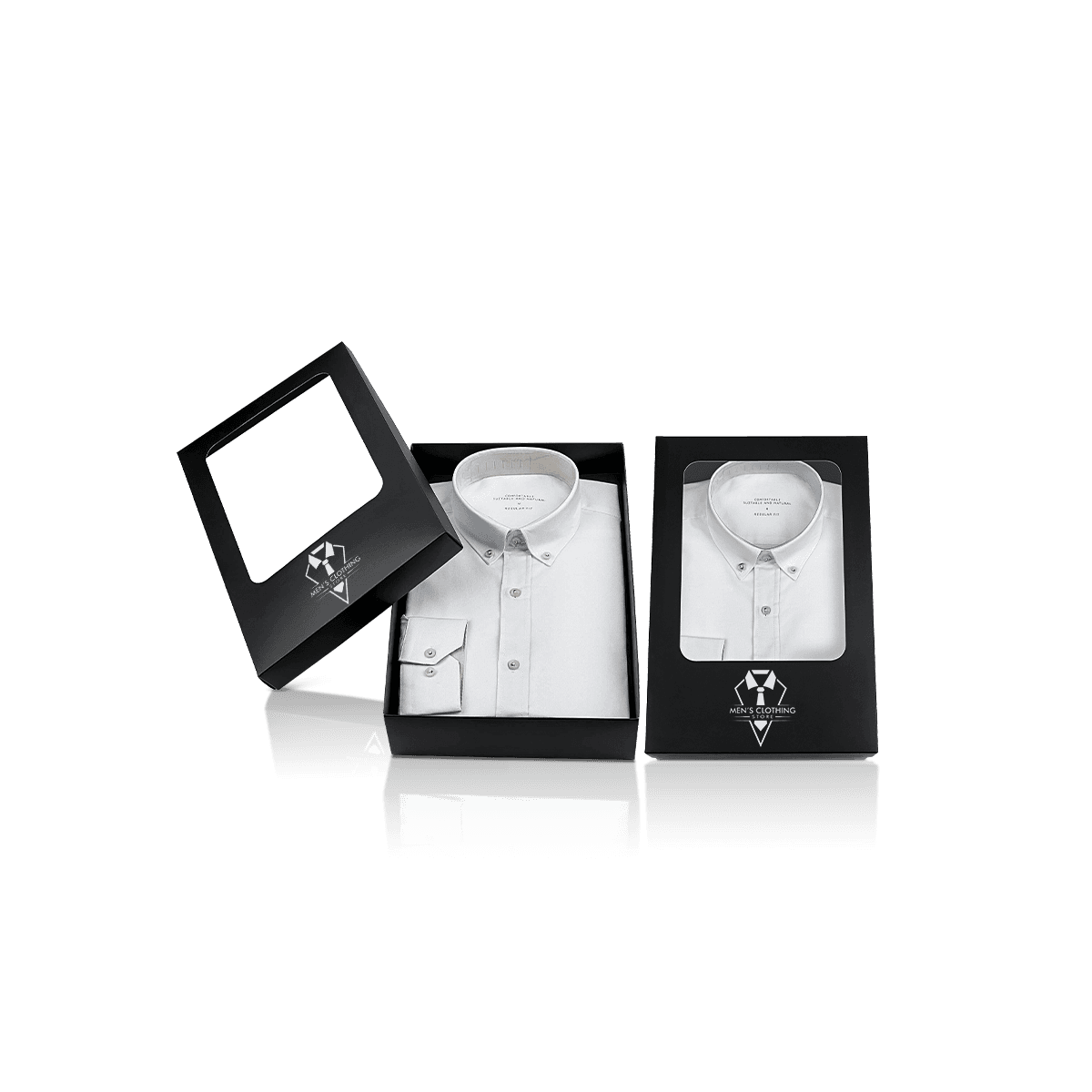
If the order is mainly for in-store handover or gifting, Clothing Boxes are a better fit. If the business is coordinating several retail, ecommerce and premium structures together, Custom Apparel Boxes covers that wider packaging system.

Test the Return State

Do not test the mailer only with a perfectly folded outbound order. Open it as a customer would, remove the garment, refold it less precisely and see whether the box still closes without forcing the lid or damaging the tuck.

If the chosen closure is difficult to reopen cleanly, decide how returns will be handled before production. The right answer may be a reclosable tuck structure, a separate returns method or a different outer mailer. What matters is that the returns process is intentional rather than left to the customer to improvise.

Protect Shape, Not Fragility

Most clothing is not fragile in the same way as glass or electronics. The mailer's job is usually to protect the fold, prevent the parcel collapsing and keep the order presentable through stacking, sorting and doorstep delivery.

That means more material is not automatically better. Strength should match the packed weight, box span and courier journey. Overbuilding a lightweight T-shirt order can add cost and bulk without solving a real problem.
Size the Real Order

The useful dimensions are not the flat dimensions of one garment. They are the dimensions of the order after folding, wrapping, paperwork and any extras have been added.

Measure the Basket

Build several realistic order combinations before choosing box sizes. A single T-shirt, two tops, a hoodie and an outfit order can create very different depths even when the footprint is similar.

Measure each common basket in its final packed state. Include tissue, sleeves, thank-you cards, care cards and promotional inserts. Then check which combinations can share one mailer without excessive compression or empty space.

This is where the broader Custom Mailer Boxes options are useful: the structure should follow total packed depth, weight and delivery handling rather than the clothing label alone.

Do Not Ship Air

One oversized box used for every clothing order feels operationally simple but often pushes the problem elsewhere. Smaller orders need extra tissue or void fill, garments can move and the parcel occupies more space than necessary.

The better approach is usually a small size family based on actual basket patterns. Two or three well-chosen mailers can cover more orders efficiently than one oversized universal box or a separate size for every SKU.

The same principle appears in the breakdown of common custom packaging cost mistakes, where excess dimensions, unnecessary material and slow packing can matter more than the headline box price.

Choose Closure by Workflow

Closure affects the packing team before it affects the customer. A mailer that looks clean but takes too long to assemble or needs repeated tape adjustments can become expensive at volume.

Closure details often need more adjustment than a stock mailer allows. As an established custom packaging company, Custom Packly can tailor dimensions, locking details and print around the fulfilment process, with experienced technical support available 24/7 when a live dispatch setup needs help.

Use Tucks for Simplicity

A well-cut tuck closure works well when staff need a straightforward fold-and-close process. Tuck Top Mailer Boxes suit light-to-medium ecommerce orders where a neat corrugated structure and uncomplicated opening matter.

For clothing, check that the top garment does not rise into the tuck area. If knitwear or hoodies push against the lid, increasing depth slightly is usually better than asking staff to compress every order by hand.

Use Rolled Sides for Support

Roll End Tuck Front Mailer Boxes add rolled side walls and a front tuck, giving the mailer more side support while keeping a one-piece ecommerce structure.

That can suit streetwear, hoodies, multi-garment orders and other deliveries where the box needs to hold its form without moving into a separate presentation box plus outer shipper.

The final choice should still be tested at the packing bench. Assembly time, closure pressure and how the box behaves after reopening matter as much as how it looks on screen.

Match Corrugated Strength

Corrugated material is usually the practical starting point for a clothing mailer because it combines foldability, printable surfaces and useful transit support. The exact flute and grade should follow the filled parcel rather than a generic apparel specification.

Match Strength to the Basket

A shallow mailer carrying one or two lightweight garments does not need the same strength as a deep box filled with hoodies or accessories. E-flute can be a useful starting point for many light and mid-weight apparel orders because it gives a relatively slim corrugated profile and clean folds, but the final specification still depends on size, weight and handling.

Brands that want the natural appearance of brown stock can consider Custom Kraft Mailer Boxes. White liners can be more suitable where bright artwork or closer colour reproduction is important.

Watch Deep Boxes

As a mailer becomes deeper or wider, panel span starts to matter more. Soft garments may not break, but a weak outer box can bow, crush at the corners or arrive looking tired.

Do not solve every deep-order problem by jumping straight to heavier material. First check whether the order should move into a different mailer size, whether the garments are distributed evenly and whether the closure is carrying more pressure than intended.

Free sample examples can help with material direction, while a fully custom physical sample is more useful when an unusual size, closure or filled weight needs to be tested before a larger run.

Move the Brand Moment Inside

The outside of an apparel mailer goes through labels, sorting equipment, vans, handling and weather exposure. It does not need to carry every premium finish to create a strong delivery experience.

Let the Exterior Take the Wear

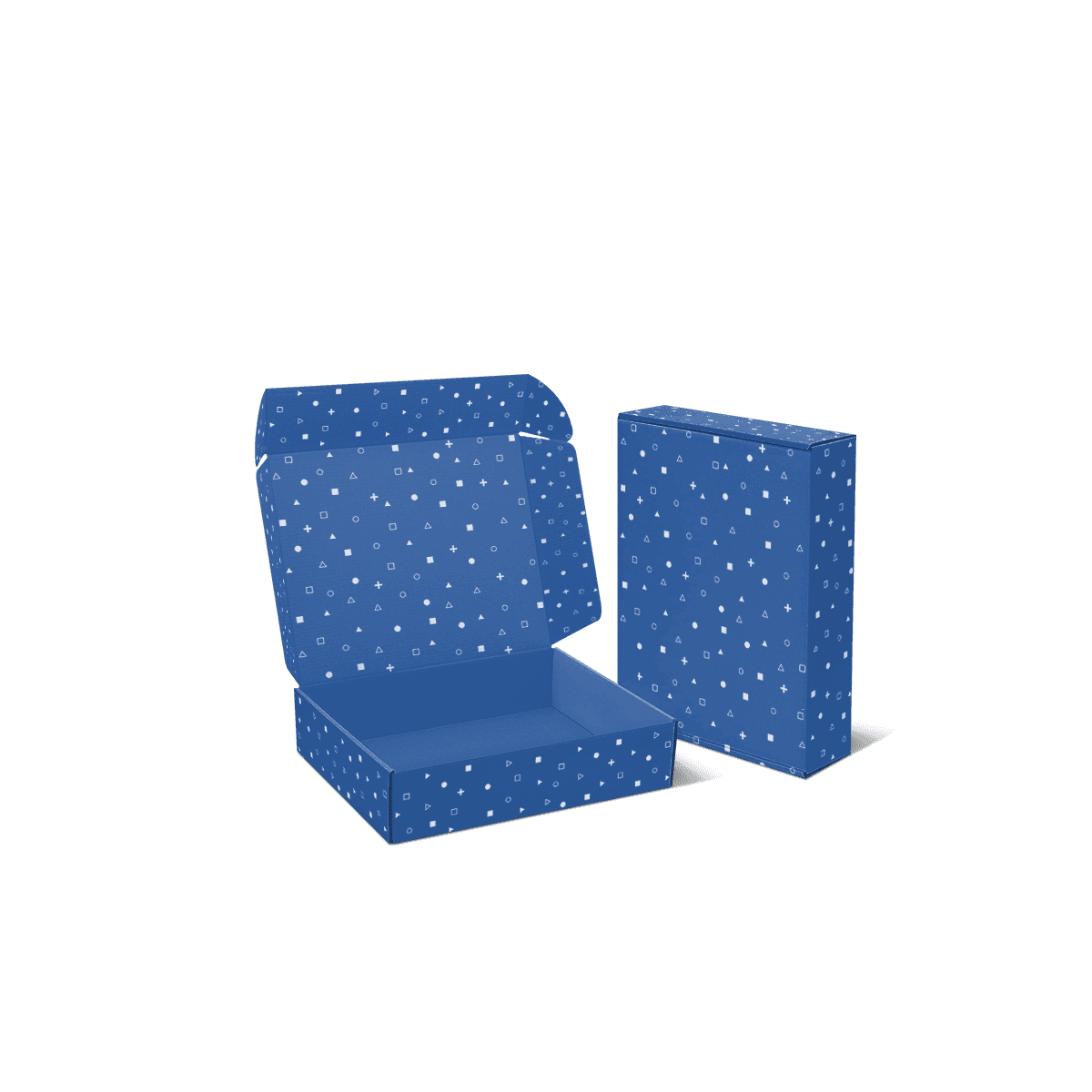
A simple outer identity can survive handling better than a design that depends on pristine dark solids, delicate foil or large unprotected finish areas. Branding can still be recognisable through colour, typography, a repeat pattern or a clear mark without treating the shipping face like a retail gift box.

Premium offset printing can support detailed graphics and consistent repeat artwork where the quantity and specification suit it. The outside artwork should still be judged as shipping packaging first.

Use the Lid for the Reveal

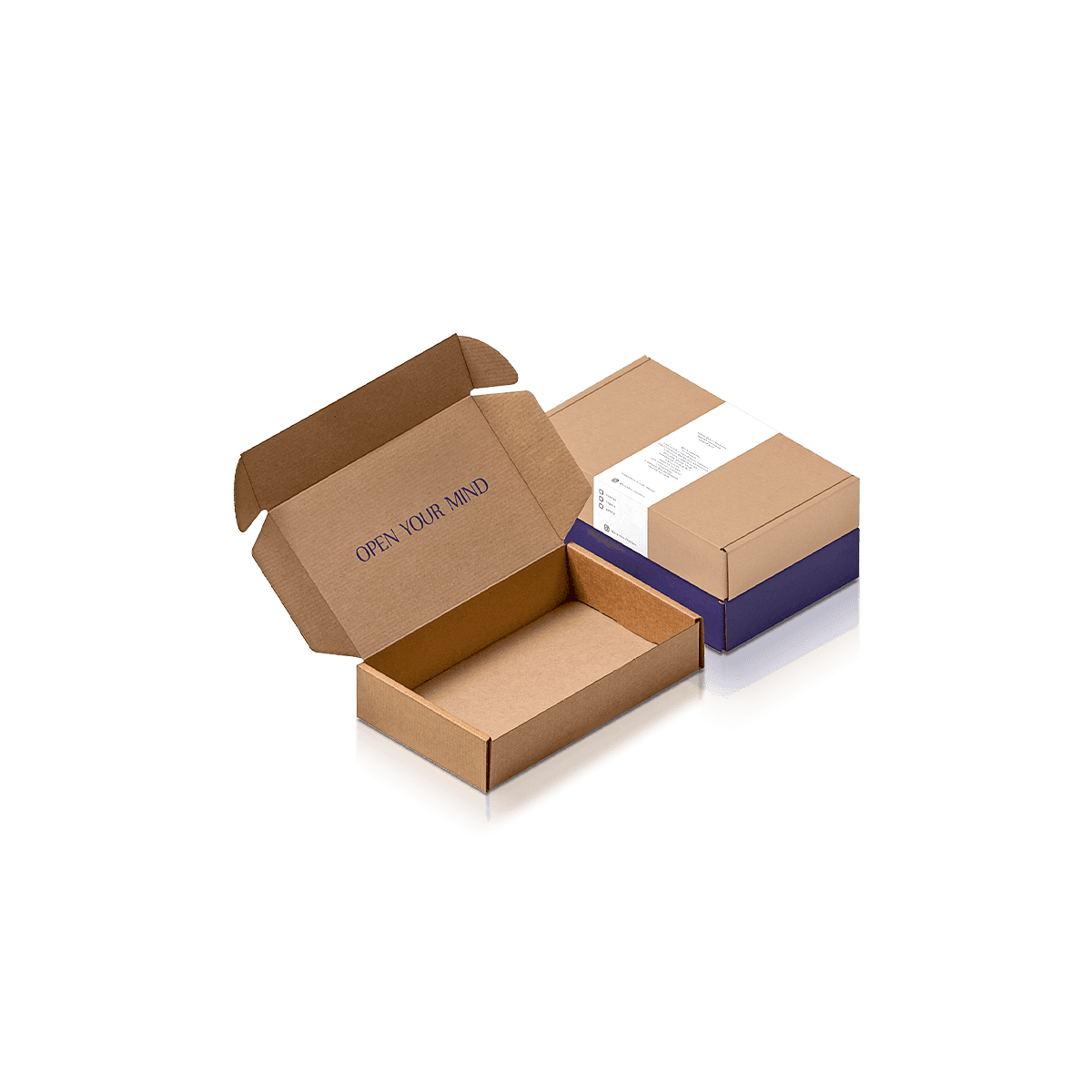
The inside lid arrives relatively protected, which makes it valuable space for campaign artwork, garment-care messaging, a repeat pattern or a controlled colour hit. It can carry more of the presentation without adding a second branded box around the clothing.

A free 3D mockup helps check panel orientation and the relationship between outside and inside print before approval. For artwork built around folds, tabs and lid panels, the dieline setup process is worth resolving before final design is placed.

The Dieline Generator can also provide a starting structure once the working dimensions are known.

Speed Up Dispatch

Clothing mailers earn their value at the packing bench. Flat storage, quick assembly and predictable sizes can matter more to a busy ecommerce operation than another decorative finish.

Time the Fold

Assemble several boxes from flat and pack real orders. Look for repeated movements that slow staff down: sidewalls that need correcting, flaps that catch, tissue that extends into the closure or a depth that forces the garment to be compressed again.

The goal is not simply the fastest possible box. It is a sequence that new or seasonal staff can repeat reliably without damaging the presentation.

The fast-turnaround mailer process also shows why settled dimensions, structure and artwork reduce delays before manufacturing begins.

Reserve the Courier Label Zone

Reserve an exterior area for courier labels so they do not routinely cover the main brand mark, opening instructions or artwork that needs to stay visible. The location should work across the mailer sizes you intend to use.

If different garment baskets share one box, keep warehouse identifiers and variable order information separate from permanent printed artwork. That reduces the need to create unnecessary printed versions.

Build a Small Mailer Family

Fashion ecommerce changes by basket, not just by SKU. A customer may buy one top today and three garments next week. Packaging should accommodate those order patterns without turning the stockroom into a wall of nearly identical boxes.

Use Order Data

Start with the most common packed baskets, then identify the few sizes that cover them well. A shallow size may take single-item orders, a medium depth may handle common multi-item baskets and a larger mailer may cover bulky knitwear or sweatshirts.

The E-commerce and Subscription packaging area is useful when the requirement expands beyond apparel into recurring boxes, samples, PR sends or mixed online orders.

Orders for Clothing Mailer Boxes can start from 100 units, which gives a growing fashion brand room to validate a size before scaling. Once an approved mailer family is established, 4–6 working day production can support replenishment when stock is planned around launches and normal dispatch demand.

Record Each Approved Mailer

Record internal dimensions, material, closure, print version and packing use for every approved mailer. When reorders arrive, staff should know exactly which basket belongs in which size.

Custom Packly is an established packaging company with extensive customisation capability, practical packaging experience and 24/7 support. That becomes useful when an apparel operation needs to adjust one depth, print version or closure without losing control of the rest of the mailer system.

Compare Quotes Like for Like

Clothing mailer quotes are only comparable when suppliers are pricing the same internal dimensions, material, closure, print coverage and quantity. A lower unit price can be misleading if one quote assumes a lighter specification or excludes something the other includes.

The mailer quote checklist covers size, board, flute, printing, finishes, delivery, dielines and artwork support in more detail.

For apparel, add two practical questions to that comparison: has the quote been based on the real packed basket and has the closure been considered for the expected return process? Those details can change the usefulness of the box long after the price has been approved.

Free delivery can also simplify the landed-cost comparison when assessing the complete order rather than the printed unit price alone.

Specify the Dispatch Pattern

The useful quote brief for Clothing Mailer Boxes starts with how orders actually leave the warehouse. Share the two or three most common garment combinations, their packed length, width, depth and weight and the quantity split you expect across each mailer size.

State how the parcel is normally closed, whether customers are expected to reuse the same box for returns, whether inside printing is required and where courier labels usually sit. Add the artwork status and any fixed launch or replenishment date.

Those details allow the box to be priced around packing, transit and returns rather than around a generic folded T-shirt. Submit them through the custom packaging quote for instant pricing on the working specification.

FAQs

That depends on garment weight, parcel size and how far the order will travel. Lightweight t-shirts can often use a lighter corrugated specification, while hoodies, knitwear or multi-item orders usually need stronger board and more dependable edge support. If the carton may face rougher handling or longer courier chains, test strength, closure hold and corner performance before full production.

Clothing mailer boxes are the better option when shipping performance comes first. They are designed for dispatch, stacking and direct delivery, while Clothing Boxes usually focus more on presentation for retail, gifting or handover. If the apparel is going straight into a courier network, the mailer carton normally gives a more practical balance of protection, branding and handling efficiency.

They work especially well for folded t-shirts, shirts, sweatshirts, knitwear, light jackets, uniforms and coordinated clothing sets. The key is that the garment should sit securely once folded and should not need the more ceremonial reveal of a rigid presentation box. For heavier or bulkier garments, the carton depth and board strength need closer planning so the contents stay controlled.

A lot, provided the artwork is planned around how the carton opens and closes. The outer panels usually carry the main visual identity, while the inside lid, flaps or base can hold campaign messaging, care notes, QR codes or thank-you graphics. Keep critical information clear though, because overfilling every panel can reduce readability and weaken the premium feel.

Start with the garment in its final folded condition and confirm quantity per order, tissue volume, insert count and any return-use requirement. Then lock the sealing method, board grade, print coverage and courier expectations. It also helps to confirm whether the same carton will serve all sizes or whether certain garments need separate dimensions to avoid too much empty internal space.

Process

How it works

Your Packaging Journey, From Idea to Production and Delivery

01

Tell Us Your Specs

Custom packaging boxes

Tell Us Your Specs

Provide size, quantity, printing, and finishes.

02

Get a Fast Quote

Custom packaging boxes

Get a Fast Quote

Instant transparent pricing, no hidden fees.

03

Design and Approval

Custom packaging boxes

Design and Approval

Artwork checks, revisions, and final sign-off.

04

Produce

Custom packaging boxes

Produce

Expert manufacturing to meet deadlines.

05

Ship to Your Door

Custom packaging boxes

Ship to Your Door

Hassle-free, flexible delivery options.

Get Your Quote for Custom Clothing Mailer Boxes

Share your product details, dimensions, quantity and artwork needs. We’ll help choose the right packaging style and send a clear quote.