Skip to content
Details

Custom Apparel Boxes

Luxury apparel boxes give fashion pieces a more elevated outer presentation, steadier garment support and stronger gifting presence than standard clothing cartons. They suit boutique retail, occasionwear, premium collections and launch editions where finish, structure and reveal all influence perceived value.

One Range, Different Jobs

A fashion range becomes difficult to package when every garment is forced into the same box. A folded shirt may need a shallow carton, a hoodie needs more depth, an ecommerce order needs courier strength and a limited drop may justify a rigid presentation box. Treating all four as one packaging problem usually creates wasted space, crushed folds or unnecessary cost.

Custom Apparel Boxes work best as a coordinated system rather than one universal style. The useful starting point is to separate the jobs: which products need retail presentation, which travel directly to customers and which need a more substantial opening experience. The branding can stay consistent even when the structure changes.

That distinction keeps this broader apparel requirement separate from Clothing Boxes, which are better suited to presentation-led folded garments, and Clothing Mailer Boxes, where courier handling and delivery efficiency are the main concern.

Size the Folded Product

Soft goods do not have one fixed shape. A garment can look compact when compressed by hand, then regain depth once tissue, tags or accessories are added. Box dimensions should therefore come from the garment in the exact state in which it will be packed.

Use Packed Dimensions

Fold the real item using the packing method staff will actually follow. Add tissue, belly bands, care cards, swing tags and any accessories before measuring length, width and total depth. A hoodie measured flat can produce a very different requirement from the same hoodie folded with tissue and a branded insert.

Do not remove every millimetre of clearance in an attempt to make the box look tailored. The garment still needs to load cleanly without catching at the corners or forcing the lid upward. At the other extreme, too much space lets folded products shift and makes a premium presentation feel loose.

For shirt-led ranges with a consistent fold and collar profile, Shirt Boxes can be more precise than a broad apparel specification.

Group by Fold Behaviour

Do not automatically create one box size for every SKU. That can leave a fashion business storing too many packaging variants and makes repeat ordering harder.

A better method is to group garments by packed behaviour. Lightweight T-shirts and shirts may share one shallow size. Knitwear may need a medium depth. Hoodies or multi-piece sets may justify a deeper option. The exact grouping depends on the real folded dimensions, not the garment name.

A free 3D mockup can help check how a coordinated size family will look before production. Where physical fit, closure tension or presentation depth is uncertain, a sample is more useful than approving from artwork alone.

Give Each Structure One Job

The strongest apparel systems stop asking one box to perform every task. Retail, courier delivery and premium presentation place different demands on the outer packaging.

Retail Presentation

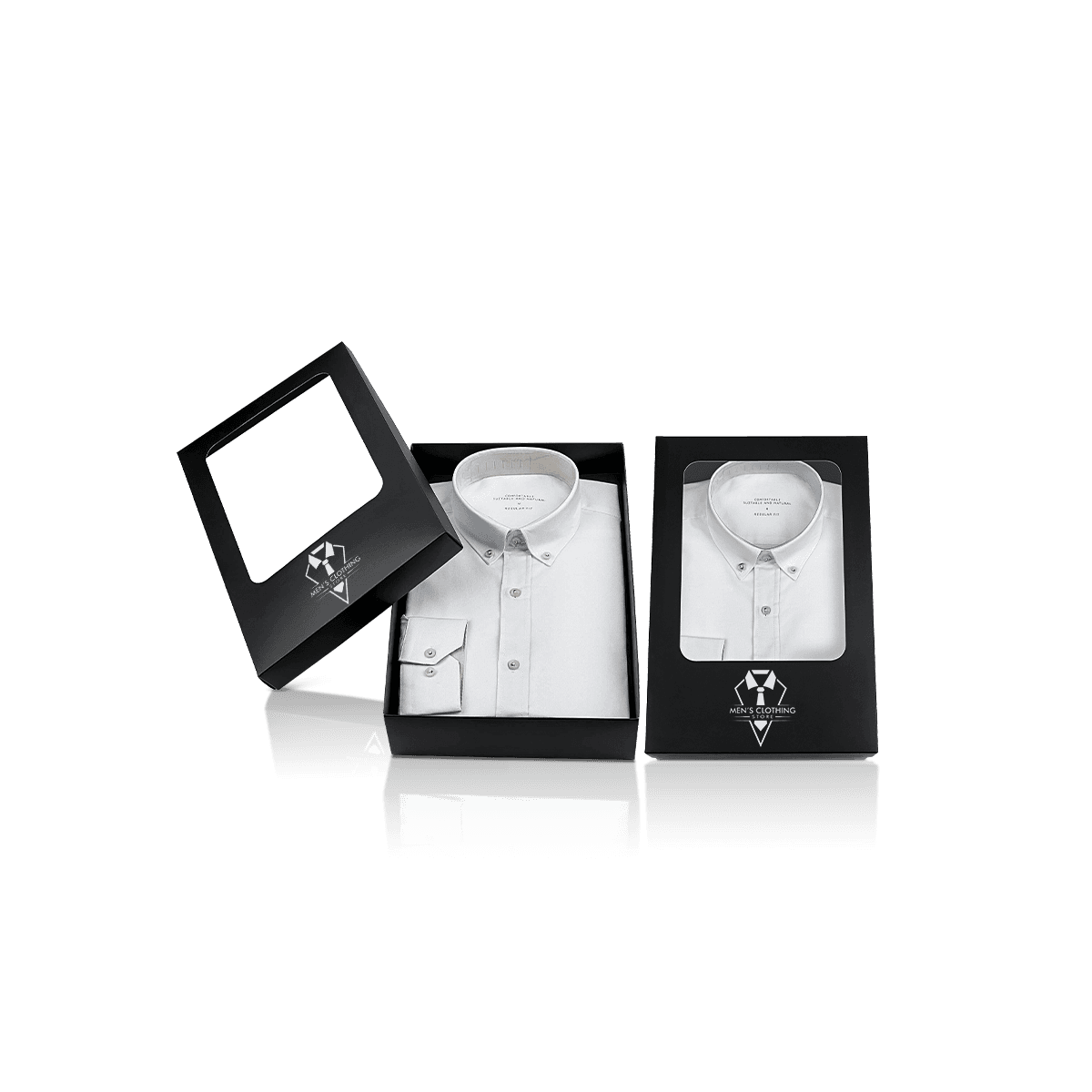
For boutique handover, shelf presentation and gift-led clothing, a paperboard or presentation carton can keep the garment neat without carrying unnecessary transit strength. It gives clean printable panels for branding, collection names, care messaging or size identification.

If the requirement centres on mixed folded products under one consistent presentation system, Garment Boxes are the narrower option.

Ecommerce Delivery

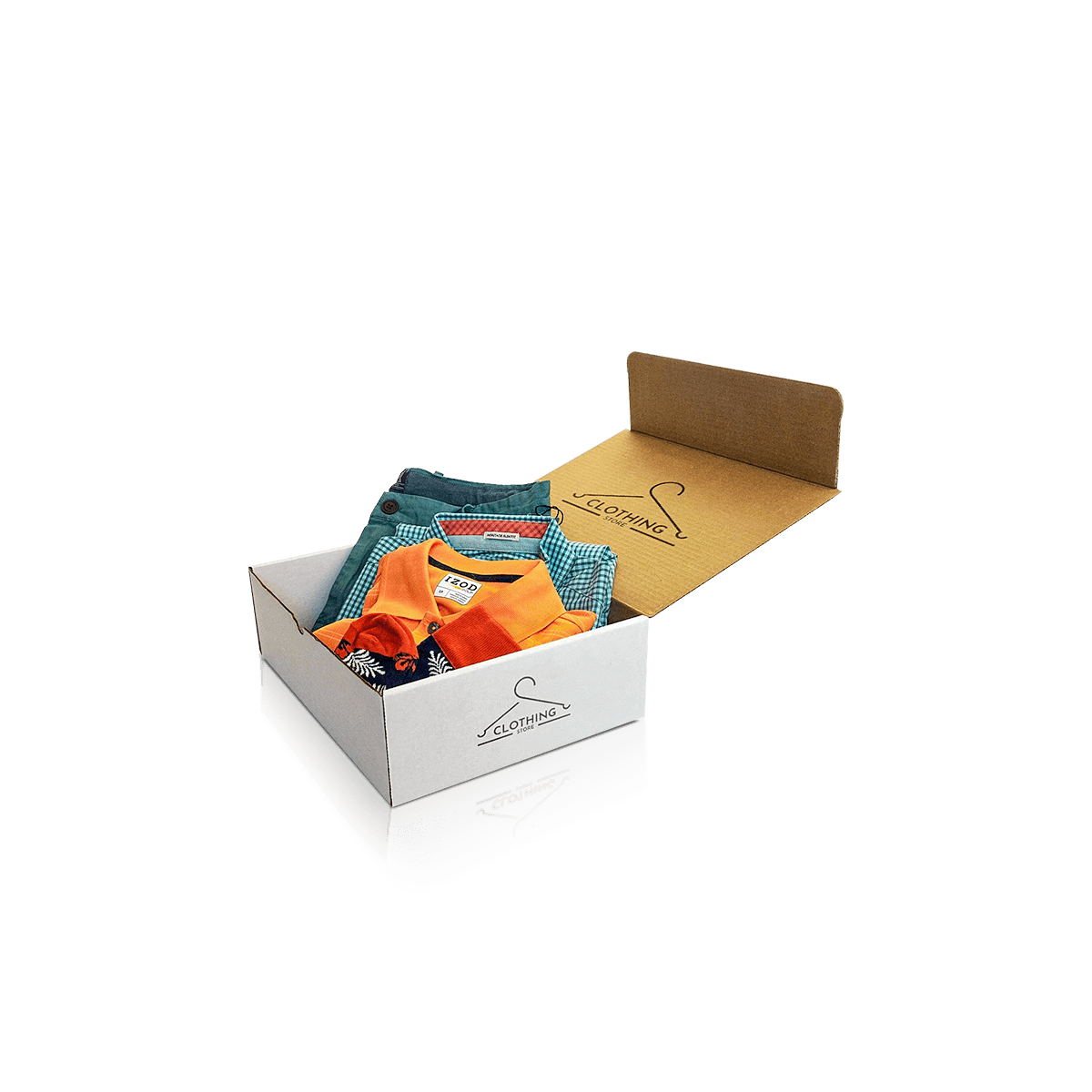
A box going straight into a courier network needs to tolerate stacking, abrasion and repeated handling. This is where a corrugated apparel mailer can make more sense than a delicate retail carton. A well-sized mailer can also carry the brand experience itself, reducing the need to place a decorative box inside another shipping box.

The wider Custom Mailer Boxes options are useful when closure style, flute, packing speed or postal dimensions matter more than garment presentation alone.

Premium Drops

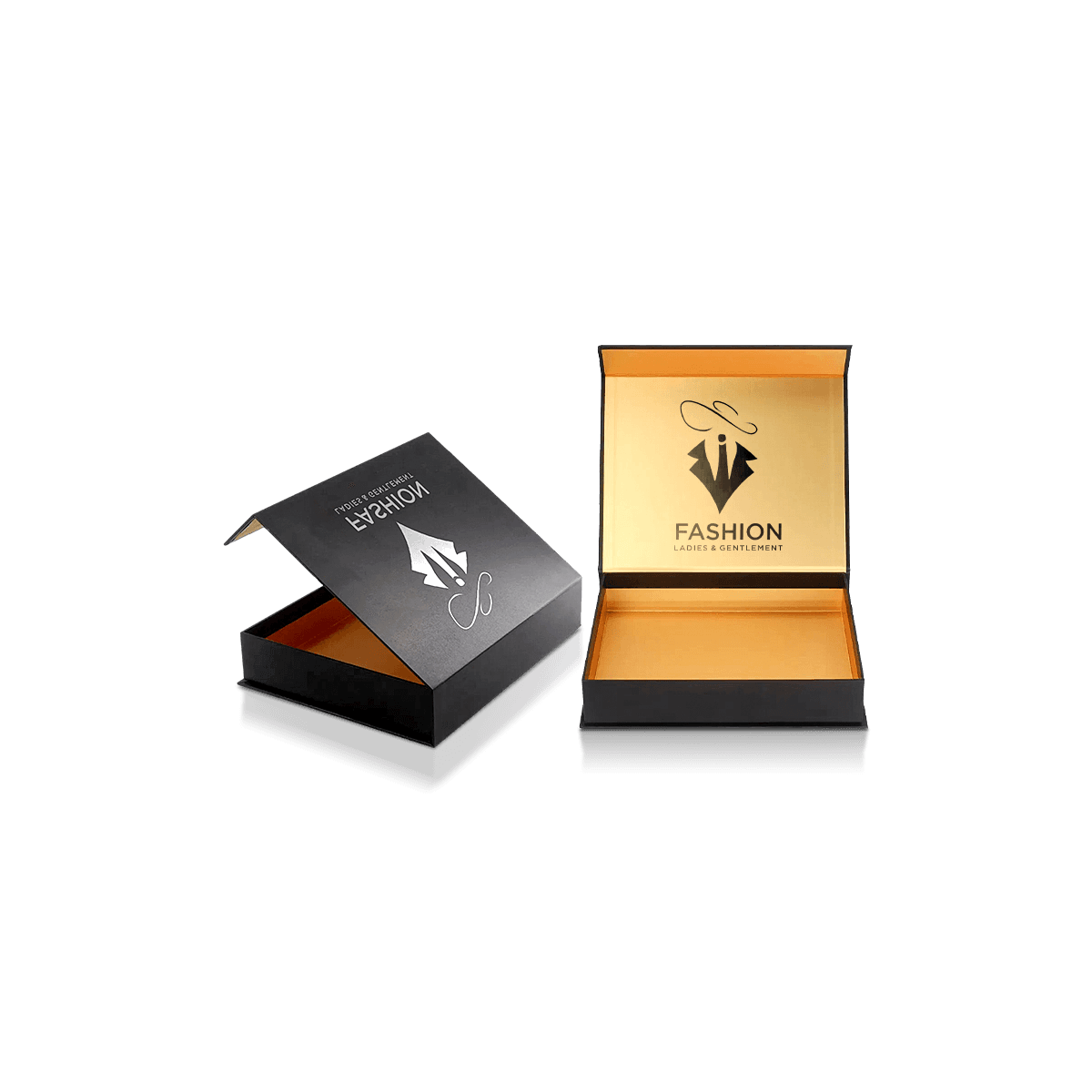
Rigid packaging earns its place when the box is part of the product experience. Limited releases, premium sets, occasionwear, PR sends and gift-led fashion may justify the extra weight, storage and finishing options.

That does not make rigid packaging the default for expensive clothing. If the box will immediately travel inside another carton, consume valuable storage space or be discarded after one opening, a high-quality paperboard or corrugated option may be commercially smarter. Rigid Boxes are strongest when the opening experience and physical presence are genuinely part of the sale.

Fashion businesses packaging shoes, socks, shirts and other specialist products alongside apparel can use the Retail and Apparel options to separate those product-specific requirements instead of stretching one apparel box across everything.

Keep the Brand System Coherent

Different box structures do not have to look like different brands. The job is to carry the same visual identity across paperboard cartons, mailers and rigid presentation boxes without forcing identical artwork onto surfaces that behave differently.

Control Colour Across Structures

Large solid colours, fine typography and exact brand shades can react differently across papers, coatings and print processes. If one collection uses several structures, approve colour expectations across the actual substrates rather than assuming the same artwork file will reproduce identically everywhere.

Where the artwork and quantity suit the process, premium offset printing gives strong control over detailed graphics and repeat production. The choice between digital and offset printing should still be made from quantity, artwork versions, colour requirements and reorder plans rather than prestige.

Plan Version Control

Apparel ranges create artwork complexity quickly. Size labels, seasonal graphics, colourways, collaboration marks and country-specific information can multiply the number of printed versions.

Keep the permanent brand elements stable and move variable information to deliberate zones where possible. That makes artwork easier to check and reduces the risk of ordering a large quantity of packaging that becomes obsolete when one product detail changes.

For new artwork, the packaging dieline workflow explains cut lines, crease lines, bleed and safe areas. The Dieline Generator can also help establish the structural file before graphics are finalised.

Spend Finish Where Seen

Foil, embossing, debossing, soft-touch lamination and inside print can add value, but the finish should match the point at which the customer interacts with the box. A rigid launch box may justify tactile detail on the lid. A courier mailer may gain more from a strong printed interior than from a delicate outer finish that will be handled throughout delivery.

The available print and finishing choices can be combined with unlimited customisation, but the best result is usually selective rather than decorative everywhere.

Choose Material by Journey

Paperboard, corrugated and rigid material are not three levels of quality. They solve different apparel packaging jobs. The practical decision is what the box has to survive before the customer opens it.

Paperboard for Controlled Handling

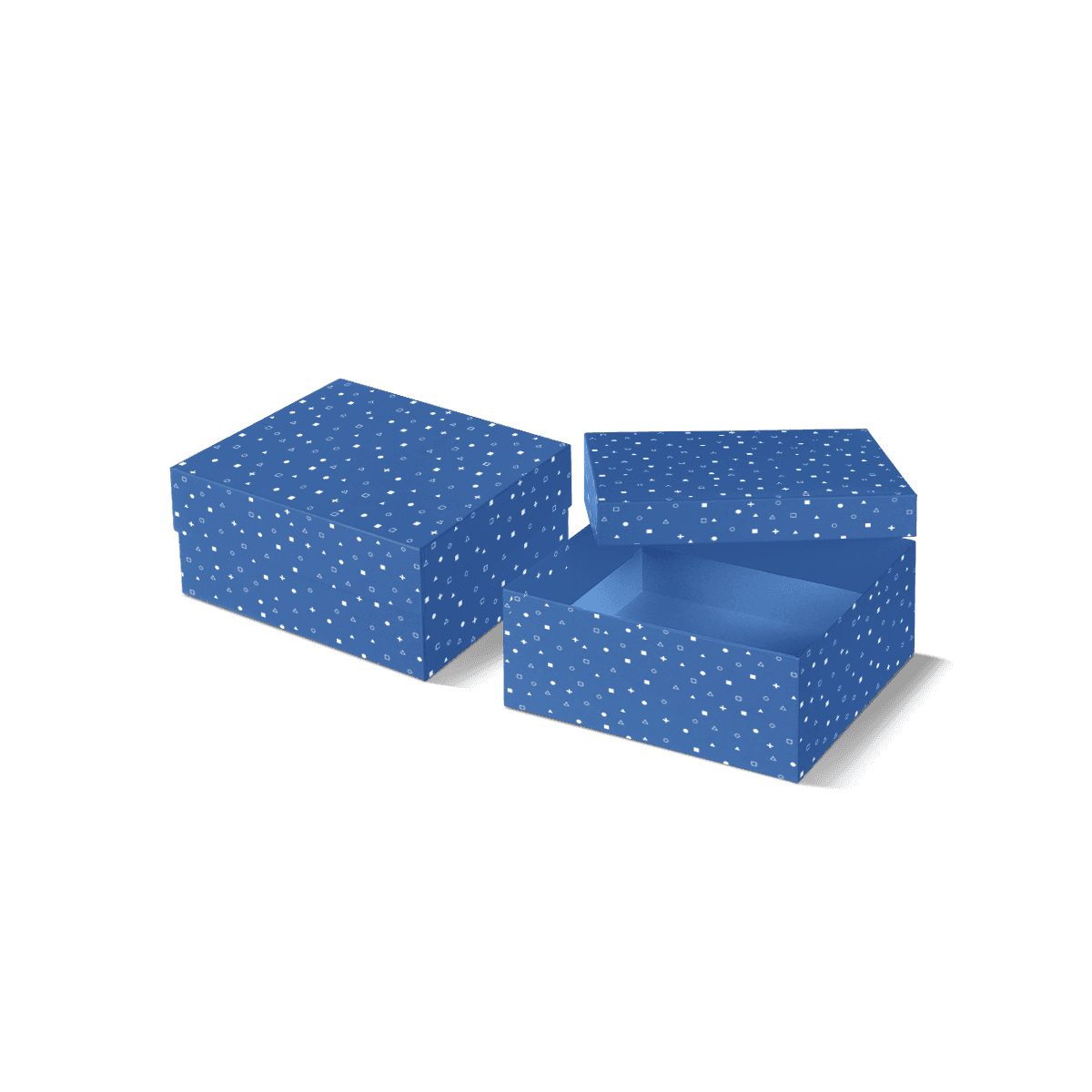
Paperboard suits lighter garments where compact storage, clean print and retail presentation matter. Folding cartons can arrive flat, take up less storage space before assembly and work well for shirts, scarves, underwear, socks and other lightweight products when courier strength is not their main job.

Corrugated for Courier Risk

Corrugated material adds fluted structure, making it more suitable when the box itself will face delivery handling. It is particularly useful for hoodies, multi-item clothing orders and direct-to-consumer parcels where the outer box must protect the fold as well as carry the branding.

Rigid When Presentation Pays

Rigid material keeps its formed shape and creates a heavier, more deliberate opening experience. The trade-off is that it normally takes more storage space and may still need an outer shipper for ecommerce.

The detailed paperboard, corrugated and rigid packaging breakdown is useful when the same clothing line could reasonably use more than one material.

Make Reorders Easier

Apparel packaging has to survive more than one launch. Seasonal products, changing SKU mixes and repeated restocks can turn a visually attractive box into an operational problem if the size system and artwork versions are difficult to manage.

Packing Speed Matters

A lid that takes too long to align, tissue that catches at the edges or a box that must be forced closed becomes expensive through repetition. Before approving the final specification, have the people who will actually fill the boxes test the packing sequence.

The same applies to labelling. Reserve a predictable position for size stickers, barcodes or stock identifiers so staff do not have to cover important artwork at fulfilment.

Keep Specifications Stable

Once a useful size, fold method and artwork layout are approved, record them clearly for repeat production. That matters more than constantly redesigning the packaging for every season.

Custom Packly supports apparel projects from an MOQ of 100 boxes, which can suit a first launch or a smaller premium run before the specification scales. UK production can also simplify repeat planning when the same approved sizes and artwork return across a clothing line.

A 4–6 working day turnaround helps when replenishment has to stay close to launches or seasonal restocks. For larger recurring requirements, warehousing and scheduled deliveries can reduce the amount of finished packaging held on-site.

When a seasonal range changes, continuity matters more than another stock size. As an established packaging company, Custom Packly can revise a depth, artwork version or finish within an existing approved system. Its experienced team supports fully bespoke changes and is available 24/7 when a live programme needs technical help.

When the System Needs to Split

One packaging system should simplify repeat ordering, not force every garment into the same box. If one product group repeatedly needs extra tissue, creates lid pressure or leaves obvious empty space, give that group its own size or structure rather than preserving uniformity for its own sake.

Treat a new box as justified only when it removes a recurring packing, presentation or fulfilment problem. That keeps the apparel system manageable while giving outlier garments the space or protection they actually need.
Quote the Clothing System

If you need one box for one product, price that specification on its own. If you are planning packaging across several garments or sales channels, quote the system together so the size families, structures and artwork versions can be assessed as one clothing programme.

For Custom Apparel Boxes, the most useful information is the garment groups you need to cover, the folded dimensions of a representative item from each group, which products are retail-only or ecommerce, which deserve premium presentation and how many artwork versions are expected. Include your likely quantities and repeat pattern if known.

That gives the pricing process enough context to avoid quoting a rigid box where a carton would work, or a presentation carton where a mailer is doing the real delivery job. You can send those details through the custom packaging quote and refine the individual specifications from there.

FAQs

Custom apparel boxes are used for clothing, fashion gifts, e-commerce orders, boutique sales, subscription packs and premium launches. They can hold shirts, hoodies, scarves, lingerie, socks and accessory sets. The box protects the fold, adds brand value and creates a cleaner handover or delivery moment.

The best type depends on the sales channel. Rigid boxes work well for premium clothing and gifts. Apparel mailer boxes work best for online orders and subscription packs. Magnetic closure boxes suit luxury launches, PR kits and high-value apparel. Many brands use more than one style.

Yes, custom apparel boxes can be used for e-commerce shipping when the board and structure suit transit. Corrugated apparel mailer boxes are the best route for direct delivery. Rigid boxes can also be shipped, but they may need an outer carton to protect the finish.

Yes, custom apparel boxes can include foil, embossing, debossing, spot UV, matte finish, gloss finish, soft touch, inside print, tissue space and inserts. A luxury box may use more texture and detail. A mailer box may need a tougher print finish for packing and delivery.

Confirm the folded garment size, box quantity, board choice, print colours, artwork status, finish, inserts, tissue, closure style and delivery use. Also confirm whether the box is for retail, e-commerce, gifting or subscription orders. These details help the team suggest the right size and structure.

Process

How it works

Your Packaging Journey, From Idea to Production and Delivery

01

Tell Us Your Specs

Custom packaging boxes

Tell Us Your Specs

Provide size, quantity, printing, and finishes.

02

Get a Fast Quote

Custom packaging boxes

Get a Fast Quote

Instant transparent pricing, no hidden fees.

03

Design and Approval

Custom packaging boxes

Design and Approval

Artwork checks, revisions, and final sign-off.

04

Produce

Custom packaging boxes

Produce

Expert manufacturing to meet deadlines.

05

Ship to Your Door

Custom packaging boxes

Ship to Your Door

Hassle-free, flexible delivery options.

Get Your Quote for Custom Apparel Boxes

Share your product details, dimensions, quantity and artwork needs. We’ll help choose the right packaging style and send a clear quote.