Skip to content
Details

Garment Boxes

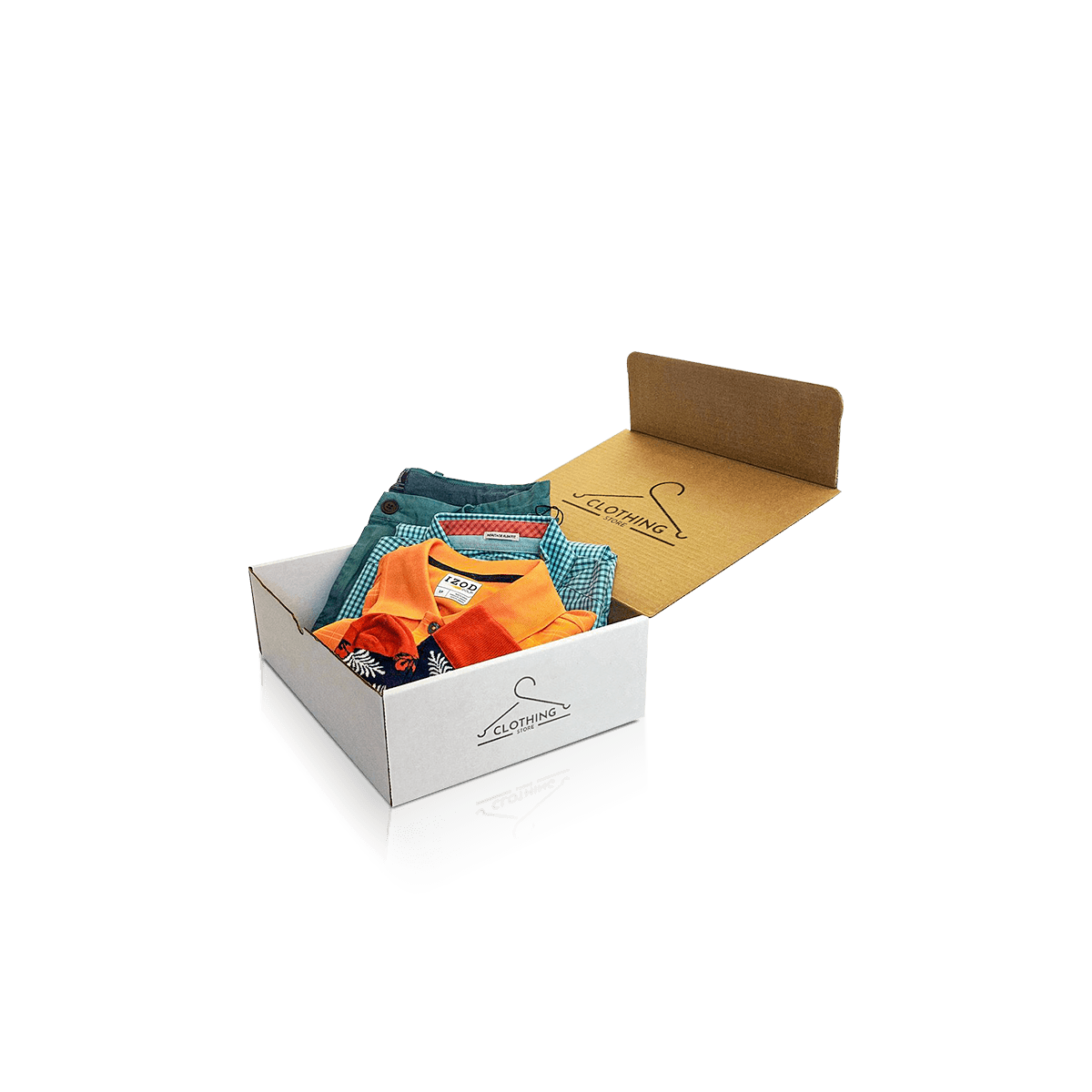
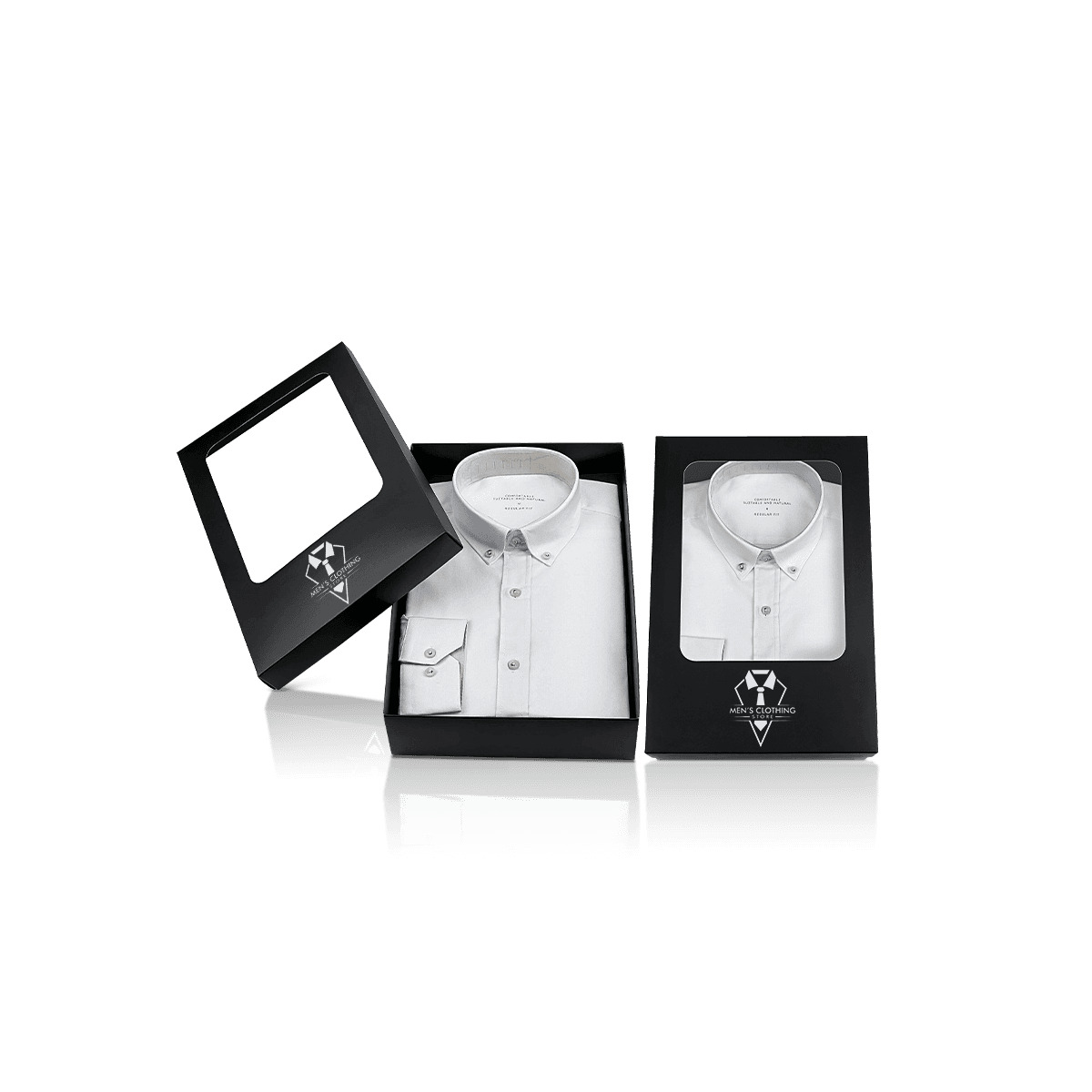
Garment boxes keep folded apparel neater, easier to present and more consistent across retail, gifting and organised fulfilment. They suit mixed garment lines, coordinated sets and fashion pieces that need cleaner outer structure than a mailing carton or simple sleeve can provide.

Free Design Support

Clear Pricing

Flexible Quantities

Unlimited Customization

Premium Materials

Offset Precision

Free Shipping

Quick Turnaround

About

Different garments rarely fold to the same depth, and that is where generic apparel cartons start to fall short. Garment boxes are used when shirts, knitwear, robes, scarves, sleepwear, uniforms or coordinated fashion pieces need a more controlled outer carton that keeps the contents tidy without forcing every item into one narrow presentation style. They give enough structure for tissue, boards, branded cards and light accessories while still feeling more versatile than a shirt-specific carton. That makes them useful for fashion labels carrying varied folded lines under one visual system, where presentation has to stay consistent even as garment dimensions shift from product to product.

They also bridge an important gap between simple clothing cartons and more ceremonial luxury apparel presentation. A garment box can feel refined without becoming overly formal, which is helpful for mid-premium ranges, seasonal launches and boxed sets that need polish but still move through routine stock handling. The strongest result comes from sizing around the folded item, not the flat garment, then allowing space for tissue thickness, inserts, tags and any accessory pieces. Confirm garment dimensions, fold method, internal presentation elements, closure preference and whether the carton will sit on shelf, go into a gift bag or travel inside an outer shipper before ordering. Custom Packly UK can tailor garment boxes around mixed apparel lines, branded sets and retail presentation while keeping filling practical and repeatable.

Why Packaging Choice Matters Here

  • Keeps varied folded garments visually consistent across one fashion range

  • Supports tissue, cards and light accessories without crowding the contents

  • Gives broader apparel collections a cleaner branded handover

  • Helps stock teams separate sizes, colours and garment categories more clearly

  • Sits comfortably between everyday clothing cartons and luxury presentation boxes

Materials and Pack Features

Board selection

Paperboard suits retail presentation, while stronger stock supports heavier folded garments.

Dimension planning

Sized around folded depth, tissue layers and accessory clearance inside.

Presentation inserts

Cards, dividers and tissue keep garments aligned and opening neatly.

Printed outer panels

Lids and sidewalls carry branding, size cues and collection details.

Tailored garment styling

Choose bespoke depths, openings and layouts for each apparel group.

Packaging Insight

Garment presentation is becoming less category-bound and more collection-led. Many fashion brands now sell mixed edits that combine shirts, knitwear, sleepwear, scarves or uniform pieces under one coordinated look, especially for gifting, event kits and seasonal campaigns. That shift makes highly specialised cartons less practical for every product line. Instead, garment boxes are often used as a flexible presentation family that can keep visual consistency across related items without forcing a rigid one-shape approach. The detail that often gets missed is fold discipline. When the fold method, tissue sequence and insert placement are standardised, the same garment box programme can support cleaner photography, neater shelf replenishment and more dependable presentation across multiple SKUs. The carton becomes part of collection control, not just outer decoration.

Packaging That Fits This Product Best

  • Mixed folded apparel lines sold under one coordinated retail presentation

  • Garment sets with scarves, ties, belts or care cards inside

  • Uniform and hospitality clothing needing orderly branded handover

  • Mid-premium fashion ranges needing cleaner presentation than simple clothing cartons

  • Ecommerce orders where the garment box sits inside a protective outer carton

FAQs

Start with the garment in its final folded state, not the flat cut size. Lock the folded length, width and total depth including tissue, support cards, tags and any accessory pieces. It also helps to confirm whether every size will use one carton or whether size groups need different dimensions. That step prevents a tidy-looking carton from feeling either too tight or unexpectedly empty.

Usually, yes. Garment boxes are more flexible when the range includes different folded items or when one carton family needs to cover several product types. Shirt Boxes are stronger when collar shape, fold precision and shirt presentation are the main priority. If the line includes knitwear, robes, accessories or varied garment depths, the broader garment-box approach is often easier to manage.

Paperboard is often the best starting point because it prints cleanly and supports retail presentation well. Heavier board grades make sense when the folded garments are bulkier or when the carton needs a more substantial feel. If delivery handling is part of the process, the garment box can stay presentation-led while a separate corrugated outer absorbs transit pressure.

They matter more than many brands expect. Tissue helps reduce surface rubbing and supports a neater reveal, while boards or dividers can keep lighter garments from slumping inside a deeper carton. Inserts become especially useful when the set includes belts, scarves, ties or literature cards. Without those internal details, the outside may look polished while the opening experience feels loose.

Yes, but they usually perform best as the branded inner carton rather than the only shipping layer. Garment boxes are designed to organise folded apparel and improve presentation, while courier handling places more pressure on corners, edges and printed finishes. For online orders, many brands place the garment box inside a mailing or shipping carton so the presentation stays cleaner on arrival.

Process

How it works

Simple steps from idea to delivery

01

Tell Us Your Specs

Custom packaging boxes

Tell Us Your Specs

Provide size, quantity, printing, and finishes.

02

Get a Fast Quote

Custom packaging boxes

Get a Fast Quote

Instant transparent pricing, no hidden fees.

03

Design and Approval

Custom packaging boxes

Design and Approval

Artwork checks, revisions, and final sign-off.

04

Produce

Custom packaging boxes

Produce

Expert manufacturing to meet deadlines.

05

Ship to Your Door

Custom packaging boxes

Ship to Your Door

Hassle-free, flexible delivery options.

Ready for a quote?

Send your dimensions and we’ll respond quickly