Skip to content
Details

Custom Brownie Boxes

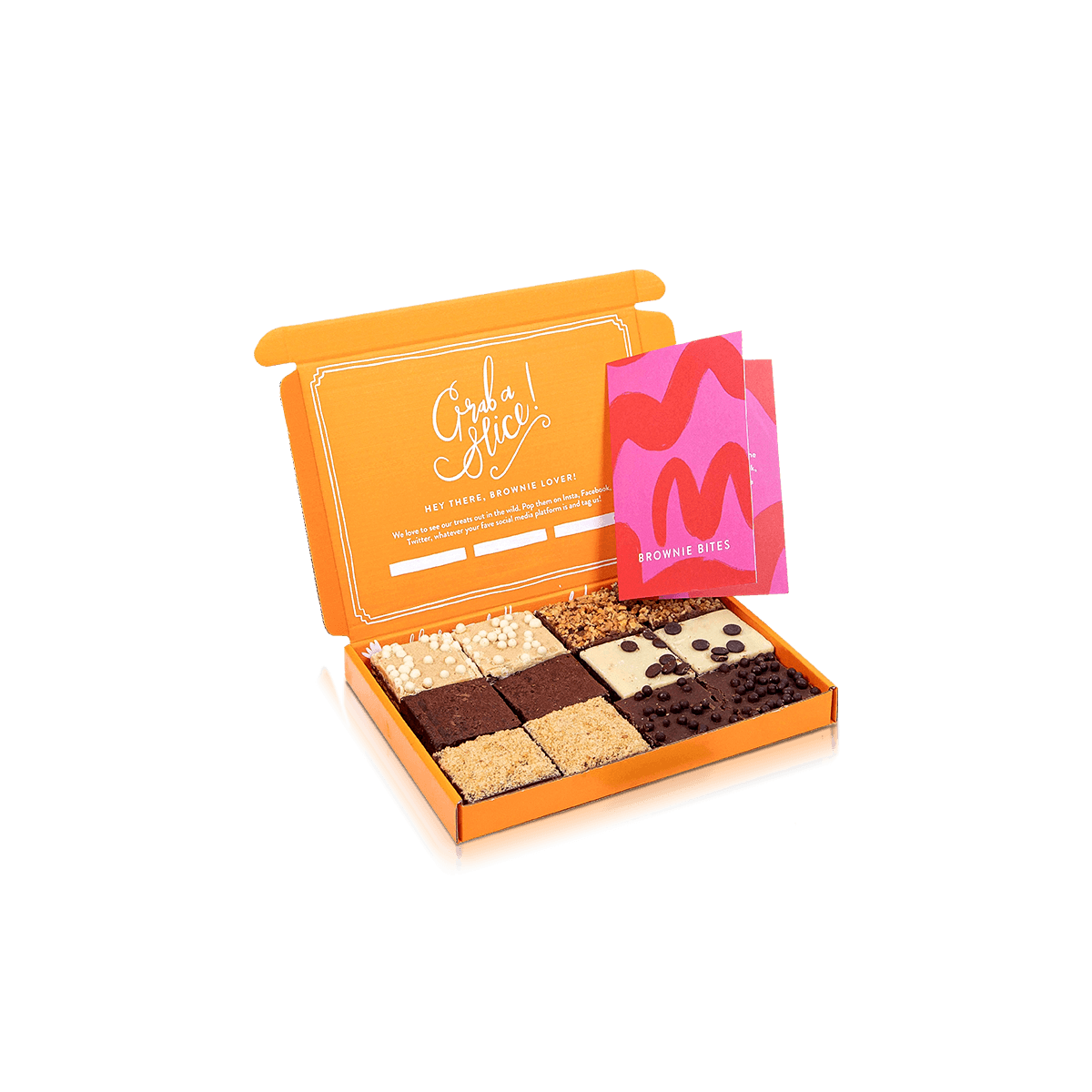
Cut portions, traybake slabs and gift-ready brownie selections all place different demands on the outer carton. The right box depends on slice depth, grease control, stack method, window use and whether the brownies are sold for counters, collection, gifting or local delivery.

Plan After the Cut

Cutting changes the packaging problem. A traybake may leave the oven as one stable slab, but once it becomes individual portions, every soft edge, sticky topping and exposed cut face can mark another piece or the inside of the carton.

Custom Brownie Boxes should therefore be planned around the portion that is actually sold, not only the full bake. A four-piece gift set, a stacked six-pack and a whole slab can share the same recipe while needing very different depth, support and internal separation.

Work From the Cut Piece

Measure length, width and depth after cutting, cooling and decorating. Include ganache, drizzle, nuts, frosting or other toppings that change the highest point or extend past the cut edge.

Hand-cut portions also vary. A box sized to the smallest sample can become frustrating at the packing bench when the next batch is a few millimetres wider. The aim is controlled clearance, not zero tolerance.

The same product-fit logic used in custom product packaging matters here because the usable internal space has to account for the real portion, any liner and the way pieces are arranged.

Plan From the Messiest Piece

Use the brownie most likely to expose a weak specification as the reference. That may be the thickest fudgy square, the tallest topped piece or the flavour with the softest edge.

If that recurring product sits cleanly without rubbing, pressing into the lid or forcing staff to handle it by the topping, simpler flavours will usually be easier to manage inside the same footprint.
Stop Grease Reaching Print

Brownies can transfer butter, chocolate and surface oils into surrounding paper. A beautiful printed carton quickly loses its value if dark marks spread through the base or side walls during the time the product sits boxed.

The solution is not automatically a thicker carton. The first decision is whether the food-contact layer and the printed outer box need to perform different jobs.

Use a Suitable Inner Layer

A liner, tray or other suitable food-contact layer can help separate the brownie from the decorative carton and keep the outer surface cleaner. The exact material should be confirmed for the product and intended contact conditions rather than assumed suitable because it looks grease resistant.

This is particularly useful for fudgy recipes, chocolate-heavy edges and portions that remain boxed for several hours before collection or gifting.

Test for Time, Not Seconds

Grease migration may not be obvious when a brownie is placed into a clean sample for two minutes. Test the real hold time.

If a typical order is packed in the morning and collected in the afternoon, leave the actual brownies boxed for that interval before judging the material. The result tells you more than a quick visual check at the packing table.

Recreate the Real Holding Time

Load the real portions with their normal liner or separator, close the box and leave it for the longest routine boxed period. Then carry and reopen it. Check the base, interior staining, topping contact and whether the pieces still separate cleanly.

Free sample examples can help compare material and finish quality. Where the liner relationship or internal layout needs exact physical approval, a paid fully custom sample can be arranged before the main run.

Let Weight Set Support

Brownies are dense. A carton holding eight substantial pieces can place more load on the base than another bakery box with a similar footprint but lighter contents.

That means count alone is a weak way to choose board strength. The better reference is filled weight together with the width of the box and the way customers lift it.

Check Base Deflection

Load the real quantity, then lift the carton from the sides and from underneath as a customer would. If the centre bows noticeably, the box may need a stronger paperboard specification, a changed footprint or a more supportive structure.

For larger delivery orders, shipping boxes can handle the courier-facing job separately rather than making every presentation carton heavier than local handoff requires.

Support Layers Deliberately

When brownies are arranged in tiers, the upper layer should not rest directly on delicate toppings below. Flat separators can create a cleaner division where layered packing is genuinely useful.

Layer pads show the wider principle of separating stacked levels and spreading pressure. For brownies, any component in direct contact with food still needs to suit that use.

Control Pressure Between Pieces

Stacking brownies saves footprint, but dense pieces can transfer pressure as well as grease. A soft topping can imprint onto the underside of the portion above, while sticky surfaces can pull apart when customers separate the stack.

The decision should start with the surface, not with a preference for a deeper box.

Plain brownies with firm tops may tolerate controlled stacking with suitable separation. Frosted, drizzled or heavily decorated portions often benefit from a single layer or shallower tiers where contact pressure is limited.

This is one of the clearest differences from Cookie Boxes. Cookies more often need protection from chipped edges, scuffing and stack pressure across comparatively dry pieces. Brownies add greater density, softer cut faces and a higher chance of oil or topping transfer.

Give Slabs Their Own Logic

A whole traybake or brownie slab should not be treated as a larger version of an individual portion box.

The slab spreads its weight across a wider area and may need support underneath during lifting. It also removes many of the piece-to-piece rubbing problems found in assorted cut boxes, while creating a new risk of the whole bake sliding as one heavy unit.

Size the carton around the finished slab and any supporting sheet or tray used beneath it. Keep side clearance practical enough for loading and removal without leaving enough room for the slab to build momentum during handling.

For bakeries selling both slabs and portioned sets, separate specifications are often cleaner than one oversized carton trying to cover both jobs. MOQ starts from 100 boxes, so the recurring format can be prioritised rather than forcing every order into one compromise size.

Separate Display From Delivery

A brownie box handed across a café counter has a different job from one travelling through a courier network. The inner presentation should keep portions orderly and clean. The outer delivery packaging should absorb the rougher handling.

For postal brownie orders, stabilise the brownie set first, then place that presentation box into appropriate outer protection if the delivery route requires it. Avoid adding heavy corrugated material to every counter box simply because a smaller share of orders is posted.

Across Bakery and Confectionery, this distinction matters because cakes, cookies, brownies and chocolates each fail differently once transport becomes more demanding.

Custom Packly’s established packaging experience is useful when the brownie box and any stronger delivery outer need to be specified as separate jobs. Dimensions, support and print can be customised around the real portion layout rather than a fixed bakery-box template, with packaging specialists available 24/7 when the route or structure needs clarification.

Use Windows Only for Surface

A window earns its place when the brownie surface helps make the sale. Marbling, toppings, flavour decoration and mixed assortments can all benefit from visibility before the lid opens.

But a window should not be treated as an automatic bakery feature. A large aperture removes printable area and can reduce lid stiffness. It may also reveal little if the brownies are stacked and only the top piece is visible.

For gift-led sets, a closed printed lid can create a cleaner reveal. For counter sales, a smaller viewing area may show enough product while keeping more of the lid intact.

The wider packaging customisation options can be narrowed around the actual role of the window, board, insert and finish instead of adding features independently.

Put Branding on Cleaner Surfaces

Brownie branding works best when the carton has clean, dependable print areas. If staff regularly touch one edge with chocolate-marked gloves or the base is exposed to light grease transfer, those surfaces are poor places for the most important artwork.

Use the lid, front face or outer sleeve area for the strongest brand elements and leave working zones simpler where practical. Premium offset printing can support detailed artwork, repeat colour and flavour-led graphics when the run and design justify it.

The custom printed boxes options cover CMYK, Pantone, inside print and finishing choices once the physical brownie specification is settled.

A free 3D mockup can help review panel hierarchy and window position before production. The structure still comes first: artwork should follow the approved dimensions rather than dictate them.

Reuse Proven Dimensions

Flavours can change faster than brownie dimensions. Salted caramel, blondie, chocolate orange and seasonal toppings may all fit the same proven carton even when the artwork or labels change.

That makes a stable physical specification valuable. Keep the portion size, layer method, liner and box dimensions consistent where the product allows it, then change the printed information needed to distinguish flavours.

For growing bakeries, custom packaging for small business explains why repeatable dimensions and clearly controlled specifications matter as volumes increase.

Once the brownie layout is proven, repeat orders become easier because the physical decisions do not need to be reopened every time a flavour changes.

Brief the Longest Hold

The most useful brownie brief describes what happens between cutting and eating, not just the outside dimensions of the carton.

Use the longest normal boxed interval as the reference. State whether the brownies are laid flat or layered, which topping is most likely to transfer, whether an inner liner is used and whether the order leaves by handoff or enters a courier system. Include the finished portion dimensions and the real count sold in that configuration.

Those details make it possible to judge the carton around the two brownie problems that develop with time: pressure and grease transfer.

If price is still being balanced against stronger board, liners or internal separation, custom packaging cost in the UK explains the main variables that change a custom quote.

When the hold time and packing method are clear, request an instant packaging quote for that specific brownie configuration. The reference should be the order most likely to challenge the packaging, not the easiest brownie to place in an empty box.

FAQs

That depends on how the product is cut and presented. Single slices often suit compact cartons with a neat footprint, while stacked portions need more depth and stronger side walls to stay orderly. Whole slabs or larger traybakes usually perform better in flatter formats built around the bake size itself. The best starting point is the finished portion style, not the recipe name.

Not every pack needs them, but they become useful when the product is soft, slightly oily or topped in a way that can mark the box interior. Liners help keep handling cleaner, while inserts or trays can improve presentation for mixed flavour sets and gift-ready assortments. They are most useful when the brownies are held boxed for a while before handoff.

A window box is usually stronger when toppings, marbling or finishing details help sell the product on sight. Closed lids and sleeve styles can be better for stacked storage, more gift-led presentation and stronger exterior branding. The better route depends on whether visibility at first glance matters more than a more formal reveal and cleaner outer print area.

A cookie box can work for very dry, flat brownie portions, but a dedicated brownie carton is usually the safer option once density, topping transfer or stacked packing enters the job. Brownies often need better grease management and more support around the cut portion. Cookie cartons generally favour flatter, cleaner-edged products with less risk of surface marking.

Confirm portion length, width and depth, whether pieces are stacked or laid flat and whether the range includes toppings, drizzle or mix-ins that increase marking risk. It also helps to check if liners are needed, whether the product is sold as an everyday takeaway or a gift set and how long it remains boxed before collection or delivery. Those details affect board choice, depth, closure style and print layout.

Process

How it works

Your Packaging Journey, From Idea to Production and Delivery

01

Tell Us Your Specs

Custom packaging boxes

Tell Us Your Specs

Provide size, quantity, printing, and finishes.

02

Get a Fast Quote

Custom packaging boxes

Get a Fast Quote

Instant transparent pricing, no hidden fees.

03

Design and Approval

Custom packaging boxes

Design and Approval

Artwork checks, revisions, and final sign-off.

04

Produce

Custom packaging boxes

Produce

Expert manufacturing to meet deadlines.

05

Ship to Your Door

Custom packaging boxes

Ship to Your Door

Hassle-free, flexible delivery options.

Get Your Quote for Custom Brownie Boxes

Share your product details, dimensions, quantity and artwork needs. We’ll help choose the right packaging style and send a clear quote.