Skip to content
Details

Custom Donut Boxes

Donut boxes need to protect shape, hold toppings neatly and present fresh bakery products well at the counter, on collection orders and in local delivery. The right carton depends on donut count, board strength, window style and how much headroom the product needs.

Keep the Lid Off the Glaze

The easiest way to ruin a decorated donut is to give it a box that is technically large enough but too shallow once the lid closes. Custom Donut Boxes should be sized from the finished product, including glaze, icing, crumbs, drizzles and tall toppings, rather than from the plain donut underneath.

That does not mean adding as much headroom as possible. Too much height wastes material, gives the contents more room to shift and can make a shallow bakery order feel lost inside the carton. The better target is controlled clearance: enough space above the tallest recurring donut for the lid to close cleanly while keeping the footprint tight enough to limit sideways movement.

Use the Finished Donut Size

Measure the widest diameter and the maximum finished height after decoration. If the menu changes often, use the tallest recurring style as the reference rather than an unusually plain ring donut. For mixed boxes, check the largest diameter as well as the highest topping because the same assortment can create both horizontal and vertical fit problems.

The same principle used for product-fit packaging applies here: the useful measurement is the product as it will actually be packed, not the product before toppings, liners or internal supports are added.

Leave Working Clearance

Staff need enough room to place donuts quickly without scraping icing against the side walls. A fit that looks precise in a CAD drawing can still slow a busy bakery if every piece has to be lowered at exactly the right angle.

That is why a little working clearance can be useful. The box should support quick loading while still preventing the order from sliding into one side during carrying.

Size Around the Assortment

A single donut, a four-count box and a dozen should not simply be scaled versions of one another. As the count increases, the base span becomes wider, the filled weight rises and the effect of any loose space becomes more obvious.

A practical starting point is to map the donuts in the exact arrangement used at the counter. Two rows of three may behave very differently from one long row, even when both hold six. The best footprint is the one staff can fill consistently while keeping each donut clear of the next.

If you need a more general method for translating product dimensions into usable carton dimensions, the explanation of how to size a tuck box is useful for understanding clearance, inserts and closing space.

Avoid One-Size-for-Everything Thinking

Using one oversized carton for several counts can simplify stock, but it often creates a poor fit for smaller orders. Donuts can slide, decorations can touch and the customer opens a box with obvious empty space.

If two or three counts dominate sales, those recurring orders deserve priority. Less common counts can then be handled through another size or a controlled internal divider rather than forcing the busiest order into a compromise.

Custom Packly can produce custom dimensions from MOQ 100, which makes it possible to test a more focused count strategy without committing every product line to one large carton. For newer bakery businesses planning their first branded run, custom packaging for small business explains how to keep the first specification practical.

Give the Base Enough Support

Donuts are light individually, but a wide multi-count order can still make a weak base bow when it is lifted with one hand. The risk increases with larger assortments, heavier filled donuts and boxes carried with other bakery items.

Paperboard can work well for lighter counter, collection and gifting orders when the carton dimensions and filled weight suit it. Stronger corrugated options become more useful when the box is wider, the order is heavier or the carton will face rougher local delivery handling.

The point is not to use thicker material automatically. It is to keep the bottom flat when the filled carton is lifted, stacked briefly and carried to the customer.

Test the Real Order

A blank sample should be tested with the actual donut assortment, not empty. Lift it from the edges, carry it as staff normally would and set it down several times. Check whether the base flexes, whether the lid drops closer to the toppings and whether the donuts drift towards one wall.

Grease should be tested in the same way. Oil content, glaze and holding time vary between recipes, so the board or liner specification should be checked against the real product and intended contact conditions. If unwrapped food touches the carton or liner directly, the material specification needs to be appropriate for that food-contact use.

Custom Packly provides free sample examples and can arrange a paid fully custom sample when the exact fit, window, material or internal layout needs physical approval before a larger run.

Use Spacing Before Dividers

Dividers can help, but they should solve a real movement problem rather than being added automatically. Many donut assortments stay neater through a better box footprint and controlled spacing alone.

Use a divider when mixed toppings must stay apart, when the donuts vary enough in shape to move into one another or when a larger box needs more internal control during transport. For simple ring donuts travelling a short distance, a tightly planned layout may be cleaner and faster to fill.

Where separation is useful, cardboard box inserts can be planned around the actual donut diameter and removal space. Finger access matters. An insert that holds the product securely but makes staff or customers pinch the icing to lift it out has solved the wrong problem.

This is one of the clearest differences from Custom Cupcake Boxes. Cupcakes usually depend on individual cavities and vertical stability. Donut packaging more often benefits from a wide, shallow layout with controlled horizontal spacing and clean top clearance.

Let the Product Sell Through

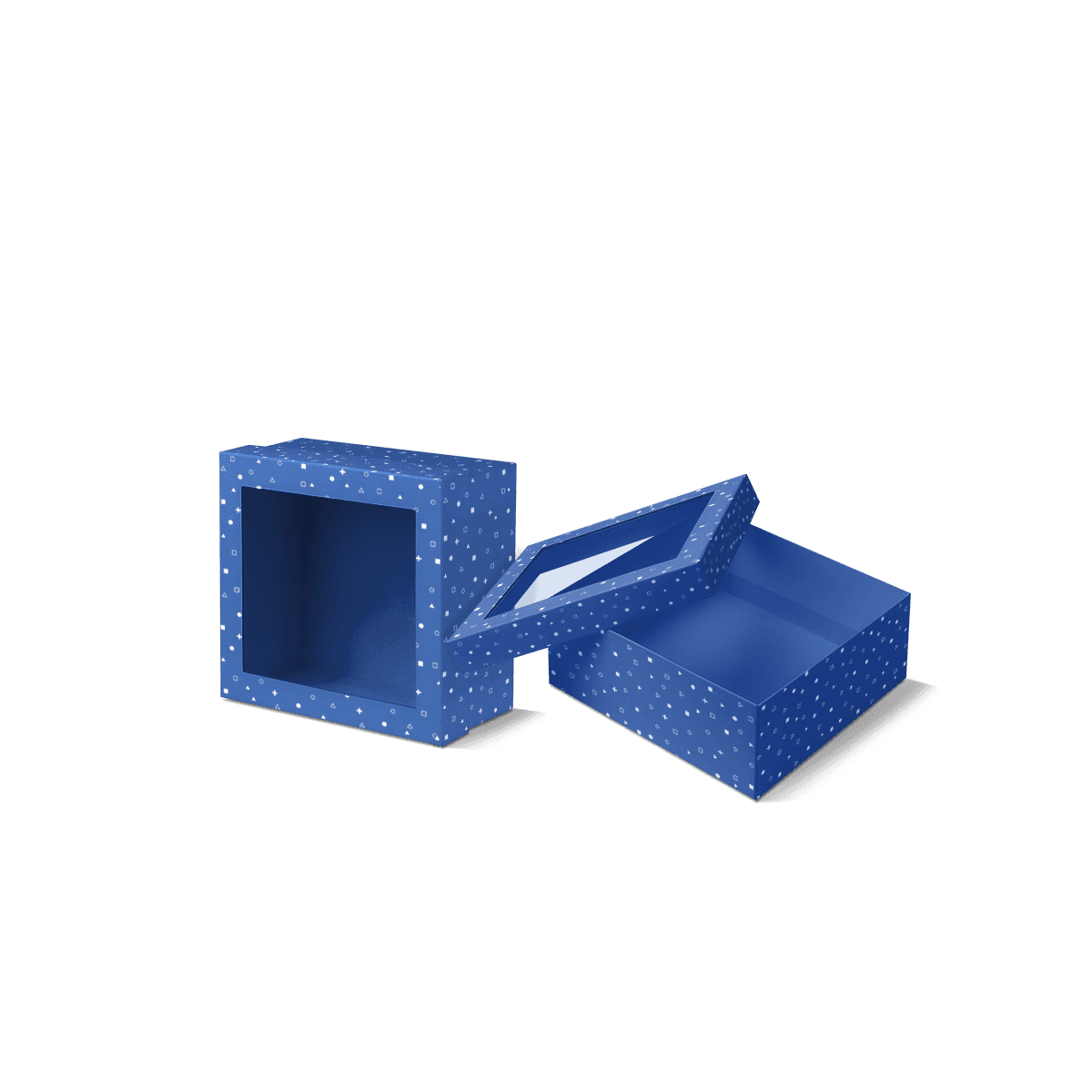
A window can work particularly well for donuts because colour, glaze and toppings are part of the sale. But the viewing area should be planned around the assortment rather than added as a large decorative cut-out after the carton has been sized.

The strongest window reveals the decorated top surfaces while leaving enough paperboard around the lid for it to stay square and close cleanly. A very large aperture removes printable area and can reduce stiffness, especially across a wide box.

Custom Window Boxes explain the wider trade-off between visibility, remaining panel strength and product alignment. For donut boxes, that decision becomes more sensitive because the customer is looking directly at a surface that can be disturbed by movement.

Open or Patched Window

An open aperture and a clear patched window are not interchangeable. The correct choice depends on hygiene, handling, material mix and whether the donuts are wrapped or exposed.

If a clear patch is used, its material, adhesive and intended food-use conditions should be confirmed as part of the specification. Visibility is useful only when the complete carton still suits the product and how it is sold.

Make Busy Packing Easier

Packaging that works beautifully for one carefully prepared sample can still frustrate staff during a Saturday rush. Donut boxes should be quick to open, easy to hold square while filling and simple to close without pushing down on the lid.

The flat carton should also make sense in storage. A bakery using several counts may save more space with flat-packed paperboard boxes, while a heavier or more complex style can take longer to assemble. The right choice depends on how many boxes are prepared in advance, how much counter space is available and how often sizes change during service.

For donut projects, the practical value of an experienced packaging team is being able to adjust the footprint, window and internal spacing together rather than treating each as a separate add-on. Custom Packly is well established in custom packaging and is not limited to a fixed menu of stock donut sizes.

If a launch, replenishment run or unusual count creates a structural question, packaging specialists are available 24/7 to resolve it before artwork or production is held up.

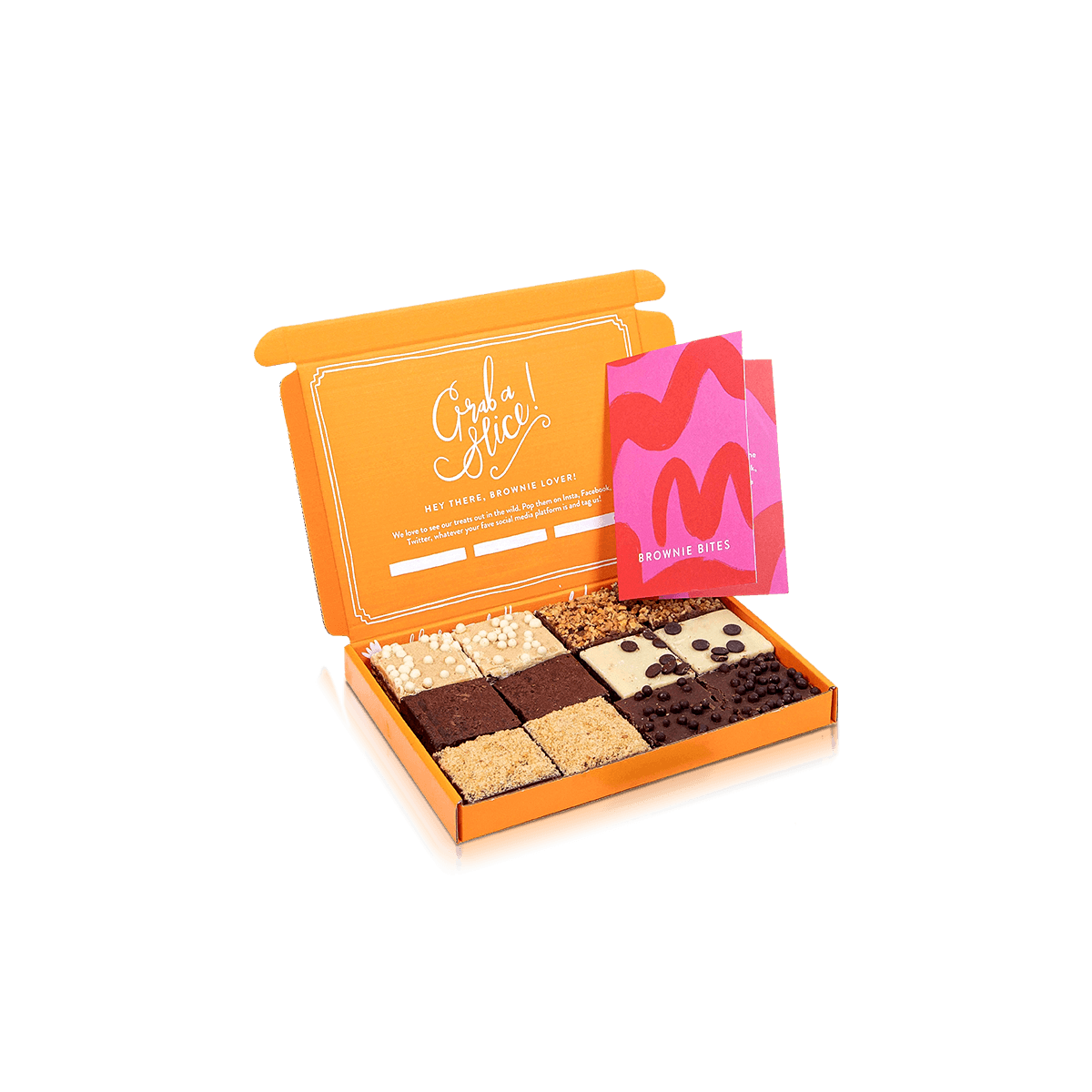
If donuts are only one part of the menu, bakery and confectionery packaging helps keep cakes, brownies, cookies and other products on specifications that suit their own handling needs rather than forcing one bakery carton to do everything.

Put Print on Stable Panels

Donut packaging gives the artwork a different job depending on whether the lid is solid or windowed. With a solid top, the lid can carry the main brand message. With a large viewing panel, more of that work moves to the side walls, front edge and remaining lid border.

Premium offset printing is useful when the artwork depends on controlled brand colour, detailed graphics or repeat-run consistency. Simpler designs may not need elaborate finishes at all. The best print specification should suit the quantity, artwork and surface area that remains after windows and structural features are finalised.

For businesses deciding between production methods, digital versus offset printing explains where run size, Pantone colour, artwork versions and repeat consistency change the decision.

Custom Packly also provides free 3D mockups so the relationship between branding, lid opening and window position can be reviewed before production. The wider packaging customisation options cover print, colour, finishes, inserts and proofing without requiring every donut box to carry premium effects it does not need.

Lock the Dieline Early

Window position, lid depth, dust flaps, tuck areas and printed panels all depend on the final structure. Artwork should therefore be built on the approved dieline rather than laid out on an approximate rectangle and corrected later.

The free box dieline generator can provide a starting layout for supported structures, while the final production file should reflect the exact carton being manufactured. The explanation of packaging dielines and artwork setup is useful when designers need to understand cut lines, creases, bleed and safe areas before placing branding.

A stable dieline also makes repeat ordering easier. Once the donut count, finished dimensions, window and material are working well, artwork can change for seasonal launches without reopening every structural decision.

Control Cost Through Specification

The cheapest donut box is not always the one with the least material or the fewest print colours. Cost can rise when a carton is oversized, when a large window adds complexity, when an insert is used without a real need or when several low-volume sizes could have been rationalised more carefully.

The useful cost question is which features improve the product, packing process or presentation enough to justify themselves. A simple printed box with excellent fit can outperform an expensive carton that still lets glazed donuts slide into one another.

For budgeting, custom packaging cost in the UK explains how quantity, size, material, printing and finishing affect a quote. Once a recurring specification is stable, larger runs, warehousing and scheduled deliveries can also be considered around actual usage rather than filling bakery storage with too much finished stock.

Build Around the Rush Order

The most useful donut specification is the one staff have to pack repeatedly when the counter is busiest. Use that recurring count to check row spacing, lid clearance and whether the carton can be loaded and closed without repositioning donuts by hand.

If a taller seasonal donut appears only occasionally, decide whether it needs a second depth or a simple internal adjustment rather than making every everyday box deeper. That keeps the core carton efficient without ignoring the outlier.

Use the usual count, maximum finished height and approximate diameter when you request an instant packaging quote. Add a window or divider requirement only when it genuinely changes that everyday packing routine.

FAQs

The right size depends on donut diameter, topping height and how tightly the items can sit without touching. Single units often need a compact carton with stable base support, while six and twelve count orders need more internal width and enough lid clearance for icing or decorative toppings. If the assortment includes filled or taller styles, confirm the tallest product first rather than sizing from a plain ring donut.

A windowed lid is usually the stronger choice for bakery counters, café display and quick collection orders because the product stays visible without reopening the carton. A plain printed lid can be better for delivery runs, event catering or stacked back-of-house packing where durability and uninterrupted print coverage matter more than product visibility. The better option depends on sales channel first and graphics second.

Start with enough internal height and a base that does not flex under the product weight. Filled or heavily glazed donuts need more clearance than standard ring donuts and mixed assortments often benefit from cavity layouts, dividers or a tighter footprint that limits sliding. Confirm whether donuts are packed fully cooled, whether toppings stay tacky and how long the order will travel before final handoff.

Yes, printed donut boxes can still look strong when the stock and print route are chosen properly. Exterior branding, colour work and selected finishes can be applied while keeping the food-contact side appropriate for bakery use. The key point is to confirm where print sits, whether a window is included and how much oil transfer the product may create during holding, collection or short delivery runs.

Confirm the donut count, product dimensions, topping height, required window style, closure preference and whether the cartons will be used for display, takeaway or delivery. It also helps to check food-contact suitability, grease resistance, stacking method, insert needs and how the order is packed during busy service periods. Those details affect structure, board choice and final print layout more than the artwork alone.

Related Industry Packaging

Process

How it works

Your Packaging Journey, From Idea to Production and Delivery

01

Tell Us Your Specs

Custom packaging boxes

Tell Us Your Specs

Provide size, quantity, printing, and finishes.

02

Get a Fast Quote

Custom packaging boxes

Get a Fast Quote

Instant transparent pricing, no hidden fees.

03

Design and Approval

Custom packaging boxes

Design and Approval

Artwork checks, revisions, and final sign-off.

04

Produce

Custom packaging boxes

Produce

Expert manufacturing to meet deadlines.

05

Ship to Your Door

Custom packaging boxes

Ship to Your Door

Hassle-free, flexible delivery options.

Get Your Quote for Custom Donut Boxes

Share your product details, dimensions, quantity and artwork needs. We’ll help choose the right packaging style and send a clear quote.