Skip to content
Details

Cereal Boxes

Front panel impact, side-panel product information and clean shelf blocking all shape cereal packaging decisions. The right cereal carton depends on pack size, filling method, print area, closure style and whether the range is built for retail launch, family packs or short-run promotional variants.

Free Design Support

Clear Pricing

Flexible Quantities

Unlimited Customization

Premium Materials

Offset Precision

Free Shipping

Quick Turnaround

About

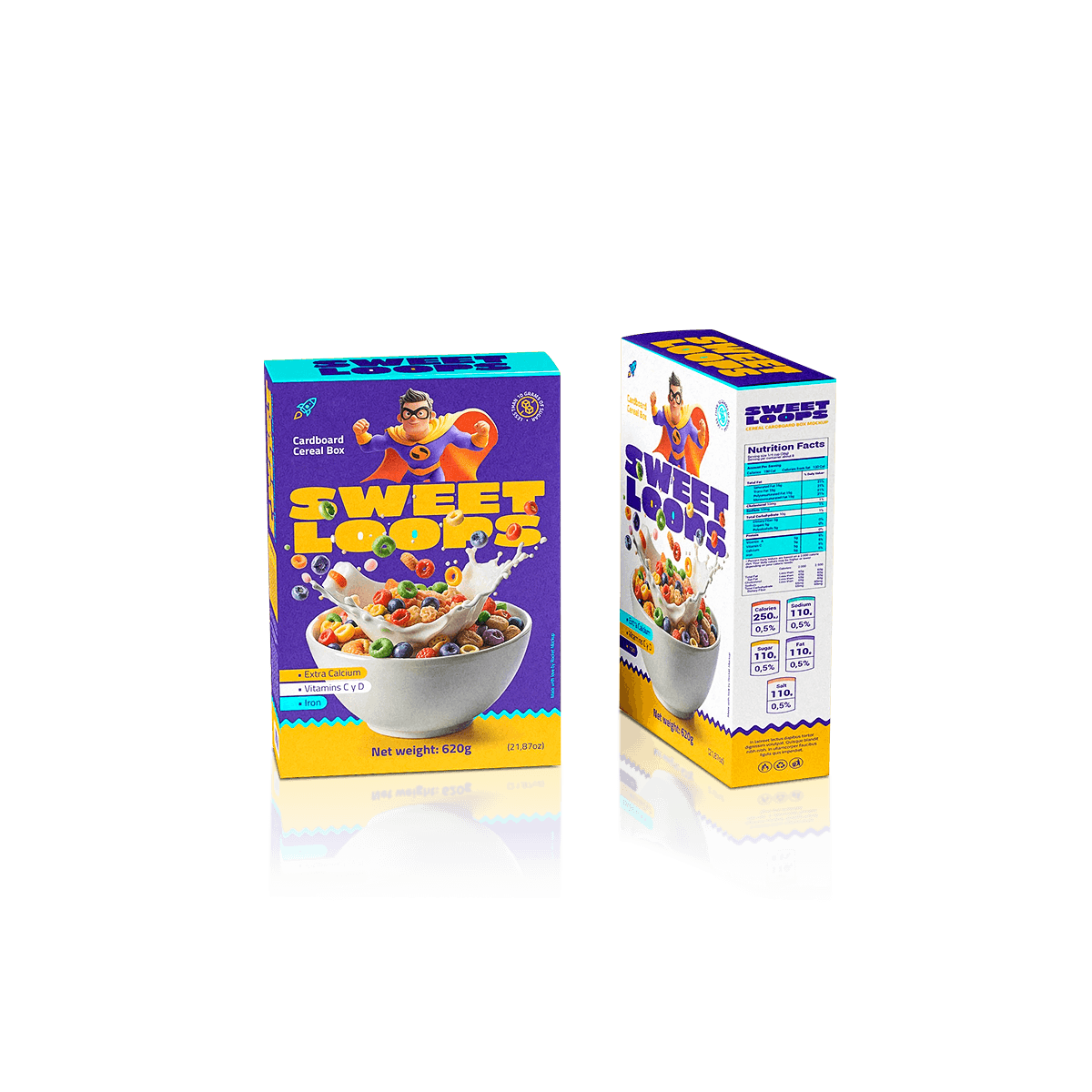
On a cereal shelf, the front panel is only doing half the job. The carton also has to carry product information clearly, hold its shape through filling and transport and stand in neat rows without looking weak or uneven once merchandised. That makes cereal boxes more panel-led and shelf-led than most bakery cartons. The structure is not only there to contain the product. It has to support brand blocking, keep edges crisp, allow consistent pack-out and give enough printable space for flavour names, nutritional details, ingredients and promotional messaging without making the pack feel crowded.

For most cereal ranges, folding cartons made from paperboard are the main route because they give strong print coverage and efficient shelf presentation. The exact build then depends on fill weight, pack dimensions and how the product is packed inside the carton. Smaller children’s cereals, family-size breakfast packs and premium granola-style ranges can all sit under the same broad product label, but they do not want the same proportions or closure performance. Compared with cookie boxes, cereal cartons place far more weight on panel hierarchy, vertical presence and line efficiency. Compared with chocolate boxes, they depend less on a presentation reveal and more on consistent stacking, clean opening and repeatable retail handling. Before ordering, confirm the finished fill volume, panel copy requirements, opening preference, shelf orientation and whether the range uses one standard size or several flavour-based variants.

Commercial Advantages

  • Gives breakfast products stronger shelf recognition through cleaner front and side panel design

  • Holds shape well in retail rows, warehouse handling and secondary transit packing

  • Creates more organised space for flavour naming, claims and required product information

  • Supports line consistency across standard, family and promotional cereal pack sizes

  • Helps branded ranges look more established with sharper structure and print coverage

Structure, Branding and Fit

Tall Shelf Profiles

Vertical cartons create stronger front-facing display and clearer product blocking in retail.

Panel-Led Print Space

Front, side and back panels support branding, ingredients and nutritional copy.

Reliable Carton Closures

Tuck arrangements can be matched to filling, opening style and shelf handling.

Custom Variant Design

Size, artwork and flavour coding can be tailored across a wider cereal range.

Paperboard Carton Build

Board grade can be chosen for crisp printing, pack stability and retail durability.

Packaging Insight

Shorter product runs and challenger food brands have changed what cereal packaging needs to do. A carton is no longer only a standard supermarket container for one long-running breakfast line. It may now carry seasonal flavours, protein-led concepts, children’s variants, sample launches or retailer-exclusive editions that need fast recognition without losing pack consistency. That shift makes panel planning more commercially important than many generic carton pages explain. The strongest cereal packaging often comes from deciding which message wins first glance on shelf, then building the rest of the pack architecture around it. In this category, clutter is one of the quickest ways to weaken perceived quality. A carton with disciplined hierarchy and stable shelf presence often performs better than a busier design trying to say everything at once.

Packaging That Fits This Product Best

  • Standard folding cartons for everyday breakfast cereals sold in retail rows

  • Taller branded packs for family-size ranges needing stronger shelf blocking

  • Premium cartons for granola, muesli and gift-ready breakfast product lines

  • Short-run printed packs for launches, promotions and flavour extensions

  • Structured retail cartons for private-label or own-brand cereal programmes

FAQs

A cereal box usually needs more organised panel space than many food cartons because it has to balance branding with practical pack information. The front panel needs clear shelf impact, while the side and back panels often carry ingredients, nutritional details, usage copy and other required information. It is worth mapping this content early so the carton does not feel visually overloaded once artwork is applied.

Most cereal ranges work well in a folding paperboard carton because it prints cleanly, stands upright on shelf and runs efficiently across retail-style pack formats. The exact style then depends on pack size, filling method and how the top and bottom need to perform during handling. The strongest choice is usually the one that protects line efficiency and shelf neatness together.

Yes, the outer carton should be designed with the full packed product in mind rather than the dry cereal volume alone. The filled inner contents affect final dimensions, opening behaviour and how square the carton stays after packing. It helps to confirm the packed footprint, headspace and how the contents settle inside the carton before approving the final size.

An Auto Bottom Box can be the stronger route when the pack is heavier, the filling process needs faster base setup or extra bottom support is useful in handling. A Straight Tuck End Box is often better for lighter retail cartons where efficient print-led presentation matters more than reinforced base assembly. The better option depends on pack weight, line speed and how the carton performs once filled.

Confirm finished pack dimensions, fill weight, required panel copy, closure preference, shelf orientation and whether the range includes multiple flavours or sizes. It also helps to check how the carton is packed, how it is cased for transport and which areas need the strongest visual emphasis on shelf. Those details shape board choice, structure and print layout before artwork is finalised.

Process

How it works

Simple steps from idea to delivery

01

Tell Us Your Specs

Custom packaging boxes

Tell Us Your Specs

Provide size, quantity, printing, and finishes.

02

Get a Fast Quote

Custom packaging boxes

Get a Fast Quote

Instant transparent pricing, no hidden fees.

03

Design and Approval

Custom packaging boxes

Design and Approval

Artwork checks, revisions, and final sign-off.

04

Produce

Custom packaging boxes

Produce

Expert manufacturing to meet deadlines.

05

Ship to Your Door

Custom packaging boxes

Ship to Your Door

Hassle-free, flexible delivery options.

Start Your Bespoke Packaging Quote

Share your product details, dimensions, quantity and artwork needs. We’ll help choose the right packaging style and send a clear quote.