Skip to content
Details

Custom Takeaway Paper Bags

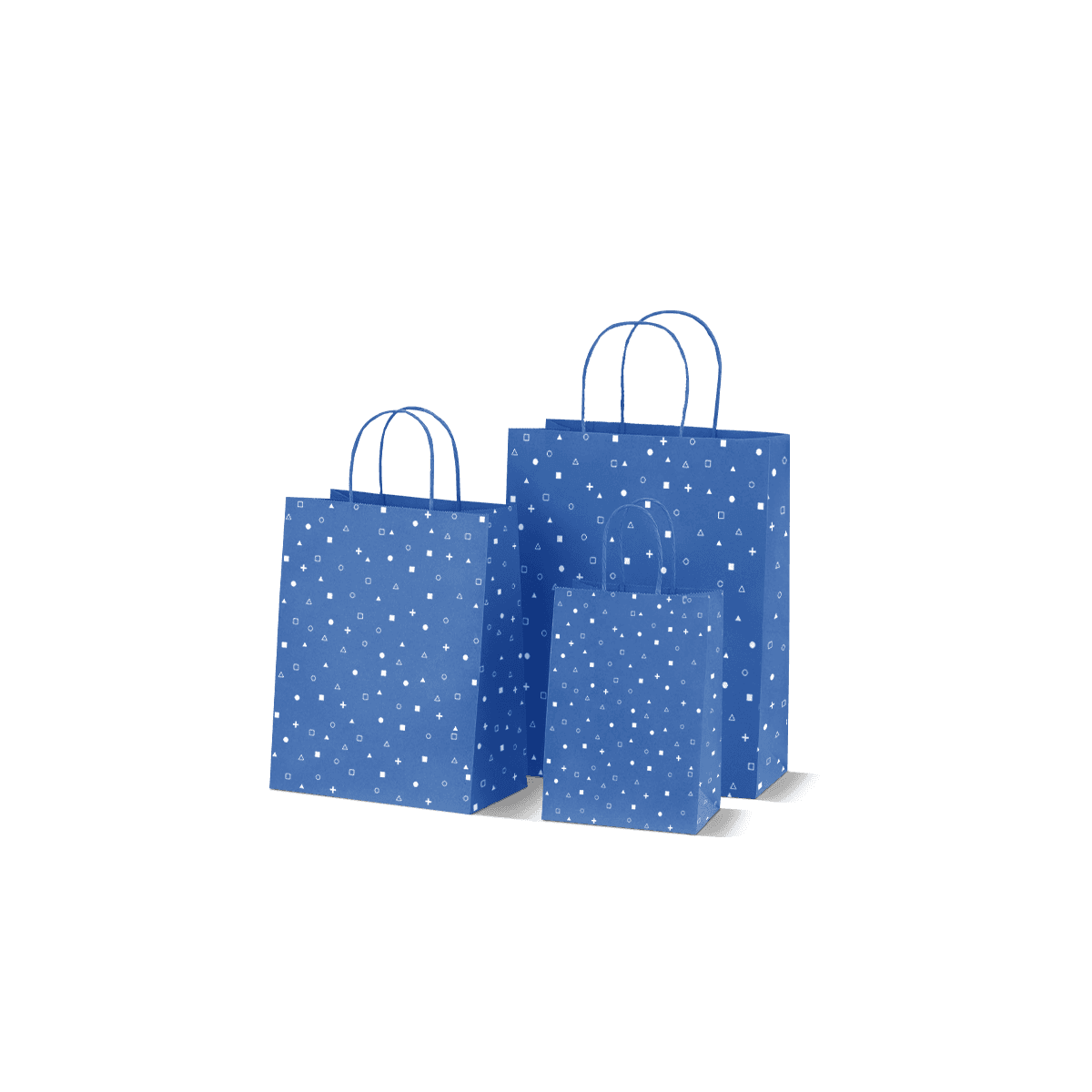
Branded paper carriers sized around real meal bundles, packed weight and counter workflow, with bag structures for collection, food-to-go and delivery orders.

Carry the Whole Order

Custom takeaway paper bags should be specified around everything that leaves the counter together, not around one burger box or one tray in isolation.

A normal order may combine a main, fries, sauce pots, napkins, dessert and sometimes drinks. The bag's job is to keep those separate packs organised while giving staff a quick handover and customers a comfortable way to carry them.

Within Custom Food Packaging for Restaurants & Takeaways, that makes the bag the outer layer of the order rather than another food container.

Start After the Food Is Packed

Choose the inner packaging first.

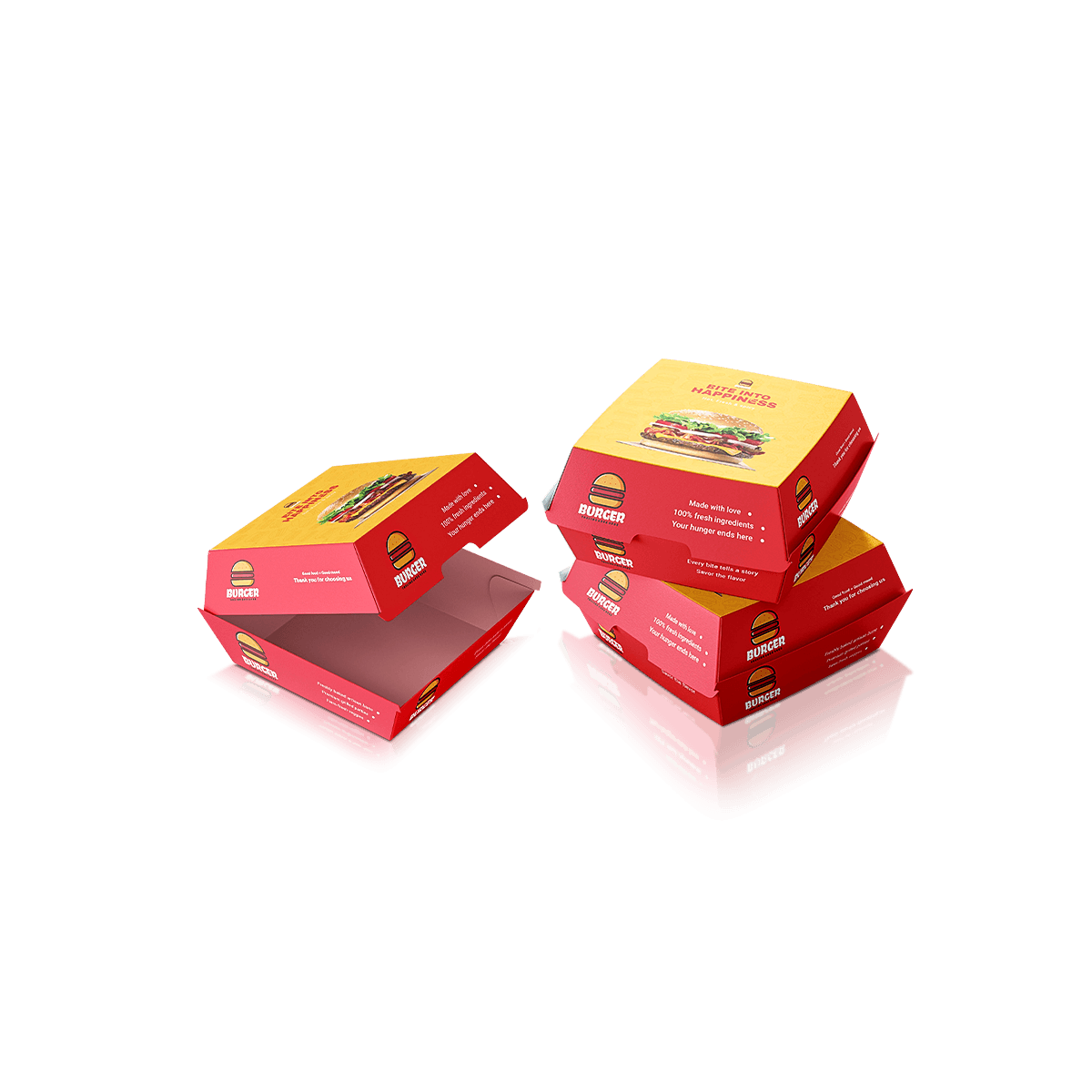
A restaurant using Custom Burger Boxes, fries trays and sauce pots should arrange those components as they would during real service, then size the paper bag around that finished bundle.

Doing it in reverse can create a bag that technically has enough volume but forces cartons to stand on edge, overlap awkwardly or move during carrying.

Do Not Buy Capacity Alone

Two bags can have similar overall volume and perform very differently.

A tall narrow bag may hold plenty on paper but be poor for two wide cartons sitting side by side. A shorter bag with a broader base may handle the same meal much more naturally.

For takeaway orders, usable footprint often matters more than headline capacity.
Size the Base First

The bottom of the bag determines how the order sits.

Start by placing the largest or most important cartons in their normal orientation. Measure the combined footprint, then allow enough clearance for staff to load them without scraping the sides or forcing the gussets outward.

Match Width to Cartons

If a burger box normally sits beside Fries Trays, test those two pieces together.

The bag should let both rest naturally on the base rather than making one lean on the other. Leaning may seem harmless at the counter but becomes more noticeable once the customer begins walking.

Use the Gusset Properly

The side gusset creates depth when the bag opens.

Too little gusset can squeeze wide cartons and make loading slower. Too much can create unused space and let a small order move around excessively.

Specify the gusset from the depth of the real pack combination instead of treating it as a secondary dimension.

Leave Top Clearance

Bag height still matters, but it should come after the base.

Leave enough room for staff to place and remove the order cleanly without crushing cartons beneath the handle area. Excessive height adds material and can make smaller orders disappear inside the carrier.

The correct height should support loading and carrying rather than simply making the bag look larger.

Design for the Heaviest Order

The most demanding regular meal bundle should influence paper and handle choices.

A lunch order containing one boxed sandwich behaves differently from a family meal containing several cartons, sides and drinks. If the same bag needs to handle both, test it with the heavier realistic load.

Weight Sits in the Base

Paper GSM matters, but it is not the only strength decision.

Load is transferred through the bag base, folds and handle attachment. A larger paper bag may therefore need more support than a smaller one even if both use the same paper weight.

This is why choosing the thickest paper from a list is not a complete specification.

Handles Change the Handoff

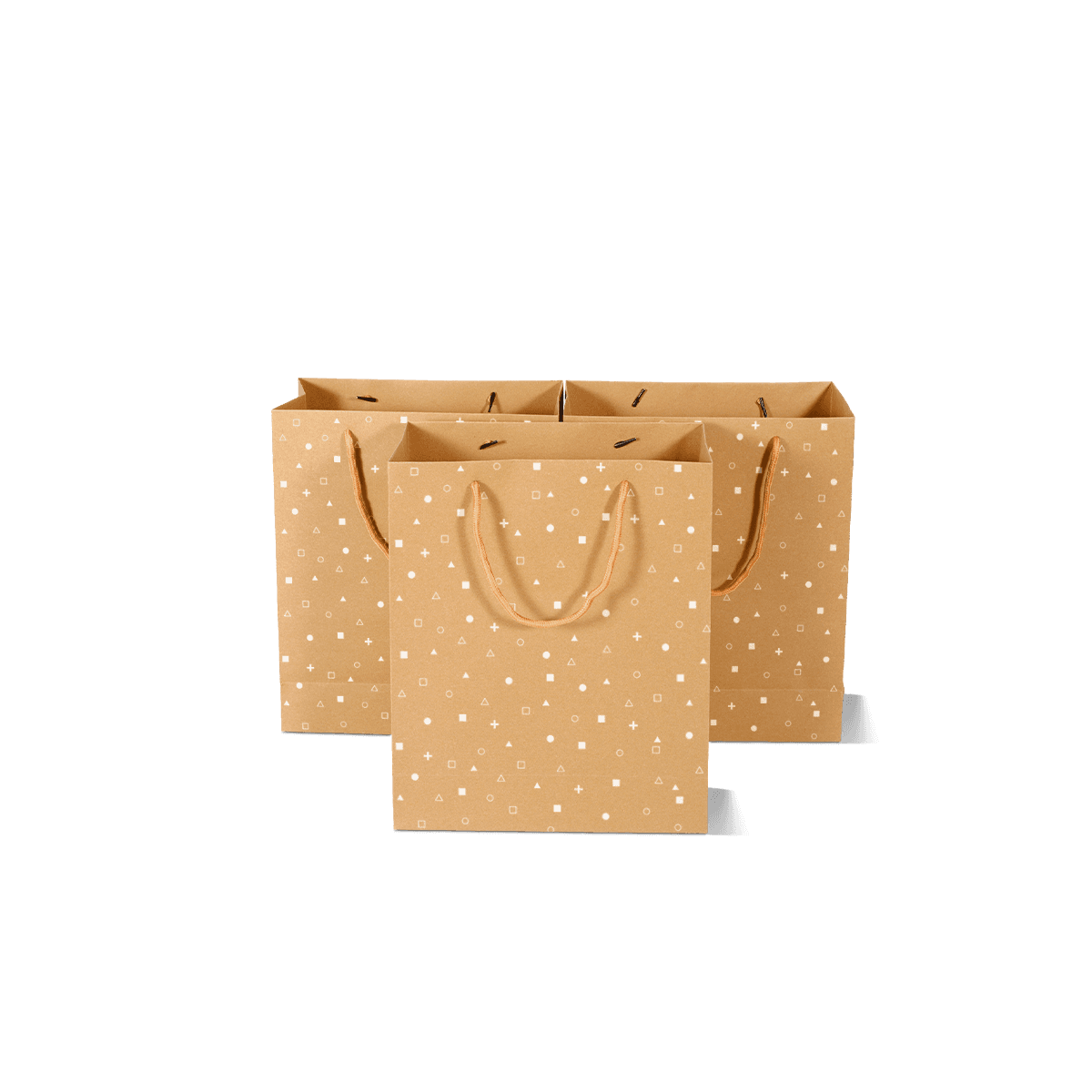
Flat and twisted paper handles can both suit takeaway use, but they solve slightly different needs.

Flat handles are practical for straightforward food-to-go orders and fast counter service. Twisted handles can give a more defined grip when the bag is carried further or the presentation needs to feel slightly more finished.

The Twisted Handle Paper Bags page covers that structure in more detail.

Test Grip Under Load

A bag can feel perfectly comfortable when empty and uncomfortable once it carries several kilograms of food and drink.

Load the proposed bag with a realistic order, lift it by the handles and carry it for more than a few seconds. Check whether the handles pull sharply into the fingers, the top edge distorts or the base begins to sag.

That test tells you more than handling an empty sample.

Separate Food From Drinks

Combining drinks and boxed food in one carrier can be convenient, but it changes how the load behaves.

Cups are tall, relatively dense and vulnerable to tilting. Food cartons are usually broader and flatter. Putting both together without planning the layout can make an otherwise strong bag unstable.

Keep Cups Upright

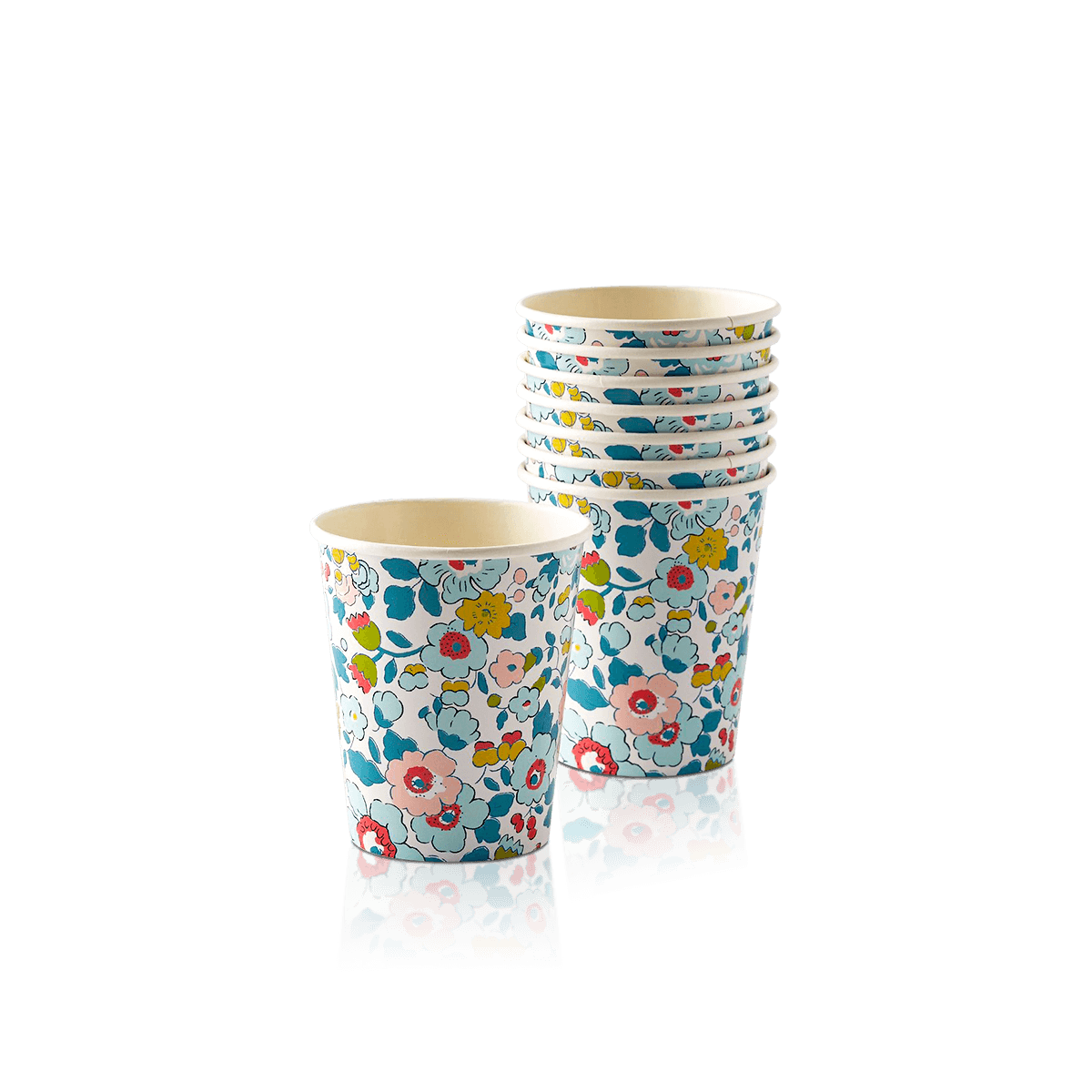
If Paper Cups routinely travel in the same order, account for their real handling method.

A cup should not depend on a burger carton or tray to stop it tipping. If drinks need a holder or separate carrier arrangement, treat that as its own packaging requirement.

Protect Open Food

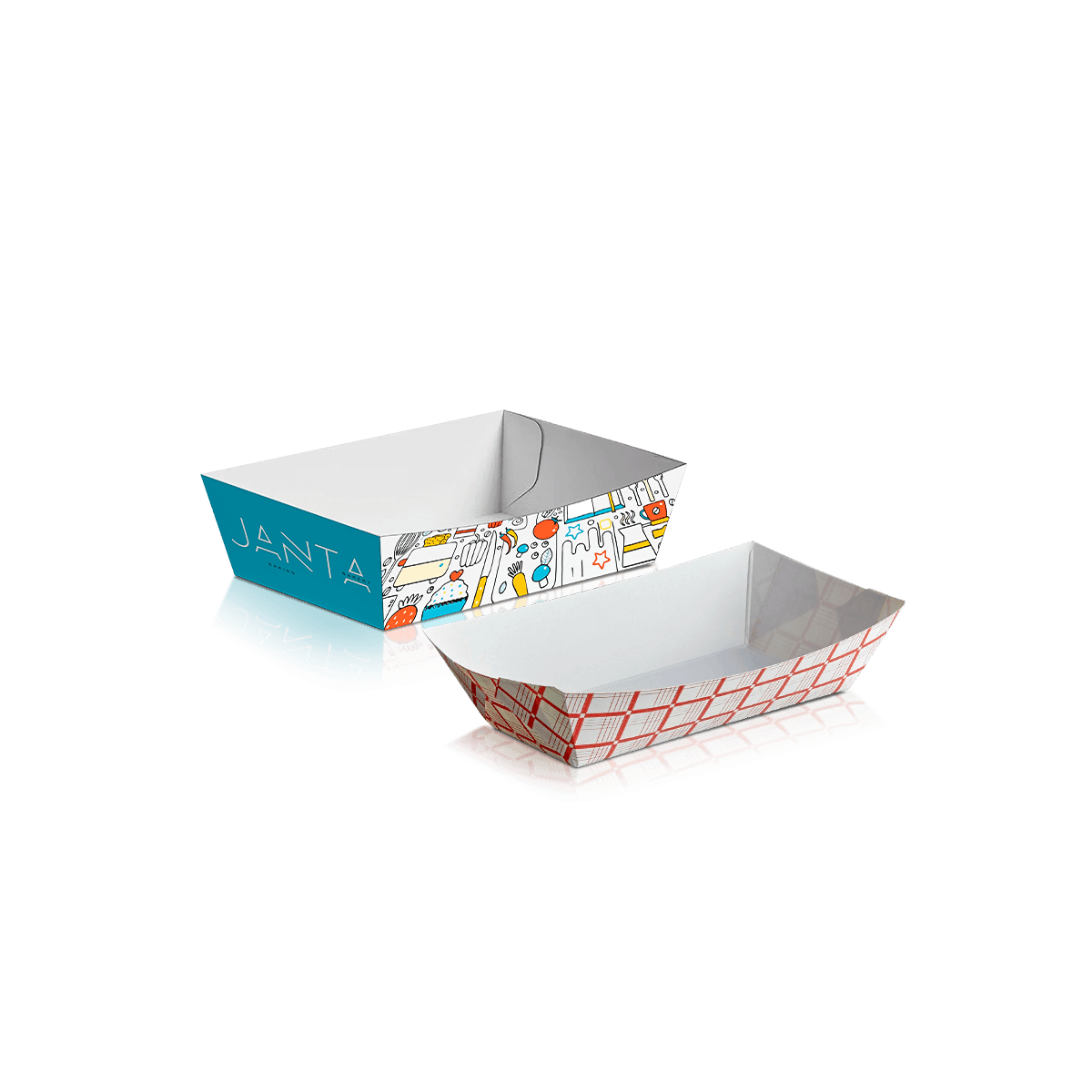
An open Food Tray should not sit beneath a heavy drink or closed carton.

The outer bag may hold the complete order, but the item sequence still matters. Open food should remain accessible and protected from pressure during handoff.

Expect Grease and Condensation

The bag may not touch the food directly, yet restaurant orders can still expose it to grease, moisture and condensation from the packs inside.

A hot carton can release steam. A sauce container can leak. Grease can transfer from a tray or box exterior. Those conditions matter because moisture can reduce the stiffness of paper.

Check the Outside of the Packs

Test inner packaging after it has held food for the normal collection or delivery period.

If the outside remains consistently dry, the bag faces less stress. If oil or moisture appears on the cartons, solve that problem at the food pack as well as considering the carrier specification.

A stronger bag should not be used to disguise an unsuitable inner pack.

Keep the Base Off Wet Surfaces

Takeaway bags are often placed briefly on counters, collection shelves or vehicle floors.

The base should be treated as a working surface. Even a well-specified paper carrier can weaken when left on a wet counter, so staff handling and collection setup are part of the system.

Choose the Right Bag Style

Not every takeaway order needs attached handles.

The right structure depends on the load, carry distance, speed of service and how the customer receives the order.

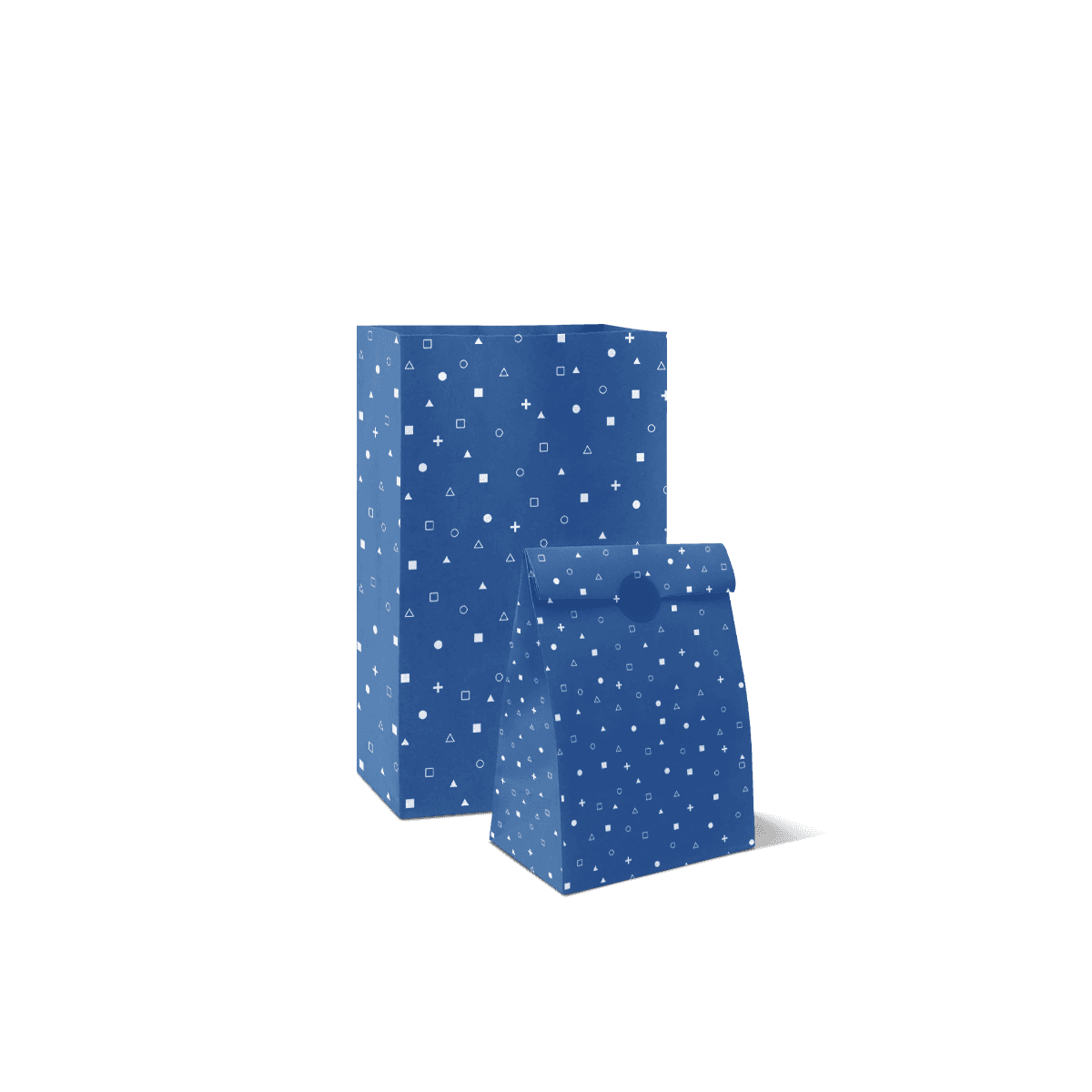
SOS Bags Suit Quick Handover

An SOS Paper Bag has a flat base and stands open for loading. That can suit lighter takeaway meals, bakery goods and fast counter service where customers do not need to carry the order far by a handle.

It is particularly useful where packing speed and straightforward storage matter.

Handled Bags Suit Longer Carrying

A handled carrier makes more sense when customers walk with the order, collect several items or need one easy grip.

The extra convenience is worthwhile only if the handle and paper specification match the real packed weight.

This industry page should therefore start with the meal bundle, while the broader Custom Paper Bags range can be used to choose the final structural style.

Print for Moving Visibility

Takeaway paper bags offer one of the largest visible brand surfaces in a restaurant order.

Unlike the box inside, the carrier remains visible while the customer leaves the shop, walks down the street or arrives at an office. That makes simple, readable artwork particularly useful.

Design From the Formed Bag

Artwork should be reviewed on the erected carrier, not only on the flat print layout.

Side gussets fold inward. Handles interrupt the upper panel. The bottom area can become partly hidden once the bag is filled.

Place the main logo and recognisable brand elements where they remain visible during carrying.

Keep the System Consistent

A bag does not need identical artwork to every carton inside.

Use consistent colour, typography and recognisable brand elements while adapting the composition to the larger vertical surface. Custom Packly's customisation capabilities can support artwork setup, colour decisions and a free 3D mockup before production.

Premium offset printing is available where it suits the order and artwork.

Use Fewer Sizes Better

A takeaway business may have dozens of order combinations but usually does not need dozens of carrier sizes.

The aim is to find a small number of bags that cover common order groups without making small purchases swim inside oversized carriers.

Bag size, paper weight, handles, print method and quantity all affect cost, so the custom paper bag cost breakdown is useful when deciding whether another bag size is commercially justified.

Group Orders by Footprint

Look at actual till combinations rather than individual menu products.

A single-meal order may form one group. A two-person order may form another. Larger family or group orders may require a separate carrier or multiple bags instead of one very large size.

Those groupings create a more useful bag-size plan than calling products small, medium and large without reference to what goes inside.

Do Not Force One Universal Bag

One enormous carrier can appear convenient because staff never have to choose a size.

In practice, small orders can move excessively inside it, handles may sit awkwardly and the customer receives far more material than necessary.

Use another size when the packed footprint genuinely changes, not merely because the menu contains another product.

MOQ starts from 100 bags, allowing a core size to be established before a broader branded set is introduced.

Manage Bulky Bag Stock

Once the right carrier has been proven, record the specification clearly.

Keep the finished width, gusset, height, paper specification, handle style, artwork version and colour references together. That gives repeat orders a fixed reference instead of relying on a previous physical bag.

Order Around Real Usage

Core takeaway bags can move quickly because they serve many menu combinations.

Larger repeat requirements may benefit from Wholesale Custom Packaging, particularly when paper bags are being coordinated with cartons, trays and other printed packaging.

Warehousing and scheduled deliveries are available where producing a larger quantity makes sense but storing the entire run on site does not.

Production typically takes 4–6 working days depending on the approved specification and order details, so keeping repeat artwork and dimensions controlled makes reordering easier.

Build the Brief From One Order

The most useful starting point for pricing a takeaway paper bag is one complete order packed exactly as staff would prepare it for a customer.

Do not begin with an assumed bag size unless an existing carrier is already working well.

Lay Out the Normal Bundle

Choose a representative order and arrange the burger boxes, trays, sauce pots, desserts and other items on a flat surface.

Measure the combined width, depth and height. Then repeat the exercise with the heaviest regular order if it is substantially different.

Photographs of both arrangements can help show how the bag needs to load.

Add the Carry Conditions

Alongside the packed dimensions, provide:

  • approximate total order weight
  • quantity of bags required
  • usual collection or delivery use
  • whether drinks travel in the same carrier
  • preferred handled or handle-free style
  • kraft or white paper preference if known
  • logo or artwork files
  • required print colours
  • existing bag dimensions if replacing a current carrier
  • delivery postcode and required timing

Send the packed-order information through the custom packaging quote. Instant pricing can establish the commercial starting point, while the meal layout gives Custom Packly a practical basis for narrowing the bag dimensions, paper and handle specification.

FAQs

It depends on order weight and service style. Flat handles are often a strong choice for quick takeaway food because they are practical, familiar and efficient for standard meal bundles. Twisted handles can feel more comfortable for heavier or bulkier orders carried for longer distances. The better option comes from the real menu load, not from appearance alone.

Start with the packed order, not the individual item. The bag needs enough width and gusset space for cartons, trays or cups to sit naturally without leaning or forcing the sides outward. A bag that is too large can make the contents shift, while one that is too tight slows packing and weakens presentation. Confirm the full bundle layout before choosing the final size.

They are usually the better route when the order includes multiple items that need to stay together and move cleanly through collection or delivery handoff. A single box may protect one food item well, but it does not organise the whole order on its own. A properly sized paper bag improves carrying, keeps extras together and gives the order a more finished branded feel.

Clean branding usually works better than overcrowded artwork. A strong logo, colour-led identity or simple message often reads better on the move than dense graphics across every panel. Because the bag is seen in public and not only at the counter, print needs to stay clear at a glance. Good visibility matters more than trying to fill every surface.

Confirm the heaviest order type, the usual meal bundle size, whether drinks will be carried in the same bag and how the bag is filled during peak service. It also helps to check handle style, paper weight and print coverage before approving artwork. At Custom Packly, those practical points usually decide bag performance more accurately than branding alone.

Related Industry Packaging

Process

How it works

Your Packaging Journey, From Idea to Production and Delivery

01

Tell Us Your Specs

Custom packaging boxes

Tell Us Your Specs

Provide size, quantity, printing, and finishes.

02

Get a Fast Quote

Custom packaging boxes

Get a Fast Quote

Instant transparent pricing, no hidden fees.

03

Design and Approval

Custom packaging boxes

Design and Approval

Artwork checks, revisions, and final sign-off.

04

Produce

Custom packaging boxes

Produce

Expert manufacturing to meet deadlines.

05

Ship to Your Door

Custom packaging boxes

Ship to Your Door

Hassle-free, flexible delivery options.

Get Your Quote for Custom Takeaway Paper Bags

Share your product details, dimensions, quantity and artwork needs. We’ll help choose the right packaging style and send a clear quote.