Skip to content
Details

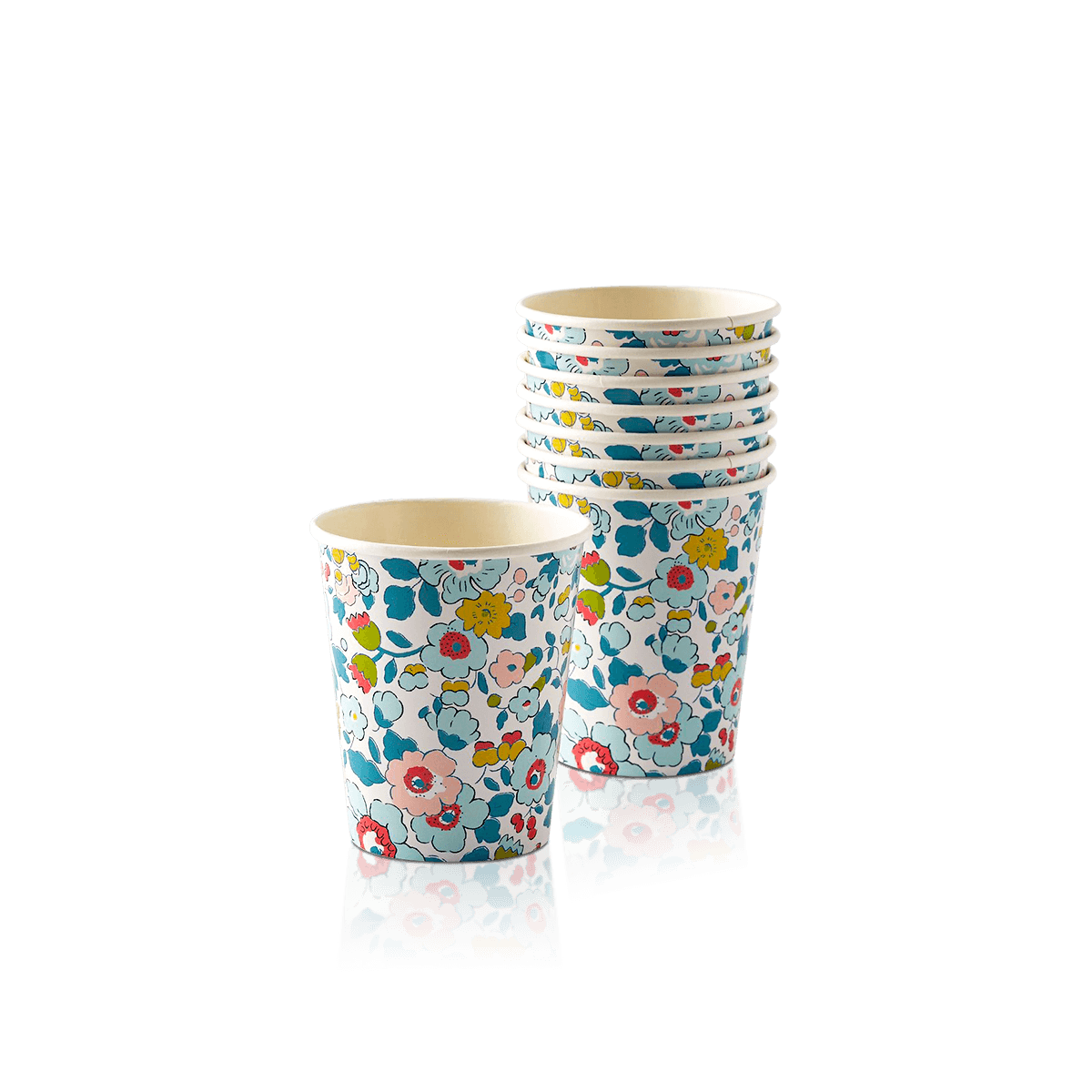
Custom Paper Cups

Printed paper cups planned around drink volume, serving temperature, wall construction and lid fit for cafés, restaurants, takeaway counters and events.

Match the Cup to the Drink

Custom paper cups should be chosen from the finished beverage rather than from a standard size list alone. Coffee, tea, hot chocolate, iced drinks and seasonal recipes can all place different demands on capacity, heat handling, lid fit and usable headroom.

Within Custom Food Packaging for Restaurants & Takeaways, the cup is the primary drink container. Its job is to hold the beverage reliably, stack efficiently during service and give customers a comfortable branded vessel from counter to finish.

Start With the Finished Recipe

Nominal drink volume is only the starting point.

A latte may need room for milk foam. An iced drink needs space for ice as well as liquid. Whipped toppings or seasonal recipes may require more clearance below the lid than a standard black coffee.

Choose the cup from the drink as actually served, including ice, foam and toppings, rather than filling a cup to its theoretical maximum.

Protect Useful Headroom

A cup that is too small forces staff to overfill or change the recipe. One that is unnecessarily large can make the serving look underfilled and increase material use.

Useful headroom gives staff enough margin to apply the lid without pushing liquid towards the rim. It also helps drinks move from counter to customer with less risk of immediate sloshing.
Build a Sensible Size Range

More cup sizes do not automatically create a better drinks menu.

Every additional capacity can introduce another stack, lid requirement, artwork file and stock line. A busy café may be better served by a small number of cup sizes that clearly correspond to actual menu choices.

Map Sizes to Real Sales

Start with the drinks that move most frequently.

If two menu labels use almost the same finished volume, question whether they genuinely require separate cups. The packaging system should simplify counter service rather than preserve unnecessary differences.

Seasonal or occasional drinks can justify another size when their recipe genuinely needs it, but they should not automatically dictate the core cup range.

Check Rim Families Early

Capacity alone does not determine lid compatibility. Rim diameter and cup profile matter.

When planning several cup sizes, check whether suitable sizes can share a common lid diameter where the cup specification permits it. Reducing the number of lid types can make storage, replenishment and counter organisation easier.

Do not assume two cups share a lid because they look similar or are sold under neighbouring capacities. Confirm the actual cup and lid specification before production.

Choose the Wall Properly

Single wall and double wall cups solve different service problems.

The correct choice depends on beverage temperature, expected hold time, customer hand comfort and whether a separate sleeve is already part of the service system.

Competitors commonly position double wall cups as the more insulated route and single wall cups as suitable where extra heat protection may be added separately.

Single Wall Keeps It Simple

Single wall cups use one primary paper wall and can be an efficient choice for suitable cold drinks or beverage service where the outer surface remains comfortable to hold.

For hot drinks, hand comfort has to be assessed against the actual serving temperature. A separate sleeve may be needed where the cup wall becomes too warm.

This can be useful when the business wants one cup specification but only selected drinks need extra insulation.

Double Wall Adds Insulation

Double wall cups add another paper layer around the beverage container, increasing separation between the hot drink and the customer's hand.

They can make sense for hotter beverages, longer carry periods or operators that prefer not to add a sleeve during every handoff.

The trade-off is that the cup itself becomes a more substantial structure. Choose it because the service conditions justify it, not because double wall automatically sounds more premium.

Keep Sleeves as a Separate Decision

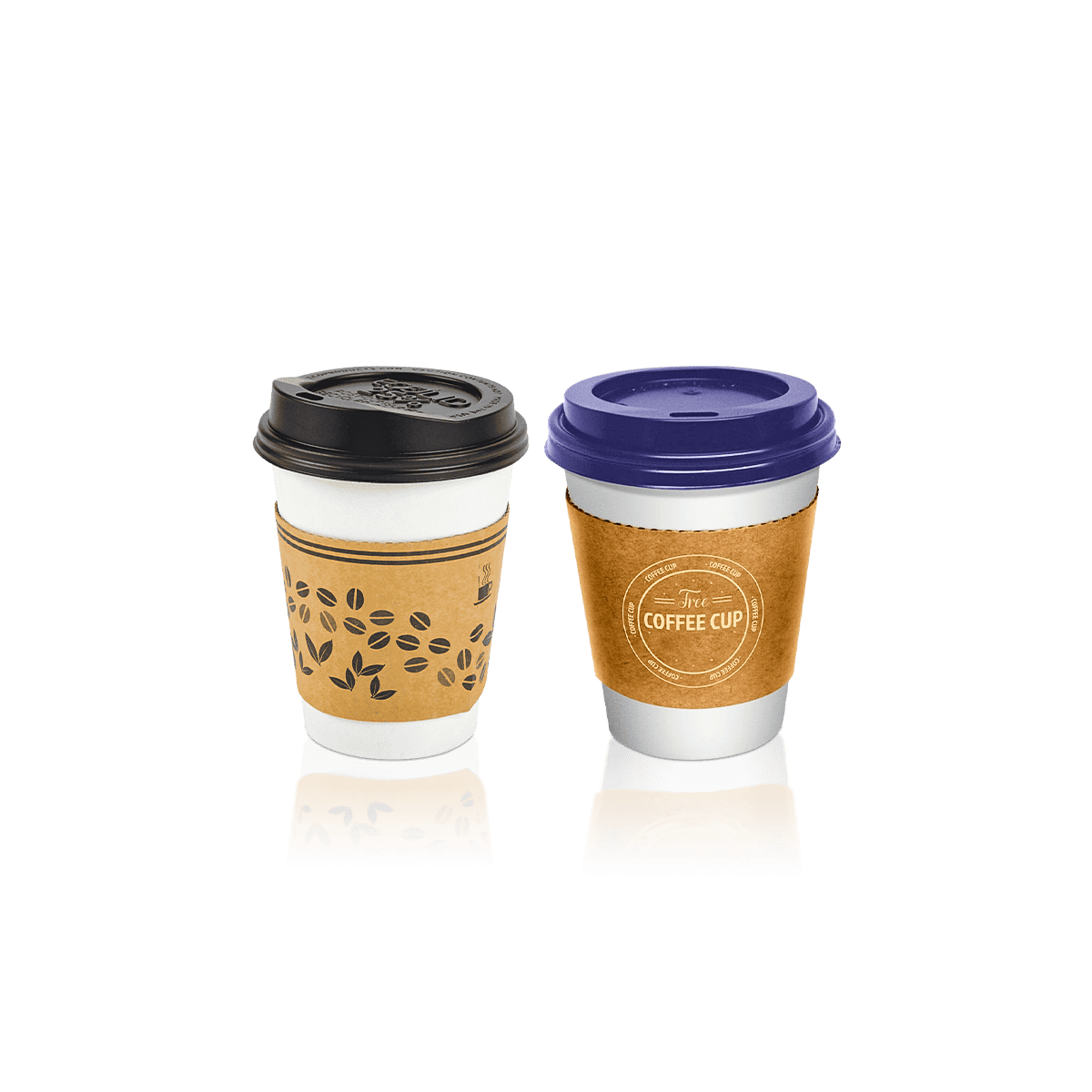
A Coffee Cup Sleeve solves an external handling problem. It can improve grip and heat comfort without changing the base cup and can also provide a flexible printed surface for selected drinks or campaigns.

That makes sleeves especially useful where only part of the menu needs extra insulation or where artwork changes more frequently than the cup supply.

Get the Lid Fit Right

A cup and lid should be treated as one working combination.

An attractive cup with a poorly matched lid creates a more serious problem than imperfect artwork. Loose lids can affect carrying confidence while overly tight lids can slow staff and deform the rim during fitting.

Match the Actual Rim

Specify the lid against the exact rim diameter and cup profile rather than simply ordering a lid for an 8oz, 12oz or 16oz cup.

Different manufacturers or cup structures can use different dimensions at similar stated capacities. The physical fit must therefore be confirmed for the selected cup.

Test How Staff Apply It

Lid performance should be checked during realistic service.

Fill the cup, apply the lid at normal speed and check that it seats consistently around the entire rim. Repeat the process from a stack rather than testing one carefully prepared sample.

A lid that works only when someone spends extra time aligning it will become a problem during a queue.

Allow for the Finished Drink

Foam, whipped toppings and ice can affect the available space beneath a lid.

The chosen combination should accommodate the normal serving without forcing staff to reduce the recipe or press the lid into the contents.

Specify for Hot and Cold

Hot and cold drinks stress paper cups differently.

Heat affects hand comfort and dwell time. Cold drinks can introduce exterior condensation and often include ice, which changes the relationship between stated capacity and actual liquid volume.

The cup material, inner barrier and other direct-contact components need to be appropriate for the intended beverage and serving conditions. Those requirements should be confirmed for the exact specification rather than inferred from appearance.

Hot Drinks Need a Handling Plan

For coffee, tea and hot chocolate, consider the highest normal serving temperature and how long customers typically hold the drink.

A cup handed across a counter and consumed immediately has different handling demands from one carried through a station or office complex for fifteen minutes.

Wall choice, lid fit and any sleeve requirement should be considered together.

Cold Drinks Need Working Space

Ice can occupy a large portion of the cup before liquid is poured.

Test cold-drink capacity with the actual ice quantity and recipe rather than relying on liquid measurement alone. Check how condensation affects grip during the intended holding period as well.

Make Stacking Work at Speed

Paper cups spend much of their operational life stacked before they are filled.

Good cup planning therefore includes storage, separation and counter dispensing, not just the appearance of one finished drink.

Check Cup Separation

Staff should be able to remove one cup from the stack cleanly.

If cups cling together or require excessive pulling, a small inconvenience becomes a repeated delay during peak service. Test a full working stack rather than only several loose samples.

Give Each Size a Clear Home

Several cup sizes with very similar proportions can lead to service mistakes.

Arrange stacks so staff can distinguish capacities quickly. Artwork changes, printed size identifiers or an organised dispenser layout can help without making every size look like a different brand.

This is particularly important when the same counter serves hot drinks, cold drinks and promotional beverages at once.

Design for a Curved Surface

Cup artwork does not behave like artwork on a flat carton.

The printed surface tapers and wraps around the drink. A logo that looks centred on a flat artwork file can appear differently when the cup is formed and viewed from the front.

Choose a Viewing Side

Decide what customers should see first when the cup is handed over.

Place the main logo or strongest visual element where it reads clearly from a natural front-facing angle. Secondary graphics can continue around the cup without making the primary brand mark hard to find.

Avoid Tiny Wraparound Copy

Long sentences and small type become harder to read once they curve away from the viewer.

Use the available surface for clear brand recognition rather than treating the whole cup as a poster. Logos, short messages, patterns and simple illustrations generally adapt more naturally to a tapered form.

Custom Packly's packaging customisation support can help with artwork preparation, colour and print decisions. Free 3D mockups can also help review the artwork before production.

Keep Cup Sizes Connected

A multi-size cup programme should look related without simply stretching the same artwork.

Elements may need to shift as the printable area changes. Keep the colour system, typography and core identity consistent while adjusting scale and spacing to each cup.

Premium offset printing is available where appropriate to the specification and order.

Coordinate the Drink Handoff

The cup is only one part of takeaway beverage service.

Customers may receive a sleeve, napkin, food carton and outer bag alongside it. Those pieces should work together physically even when each uses different artwork.

Give Drinks Their Own Support

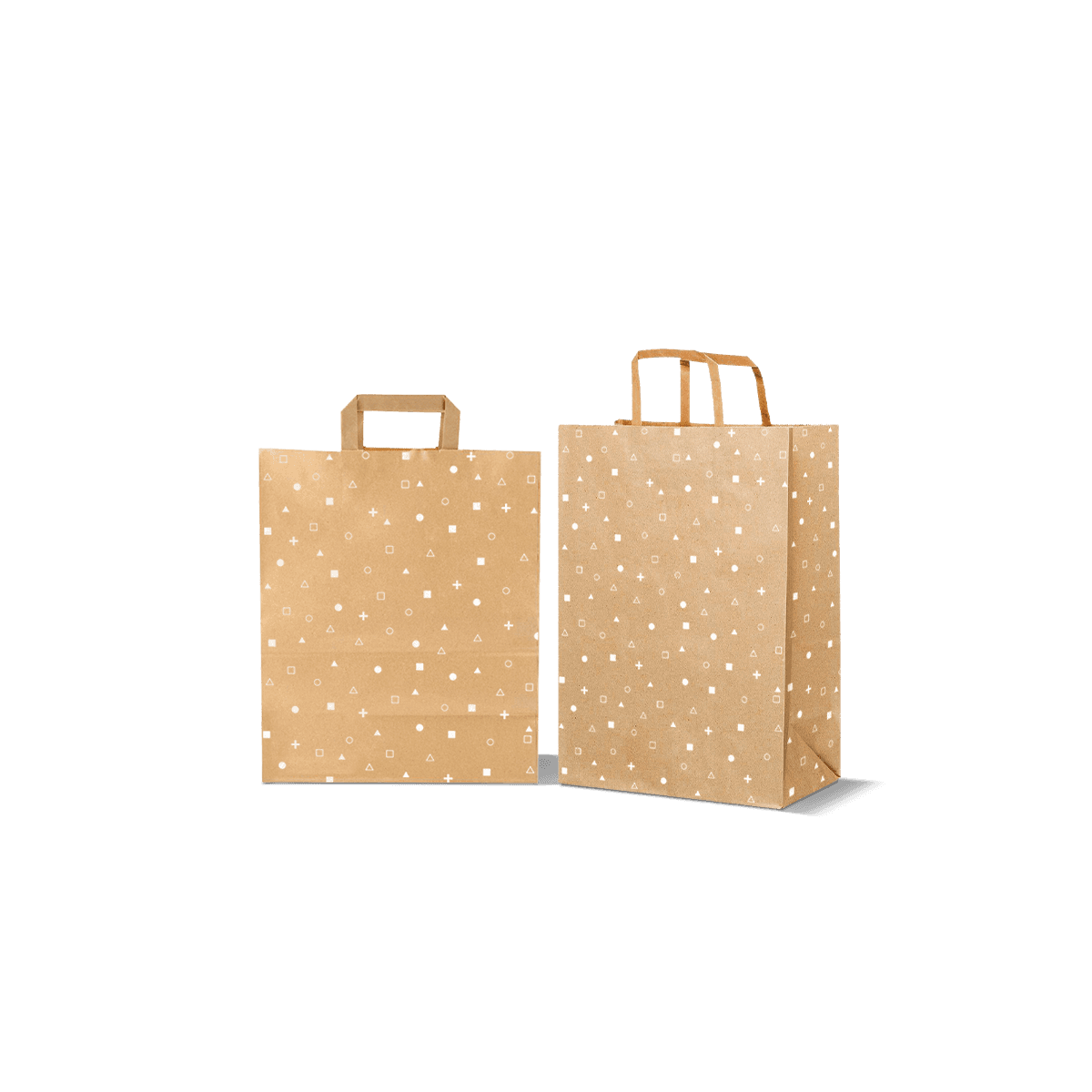
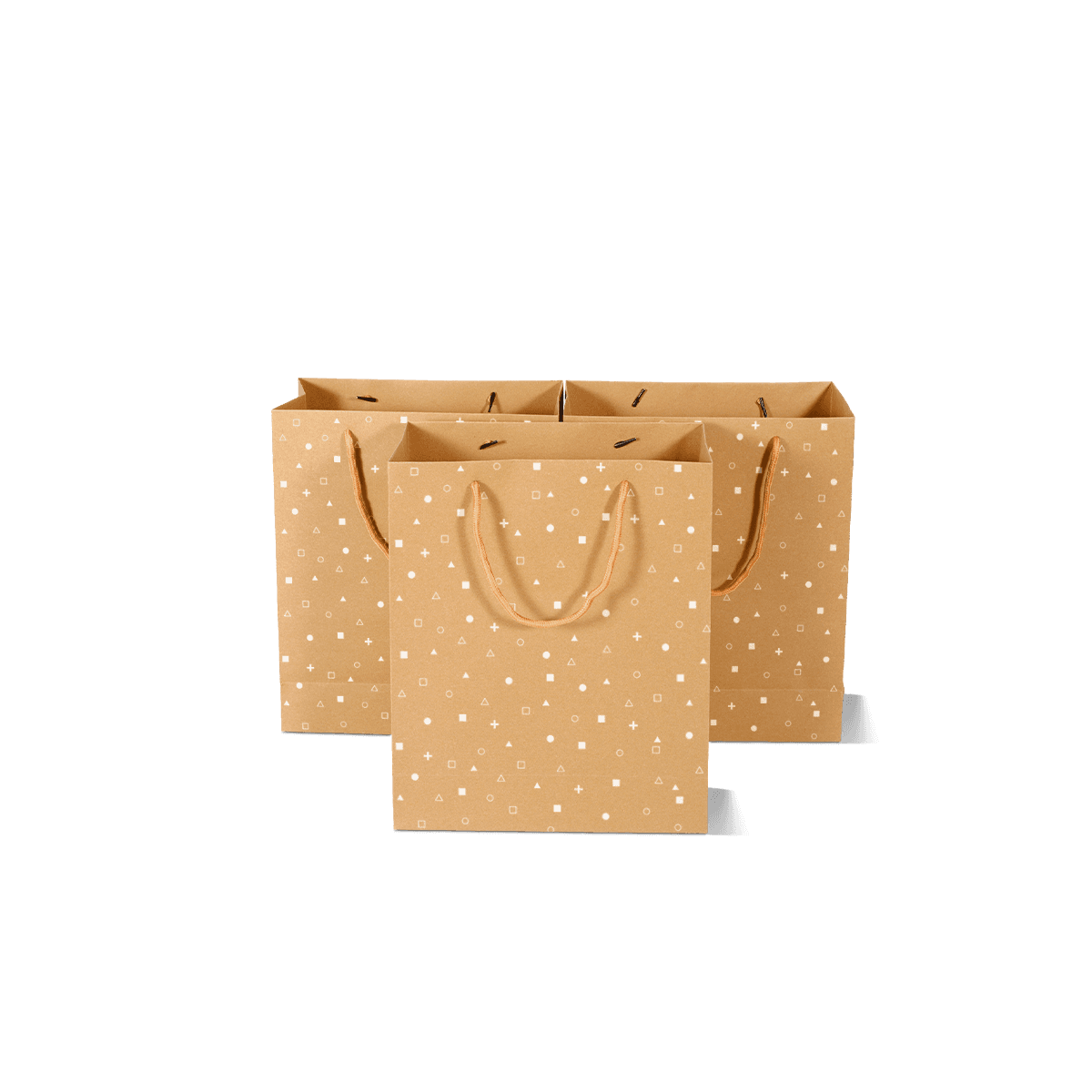
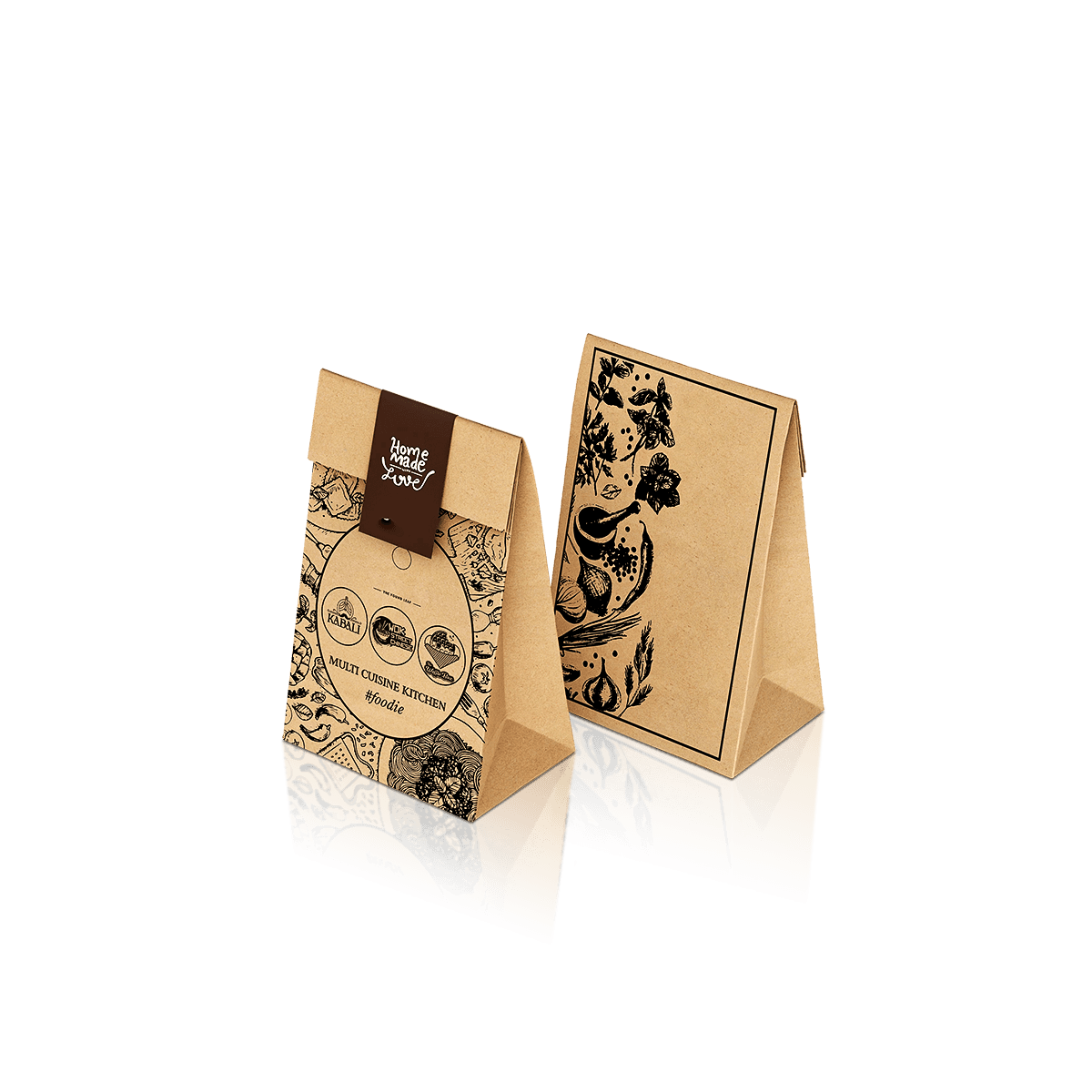
A Takeaway Paper Bag can carry the broader order, but an upright drink needs appropriate support of its own.

Do not rely on burger cartons, trays or the bag wall to stabilise a filled cup. Plan drink carrying separately where several beverages travel together.

Connect the Visual System

The same café identity can appear across cups, sleeves and bags without repeating an identical composition.

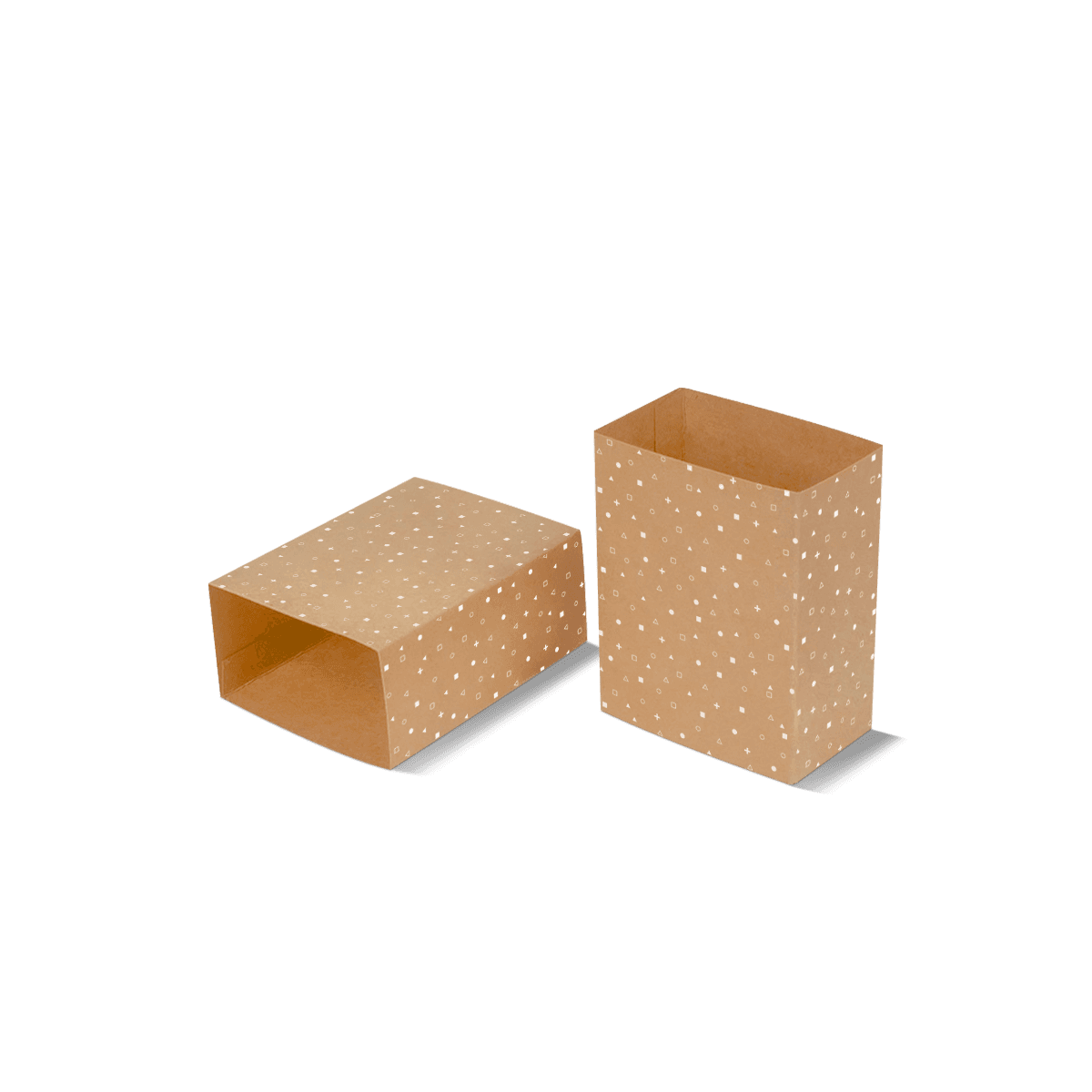
A cup may carry the strongest wraparound artwork, the sleeve may take a campaign message and the bag may use a larger simplified logo. Sleeve Packaging provides the broader structural context for removable printed wraps used across cups and other products.

The takeaway food packaging comparison also shows how paper cups fit alongside the other restaurant formats in a complete order.

Separate Core and Seasonal Cups

Frequently used cups are repeat consumables. Once the specification works, the aim should be to reproduce it without reopening basic decisions every time stock runs low.

Record cup capacity, finished dimensions, wall type, rim specification, compatible lid, artwork version and colour references together.

Keep Artwork Versions Clear

Seasonal drinks can create multiple artwork files against the same physical cup.

Name and approve those versions carefully so quantities are allocated to the correct design. A Christmas cup, summer campaign and standard café cup may share a specification while remaining separate printed products.

Order to Usage, Not Guesswork

Review how quickly each size actually moves.

A high-volume standard coffee cup may justify a larger production quantity than an occasional promotional size. Wholesale Custom Packaging can support larger recurring packaging requirements, warehousing and scheduled deliveries where those arrangements suit the order.

Map the Core Cup Family

A strong paper cup enquiry can start with the drinks menu rather than a fully resolved packaging specification.

Choose the busiest drinks first and show how they are actually served. That gives the cup decision a practical basis before artwork, quantities and production details are finalised.

Group Drinks by Behaviour

Instead of sending a long list of names, group drinks by what changes the packaging.

For example:

  • standard hot drinks with similar finished volume
  • hotter drinks that may need more insulation
  • iced drinks requiring extra space for ice
  • drinks with foam or toppings needing more headroom
  • seasonal recipes requiring separate artwork

Those groups make it easier to see which drinks can share a cup and which genuinely need another size or structure.

Lock Rim and Lid Families

For each required capacity, confirm the approximate finished drink volume and whether it needs single wall or double wall construction. Add the preferred lid type and note where a sleeve is already used.

If an existing cup system is being replaced, send a sample reference or its dimensions. That can reveal useful rim, stack and lid information that an ounce label alone does not provide.

Separate Core and Seasonal Artwork

After the cup family is clear, provide the logo, colour references and any separate seasonal artwork.

Use the custom packaging quote to send the drink range, quantities and artwork. Custom Packly can then price the relevant cup programme and help resolve the remaining specification rather than treating every drink as an unrelated packaging enquiry.

FAQs

It depends on heat level and how long the drink stays in hand. Single wall cups work well for many standard hot drinks, especially when paired with Coffee Cup Sleeves where extra grip is needed. Double wall cups are often the better route for hotter drinks or longer takeaway journeys because they improve hand comfort without needing a separate sleeve on every order.

Start with the actual menu, not just common ounce sizes. Espresso-based drinks, tea service, iced drinks and promotional beverages often need different fill space, headroom and lid use. It helps to build a cup family that feels consistent across the range while still matching the drink volume properly. Confirm fill level, milk foam allowance and lid style before finalising.

Yes, provided the cup is specified for the intended drink and handling conditions. Good print should stay clean and legible while the cup remains comfortable to hold and easy to stack. Service performance depends less on artwork alone and more on wall build, rim accuracy and board suitability. A sharp design on the wrong cup structure will still create operational problems.

A sleeve becomes useful when the outer wall gets too warm for comfortable handling or when extra grip helps the drink travel better. That is common with hotter beverages served in single wall cups. If the cup uses a double wall or ripple structure, a separate sleeve may not be necessary. The right answer depends on drink temperature, hold time and the desired service feel.

Confirm drink sizes, hot or cold use, lid compatibility, serving temperature, expected hold time and how much print coverage is needed. It also helps to check whether the same design family will be used across different cup capacities. At Custom Packly, those points usually decide the most suitable wall build and print approach more accurately than artwork preferences on their own.

Process

How it works

Your Packaging Journey, From Idea to Production and Delivery

01

Tell Us Your Specs

Custom packaging boxes

Tell Us Your Specs

Provide size, quantity, printing, and finishes.

02

Get a Fast Quote

Custom packaging boxes

Get a Fast Quote

Instant transparent pricing, no hidden fees.

03

Design and Approval

Custom packaging boxes

Design and Approval

Artwork checks, revisions, and final sign-off.

04

Produce

Custom packaging boxes

Produce

Expert manufacturing to meet deadlines.

05

Ship to Your Door

Custom packaging boxes

Ship to Your Door

Hassle-free, flexible delivery options.

Get Your Quote for Custom Paper Cups

Share your product details, dimensions, quantity and artwork needs. We’ll help choose the right packaging style and send a clear quote.