Skip to content
Details

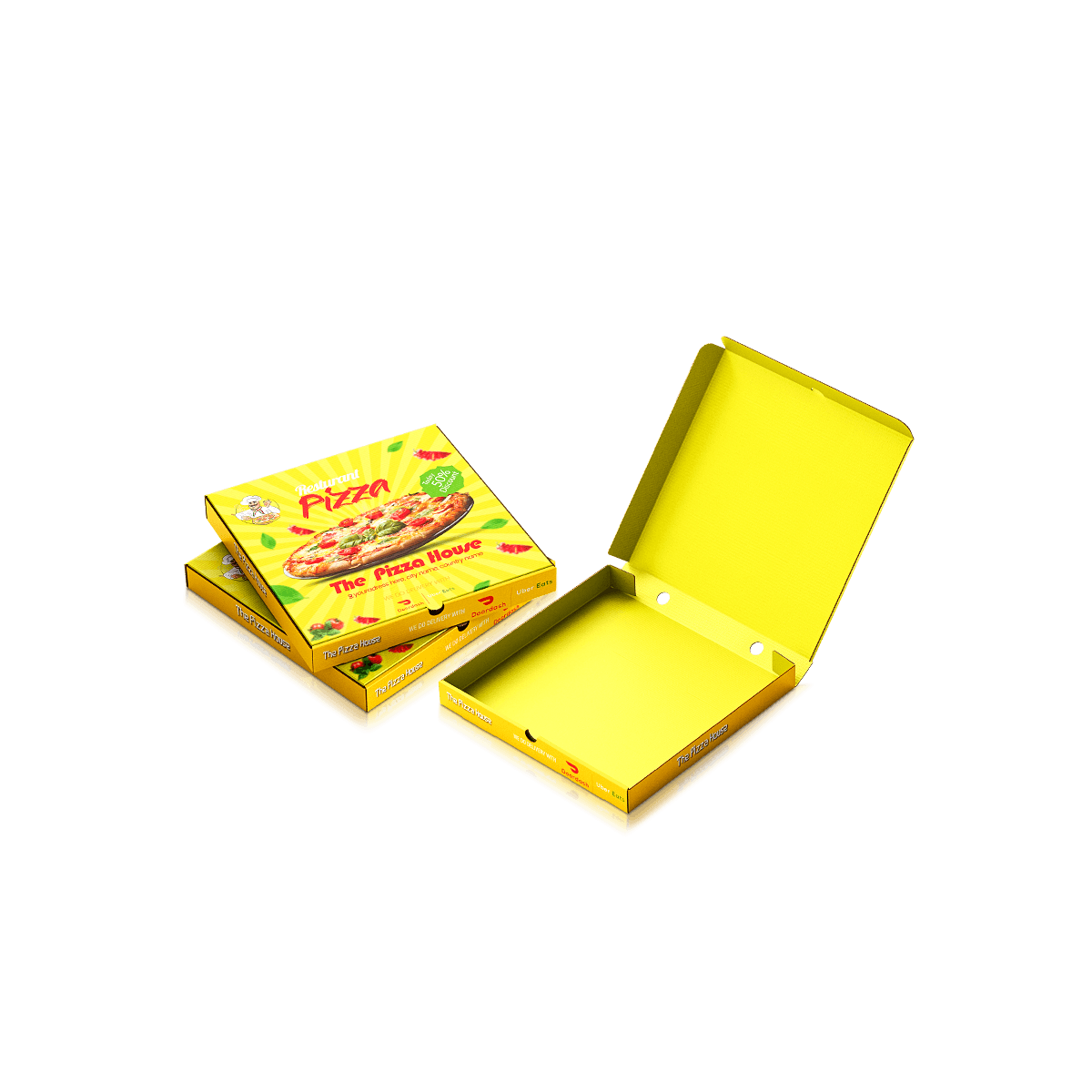
Custom Pizza Boxes

Printed corrugated pizza boxes planned around baked diameter, crust height, topping load, stacking and the journey from oven to customer.

Protect the Pizza After Baking

Custom Pizza Boxes have to perform after the pizza leaves the oven, when heat, steam, grease, weight and movement all start affecting the packaging at once.

A box that looks strong while empty can behave very differently beneath a hot 14-inch pizza with a heavy centre. Likewise, a standard box that works for thin crust collection orders may not suit deep pan pizzas stacked inside a delivery bag.

The starting point should therefore be the pizza as it is actually sold, not a nominal box size.

Measure After the Bake

Measure the finished pizza rather than relying only on the dough size or menu description.

Baking can change the final diameter and crust profile. Stuffed crusts, raised edges and irregular artisan bases also affect the usable clearance inside the box.

Allow enough room for staff to place the pizza quickly without forcing the crust against the side walls, but avoid so much spare area that the pizza can slide during delivery.

Protect the Topping Height

Internal depth matters when toppings sit above the crust.

A shallow lid can touch cheese, garnish or tall toppings during stacking or carrying. This is especially relevant for deep pan, heavily loaded or premium pizzas where the surface presentation matters when the customer opens the box.

Depth should follow the tallest normal pizza in that size, not the flattest one.
Match Shape to the Menu

Round pizzas do not automatically need identical square boxes.

The footprint should reflect the finished product and the way staff portion, cut and pack it.

Square Pizza Needs Different Space

Detroit-style, Sicilian-style or other rectangular pizzas use the box differently from a round pizza.

The useful internal footprint should follow the baked shape rather than forcing a rectangular product into an oversized square box simply because that format is familiar.

Bespoke dimensions become particularly useful where a speciality pizza is a permanent menu line rather than an occasional promotion.

Standardise Only Where Fit Works

Using fewer pizza-box sizes can simplify storage and purchasing, but one size should not be stretched across menu items that differ substantially.

If two pizzas sit securely with appropriate crust clearance and similar depth, sharing a box may make sense. If one slides while the other presses against the walls, separate specifications are justified.

The wider comparison between custom boxes and stock boxes is useful where a pizzeria is deciding whether standard dimensions still suit a stable menu.

Make the Base Carry Weight

Pizza boxes span a wide area with most of the load concentrated towards the centre.

That makes base stiffness one of the most important structural decisions, especially as diameter and topping weight increase.

Test the Loaded Centre

Place the real pizza in the proposed box and lift it as staff and customers normally would.

Watch the centre of the base rather than only the edges. Excessive downward flex can make a large pizza harder to carry and can allow the food to shift as the box is moved.

The heaviest regular pizza is a better test than an empty box or a lightweight cheese pizza.

Increase Strength for Real Reasons

A larger box, heavier toppings, longer carry distance or frequent stacking can justify a stronger corrugated specification.

That does not mean automatically choosing the thickest available flute or board. Extra material can increase bulk and affect folding, storage and print expectations without solving a problem that the menu actually has.

Board and flute should be selected around span, food weight, stacking and service conditions.

Check the Lid Under a Stack

A pizza box rarely travels alone during a busy period.

Place several loaded boxes in the same stack height used at the counter or during delivery. The lower boxes should retain their shape and the lids should not press into the pizzas beneath them.

This test matters more than judging one isolated box on a table.

Manage Steam Without Guessing

A hot pizza continues releasing moisture after boxing.

The goal is not simply to trap as much heat as possible. Excess retained steam can affect crust texture, while excessive airflow can let the pizza cool faster.

Use the Pizza Style as the Guide

A thin crisp base, deep pan pizza and heavily topped pizza can produce different moisture conditions inside the box.

Venting decisions should therefore follow the actual menu and expected hold time rather than a generic assumption that more or fewer holes are always better.

Test the Real Delivery Window

Box the pizza exactly as staff normally would and open it after a realistic collection or delivery period.

Look at the base, crust, toppings and inside surfaces. If the result changes noticeably after fifteen or twenty minutes, the box should be judged at that point rather than immediately after packing.

This is where the wider Custom Food Packaging for Restaurants & Takeaways system matters: packaging decisions should reflect how the food behaves during real service.

Treat Grease Separately

Steam and grease are different packaging stresses.

Oil from cheese, meat toppings or the pizza base can mark and soften the lower board differently from condensation. If a liner, barrier or particular direct-contact specification is required, confirm it for the exact food, board and intended use before production.

Choose Corrugated Board Deliberately

Corrugated board is useful for pizza because it adds stiffness across a relatively wide, lightweight structure.

The correct specification depends on pizza size, topping load, stack height, delivery method and print expectations.

Balance Profile and Stiffness

A finer corrugated profile can support a cleaner, more compact presentation where loads are moderate. A stronger specification may make more sense for larger boxes, heavier pizzas or higher stacking pressure.

The decision should follow performance rather than a preference for a particular flute name.

Kraft and White Change Print

Kraft corrugated board gives pizza packaging a warmer, more understated visual base and can work effectively with bold, limited-colour graphics.

White surfaces give brighter artwork and stronger colour contrast where detailed or highly colourful branding is central to the design.

Neither appearance should override the structural or food-contact requirements.

Design for Lid and Stack

The pizza-box lid is one of the largest branding surfaces in a takeaway order, but it also spends time stacked beneath other boxes, on collection shelves and in delivery vehicles.

Artwork should work in more than one viewing position.

Make the Lid Recognisable

The main brand mark should read quickly when the box is viewed from above.

A strong logo, clear graphic device or distinctive colour treatment can create more impact than filling the entire lid with small promotional copy.

For businesses deciding whether printed pizza packaging justifies the spend, Are Custom Pizza Boxes Worth It? looks specifically at delivery volume, presentation, brand recognition and menu stability.

Use Side Panels Operationally

Side panels remain visible when boxes are stacked.

They can therefore carry practical information such as size identification, a short product marker or other concise information that helps staff distinguish boxes without lifting each lid.

The panel should remain easy to read after folding and should not place critical text directly across crease lines or locking areas.

Approve the Formed Artwork

The pizza-box dieline includes lid panels, walls, tabs, folds and closure areas that change how the flat artwork appears once assembled.

Design against the approved dieline rather than treating the lid as an isolated square. The packaging dieline workflow covers why structure, material and dieline should be locked before final artwork is developed.

Custom Packly's packaging customisation support can help with artwork setup, colour and print decisions, with a free 3D mockup available before production.

Make Multiple Sizes Easy to Run

A pizzeria may use several box dimensions during one service period.

The packaging system should help staff identify and assemble the right size quickly rather than making every carton look almost identical in the stack.

Give Sizes Clear Cues

Small changes in side-panel colour, printed size markers or artwork details can make neighbouring dimensions easier to distinguish.

Keep the core brand consistent while giving staff enough information to recognise the correct box without measuring it.

Customise the Busiest Sizes First

A new branded range does not necessarily need every pizza size printed immediately.

Start with the sizes that account for the largest share of orders or have the strongest delivery presence. Once those specifications are proven, less common dimensions can follow.

Custom Packly's MOQ starts from 100 boxes, which can make this phased approach practical without turning the entire menu into a first production run.

Build Around Delivery Reality

Pizza packaging should be tested with the equipment and ordering patterns already used by the restaurant.

A box that performs well at the counter can behave differently once several sizes enter an insulated rider bag or a customer carries a stack home.

Check the Delivery Bag

Confirm that the outer dimensions work with the delivery bags used by the restaurant or courier setup.

If a new custom dimension barely fits or has to be tilted during loading, the packaging can create a handling problem even when the pizza itself fits perfectly.

Keep Sides Out of the Stack

Fries, sauces and other sides should not rely on the pizza boxes to create improvised spaces inside the order.

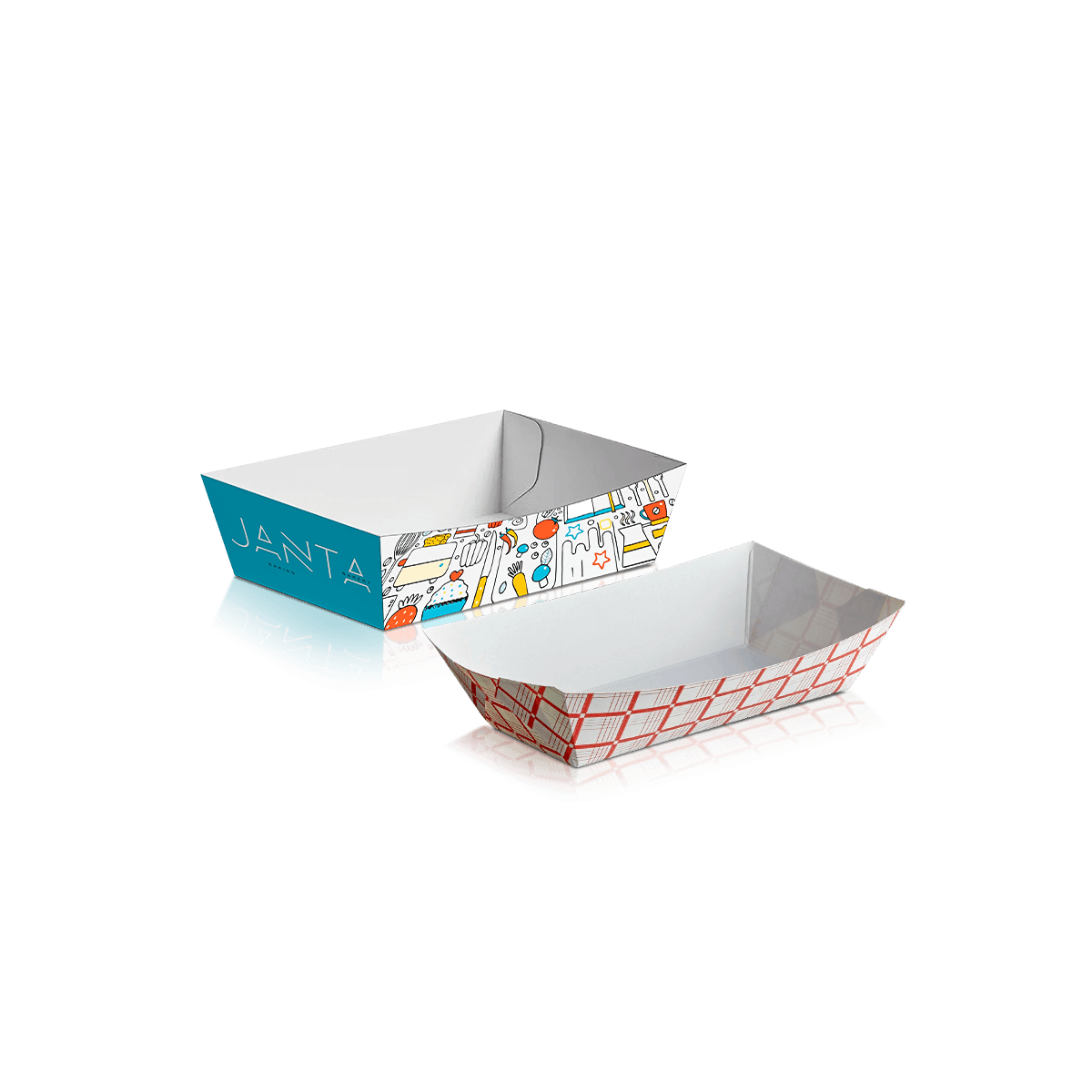
Use Fries Trays for chip-led portions and a suitable Takeaway Paper Bag for the smaller packaged components where appropriate.

This lets the pizza stack remain flat rather than forcing irregular items between boxes.

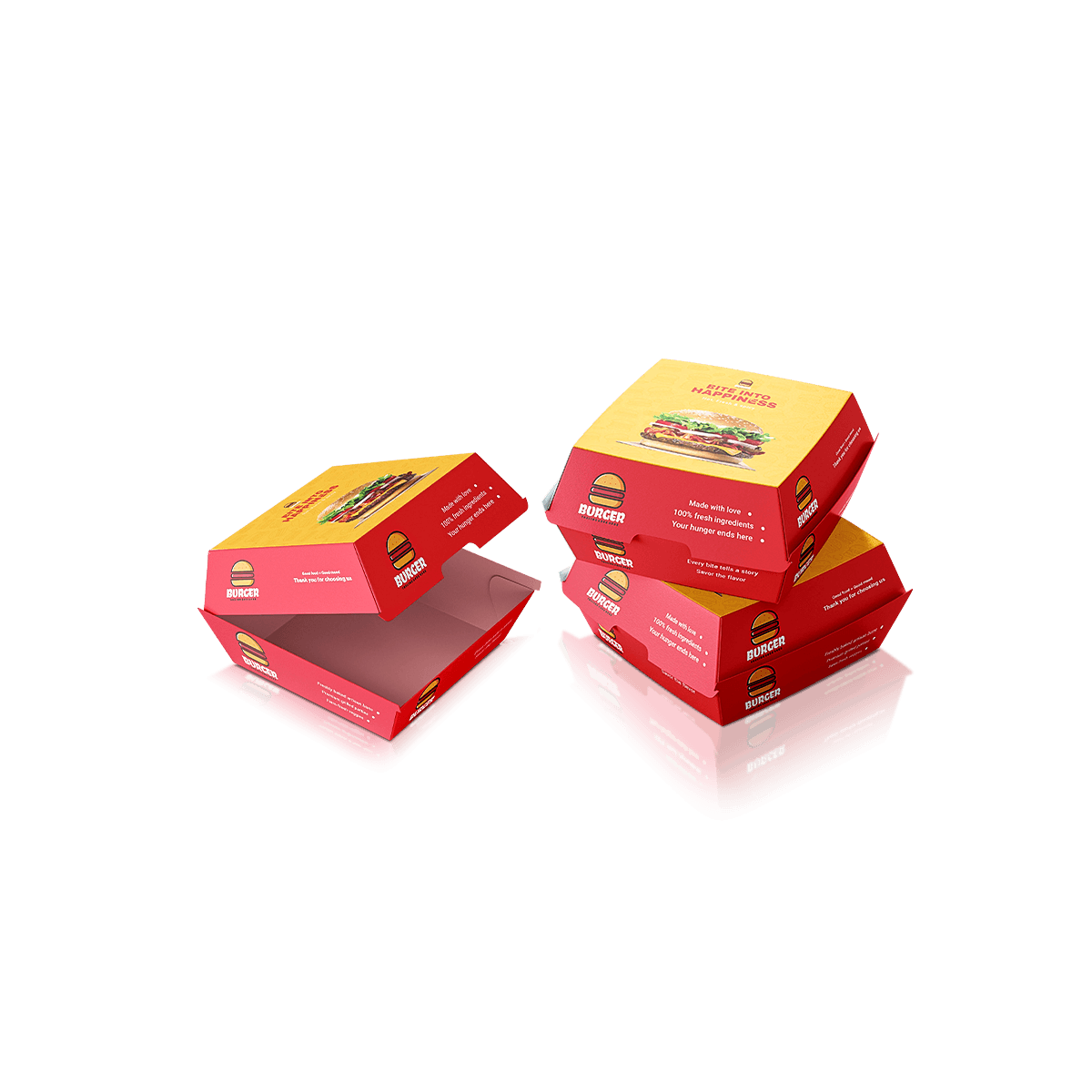
Compare Pizza and Burger Loads Separately

Pizza and burgers may share branding but they create very different structural loads.

Custom Burger Boxes need enough internal height around a compact product. Pizza packaging needs stiffness across a broad flat span.

One visual identity can connect them without forcing the same packaging logic onto both.

Decide Where Print Pays

Not every pizza-box panel needs maximum print coverage.

The right print plan depends on quantity, artwork complexity, campaign frequency and how much of the box customers actually see.

Keep Core Artwork Stable

For a permanent pizza range, consistent lid branding can be more useful than changing artwork frequently.

Stable artwork also makes repeat supply easier because the visual specification does not need to be reopened with every order.

Use Campaign Runs Selectively

Collaborations, seasonal launches or limited pizzas may justify another artwork version when the campaign is large enough to use the stock within its relevant period.

If the box shape remains unchanged, the question becomes primarily one of artwork quantity and print economics. The UK comparison of digital and offset printing for packaging is useful when several artwork versions or different run sizes affect the print decision.

Premium offset printing is available where it suits the specification and order.

Prove the Busiest Pizza First

The strongest pizza-box brief starts with the menu item that places the greatest regular demand on the packaging.

That may be the most frequently ordered size, the heaviest loaded pizza or the product responsible for most deliveries.

Run a Real Service Test

Bake the pizza normally, place it into the proposed box and handle it through the same sequence used during service.

Check:

  • crust clearance around the walls
  • space above the toppings
  • base flex while carrying
  • lid behaviour when stacked
  • grease or moisture after the normal hold period
  • fit inside the delivery equipment already used

This single test can expose more useful information than choosing a box from a standard size list.

Use That Result for the Quote

Once the busiest pizza works, record its baked dimensions, internal depth, expected quantity and chosen artwork direction.

If another pizza size behaves differently, add it as a separate requirement rather than assuming the first structure scales perfectly.

Send the tested requirement through the custom packaging quote. Instant pricing can then start from a box specification tied to a real pizza and service route, rather than a generic request for “12-inch printed pizza boxes”.

FAQs

Yes. You can print your logo on the lid, side panels or selected artwork areas. Free design support is available if you need help with the dieline, layout or 3D mockup.

Common sizes include 7 inch, 9 inch, 10 inch, 12 inch, 14 inch and 16 inch. Bespoke sizes can also be made for deep pan, square pizza, sharing boxes or specialty menu items.

MOQ starts from 100 boxes. This is useful for first branded runs, takeaway testing and repeat restaurant orders without starting at very high quantities.

Production is usually 6 to 8 working days after order details and artwork are approved. Delivery is free.

Choose kraft for a natural, rustic or simple food-service look. Choose white for brighter colours, cleaner artwork and stronger brand visibility.

Yes. Custom pizza boxes can be produced for repeat takeaway orders, bulk restaurant runs and multi-size packaging programmes. Better pricing is available for bulk orders.

Process

How it works

Your Packaging Journey, From Idea to Production and Delivery

01

Tell Us Your Specs

Custom packaging boxes

Tell Us Your Specs

Provide size, quantity, printing, and finishes.

02

Get a Fast Quote

Custom packaging boxes

Get a Fast Quote

Instant transparent pricing, no hidden fees.

03

Design and Approval

Custom packaging boxes

Design and Approval

Artwork checks, revisions, and final sign-off.

04

Produce

Custom packaging boxes

Produce

Expert manufacturing to meet deadlines.

05

Ship to Your Door

Custom packaging boxes

Ship to Your Door

Hassle-free, flexible delivery options.

Get Your Quote for Custom Pizza Boxes

Share your product details, dimensions, quantity and artwork needs. We’ll help choose the right packaging style and send a clear quote.