Skip to content
Details

Custom Coffee Cup Sleeves

Printed sleeves matched to real cup profiles for better grip, added heat comfort and flexible branding across cafés, takeaway counters, kiosks and events.

Add Comfort Without Changing Cups

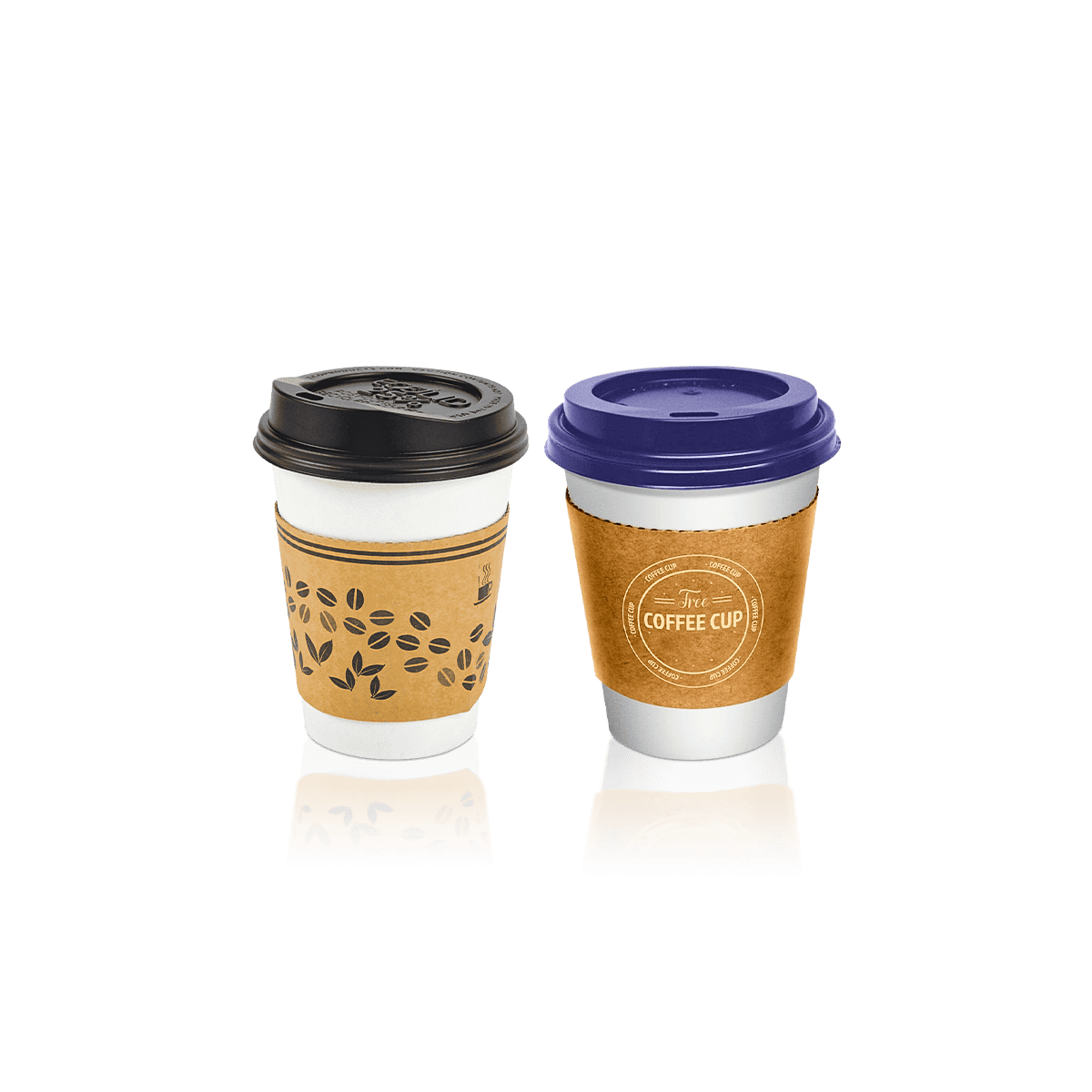
Custom coffee cup sleeves add an outer grip layer to hot drink cups without changing the cup itself. For cafés, kiosks, takeaway counters and event service, that makes them useful when selected drinks need better hand comfort or another visible branding surface.

They work especially well where a business already has a practical Paper Cups programme and does not want to change every cup just because certain drinks run hotter or require different campaign artwork.

Use Sleeves for a Reason

A sleeve should solve a real service need.

That may be extra separation between the hand and a hot single-wall cup, better grip during carrying or a removable branded layer for a seasonal drink.

If the cup is already comfortable to hold and the sleeve contributes nothing operationally or visually, adding one simply creates another item for staff to store and apply.

Keep the Cup as the Container

The sleeve does not determine liquid capacity, lid fit or drink headroom. Those decisions belong to the cup.

Its job begins outside the cup wall: fit securely, sit where customers naturally grip and remain comfortable during the expected carrying period.

Within Custom Food Packaging for Restaurants & Takeaways, that keeps this product clearly separate from the drink container itself.
Fit Sleeves Across the Drinks Menu

Do not specify a sleeve from the cup's stated ounce capacity alone.

Two cups sold as the same capacity can still have different top diameters, lower diameters and wall tapers. Those differences change where the sleeve stops as it slides onto the cup.

A reliable sleeve starts with the actual cup profile.

Measure the Contact Area

The important measurement is not simply the widest part of the cup.

Identify approximately where the sleeve should sit, then check the cup diameter across that band. The sleeve needs to grip at that position without having to be forced upward or continually sliding down.

Top diameter, lower diameter and cup taper all help determine the finished sleeve shape.

Verify Every Cup Size

One sleeve may sometimes work across more than one cup size when their profiles are sufficiently similar at the sleeve position.

Do not assume that from nominal capacities.

Fit the proposed sleeve to every intended cup and check it separately. A design that sits securely on one size can sit too low on another even when the visual difference between the cups appears small.

Avoid an Over-Tight Sleeve

A sleeve should grip, not clamp.

If staff have to push it hard onto every cup, service slows and the sleeve may distort. If it is too loose, customers can feel it moving as they lift the drink.

The best fit stays in position during normal handling while still being quick to apply.

For the structure-led decision around taper, overlap, printable area and sleeve construction itself, the dedicated Cup Sleeves specification is the better reference; this food-service version stays focused on menu use and counter workflow.

Choose the Grip Position

Where the sleeve sits affects both comfort and branding.

Most customers naturally hold the centre or lower-middle area of a takeaway cup, so the sleeve should cover a useful hand-contact zone without interfering with the lid or sitting so low that it slips off.

Test a Filled Cup

Do not approve sleeve position using an empty cup alone.

Fill the cup to the normal service level with a drink at the intended temperature, apply the lid and let someone hold it as a customer would.

That reveals whether the sleeve actually covers the hottest or most frequently gripped area.

Leave Lid Clearance

The sleeve should remain clearly separate from the rim and lid.

Staff need space to fit and check the lid without the sleeve interfering with their grip on the upper cup. Customers should also be able to see that the lid is properly seated.

Keep Branding in the Hand

Artwork position changes once the sleeve wraps around a tapered cup.

Place the primary logo where it remains visible from the natural front view and does not disappear into the hand immediately. A free 3D mockup can help check the visual direction, but physical cup fit still needs to be tested separately.

Choose for Counter Workflow

Coffee cup sleeves can use different closure methods and supply formats. The right one depends on storage space, assembly time, visual appearance and how many drinks are served during peak periods.

Interlocking Sleeves Store Flat

An interlocking sleeve uses cut tabs or slots that connect to create the finished band.

Supplying sleeves flat can make them compact to store. The trade-off is that someone needs to form them before they go onto the cup.

For a smaller café that prepares sleeves before service, this may be straightforward. At a very busy counter, repeated assembly can become another step.

Glued Sleeves Reduce Assembly

A glued or pre-formed sleeve removes the need for staff to connect tabs individually.

That can make application quicker, although formed sleeves generally require more storage volume than completely flat pieces.

The important question is not which structure sounds more premium. It is which one fits the way the counter actually operates.

Keep the Seam Away From Focus

Closure position affects artwork.

Do not put the main logo, QR code or key campaign message where an overlap, tab or glued seam will interrupt it. Review the dieline after the exact sleeve dimensions and closure have been confirmed.

The broader Sleeve Packaging family shows why seam position and friction fit matter across printed wraps, but coffee sleeves need those decisions resolved specifically around the cup profile.

Balance Heat and Service Speed

A coffee cup sleeve creates another layer between the cup and the hand, but it should not be treated as a universal solution for every hot-drink temperature.

Cup wall construction, beverage temperature, sleeve material and hold time all affect how the combination feels.

Single Wall Gains Flexibility

A café using single-wall cups can apply sleeves only where drinks or customer handling justify them.

That gives the operator flexibility. A cooler drink may leave without one, while a hotter coffee receives the added grip layer.

It can also allow one core cup range to support several service situations.

Double Wall Removes a Step

A double-wall cup integrates more separation into the cup itself.

That can make more sense when most hot drinks need additional hand comfort and speed is more valuable than maintaining a separate sleeve stock.

The rebuilt Paper Cups page covers that wall-construction decision in more depth.

Match Quantity to Campaign Length

A sleeve on a double-wall cup may still be useful for branding or selected service requirements, but it should not be automatic.

Test the drink first. If the sleeve adds little comfort or commercial value, leaving it out can simplify the handoff.

Use the Sleeve as Campaign Space

One of the strongest reasons to separate the sleeve from the cup is artwork flexibility.

A café can keep the core cup relatively stable while changing the outer printed layer for a seasonal drink, event, location or short campaign.

Change Artwork, Not Cup Stock

Winter drinks, product launches and promotional collaborations do not always justify replacing the full printed cup programme.

A separate sleeve can carry temporary artwork while the underlying cup remains unchanged.

That limits the number of physical drink containers that need separate printed identities.

Keep Small Panels Clear

The printable area is visible but relatively compact.

Prioritise one strong message: logo, campaign name, drink identifier, QR code or simple graphic system. Trying to fit a large amount of copy around a narrow sleeve usually weakens readability.

For businesses deciding how print economics change with quantity and artwork variants, the comparison of digital and offset printing for packaging is useful before locking a campaign run.

Plan Colour Across the Range

A sleeve can look different from the cup without looking disconnected.

Use the same core brand colours, typography or visual cues while allowing campaign artwork to change. Custom Packly's packaging customisation support can help with artwork setup, colour references and print choices.

Premium offset printing is available where it suits the specification and quantity.

Keep the Counter Moving

Small packaging components create operational problems when they are stored badly or applied too slowly.

A sleeve programme should therefore be tested during the busiest realistic service period, not only reviewed as a printed sample.

Decide When They Are Applied

Some cafés place sleeves onto cups before the rush. Others add them only after the drink has been prepared.

Both approaches can work.

Pre-applying takes preparation time and storage space. Applying at handoff keeps cups separate but adds another action while customers are waiting.

The right method depends on volume and how many drinks actually need sleeves.

Separate Similar Sleeve Sizes

If several cup sizes require different sleeves, make them easy for staff to distinguish.

Very similar pieces stored beside each other can lead to the wrong sleeve being applied during a queue. Subtle artwork changes, printed size marks or separate storage locations can reduce mistakes.

Test Removal From the Stack

Staff need to pick up one sleeve quickly without several sticking together or becoming tangled.

Test the supplied format in the actual dispenser, shelf or prep area where it will be stored. Packaging that works well in a sample box can behave differently once hundreds of units are handled during a shift.

Separate Grip From Carrying

The sleeve should work with the rest of the takeaway system rather than becoming an isolated branded object.

A customer may receive the cup alongside breakfast food, a sandwich, napkins and an outer carrier.

Keep Drinks Stable

A sleeve improves hand grip but does not turn the cup into a stable delivery container.

Where several drinks travel together, use a suitable cup-carrying arrangement instead of relying on food cartons or the sides of a Takeaway Paper Bag to keep cups upright.

Connect the Branding

Cup, sleeve and outer carrier can share one visual identity without repeating exactly the same layout.

The cup may carry permanent café branding, the sleeve may carry the changing promotion and the bag may use a larger simplified logo.

The article comparing takeaway food packaging choices places cups and sleeves within the broader restaurant order rather than treating each item independently.

Plan Campaign Runs Carefully

Coffee cup sleeves can be particularly useful where artwork changes more frequently than the basic drink packaging.

That flexibility only helps if quantities match how long the campaign will actually run.

Match Quantity to Campaign Length

A lower unit price is not useful if hundreds of Christmas, launch or event sleeves remain after the campaign ends.

Estimate demand from the actual campaign period, cup usage and number of participating locations rather than simply ordering the largest economical quantity.

Custom Packly's UK MOQ starts from 100 units where applicable, which can support smaller custom runs before a programme is expanded.

Keep Core and Campaign Stock Separate

A permanent branded sleeve and a limited-edition sleeve may use exactly the same physical dieline.

Treat them as separate artwork SKUs. Record quantity, approved artwork and intended cup sizes clearly so a repeat order does not accidentally reproduce an expired campaign.

For larger recurring programmes, Wholesale Custom Packaging can support repeat supply, warehousing and scheduled deliveries where suitable.

Fit One Sleeve Before Pricing

The quickest way to resolve a coffee cup sleeve is to start with the exact cup rather than asking a printer to interpret “12oz coffee sleeve”.

The cup profile is the specification.

Use the Actual Cup Profile

Send the manufacturer specification or measurements for every cup the sleeve must fit. Useful details are the top diameter, lower diameter, cup height and the approximate position where the sleeve should sit.

If those measurements are difficult to obtain, an existing cup sample or clear photographs with dimensions can provide a better starting point than capacity alone.

If one sleeve is intended to fit several sizes, state that from the beginning so each cup can be checked against the same proposed profile.

Then Add the Print Brief

Once physical fit is understood, add the quantity, artwork and purpose of the sleeve.

State whether it is permanent café branding, a limited promotion, an event run or a changing seasonal programme. That context helps determine whether the project should prioritise long-run consistency or easier artwork changes between batches.

Use the custom packaging quote to send the cup details and artwork. Instant pricing can then be based on an actual sleeve requirement rather than a generic cup-size label.

FAQs

No. A sleeve is most useful when the cup wall becomes uncomfortable to hold or when extra grip improves takeaway handling. Many standard hot drinks in single wall cups benefit from one, especially during colder months when customers carry drinks outdoors. Double wall cups can reduce the need, but sleeves still make sense when branding flexibility or campaign printing matters.

The sleeve should be sized to the actual cup profile, not just the listed ounce capacity. Cups with the same fill volume can still vary in taper, diameter and wall feel. A sleeve that is slightly too loose will slide during service, while one that is too tight can distort or slow packing. Confirm the exact cup dimensions before approving production.

A sleeve is often the better route when you want added hand comfort without changing the whole cup programme. It also works well for cafés that use one standard cup family but only need extra insulation on certain drinks. For short-run branding, limited offers or event service, sleeves can be more flexible and commercially practical than replacing every cup with a double wall version.

Yes, and that is one of their strongest commercial uses. A sleeve gives you a visible print surface for seasonal graphics, launch messaging, loyalty promotions or event branding while leaving the base cup unchanged. The design should still stay readable at speed. Strong colour, clean logos and short copy usually perform better than dense artwork on a narrow wraparound panel.

Confirm cup dimensions, hot drink range, serving temperature, sleeve position and whether the sleeve must stack or dispense smoothly during peak service. It also helps to decide if one sleeve design will cover several drinks or if selected lines need their own print treatment. At Custom Packly, those checks usually affect fit and day-to-day usability more than artwork alone.

Process

How it works

Your Packaging Journey, From Idea to Production and Delivery

01

Tell Us Your Specs

Custom packaging boxes

Tell Us Your Specs

Provide size, quantity, printing, and finishes.

02

Get a Fast Quote

Custom packaging boxes

Get a Fast Quote

Instant transparent pricing, no hidden fees.

03

Design and Approval

Custom packaging boxes

Design and Approval

Artwork checks, revisions, and final sign-off.

04

Produce

Custom packaging boxes

Produce

Expert manufacturing to meet deadlines.

05

Ship to Your Door

Custom packaging boxes

Ship to Your Door

Hassle-free, flexible delivery options.

Get Your Quote for Custom Coffee Cup Sleeves

Share your product details, dimensions, quantity and artwork needs. We’ll help choose the right packaging style and send a clear quote.