Custom Rigid Boxes
Choose rigid boxes by opening mechanism, board-and-wrap construction, insert depth and finished-surface protection so presentation is engineered before decoration.

Rigid Boxes options

Magnetic Closure Rigid Boxes
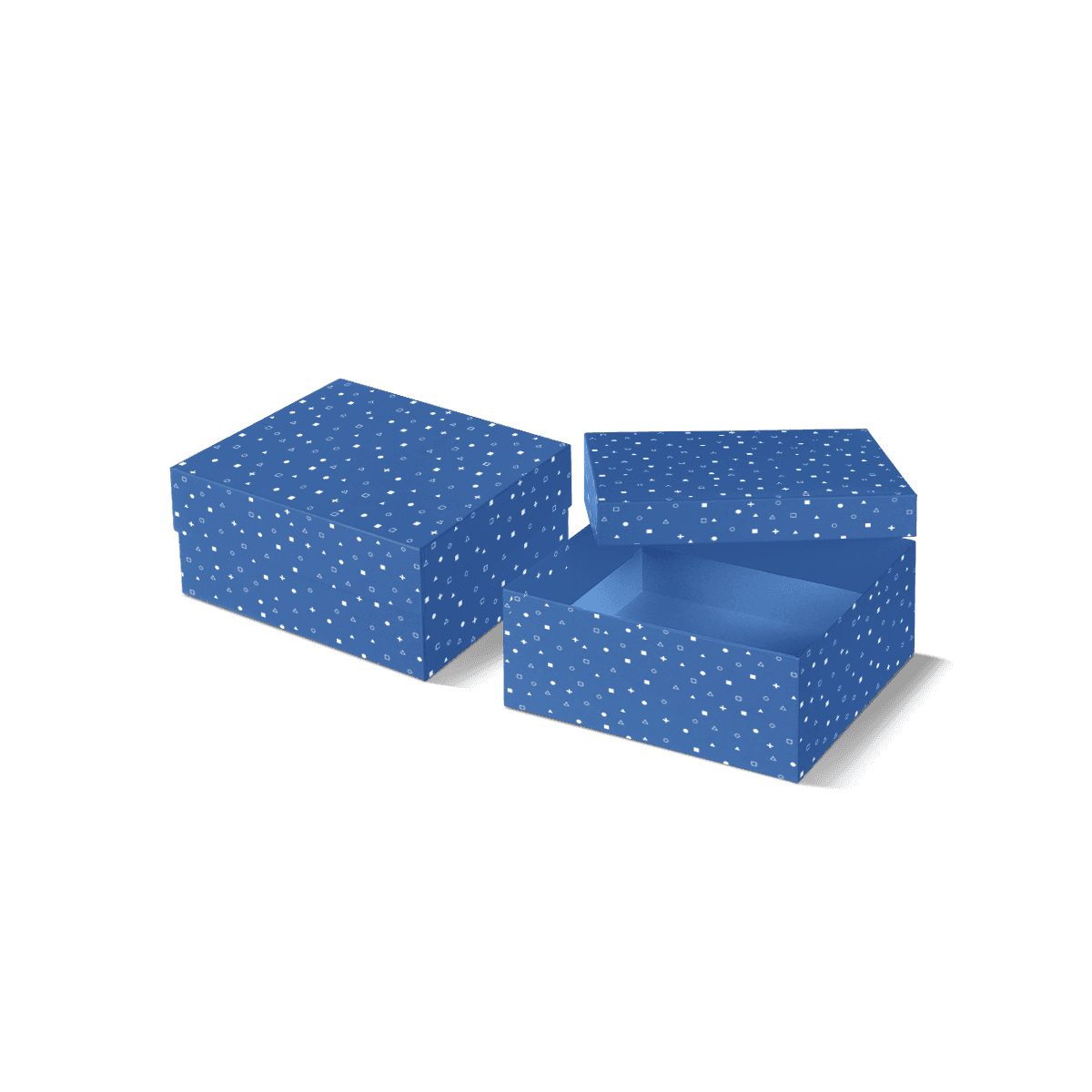
Rigid Lid and Base Boxes

Collapsible Rigid Boxes

Book Style Rigid Boxes

Telescopic Rigid Boxes

Shoulder Neck Rigid Boxes

Hinged Lid Rigid Boxes

Round Rigid Boxes
Your product shouldn’t have to fit an off-the-shelf box.
Share the shape, size, material, finish, or insert you have in mind. We’ll turn the details into a tailored packaging recommendation and a clear quote.
Custom sizes · materials · finishes · inserts
The Opening Mechanism Comes First
Rigid packaging feels premium because the structure stays formed and the opening is controlled. The biggest decision is therefore not foil colour or surface finish. It is how the box should open, how the product should sit and what movement the user should feel.
A magnetic book-style opening, lift-off lid, sliding drawer, shoulder-neck reveal and collapsible construction all create different tolerances, storage needs and insert relationships. Those structural choices should be made before the specification turns into a generic luxury-packaging brief.
When the requirement is a broader premium presentation programme across several structures, finishes and product formats, custom luxury packaging is the stronger commercial route.
Choose Rigid Construction by How It Opens
Use Magnetic Closure Rigid Boxes when a hinged opening and repeat closure are part of the experience. Choose Rigid Lid and Base Boxes for a separate lift-off lid and classic two-piece reveal.
Choose Book Style Rigid Boxes when the hinge and cover movement should feel deliberate. Use Shoulder Neck Rigid Boxes when an inner neck should remain visible and control the lid position.
If storage volume is the limiting factor, Collapsible Rigid Boxes deserve separate consideration because they trade permanent setup for a structure that can be stored flatter before assembly.
Rigid Board and Wrap Must Be Designed Together
Rigid boxes are normally built from a dense board core wrapped with printed or decorative paper. The core sets the form; the wrap carries the visible surface. Changing one affects corners, folds, hinge movement and edge coverage on the other.
Board thickness should match box size and product weight, but thicker is not automatically better. A small box can become clumsy if the walls are overbuilt, while a larger lid can feel weak if the span is under-specified.
If you are still deciding whether the product needs rigid board at all, compare paperboard, corrugated and rigid packaging before spending time on rigid-specific finishes.
Insert Depth Controls the Reveal
In a rigid box, the insert does more than stop movement. It sets the product height, the space around the item and the first view when the lid opens. A product buried too deeply can feel awkward. A product held too high can collide with the lid.
Complex multi-item layouts are better planned with custom inserts and dividers so cavity depth, finger access, component separation and loading order are resolved with the outer box.
Plan accessories at the same time as the main product. Chargers, cards, bottles, jewellery pieces or sample units can change the insert footprint enough to alter the entire rigid-box size.
Tolerance Is the Quiet Risk in Rigid Boxes
Rigid constructions have less forgiveness than many folding cartons because board thickness, wrap build-up and fitted parts accumulate. Small measurement errors can turn a smooth drawer into a drag, a lid into a loose fit or an insert into a cavity that pinches the product.
For lid-and-base boxes, friction needs to feel controlled without making the lid difficult to remove. For drawers, side clearance must allow movement after wrapping. For magnetic closures, the lid has to meet the base cleanly so the closure feels intentional.
The correct tolerance is part of the structure, not a finishing adjustment.
Finish Only the Surfaces That Matter
Foil, embossing, debossing, spot UV, matte, gloss and soft-touch finishes can add value, but each should have a job. A foil mark may define the logo. Embossing may add tactile hierarchy. A soft-touch surface may change the feel of the wrap.
Inside print is useful when the box is opened slowly and the inner lid or tray stays visible. Outside print carries the main identity before opening. Pantone can help control specific brand colours, while CMYK suits broader full-colour artwork.
Premium offset printing is available where the print specification calls for it. Free design and dieline support can be used to keep finishing areas clear of hinges, corners and wrap seams.
Protect the Finished Box During Delivery
Rigid boxes are presentation structures, not automatically carrier-ready outer shippers. Corners, wrapped surfaces and decorative finishes can scuff even when the rigid board itself remains intact.
When the rigid box will travel through parcel networks, pair the presentation pack with an appropriate shipping box or mailer rather than expecting the decorative surface to take every transit impact.
This is especially important for pale wraps, foil, soft-touch surfaces and protruding ribbon or closure details.
Samples Matter When Motion and Fit Are Critical
A 3D mockup is useful for checking proportion, artwork placement and opening direction before production. It does not replace a physical fit check where friction, magnet alignment, drawer movement or insert tolerance is critical.
Free 3D mockups and free sample examples of previous work are available. Fully custom physical samples can be arranged as paid samples when the exact structure or finish needs to be checked.
Approve the sample against the actual product wherever fit drives the box. A placeholder object can hide tolerance problems that only appear with the real item.
Storage Can Change the Structure Choice
Permanent setup gives rigid packaging its form, but it also consumes storage space. That may be acceptable for a short premium run and inefficient for a high-volume programme.
If assembled volume is the constraint, a collapsible structure can make more sense. If the permanent structure is essential, warehousing and scheduled deliveries can reduce the amount of finished stock held on site.
The decision belongs early because storage changes the construction, not just the logistics after production.
Pick the Structure Before You Pick the Finish
The cleanest rigid-box brief starts with product dimensions, opening mechanism, insert requirement, loaded weight, desired product height, storage condition and quantity. Colour and finish come after those decisions.
Once the mechanism is clear, route into the exact rigid structure and let that narrower specification own the details. That keeps magnetic, lid-and-base, book-style, shoulder-neck and collapsible formats distinct instead of repeating one generic luxury proposition.
MOQ starts from 100, UK production is available and the current turnaround is 4–6 working days with free delivery.
A shape-led option such as Round Rigid Boxes changes both wrap geometry and insert design because the circumference replaces the straight panel system used by rectangular rigid boxes.
Questions About This Packaging
Start Your Bespoke Packaging Quote
Share your product details, dimensions, quantity and artwork needs. We’ll help choose the right packaging style and send a clear quote.