Custom Inserts and Dividers
Choose inserts and dividers by movement risk, product geometry, loading order and removal access so the inner fit supports both protection and presentation.

Inserts and Dividers options
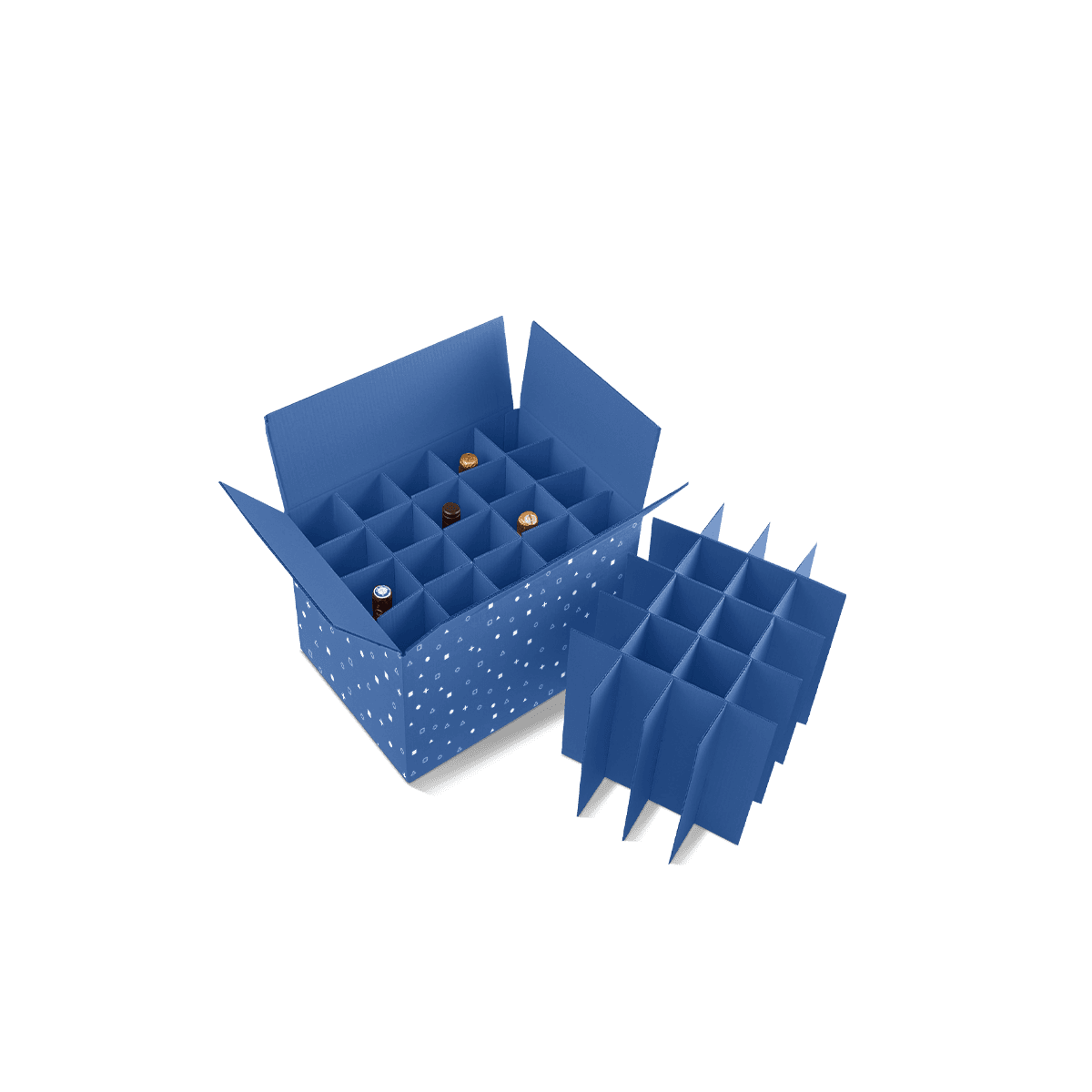
Bottle Dividers
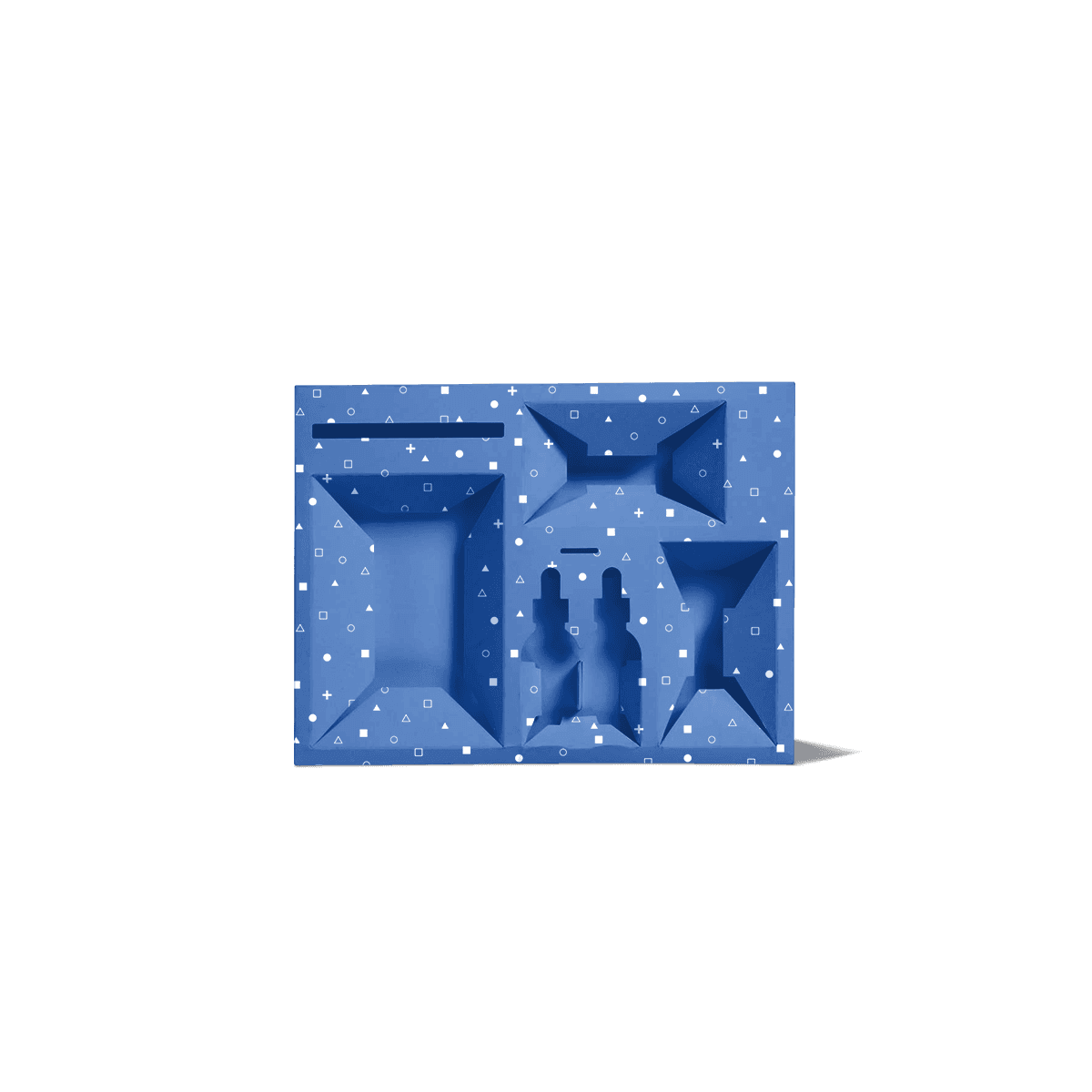
Cardboard Cradle Inserts
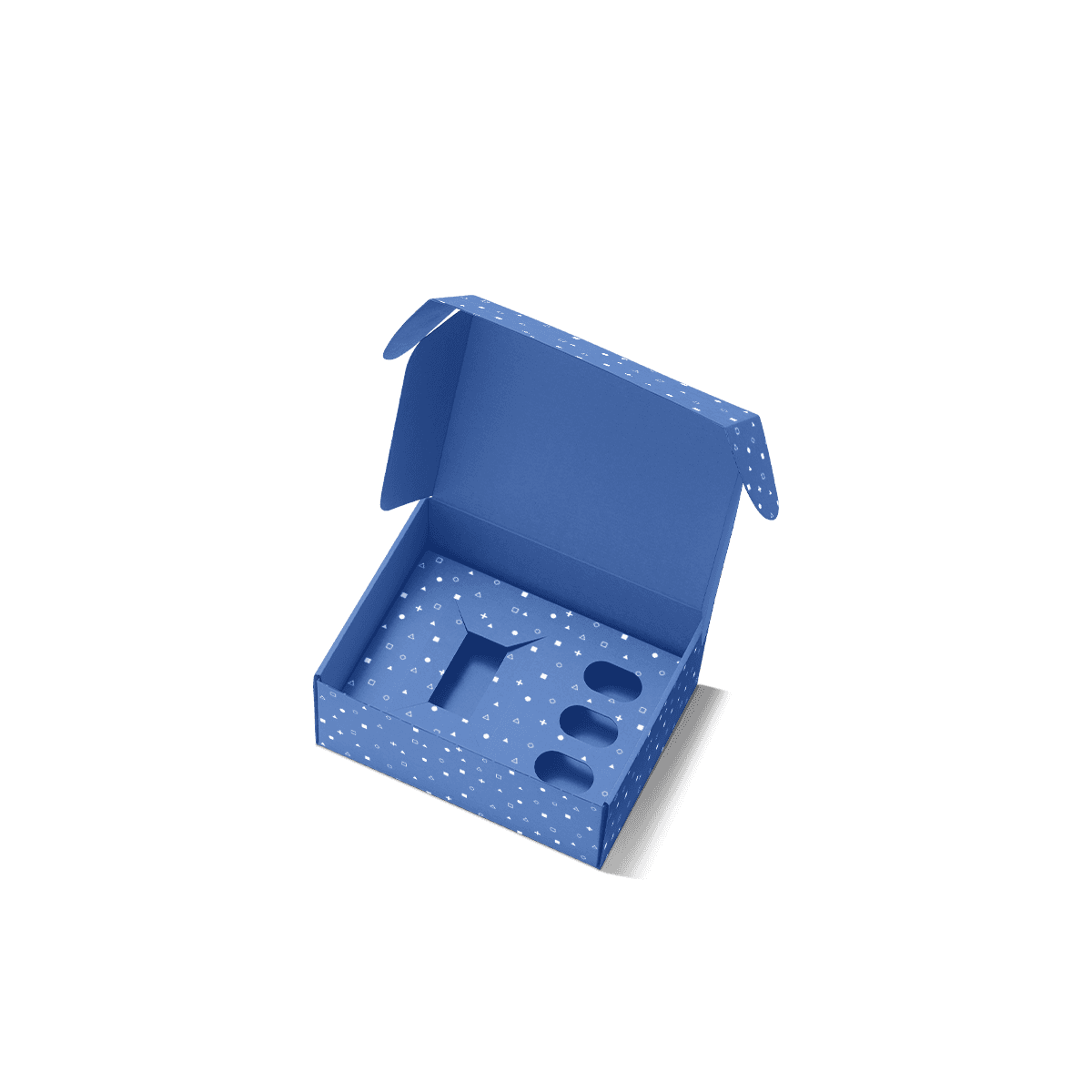
Corrugated Box Inserts
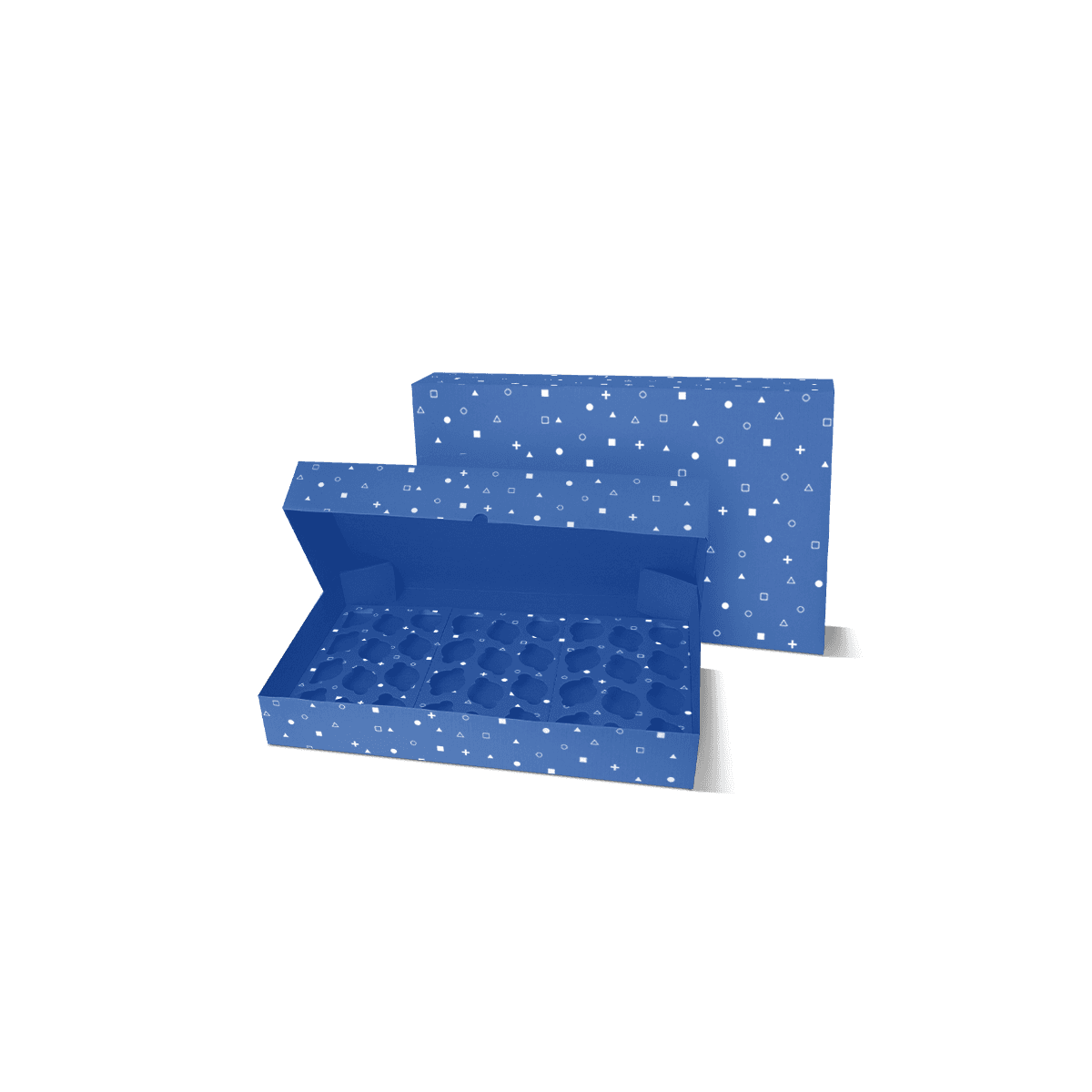
Partition Inserts
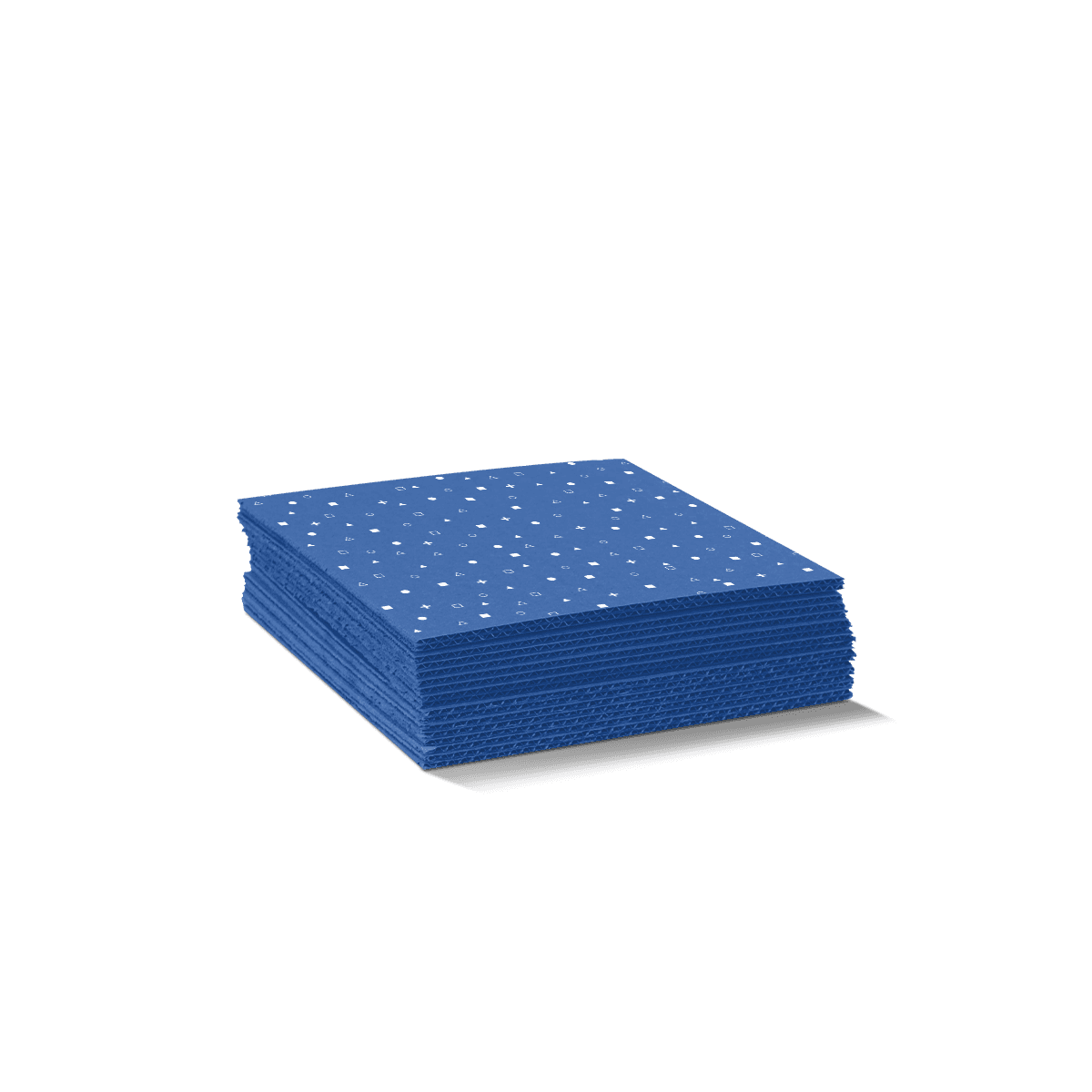
Layer Pads
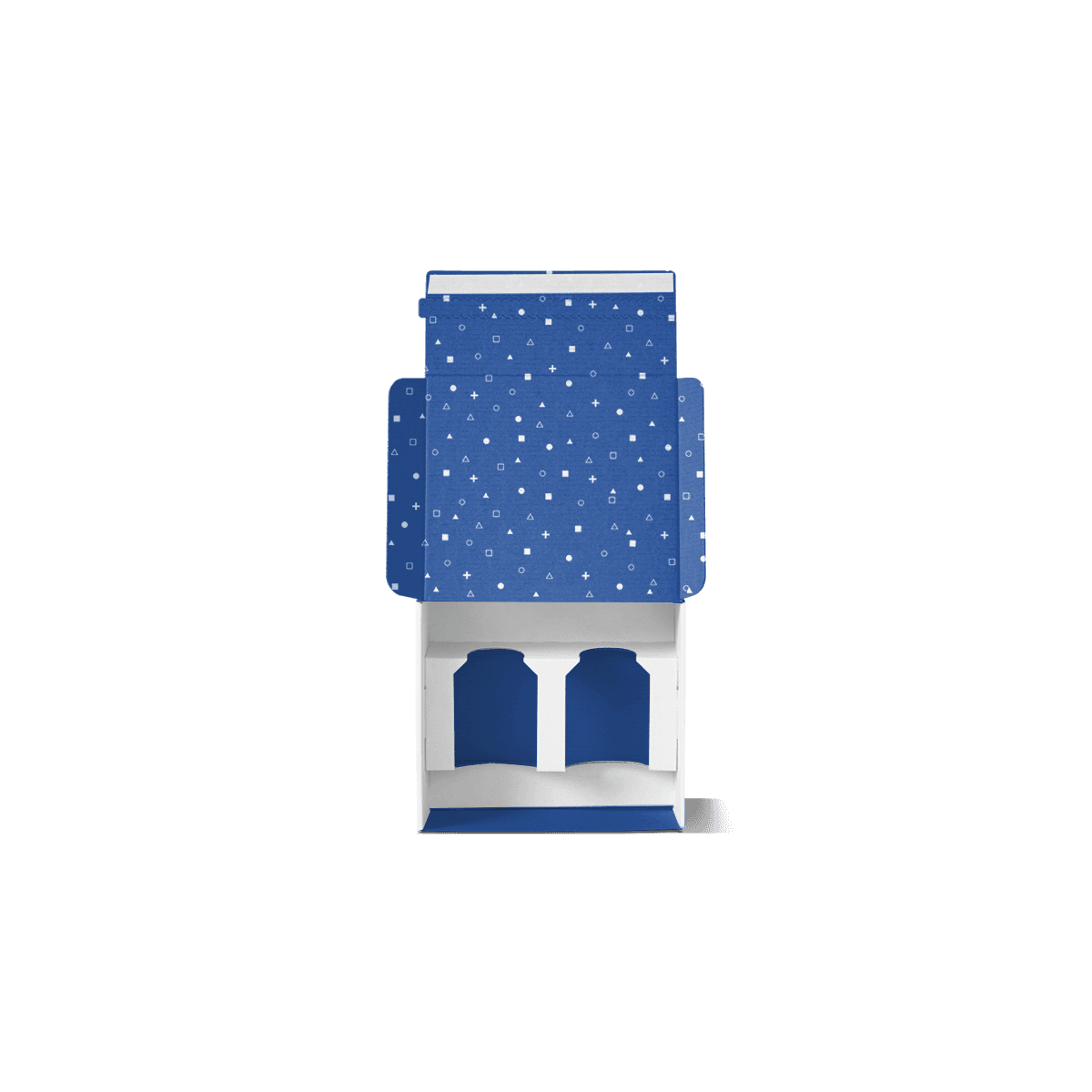
Cardboard Box Inserts
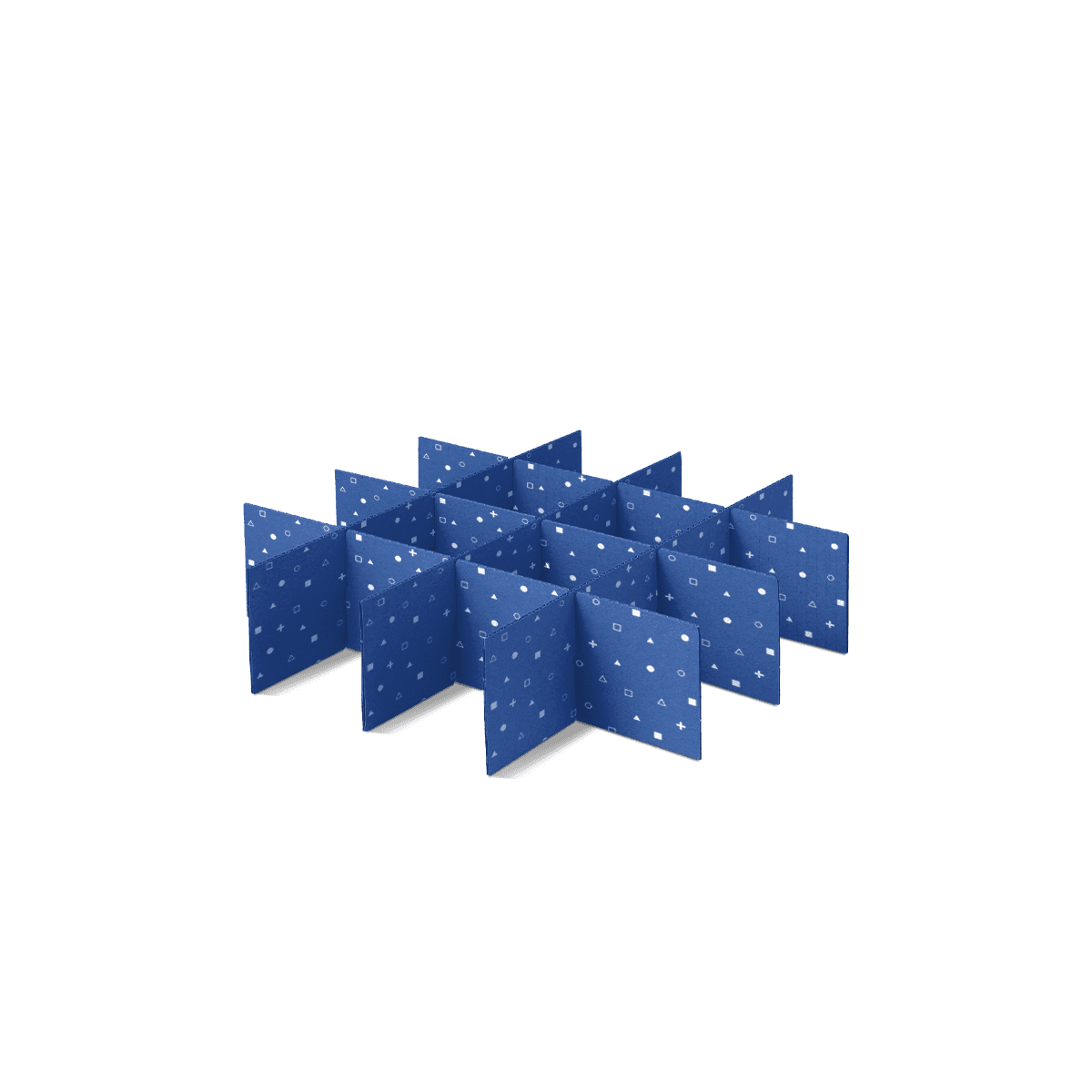
Box Dividers
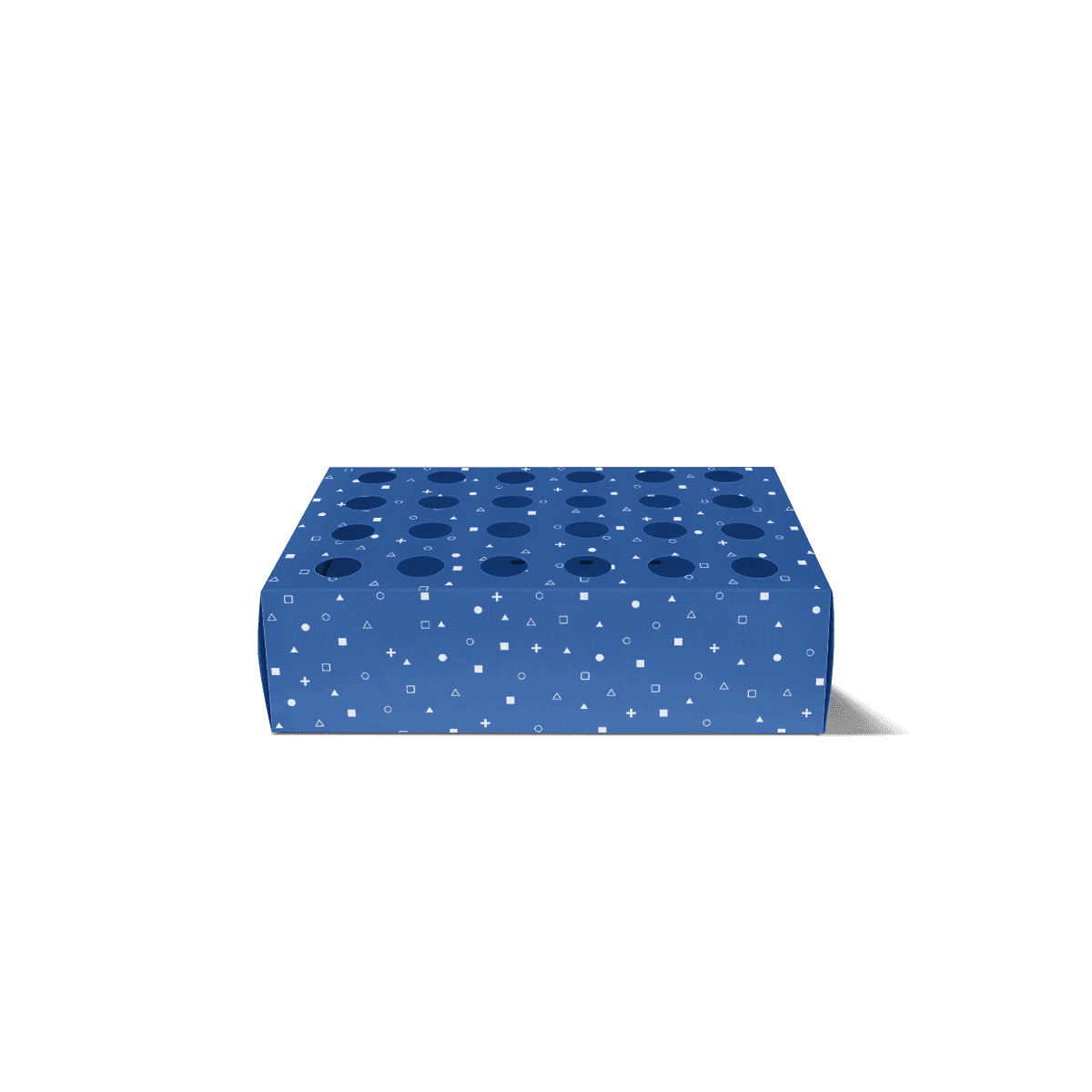
Punch Partition Inserts
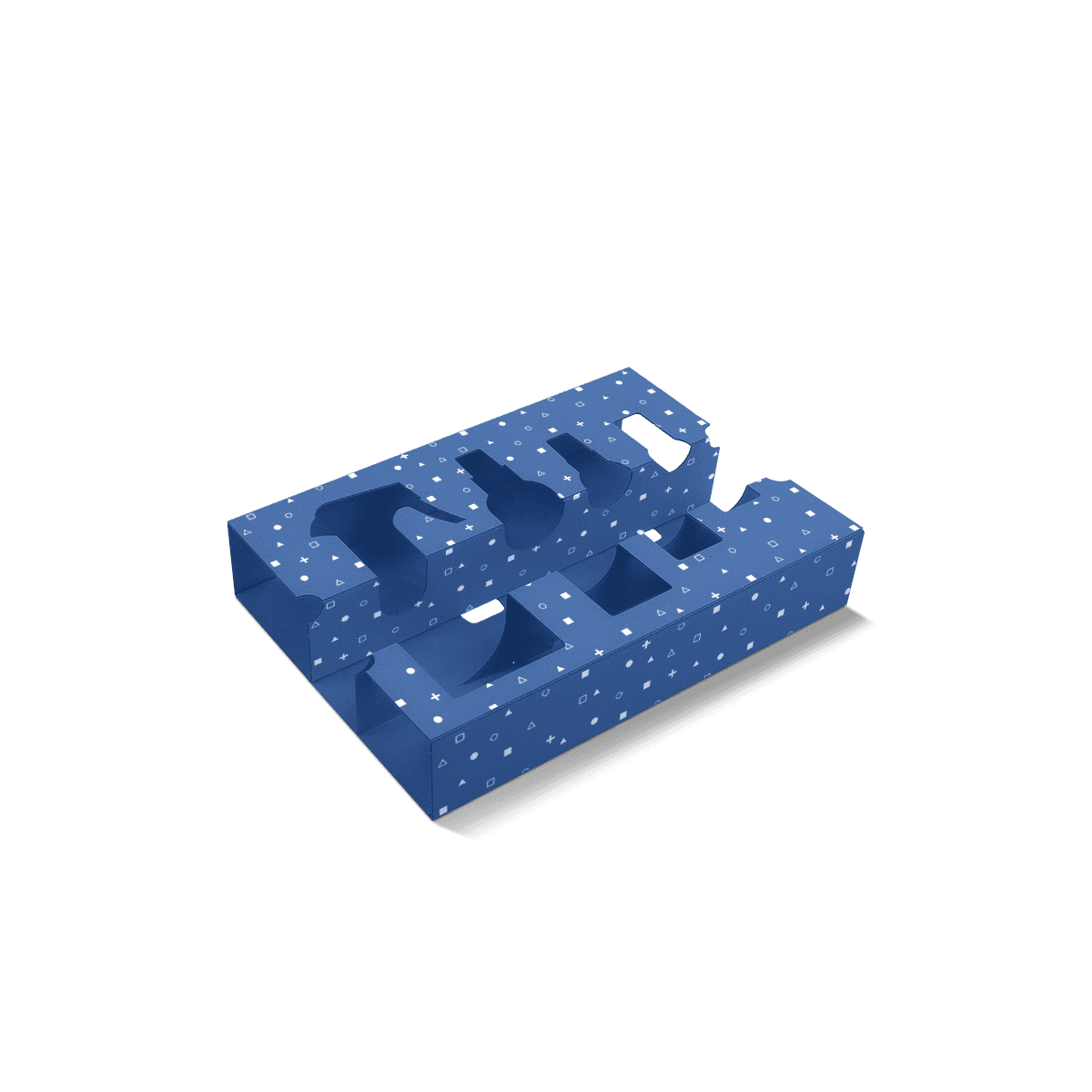
Die Cut Inserts
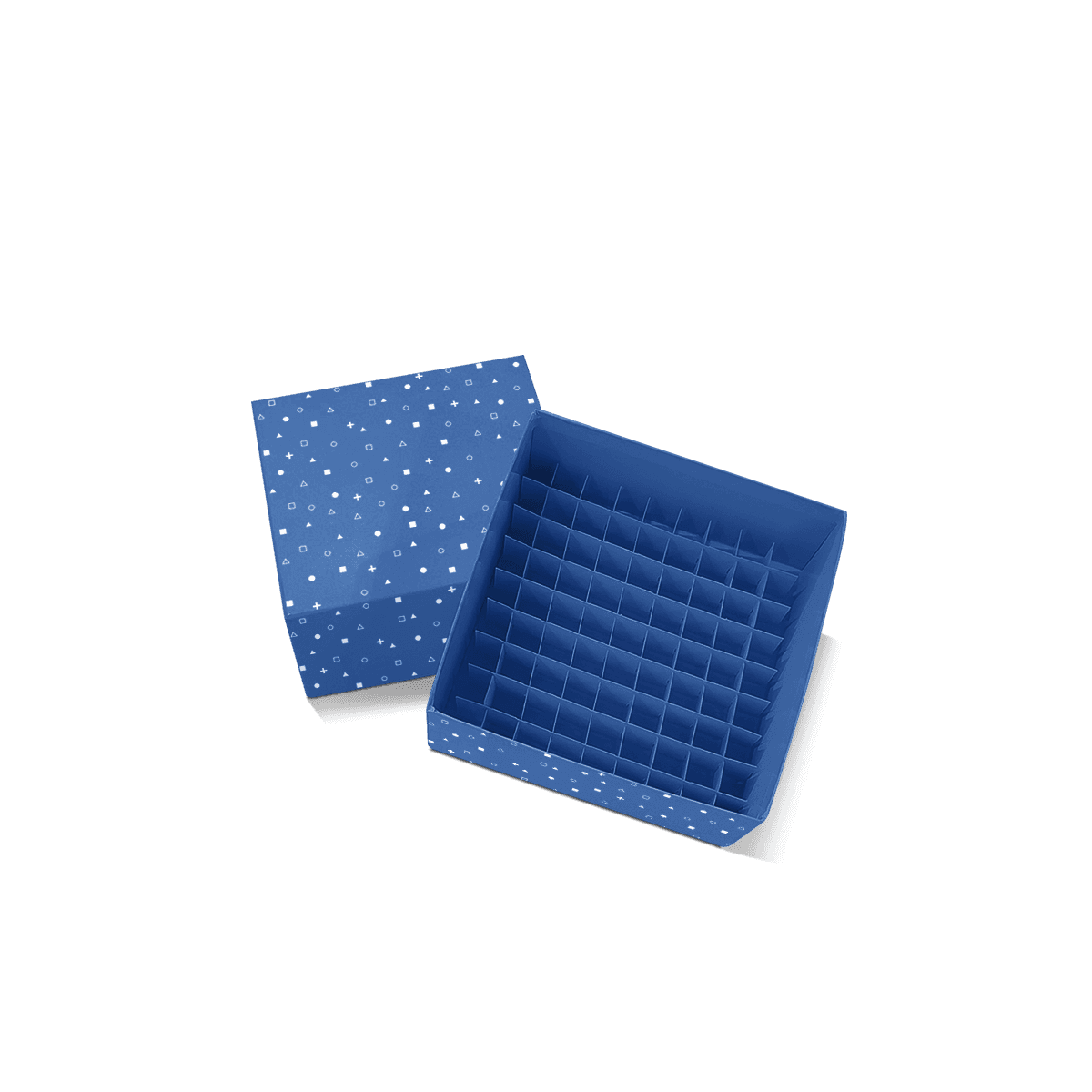
Cell Dividers
Your product shouldn’t have to fit an off-the-shelf box.
Share the shape, size, material, finish, or insert you have in mind. We’ll turn the details into a tailored packaging recommendation and a clear quote.
Custom sizes · materials · finishes · inserts
The Insert Has One Job: Control the Product
An insert is successful when the product stays where it was designed to sit. Everything else, from printed colour to presentation height, comes after that basic control.
Inserts and dividers can separate bottles, hold electronics, organise jewellery, position cosmetic sets or stop components from colliding. The right choice depends on the movement that must be prevented, the weight that must be supported and how the packer and customer need to remove the item.
Use this overview to choose the internal-fit system. Cardboard inserts, corrugated inserts, die-cut trays, dividers, partitions and layer pads each solve a narrower retention or separation problem.
Map Movement Before Choosing the Insert Shape
Start by imagining the loaded box being lifted, tilted and turned. Identify where the product can move sideways, upward or downward and which surface is most vulnerable to contact.
A snug cavity may stop sideways movement but still allow the product to jump upward if top clearance is excessive. A divider may prevent two bottles touching but still let the whole group shift if the outer box is oversized.
The insert geometry should answer a specific movement path. That is more reliable than choosing a material first and hoping it can be cut into a solution.
Use Separation and Retention for Different Problems
Use Bottle Dividers or other cell-based systems when repeated items mainly need to stay apart. Choose Die Cut Inserts when mixed shapes need defined positions and a controlled reveal.
A Cardboard Box Insert can be efficient for lighter products and presentation layouts. Corrugated Box Inserts become more useful when heavier loads or longer spans need extra stiffness.
Use Layer Pads when the main task is separating stacked rows rather than holding each product in an individual cavity.
Material Duty Depends on Load and Span
Paperboard can create neat folds, cradles and presentation trays for lighter products. Corrugated board adds stiffness and cushioning when the insert has to bridge a wider span or support more weight.
Material choice should also consider slot strength, grain direction, exposed edges and the number of times the insert is handled during assembly. A divider that works once in a prototype can become frustrating if tabs soften or slots widen during repeat packing.
Do not add decorative finish to hidden support surfaces unless it solves a presentation or handling need.
Finger Access and Clearance Are Part of Fit
A cavity can hold a product perfectly and still fail in use if the item cannot be removed cleanly. Finger notches, pull space, side clearance and product grip all belong in the geometry.
Include caps, pumps, collars, labels, cables, hinges and other protrusions in the product envelope. These details often define the true maximum dimension even when the main body is smaller.
For delicate surfaces, check where the insert touches the product. The contact point should control movement without creating pressure marks or abrasion.
Design the Outer Box and Insert Together
An insert cannot be finalised independently of the outer pack. In rigid boxes the insert sets presentation height and reveal. In mailer boxes it must work with fold-in walls and lid clearance. In shipping boxes it may need to manage load and transit movement.
Set the item layout before approving the outer dimensions. Adding a divider after the box size is fixed can create cramped cells, wasted space or poor lid clearance.
Multi-item packs are especially sensitive because one cavity change can shift the complete grid.
Pack-Out Can Fail a Good Insert
An insert should load without bending tabs, forcing products through tight openings or requiring the packer to remember a complicated sequence. Production fit includes human movement as well as geometry.
Test the order in which items are placed. Heavier items may need to go in first. Accessories may need a separate pocket. A card or booklet can change lid clearance if it sits above the main product.
For repeat SKUs, a clear orientation and consistent cavity layout can reduce packing errors and make visual checks faster.
Validate the Loaded Box, Not the Insert on Its Own
A physical check is most useful when the actual product and outer box are loaded together. The decision between a stronger box, an insert or both is examined in fragile product packaging: stronger box, insert or both.
Tilt the closed pack, open it again and inspect product movement, contact points, removal access and whether the insert has shifted. If transit is important, the test should reflect the intended route rather than only a tabletop fit check.
Free sample examples of previous work are available. Fully custom samples can be arranged as paid samples when exact cavity fit or loaded behaviour needs physical approval.
Repeat Cavities Need Version Control
A product revision can invalidate an approved insert even when the outer box still looks suitable. A new cap, cable position, label thickness or accessory can change the cavity.
For repeat production, control the approved product dimensions, cavity geometry, board specification and outer-box relationship as one specification. If a SKU changes, record which insert version belongs to it.
This matters most in multi-product programmes where two inserts can look almost identical but have different clearances.
Choose the Internal System by the Failure You Need to Prevent
Choose dividers when products mainly need separation. Choose die-cut inserts when exact position and reveal matter. Choose corrugated support when load and span matter. Choose layer pads when stacked rows need separation.
Free design and dieline support can help translate product dimensions into an internal layout. MOQ starts from 100, UK production is available and the current turnaround is 4–6 working days with free delivery.
Approve the loaded packaging system as a whole. The insert should make the outer box work better, not become a separate piece designed in isolation.
Questions About This Packaging
Start Your Bespoke Packaging Quote
Share your product details, dimensions, quantity and artwork needs. We’ll help choose the right packaging style and send a clear quote.