Custom Sleeve Packaging
Choose sleeve packaging by how much it must cover, whether it slides or wraps, how tightly it should hold the base pack and which product-specific handling job should be routed to a specialist sleeve.

Sleeve Packaging options
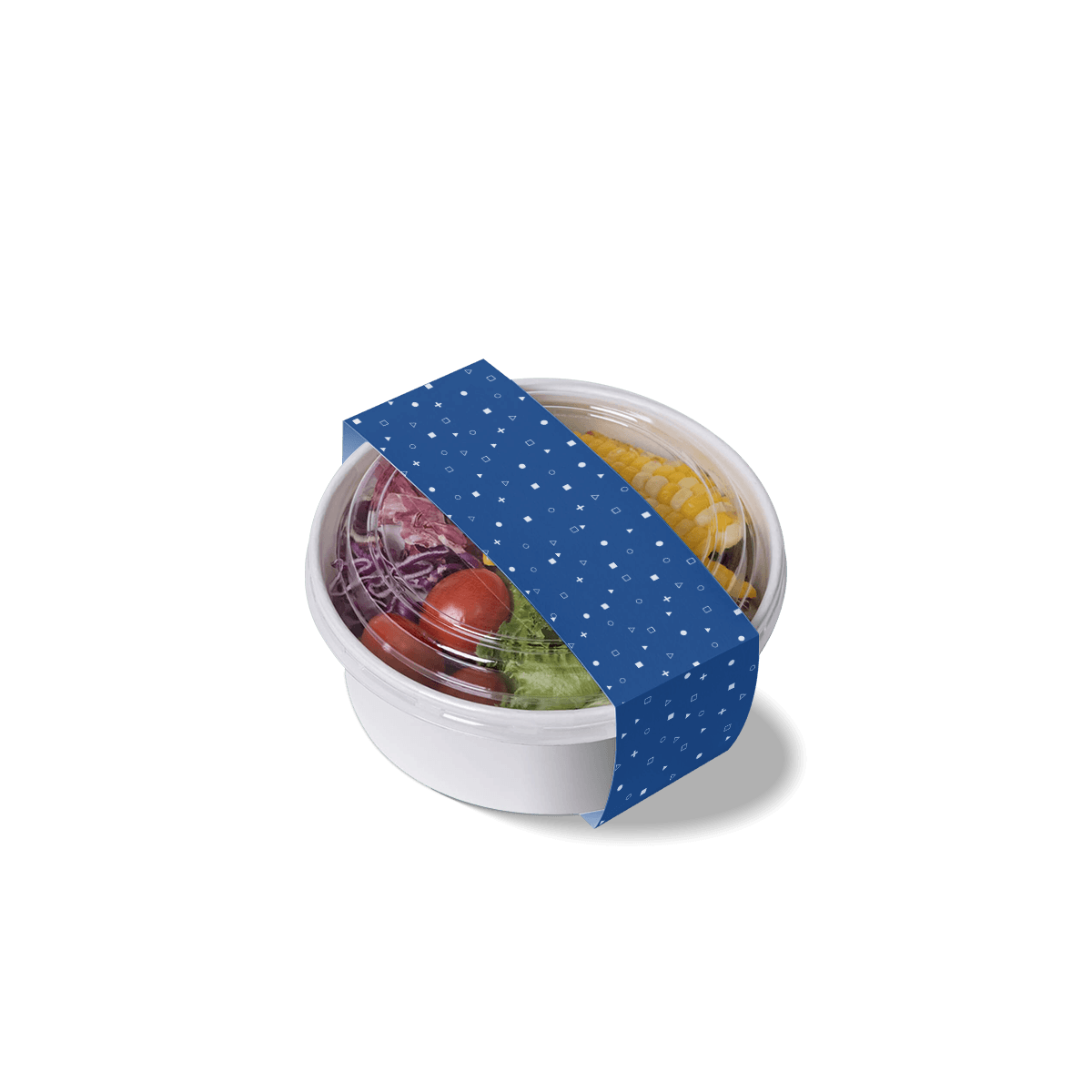
Food Packaging Sleeves

Tray and Sleeve Boxes

Cup Sleeves

Kraft Cone Sleeves
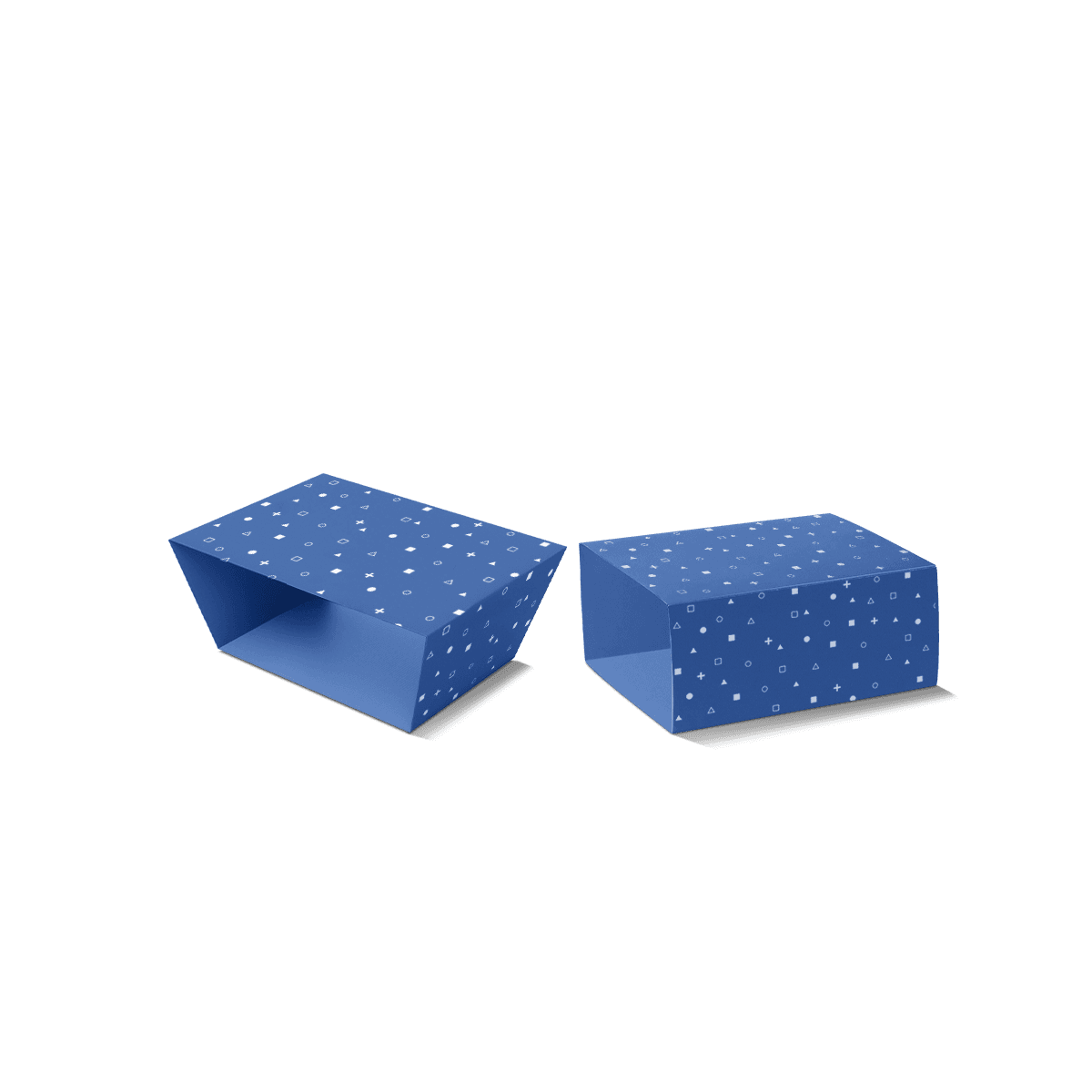
Retail Packaging Sleeves

Box Sleeves

Printed Cone Sleeves
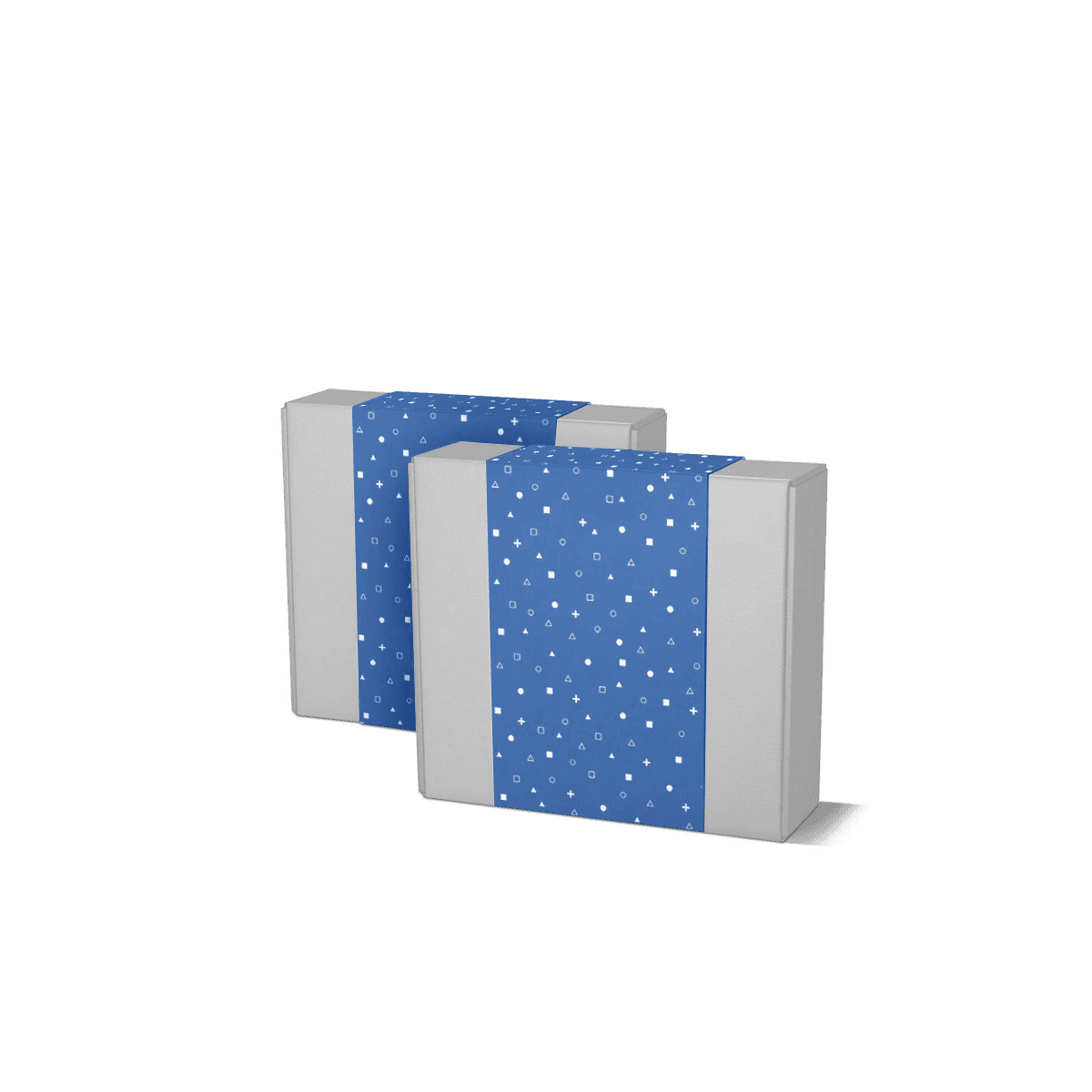
Belly Band Packaging

Greaseproof Cone Sleeves
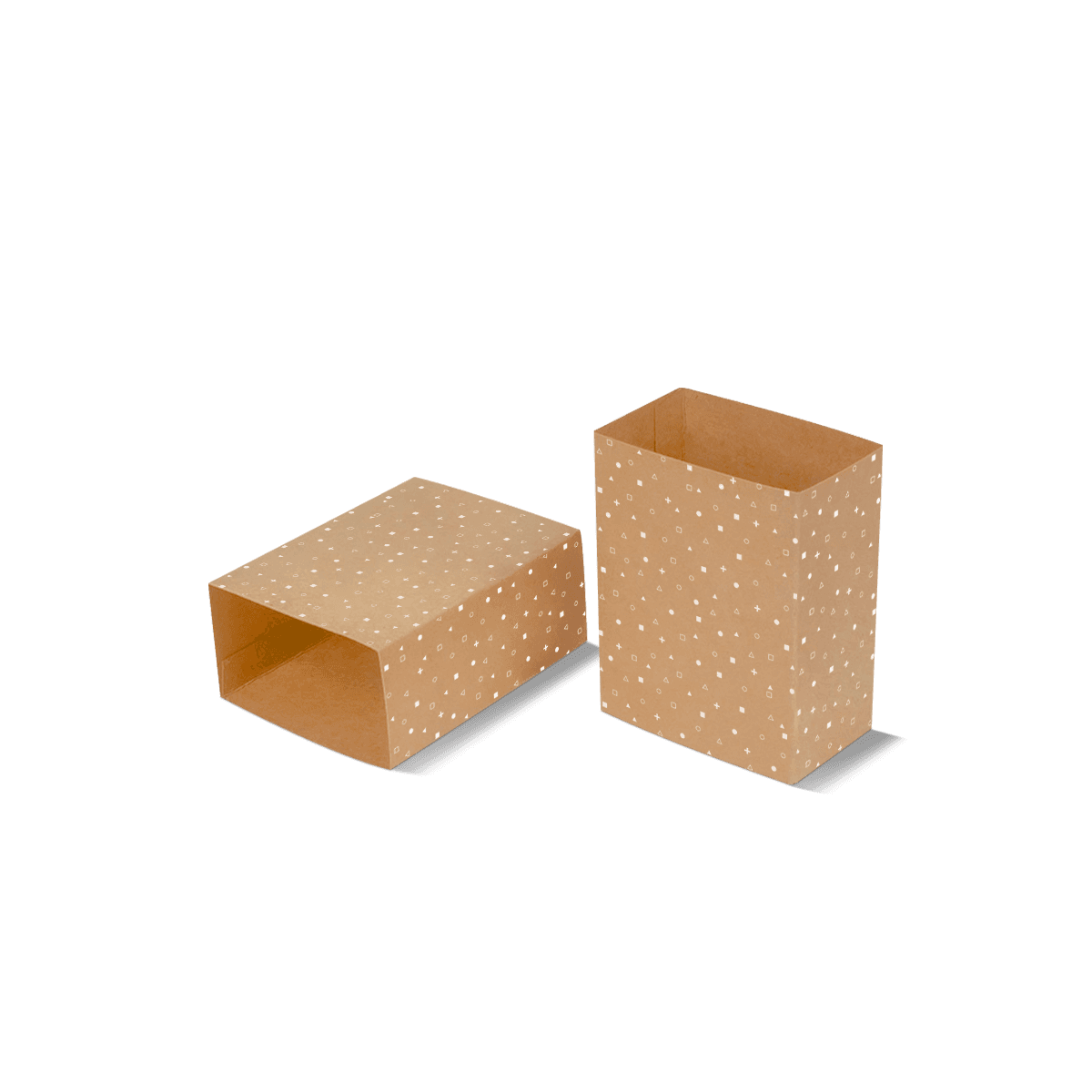
Kraft Sleeves

Cardboard Sleeves
Your product shouldn’t have to fit an off-the-shelf box.
Share the shape, size, material, finish, or insert you have in mind. We’ll turn the details into a tailored packaging recommendation and a clear quote.
Custom sizes · materials · finishes · inserts
Decide How Much the Sleeve Must Cover and Move
Sleeve packaging works when the product or base pack is already structurally sound and needs an added layer for branding, grouping, information or opening experience. The first decision is not paper colour. It is how the sleeve interacts with what sits underneath.
A full sleeve can slide over a box or tray. A belly band wraps a smaller area and leaves more of the product visible. A tray-and-sleeve system makes the sleeve part of the opening motion. Handling sleeves for cups or prepared food have a different job again and should move into their specialist routes.
Coverage, movement and retention are the three controls that keep these formats from becoming interchangeable.
Choose Between a Sliding Sleeve, Band and Tray System
Use box sleeves when an existing carton or rigid pack needs a removable printed outer layer without changing the underlying box.
Use belly band packaging when a narrower wrap is enough to carry branding, variant information or closure support while leaving more of the base pack visible.
Choose tray and sleeve boxes when the sliding motion is part of the structure and presentation rather than an accessory around another finished box.
These routes can look similar in photographs, but the construction and pack-out are different. Specify the motion first so the artwork is built on the correct geometry.
Fit Is a Tolerance Problem, Not Just a Dimension
A sleeve that is too tight can scuff print, catch on corners or slow packing. A sleeve that is too loose can slide off during handling or look poorly fitted on shelf. Board thickness, coating, fold memory and the actual outside size of the packed product all affect the fit.
Measure the base pack in its finished state. If the box has a raised foil area, textured wrap, protruding tab or thick label, include it in the maximum envelope. For grouped products, measure the bundle after any banding or inner wrap is applied.
A sensible physical check is to slide the sleeve on and off repeatedly, then inspect corners and printed surfaces for rub marks. That is more useful than approving the sleeve from flat dimensions alone.
Route Product-Specific Handling to the Specialist Sleeve
Prepared food that needs a branded paperboard wrap should move into food packaging sleeves because container shape, service handling and product information lead that decision.
Cup handling belongs with cup sleeves rather than the general sleeve decision, while products sold in shops can use retail packaging sleeves when variant communication and shelf visibility are the main job.
The main sleeve decision should explain how to choose the system, not repeat every use condition owned by a narrower product format.
For drinks, Cup Sleeves are the specialist route when cup taper, grip area, heat handling and curved artwork matter more than a straight box sleeve.
Plan Creases, Overlap and Artwork as One Geometry
Sleeve artwork follows folds and overlap. A logo that looks centred on the flat file can shift visually once the sleeve is creased around a box, especially when the front and side panels are narrow.
The same cut, crease, bleed and safe-area logic used in packaging dielines and artwork setup applies here. Keep key text away from folds and the overlap seam, and decide which panel the customer sees first before adapting the design.
Free design and dieline support is useful when an existing box must be measured and a new sleeve built around it. A free 3D mockup can then check front-to-side artwork relationships before production.
Use Sleeves to Change Variants Without Rebuilding the Base Pack
One practical strength of a sleeve is separation between the structural pack and the printed variant. A brand can sometimes keep one approved base box while changing sleeves for flavours, gift editions, campaigns or language versions.
That only works when the base dimensions truly stay fixed. If products vary enough to distort the sleeve or create different clearance, forcing them into one shared format can make packing worse.
MOQ starts from 100, so smaller variant runs can be considered without turning every project into a new box structure. Keep the base-pack specification and each sleeve artwork version controlled separately.
Validate Pack-Out Before Adding Finish
Check how the sleeve is supplied, opened, formed and applied at the packing bench. A premium finish is not useful if staff have to fight the fit or if a high-friction surface slows every pack.
Matte, gloss, foil, embossing or other decorative choices should be selected only after the sleeve moves correctly and the visible panels are defined. Heavy finishing across a fold can also change how a small sleeve behaves, so the final construction should be reviewed as a complete piece.
Free sample examples of previous work are available. Fully custom pre-production samples can be arranged as paid samples when exact slide, crease or surface behaviour needs physical approval.
Build the Sleeve Around the Pack Motion
For a useful sleeve brief, provide the finished dimensions of the base product or box, how much coverage is required, whether the sleeve slides or wraps, the preferred opening direction, quantity and artwork status.
Add any need to keep a window of the base pack visible, hold several items together, carry a barcode or variant information, or support a particular retail presentation. That lets the structure be narrowed without dragging product-specific food, cup or cone requirements into the generic sleeve specification.
The current turnaround is 4–6 working days with free delivery. The key is to approve the fit and panel geometry before final artwork versions are multiplied.
Questions About Sleeve Packaging
Start Your Bespoke Packaging Quote
Share your product details, dimensions, quantity and artwork needs. We’ll help choose the right packaging style and send a clear quote.