Custom Mylar Bags
Choose custom Mylar bags from the filled pouch behaviour: how the product settles, whether the pack must stand or lie flat, how it opens and reseals and what laminate performance must be verified.

Mylar Bags options
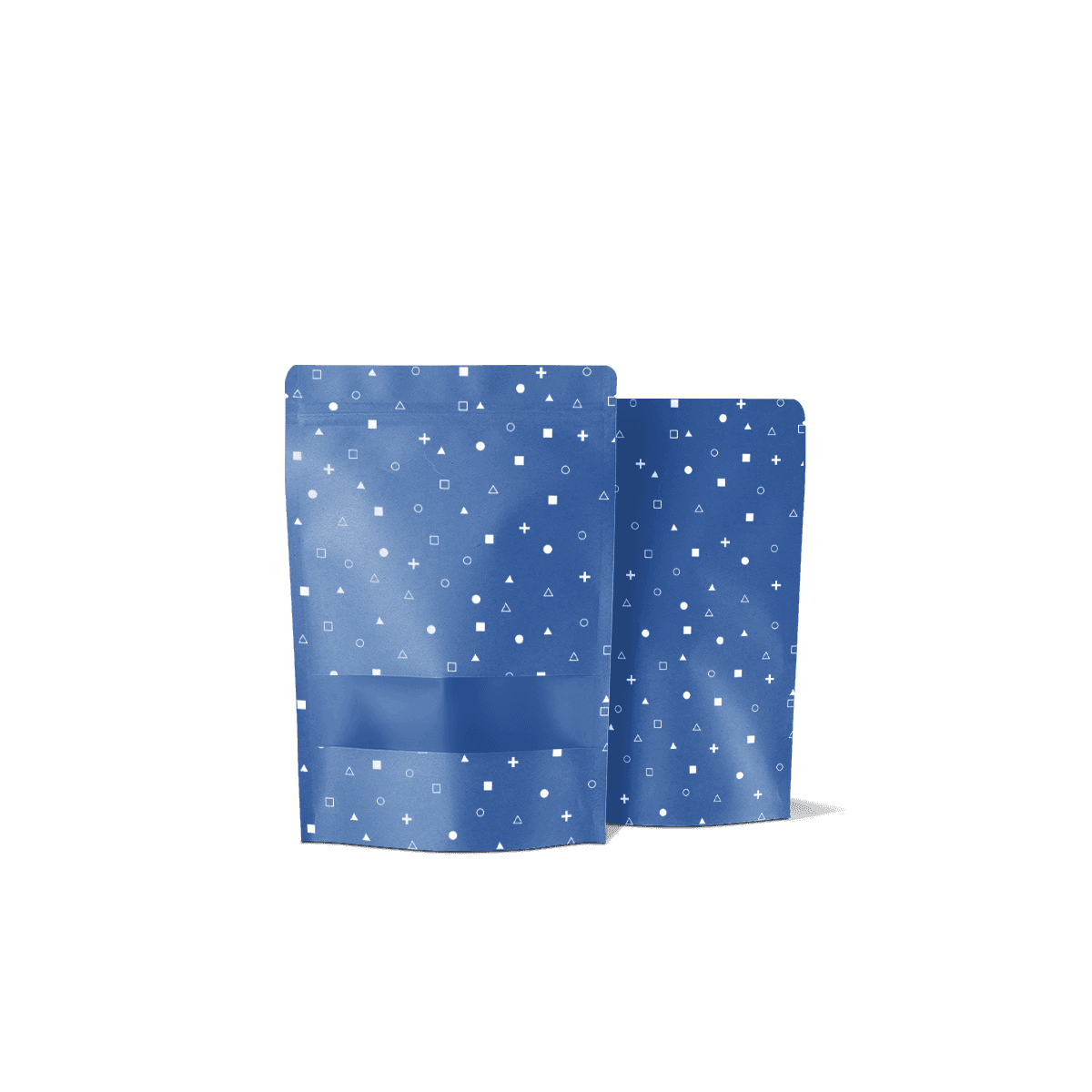
Stand Up Mylar Bags
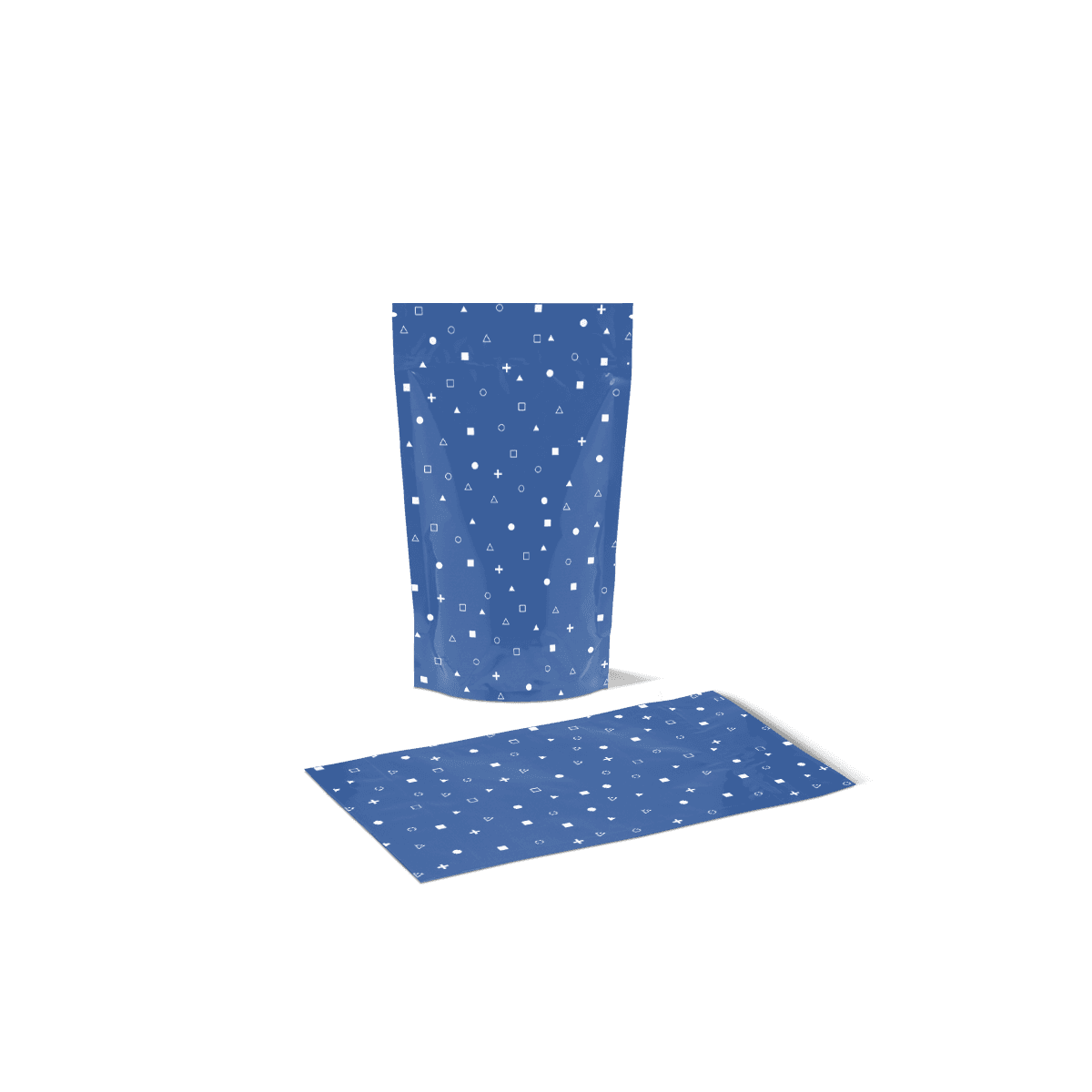
Child Resistant Mylar Bags
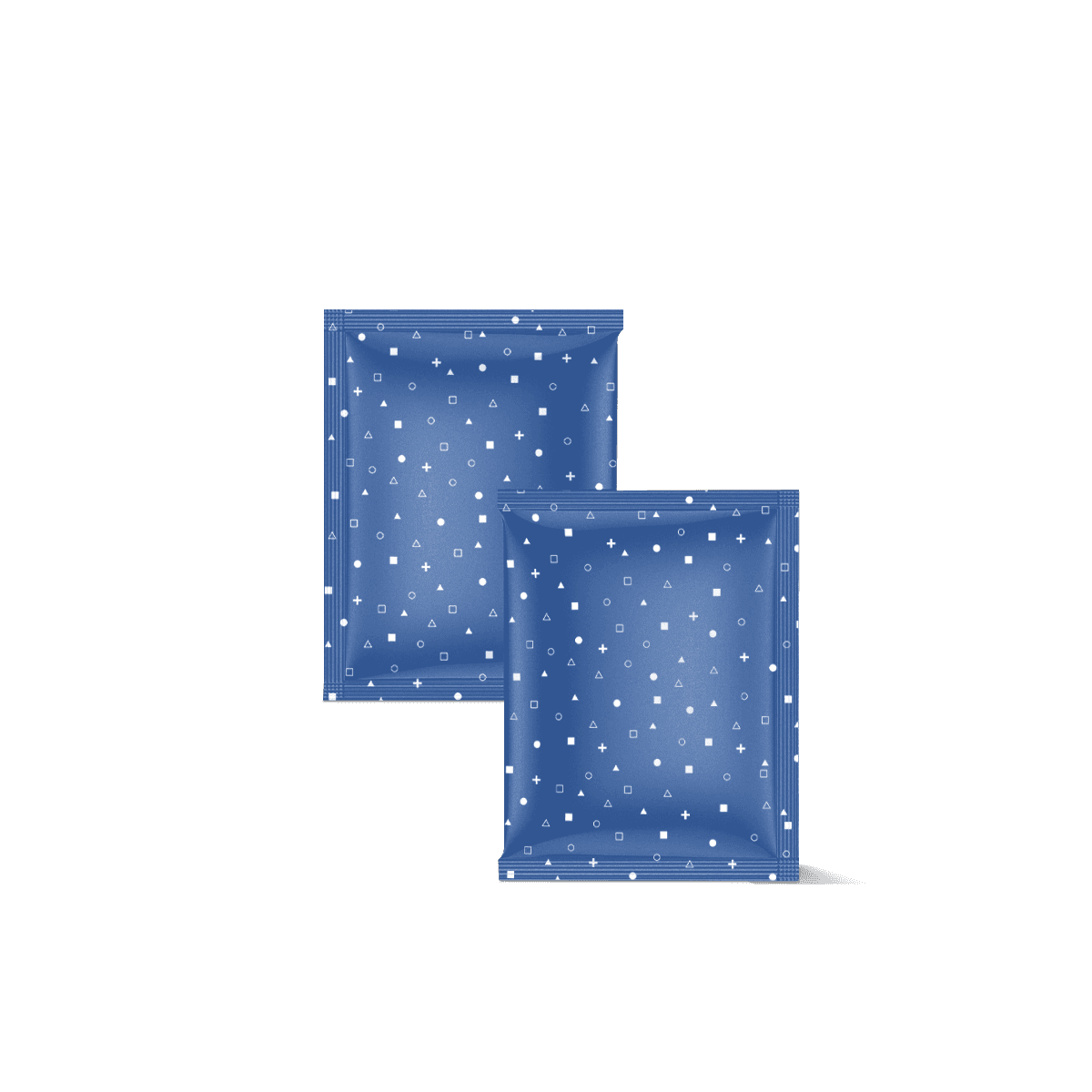
Three Side Seal Mylar Bags
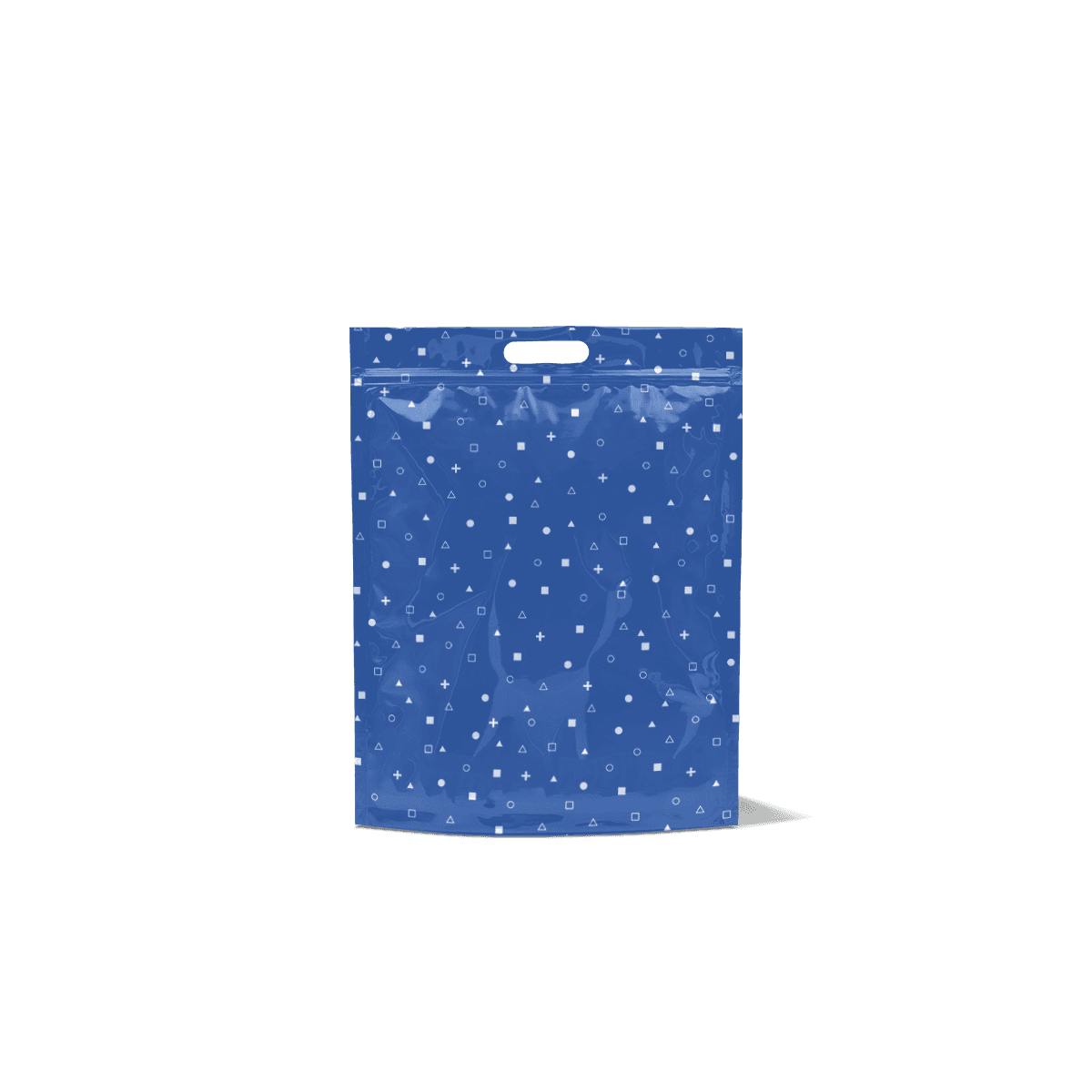
Smell Proof Mylar Bags
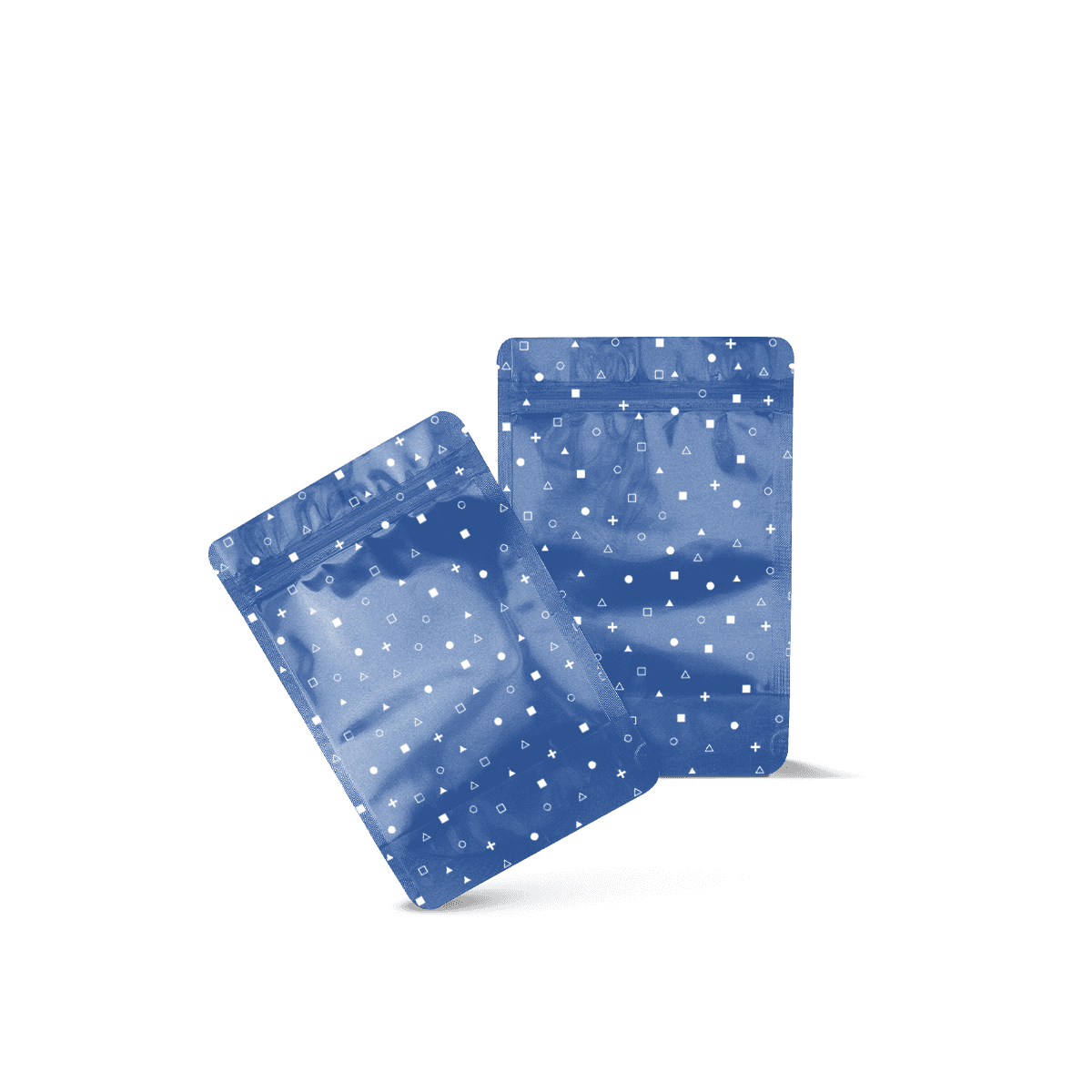
Flat Mylar Bags

Window Mylar Bags
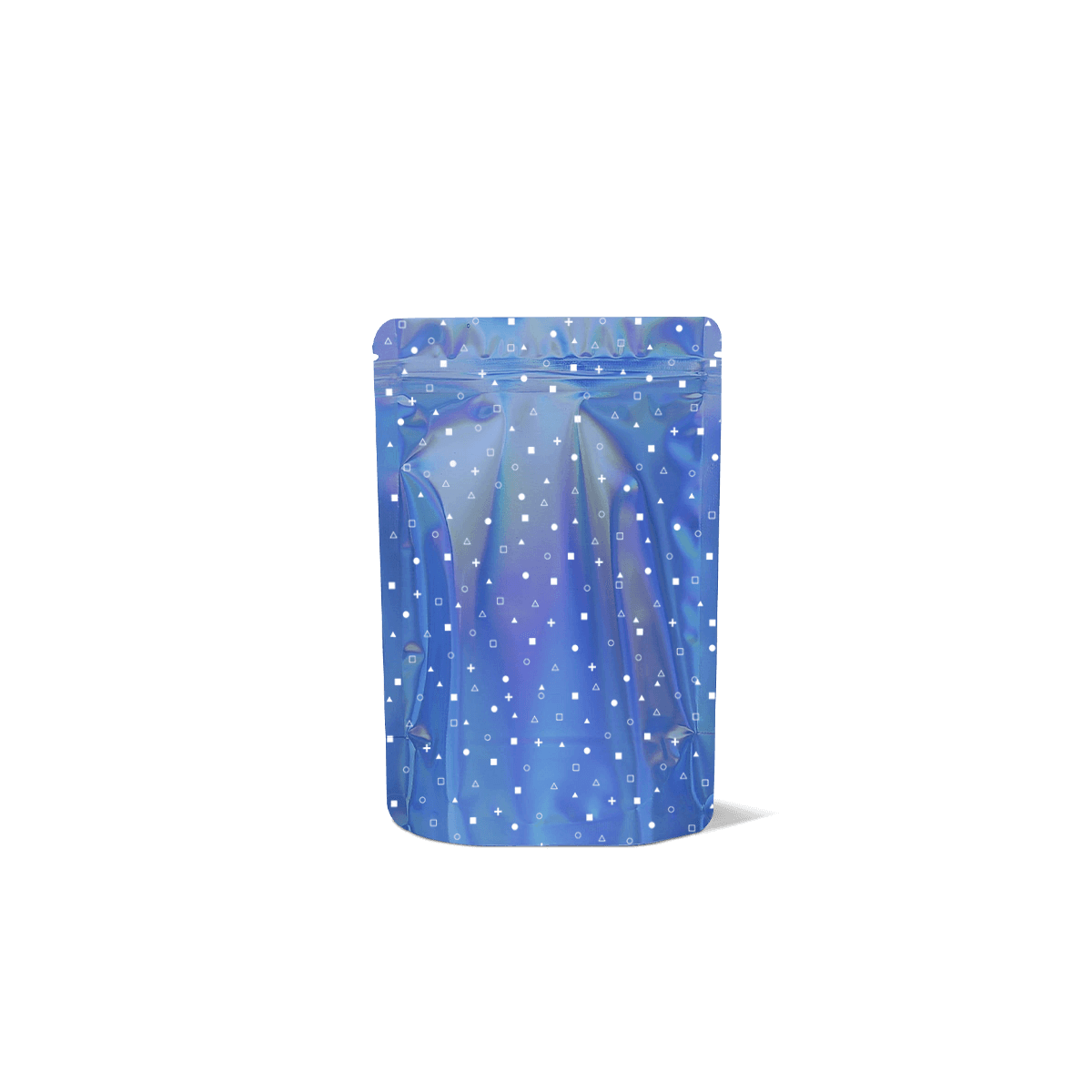
Holographic Mylar Bags
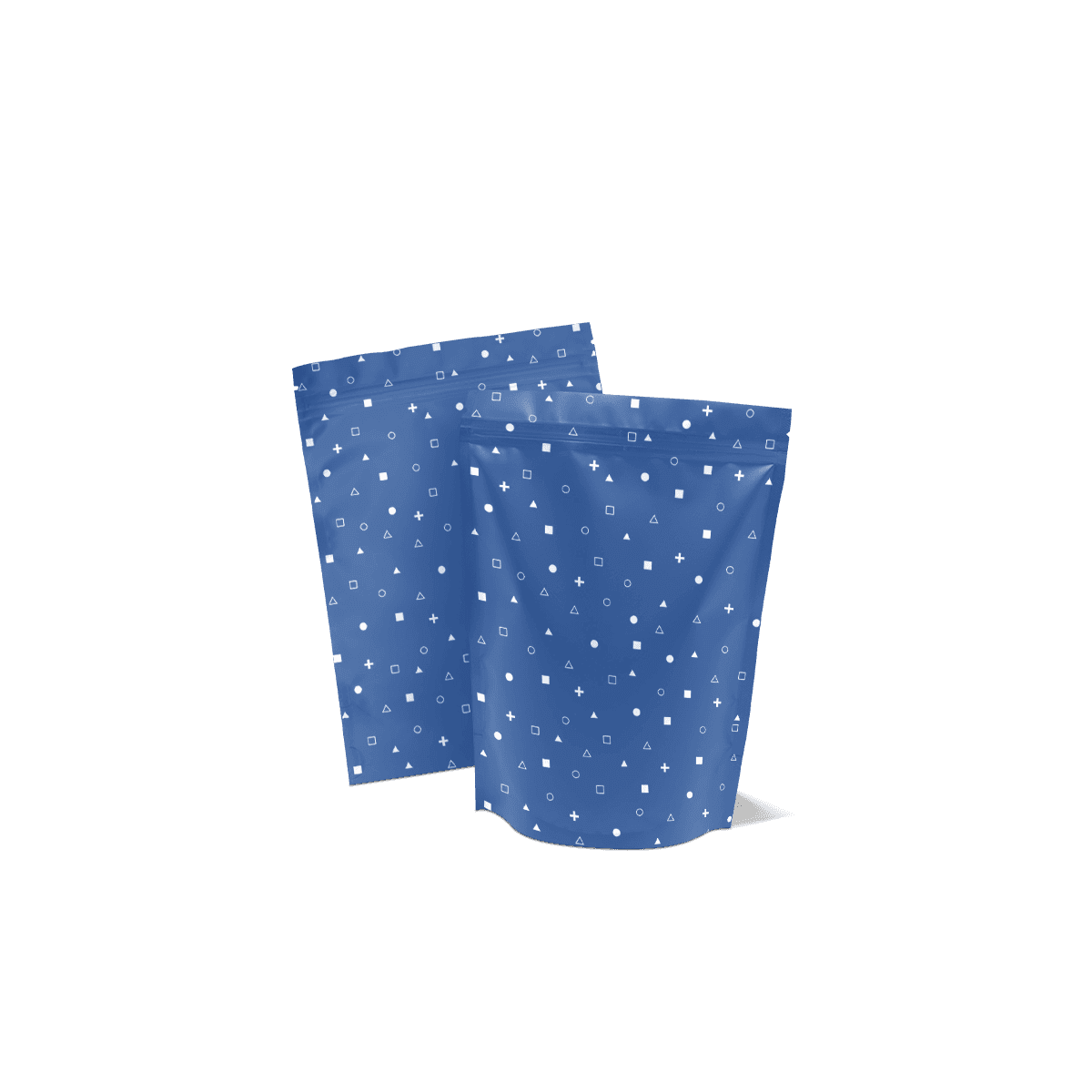
Zip Lock Mylar Bags

Heat Seal Mylar Bags
Foil Mylar Pouches
Your product shouldn’t have to fit an off-the-shelf box.
Share the shape, size, material, finish, or insert you have in mind. We’ll turn the details into a tailored packaging recommendation and a clear quote.
Custom sizes · materials · finishes · inserts
Choose the Pouch by What Happens After Filling
Custom Mylar bags should be sized and selected in their filled state, not as empty flat films. Powders settle, snacks create irregular depth and small solid products can concentrate weight at the bottom. Those changes determine whether the pouch stands, lies flat, seals cleanly and presents the artwork as intended.
Start with the product's filled volume, texture, weight and opening pattern. Then choose the pouch format and closure. This keeps the decision focused on flexible-pouch selection rather than treating every Mylar bag as the same material with a different graphic.
Mylar is commonly used as a broad commercial term for this type of flexible pouch. The exact laminate is a separate specification and should be confirmed against the product, storage, sealing and performance requirements.
Stand, Lie Flat or Hang: Choose the Display Behaviour
Use stand up Mylar bags when a bottom gusset and stable shelf footprint matter. The filled base, not the flat pouch width, decides whether the pack stands cleanly.
Use flat Mylar bags for slimmer products, samples and refills that do not need a gusseted shelf base. three side seal Mylar bags are a more specific pre-made flat format with one open filling edge.
If the pack will hang, reserve space for the hanging feature and confirm how the filled weight pulls on that area. The choice between standing, lying and hanging should be made before artwork is adapted.
Separate First Closure From Repeat Use
A heat seal Mylar bag is specified around a clean closing zone and the filling process. The top area needs enough clear space for a reliable production seal.
A zip lock Mylar bag adds a repeat-use requirement. Grip space above the zip, product crumbs or powder near the track and the way customers reopen the pouch all affect usability.
A pouch can use a heat seal for first closure and a zip for later access. Treat those as two separate functions so the sealing equipment, top clearance and customer opening sequence are all accounted for.
Specify the Laminate by Required Performance
Do not assume two metallic-looking pouches provide the same protection. Layer structure, seal layer and print surface can vary. State what the pack must resist or preserve, then verify the final material specification for that exact use.
An opaque foil-led route can move into foil Mylar pouches when concealed contents and an uninterrupted printed face are part of the decision. A window Mylar bag trades some covered surface for product visibility and needs the window kept clear of seals, folds, coding and key artwork.
Where regulatory, shelf-life or specialist performance requirements apply, those must be confirmed for the final laminate and finished pouch. A general material name should not be turned into a blanket compliance or food-safety claim.
Size From Filled Volume and Seal Zones
Use a filled sample or a realistic fill trial where possible. Record finished width, height, gusset or depth and target fill weight, then leave working space for the seal, zip, tear notch or other opening feature.
An overfilled pouch can distort the front panel and push graphics into folds. An oversized pouch can look weak on shelf and create unnecessary headspace. For stand-up formats, the gusset needs enough product to open properly without making the base too wide for the intended shelf.
If the pouch will sit inside a carton, tray or mailer, measure the filled pack rather than using flat-film dimensions. Flexible packs can bulge differently from one SKU to another.
Build Artwork Around Seals, Gussets and the Filled Shape
Artwork should follow the approved pouch template. Keep logos, product names, barcodes and essential instructions away from seal widths, zip tracks, tear notches and gusset folds.
The front panel may look different after filling because the surface curves. A free 3D mockup can help review the visual hierarchy, but final barcode size, coding area and any legally required product information remain part of the brand's own packaging brief.
Free design support is available for artwork setup. Use CMYK files and Pantone references where precise brand colour matters, then approve the structural template before adapting a full SKU range.
With Holographic Mylar Bags, the surface treatment becomes part of the visual identity, so artwork contrast and legibility should be checked on the reflective material rather than judged only from a flat screen proof.
Control SKU Variants Before the Range Expands
A shared pouch size can simplify repeat production when several SKUs have genuinely similar filled volume. It should not be used simply to reduce setup if smaller products collapse inside the pouch or larger products overload it.
Keep the approved size, gusset, laminate, closure, seal width, window or hang feature, colour references and artwork version recorded for each SKU. That specification is more reliable than asking for the same bag based only on a product name.
MOQ starts from 100. For larger repeat programmes, warehousing and scheduled deliveries are available when a longer production run makes commercial sense but the full quantity is not needed at once.
Check Filling and Closing Before Production Is Repeated
Manual filling and automated filling can need different opening widths and top clearances. Powders, crumbs and small pieces can contaminate the seal area, so the filling method should be part of the pouch specification.
Free sample examples of previous work are available. A fully custom pre-production sample can be arranged as a paid sample when filled shape, closure, print placement or packing compatibility needs a physical check.
The current turnaround is 4–6 working days with free delivery. Timing should be planned after the pouch format and artwork geometry are agreed, especially when several SKU files depend on one shared structure.
Lock the Filled-Pouch Specification
Cost changes with pouch size, laminate, closure, print, finish, quantity and the number of artwork versions. The breakdown of how much custom Mylar bags cost is useful when deciding which features deserve to stay in the specification.
For production, provide product type, target fill weight or volume, filled dimensions if known, stand-up or flat preference, closure and sealing method, window or hang requirements, quantity by design and artwork status.
The final approval should describe the pouch in its filled condition. That is the state that determines shelf behaviour, outer-pack fit, opening experience and whether a repeat order actually matches the product.
Questions About Mylar Bags
Start Your Bespoke Packaging Quote
Share your product details, dimensions, quantity and artwork needs. We’ll help choose the right packaging style and send a clear quote.