Custom Paper Bags
Choose paper bags by what they must carry, how the bag is handed over and stored, then match the base, gusset, handle and paper construction to the real load.
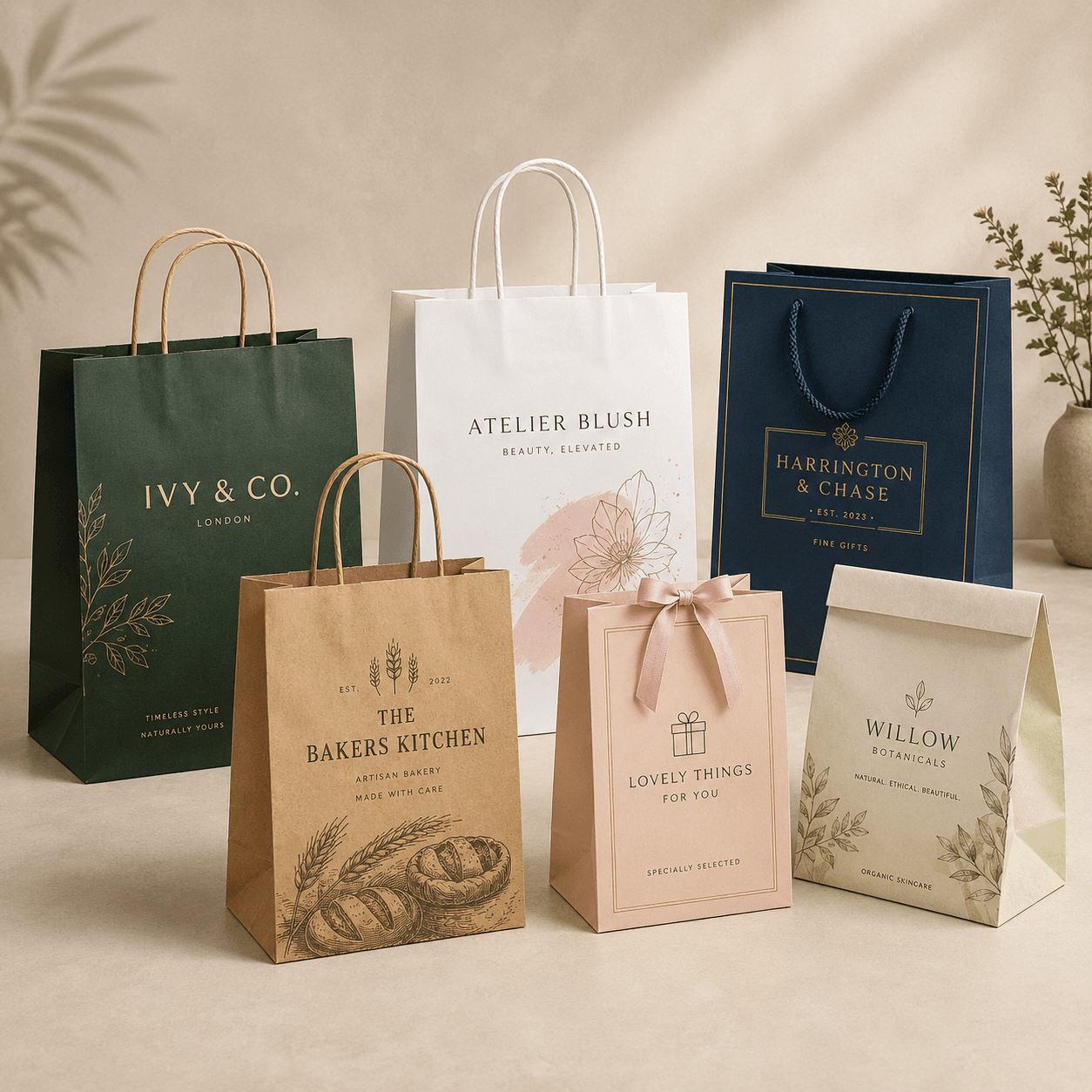
Paper Bags options
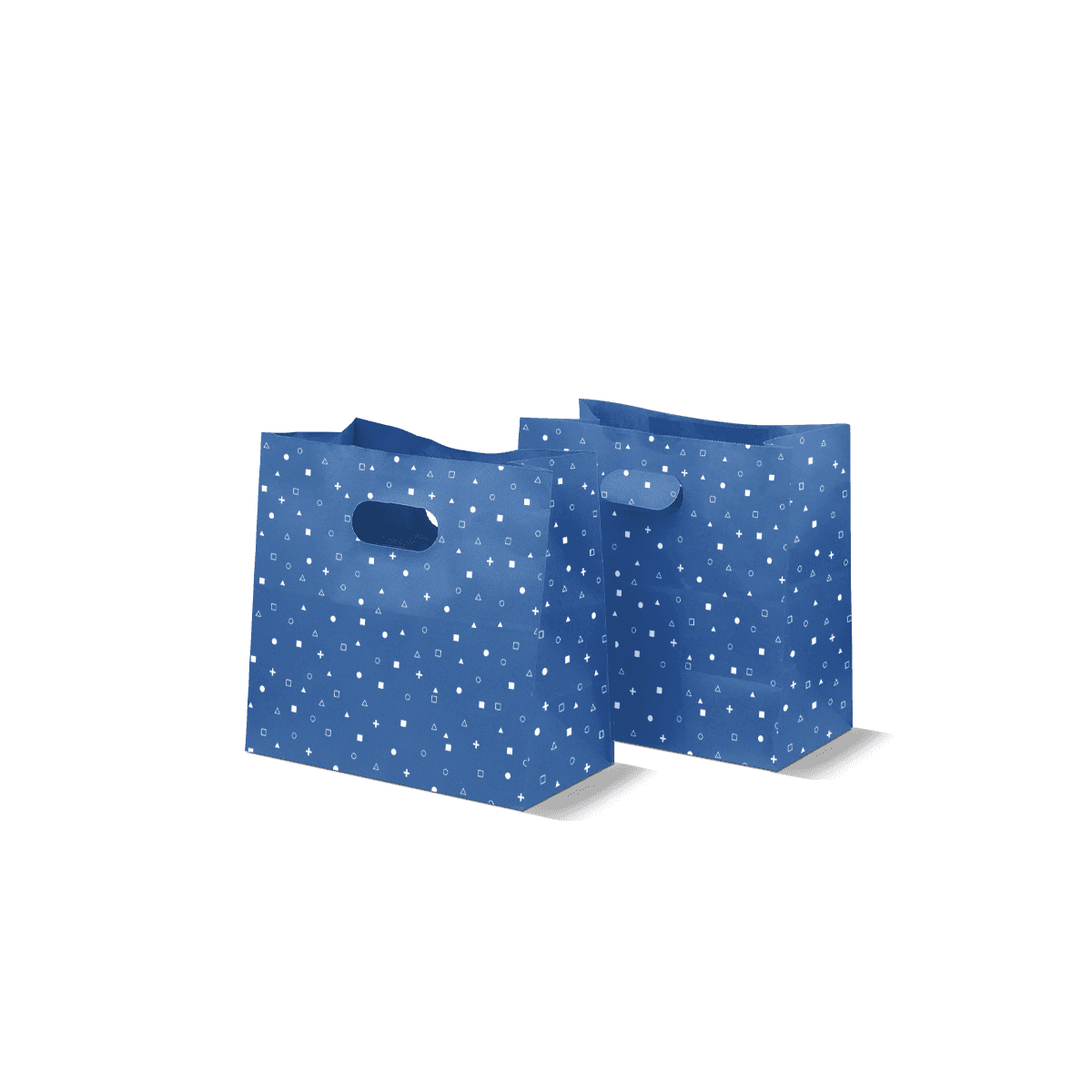
Die Cut Handle Paper Bags

Recyclable Paper Bags
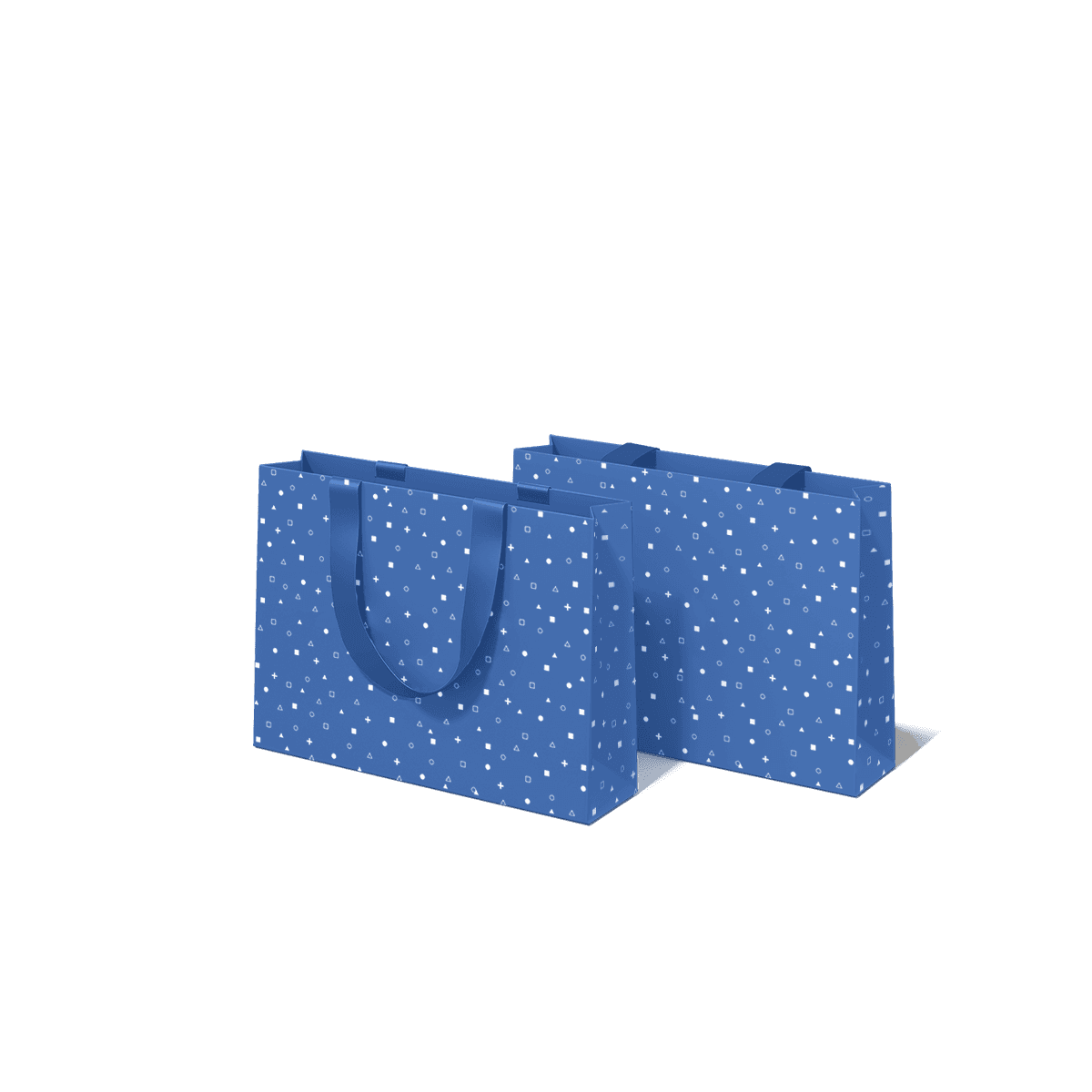
Luxury Paper Bags

Flat Paper Bags

Flat Bottom Paper Bags

SOS Paper Bags

Twisted Handle Paper Bags

Rope Handle Paper Bags

Kraft Paper Bags

Pinch Bottom Paper Bags

Retail Paper Bags
Your product shouldn’t have to fit an off-the-shelf box.
Share the shape, size, material, finish, or insert you have in mind. We’ll turn the details into a tailored packaging recommendation and a clear quote.
Custom sizes · materials · finishes · inserts
Match the Bag to the Load and Handoff
A paper bag should be chosen from the packed purchase outward. Weight, box shape, bottle height, takeaway container size and the way the customer carries the order all affect the base, gusset and handle more than decoration does.
A bag for a folded garment has a different load pattern from a bag carrying boxed skincare, several bakery cartons or a tall gift. Start with the heaviest realistic order, then decide whether the bag needs handles, a self-opening base, a flat base or a more presentation-led construction.
This is the point where the paper-bag system should be chosen. Once the carry problem is clear, the exact specialist bag can own the detailed structure.
Choose the Base Before the Handle
For fast counter packing, SOS paper bags are built around a self-opening base and a simple packing motion. They are a different operational choice from handled retail carriers.
A retail paper bag is the better route when the store needs a controlled set of carriers across different purchase sizes. Kraft paper bags narrow the decision around kraft stock and print behaviour rather than creating a completely different bag category.
Base width and side gusset should follow the product footprint. A bag can look large enough when flat yet become unstable once a wide box pushes against the gussets.
Handles Change Both Comfort and Construction
A twisted handle paper bag suits many repeat retail and takeaway uses where packing speed and practical carrying matter. rope handle paper bags move the decision toward cord drop, reinforcement and a more presentation-led handoff.
A die cut handle paper bag removes the separate handle component, but the cut-out consumes panel space and puts load around the handle opening. The artwork and reinforcement need to respect that area.
Do not choose a handle from appearance alone. Test the heaviest packed order, the grip position and whether the contents push against the handle reinforcement.
Size From the Packed Purchase, Not the Product Alone
Use the finished outside dimensions of the purchase, including tissue, inner cartons or grouped products. Add only the clearance needed for easy loading and removal. Excess width can make products fall over; excess height can leave a small order buried inside the bag.
For a multi-size programme, work from actual basket patterns. One bag size can simplify stock, but a single oversized carrier across every transaction can waste paper and make small purchases look poorly fitted.
A useful size set often comes from grouping similar order footprints rather than giving every SKU its own bag. Record the approved internal fit for each group so repeat ordering stays controlled.
Paper and Print Have to Work With Folds and Handles
Paper weight should be chosen with the bag size, load and handle system. A heavier sheet does not automatically fix a weak base or poorly reinforced handle. Construction and material duty have to work together.
Artwork also loses usable area to side gussets, base folds, top turn-over and handle positions. Keep small text and fine marks away from heavy folds, and review how large graphics wrap around the side gusset.
Premium offset printing is available when the artwork and quantity suit it. Pantone references can be used where brand colour control matters, but the chosen paper colour and surface will still affect the final appearance.
Where recyclability is a design requirement, Recyclable Paper Bags should be assessed as a complete construction, including stock, handles, inks, coatings and any laminates, rather than from the paper component alone.
Use Premium Details Only Where the Handoff Justifies Them
A more presentation-led purchase can move into luxury paper bags where proportion, paper, handles and finish are considered together rather than adding decorative effects to a basic carrier.
For everyday retail, a clear logo, suitable paper and dependable handle can do more work than several finishes. Foil, spot effects or special handle treatments add value only when they support the product and the point of handoff.
Free 3D mockups help review artwork and proportions. Free sample examples of previous work are available, while a fully custom pre-production sample can be arranged as a paid sample when load, handle feel or exact finish needs checking.
Control Cost Through Size, Handle and Version Count
Paper-bag cost is shaped by dimensions, paper construction, handle type, print, finish, quantity and the number of artwork versions. Changing the handle or bag size can affect the production route more than a small artwork adjustment.
The breakdown of how much custom paper bags cost is useful when comparing size, handle and print choices before a repeat order is fixed.
MOQ starts from 100. The current turnaround is 4–6 working days with free delivery. For a launch or small retail test, keep the first specification simple enough that the bag can be evaluated in real use before the programme expands.
Standardise What Should Stay the Same
A repeat paper-bag programme is easier to control when the bag sizes, handle types, paper specification and core brand colours are recorded separately from seasonal artwork. That allows the part that changes to change without reopening every construction decision.
If larger production quantities make commercial sense but storage is limited, warehousing and scheduled deliveries are available. Use that support where it solves a real stockholding problem rather than ordering more sizes or versions than the business needs.
The final brief should state packed dimensions and weight, bag quantity by size, preferred base and handle route, print coverage, artwork status and how the customer receives and carries the bag. That gives production a usable handoff specification.
Questions About Paper Bags
Start Your Bespoke Packaging Quote
Share your product details, dimensions, quantity and artwork needs. We’ll help choose the right packaging style and send a clear quote.