Custom Box Styles and Shapes
Compare folding box structures by filling direction, base strength, opening style and shelf geometry, then route into the exact tuck, lock, gable, pillow, window or drawer format.

Box Styles and Shapes options
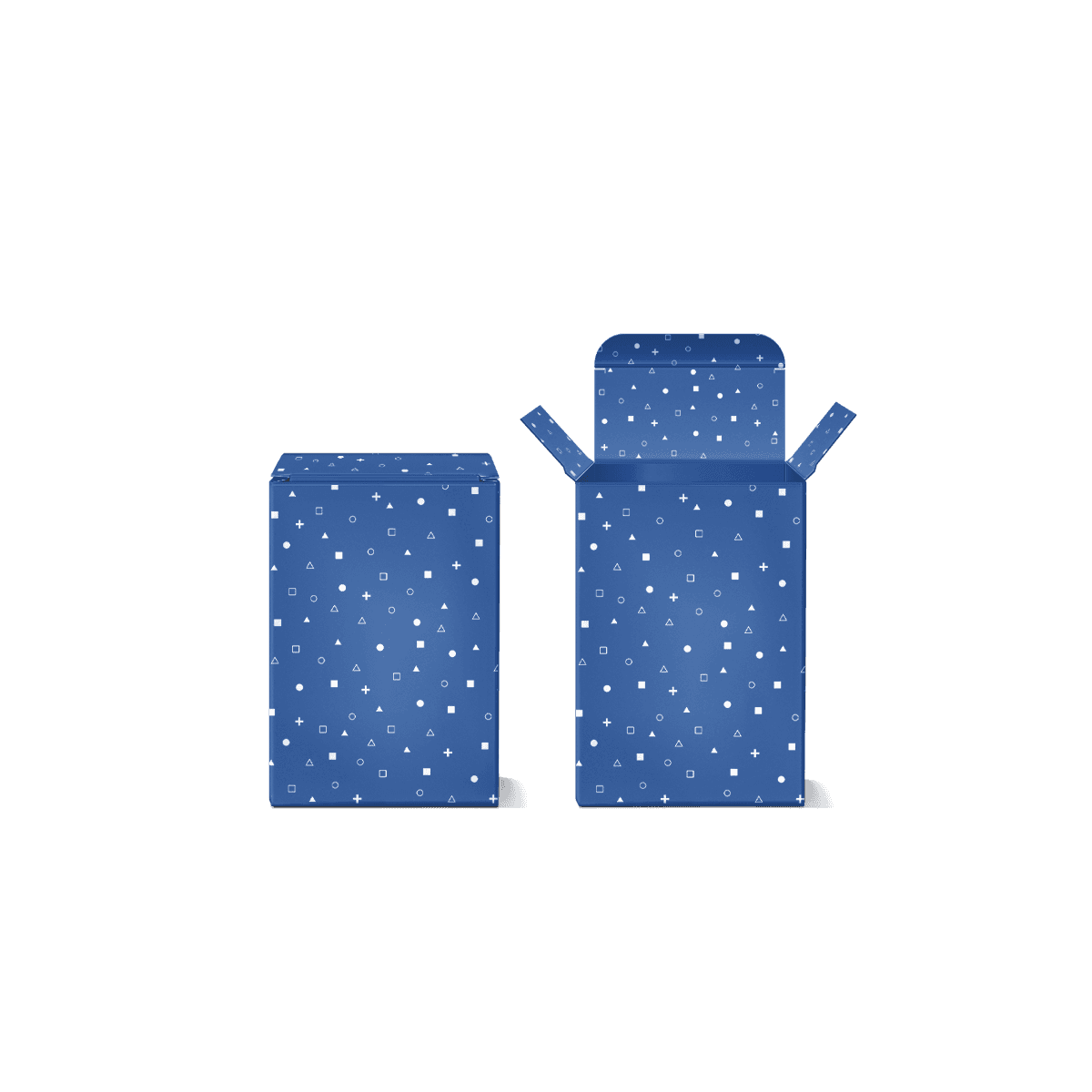
Straight Tuck End Boxes
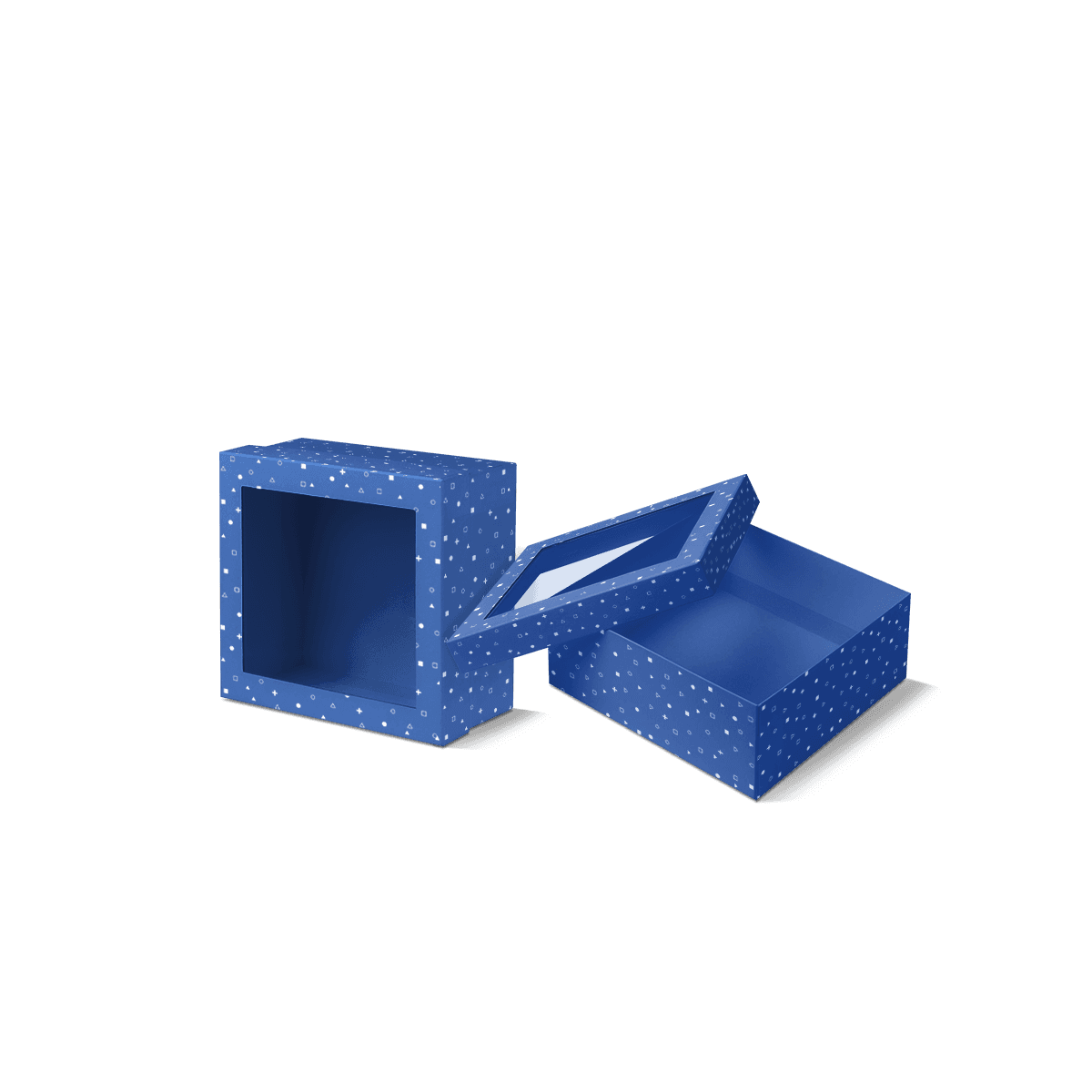
Window Boxes
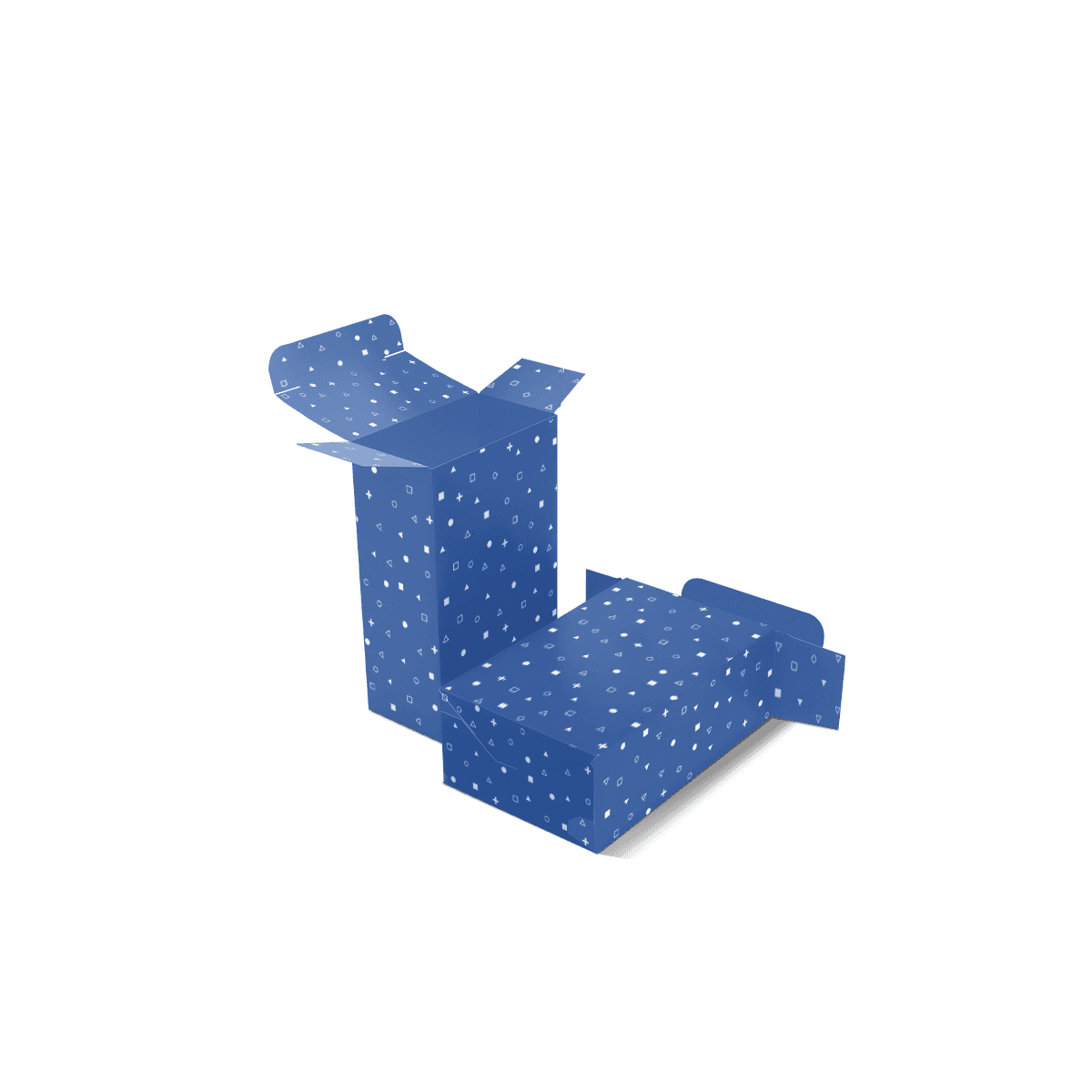
Auto Bottom Boxes
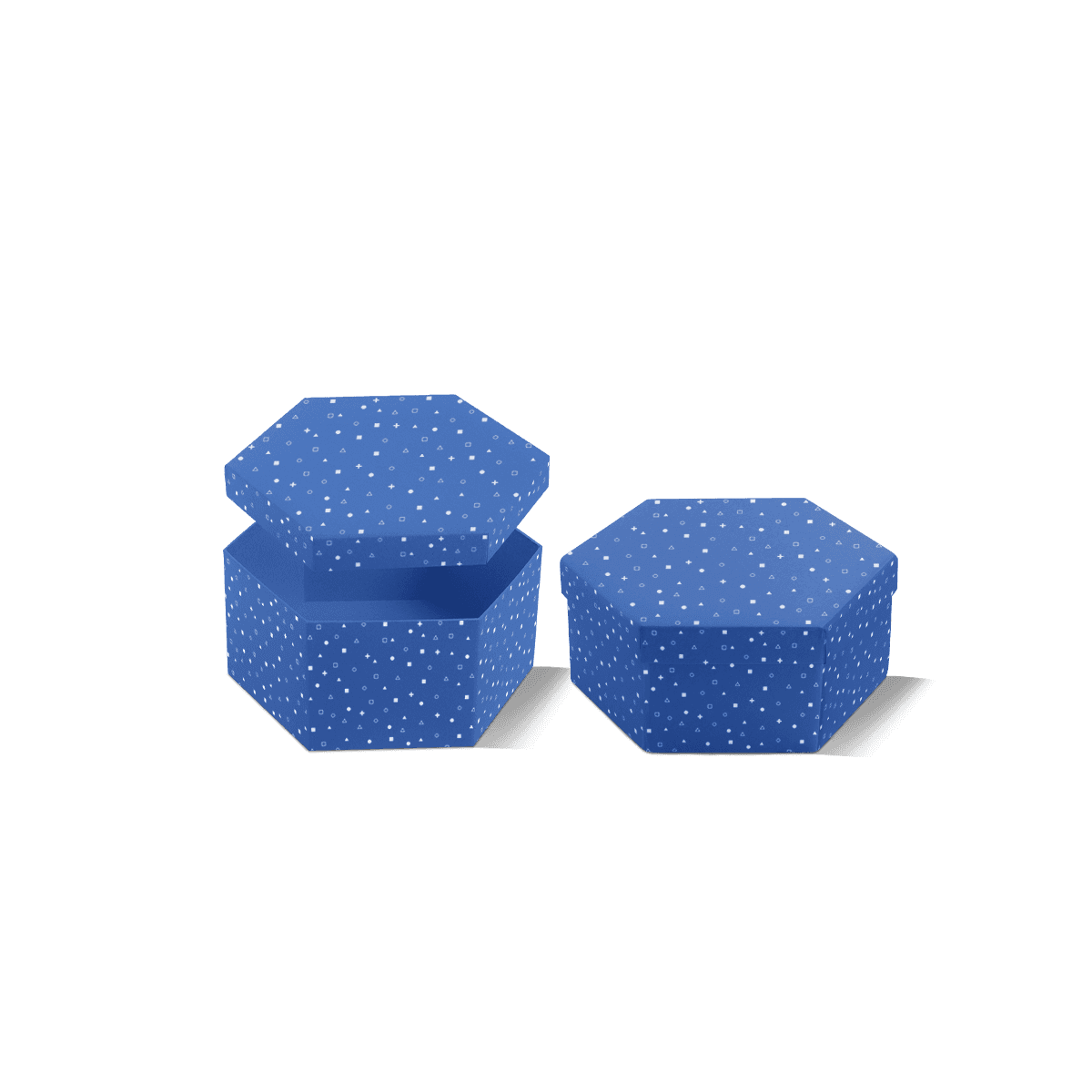
Hexagon Boxes

Tuck Top Boxes
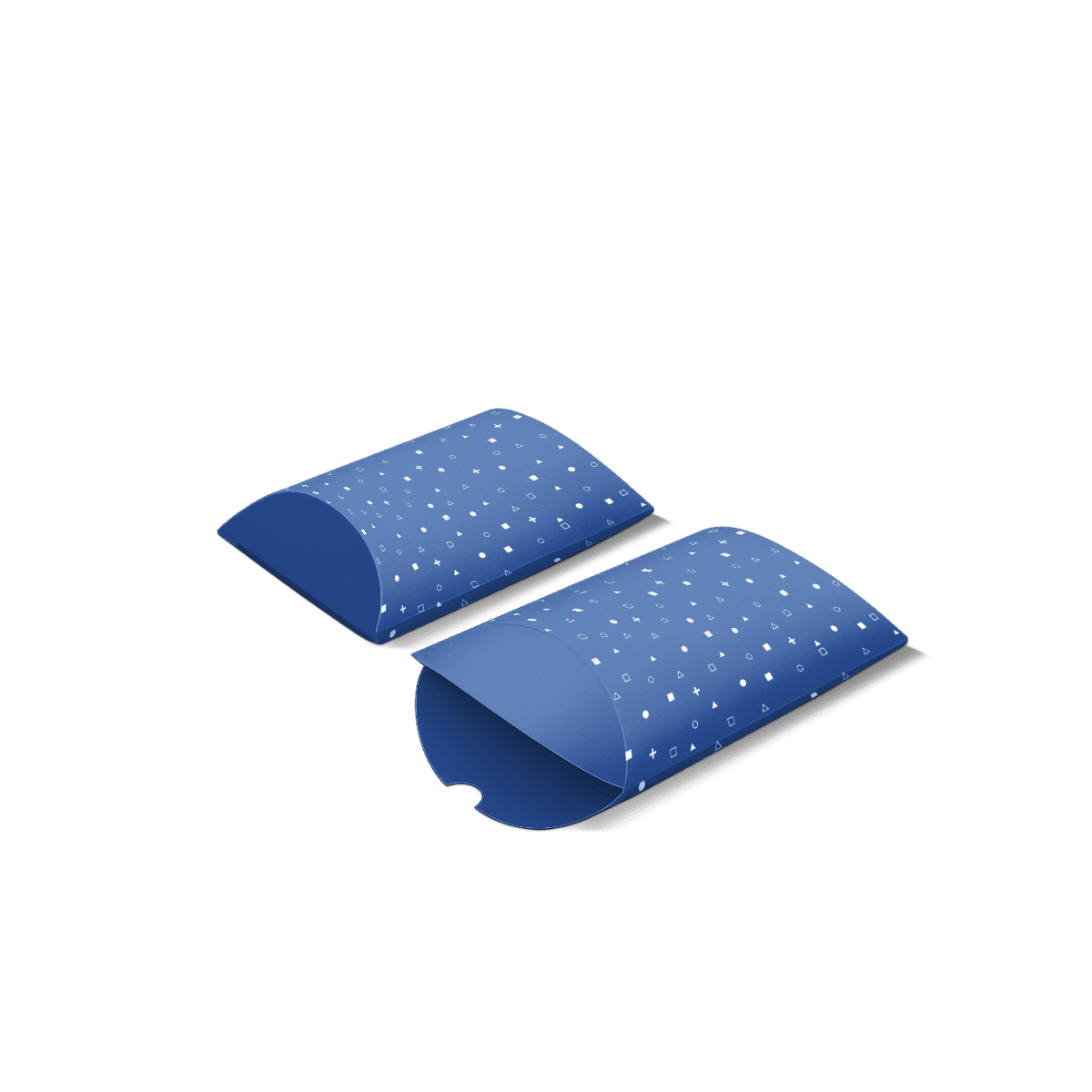
Pillow Boxes
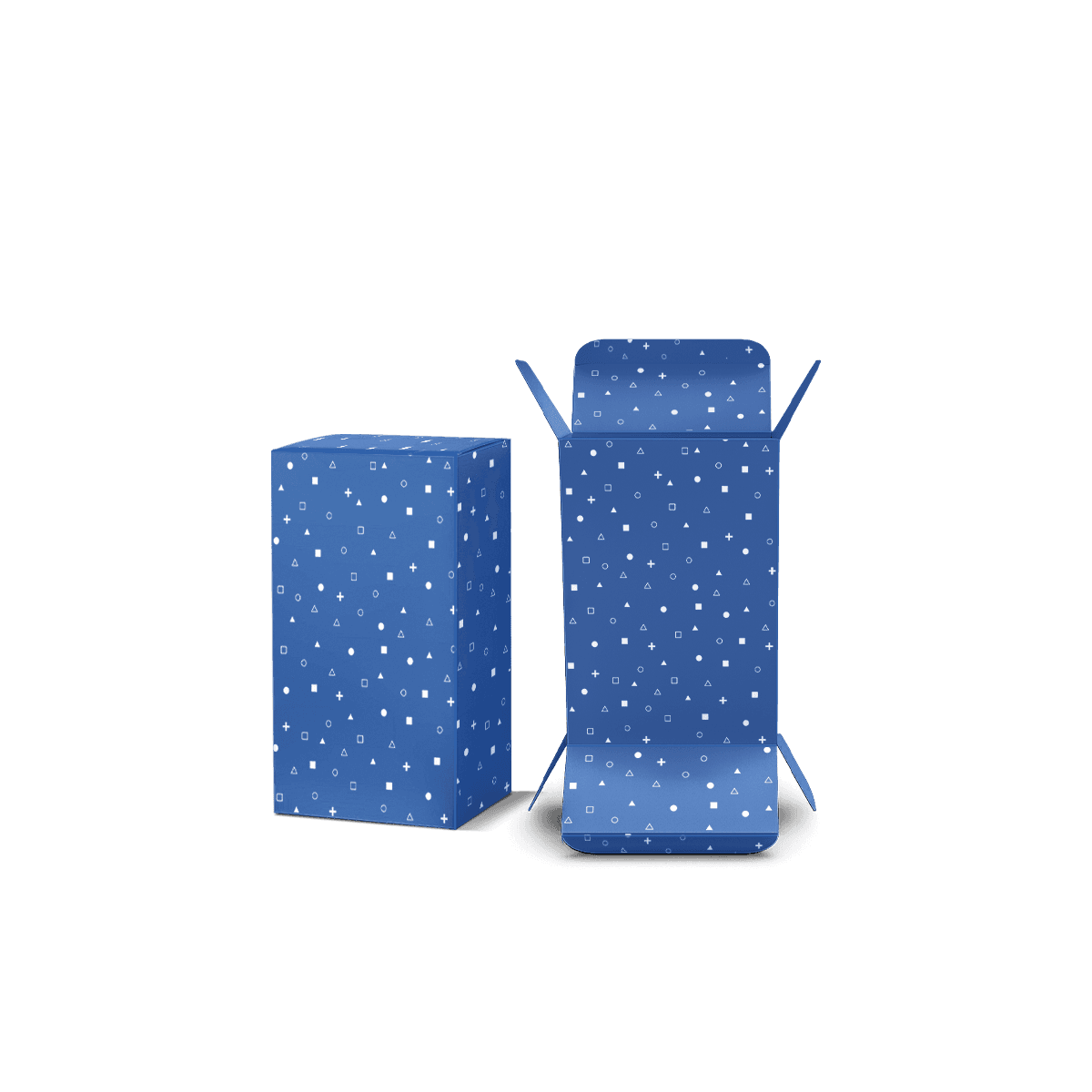
Reverse Tuck End Boxes

Snap Lock Bottom Boxes
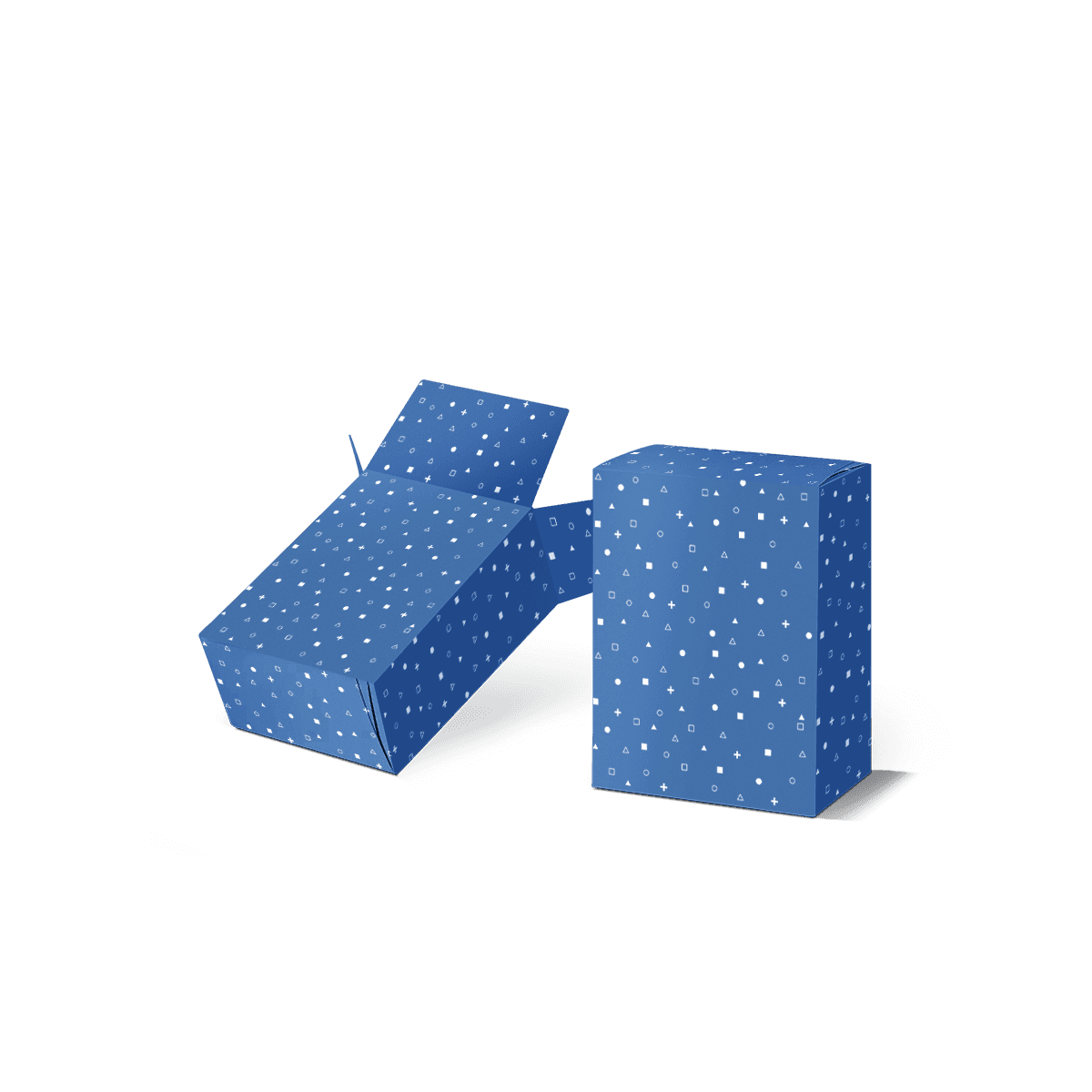
Seal End Boxes
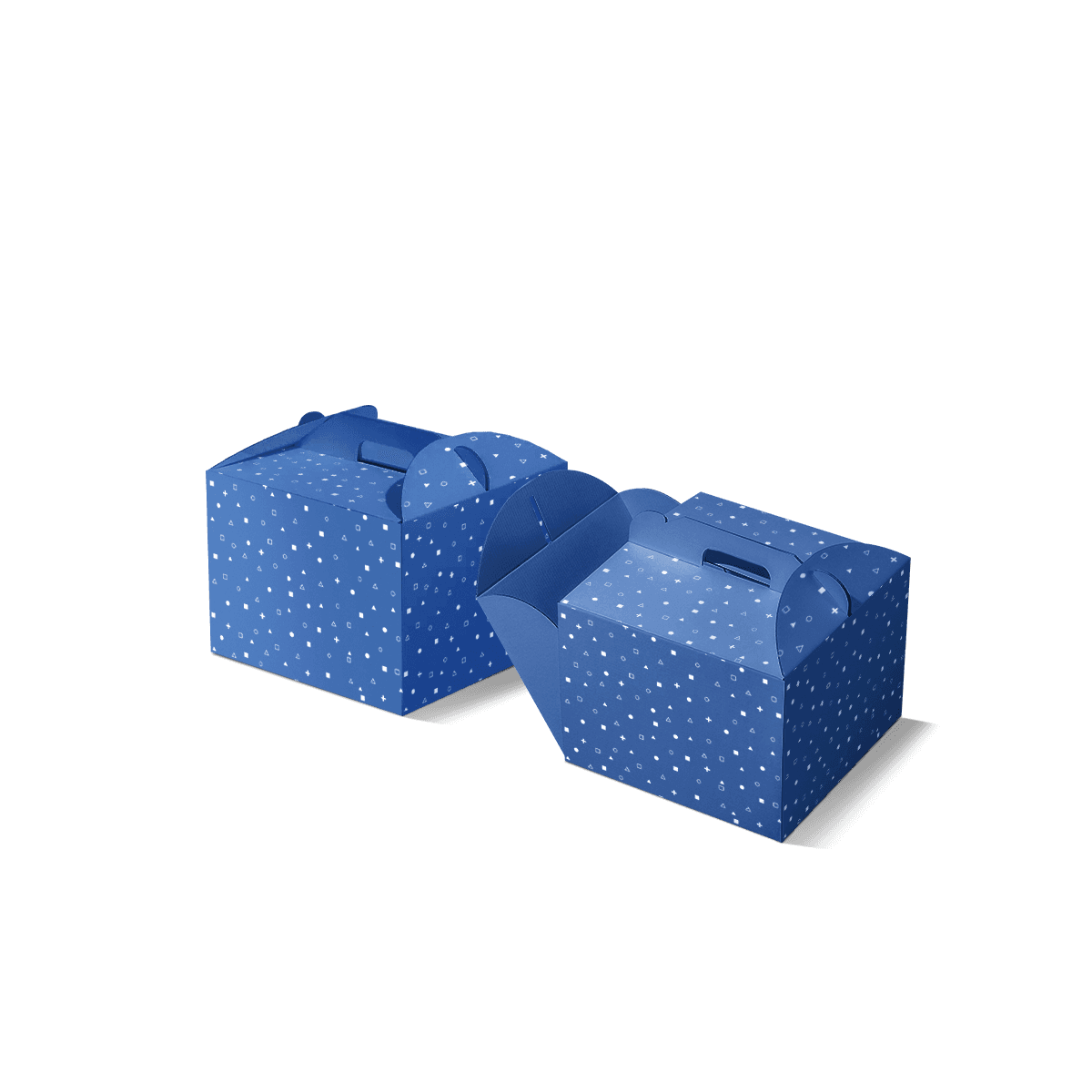
Gable Boxes
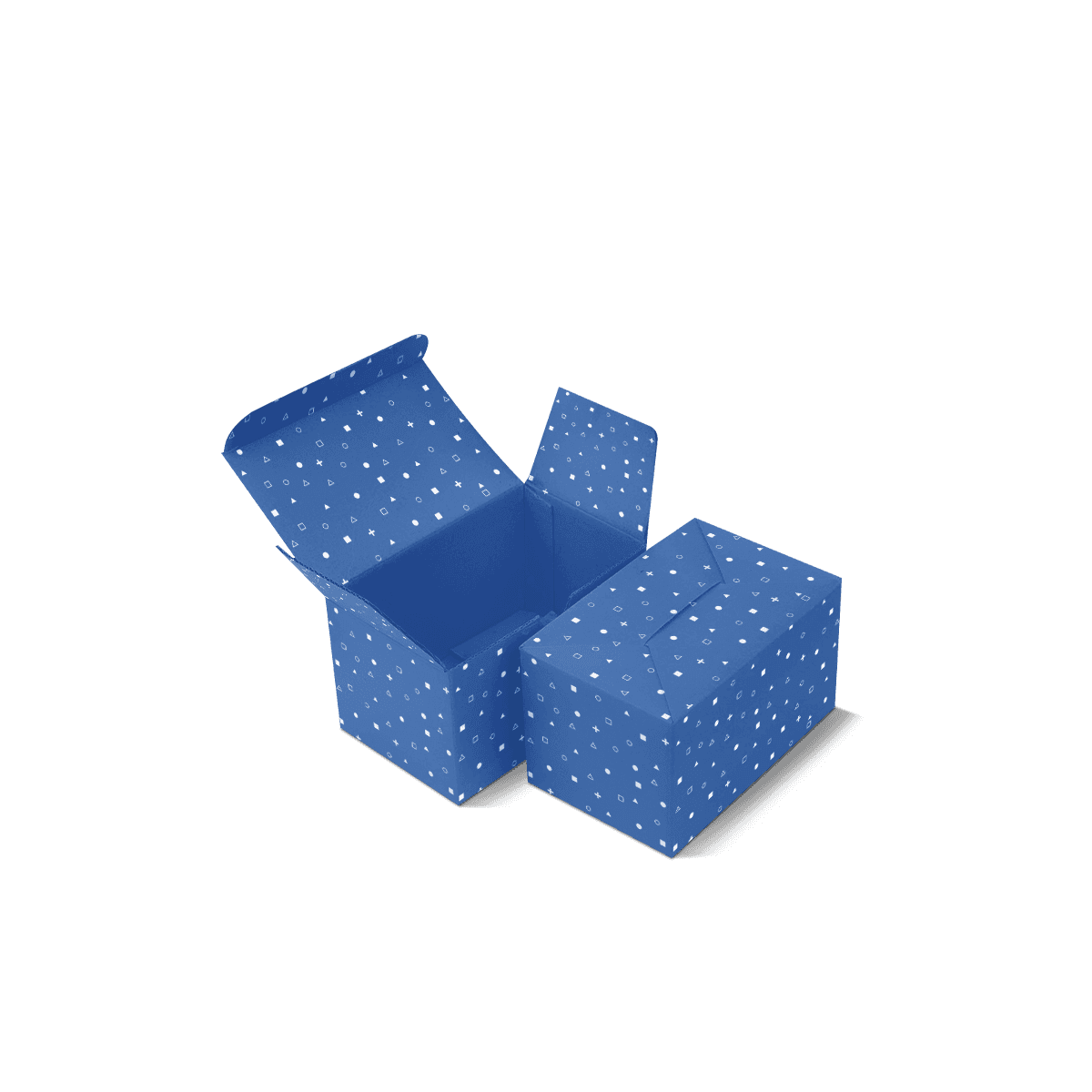
Tuck Top Auto Bottom Boxes
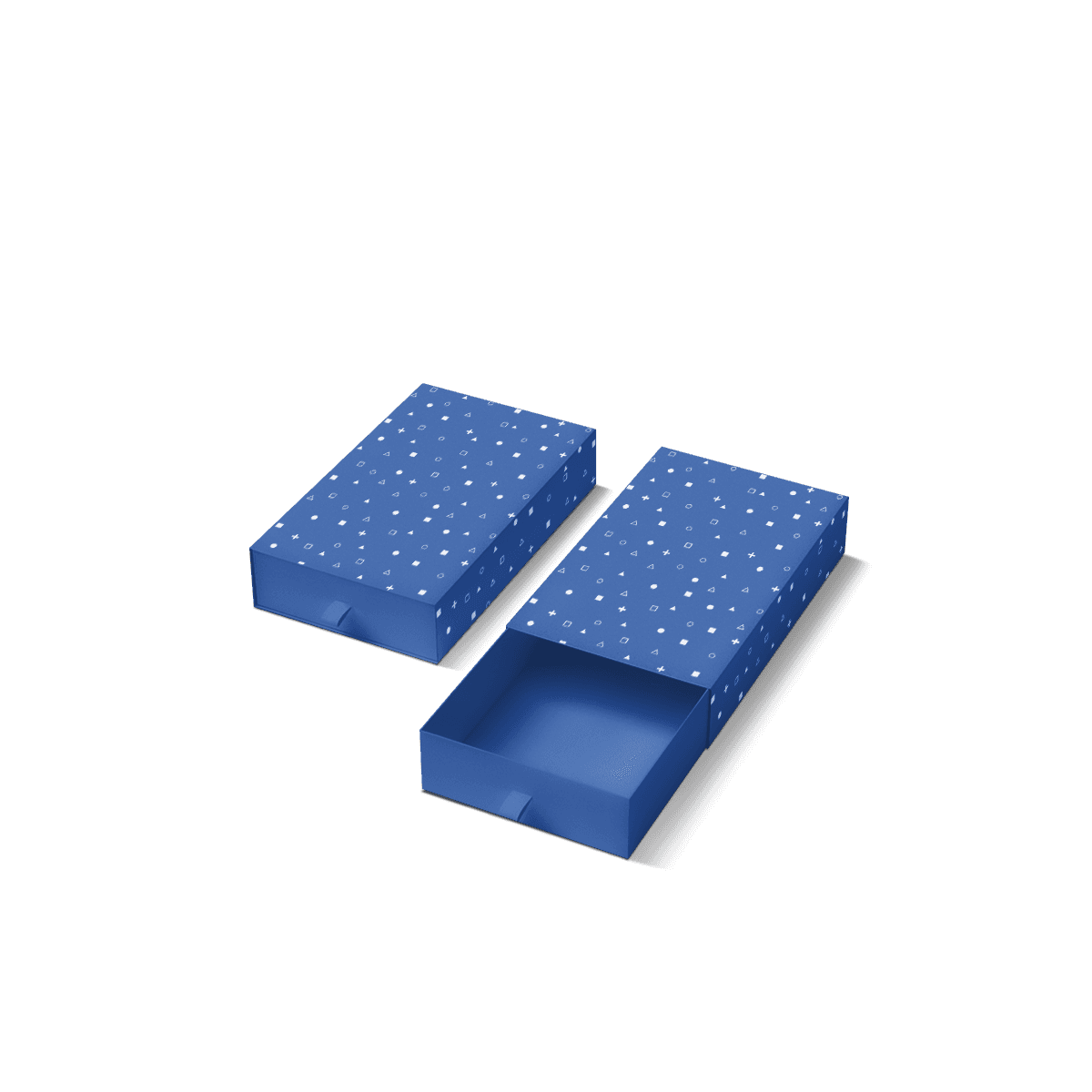
Drawer Boxes
Your product shouldn’t have to fit an off-the-shelf box.
Share the shape, size, material, finish, or insert you have in mind. We’ll turn the details into a tailored packaging recommendation and a clear quote.
Custom sizes · materials · finishes · inserts
Structure Starts With How the Product Goes In
A box shape is useful only when it changes packing, access, carrying, display or protection in a way the product actually needs. The first decision is therefore how the item will be inserted and removed, not which silhouette looks most unusual.
If you know you need a made-to-measure box but have not decided whether it should be a folding carton, mailer, rigid box or transit case, custom boxes is the starting point when the box type is still open. Once a folding structure, closure or shape becomes the decision, compare the exact construction that changes packing or presentation.
The structures here include tuck ends, lock-bottom cartons, gable boxes, pillow boxes, window boxes, drawers and other die-cut forms. Each should solve a different handling or presentation problem.
Start With the Filling Method
A Straight Tuck End Box suits products that load cleanly into a conventional carton and need aligned front and back panels.
Reverse tuck arrangements change the direction of the top and bottom closures. Lock-bottom formats change the packing sequence again because the base has to carry more load or assemble more quickly.
Before choosing a structure, decide whether products are packed by hand, packed repeatedly at a bench, inserted from one end, dropped into an open top or placed into a tray. Filling method can eliminate several styles before print or finish is discussed.
Use the Base to Match Weight and Packing Speed
Choose Auto Bottom Boxes when a pre-glued base that opens into position can reduce assembly time for repeat packing.
Snap-lock and other interlocking bases can add strength without the same pre-glued setup, but they require more folding steps. For very light products, a simple tuck construction may be sufficient.
The base should be chosen around product weight, carton footprint and how often the packer will build the box. Extra complexity is justified only when it improves speed, support or closure reliability.
Shape Should Solve Handling or Display
A Gable Box earns its shape when the integrated handle improves carrying or handoff. A Pillow Box suits smaller, lighter items that benefit from a curved presentation rather than square stacking.
Use Window Boxes when product visibility changes the retail decision. Use Drawer Boxes when a sliding reveal is part of the product experience.
A distinctive form should make the product easier to present or use. If the shape adds awkward storage, weak stacking or slow assembly without solving a real problem, it is decoration disguised as structure.
Use Hexagon Boxes when the six-sided form supports presentation or product geometry; the extra panels add artwork and fold complexity compared with a rectangular carton.
Panel Geometry Sets the Artwork Rules
Every fold changes where artwork can sit. Tuck flaps, glue areas, curved scores, windows, handles and locking tabs all remove or distort usable print space.
The box dieline generator is useful when dimensions and a supported box structure are known and the next task is mapping cut and crease geometry.
For artwork preparation, packaging dielines and box artwork setup covers cut lines, fold lines, bleed and safe placement in more depth.
Do not approve artwork on a flat rectangle and then force it onto a complex die-cut shape. Lock the structure first, then build the artwork around the final panels.
Board Choice Follows the Fold
Folding structures need board that can crease cleanly, hold the required form and survive the intended handling. A board that is too light may bow or open. A board that is unnecessarily heavy can make tight curves and small tuck details harder to form.
The best stock depends on box size, product weight, window area, base design and finish. Kraft, white and coated paperboard can all work in the right structure, but the fold behaviour matters as much as the surface appearance.
If the product needs corrugated transit duty or a permanent rigid setup, move into the shipping, mailer or rigid routes rather than stretching a lightweight folding structure beyond its job.
Assembly Time Belongs in the Specification
Flat storage is a major advantage of folding cartons, but different styles convert that storage advantage into different packing labour. A simple tuck carton takes a different sequence from an auto-bottom, gable or multi-part drawer.
For repeat production, build and fill several samples at normal working speed. Watch for tabs that catch, bases that do not square, windows that snag the product and flaps that require two hands when the packer needs one.
The structure should be judged by the full packing motion, not just how it looks when finished.
Use Fewer Structures When the SKU Mix Allows It
A brand with many SKUs does not always need a unique carton construction for every product. If dimensions and weight are close, one structural system with controlled size variations can simplify artwork, training and repeat ordering.
Do not force very different products into one box purely for standardisation. A structure that fits five SKUs poorly creates more filler, inconsistent presentation and more packing exceptions.
The aim is the smallest sensible set of structures that keeps fit, assembly and shelf use clear.
Route by the Decision the Structure Changes
Use tuck-end cartons when straightforward loading and clean panel space lead. Use auto-bottom when packing speed and base support lead. Use gable when carrying leads. Use pillow when a light compact product benefits from a curved form. Use window when visibility leads. Use drawer when the opening motion leads.
Free dieline support and free 3D mockups are available to check geometry and appearance before production. MOQ starts from 100, with UK production, free delivery and a 4–6 working-day turnaround.
Once the structural reason is clear, move into the exact box style. The narrower structure should own the detailed specification.
Questions About This Packaging
Start Your Bespoke Packaging Quote
Share your product details, dimensions, quantity and artwork needs. We’ll help choose the right packaging style and send a clear quote.