Custom Mailer Boxes
Choose mailer boxes by closure, packed depth, corrugated strength and packing workflow so ecommerce and subscription orders ship securely without turning the box into a generic outer carton.

Mailer Boxes options

Kraft Mailer Boxes

Roll End Tuck Front Mailer Boxes

Roll End Tuck Top Mailer Boxes

Book Mailers
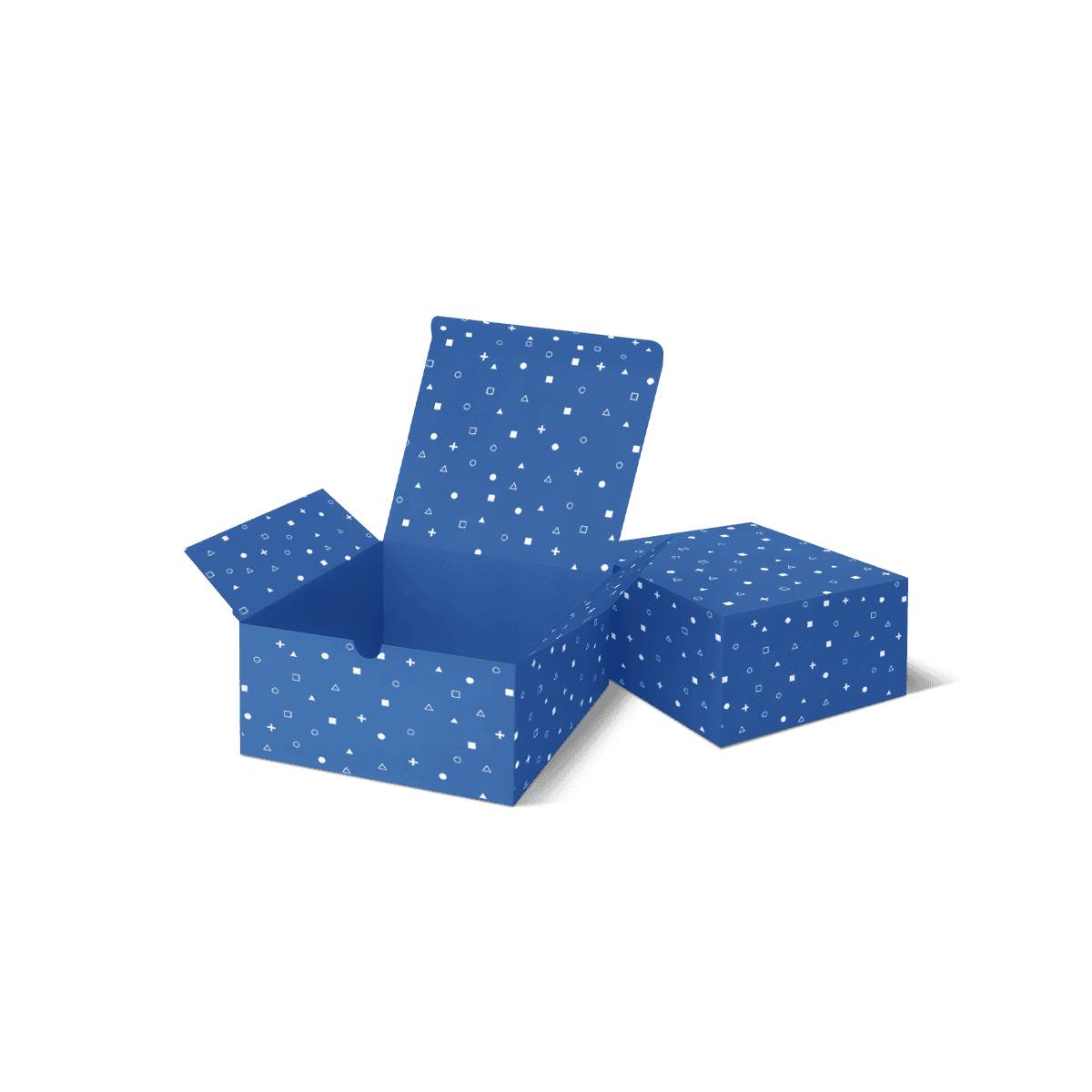
Tuck Top Mailer Boxes

Recyclable Mailer Boxes

One Piece Folder Boxes
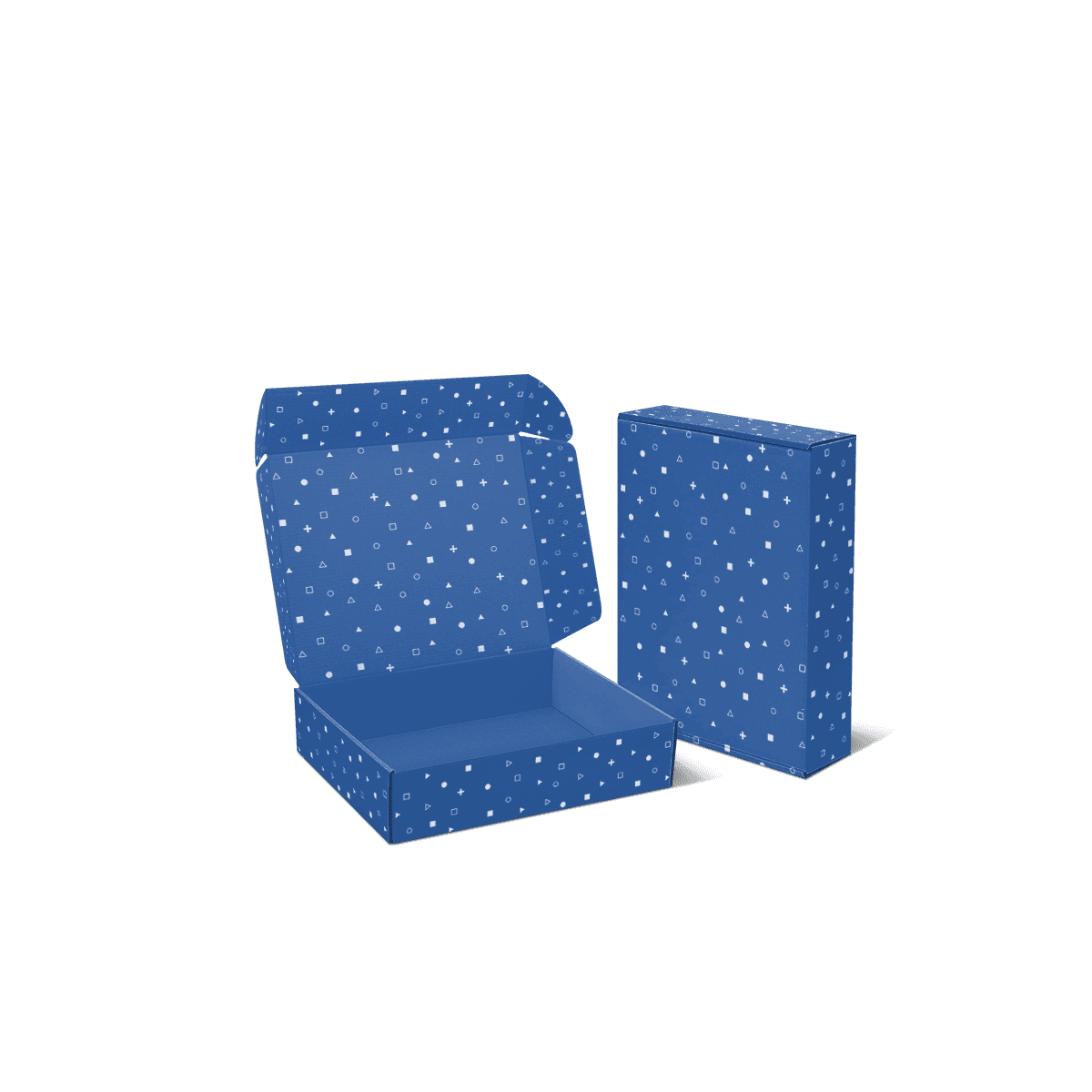
Corrugated Mailer Boxes

Letterbox Boxes

Mailer Boxes with Wings
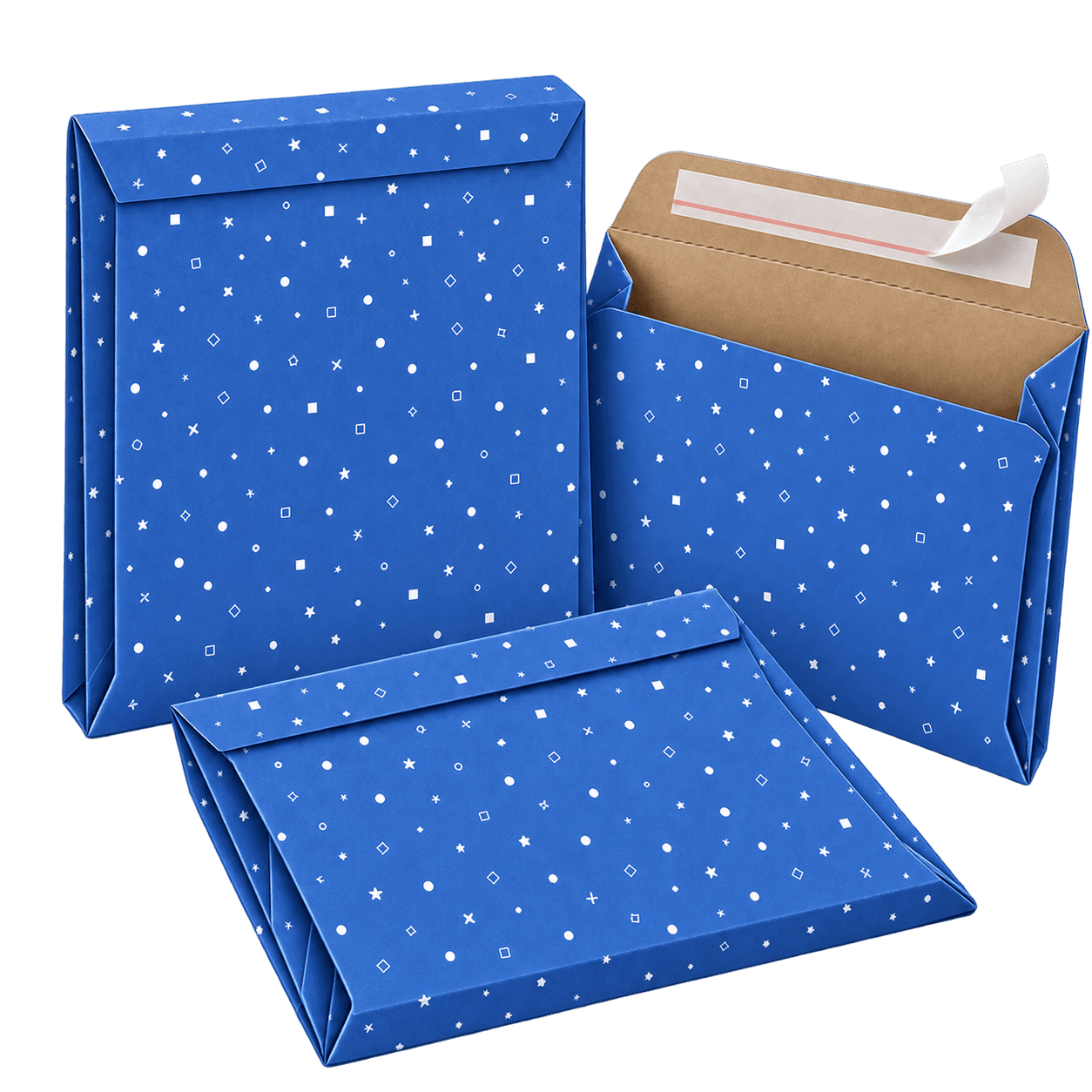
Printed Envelopes

Postal Boxes

Royal Mail Large Letter Boxes
Your product shouldn’t have to fit an off-the-shelf box.
Share the shape, size, material, finish, or insert you have in mind. We’ll turn the details into a tailored packaging recommendation and a clear quote.
Custom sizes · materials · finishes · inserts
The Mailer Has to Work at the Packing Bench
A mailer box has to do three jobs at once: close quickly, survive normal parcel handling and open cleanly when the order reaches the customer. That combination is what makes a mailer different from a general folding carton or a larger transit case.
For direct-to-consumer orders, the surrounding workflow matters as much as the board. Product mix, packing speed, parcel dimensions and the way the order is presented all change the best structure. Brands running recurring dispatch programmes can coordinate the box with e-commerce and subscription packaging so the outer pack, insert and monthly or seasonal pack-out are specified together.
Use this overview to choose the mailer route. Once the dominant constraint is clear, move to the exact structure rather than forcing every mailer problem into one generic box.
Choose the Closure Before the Artwork
The closure determines how the mailer folds, how quickly it packs and how much of the front edge is protected. Artwork comes after that decision because lid folds, tuck panels and locking tabs create real print boundaries.
A roll end tuck front mailer box suits many branded ecommerce orders because the side walls roll into shape and the front flap locks the lid without creating a separate lid-and-base piece.
Where postal handling is the main constraint, postal boxes are the better route. They should be specified around parcel mechanics, closure security and the packed dimensions rather than treated as another name for every mailer.
For lighter products, the closure can often stay simple. For deeper or heavier packs, the front lock, side wall build and any sealing method need to be checked against the loaded box, not the empty sample.
Size the Box Around the Packed Order
Mailer dimensions should be based on the complete packed order: product, tissue, inner cartons, inserts, cards, accessories and any protective wrap. Measuring only the main product often creates a box that becomes too tight once the real pack-out is added.
Too much spare room causes a different problem. Products can move, corners can strike the walls and the packer may compensate with unnecessary filler. Close sizing also makes it easier to standardise packing movements because the item lands in the same position each time.
If the parcel must meet a specific postal service format, route that decision into Royal Mail Large Letter Boxes rather than letting a broad mailer specification absorb service-specific dimensional rules.
Corrugated Strength Should Match the Parcel
Corrugated mailers gain strength from the liner-and-flute construction, but flute name alone is not a complete specification. Box footprint, depth, loaded weight, wall span and how the parcel will be stacked all affect the duty required.
For orders where corrugated construction is the main decision, corrugated mailer boxes should own the detailed flute, board and transit discussion.
If the pack is becoming a heavier outer transit carton rather than an opening-led ecommerce mailer, move to custom shipping boxes. That route is built around stacking, compression and carrier handling rather than the mailer opening experience.
Packing Speed Changes the Best Mailer
A structure that looks good on screen can still be wrong for a busy packing bench. The number of folds, the way side walls lock and whether sealing needs extra tape all affect seconds per order and consistency between packers.
For recurring SKUs, test the flat blank at the packing station. Check whether the box opens into shape without fighting the creases, whether the product can be loaded without catching an insert and whether the closure stays secure after repeated handling.
A slightly simpler closure can be the better commercial decision when hundreds or thousands of identical orders are packed. The structure should reduce handling steps, not add theatre that slows fulfilment.
Artwork Has to Respect the Fold Geometry
Mailer artwork is split across lid, front, base and side panels. Logos, fine text and patterns should be kept away from crease stress, locking tabs and areas that disappear when the lid closes.
Free dieline support and free 3D mockups help check panel placement before production. For a deeper technical check of material, print and finish options, the packaging capabilities route is useful when colour control, inside print or surface treatment becomes the main production question.
Premium offset printing is available when the artwork and run specification suit it. CMYK works for full-colour graphics, while Pantone can be used where a controlled brand colour is more important than photographic range.
Validate the Fold, Fit and Opening Sequence
Digital artwork approval confirms placement, but a physical fold can reveal problems that a flat proof cannot. The important checks are closure pressure, corner formation, product clearance, insert fit and whether the customer can open the box without damaging the presentation.
Free sample examples of previous work are available. A fully custom physical sample can be arranged as a paid sample when the exact size, structure or finish needs to be checked before the production run.
When timing is the operational constraint, the steps behind getting custom mailer boxes on a fast turnaround help separate artwork delays from production timing. Custom Packly's current UK turnaround is 4–6 working days.
Plan Repeat Mailers Around Dispatch Volume
MOQ starts from 100, which works for first runs and narrower SKUs. As volume grows, the more important question is whether one approved structure can cover several products without creating poor fit or whether separate sizes will make packing and postage more efficient.
For repeat production, keep the approved dimensions, board direction, print reference, closure specification and insert layout controlled. That makes reordering a production task rather than a redesign.
Warehousing and scheduled deliveries are available when a larger production run makes sense but storing every flat carton on site does not. Free delivery also reduces the need to treat freight as a separate line in the supply plan.
Route to the Mailer That Owns the Constraint
Choose Kraft Mailer Boxes when the kraft surface and straightforward branded presentation are central to the decision. Choose corrugated mailers when board duty leads. Choose postal boxes when parcel handling leads. Choose Royal Mail Large Letter Boxes only when the service-format constraint is the reason for the structure.
When comparing suppliers, send the same dimensions, quantity, board direction, print coverage, finish and insert requirement to each one. That makes custom mailer box quote comparisons materially more useful than comparing headline prices built on different specifications.
The comparison should narrow the choice. Once the constraint is known, the specific structure should carry the detailed technical decision.
Use Mailer Boxes with Wings when side restraint and a controlled reveal are useful around presentation-sensitive orders. Printed Envelopes suit flat or lightweight items where a full corrugated mailer would add unnecessary depth.
Questions About This Packaging
Start Your Bespoke Packaging Quote
Share your product details, dimensions, quantity and artwork needs. We’ll help choose the right packaging style and send a clear quote.