Custom Display Boxes
Plan display packaging around where the product sits, how many units face the shopper and how staff replenish it, then choose the counter, shelf, peg, tray or dispenser structure that fits that job.

Display Boxes options
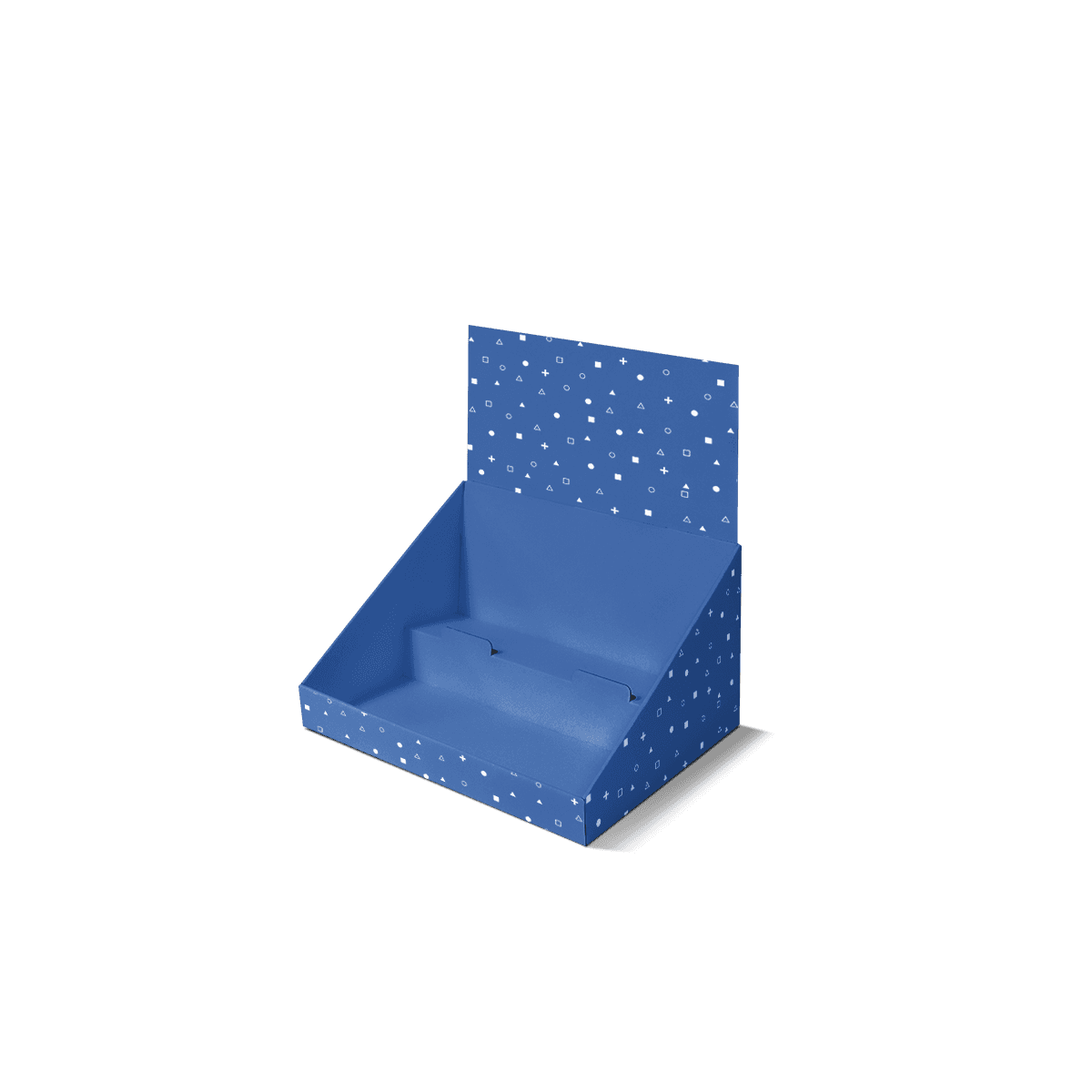
Countertop Display Boxes

Tray Display Boxes
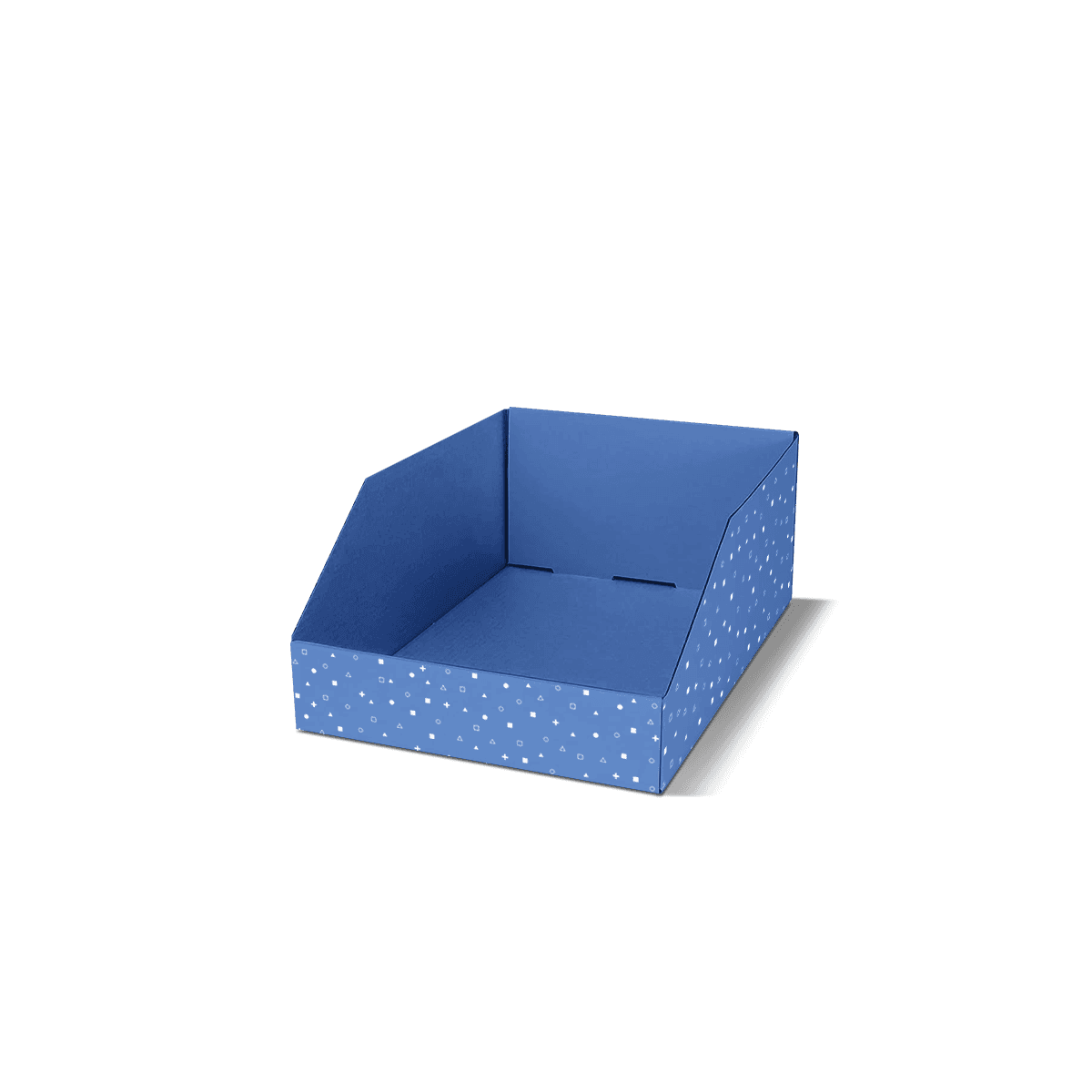
Shelf Ready Display Boxes
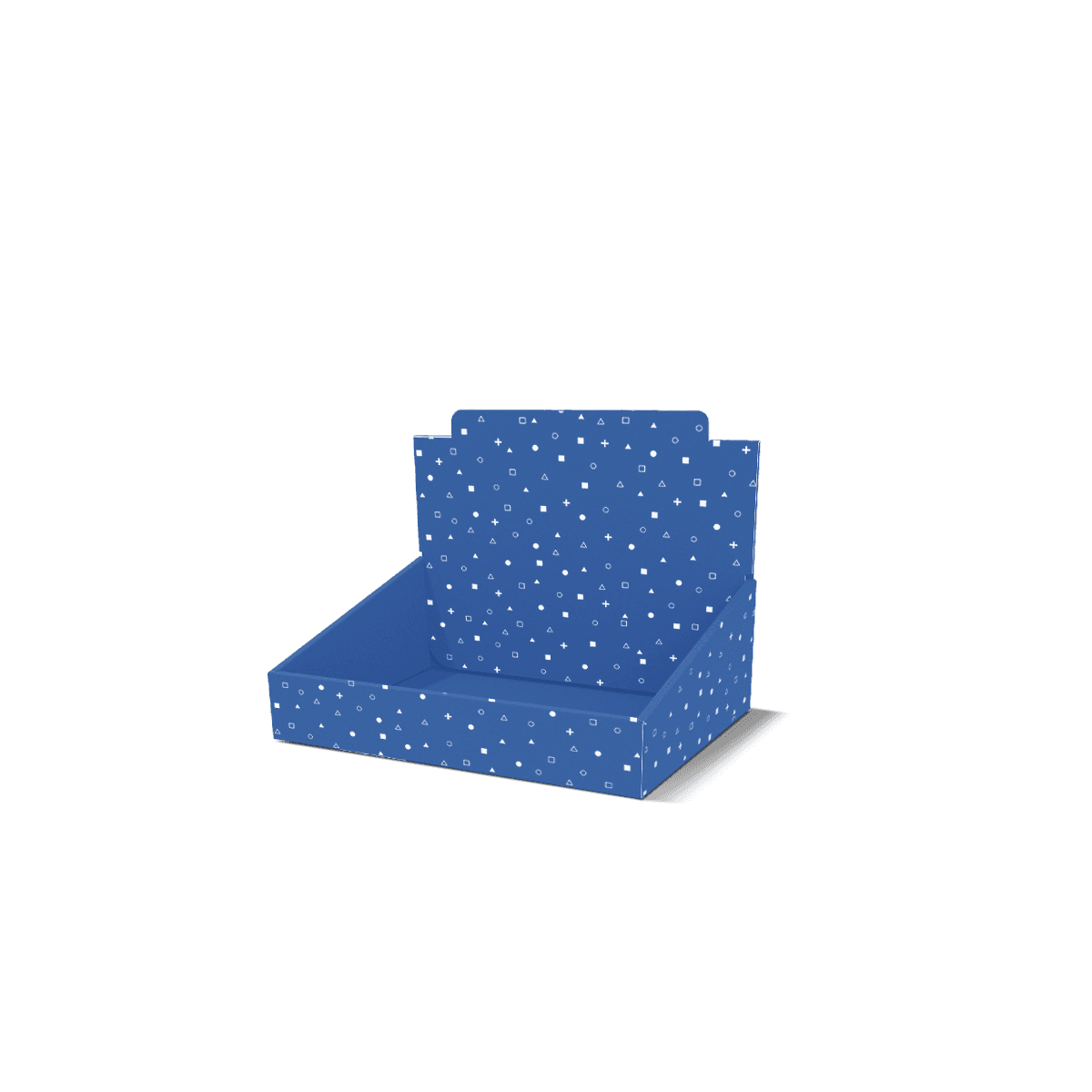
Retail Ready Display Boxes
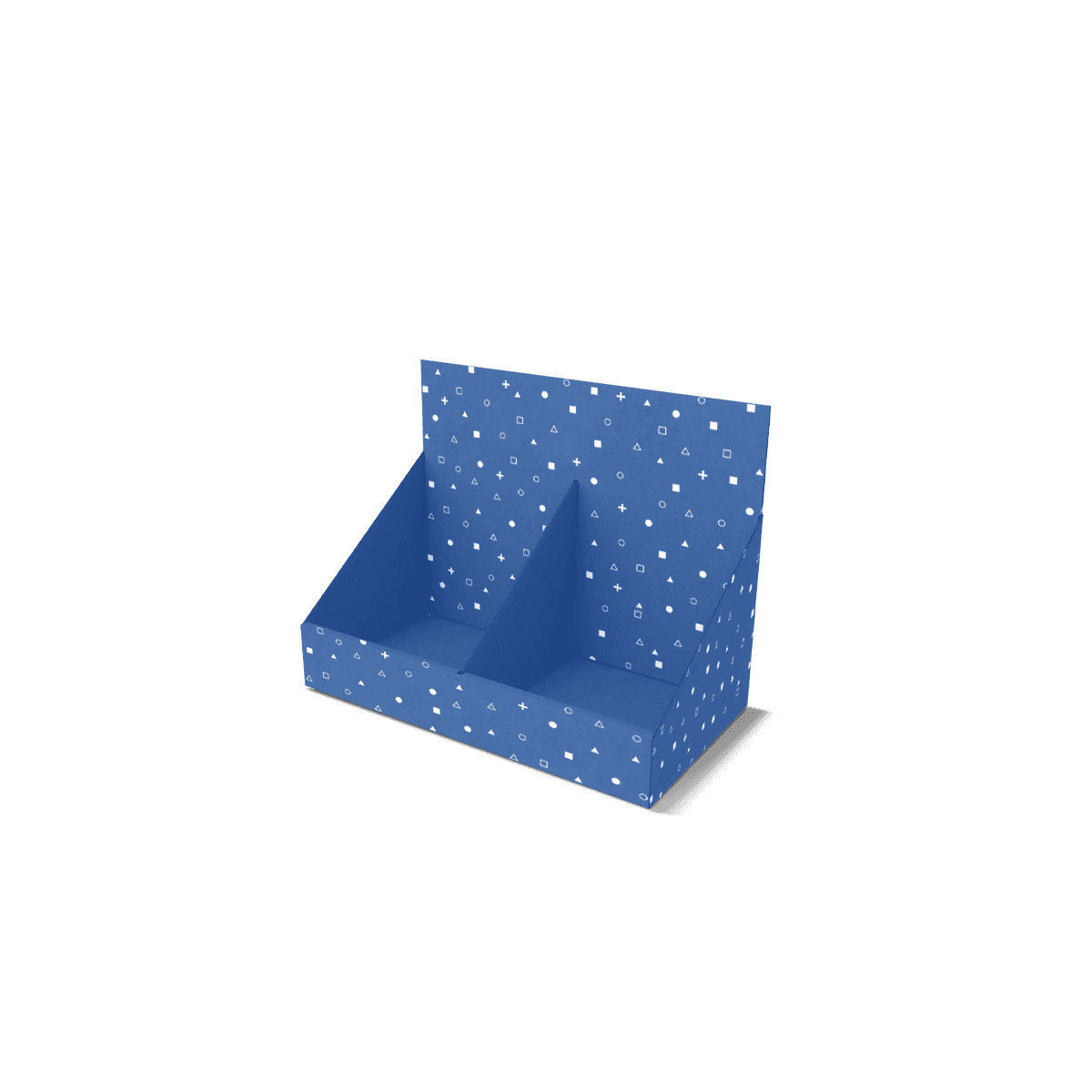
Cardboard Display Boxes

Dispenser Display Boxes

Peg Hook Display Boxes

Gravity Dispenser Boxes
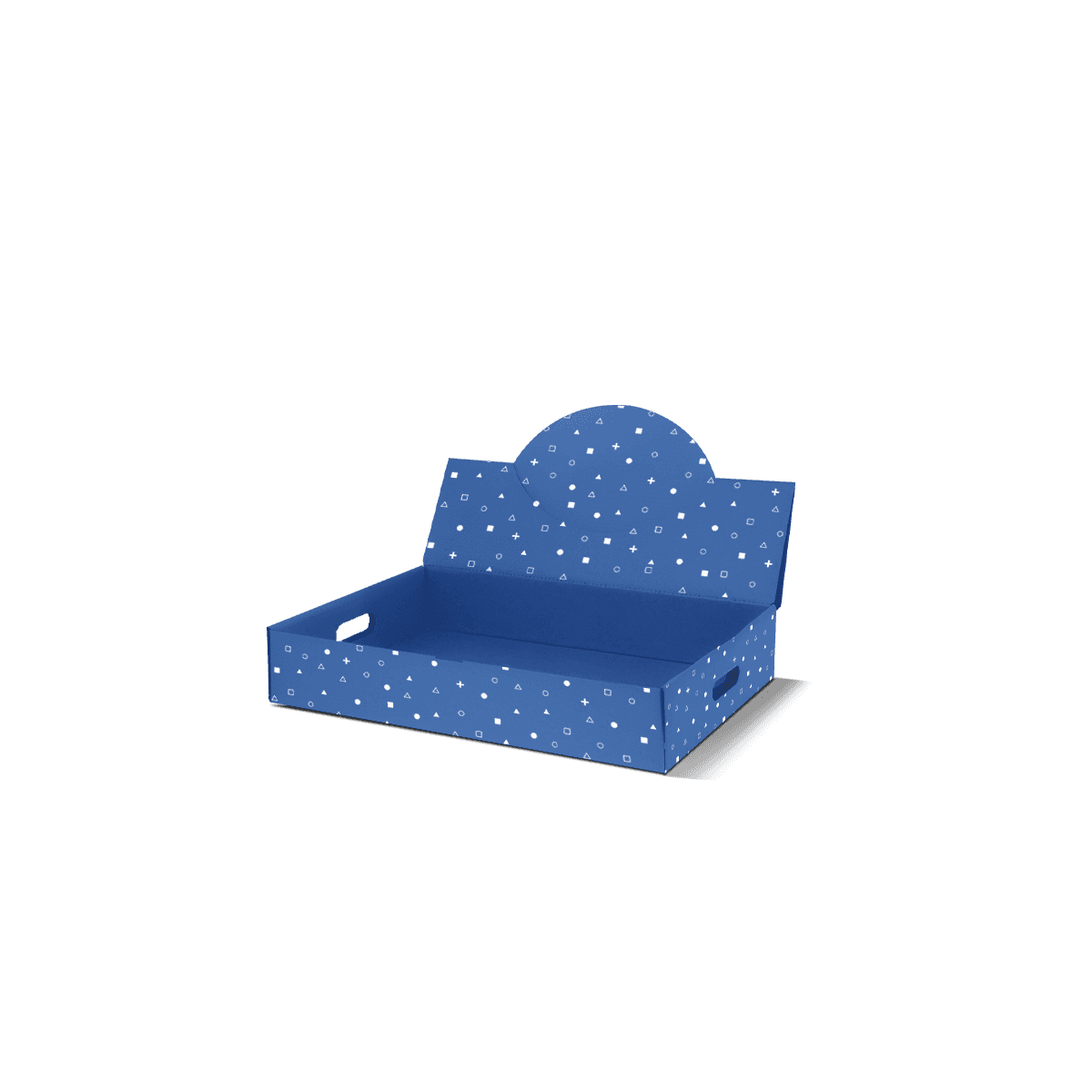
Counter Display Boxes
Your product shouldn’t have to fit an off-the-shelf box.
Share the shape, size, material, finish, or insert you have in mind. We’ll turn the details into a tailored packaging recommendation and a clear quote.
Custom sizes · materials · finishes · inserts
Start With the Retail Position, Not the Box Style
A display box has to keep working after it is opened. The useful starting point is therefore the retail position: counter, shelf, peg, promotional bay or another fixed footprint. That position determines viewing angle, product access, usable height and how often staff can replenish stock.
The same product can need a different display structure in different stores. A compact counter unit may need a strong header and shallow depth so it does not dominate the till. A shelf unit may need a low front lip so the product remains visible as stock falls. A hanging format has to work with the peg and the product pack rather than borrowing the geometry of a shelf tray.
Treat the display as a small working fixture, not simply a printed carton. Its job is to present, retain and release stock in a controlled way.
Route the Product Into the Right Display Format
Use the merchandising action to narrow the structure. Shelf ready display boxes suit products that should be exposed quickly on shelf and refilled with minimal disturbance. retail ready display boxes are the better route when the supply and handling format itself needs to convert into an organised retail presentation.
For vertical hanging, peg hook display boxes shift the decision to hanger position, pack weight and visibility below the hook. Open-front tray display boxes work when products should remain immediately accessible, while dispenser display boxes make more sense when stock should release one item at a time.
Counter display and countertop display formats remain close structural neighbours. Because those two specialist routes overlap in naming, establish the retail requirement first rather than assuming a naming difference creates a different engineering problem.
Choose Gravity Dispenser Boxes when small products need to advance downward as units are removed, because opening size, product friction and refill behaviour then become part of the display structure.
Design for the Full, Half-Empty and Refilled Display
A display that looks stable when completely full can behave differently after half the stock has gone. Product weight moves, rows lose lateral support and a high header can become more noticeable if the base is too light. Check the unit in at least three states: fully loaded, partly depleted and during refill.
Facing count matters because it controls both footprint and presentation. Two narrow facings may be easier to browse than one deep channel, while a deeper tray can hold more stock but make the rear units harder to reach. Dividers or lanes can keep variants separated, but they should not make replenishment slow.
This is also where SKU planning belongs. If several flavours, shades or sizes share one display, decide whether they need fixed lanes, interchangeable positions or separate display versions before the outside dimensions are locked.
Board Duty Follows the Loaded Display
Choose board for the loaded unit, not for the empty sample. Small light products may work in paperboard. Larger footprints, heavier items or displays that travel through distribution before reaching store can need corrugated construction or reinforcement in the base, back or side walls.
The useful comparison is between stiffness, edge behaviour and print surface rather than material names in isolation. The breakdown of paperboard, corrugated and rigid packaging helps separate those material families before a display specification is approved.
Perforated or tear-away areas need special attention. A transit panel can protect the display in movement, but the remaining edge must still look deliberate after removal. Perforations should not run through the structural area that keeps the tray square.
Put Artwork Where Shoppers Can Actually See It
Display artwork should follow the viewing angle. A tall header can carry the brand or campaign message, but the front lip still needs to work when the shopper is standing close to the shelf. Side panels matter when the unit is seen obliquely. Product information or barcodes should not be placed on tear-away sections that disappear in store.
If the project is driven by the full store presentation rather than one display structure, custom retail packaging is the better place to coordinate the wider shelf, peg and counter system.
A free 3D mockup can help check the relationship between header, product facings and visible side panels before production artwork is released. It does not replace a physical fit check where loaded stability or access is uncertain.
Validate the Merchandising Motion
Load the intended products, remove them in the order a shopper is likely to use and then refill the display. Look for bowing, leaning, blocked access, products falling below the front lip or dividers that catch during replenishment.
For a convert-to-display format, also test the opening sequence. Staff should be able to remove or fold away the transit section without damaging the printed selling face. A display that takes too many steps to open is more likely to be set up inconsistently across stores.
Free sample examples of previous work are available for reference. If the exact structure needs physical validation, a fully custom sample can be arranged as a paid sample.
Plan Launch Quantity Without Turning the Display Into a Generic Box Order
MOQ starts from 100, which can suit a limited retail test or a small campaign as well as repeat programmes. Quantity should still be planned around how many displays are required per location, how much stock each holds and whether different artwork versions are needed.
For a time-sensitive launch, the current turnaround is 4–6 working days with free delivery. Artwork, product count and display geometry should be settled early enough that speed does not replace the physical checks the unit needs.
For larger repeat programmes, keep an approved record of footprint, facing count, board construction, perforations, artwork version and packed quantity. That is more useful than relying on a previous display only by name.
Write a Merchandising Brief the Structure Can Follow
A useful display brief states the retail position, available footprint, product dimensions and weight, units per display, number of facings, how customers remove the product and how staff replenish it.
Add whether the unit travels already loaded, whether any transit panel must convert or tear away, which surfaces remain visible in store and whether several SKUs share the same footprint. Those facts are enough to route the project into the right specialist display structure without forcing every possible display format into one specification.
Once those operating conditions are clear, print and finishing can be specified around the surfaces that remain visible rather than decorating parts of the pack the shopper never sees.
Questions About Display Boxes
Start Your Bespoke Packaging Quote
Share your product details, dimensions, quantity and artwork needs. We’ll help choose the right packaging style and send a clear quote.