Skip to content
Details

Custom Peg Hook Display Boxes

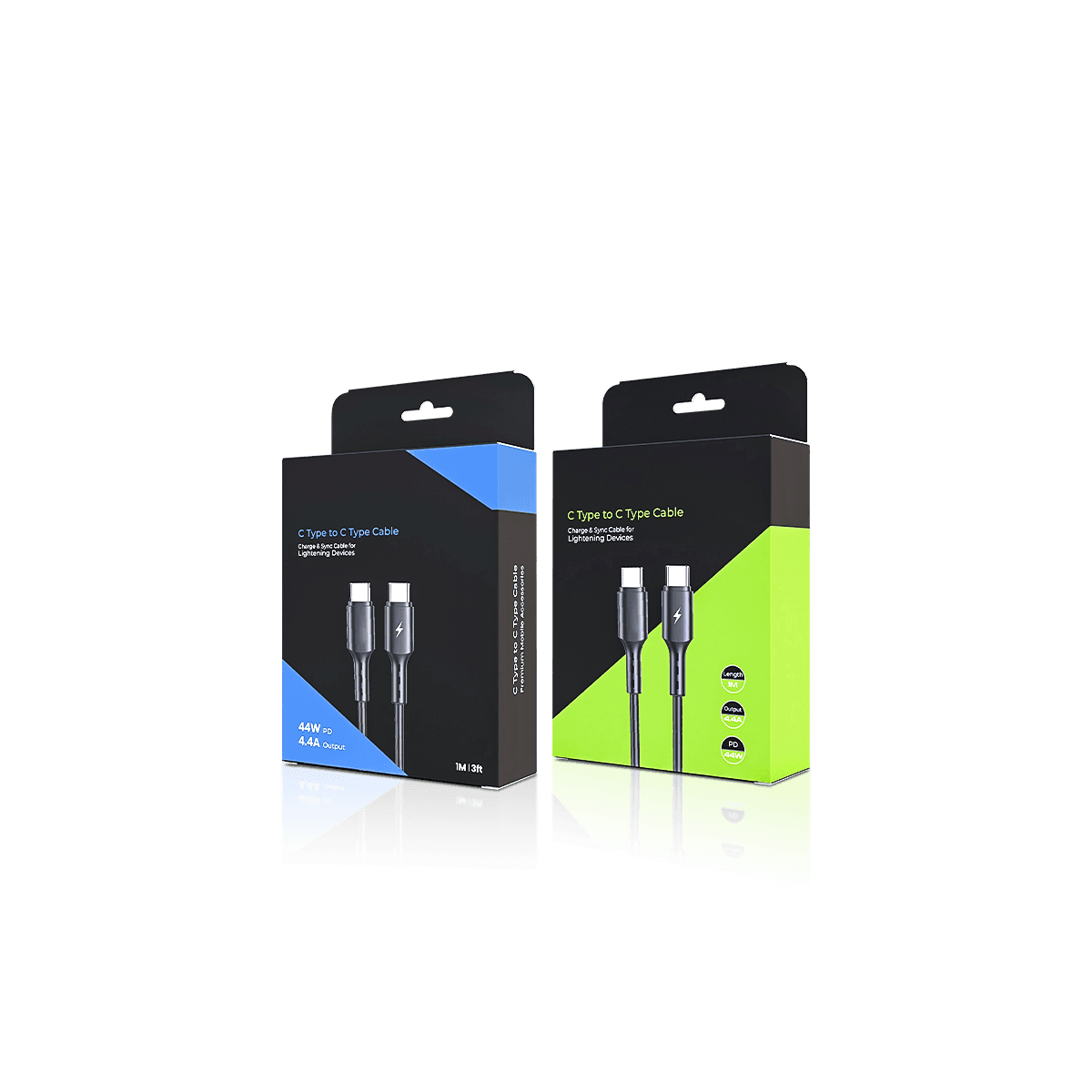
Peg hook display boxes present lightweight products vertically on retail pegs, helping brands save shelf space, keep packs visible and create orderly hanging displays for accessories, health items, cosmetics and small boxed goods.

Hanging Straight Is the First Test

The load on a peg-hung carton is concentrated around a small area at the top. If slot position, product balance or board margin is wrong, the pack can twist or tear even when the rest of the carton is structurally sound. Custom peg hook display boxes therefore need the fixture and loaded centre of gravity resolved before artwork.

That makes balance more important than simply adding a hole to the top of an existing carton. A shallow lightweight accessory behaves differently from a deeper pack containing a dense charger, grooming tool or hardware item. As depth increases, the product's centre of gravity can move farther in front of the hook and create more forward pull on the hanging area.

The retail fixture matters as well. Hook profile, rail arrangement, available vertical clearance and neighbouring packs all influence the carton dimensions and hanger position.

For brands developing several store-facing formats, custom retail packaging covers cartons, displays and other structures used around the same sales environment. Peg hook packaging becomes the specific route when each product needs to hang individually from a retail fixture rather than sit in a grouped display.
Hook Fit Comes Before Artwork

The hanger shape should match the fixture the retailer actually uses. Designing the carton first and deciding how it will hang afterwards can leave a pack that technically has a slot but does not sit correctly on the intended hook.

Euro Slots Need Fixture Confirmation

Euro slots are common across hanging retail packaging, but they should not be treated as a universal answer. Different retail systems can use different hook shapes, widths and display arrangements.

Confirm the fixture before the cutting layout is finalised. The useful information is not simply “peg hook display”. Ask what the pack will hang from and whether the retailer has dimensional or merchandising requirements.

A round hole, Euro slot or another hanging profile changes how load is distributed through the top panel. It can also change the amount of usable board left above and beside the opening.

Slot Position Changes Balance

The slot does not automatically belong at the visual centre of the front panel.

A symmetrical carton can contain a product whose weight sits lower, deeper or to one side. If the hanger is positioned only according to the graphic layout, the loaded pack may hang at an angle even though the empty carton appears perfectly balanced.

The hanging point should be considered with the product inside the finished box. That is especially important for accessories with cables, plugs, metal pieces or other components that create uneven weight distribution.

The Hanging Zone Carries the Load

A shelf carton spreads much of its weight through its base. A peg-hung carton concentrates the load around a comparatively small area near the top.

The material surrounding the slot therefore deserves more attention than simply specifying a heavier board across the whole box.

Board Margin Around the Opening

There needs to be enough material above and beside the slot to resist tearing and distortion. If the opening sits too close to a cut edge, crease or weak transition, repeated lifting can place stress into a narrow strip of board.

Moving the hanger slightly or changing the top-panel geometry can sometimes improve performance more effectively than making every panel thicker.

The fold pattern matters as well. A top extension that carries the hanging slot may behave differently from a slot cut directly into the main rear panel. Each should be tested in the assembled, loaded condition.

Reinforcement Where It Matters

Heavier or repeatedly handled products may need reinforcement around the hanging area. That can come from folded board geometry, additional layers or a more suitable material specification depending on the structure.

Reinforcement should remain local to the problem where possible. Overbuilding the entire carton can add material and bulk without improving the stress point that actually matters.

Free samples are particularly useful here because the top zone can be physically loaded, removed from the hook and rehung several times before the final specification is approved.

Repeated Removal Tests the Slot

A single hanging test is not enough. Retail packs are lifted, pushed backward, pulled forward and rehung during stocking and browsing.

Load the real product into the sample and hang it from the intended fixture. Check whether the front remains vertical and whether the top panel bends under static load. Then remove and replace the carton repeatedly, paying attention to whitening, tearing, elongation or distortion around the slot.

If several units will sit on the same peg, load the expected quantity together. The front carton should remain easy to remove without dragging the units behind it off the fixture.

Swing the front pack gently from side to side as normal browsing might. Excessive lateral movement can indicate too much fixture clearance or poor balance even when the slot itself remains intact.

Custom Packly's MOQ starts from 100 boxes, allowing new hanging formats and retail launches to begin at a controlled quantity once the physical structure is approved. For approved production tied to store dates, guaranteed 4–6 working day production and delivery provides a defined turnaround.

Pack Depth Changes Hanging Balance

A deeper carton moves more of its mass away from the pegboard or fixture. That can create forward lean even when the hanging slot itself is strong.

The relationship between width, depth and product weight should therefore be considered together.

A thin accessory carton may sit almost flat against the fixture. A deeper box containing a plug, small device or dense pet accessory can pull its lower edge forward. If several packs are stored on one hook, that angle can also affect how neatly they sit behind one another.

The Loaded Centre Matters More Than Symmetry

Consider a mobile accessory packed in a carton around 90 × 60 × 28 mm. The artwork places the Euro slot exactly on the centreline, but the product inside sits toward the front and slightly to one side because of its internal shape.

Once loaded onto a peg, the carton twists enough that the front graphics no longer face straight down the aisle. Adding thicker board across the whole box does not correct the cause.

Repositioning the hanging point around the loaded balance, controlling the product inside the carton and strengthening the hanger zone can bring the front panel back into alignment.

For chargers, cables, cases and similar retail products, mobile accessory boxes also need clear product fit and compatibility information, which should be resolved before the hanging feature is added.

Peg Spacing Controls Retail Density

Hanging packaging uses vertical space efficiently, but the number of packs that fit across a fixture depends on carton width as well as the hooks themselves.

A pack can be narrower than a shelf carton yet still waste display space if side flaps, bulky depth or oversized shapes force retailers to leave large gaps between neighbouring pegs.

Adjacent Packs Should Not Mask Each Other

Allow enough lateral space for customers to browse one pack without repeatedly knocking neighbouring products out of position. At the same time, unnecessary width reduces the number of SKUs that can sit across the bay.

This becomes particularly important where a range uses several colours, sizes or variants. The front faces should remain separately recognisable rather than forming a crowded block of overlapping cartons.

Depth Changes the Number per Hook

Hook length can also limit stock count. A deeper carton occupies more of the available hook than a shallow hanging pack, so increasing box depth can reduce how many units sit behind the front product.

That trade-off should be considered before creating excess internal space. A close product fit can improve hanging balance and make better use of the fixture at the same time.

Pet collars, grooming tools and small accessories often vary substantially in depth and shape. Pet Accessory Boxes can be specified around whether the product needs to hang, stand or sit in an insert rather than forcing one carton proportion across the entire range.

Front Artwork Must Stay Face-On

Peg hook packaging usually gives the shopper one dominant viewing surface: the front panel. Product identification and variant recognition therefore need to remain clear even when several packs hang close together.

Branding, product name, compatibility or variant information should be arranged around what shoppers can read from the aisle. Side panels may still carry useful information, but they should not hold details required to distinguish products quickly when neighbouring packs restrict the viewing angle.

Premium offset printing can support detailed graphics and consistent colour across repeated retail runs. CMYK suits full-colour artwork, while confirmed Pantone references can help control important brand colours.

The hanger opening also affects artwork placement. Logos and small text should not sit so close to the slot that die cutting or repeated hook contact makes the area look crowded.

Free 3D mockups help review the relationship between the slot, front artwork and carton proportions before production. The approved artwork should then follow the correct cutting layout. Packaging dielines explained covers cut lines, creases, bleed and safe areas that need to be respected around structural openings.

Material Follows Hanging Stress

Paperboard works well for many compact hanging cartons because it gives a clean print surface, folds efficiently and keeps the overall pack relatively light.

The appropriate board weight still depends on product mass, depth, top-panel shape and the amount of material surrounding the hanger opening. A small but dense accessory can place more stress on the top than a physically larger lightweight item.

Fine-flute corrugated material may suit bulkier hanging packs where greater rigidity is required, but thickness can also affect how closely products sit on the peg fixture. Material selection should therefore consider merchandising density as well as strength.

The goal is not simply to create the strongest possible carton. The pack needs enough rigidity and tear resistance for its real retail load while remaining proportionate to the product and fixture.

Hanging Is Not Always the Better Format

Peg hook display boxes work best when individual units benefit from vertical visibility and the product is practical to support from the top of the carton.

A product that is too heavy, deep or poorly balanced may perform better on a horizontal surface. Counter Display Boxes suit smaller grouped products near tills and service areas, while Tray Display Boxes provide low open access when products should remain fully visible from above.

A hanging carton also solves a different job from blister-card presentation. The product remains enclosed inside a printed paperboard box rather than relying on an exposed formed cavity attached to a backing card.

The Display Boxes selection helps narrow the structure according to where the product sits, how customers take it and how much stock needs to be held together.

The decision should follow the retailer's fixture and the physical product, not simply a preference for vertical presentation.

The Retail Fixture Belongs in the Specification

The approved specification should record the hook or slot type, loaded balance, packs per peg and any width or depth restrictions alongside the carton dieline. That keeps repeat production tied to the real retail fixture rather than to a generic hang hole.

If the fixture match is still open, attach a photograph, drawing or retailer requirement to the custom packaging quote. Custom Packly can develop the slot position and reinforcement around the actual hanging setup.

FAQs

Lightweight or moderately weighted products with a compact footprint usually perform best in this construction. Tech accessories, lip balms, sachet cartons, travel items and small pet products are all common examples. If the item is heavy, deep or awkwardly balanced, the hanging area may need reinforcement or another display style may give a more reliable retail result.

They stay secure when the slot design, board grade and product weight are planned together. The top section should not simply carry a cut hole. It needs enough material strength around the slot and enough rigidity through the whole pack to stop leaning or tearing. Confirm the hook type and maximum pack weight before finalising the structure.

Confirm the product weight, hook style, pack depth and how many units will hang beside one another. You should also check whether the product needs a euro slot, round hole or custom hanging shape. The top margin above the product and the amount of reinforced board around the slot are both important for reliable retail performance.

Peg hook display boxes are usually the better route when the product needs vertical presentation and the retail environment has limited shelf or counter space. Counter Display Boxes make more sense when the product should sit open and ready for quick grab-and-go access. Hanging cartons suit single-unit front visibility rather than grouped countertop holding.

Yes, they can be produced in recyclable paperboard or corrugated board, and they can still carry strong print treatment. Matte, gloss and selected embellishments can all work when the finish does not weaken the hanging area. If the pack will carry more weight, confirm that the chosen coating and board combination will not reduce top-section strength.

Process

How it works

Your Packaging Journey, From Idea to Production and Delivery

01

Tell Us Your Specs

Custom packaging boxes

Tell Us Your Specs

Provide size, quantity, printing, and finishes.

02

Get a Fast Quote

Custom packaging boxes

Get a Fast Quote

Instant transparent pricing, no hidden fees.

03

Design and Approval

Custom packaging boxes

Design and Approval

Artwork checks, revisions, and final sign-off.

04

Produce

Custom packaging boxes

Produce

Expert manufacturing to meet deadlines.

05

Ship to Your Door

Custom packaging boxes

Ship to Your Door

Hassle-free, flexible delivery options.

Get Your Quote for Custom Peg Hook Display Boxes

Share your product details, dimensions, quantity and artwork needs. We’ll help choose the right packaging style and send a clear quote.