Skip to content
Details

Custom Gravity Dispenser Boxes

Gravity dispenser boxes use angled internal design to feed products forward automatically, making them useful for fast-pick retail lines that need steady front access, cleaner stock control and a more self-maintaining display on shelf or counter.

Gravity Only Works When the Product Can Slide

Forward movement is the entire reason to choose gravity feed. Once the front item is removed, the next one needs to reach the pick point without shaking the display, and that depends on the relationship between slope, product weight, friction and lane clearance.

Custom gravity dispenser boxes therefore need to be developed around the real filled product rather than a nominal length, width and height.

The important word is controlled. A steep internal path can make products rush into the front stop, while a shallow one may leave them stranded halfway down the channel. Too much side clearance lets products twist. Too little creates drag. A smooth carton may travel reliably while a flexible pouch with heat-sealed edges catches on the same surface.

That is why a gravity-fed display should be developed around the actual filled product rather than a nominal length, width and height. The packaging surface, centre of mass, stiffness and orientation all affect movement.

For retail brands comparing display formats, custom retail packaging covers the store environment around the product. Gravity dispensers become the more specific option when the next unit genuinely needs to advance towards the pick point after the product in front is removed.
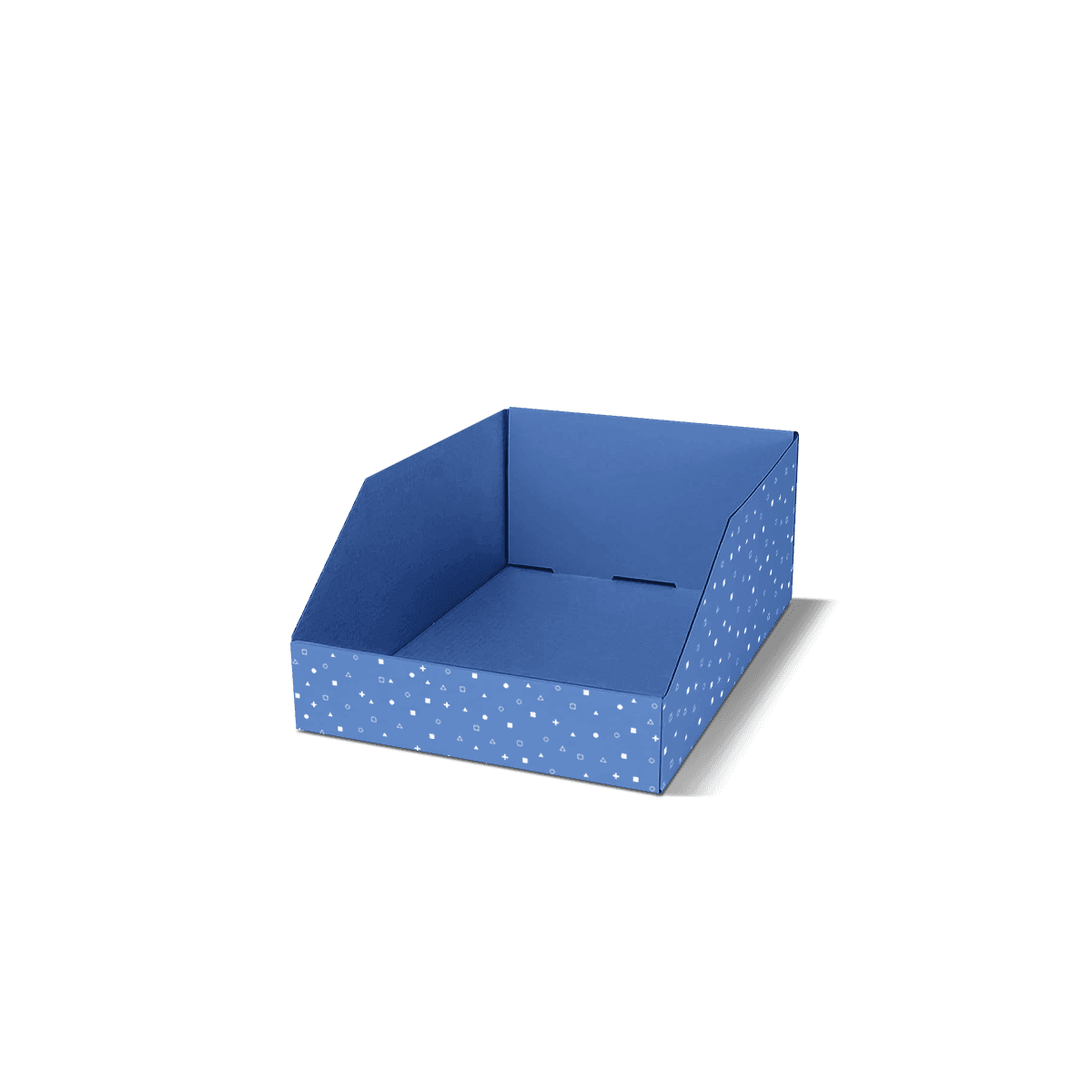
Slope Creates the Feed

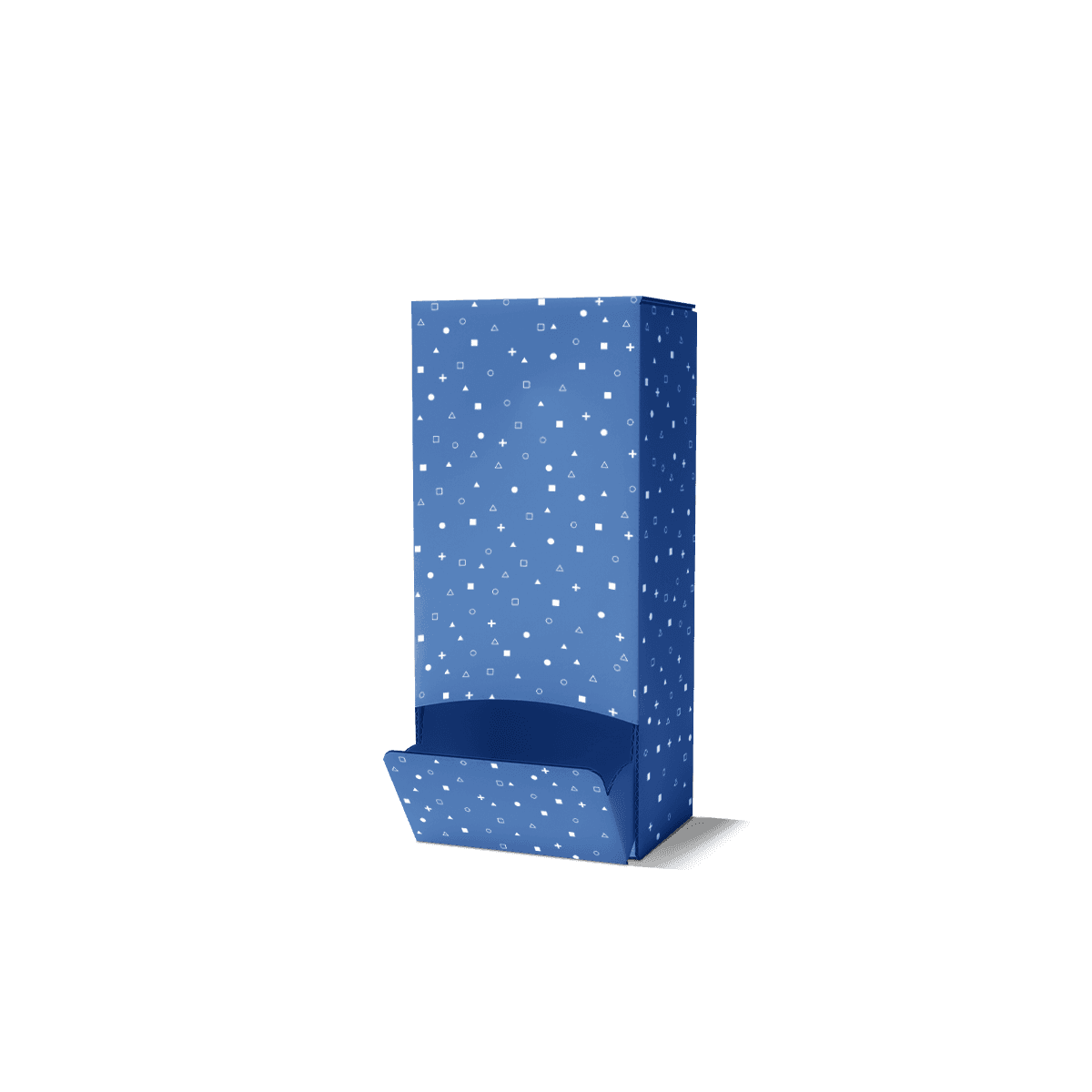
Gravity feed begins with the angle inside the dispenser, but there is no universal slope that works for every product. The geometry has to create enough forward force to overcome friction without making the front product hit the stop too aggressively.

Weight and Angle Work Together

A heavier rigid carton may move on a shallower incline than a lightweight sachet. A tall narrow item can also behave differently from a short dense one because its centre of mass changes how it settles as the row advances.

Increasing the angle is not always the correct fix for a slow-moving product. A steeper track can raise the overall box, increase material use and make the unit less stable on a counter or shelf. It can also make the remaining products press too firmly against the front unit.

The better approach is to test angle, product orientation and internal clearance together.

Friction Can Stop the Feed

The product surface matters as much as its weight. Gloss-coated cartons, paper sachets, matte laminates and crimped wrappers can produce very different levels of drag against the internal track and against neighbouring packs.

A wrapped snack bar with a prominent sealed fin may catch where a flat carton slides cleanly. A pouch containing loose contents may change thickness as it settles, creating unpredictable contact points.

Where friction is inconsistent, a gravity dispenser may need more side guidance, a different orientation or a simpler dispensing method altogether. The structure should not depend on perfect laboratory movement if the real packs vary from unit to unit.

Lane Width Controls Alignment

The product needs freedom to move forward, but not enough room to rotate. Lane width is therefore one of the most important tolerances in a gravity-fed display.

Side Guides Prevent Rotation

A narrow rectangular product can jam diagonally if the channel is much wider than the pack. Side guides or a fitted internal lane keep each item facing the same direction as it travels.

The clearance still has to accommodate realistic variation. Printed cartons are usually consistent, while flexible packs may swell or compress. The lane should control orientation without pinching the widest normal product.

Multiple lanes can be useful when several variants share the same display. They stop fast-selling stock from disturbing neighbouring products and make empty positions easier for staff to identify.

A Protein Bar Feed That Stalls Halfway

A display holding 30 individually wrapped protein bars may appear simple because every bar has almost the same overall size. Problems can start when the bars are loaded flat with their crimped end seals rubbing against the side walls.

If the channel is narrow and the internal angle is only just sufficient, the first few bars may dispense properly while lighter pressure farther up the stack leaves later packs stalled halfway down. Increasing the slope alone can make the front bars arrive too forcefully.

Turning the bars so the sealed edges do not drag along both side guides, adding a little lane clearance and adjusting the slope can create a more consistent feed. The practical result is a next product that reaches the pick point reliably without making the entire dispenser unnecessarily steep.

The Front Stop Must Release One Item

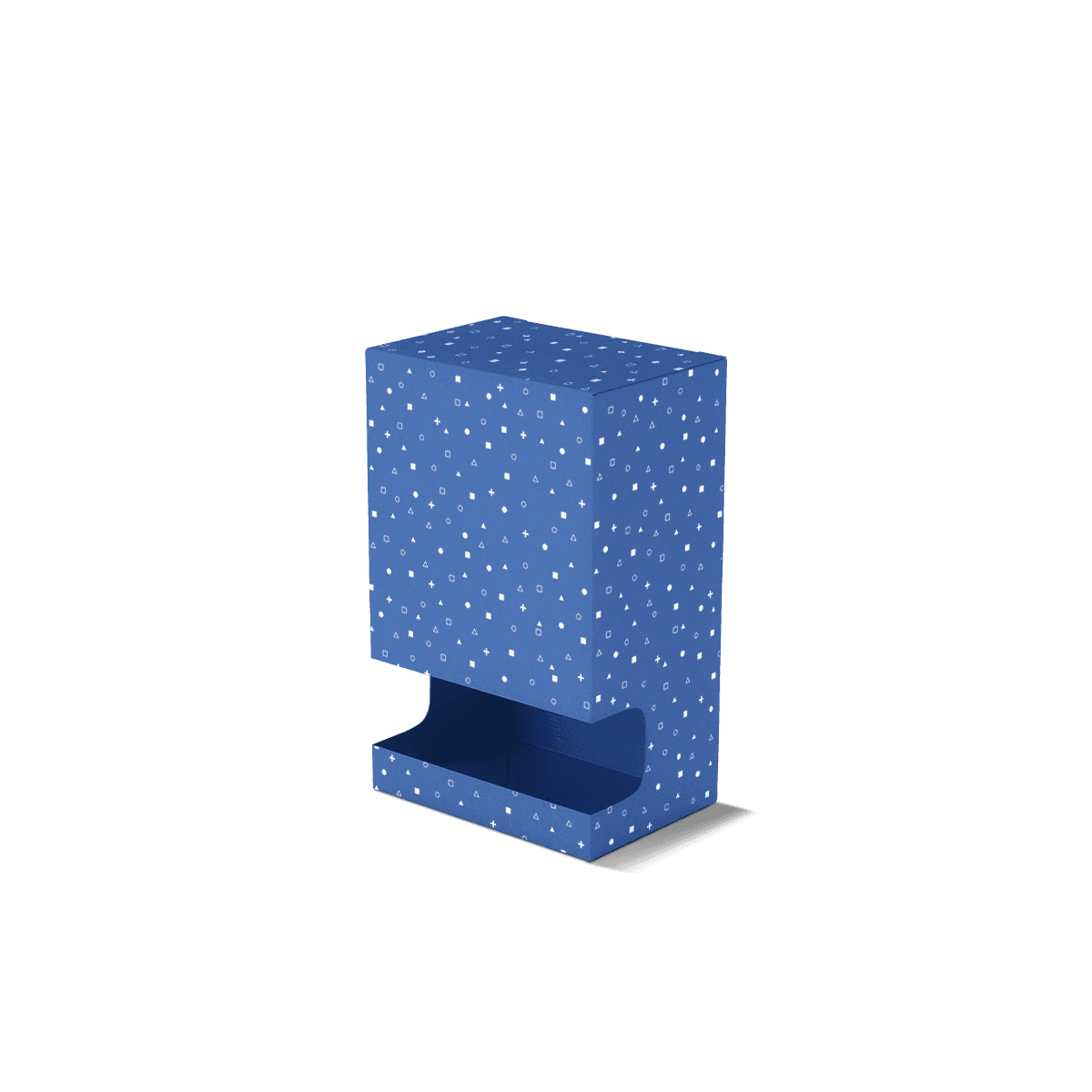
The lower opening does more than expose the first product. It has to hold the whole line back while still allowing the leading unit to be removed cleanly.

A front stop that is too low may let several items surge forward. Too high and the customer has to lift or bend the product excessively to remove it. The opening also needs enough finger access without exposing so much of the lane that products can fall out during handling.

The product's removal direction should be decided early. Some items are pulled straight forward. Others need a small upward lift before they clear the retaining lip. That movement changes the front cut-out and the amount of product that should remain visible.

The last item deserves particular attention. With no product behind it applying pressure, it still needs to settle into an accessible position rather than disappearing behind the front wall.

This is one of the clearest differences from dispenser display boxes, where controlled access can work without the remaining products automatically feeding forward.

Capacity Changes the Pressure

A gravity dispenser does not behave exactly the same when full, half full and almost empty. The number of products behind the front unit changes the force through the lane.

When the display is full, the leading product may carry pressure from many units behind it. That can make retrieval tight if the incline is steep or the surfaces have high friction. Near the end of the run, less weight remains to help the final products travel forward.

Capacity should therefore be selected around more than refill frequency. A very deep dispenser may increase stock holding but also increase the load against the front stop, enlarge the footprint and make the feed more sensitive to product variation.

For a high-turnover item, two shorter lanes can sometimes work more predictably than one very deep lane. For a slower-selling line, excessive capacity may simply create a larger display than the retail space needs.

Prove the Feed Across the Full Stock Cycle

The approval test should recreate the whole dispensing cycle. Load the intended product quantity, remove units repeatedly and watch what happens as pressure through the lane changes.

Check whether the first product is too tight when the unit is full. Look for packs that rotate, catch or bridge across the lane. At half capacity, confirm the remaining products still advance without tapping or shaking the box. Near empty, make sure the last units reach the front and remain easy to remove.

A free physical sample is particularly valuable for gravity dispensers because feed behaviour depends on real product surfaces and weight distribution. A 3D mockup can confirm appearance, but it cannot prove that a pouch, carton or wrapped bar will slide consistently.

Once the mechanism works, record the product orientation, internal lane dimensions, slope, front-stop geometry, material and artwork version. Custom Packly's MOQ starts from 100 boxes, allowing a new gravity-feed format to begin at a controlled quantity before larger repeat production.

A free physical sample is especially useful because feed behaviour depends on the real product surface and weight distribution. A 3D mockup can confirm appearance, but it cannot prove that a pouch, carton or wrapped bar will advance consistently.

Refill Without Disturbing the Track

A gravity-fed unit normally needs a separate staff loading route so replenishment does not interfere with the customer-facing opening.

Top loading can work when the internal lane is easy to access and there is enough clearance above the display. Rear loading may be better on a staffed counter or shelf where the front needs to remain visually uninterrupted.

Whichever direction is used, staff should be able to reload products in the correct orientation. If the system works only when every pack is inserted in a very precise way, the refill method should make that orientation obvious.

A stop, divider or shaped loading mouth can reduce mistakes without adding much complexity. The goal is repeatable use during normal trading, not a structure that works only when handled by the person who designed it.

For repeat retail programmes, warehousing and scheduled deliveries can support staged requirements after the feed behaviour and pack-out have been approved.

Material Must Hold the Angle

The internal slope is part of the dispensing mechanism, so it needs to stay consistent under the loaded product weight. If the track bows, the angle changes and feed performance changes with it.

Paperboard for Light, Short Runs

Folding paperboard can suit compact gravity dispensers carrying lightweight, consistent products. It gives a clean print surface and can fold efficiently when the internal spans are short enough to remain stiff.

Large unsupported ramps or dense products can push a light paperboard structure beyond what it should do. Reinforcement, additional folds or a different material may then be more sensible than simply increasing the nominal thickness.

Corrugated for Deeper or Heavier Loads

Fine-flute corrugated material can provide greater rigidity for deeper gravity lanes, larger capacities or repeated handling. It can also help the base stay level where the dispenser carries many small but collectively heavy products.

Material should still follow the complete load path. A stronger outer shell does not fix a poorly supported internal ramp.

The practical differences between paperboard and corrugated structures are covered in paperboard vs corrugated vs rigid packaging.

Print Around the Product Window

Gravity dispensers often expose the leading product through a lower front opening while leaving substantial front, side and header areas available for print. Artwork should work with that opening rather than treating it as missing space.

The area above the dispensing point can carry the primary brand or product message. Side panels can support variant cues or short secondary information, particularly when the unit is viewed along a shelf. The product itself should remain visually connected to the printed display once it reaches the front.

Premium offset printing can support detailed artwork and consistent brand colour across repeat runs. CMYK works for full-colour graphics, while confirmed Pantone references can help where a specific brand shade needs tighter control.

Free 3D mockups are useful for checking whether branding still reads correctly when the front product is visible and when the dispenser is partly depleted. Artwork should then be applied to the approved technical layout. Packaging dielines explained covers cut lines, creases, bleed and safe areas that matter around openings, ramps and locking panels.

Products That Resist Gravity Feed

Gravity feed becomes unreliable when the product varies substantially in thickness, catches on its own seals or has too little consistent weight to overcome friction.

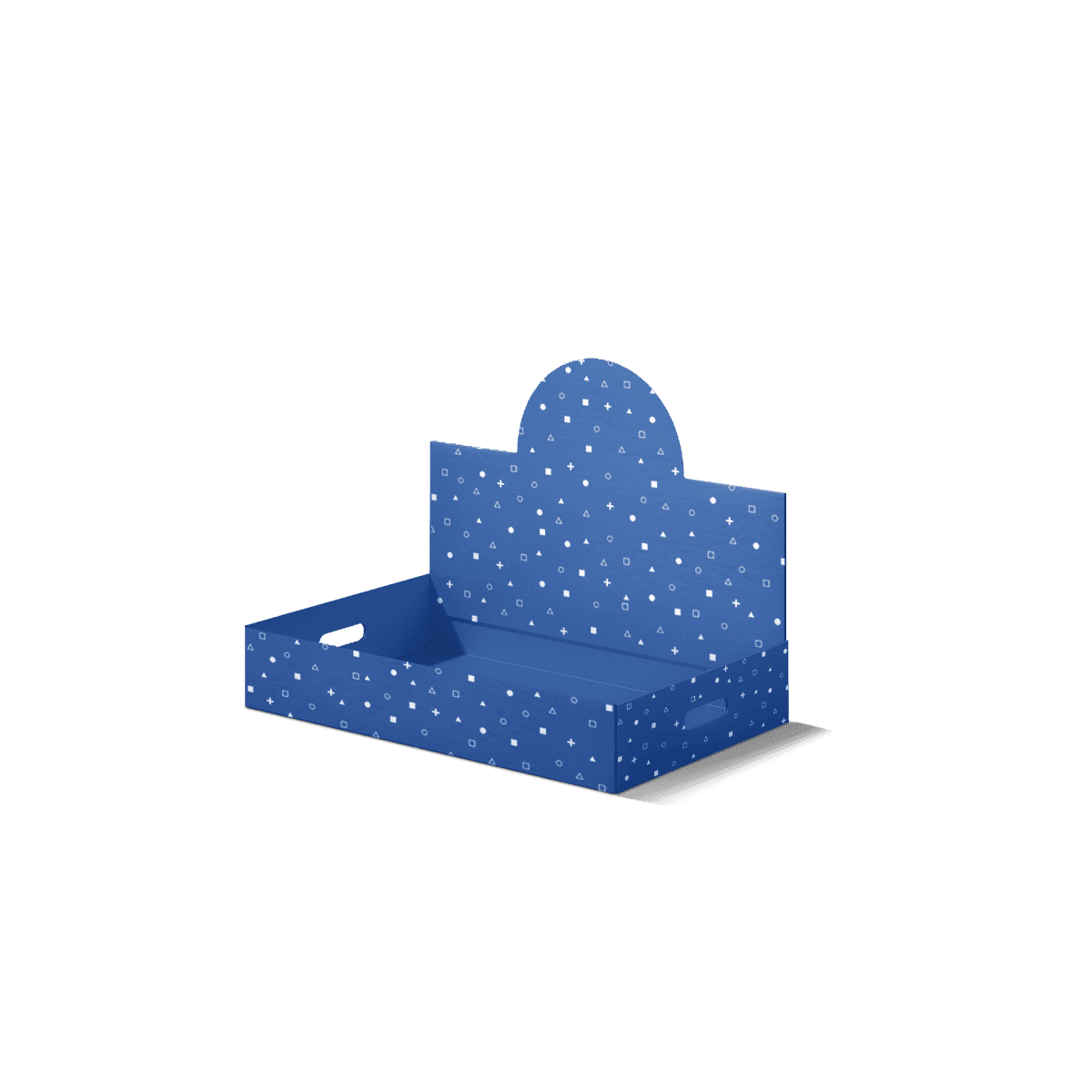
Dispenser Display Boxes are often the safer option when customers can reach the next item directly without needing automatic advancement. Tray Display Boxes suit products where unrestricted visibility and access matter more than controlled movement.

If the overall store presentation still needs resolving, custom retail packaging can connect the display choice with the primary packaging and other retail formats.

Use the Proven Feed Path as the Production Spec

Once the product advances reliably, preserve the orientation, internal lane dimensions, slope, front-stop geometry and material as one working system. A repeat order should reproduce that feed path rather than merely match the outside box dimensions.

If the feed has not yet been resolved, attach the product dimensions, weight and intended retail position to the custom packaging quote. Custom Packly can develop the movement before artwork and production are finalised.

FAQs

Gravity dispenser boxes rely on an angled internal layout so the remaining stock moves forward by weight after each pick. Standard Dispenser Display Boxes may control access through the front but do not always create automatic forward movement. Choose a gravity-fed design when the product can slide reliably and the front face needs to stay active with less manual adjustment.

Products with a consistent shape, stable weight and reasonably smooth outer surface tend to perform best. Slim cartons, wrapped bars, sachets and similar repeat-size units are strong candidates. Irregular, fragile or highly flexible items may not feed cleanly, so it is important to confirm real movement behaviour before fixing the structure.

Confirm product dimensions, thickness variation, surface friction and the number of units the display must hold. You should also check the feed angle, front opening width and refill method. A gravity-fed design only works properly when the product path is balanced, so internal testing matters more here than with a simple open tray.

They can help a lot, but only when the product and structure are matched correctly. If the feed angle is too shallow, products may stall. If it is too steep, items may bunch or release awkwardly. The goal is controlled forward movement, not uncontrolled drop. Prototyping is the safest way to confirm the right balance.

Tray Display Boxes are usually better when the product needs full open visibility from above, when customers may browse several items at once or when the contents will not slide cleanly under gravity. Gravity dispenser boxes are better for repeat single-item picks where tidy front access and more self-maintaining stock presentation matter more than full open display.

Process

How it works

Your Packaging Journey, From Idea to Production and Delivery

01

Tell Us Your Specs

Custom packaging boxes

Tell Us Your Specs

Provide size, quantity, printing, and finishes.

02

Get a Fast Quote

Custom packaging boxes

Get a Fast Quote

Instant transparent pricing, no hidden fees.

03

Design and Approval

Custom packaging boxes

Design and Approval

Artwork checks, revisions, and final sign-off.

04

Produce

Custom packaging boxes

Produce

Expert manufacturing to meet deadlines.

05

Ship to Your Door

Custom packaging boxes

Ship to Your Door

Hassle-free, flexible delivery options.

Get Your Quote for Custom Gravity Dispenser Boxes

Share your product details, dimensions, quantity and artwork needs. We’ll help choose the right packaging style and send a clear quote.