A Display Changes as Stock Sells Through
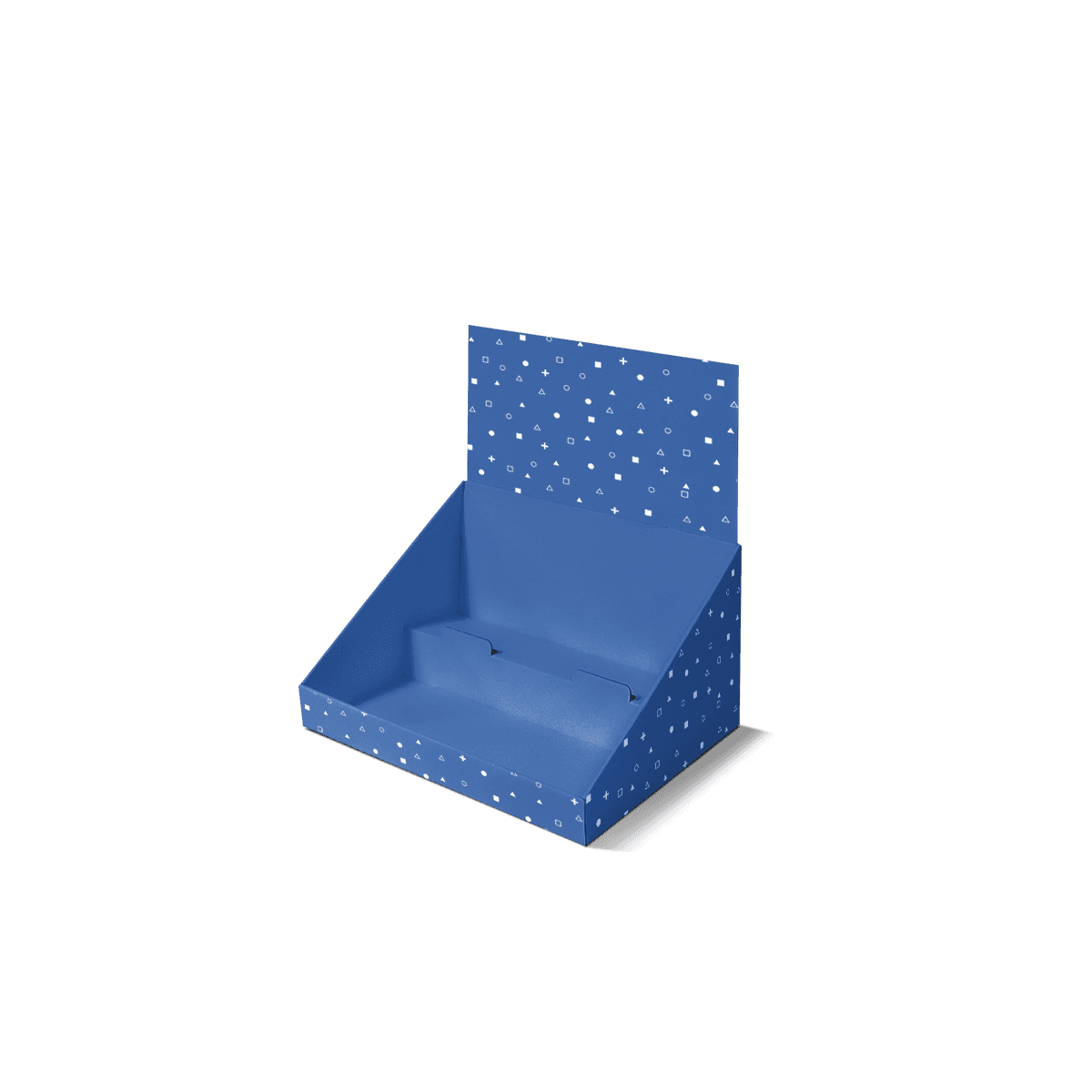
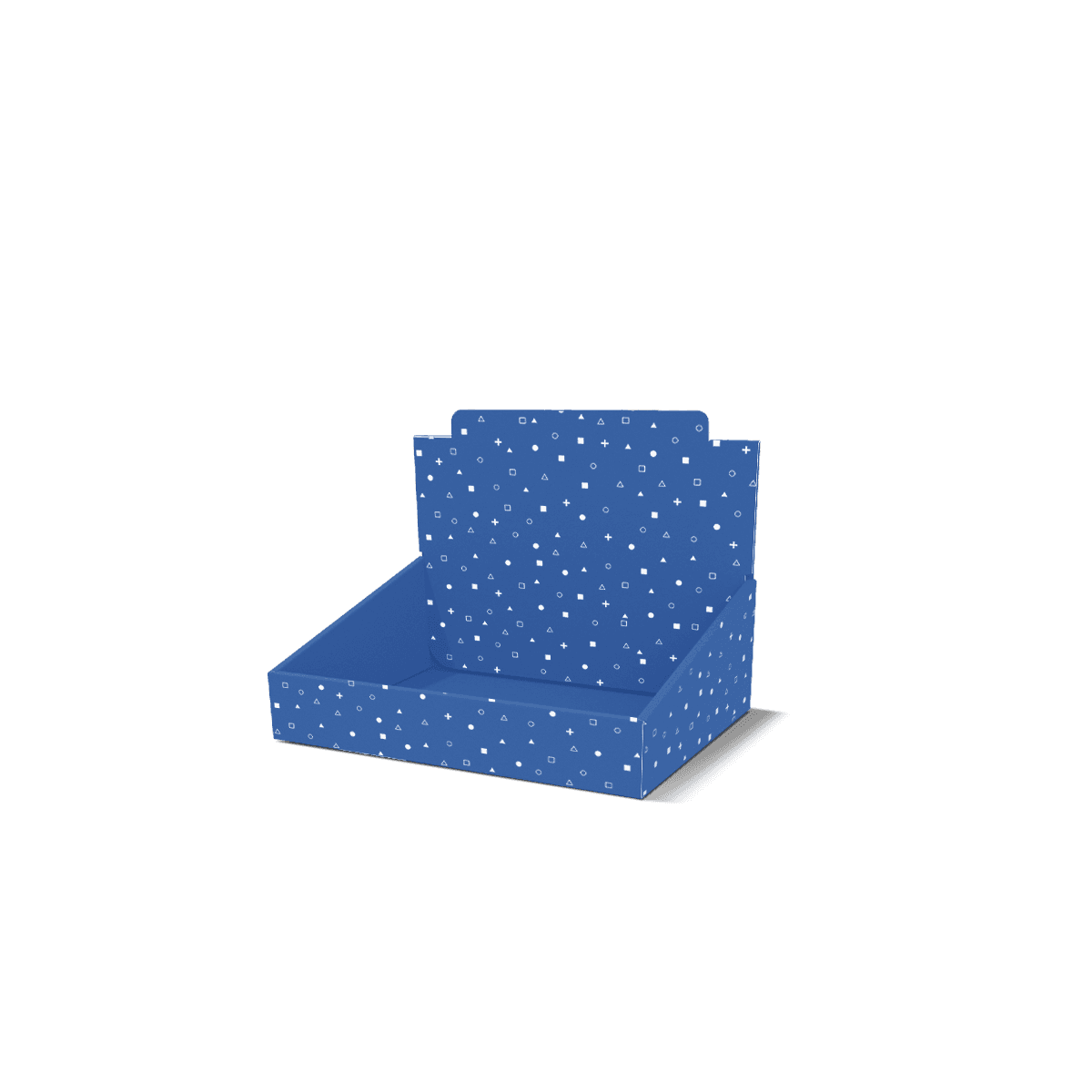
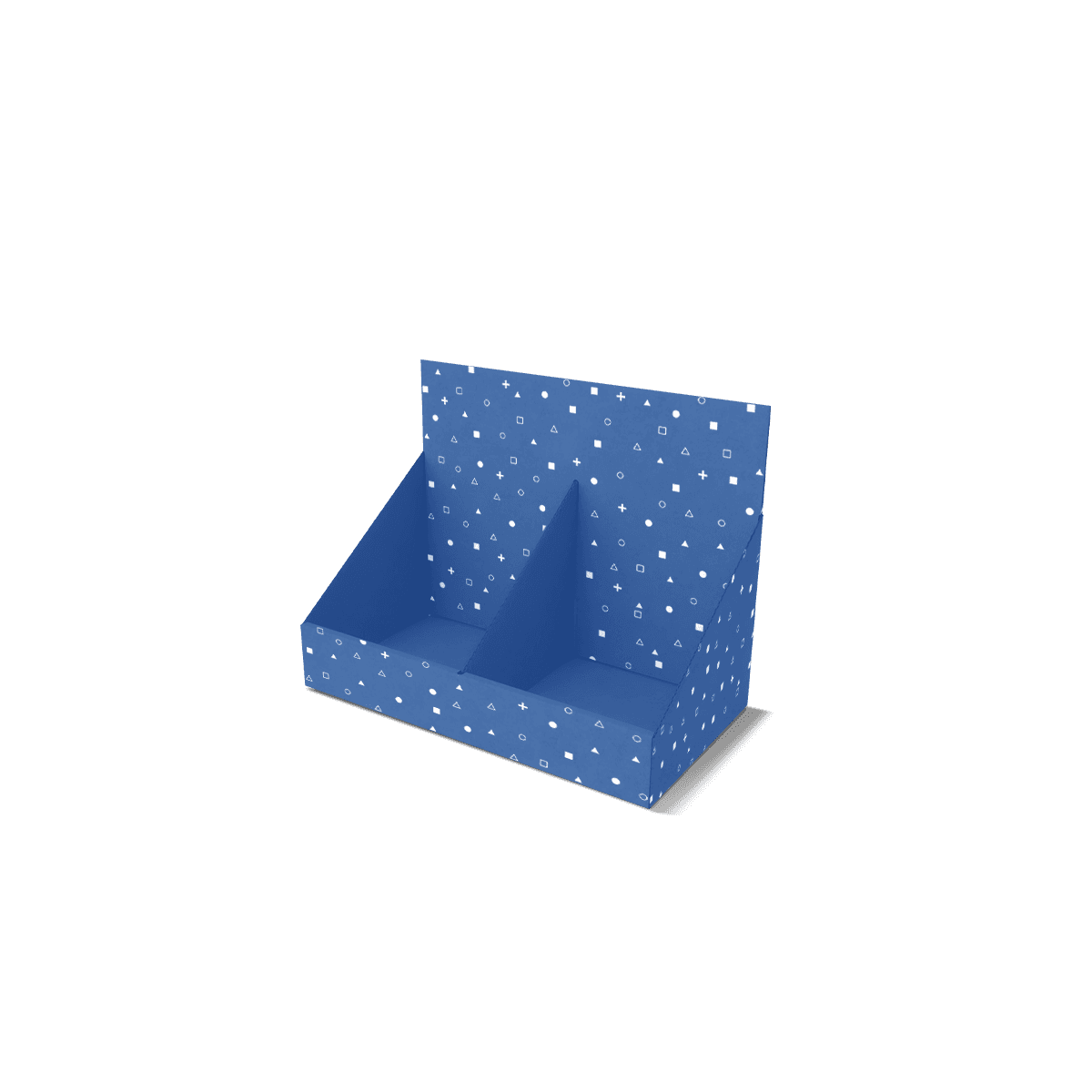
Remove the first few products and the display starts revealing whether it was specified properly. Gaps open, cartons lose lateral support and a front lip that looked harmless when full can begin hiding the remaining stock. Custom cardboard display boxes therefore need to work under changing load, not only when every facing is filled.
The right specification starts with the selling unit, not the outer dimensions alone. Product weight, footprint, height, centre of gravity, number of facings and refill method all affect how the display behaves. A shallow display for lightweight sachets can use a very different material and wall profile from a deeper unit holding boxed skincare, glass jars or multiple rows of heavier products.
This is why “cardboard” should be treated as a material direction rather than a complete specification. The board type, thickness, fold geometry and internal support still need to be matched to the load. A well-made cardboard display should remain useful when full, half-empty and close to refill, not just look good in a 3D render.
For brands selling through shops, pharmacies, counters or promotional spaces, custom retail packaging provides additional retail context. Cardboard display boxes become the right route when the board itself forms the temporary selling fixture.